.webp)
Curb appeal is one of those concepts that gets discussed most often in the context of selling a home, but its value extends well beyond real estate transactions. The exterior condition of a home shapes how the neighborhood perceives the property, how guests experience their arrival, and — perhaps most significantly — how the homeowner feels about the place they come home to every day. A home that presents well from the street communicates care, pride, and attention that reflects on everything inside it.
For homeowners in Charleston and Summerville, curb appeal carries a specific local dimension. The Lowcountry has a strong visual culture built on the character of its historic neighborhoods, the quality of its residential architecture, and the lush landscape that the regional climate supports. Homes in this market exist within a context that sets a relatively high baseline for exterior presentation, which means that a property that has fallen behind on exterior maintenance or hasn't been updated in some years stands out in ways that wouldn't be as apparent in markets with lower visual expectations.
The good news is that meaningful curb appeal improvements don't require major renovation budgets or extended project timelines. A targeted set of small projects — each individually modest in cost and scope — produces cumulative improvement that changes how a home reads from the street more completely than any single large project typically does. Understanding which projects deliver the most visible impact per dollar invested, and how the Lowcountry environment shapes which approaches work best, allows homeowners to prioritize effectively and see results quickly.
Why Exterior Presentation Matters More in This Market
The Charleston and Summerville real estate market is visually sophisticated in ways that directly affect how exterior condition translates to perceived value. Buyers, neighbors, and visitors in this market have daily exposure to some of the most carefully maintained residential architecture in the country — the historic districts of Charleston set a standard for exterior care that influences expectations across the broader market, including newer neighborhoods throughout Summerville and the surrounding communities.
In this context, a home with peeling paint, overgrown landscaping, or a front entry that hasn't been updated in decades doesn't just look dated — it looks out of place relative to its surroundings and the market it exists within. That gap between a home's presentation and the standard of its context is exactly what curb appeal improvements address, and in this market those improvements carry more weight than national averages would suggest.
The Lowcountry climate also means that exterior surfaces deteriorate faster than they would in more temperate environments. Paint fades and fails faster under the combination of intense UV exposure and high humidity. Landscaping grows more aggressively and requires more consistent management to stay intentional rather than overgrown. Biological growth on hard surfaces — driveways, walkways, fences — develops faster and is more persistent than in drier climates. These aren't reasons for discouragement — they're reasons for a maintenance rhythm that accounts for local conditions rather than assuming that national maintenance timelines apply.
Front Door Improvements That Change the Entire Entry Experience
.webp)
The front door is the single highest-impact curb appeal element on most homes, and the reason is straightforward — it's the focal point that the eye moves to naturally when looking at a home's facade. Everything around it provides context, but the door itself is what most people look at first and remember most clearly. A front door in poor condition or simply one that is visually disconnected from the home's current aesthetic drags the entire exterior presentation down in ways that are disproportionate to its actual size.
Repainting a front door is one of the highest-return exterior projects available in terms of visual impact per dollar spent. The right color choice — one that complements the home's existing exterior palette while providing the contrast and presence that makes an entry feel intentional and welcoming — can transform how a facade reads from the street. In Charleston and Summerville, where exterior color choices are often informed by the historic palette of the broader architectural environment, a front door color that connects to that tradition while feeling current and deliberate is typically more effective than a purely trendy choice that may feel dated within a few years.
Door hardware replacement accompanies a door repaint naturally and adds a layer of quality to the entry that paint alone doesn't deliver. A freshly painted door with original hardware that is tarnished, mismatched, or visibly worn creates a visual disconnect — the door looks refreshed but the hardware signals that the update stopped short. Replacing the lockset, door knocker, house numbers, and exterior light fixture in finishes that coordinate with each other and with the door color completes the entry refresh in a way that reads as intentional and complete rather than partial.
The condition of the threshold, storm door if present, and the immediate surround of the entry — the casing, the trim, the area immediately above and to the sides of the door — all contribute to the entry impression. Trim that is cracked, peeling, or separating from the wall, and caulking at the door frame perimeter that has failed, communicate the kind of maintenance deficit that even a beautifully painted door can't fully overcome. Addressing these conditions as part of an entry refresh ensures the entire entry zone reads as well-maintained rather than partially updated.
Landscaping and Lawn Care That Works With the Lowcountry Climate
Landscaping is the exterior element with the most immediate seasonal variability, and in the Lowcountry the spring season represents the moment when landscape condition becomes most visible and most consequential for curb appeal. The aggressive growth that the region's warm, humid climate promotes means that plantings that looked manageable in winter can appear overgrown by early spring, and the contrast between well-managed and neglected landscaping is particularly sharp in the season when everything is actively growing.
Foundation plantings — the shrubs and plants that frame the base of the home — have a direct relationship with how grounded and intentional the home looks from the street. Plantings that have grown to obscure windows, that extend past the edges of the home's facade, or that have become shapeless through inconsistent pruning make the home appear smaller and less cared for than the structure itself warrants. Pruning foundation plantings to reveal the home's architecture — keeping them below window sill height, maintaining clear sightlines to the entry, and shaping them to frame rather than obscure the facade — is a half-day project that produces immediately visible improvement.
Lawn condition in the Lowcountry involves managing the specific challenges that the regional climate presents. The warm-season grasses that perform well here — centipede, St. Augustine, zoysia, and Bermuda — go dormant through the cooler winter months and emerge in spring in conditions that reflect how well they were maintained through the previous season. A lawn that is patchy, weed-invaded, or showing areas of thinning needs attention in early spring before the growing season advances those conditions further. Overseeding thin areas, addressing weed pressure before it spreads through the lawn, and ensuring the first mowing of the season is done at the appropriate height for the grass type sets the lawn up for the rest of the season.
Mulch refresh in planting beds is a curb appeal improvement that is consistently underestimated in its visual impact. Fresh mulch in planting beds creates a clean, defined edge between the planted areas and the lawn, makes the landscaping look intentional and maintained, and provides the practical benefit of moisture retention and weed suppression through the growing season. In the Lowcountry, where organic mulch breaks down faster than in cooler climates, annual spring mulch refresh is a maintenance rhythm that keeps beds looking current rather than depleted.
Hard Surface Cleaning and the Difference Pressure Washing Makes
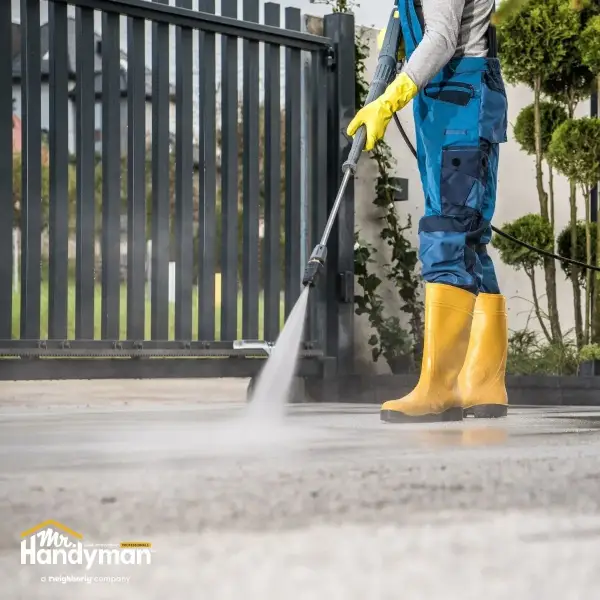
Driveways, walkways, and other hard surfaces surrounding a Lowcountry home accumulate biological growth — algae, mildew, and moss — faster than in almost any other climate in the country. The combination of warmth, humidity, and frequent rainfall creates ideal conditions for that growth to establish itself on concrete, brick, and paver surfaces year-round. By spring, surfaces that haven't been cleaned since the previous year carry a visible layer of green or gray biological staining that makes the entire property look neglected regardless of what else has been done to maintain it.
Pressure washing driveways, walkways, and front steps before any other curb appeal work begins is the right sequencing choice for exactly this reason. Clean hard surfaces change the baseline appearance of the entire property — they make landscaping look fresher, make the home's exterior appear brighter, and create the sense of a well-maintained property that makes every subsequent improvement more visible and more effective. The investment is modest and the impact is immediate, which makes pressure washing one of the most efficient curb appeal projects available in the Lowcountry context.
Concrete and paver surfaces that pressure washing reveals as having significant cracking, heaving at joints, or areas of settled and uneven surface need targeted repair after cleaning. Trip hazards at walkway joints, settled pavers near the entry, and significant concrete cracking that has allowed weed growth to establish itself in the gaps all affect both safety and appearance. Addressing these conditions after cleaning — filling cracks, releveling settled pavers, and repointing mortar joints where needed — produces a hard surface that looks maintained and presents safely for visitors and future buyers alike.
Fences and retaining walls benefit from the same cleaning attention as flat hard surfaces. Wood fences that have accumulated biological growth and surface graying, and masonry retaining walls with algae staining and efflorescence, pull the property's appearance downward in ways that homeowners often stop noticing because the change happened gradually. Pressure washing these surfaces before the season begins restores their appearance at minimal cost and reveals any areas where paint, stain, or structural repair is needed — information that's harder to assess accurately under a layer of biological growth and weathering.
Exterior Lighting That Works for the Home
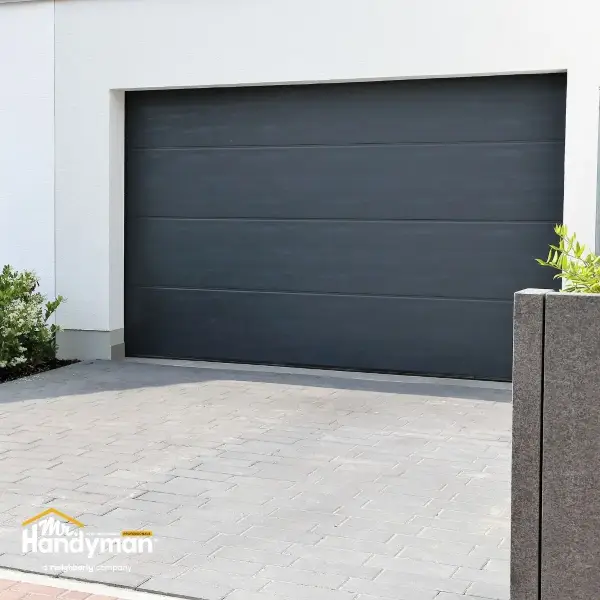
Exterior lighting is a curb appeal element that operates in two distinct modes — daytime, when fixture condition and style contribute to the entry's visual presentation, and evening, when the actual light output shapes how the home reads from the street after dark. Both modes matter, and both are affected by fixtures that are outdated, poorly positioned, or simply not performing as they should.
Porch and entry light fixtures are among the most visible hardware elements on a home's exterior, and their condition communicates directly about the maintenance standard of the property. Fixtures that are corroded, have damaged lenses from UV exposure, or are visually disconnected from the home's architectural style create a dated impression that affects the entry experience regardless of what else has been done to refresh the space. Replacing entry fixtures with options that coordinate with the door hardware and complement the home's exterior style is a straightforward project that produces visible improvement at a modest cost.
In the Lowcountry's coastal and humid environment, fixture material selection for exterior applications matters more than in drier climates. Fixtures rated for wet or damp locations with corrosion-resistant finishes hold their appearance significantly longer than standard fixtures in the same location. Marine-grade brass, powder-coated aluminum, and quality stainless steel are the material categories that hold up in the regional environment — standard chrome and lower-quality painted finishes show deterioration within a few years of exterior installation near the coast or in high-humidity locations.
Pathway lighting along the front walkway adds an evening dimension to curb appeal that entry fixtures alone don't deliver. A front walk that is well-lit from entry to street creates a welcoming arrival experience and contributes to safety during evening hours. Low-voltage landscape lighting systems are relatively straightforward to install and create the kind of layered exterior lighting that elevates a home's nighttime presence from functional to genuinely inviting. In a market where outdoor living and evening entertaining are part of the lifestyle for much of the year, exterior lighting that performs well after dark adds value that extends beyond curb appeal into daily quality of life.
FAQs About Quick Curb Appeal Improvements in Charleston and Summerville
How quickly can meaningful curb appeal improvements be completed? A targeted set of high-impact projects — pressure washing, front door repaint, hardware replacement, mulch refresh, and fixture replacement — can realistically be completed within a weekend to a week depending on scope and scheduling. These projects don't require extended lead times for materials or complex sequencing, which is exactly what makes them the right starting point for homeowners who want to see results quickly rather than committing to a longer renovation timeline.
What is the single highest-impact curb appeal project for the investment? In most cases, the front door repaint combined with coordinated hardware replacement delivers the highest visual return per dollar spent. The entry is where every visitor's eye goes first, and a refreshed entry with coordinated details changes the entire facade impression at a cost that is accessible for virtually any improvement budget. Pressure washing is a close second in terms of impact per dollar, particularly in the Lowcountry where biological growth on hard surfaces accumulates quickly and its removal reveals the home's actual condition most clearly.
How often do Lowcountry homes need pressure washing to maintain their appearance? Annual pressure washing is the appropriate rhythm for most homes in the Charleston and Summerville area. The region's warm, humid climate supports biological growth year-round, and growth that is allowed to establish for more than a year becomes more difficult to remove and begins working more aggressively into surface materials. Spring is the most logical timing — it removes the growth that accumulated through the previous year and starts the season with clean surfaces.
Should curb appeal improvements be done before listing a home or are they worth doing earlier? They are worth doing earlier for several reasons. Homeowners who complete curb appeal improvements and then live with them for a season enjoy the benefit of the improved exterior while they're still in the home. The improvements also begin their useful life fresh rather than immediately before a transaction, which means they present with appropriate newness at listing rather than appearing rushed. And addressing exterior conditions proactively prevents the kind of deferred maintenance accumulation that produces a longer and more expensive pre-listing project.
Which curb appeal improvements add measurable value versus just improving appearance? Front entry improvements, exterior paint condition, and landscaping management all have documented influence on perceived home value in the real estate context. Hard surface condition affects both value perception and liability exposure. Exterior lighting improvements add value through both appearance and function. The distinction between improvements that add value and those that merely improve appearance is less meaningful than it might seem — in a market like Charleston and Summerville, appearance and perceived value are closely correlated, and improvements that make a home look genuinely well-maintained translate directly into how buyers and appraisers assess it.
How do I maintain curb appeal improvements through the Lowcountry's demanding climate? The key is establishing a maintenance rhythm that accounts for how quickly the regional climate works on exterior surfaces. Annual pressure washing, spring mulch refresh, periodic caulking inspection and touch-up, and regular attention to landscaping management are the recurring tasks that keep curb appeal improvements performing rather than deteriorating back to their previous condition. The initial improvement establishes a new baseline — the maintenance rhythm is what holds that baseline through subsequent seasons.
Make the Right First Impression With Mr. Handyman of Charleston and Summerville
Curb appeal improvements done well change how a home presents to the neighborhood, to visitors, and to the market — and in the Lowcountry, where exterior presentation matters as much as anywhere in the country, that change has real value. The projects that deliver the most impact are also among the most accessible in terms of cost and timeline, which makes this one of the most efficient categories of home improvement available.
Mr. Handyman of Charleston and Summerville handles the full range of exterior improvement work that curb appeal projects require — from pressure washing and entry door refinishing to hardware replacement, fixture installation, and the trim and detail repairs that complete the impression. Our technicians understand the specific demands the Lowcountry climate places on exterior materials and bring the regional knowledge that makes results last through subsequent seasons.
Mr. Handyman of Charleston and Summerville
Reach out today to schedule a curb appeal assessment or discuss the exterior projects that will make the most difference for your home. The right improvements, done with the right attention to detail, change how your home presents from the very first glance.
