Water Damage Rarely Announces Itself
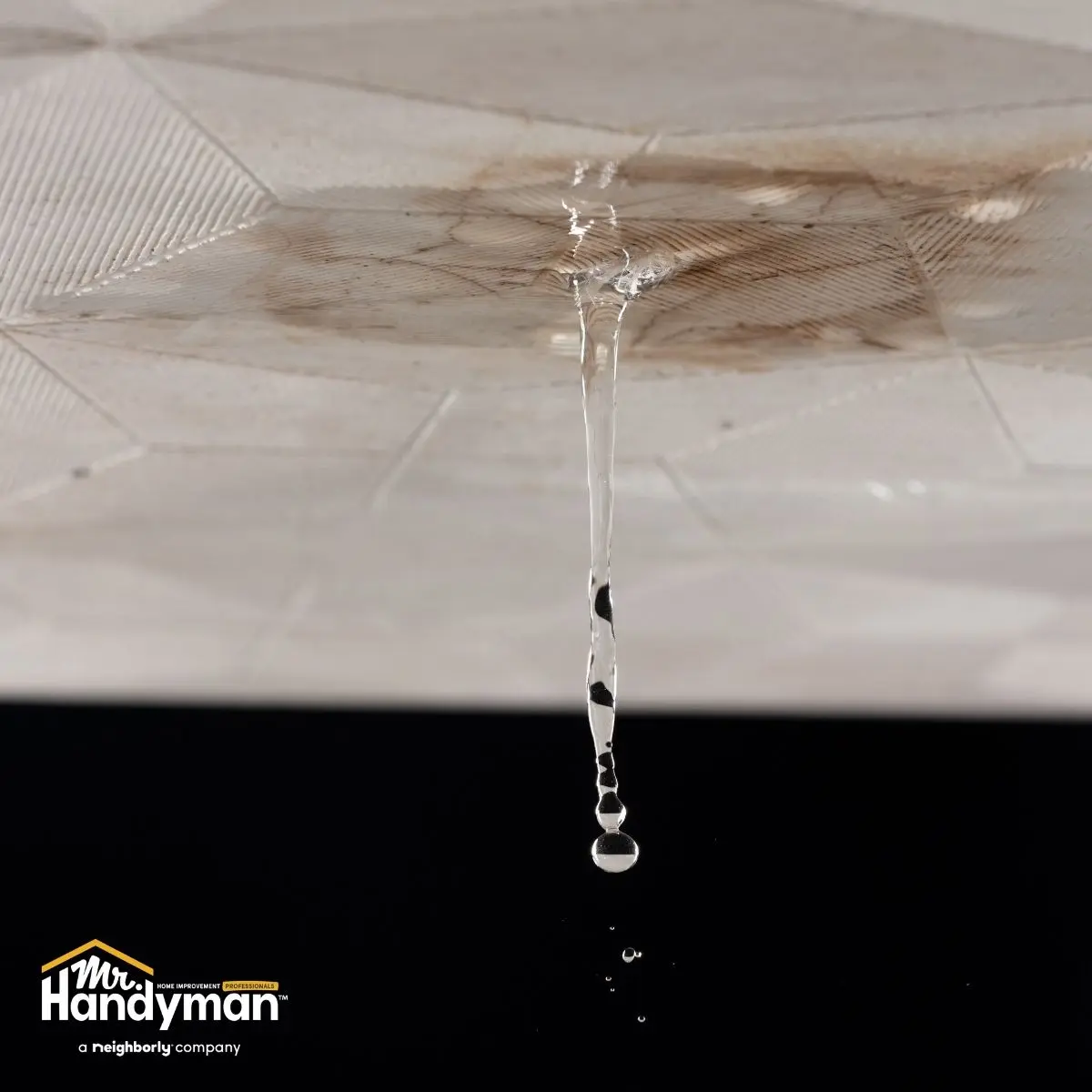
Most homeowners imagine water damage as something dramatic. A burst pipe flooding a hallway. A ceiling caving in after a roof leak. The reality is far less cinematic and far more costly. The vast majority of water damage in residential homes develops quietly, incrementally, and in places that do not get looked at often. By the time it becomes visible or obvious, the problem has usually been building for weeks or months.
In Charleston and Summerville, the conditions that allow water damage to develop and hide are present year-round and are more aggressive than in most other residential markets in the country. The Low Country's subtropical climate delivers the combination of high ambient humidity, significant annual rainfall, and the occasional freeze event that creates multiple simultaneous pathways for water to enter and persist in home building assemblies. Moisture that would dry out quickly in an arid climate stays present in Low Country homes, feeding the mold growth, wood deterioration, and structural damage that water intrusion enables with a speed and consistency that homeowners unfamiliar with the region's conditions consistently underestimate.
Learning to recognize the early signs of water damage in a Charleston or Summerville home is not about becoming a home inspector. It is about understanding what this specific climate does to residential building assemblies and knowing what to look for before the conditions that are routine in the Low Country advance from manageable to catastrophic.
Why Early Detection Matters More in the Low Country
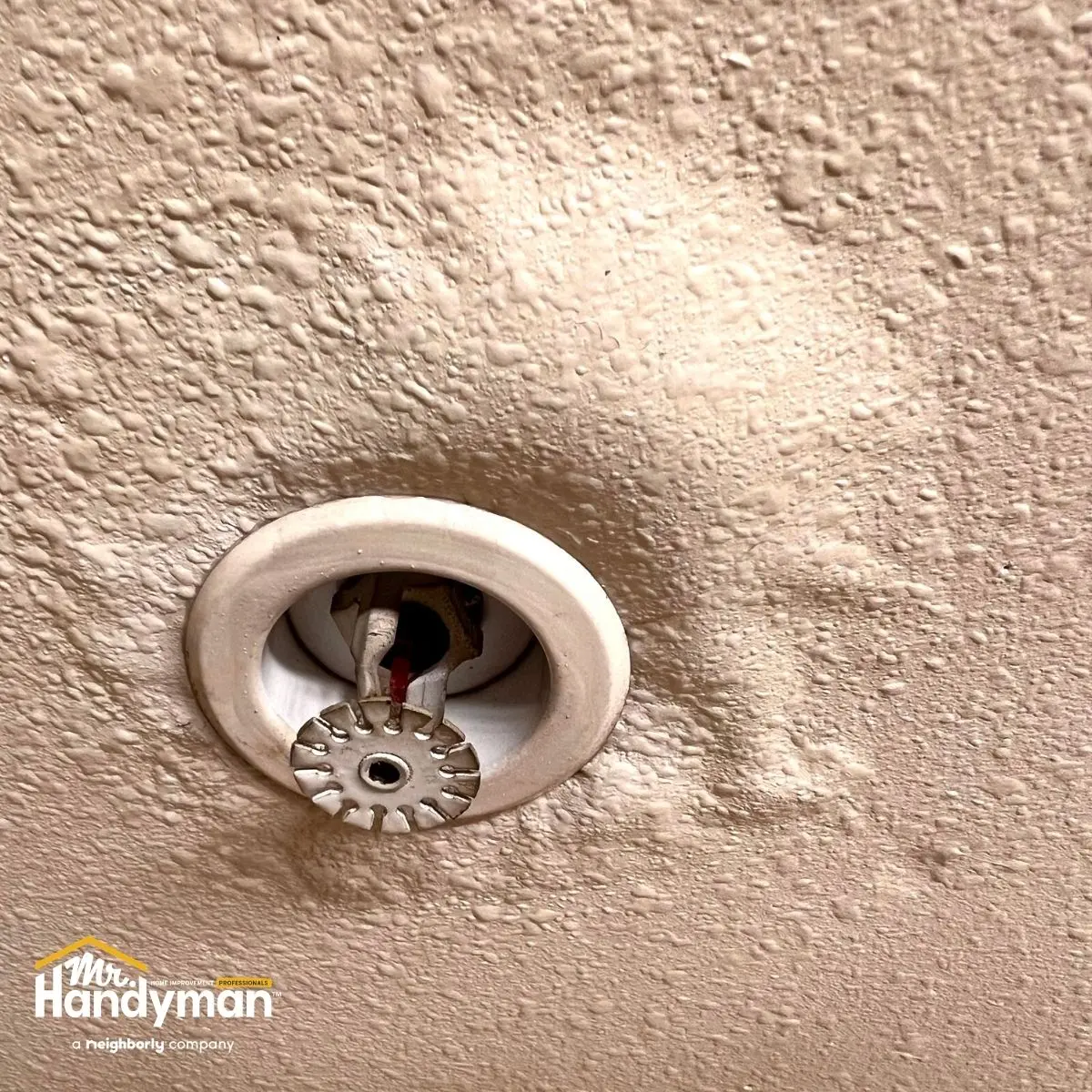
Water damage follows a pattern of escalation that is predictable everywhere, but in the Low Country that escalation happens faster and produces more severe consequences than in moderate climates because the ambient conditions that support damage progression are always present.
A slow leak behind a wall in a Charleston home saturates insulation that the region's humidity prevents from fully drying between moisture events. That persistently wet insulation holds moisture against wood framing that mold colonizes within 24 to 48 hours under Low Country temperature and humidity conditions. Mold that establishes in a Charleston wall cavity does not remain localized. It spreads through the available substrate while the ambient humidity that the Low Country sustains supports its continuous growth without the dry periods that interrupt mold progression in more moderate climates.
The cost of catching a slow leak in a Low Country home after six months of hidden damage versus catching it in the first weeks is not marginal. It is the difference between a drywall and insulation repair and a full wall cavity remediation that may include structural framing treatment, subfloor evaluation, and the mold remediation that a six-month-old Low Country moisture condition virtually guarantees has produced. In Charleston's historic homes where original materials have been in place for generations, that escalation produces irreplaceable losses alongside the financial ones.
What to Look for on Your Ceilings and Walls
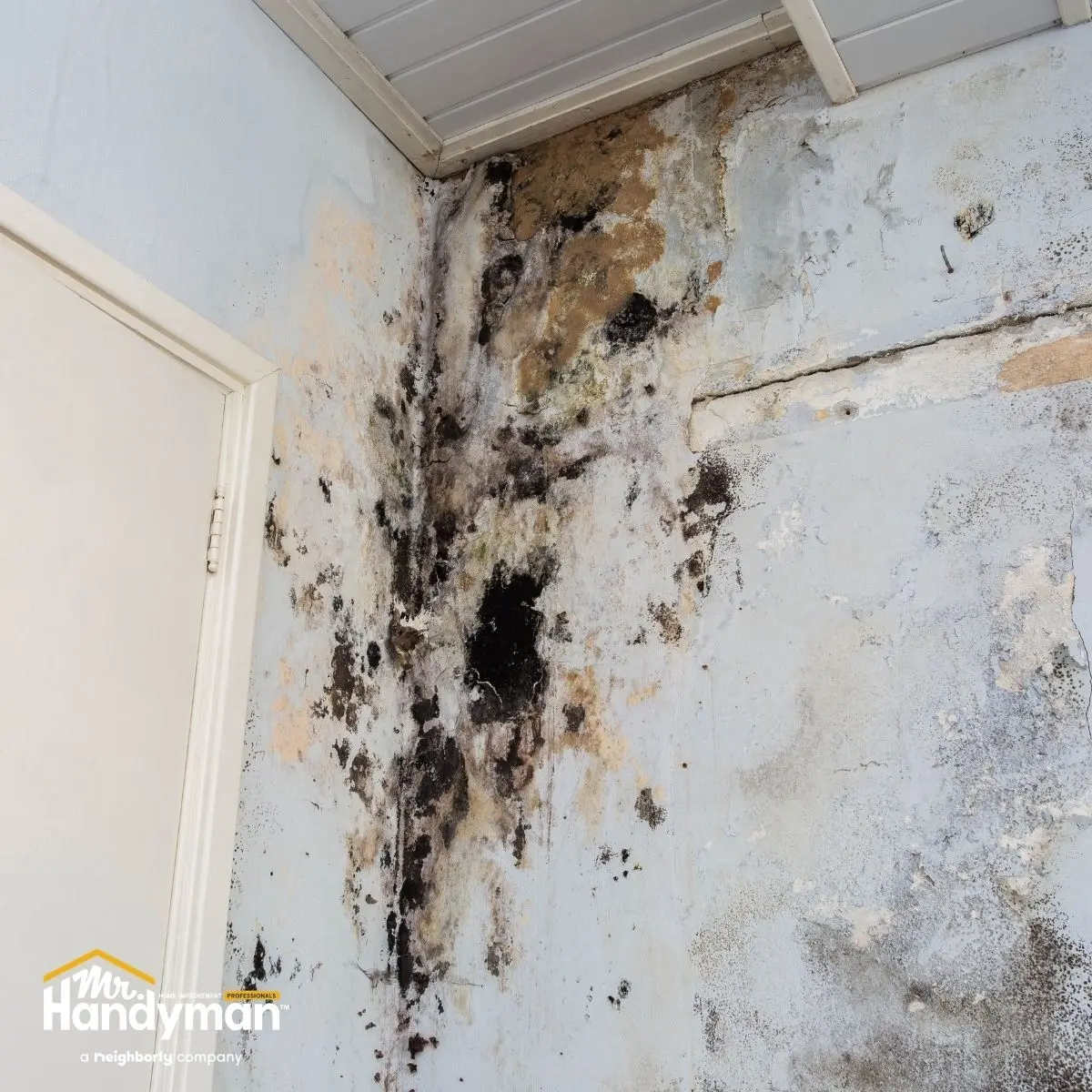
Ceilings and walls are where water damage most commonly reveals itself first in Low Country homes, and the specific patterns that Charleston and Summerville's climate produces in these surfaces are worth understanding clearly.
Staining and discoloration on ceilings appear as yellowish or brownish rings with darker outer edges where moisture evaporated and left mineral deposits. In the Low Country, ceiling staining should be taken more seriously than in moderate climates because the ambient humidity that prevents complete drying between rain events means that a stain that appears stable may be receiving ongoing moisture from a source that dry conditions would have sealed. A stain that is growing, changing shape, or reappearing after painting over is always indicating an active issue.
Wall staining at or near the floor line in Charleston and Summerville homes frequently points to ground moisture migrating upward through foundation components or through the crawl space conditions that the region's high water table and significant rainfall create beneath elevated homes. This moisture pathway is specific to the Low Country's combination of coastal geology, high rainfall, and elevated home construction, and it is a pattern that homeowners in this region should recognize and take seriously rather than attributing to normal settling.
Bubbling or peeling paint is a reliable early indicator that moisture is present behind the wall surface. In Low Country homes where ambient humidity is already elevated, paint that bubbles without obvious cause is responding to moisture that has penetrated the wall assembly from a specific source rather than simply from the general ambient conditions the home manages through its normal building envelope function.
Soft spots in drywall indicate that moisture has already compromised the material's structural integrity. In a Charleston or Summerville home, soft drywall deserves immediate investigation rather than monitoring because the ambient humidity conditions that the Low Country maintains mean that the moisture driving that softness has continuous reinforcement from the surrounding environment.
Floors Tell a Story If You Know How to Read Them
Flooring in Low Country homes responds to moisture in ways that reflect both specific water intrusion events and the sustained humidity conditions that the region delivers to every floor assembly year-round.
Warping and buckling in hardwood floors in Charleston homes must be evaluated with the understanding that some seasonal movement is normal given the region's humidity variation. Significant warping or cupping that exceeds normal seasonal movement, particularly when it is localized to a specific area rather than distributed across the floor, points to a direct moisture source rather than ambient humidity alone.
Soft spots underfoot in bathrooms and kitchens are a serious warning sign in any climate, but in the Low Country they carry additional urgency because the subfloor materials that have absorbed moisture are doing so in an environment where drying does not happen quickly. A bathroom floor that gives slightly near the toilet base in a Charleston or Summerville home may have been holding moisture for an extended period given the ambient humidity that prevents the drying that would be evident in a drier climate.
Tile cracking and grout failure without obvious physical trauma frequently points to substrate movement from moisture damage. In Summerville's newer construction where the sandy, expansive soils create ground movement conditions, grout failure can also reflect slab and substrate movement that moisture in the soil profile specifically drives.
Crawl Spaces and Foundations: Where Low Country Water Damage Hides Longest
If there is one area of a Charleston or Summerville home where water damage consistently goes undetected the longest, it is below the living space. The crawl spaces beneath the elevated homes that define much of the Low Country's residential landscape are not simply storage areas. They are the most moisture-exposed component of the home's structural assembly, sitting between the ground that the region's high water table and significant rainfall keep persistently wet and the floor system of the home above.
Efflorescence on crawl space foundation components is one of the first visible signs that water is moving through the foundation assembly regularly. Those chalky white mineral deposits indicate consistent moisture migration through masonry or concrete, and in the Low Country where ground moisture is rarely fully absent, efflorescence that appears or worsens in spring is communicating that the crawl space moisture management system is being tested beyond its current capacity.
Standing water or persistently saturated soil in a Low Country crawl space after winter rainfall or spring rains is not simply a seasonal condition to wait out. It creates the exact conditions that wood-destroying organisms, mold colonization, and structural material deterioration require, and the ambient temperature and humidity conditions that Charleston and Summerville maintain through most of the year support those processes continuously once they are established. A crawl space that holds water provides no dry recovery period between moisture events in the Low Country's climate.
Wood deterioration in crawl space structural components, including floor joists, girders, and any wood blocking visible from within the space, requires spring assessment that specifically evaluates for the decay and insect activity that Low Country moisture conditions enable. Wood rot and subterranean termite activity are more prevalent in the Low Country than in most other residential markets because the region's warm temperatures, persistent moisture, and sandy soils create the conditions that both processes require. A floor joist showing soft spots, surface discoloration, or visible deterioration in a Charleston or Summerville crawl space is not simply a moisture damage concern. It is a structural safety concern that warrants professional evaluation.
Attics and Rooflines: The Top-Down Moisture Pathway
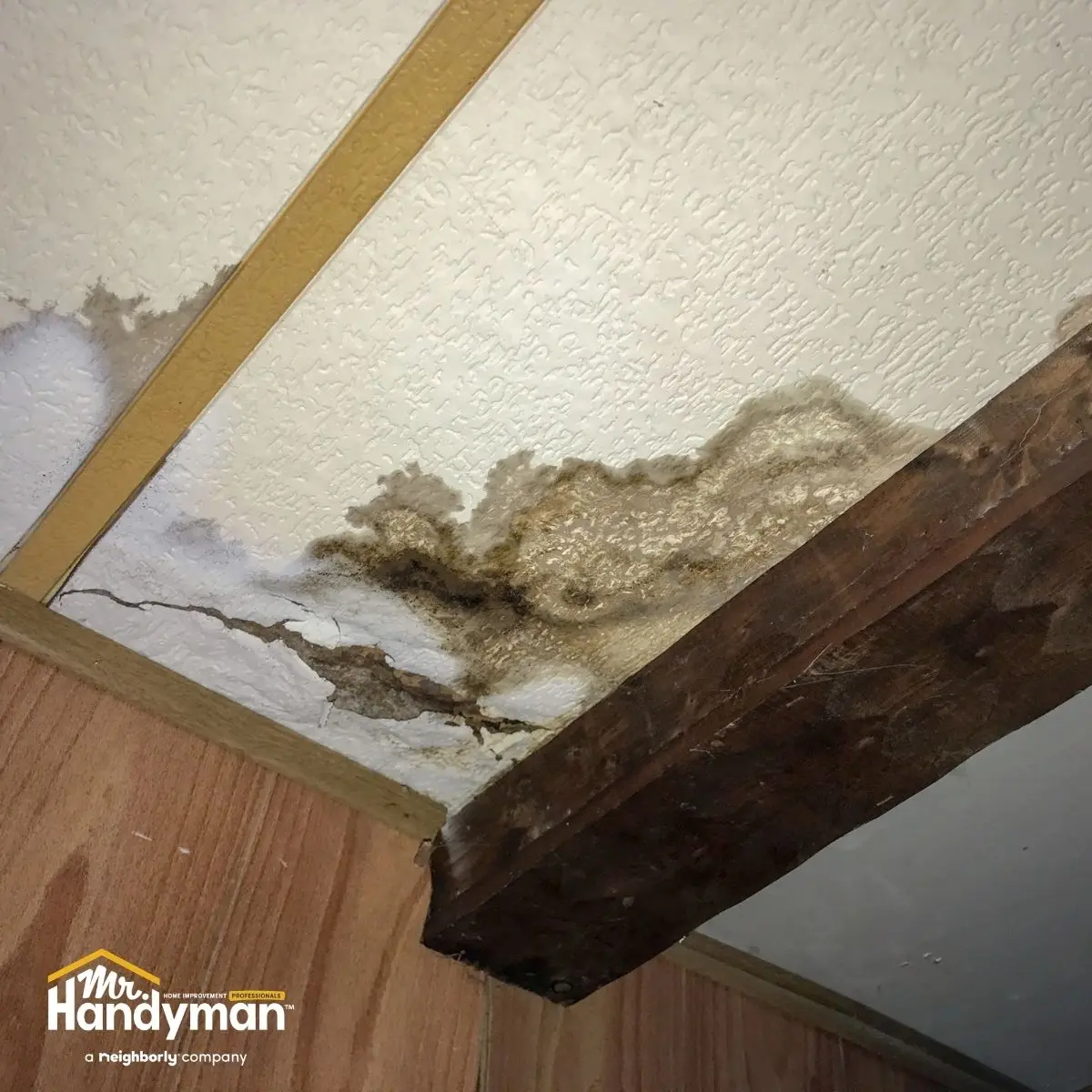
In the Low Country, attic and roofline moisture damage reflects the specific conditions that Charleston and Summerville's climate creates for roof assemblies managing both the region's significant rainfall and the intense solar heat that South Carolina summers deliver.
Dark staining on attic sheathing or rafters indicates that moisture has been present in ways that the normal condensation management the attic assembly provides has not fully addressed. In the Low Country, attic moisture sources include roof penetration failures during the heavy rainfall events the region experiences, inadequate ventilation that allows the extreme attic temperatures of South Carolina summers to create condensation conditions when cooler exterior air is introduced, and the bathroom and kitchen exhaust fans that are critical for Low Country humidity management but that produce significant moisture problems when they vent into the attic rather than through the roof.
Roof penetration integrity at plumbing vents, HVAC equipment, and any other protrusion through the roof surface deserves spring assessment in Charleston and Summerville homes because the rainfall intensity that Low Country storm systems produce tests those penetrations in ways that light rain does not. A roof penetration seal that performs adequately through mild weather may allow water entry during the heavy afternoon thunderstorms that South Carolina's summer season delivers regularly.
How Water Damage Compounds With Low Country Seasonal Patterns
What makes water damage particularly challenging to manage in Charleston and Summerville is that the climate provides almost no recovery window between moisture challenges. The Low Country's year-round humidity means that materials that absorb moisture during a winter rain event do not dry out before spring's heavier rainfall arrives. The spring rainfall season transitions into the humid summer with afternoon thunderstorms. Summer transitions into the fall with hurricane season moisture events. The home that carries unresolved moisture intrusion into any of these transitions is adding new moisture load on top of conditions that have never been allowed to fully recover.
This continuous moisture cycling is why Low Country homes that go without systematic inspection and maintenance develop the overlapping damage conditions that professional assessment reveals in buildings that appeared sound from a surface walkthrough. The damage layers across seasons rather than developing from a single identifiable event.
Frequently Asked Questions
How quickly does mold develop after water exposure in a Low Country home?
Mold can begin colonizing damp materials within 24 to 48 hours under ideal conditions. In Charleston and Summerville's climate, where temperature and humidity remain in the range that supports mold growth for most of the year, those ideal conditions are rarely absent. The absence of the dry recovery periods that interrupt mold progression in moderate climates makes Low Country water intrusion events more urgent than equivalent events elsewhere.
What is the most commonly missed source of water damage in Low Country homes?
Crawl space moisture in elevated homes is consistently underestimated across Charleston and Summerville. Because it develops out of sight in a below-grade environment that most homeowners never enter, and because symptoms migrate into living spaces slowly, crawl space moisture damage tends to advance further before identification than almost any other damage source in the region.
Does homeowner's insurance cover water damage in Low Country homes?
Coverage depends heavily on the source and the timeline. Sudden and accidental damage is typically covered while gradual damage from unaddressed maintenance conditions is frequently excluded. In the Low Country specifically, flood damage from storm surge or rising water typically requires separate flood insurance rather than standard homeowner's coverage. Early detection and prompt repair supports both the home's condition and the homeowner's claim eligibility.
How do I know if a ceiling stain is from an active leak or a historical one?
An active stain grows, changes shape, feels damp to the touch, or reappears after painting. A historical stain is fixed in shape, dry, and consistent in color. In the Low Country, the assumption of historical stability warrants more skepticism than in drier climates because ambient humidity can maintain moisture in building assemblies between active rain events in ways that make stains appear stable while the underlying condition remains active.
Is professional water damage inspection worth the cost for a Low Country home without obvious symptoms?
In Charleston and Summerville homes, particularly those more than fifteen years old or with crawl space construction, professional inspection regularly surfaces conditions that a homeowner walkthrough misses entirely. The inspection cost is a fraction of what remediation costs when those conditions are identified only after they have produced visible symptoms.
Water Damage Does Not Wait for a Convenient Time
The earlier a water damage problem is identified in a Low Country home, the smaller and less expensive it is to resolve. That is true everywhere, but it is especially true in Charleston and Summerville where the climate accelerates every stage of the damage progression and where the ambient conditions that support mold, decay, and structural deterioration are present year-round rather than seasonally.
The team at Mr. Handyman of Charleston and Summerville has the experience to identify what a walkthrough alone will not reveal and the skill to address what is found before it becomes something far more serious.
Website: https://www.mrhandyman.com/charleston-summerville/
Serving homeowners throughout Charleston and Summerville with dependable service and the expertise your home deserves.