.webp)
Air quality in fitness and wellness centers directly affects member health, workout performance, facility safety, and ultimately the business success that depends on creating environments where people want to spend time exercising. During intense workouts, members breathe 10 to 15 times more air per minute than at rest, inhaling whatever contaminants exist in the facility atmosphere deep into their lungs where absorption and impact are maximized. Poor air quality doesn't just create minor discomfort—it causes respiratory irritation, triggers asthma and allergies, reduces exercise capacity, increases fatigue, promotes illness transmission, and creates the stuffy, unpleasant conditions that drive members to cancel memberships and find better-maintained competitors. Yet HVAC maintenance ranks among the most neglected aspects of facility management because the deterioration happens gradually and invisibly until air quality becomes noticeably poor or until members start complaining about odors, stuffiness, or the illnesses they attribute to working out in poorly ventilated spaces.
The business consequences of inadequate HVAC maintenance extend beyond member dissatisfaction to operating costs and regulatory compliance that directly affect profitability and legal standing. HVAC systems account for 40 to 60 percent of total energy consumption in fitness facilities, meaning inefficient or poorly maintained systems waste thousands of dollars monthly in unnecessary utility costs. Equipment failures during Charleston and Summerville's brutal summer months can force facility closures that lose revenue, damage reputation, and push members to competitors who maintain functional climate control. Indoor air quality complaints can trigger health department investigations, OSHA inquiries if employees are affected, and the liability exposure that comes when members develop respiratory problems or contract illnesses traced to facility conditions. These consequences far exceed the modest cost of proper HVAC maintenance, making neglect a financially irrational decision that nonetheless happens constantly in facilities where management focuses on visible improvements over invisible systems.
Charleston and Summerville's climate creates specific HVAC challenges that make maintenance even more critical than in moderate climates. The combination of extreme heat, high humidity, long cooling seasons that run from April through October, and the moisture loads from sweating members in enclosed spaces creates conditions where HVAC systems work constantly at maximum capacity for extended periods. This intense, sustained demand reveals any maintenance deficiencies rapidly—dirty coils reduce capacity when you most need it, failing components break under peak load, and inadequate ventilation becomes painfully obvious when humidity overwhelms systems designed for moderate conditions but asked to handle the extreme moisture that Charleston and Summerville summers generate. Facilities that skimp on HVAC maintenance don't just create minor inconveniences—they render themselves nearly unusable during the hottest months when members most need comfortable, well-ventilated exercise environments.
Understanding How Exercise Affects Indoor Air Quality Demands
Exercising members generate heat, moisture, and carbon dioxide at rates far exceeding sedentary occupants in typical commercial buildings. A person exercising intensely produces 10 times the metabolic heat of someone sitting quietly, meaning a room with 20 active members generates as much heat as 200 sedentary office workers. This heat must be removed continuously or indoor temperatures climb to intolerable levels where exercise becomes dangerous and members simply stop coming. The moisture load is equally dramatic—an exercising person can produce a liter or more of perspiration hourly, much of which evaporates into the air as humidity that HVAC systems must remove to maintain comfortable conditions. Without adequate dehumidification, indoor humidity climbs above 70 percent where discomfort becomes severe and equipment, flooring, and building materials begin deteriorating from constant moisture exposure.
Carbon dioxide accumulation indicates inadequate ventilation and correlates with the accumulation of other airborne contaminants that actually affect health and performance. As members exercise, they exhale carbon dioxide at elevated rates—up to 10 times resting levels during intense activity. In spaces with inadequate fresh air introduction, CO2 levels climb from the normal outdoor level of 400 parts per million to 1,000, 1,500, or even 2,000 ppm in poorly ventilated facilities. While CO2 itself isn't particularly harmful at these levels, the elevated concentration indicates that other contaminants—body odors, respiratory aerosols, cleaning product fumes, equipment off-gassing—are also accumulating because insufficient fresh air is being introduced to dilute and remove them. Members exercising in these conditions experience reduced performance, increased perceived effort, faster fatigue onset, and the general sense that the air feels heavy or stale.
Airborne particles from clothing fiber, skin cells, dust stirred up by movement, and outdoor contaminants brought in on shoes and through doors all accumulate in fitness facility air. During exercise, members' increased breathing rates mean they inhale far more of these particles than they would during sedentary activities. Respiratory irritation, allergy symptoms, and asthma triggers all worsen in facilities where air filtration is inadequate or where HVAC systems aren't maintained properly to actually filter air effectively. The particles themselves might not be toxic, but the quantity inhaled during exercise and the deep lung penetration that occurs with heavy breathing makes even routine particulate exposure more significant in fitness environments than in typical indoor spaces.
Biological contaminants including bacteria, viruses, and fungal spores thrive in warm, humid fitness facility environments and spread readily through airborne transmission during the heavy breathing and close proximity that characterize group fitness classes and crowded gym floors. HVAC systems that don't maintain proper humidity control create conditions where these organisms multiply. Systems without adequate filtration or air exchange rates allow airborne pathogens to accumulate rather than being diluted with fresh air or captured by filters. The result is elevated illness transmission rates that members notice when they consistently get sick after gym visits—"gym flu" becomes a recognized pattern that damages facility reputation and drives members to seek healthier alternatives.
Examining HVAC Component Maintenance Requirements
Air filters represent the first line of defense for indoor air quality but only function effectively when changed regularly according to actual conditions rather than arbitrary schedules. Standard pleated filters in fitness facilities handling high particulate loads from clothing fiber, dust, and outdoor contaminants clog within 30 to 60 days. Clogged filters restrict airflow, reduce system efficiency, allow unfiltered air to bypass around filter edges, and create the pressure differentials that damage filter housings and ductwork. Monthly filter inspection with replacement based on actual condition ensures filters actually clean air rather than becoming obstacles that compromise system performance. Facilities should use MERV 8 to MERV 11 filters as a minimum—higher ratings provide better particle capture but must be balanced against the airflow restriction they create in systems not designed for high-efficiency filtration.
Evaporator coils inside air handlers absorb heat and moisture from indoor air as part of the cooling process. These coils operate cold and wet, making them perfect environments for biological growth when not maintained properly. Mold, bacteria, and other organisms colonize dirty coils, then get distributed throughout the facility as air passes over contaminated surfaces. Members smell this growth as musty or stale odors that indicate serious air quality problems. Coil cleaning should happen at minimum twice annually before and during cooling season, with more frequent service in facilities that operate continuously or in particularly humid environments. Clean coils not only prevent biological contamination—they also operate far more efficiently than dirty coils, reducing energy costs while improving air quality.
Condensate drain systems that carry moisture removed from air to disposal points commonly clog from algae growth and accumulated debris. Clogged drains cause water to back up and overflow, creating water damage, promoting mold growth in mechanical spaces, and in worst cases causing complete system shutdown when safety switches detect overflow conditions. Monthly drain inspection and cleaning with appropriate biocides prevents clogs before they cause problems. The few dollars spent on preventive drain maintenance prevents thousands in water damage repair and the business interruption from system failures.
Ductwork throughout facilities accumulates dust, debris, and biological growth that degrades air quality and provides reservoirs of contamination that re-contaminate clean systems after maintenance. Visible mold growth inside ducts, excessive dust accumulation visible at registers, or musty odors when systems operate all indicate ductwork needs professional cleaning. While complete duct cleaning isn't required annually, facilities should schedule this service every 3 to 5 years or sooner if inspection reveals contamination. Clean ductwork allows properly maintained air handlers and filters to actually improve air quality rather than fighting against reservoirs of accumulated contamination.
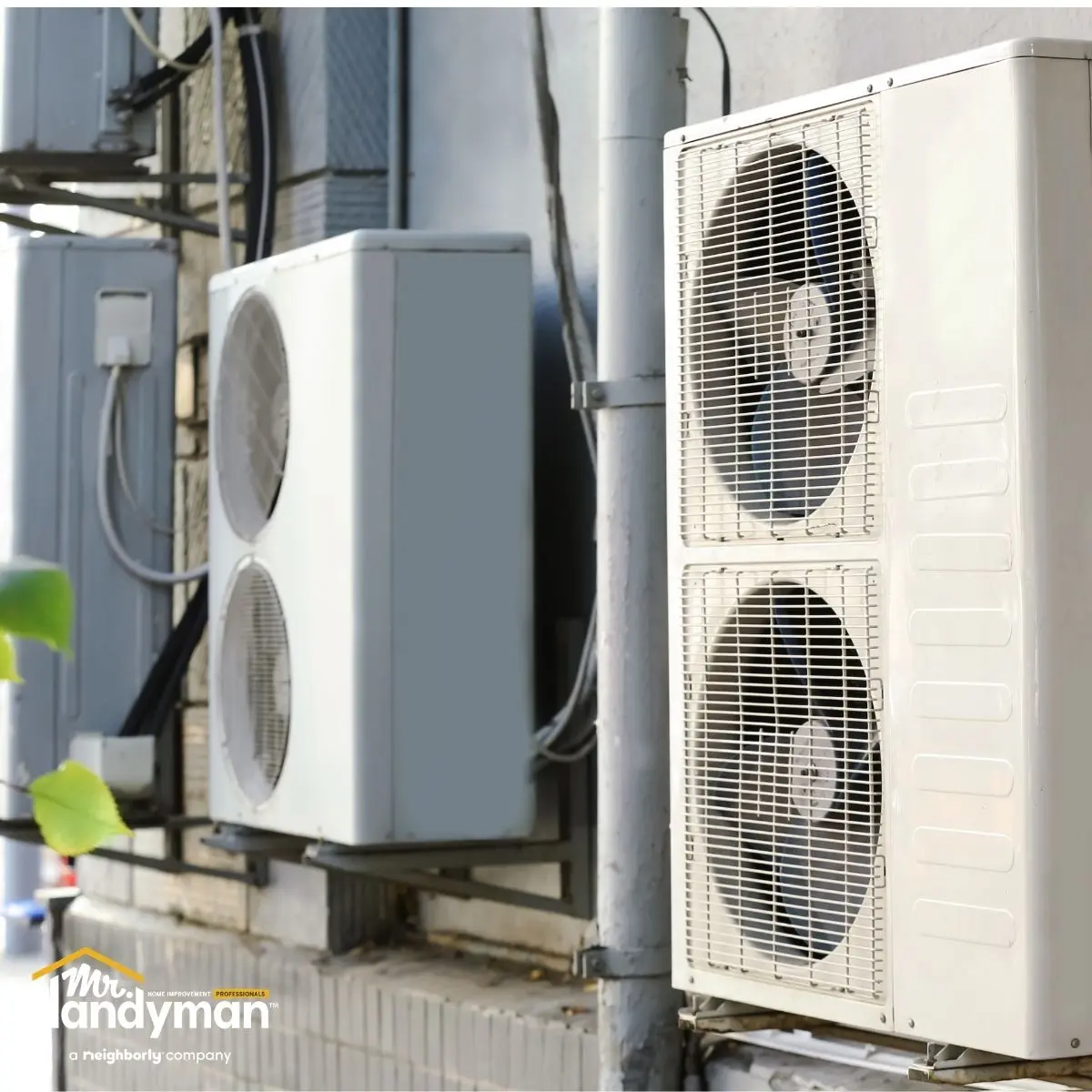
Outdoor condensing units that reject heat extracted from building interiors require clear airflow and clean coils to operate efficiently. Facilities often neglect these outdoor units because they're not visible to members, but dirty condenser coils or restricted airflow from accumulated debris dramatically reduces cooling capacity and efficiency. Quarterly condenser coil cleaning maintains proper heat rejection. Ensure at least 2 feet clearance around units—trim vegetation, remove accumulated leaves and debris, and keep storage items away from condensers. A clean, properly maintained condenser unit reduces energy costs by 20 to 30 percent compared to dirty units while providing the full cooling capacity necessary for Charleston and Summerville's summer heat.
Implementing Ventilation Strategies for High-Occupancy Spaces
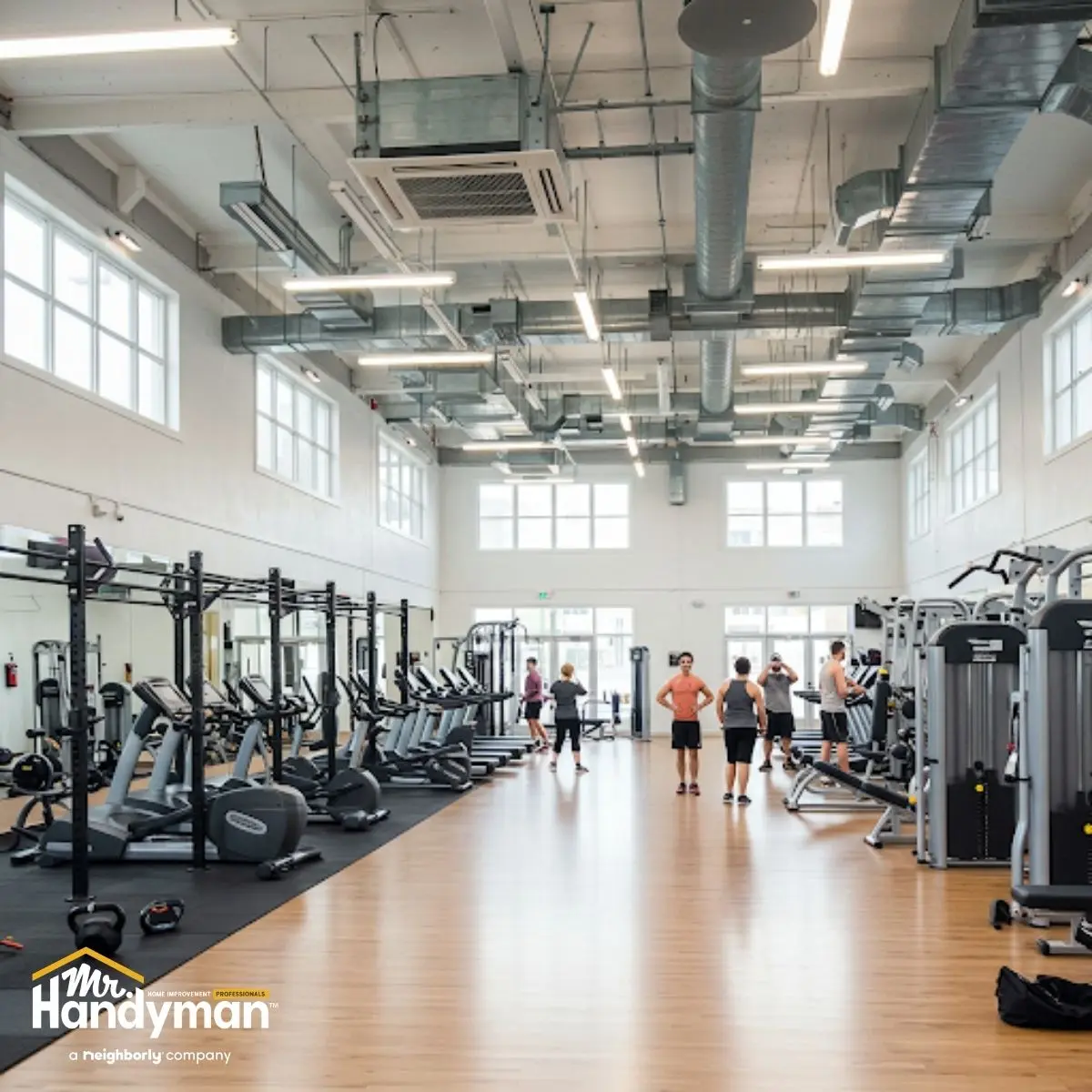
ASHRAE Standard 62.1 specifies minimum ventilation rates for commercial buildings including fitness facilities, recommending 20 cubic feet per minute of outdoor air per person in exercise areas. A group fitness studio with 30 participants requires 600 CFM of outdoor air introduction just to meet minimum standards—far more than typical office spaces need. Many fitness facilities fall short of these requirements because original HVAC designs underestimated occupancy, because economizer systems that should introduce outdoor air have failed or been disabled, or because facility managers deliberately reduce outdoor air intake trying to reduce cooling costs without understanding the air quality consequences. Meeting proper ventilation rates isn't optional—it's fundamental to providing safe exercise environments.
Demand-controlled ventilation systems adjust outdoor air introduction based on actual occupancy rather than running at maximum constantly. CO2 sensors throughout the facility measure air quality and signal HVAC systems to increase or decrease outdoor air introduction as needed. This approach provides excellent air quality during peak occupancy while reducing energy waste during low-occupancy periods. The technology is proven, cost-effective, and increasingly standard in new fitness facility construction. Retrofit installations allow older facilities to gain these benefits, typically with payback periods under five years from reduced energy costs alone before considering the air quality improvements.
Exhaust ventilation in locker rooms, bathrooms, and high-humidity areas must operate continuously whenever facilities are occupied and should run for extended periods after closure to remove residual moisture and odors. These exhaust systems create negative pressure that pulls air from adjacent spaces, preventing humid, odorous air from migrating into exercise areas. Exhaust fans that don't operate properly or that have inadequate capacity allow moisture and odors to spread throughout facilities, creating the unpleasant conditions that members notice immediately. Monthly verification that exhaust fans operate and quarterly cleaning of fan blades and housings maintains proper function.
Air distribution patterns affect how well ventilation air actually reaches occupants versus short-circuiting from supply to return without mixing throughout the space. Supply registers positioned to blow directly onto return grills create this short-circuiting where outdoor air never effectively ventilates the space. Proper design directs supply air through occupied zones before returning to the HVAC system, ensuring members actually breathe the ventilated air rather than the system just recycling stale air. Facilities experiencing persistent stuffiness despite adequate ventilation rates may have distribution problems requiring diffuser relocation or airflow rebalancing.
Recognizing Signs That HVAC Maintenance Is Inadequate
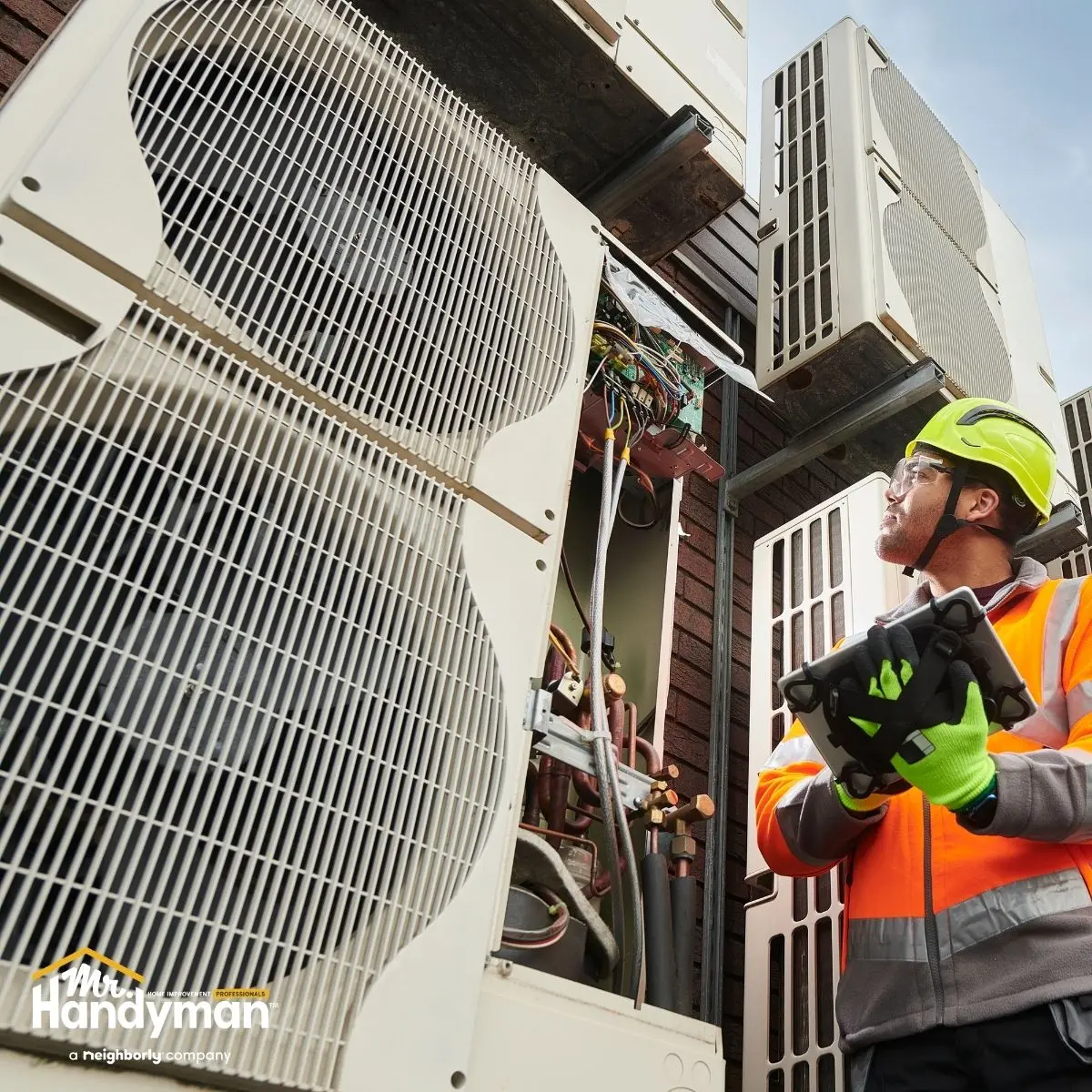
Member complaints about air quality, temperature, or humidity provide the most direct indication that HVAC systems aren't meeting facility needs. Comments about stuffiness, stale air, unpleasant odors, excessive heat, or the gym feeling "heavy" all indicate inadequate ventilation or conditioning. Smart facility managers treat these complaints as urgent maintenance signals rather than individual preferences—if multiple members notice problems, the HVAC system is failing in its fundamental purpose of providing comfortable, healthy indoor conditions. Investigating complaints immediately often reveals simple maintenance issues—dirty filters, failed exhaust fans, or controls set incorrectly—that are easily corrected before they become serious problems.
Visible condensation on windows, walls, mirrors, or equipment indicates indoor humidity is excessive and HVAC systems aren't removing moisture adequately. This condensation seems like a minor annoyance but signals serious problems—the same excess humidity promoting visible condensation is also creating ideal conditions for mold growth in hidden areas, damaging materials throughout the facility, and making indoor air quality worse. Facilities experiencing regular condensation need immediate HVAC evaluation and likely require additional dehumidification capacity beyond current system capabilities.
Unusual odors—musty, stale, or chemical smells—indicate contamination sources that HVAC systems should be removing but aren't. Musty odors suggest mold or bacterial growth somewhere in the HVAC system or facility. Stale odors indicate inadequate ventilation where contaminants accumulate faster than systems can remove them. Chemical odors from cleaning products or equipment off-gassing should be diluted and exhausted quickly by properly functioning ventilation. Persistent odors of any kind indicate HVAC systems aren't adequately cleaning and exchanging indoor air.
Establishing Comprehensive HVAC Maintenance Programs
Monthly HVAC maintenance should include filter inspection and replacement based on actual condition, verification that all systems operate properly, checking that thermostats and controls function correctly, and documenting any unusual sounds, odors, or performance issues. This monthly attention catches developing problems early when they're simple repairs rather than after they've caused failures or damaged other components. Monthly service contracts with qualified HVAC contractors ensure this attention happens consistently rather than being postponed when facility managers get busy with other priorities.
Quarterly comprehensive service should include coil cleaning, condensate drain inspection and treatment, refrigerant level verification, electrical connection inspection and tightening, belt condition assessment and adjustment, and detailed system performance testing. This quarterly service happens at the beginning of cooling season, mid-season when systems have been running continuously and may show stress, and before cooling season ends when addressing problems prevents them from sitting unresolved through winter. The fourth quarterly service in winter addresses heating system maintenance if facilities operate year-round heating.
Annual major maintenance provides opportunity for intensive service that monthly and quarterly visits don't address. This includes duct inspection and cleaning if needed, complete system performance testing and adjustment, replacement of consumable components approaching end of life, detailed evaluation of remaining equipment lifespan, and recommendations for repairs or upgrades that improve efficiency or capacity. Annual maintenance also provides the opportunity to discuss system performance with HVAC contractors, identify chronic problems that require different solutions, and plan capital improvements that enhance system capability rather than just maintaining what exists.
Documentation of all maintenance activities creates the records that prove due diligence, support warranty claims, help predict future maintenance needs, and identify patterns indicating systemic problems versus random failures. Service records should include dates, work performed, parts replaced, settings adjusted, problems identified, and recommendations for future attention. This documentation becomes essential if air quality complaints escalate to regulatory involvement or if illness outbreaks require investigation—showing consistent, proper maintenance demonstrates facility management took reasonable precautions even if problems still occurred.
Frequently Asked Questions
How often should HVAC filters be changed in fitness facilities? Monthly inspection with replacement based on actual condition is minimum. High-traffic facilities or those in dusty environments may need replacement every 2 to 4 weeks. Never exceed 90 days even if filters appear clean—biological growth and particle accumulation occur even when filters don't look dirty.
What temperature should gyms maintain? 68 to 72 degrees provides comfort for most exercising members. Group fitness studios during intense classes may benefit from slightly cooler settings. Humidity control matters as much as temperature—68 degrees at 70 percent humidity feels worse than 72 degrees at 45 percent humidity.
Should gyms run HVAC systems continuously or only when occupied? Continuous operation or extended pre and post-occupancy run times maintain better air quality and prevent humidity accumulation when systems are off. Energy savings from shutting down are often minimal because systems must work harder to recover conditions after being off, and the air quality deterioration during off periods affects member experience.
How can facilities improve air quality without major HVAC replacement? Upgrading to higher-efficiency filters, adding standalone air purifiers in high-use areas, ensuring outdoor air intake operates properly, cleaning coils and ductwork regularly, and adding supplemental dehumidification all improve air quality within existing systems before replacement becomes necessary.
What causes that gym smell and how can HVAC maintenance eliminate it? Inadequate ventilation allowing body odor accumulation, biological growth in HVAC systems or on surfaces, and contaminated ductwork all contribute. Increasing outdoor air exchange, cleaning coils and ducts, proper humidity control preventing microbial growth, and exhaust ventilation in locker rooms eliminate odor sources rather than just masking them.
HVAC maintenance in fitness and wellness centers directly affects member health, comfort, safety, and satisfaction while dramatically impacting operating costs and facility longevity. Investing in proper maintenance and system upgrades delivers returns through enhanced member retention, reduced energy costs, and the competitive advantage that well-maintained, comfortable facilities enjoy in Charleston and Summerville's active fitness market.
Mr. Handyman of Charleston and Summerville provides comprehensive facility maintenance services including HVAC inspection, filter replacement, and coordination with qualified HVAC contractors for complex service needs. Our team understands the specific challenges that fitness facility environments create and helps facility managers implement maintenance programs that protect member health, control costs, and ensure comfortable conditions year-round. We serve as the single point of contact for all facility maintenance needs, allowing gym owners and managers to focus on members while we ensure facilities operate safely and efficiently. Call or visit https://www.mrhandyman.com/charleston-summerville/ to discuss your facility maintenance needs and discover how proper HVAC attention can transform both member experience and your operational efficiency.