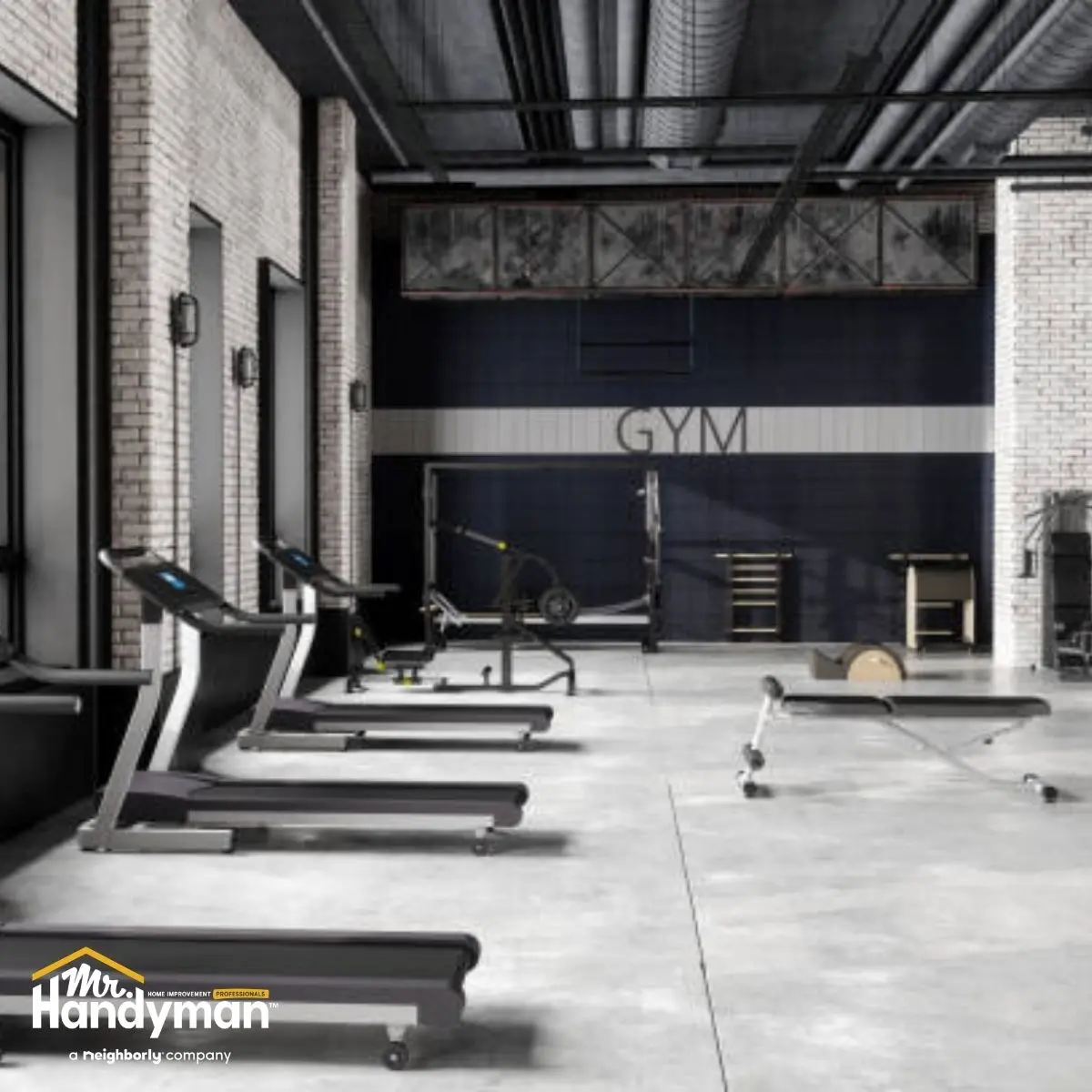
Doors and locks represent the first and last physical interaction every member has with your facility. From the moment they grasp the entry door handle to when they secure their belongings in a locker, these mechanisms communicate volumes about your operational standards and commitment to member safety. A sticky lock that requires jiggling to open, a door that drags across the floor, or a locker that won't secure properly aren't minor inconveniences—they're daily friction points that accumulate into dissatisfaction and create legitimate security and safety concerns.
The functional requirements for gym doors and locks exceed what most commercial facilities face. Entry doors experience hundreds of cycles daily, often by people carrying gym bags, pushing strollers, or distracted by phones. Locker room doors must provide privacy while remaining accessible in emergencies. Equipment room and storage area doors protect valuable inventory while allowing staff quick access. Locker mechanisms must secure member belongings reliably while withstanding constant use and occasional abuse. Emergency exits must function flawlessly during evacuations while remaining secure against unauthorized entry during normal operations.
In Charleston and Summerville, environmental factors create additional challenges for door and lock systems. Humidity causes wood doors to swell and stick, accelerates corrosion on metal hardware, and promotes rust in lock mechanisms. Salt air common in coastal areas attacks metal components more aggressively than inland environments. Older buildings throughout the region often have settling and shifting that puts doors out of alignment, creating binding and hardware stress. Temperature swings between air-conditioned interiors and humid exteriors cause expansion and contraction that stresses door frames and hardware mounting points.
The business implications of door and lock failures extend far beyond the immediate inconvenience. Security breaches resulting from failed locks create liability exposure and member trust issues. ADA compliance failures can result in lawsuits and government fines. Doors that don't function properly during emergencies present life safety hazards with potentially catastrophic consequences. Beyond these serious concerns, the daily experience of struggling with sticky doors or unreliable locks sends a message about facility management quality that influences member retention and prospective member conversion.
Security Risks From Inadequate Lock Systems
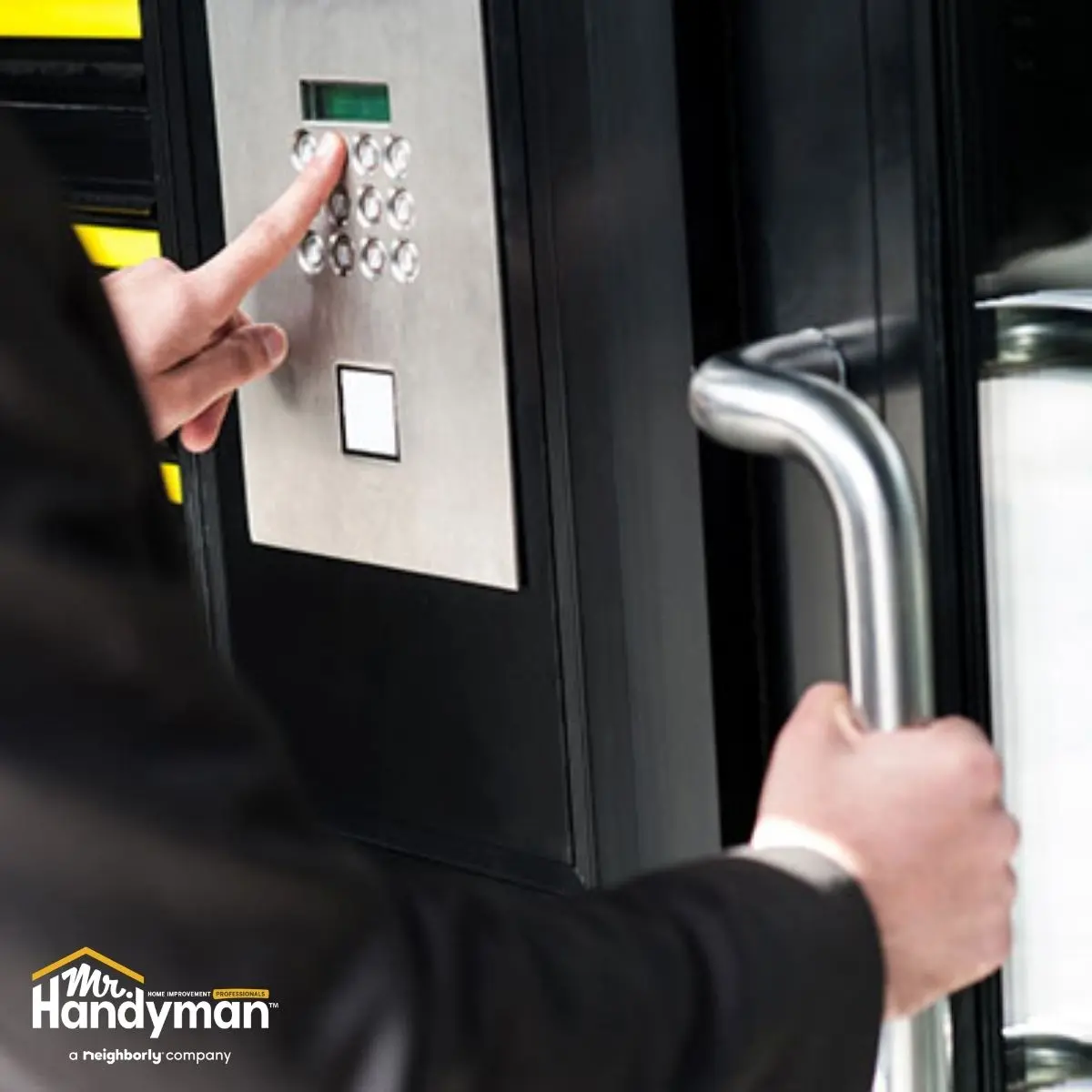
Entry door security determines who can access your facility and when, making functional locks the foundation of access control. When main entry locks fail or can be bypassed easily, you lose the ability to restrict access to authorized members during staffed hours and prevent unauthorized entry when closed. Lock failures that allow entry without proper credentials create liability—anyone injured on premises has a stronger case if they gained access through failed security. Members who witness security gaps question whether the facility adequately protects them and their belongings, undermining the trust required for retention.
Locker security directly affects member peace of mind and determines whether they trust your facility with their valuables. Members choosing between bringing valuables to your gym or leaving them home base that decision largely on locker security. When lockers don't lock reliably, have broken mechanisms, or show evidence of forced entry, members either stop bringing valuables or become anxious during workouts wondering if their belongings are secure. This anxiety diminishes workout quality and satisfaction. Theft incidents—even single occurrences—create reputation damage that spreads through online reviews and word of mouth far beyond the actual number of victims.
Equipment room and inventory security protects thousands or tens of thousands of dollars in assets from both external theft and internal shrinkage. Gyms store cleaning supplies, maintenance tools, replacement parts, retail merchandise, and sometimes member records in secured storage areas. Failed locks or easily bypassed doors create opportunity for theft. External theft is obvious, but internal shrinkage from employees or members who've identified security gaps can be substantial over time. Insurance claims for stolen equipment are easier to pursue when you can demonstrate adequate security measures were in place and functional.
After-hours access control prevents unauthorized use that creates liability exposure and equipment wear. Some facilities provide 24-hour access with keycard systems, while others restrict hours. Either model requires functional locks that prevent entry when appropriate. Members entering during restricted hours without authorization pose insurance and liability problems if injuries occur. Unauthorized guests brought in by members create capacity and safety issues. Lock systems that allow these security gaps expose you to problems that could be prevented with properly functioning access control.
Staff-only areas require secure locks that balance accessibility for authorized personnel with restrictions preventing member entry. Mechanical rooms, offices, break rooms, and maintenance storage contain equipment, chemicals, records, and personal belongings that shouldn't be accessible to members. When these locks fail or keys proliferate beyond authorized staff, you lose control over who accesses sensitive areas. Proper key control and functional locks in staff areas protect both your business assets and staff personal belongings while maintaining professional boundaries.
Emergency exit security must prevent unauthorized entry from outside while allowing unrestricted exit during emergencies. This balance requires specialized hardware—panic bars or crash bars that allow immediate exit without keys or tools while remaining locked from outside. When this hardware fails, you either have emergency exits that can't open reliably during evacuations (life safety hazard) or doors that can be opened from outside (security gap). Both conditions are unacceptable and typically represent code violations subject to fines and enforcement action.
Preventive Maintenance Schedules for Doors and Locks
Monthly visual inspections catch developing problems before they create failures or safety hazards. Staff should walk through the facility monthly specifically examining every door and lock for signs of wear or damage. Look for loose screws, worn weather stripping, binding or dragging, damaged hardware, loose or worn hinges, and proper closer operation. Listen for squeaking or scraping noises. Check that locks engage properly and keys turn smoothly. Test panic hardware to ensure it releases with appropriate force. This inspection takes minimal time but identifies problems when they're still minor and inexpensive to repair.
Quarterly lubrication of hinges, locks, and closers prevents wear and ensures smooth operation. Locks need graphite lubricant in cylinders—oil-based lubricants attract dirt causing premature wear. Hinges need light oil or lithium grease on pins. Closers have internal hydraulics that generally don't need lubricant but should be inspected for leaks. Panic hardware pivot points need periodic lubrication. In humid coastal environments like Charleston and Summerville, corrosion prevention lubrication is particularly important. Using appropriate lubricants for each application protects hardware and extends service life dramatically compared to neglected components.
Annual comprehensive door inspections by professionals identify issues beyond typical staff capabilities. Professional door inspections evaluate proper operation, safety compliance, closer adjustment, weather sealing, alignment, and fire door certification where applicable. This annual check catches problems that develop gradually and might not be obvious in monthly inspections. Professionals can properly adjust closers, realign doors and frames, test and adjust panic hardware, and verify ADA compliance. Annual documentation of these inspections also demonstrates maintenance diligence if liability questions arise.
Immediate attention to member-reported problems prevents small issues from escalating and shows responsiveness to member concerns. When members report sticky locks, difficult doors, or other hardware problems, rapid response demonstrates you take facility maintenance seriously. A door that's becoming difficult to operate will only get worse—addressing it immediately prevents the door failing completely during a busy period. Member-reported problems also identify issues that might not be caught during scheduled inspections because members encounter problems at higher frequency than inspections occur.
Component replacement based on age and wear rather than waiting for complete failure prevents unexpected problems during business hours. Lock cylinders, closers, and other components have predictable lifespans. Replacing them on schedule during planned maintenance rather than waiting for failure costs less and causes less disruption. Emergency repairs during business hours cost more than scheduled maintenance during closed hours, and failed locks or doors create immediate security and access problems. Keeping service records helps predict when components are approaching end of service life allowing proactive replacement.
When Professional Door and Lock Service is Essential
New construction and renovations require professional installation ensuring compliance with building codes, ADA requirements, and manufacturer specifications. Improper installation voids warranties, creates compliance violations, and leads to premature failure. Professionals understand code requirements for different door types and locations. They have tools to properly align doors and frames, install hardware at correct heights and positions, and adjust closers appropriately. This isn't an area where cutting costs through DIY or handyman installation makes sense—the risk of code violations and poor performance is too high.
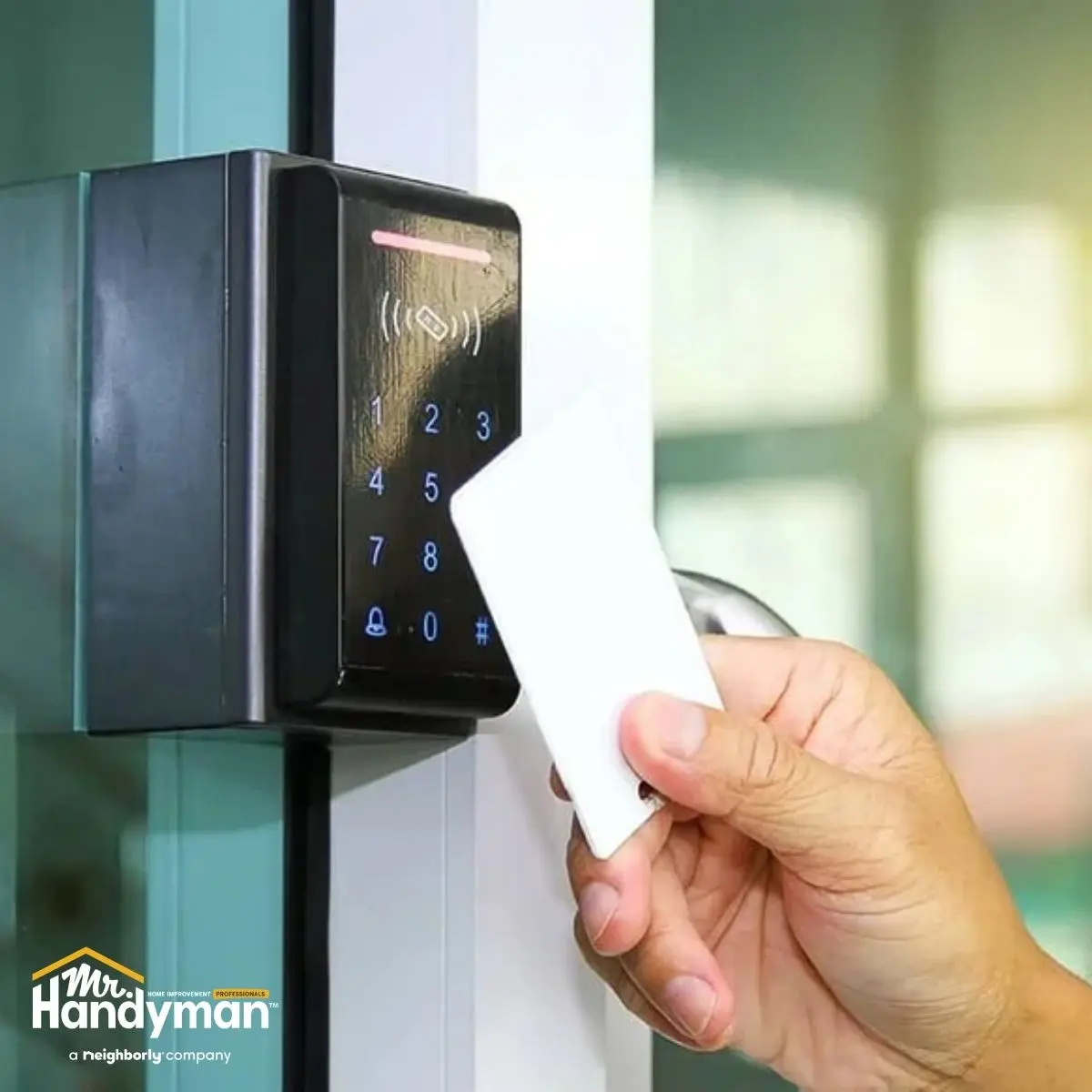
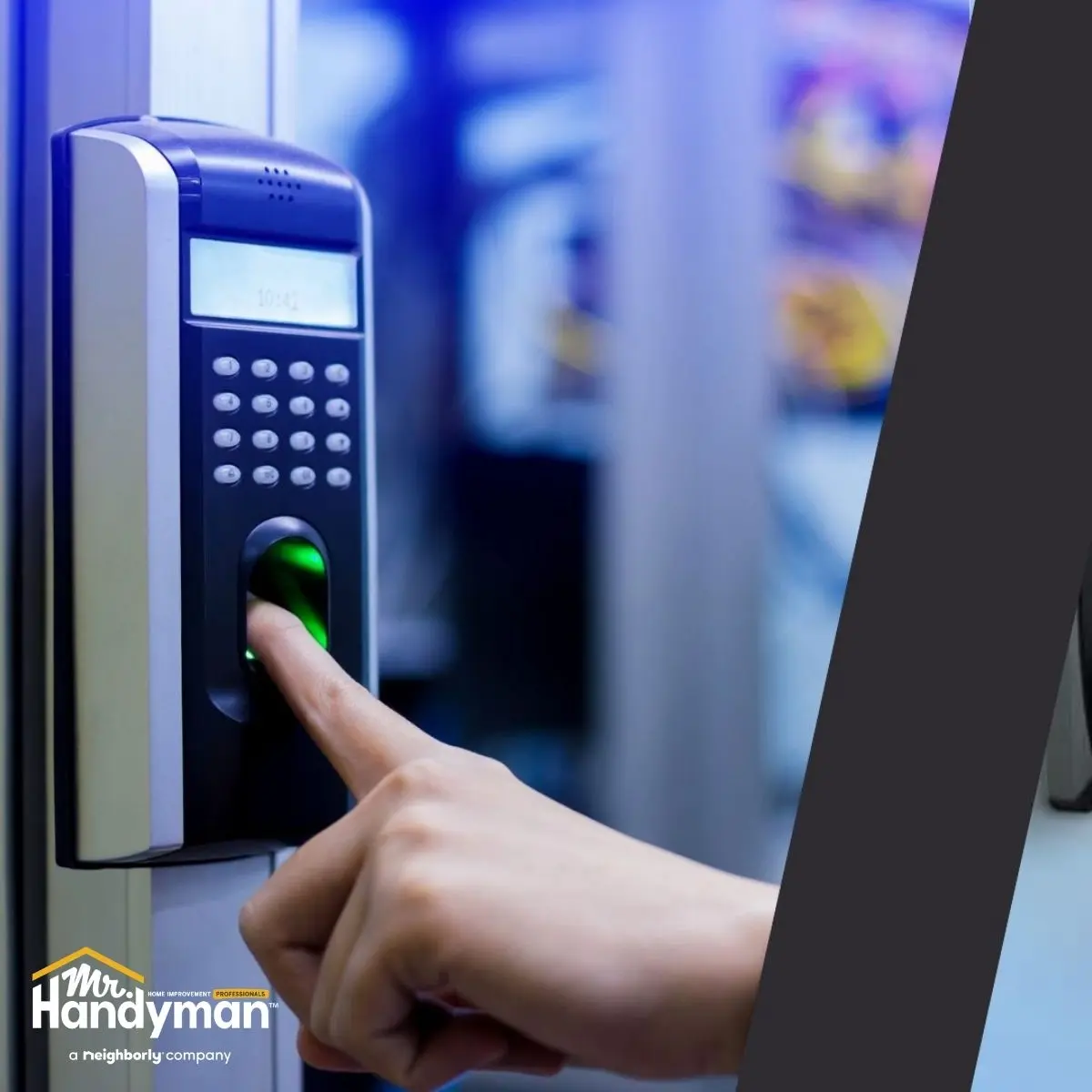
Security upgrades and access control integration demands expertise in both physical security and electronic systems. Upgrading from basic locks to card access or other electronic systems requires understanding power requirements, networking, software configuration, and fail-safe versus fail-secure considerations. Physical security assessments identify vulnerabilities and recommend appropriate solutions. Integration with existing alarm or monitoring systems requires compatibility verification. Professional security installation ensures systems function correctly, meet codes, and are properly configured for your specific requirements.
Fire door certification and repair must maintain the fire rating through proper repair techniques and components. Fire-rated doors are tested and certified as complete assemblies—door, frame, hardware, and seals together. Any modification or repair that compromises the assembly voids the rating. Replacing hardware in fire doors requires using fire-rated components. Professional fire door inspection, testing, and repair by certified technicians maintains code compliance and fire protection. Documentation of fire door certification and testing is required for fire marshal inspections.
ADA compliance assessments and remediation require understanding complex accessibility regulations and appropriate solutions for your specific facility layout. Accessibility law is nuanced—requirements vary based on construction date, building type, and whether work constitutes renovation or alteration. Professional accessibility consultants can assess your facility, identify violations, and recommend cost-effective solutions. This is particularly valuable in older buildings where achieving full compliance within existing space constraints requires creative problem-solving. Documentation of accessibility compliance protects against discrimination claims.
Emergency repairs during business hours require rapid response minimizing member disruption while addressing safety and security concerns. When doors fail during business hours, you need professionals who can respond immediately. Main entry doors failing to lock create security emergencies. Exit doors that won't open create life safety hazards requiring immediate closure of affected areas. Locker room door problems affect member privacy. Having relationships with door and lock service providers who offer emergency response ensures problems are addressed quickly minimizing impact on operations and maintaining member confidence.
Complex troubleshooting of intermittent or mysterious door problems benefits from professional diagnostic experience. That door that binds randomly or the lock that works sometimes but fails others may have subtle causes—settlement patterns, HVAC airflow, humidity-related expansion, or worn components. Professionals have seen the full range of door problems and can diagnose root causes efficiently. Attempting to fix symptoms without identifying causes wastes money replacing components that aren't failing while leaving actual problems unresolved.
Frequently Asked Questions
How often should commercial door hardware be completely replaced versus repaired?
Hardware lifespan varies dramatically based on traffic volume, environmental conditions, and maintenance quality. High-traffic entry doors might need closer replacement every 3-5 years while low-traffic interior doors could last 10+ years. Lock cylinders in humid environments may need replacement every 5-7 years while the same cylinders in climate-controlled areas last 15+ years. General guidance suggests annual professional inspection to assess condition, with expectation that closers, locks, and panic hardware will all require replacement multiple times over a door's 20-30+ year lifespan. Component replacement on schedule costs less than emergency replacement after failure.
What are the actual legal consequences of ADA door compliance violations?
ADA violations can result in Department of Justice enforcement including mandatory remediation, fines up to $75,000 for first violations and $150,000 for subsequent violations, plus legal fees. Private lawsuits can seek injunctive relief forcing compliance, compensatory damages, and attorney fees. Serial plaintiffs file multiple lawsuits targeting businesses with accessibility violations. Beyond legal consequences, discrimination claims damage reputation substantially. Many businesses settle ADA complaints quickly to avoid litigation costs even when violations are minor. Maintaining compliance through proper door hardware, clear widths, and accessibility features costs far less than defending against complaints or forced remediation.
Should gyms use electronic locks or traditional key locks for different applications?
This depends on specific needs and budget. Main entry benefits from electronic access control providing logging, scheduled access, and individual credential management. Traditional locks are appropriate for low-security applications like restrooms or storage. Electronic locks on equipment rooms and offices provide accountability but require power and maintenance. Locker electronic locks eliminate lost key problems but require battery changes and cost significantly more than traditional locks. Many facilities use hybrid approaches—electronic access at main entries and sensitive areas, traditional locks elsewhere. Consider long-term costs including key replacement, lock changes when staff leave, and administrative overhead managing traditional key systems versus electronic system costs.
What maintenance tasks can staff handle versus requiring professional service?
Staff can handle visual inspections, basic cleaning, applying appropriate lubricants to hinges and locks, minor closer adjustments, testing panic hardware operation, and immediate response to member-reported problems. Staff should not attempt lock repairs, door realignment, panic hardware repairs, closer replacement, or fire door repairs without proper training. The line is roughly: if it requires tools beyond screwdrivers and lubricant, or if improper work creates safety or security hazards, it requires professional service. Training staff on proper inspection and when to escalate issues catches problems early while avoiding improper repairs that worsen problems or create liability.
How does coastal humidity specifically affect doors and hardware in Charleston and Summerville gyms?
Coastal humidity accelerates wood door swelling and warping, corrodes metal hardware and fasteners, promotes rust in lock cylinders and hinges, causes lubricant breakdown requiring more frequent application, and creates conditions for mold growth on and around doors. Steel hardware not specifically treated for coastal environments corrodes remarkably fast—visible rust can appear within months on unprotected steel. Stainless steel, brass, or protective coatings are essential. Wood doors need thorough sealing on all edges. Lock cylinders need corrosion-preventive lubricants. Closer hydraulic seals degrade faster. All maintenance intervals should be shorter than inland recommendations.
What should gym owners look for when replacing doors to ensure they meet current codes?
Fire rating requirements based on location and building type, proper egress direction and width for occupancy load, panic hardware where required by code, accessibility hardware and clear widths meeting ADA, appropriate weather sealing for exterior doors, proper threshold heights, tempered or laminated safety glass where required, appropriate door construction for the environment (moisture resistance for locker rooms), and compatibility with existing frame and access control systems. Professional door suppliers can assess specific requirements based on your facility layout and local codes. Cutting corners on door specifications to save initial costs typically results in code violations, premature failure, or having to replace doors again to achieve compliance.
Professional Door and Lock Services in Charleston and Summerville
Functional, compliant, and secure doors and locks are fundamental to gym operations, member safety, and legal compliance. From daily operational reliability to emergency evacuation performance, these seemingly simple building components carry enormous responsibility. Professional installation, maintenance, and repair ensure your doors and locks perform reliably while meeting the complex web of security, accessibility, and life safety requirements governing commercial facilities.
Mr. Handyman of Charleston and Summerville provides comprehensive door and lock services for commercial gym facilities. Our technicians understand the unique demands gym environments place on doors and hardware, and can address everything from routine maintenance and adjustments to complete door replacement and accessibility upgrades. We work with your schedule to minimize member disruption and can provide emergency response when door or lock failures create immediate problems.
Call or visit https://www.mrhandyman.com/charleston-summerville/ to schedule door and lock inspection, maintenance, repairs, or to discuss upgrades that will improve security, accessibility, and member experience at your facility.