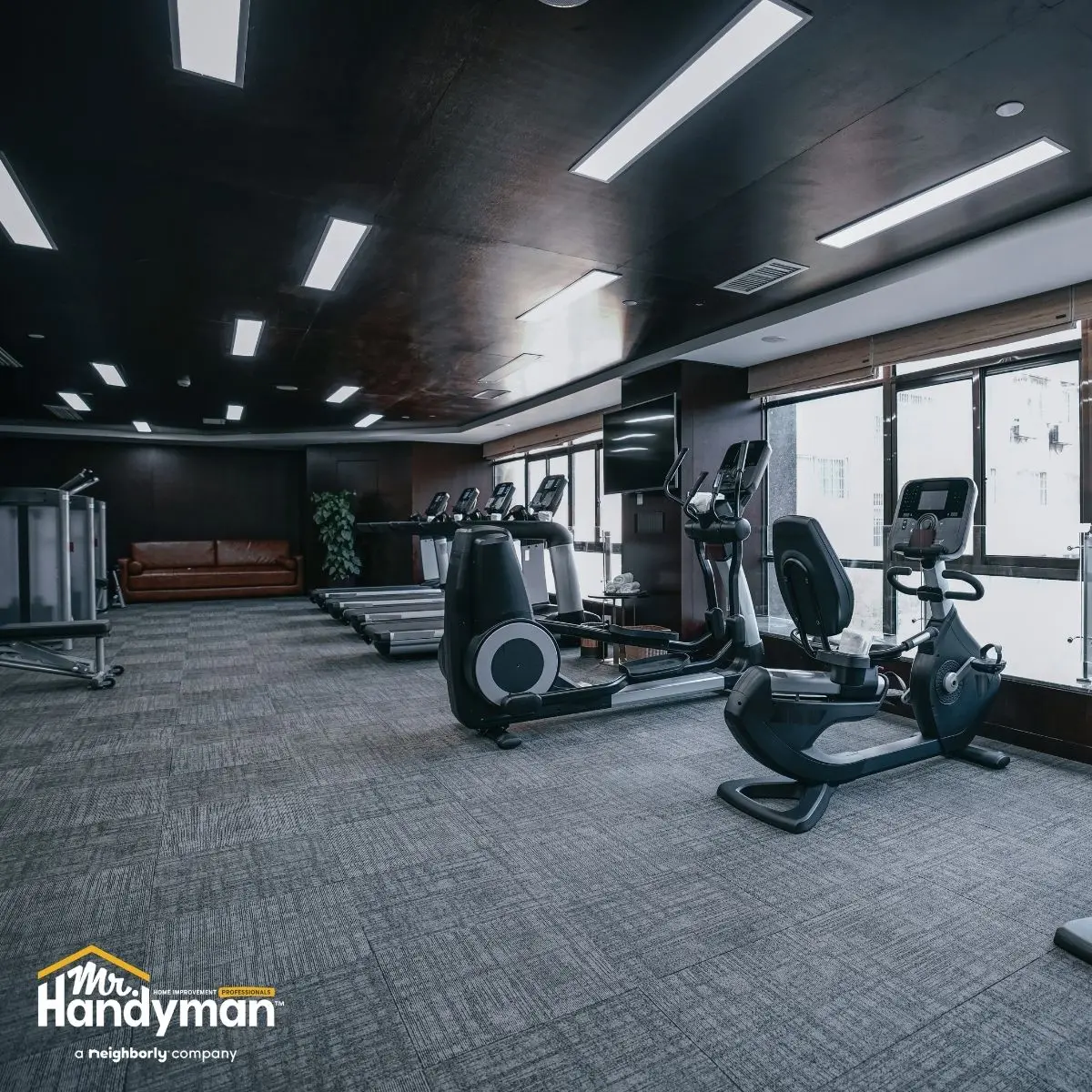
Gym equipment represents one of the largest investments a fitness facility will make, and how that equipment is assembled, maintained, and repaired directly impacts every aspect of your business. From liability exposure to member satisfaction, the difference between professional installation and DIY assembly can determine whether your gym thrives or struggles with constant operational headaches.
In Charleston and Summerville, where humidity accelerates wear on mechanical components and older commercial buildings weren't designed for modern fitness equipment loads, the stakes are even higher. A single improperly assembled cable machine or neglected treadmill doesn't just create a safety hazard—it sends a message to members that their wellbeing isn't your priority. When equipment breaks down frequently or feels unstable during use, members notice immediately, and retention suffers.
The reality is that most gym equipment failures aren't caused by normal wear and tear. They're caused by assembly errors, missed maintenance schedules, and attempts to handle repairs without understanding the engineering behind commercial-grade machines. A bolt that's undertorqued by just a few foot-pounds can work loose within weeks. A cable that isn't properly tensioned will fray prematurely. Floor anchoring that doesn't account for subfloor composition will fail under repetitive stress loads. These aren't minor details—they're the difference between equipment that lasts a decade and equipment that becomes a liability within months.
The Hidden Dangers of Improper Equipment Assembly
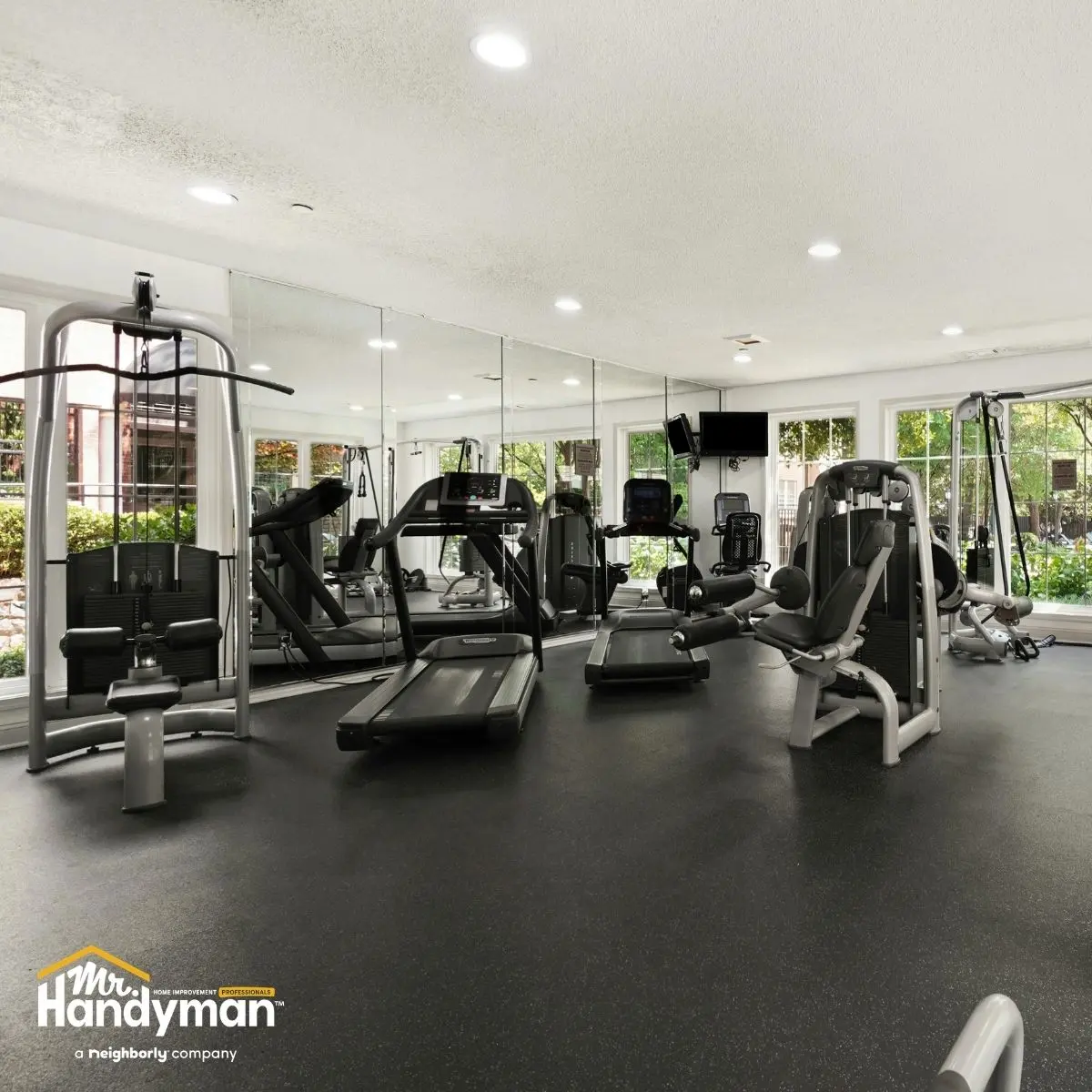
When gym equipment arrives in boxes, it's accompanied by assembly instructions that seem straightforward. But commercial fitness equipment isn't consumer-grade furniture. These machines are engineered to withstand thousands of repetitions under variable loads, and every connection point, tension adjustment, and anchoring specification exists for a reason. Skipping steps or approximating torque values doesn't just void warranties—it creates progressive failure points that worsen with every use.
Cable systems are particularly vulnerable to assembly errors. The routing of cables through pulleys must follow exact paths to maintain proper tension distribution and prevent premature wear. When cables are threaded incorrectly or tensioned by feel rather than specification, they develop friction points that cause fraying. A frayed cable under load doesn't just break—it can snap with enough force to cause serious injury. Members using cable machines trust that the resistance they're pulling against is safely contained within the equipment's engineered tolerances. When assembly shortcuts compromise that safety, you're operating with borrowed time before an incident occurs.
Weight stack machines present their own assembly challenges. The guide rods that control weight plate movement must be perfectly aligned and properly lubricated during assembly. If alignment is off by even a few millimeters, the weight stack will bind, creating inconsistent resistance and accelerated wear on both the guide rods and the weight plates themselves. Members feel this immediately as stuttering motion or sticking points during exercises. Beyond the poor user experience, misaligned guide rods put excessive stress on selector pins, which can fail catastrophically if a member is lifting heavy weight.
Cardio equipment assembly requires understanding both mechanical and electrical systems. Treadmills, ellipticals, and stationary bikes have motors, belts, bearings, and electronic consoles that must be properly connected and calibrated. A treadmill belt that isn't centered and tensioned correctly will drift during use, creating uneven wear and potentially walking off the deck entirely while a member is running. Console connections that aren't fully seated can cause intermittent failures that are difficult to diagnose later. In Charleston and Summerville's humid climate, any electrical connection that isn't properly sealed and secured becomes vulnerable to corrosion, which leads to shorts and component failures.
Floor anchoring is where many gym owners make critical mistakes. Commercial equipment generates significant dynamic loads—forces that change direction and magnitude with every repetition. A leg press machine can generate several thousand pounds of force against its floor anchors with each use. If those anchors aren't installed into appropriate substrate with proper hardware, they'll work loose. In older buildings common throughout Charleston and Summerville, floor composition varies significantly. What looks like solid concrete might be a thin topping over wood subfloor, which requires completely different anchoring approaches. Professional assembly includes assessing floor structure and selecting anchor hardware rated for both the equipment weight and the dynamic loads it generates.
How Equipment Condition Directly Affects Member Retention
Members make split-second judgments about your gym based on equipment condition. When they approach a machine and notice loose bolts, frayed cables, worn grips, or inconsistent resistance, they question whether they're exercising in a safe environment. These aren't trivial concerns—they're red flags that trigger doubt about whether you're maintaining the facility properly. In a competitive fitness market, members have options, and equipment condition becomes a deciding factor in whether they renew their membership or move to a competitor.
The psychological impact of equipment failures goes beyond the immediate inconvenience. When a treadmill shuts down mid-workout, the member doesn't just lose their momentum—they lose confidence in your equipment reliability. They start wondering what else isn't being maintained. They begin noticing other signs of deferred maintenance. That single failure creates a pattern recognition bias where they're now actively looking for problems. Once members shift into that mindset, retention becomes significantly harder because they're mentally preparing to leave.
Downtime directly impacts member satisfaction in ways that compound over time. When popular equipment is out of service, members either wait for alternatives or skip exercises entirely, disrupting their workout routine. If this happens repeatedly, they start planning their gym visits around equipment availability, which adds friction to what should be a seamless experience. The more friction you add to the member experience, the easier it becomes for them to justify canceling their membership. Professional maintenance prevents this by identifying and addressing issues before equipment fails during use.
Equipment performance consistency matters more than most gym owners realize. When resistance feels different from one workout to the next because cable tension is degrading, members notice. When a machine that used to move smoothly now has sticking points, they feel it in their form and results. Serious gym members are attuned to these details because they're tracking progressive overload and trying to improve specific lifts. Inconsistent equipment makes it impossible to track progress accurately, which undermines one of the primary reasons people maintain gym memberships. Professional assembly and maintenance ensures equipment performs consistently throughout its service life.
The financial calculation is straightforward. Replacing a member costs significantly more than preventing their departure. Membership acquisition requires marketing spend, sales effort, and often promotional discounts. When you lose members due to equipment issues, you're not just losing their monthly dues—you're losing the entire lifetime value of that membership while simultaneously incurring the cost of finding a replacement. Professional equipment assembly and maintenance should be viewed as member retention insurance, not an optional expense.
Maintenance Schedules That Prevent Expensive Repairs
Preventive maintenance operates on a simple principle: small interventions performed regularly prevent catastrophic failures that are expensive to repair and disruptive to operations. For gym equipment, this means establishing inspection and maintenance routines based on manufacturer specifications and usage intensity. High-traffic equipment in Charleston and Summerville gyms experiences wear patterns accelerated by humidity, which means maintenance schedules need to account for environmental factors, not just usage hours.
Cable inspection should occur weekly for high-use machines. This doesn't mean disassembling equipment—it means visual inspection for fraying, checking cable tension, and verifying that pulleys rotate freely. Cables that show wear patterns need immediate attention because they're communicating that something in the cable path isn't correct. Maybe a pulley bearing has failed, creating a friction point. Maybe the cable is rubbing against a housing edge due to misalignment. Whatever the cause, addressing it early prevents cable failure and potential injury. Replacing a cable proactively costs a fraction of what you'll pay if it fails during use and causes injury.
Lubrication schedules prevent the majority of mechanical wear issues. Guide rods, pivot points, and bearings all require regular lubrication to function as designed. In humid coastal environments like Charleston and Summerville, lubrication doesn't just reduce friction—it provides corrosion protection. Without regular lubrication, metal-on-metal contact points develop rust and pitting, which accelerates wear exponentially. A guide rod that should last ten years can fail in two if it's not properly lubricated. The lubricants used matter as well—equipment manufacturers specify particular types because they're formulated for the loads and speeds their equipment experiences.
Belt tension and alignment on cardio equipment requires monthly attention. Treadmill belts stretch with use and drift laterally if alignment isn't maintained. A belt that's too loose will slip under load, creating inconsistent speed and excessive motor strain. A belt that's too tight will put unnecessary stress on bearings and the drive motor. Both conditions accelerate wear and lead to expensive repairs. Proper belt maintenance involves checking tension according to manufacturer specifications and making micro-adjustments to keep the belt centered. This takes minutes per machine but prevents repairs that cost hundreds or thousands of dollars.
Electronic component inspection catches failures before they strand members mid-workout. Console connections should be checked for corrosion, especially in humid environments where condensation can penetrate connection points. Heart rate sensors, resistance control systems, and safety key switches all need periodic verification. The cost of preventive electronic maintenance is negligible compared to replacing failed control boards or dealing with the member dissatisfaction that comes from equipment that randomly shuts down during use.
The Real Cost of Deferred Equipment Maintenance
When gym owners defer maintenance to control costs, they're making a false economy that almost always costs more in the long run. A cable that needs replacement might cost $30 and take 20 minutes to install. Delaying that replacement until the cable fails can result in injury claims that cost tens of thousands of dollars in legal fees and settlements, even if the injury itself is minor. The risk-adjusted cost of deferred maintenance is never favorable when you factor in liability exposure, member retention impact, and emergency repair premiums.
Equipment warranties often void when maintenance schedules aren't followed. Commercial fitness equipment manufacturers require documented maintenance logs as a condition of warranty coverage. When a motor fails or a frame cracks and you file a warranty claim, the manufacturer will ask for maintenance records. Without documentation showing you followed their maintenance protocols, they'll deny the claim, leaving you with a repair bill that could run into thousands of dollars. Professional maintenance services provide documentation that protects your warranty coverage and proves due diligence if liability questions arise.
Member injury claims create costs that extend far beyond medical bills and legal fees. Your insurance premiums will increase following any claim, potentially for several years. Your reputation in the community suffers when word spreads about injuries at your facility—and in tight-knit communities like Charleston and Summerville, word spreads quickly. The time and stress involved in dealing with injury claims, insurance adjusters, and potential litigation distracts from running your business. All of this stems from attempting to save money by cutting corners on professional assembly and maintenance.
Emergency repairs cost more than scheduled maintenance in every measurable way. When equipment fails during business hours, you're paying premium rates for urgent service. The technician who might charge $100 for a scheduled maintenance visit will charge $200 or more for an emergency call. Parts that could be ordered economically during routine maintenance now need expedited shipping. Meanwhile, the equipment is down during your busiest hours, frustrating members and potentially driving them to competitors. The financial and operational cost of running a reactive maintenance strategy versus a proactive one isn't even close.
When to Call Professional Assembly and Maintenance Services
New equipment installation should always involve professional assembly, regardless of how simple the manufacturer's instructions appear. Commercial fitness equipment has liability implications that consumer products don't face. When something goes wrong, you need documentation showing that equipment was assembled by qualified technicians following manufacturer specifications. This protects you legally and ensures warranty coverage remains valid. For Charleston and Summerville gym owners, professional assembly also means having someone who understands local building codes, floor composition variables in older structures, and how coastal humidity affects equipment setup and anchoring decisions.
Seasonal maintenance inspections make sense in coastal environments where humidity and temperature swings accelerate wear. Before summer, when air conditioning struggles to keep pace with heat and humidity, equipment should be thoroughly inspected for corrosion, electrical connection integrity, and mechanical wear. Before winter, when heating systems dry out indoor air and cause materials to contract, another inspection catches issues before they result in failures. These seasonal checkpoints don't replace ongoing maintenance—they supplement it by addressing environmental factors specific to the Charleston and Summerville climate.
When you notice performance changes in equipment, professional evaluation prevents misdiagnosis and wasted repair attempts. That treadmill making a new noise or elliptical feeling rough might have a simple fix, but guessing at the cause often leads to replacing parts that aren't actually failing while missing the real problem. Professional technicians have diagnostic experience across hundreds of machines and can pinpoint issues accurately. They also have access to technical documentation and manufacturer support that isn't available to facility owners attempting DIY repairs.
Before opening a new location or expanding your facility, professional planning prevents expensive mistakes. Equipment layout affects not just member experience but building code compliance, electrical load distribution, and structural requirements. A professional can identify whether your electrical service can handle the equipment you're planning to install, whether floor joists need reinforcement for heavy equipment, and whether your space planning creates safety or traffic flow issues. Making these determinations before equipment arrives prevents discovering problems after you've already invested in machines you can't safely install.
Frequently Asked Questions
How often should commercial gym equipment be professionally inspected?
High-use equipment should receive professional inspection quarterly, with monthly or weekly internal checks for obvious wear and safety issues. Cardio equipment and cable machines need more frequent attention than plate-loaded equipment because they have more moving parts and wear points. Usage intensity matters more than calendar time—a machine that sees 50 uses per day needs more frequent inspection than one used 10 times daily. Professional maintenance services can establish schedules based on your specific equipment mix and usage patterns, accounting for environmental factors like the humidity levels common in Charleston and Summerville that accelerate corrosion and wear.
Can gym staff handle equipment maintenance or does it require specialized technicians?
Basic daily and weekly maintenance tasks like cleaning, visual inspection, and minor adjustments can be handled by trained staff. However, anything involving disassembly, cable replacement, electrical diagnosis, or structural repairs should be performed by qualified technicians. The liability risk of improper repairs outweighs any labor cost savings, especially when injuries result from maintenance mistakes. Staff training should focus on identifying issues early and knowing when to escalate problems to professionals, rather than attempting repairs beyond their skill level and tools.
What documentation should gym owners maintain regarding equipment maintenance?
Keep detailed logs showing dates of all inspections, maintenance performed, parts replaced, and who did the work. This documentation serves multiple purposes: it maintains warranty coverage, demonstrates due diligence if injury claims arise, helps identify recurring problems with specific equipment, and provides value documentation if you sell the business. Many professional maintenance services provide digital logging systems that make record-keeping automatic. In the event of insurance or legal questions, these records prove you took reasonable precautions to maintain safe equipment.
How does coastal humidity affect gym equipment lifespan in Charleston and Summerville?
Humidity accelerates corrosion on metal components, causes rust on guide rods and weight stacks, and degrades electronic connections faster than dry climates. Lubricants break down more quickly and need more frequent reapplication. Upholstery and foam padding can develop mildew if equipment isn't cleaned regularly. Cable systems are particularly vulnerable because moisture promotes corrosion where cables contact pulleys and terminations. Professional maintenance in coastal areas includes using corrosion-resistant lubricants, more frequent inspection of wear points, and protective treatments on vulnerable metal surfaces to extend equipment life.
What's the average cost difference between preventive maintenance and emergency repairs?
Emergency repairs typically cost 2-3 times more than scheduled maintenance due to urgent service premiums, expedited parts shipping, and the operational cost of equipment downtime during peak hours. Beyond direct repair costs, emergency failures impact member satisfaction and retention. A maintenance program might cost $200-400 per month depending on equipment inventory, while a single emergency repair can easily exceed $500-1000 when you factor in labor premiums, parts, and business disruption. The break-even calculation strongly favors preventive maintenance even before considering liability risk reduction.
Should equipment be replaced or repaired when major components fail?
This depends on equipment age, repair cost versus replacement cost, and whether the equipment still meets your members' expectations. A five-year-old treadmill with a failed motor might be worth repairing if the frame and electronics are sound. A fifteen-year-old machine with the same failure is probably due for replacement because other components are near end-of-life and member expectations have evolved. Professional technicians can provide replacement versus repair recommendations based on actual equipment condition and cost projections, not just the immediate failure. Factor in whether repaired equipment will look dated compared to newer machines in your facility.
Professional Equipment Assembly and Maintenance Services in Charleston and Summerville
Whether you're opening a new gym, expanding your facility, or need reliable maintenance for your existing equipment, professional assembly and repair services protect your investment and your members. Equipment that's properly installed and maintained performs consistently, lasts longer, and creates the reliable workout experience that keeps members coming back.
Mr. Handyman of Charleston and Summerville provides professional equipment assembly, inspection, and repair services for commercial gyms and fitness facilities. Our technicians understand the unique challenges of maintaining equipment in coastal humidity and can work with your schedule to minimize disruption to your operations. From initial equipment installation to ongoing maintenance programs, we help you provide a safe, professional fitness environment.
Call or visit https://www.mrhandyman.com/charleston-summerville/ to schedule equipment assembly, maintenance inspection, or repair services for your gym.
