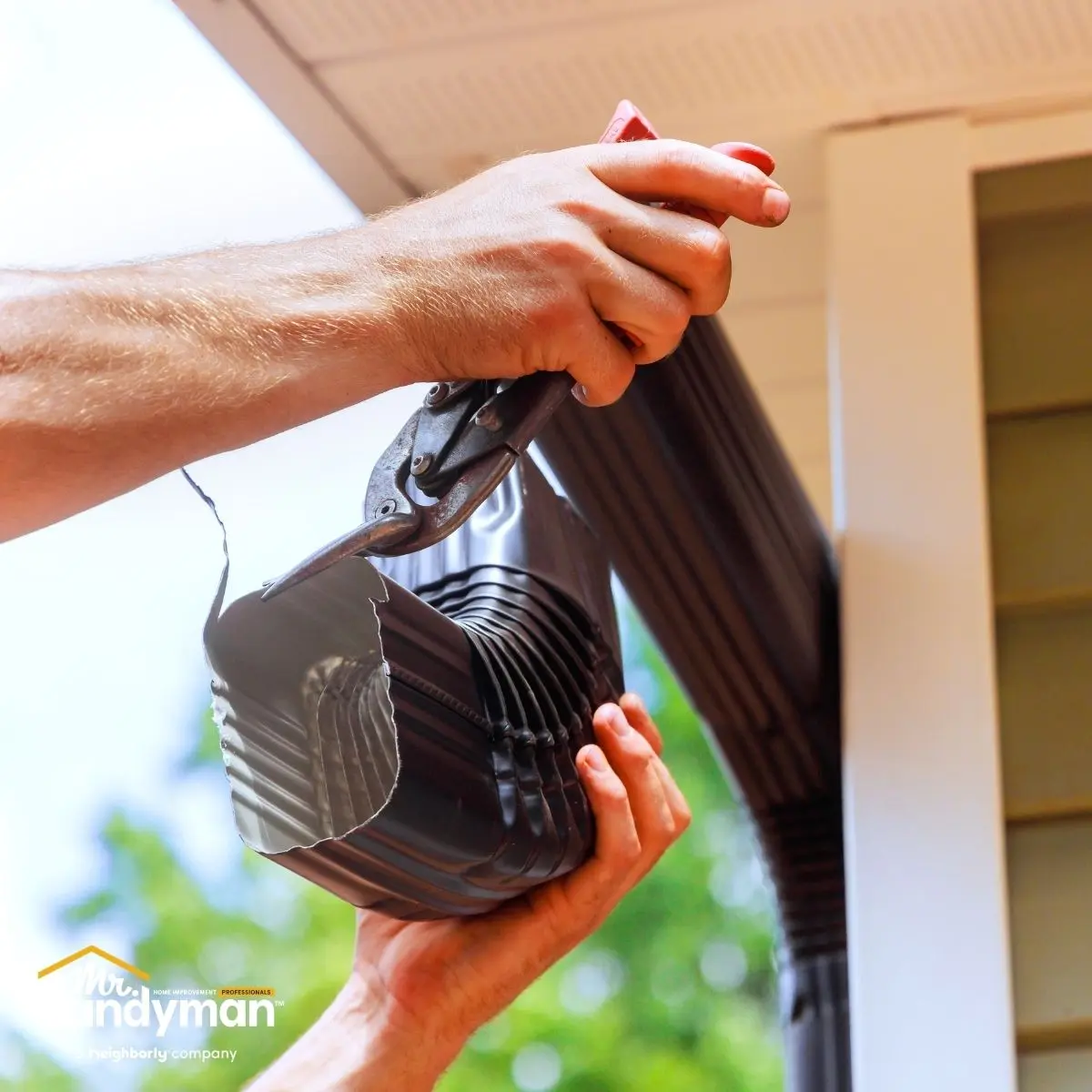
Your home's exterior faces more intense stress during Charleston and Summerville's warmer months than most homeowners realize. The combination of temperatures regularly exceeding 90 degrees, humidity that rarely drops below 70 percent, intense afternoon thunderstorms that dump several inches of rain in an hour, and relentless UV exposure creates conditions that test every exterior system and surface. Siding expands and contracts with temperature swings, paint bakes under direct sun while moisture tries to penetrate from behind, roofing materials soften in extreme heat, and foundation drainage systems must handle sudden deluges without allowing water to saturate soil around your home. Spring preparation identifies vulnerabilities in these systems before summer's demands expose every weakness.
The consequences of neglecting exterior preparation compound rapidly. A small gap in exterior caulking that allows minimal water intrusion during spring's moderate rain becomes a major leak during summer thunderstorms. Gutters that drain adequately during light precipitation overflow during intense downpours, sending water cascading down walls where it penetrates siding and saturates wall cavities. Mildew that's barely visible in spring grows explosively across siding, decks, and walkways once summer heat and humidity create perfect conditions. These problems don't just affect appearance—they cause structural damage that becomes expensive to repair and difficult to address once summer heat makes outdoor work challenging.
Charleston and Summerville's housing stock makes exterior preparation particularly important. Many homes were built between the 1950s and 1990s with materials and construction methods that are now showing age. Original siding may be deteriorating, paint systems are failing, flashing around penetrations has degraded, and the accumulated stress of decades of heat, moisture, and UV exposure has weakened components throughout the building envelope. Spring preparation catches these developing failures while they're still manageable repairs rather than waiting until complete failure forces emergency response during the worst possible weather and at premium pricing when contractors are overwhelmed with similar emergencies.
Cleaning and Inspecting Siding and Exterior Walls
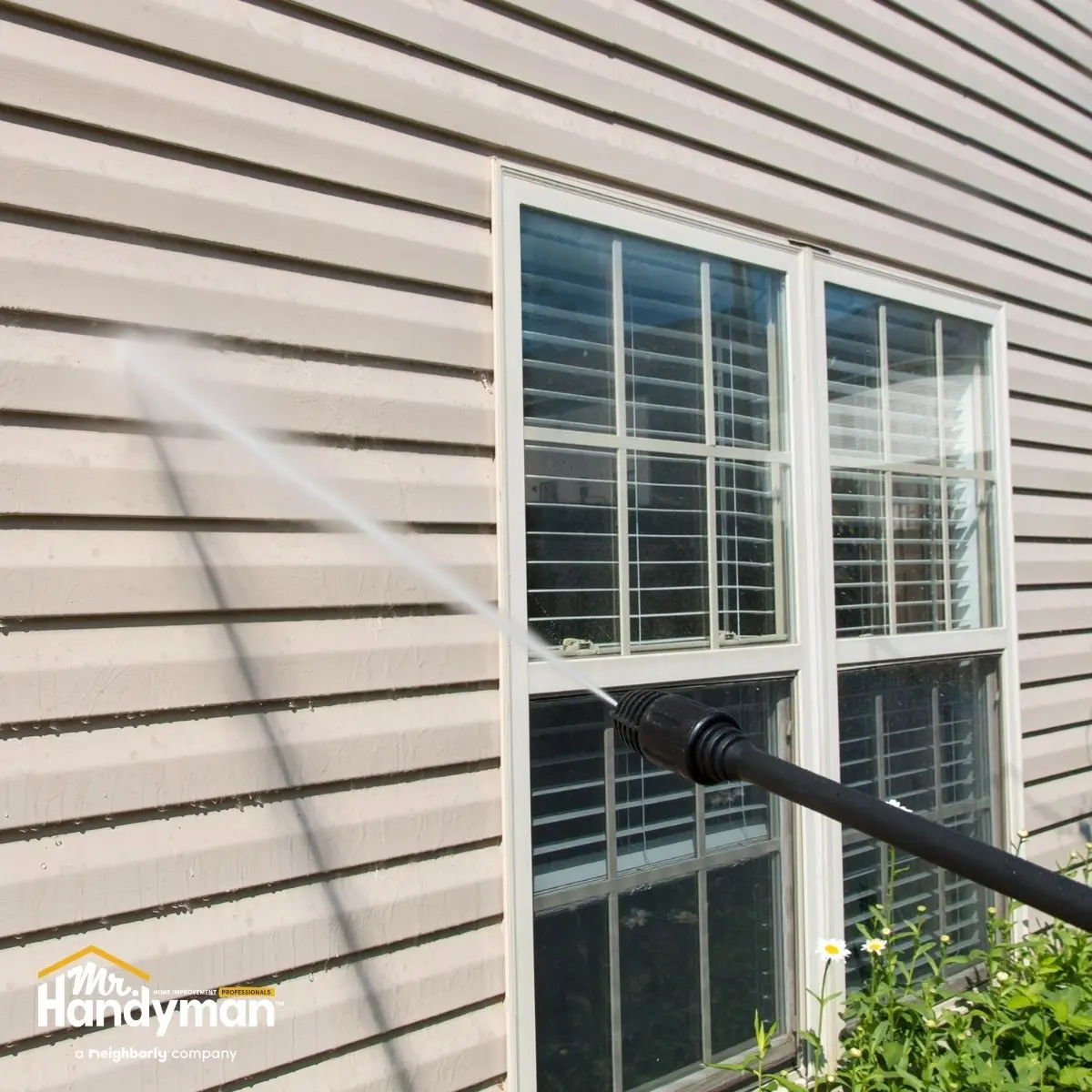
Siding serves as your home's primary defense against weather, and its condition directly affects both appearance and building envelope integrity. Winter and spring leave siding covered with accumulated dirt, pollen, mildew, and organic debris that makes homes look dingy while promoting deterioration. Mildew particularly thrives in Charleston and Summerville's humid climate, creating black or green staining that looks terrible and actually degrades siding materials over time if left unchecked.
Pressure washing removes this accumulation and reveals the actual condition of underlying siding so necessary repairs can be identified. The process isn't just cosmetic—removing mildew and organic growth prevents these organisms from continuing to degrade materials throughout summer when growth accelerates. Clean siding also allows proper inspection for damage, loose boards, gaps, and the specific problems that different siding materials develop.
Vinyl siding develops cracks from impact and UV degradation, particularly on south and west-facing walls that receive maximum sun exposure. Cracks allow water and insects behind siding where they can damage sheathing and framing. Warped or buckled panels indicate improper installation or thermal stress, and these issues worsen during summer heat when vinyl becomes more pliable. Spring inspection identifies damaged panels that should be replaced before summer storms drive water behind compromised siding.
Wood siding faces different challenges. Look for paint failure that exposes bare wood to moisture, soft spots that indicate rot, loose or missing boards, and gaps at joints where caulking has failed. Wood siding in coastal environments like Charleston and Summerville absorbs moisture readily, and once paint protection fails, rot develops quickly. Soft areas identified during spring inspection need immediate attention—rot doesn't improve on its own and spreads to adjacent areas if not addressed. Replacing small sections of damaged wood siding in spring prevents more extensive rot that requires removing and replacing entire wall sections.
Brick and stucco homes require different inspection approaches. Brick needs attention to mortar joints—deteriorated mortar allows water penetration that damages brick from freeze-thaw cycles and promotes interior moisture problems. Hairline cracks in stucco can widen dramatically from thermal expansion during summer heat. These cracks allow water intrusion that damages underlying wall systems. Identifying and sealing cracks while they're still minor prevents water damage and the more extensive repairs that become necessary once cracks widen and water has been infiltrating for months.
Examining and Maintaining Exterior Paint and Finishes
Paint protects wood siding, trim, doors, and other exterior elements from moisture and UV damage. Once paint fails, unprotected wood deteriorates rapidly from moisture absorption, UV degradation, and the physical stress of expansion and contraction. Spring inspection identifies failing paint before summer's intense sun and moisture accelerate deterioration to the point where surfaces require extensive preparation or replacement rather than straightforward repainting.
Look for peeling, cracking, bubbling, or chalking paint—all indicators that the coating is no longer providing adequate protection. South and west-facing surfaces experience the most severe conditions and typically show paint failure first. Window trim, door frames, and horizontal surfaces like deck railings face particularly harsh conditions because they're exposed to both direct sun and moisture accumulation. These vulnerable areas often need attention before overall house painting becomes necessary.
Bare wood exposed by paint failure needs immediate attention before summer moisture causes rot. Even small areas of failed paint create entry points where water penetrates, saturates wood, and promotes decay. Spring preparation should include scraping loose paint, sanding surfaces smooth, priming bare wood, and applying finish coats. This work happens most successfully during spring's moderate temperatures and lower humidity when paint cures properly rather than during summer when high humidity slows drying and extreme temperatures affect application.
Exterior stain on decks, fences, and other wood structures provides less protection than paint and requires more frequent renewal. Most deck stains last two to three years before requiring reapplication, but this varies based on sun exposure and traffic. Spring is ideal for deck staining because temperatures are moderate, humidity is manageable, and the work completes before you want to use outdoor spaces for entertaining. Staining during summer heat creates application challenges and means outdoor spaces are unavailable during prime usage season.
Caulking around windows, doors, and penetrations deteriorates from UV exposure and temperature cycling. Failed caulking allows water and air infiltration that wastes energy and promotes water damage. Spring inspection should identify gaps or cracks in caulking while weather conditions are ideal for replacement. Fresh caulking applied during moderate spring temperatures adheres properly and cures fully before summer heat creates challenging application conditions.
Preparing Roofing and Drainage Systems
Your roof and the associated drainage systems face their greatest test during summer thunderstorms when intense rainfall must be channeled away from your home without allowing water to penetrate the building envelope or saturate foundation areas. Spring preparation ensures these systems are ready for summer's demands rather than discovering problems when water is actively leaking into your home.
Roof inspection from ground level with binoculars reveals obvious problems like missing or damaged shingles, deteriorated flashing, and accumulated debris. For more thorough assessment, walking the roof or hiring professional inspection identifies issues that aren't visible from ground level. Look for shingles that are curling, cupping, or showing granule loss—all signs of aging that indicate the roof is approaching replacement. Individual damaged shingles can be replaced to extend roof life, but widespread deterioration suggests the roof won't survive another summer without problems.
Flashing around chimneys, vent pipes, skylights, and valleys causes most roof leaks long before overall shingle condition would suggest replacement is necessary. These vulnerable points need specific attention during spring inspection because they're where water will enter during heavy rain. Sealants around flashing dry out and crack from UV exposure and temperature cycling. Metal flashing corrodes, particularly older aluminum that was common in homes built before the 1990s. Identifying and resealing these areas in spring prevents the interior water damage that occurs when summer storms exploit these vulnerabilities.
Gutters and downspouts throughout Charleston and Summerville properties accumulate remarkable amounts of debris—pine needles, oak leaves, seed pods, and general organic material from our tree-heavy landscape. Clogged gutters overflow during rain, sending water cascading down exterior walls where it can penetrate siding, saturate wall cavities, and damage interiors. Water pooling near foundations from inadequate downspout drainage saturates soil, promotes foundation settlement, and creates perfect conditions for termites and wood rot.
Spring gutter cleaning removes this accumulated debris before summer's intense thunderstorms test drainage capacity. While cleaning, inspect gutters for rust, holes, loose fasteners, and sagging sections that indicate structural problems. Gutters should slope consistently toward downspouts—standing water in gutter sections indicates improper pitch that prevents effective drainage. Downspouts should discharge at least 6 feet from foundations, using extensions or splash blocks to direct water away from the house. Water draining directly at foundation walls creates the moisture problems that cause basement flooding, foundation damage, and pest attraction.
Roof ventilation affects both roof longevity and home energy efficiency. Adequate attic ventilation prevents heat buildup that accelerates shingle deterioration and drives cooling costs up during summer. Soffit vents can become blocked by insulation or debris, and ridge vents can develop damage that compromises their effectiveness. Spring inspection ensures ventilation systems function properly before summer heat makes attic temperatures soar and puts maximum stress on roofing materials.
Servicing Air Conditioning and Exterior HVAC Components
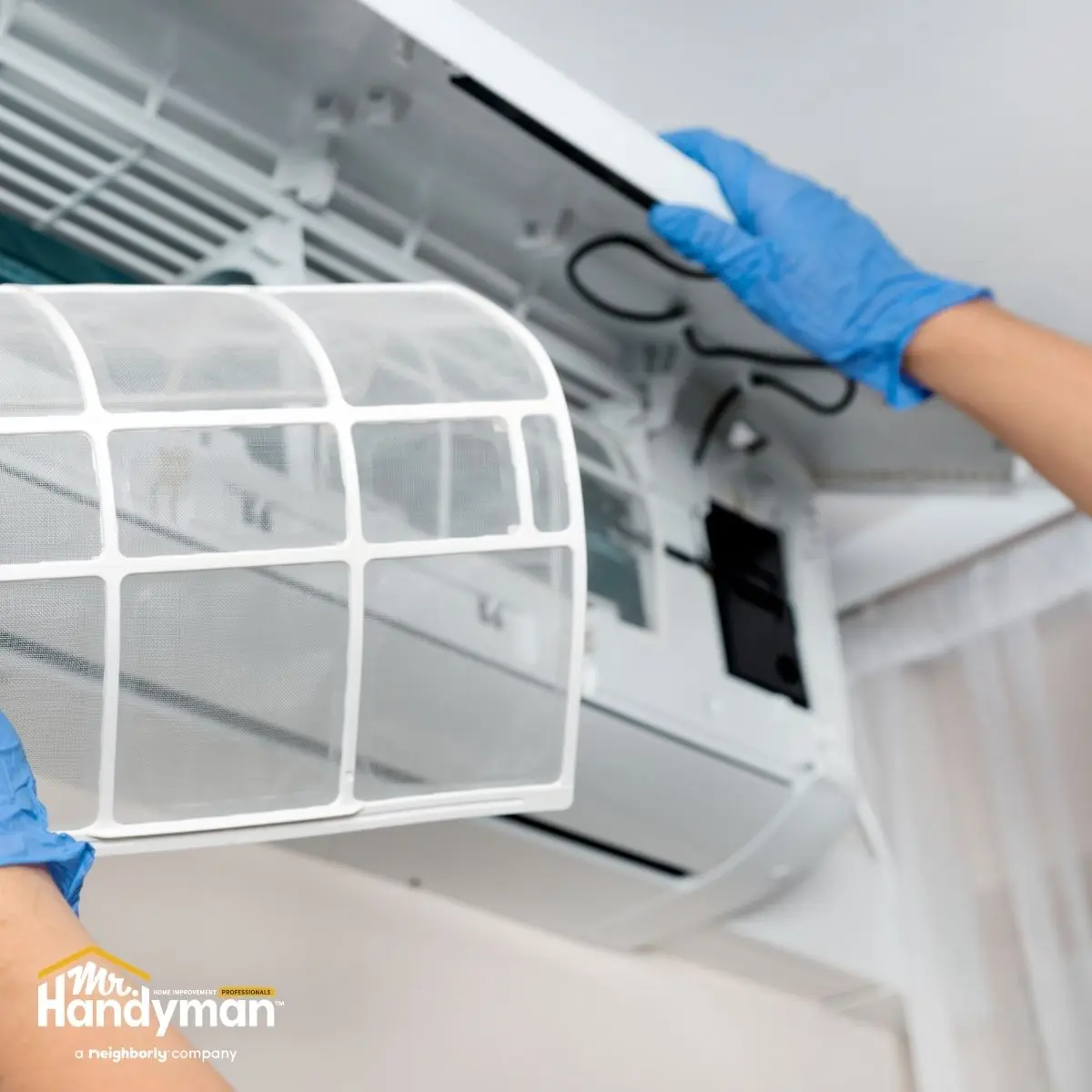
The outdoor condenser unit for your air conditioning system will run for hours daily throughout Charleston and Summerville's brutal summer, and its condition directly affects both cooling performance and energy costs. Spring preparation ensures this critical component is ready for the demands ahead rather than discovering problems when outdoor temperatures exceed 90 degrees and the system can't keep up.
Condenser coil cleaning ranks among the most important spring maintenance tasks. These coils accumulate pollen, dirt, leaves, and debris that restrict airflow and force the system to work harder. In the Lowcountry's high-pollen spring season, this accumulation happens rapidly. Dirty condenser coils reduce efficiency by 20 to 30 percent, driving up energy costs while reducing cooling effectiveness. Professional coil cleaning restores design performance and prevents the reduced capacity that leads to comfort problems during peak summer heat.
The area around the condenser unit needs clearing of vegetation, debris, and obstructions. Shrubs, grass, and weeds growing too close to the unit restrict airflow and reduce efficiency. Maintain at least 2 feet of clearance on all sides and 5 feet above the unit for proper air circulation. Trim back vegetation during spring before summer growth makes this more difficult and before cooling season when adequate airflow becomes critical.
Refrigerant lines running between the indoor and outdoor units should be inspected for damaged insulation. The insulation on these lines prevents condensation and heat transfer that reduces system efficiency. Damaged or missing insulation wastes energy and can cause water damage from condensation dripping onto surfaces below. Spring inspection identifies these issues while they're simple repairs rather than waiting until summer when inefficiency shows up as higher electric bills and inadequate cooling.
Condensate drain lines that carry moisture from indoor air handler units to exterior discharge points can develop clogs from algae growth and accumulated debris. A blocked condensate line causes water to back up and overflow inside the home, potentially damaging ceilings, walls, and flooring. Spring inspection and cleaning prevents this damage by ensuring clear drainage before summer humidity creates maximum condensate production.
Checking Foundation Drainage and Grading
Foundation drainage might not seem connected to summer preparation, but Charleston and Summerville's intense thunderstorms make this one of the most critical exterior systems. Proper grading and drainage prevent water from saturating soil around your foundation, which protects against settlement, prevents basement or crawl space flooding, and eliminates the moisture conditions that attract termites and promote wood rot.
Grade around your home should slope away from the foundation at least 6 inches over the first 10 feet. This slope ensures rainwater flows away rather than pooling against foundation walls. Over time, settling, landscaping changes, and erosion can alter grade and create low spots where water accumulates. Spring inspection identifies these problem areas while there's time to add soil and reestablish proper slope before summer storms test drainage capacity.
Foundation plantings affect drainage and create conditions for pest problems if vegetation is too close to the house. Shrubs and plants should be trimmed back at least 12 inches from siding and foundations to allow air circulation and prevent moisture accumulation. Dense vegetation against foundations holds moisture against walls, promotes mildew growth, creates hiding places for pests, and makes foundation inspection difficult. Spring trimming establishes proper clearances before summer growth makes vegetation control more challenging.
French drains, if your property has them, need inspection to ensure they're functioning properly. These buried drainage systems can become clogged with soil, roots, or debris, causing them to fail when you need them most. Spring inspection and cleaning ensures they'll handle summer storms effectively. Signs of failing drainage include water pooling in yard areas, consistently damp soil near foundations, or visible water staining on foundation walls.
Exterior foundation walls should be examined for cracks, spalling, or moisture staining. Small cracks can be sealed to prevent water intrusion. Larger cracks or signs of structural movement require professional evaluation because they may indicate more serious foundation problems. Identifying these issues during spring preparation allows addressing them before summer rain exacerbates problems or before winter when temperature changes create additional stress.
Preparing Decks, Patios, and Outdoor Living Spaces
Outdoor living spaces see intense use during Charleston and Summerville summers, and spring preparation ensures they're safe, functional, and ready for entertaining season. Problems that seemed minor during winter become genuine concerns once these areas become the center of family life and host gatherings where safety and appearance matter.
Deck inspection should examine structural components, walking surfaces, railings, and stairs for safety concerns and needed repairs. Walk the entire deck, noting any boards that feel soft or spongy—these indicate rot that compromises structural integrity. Check that railings are secure by applying firm pressure and ensuring no movement occurs. Balusters should be tight and spaced properly—building codes require spacing that prevents a 4-inch sphere from passing through, ensuring child safety. Stairs need attention to tread stability, riser consistency, and handrail security.
Deck cleaning removes accumulated dirt, mildew, and organic growth that makes surfaces slippery and promotes wood deterioration. Pressure washing or specialized deck cleaners restore appearance while revealing the condition of underlying wood. After cleaning, evaluate whether the deck needs staining or sealing. Most deck finishes require reapplication every two to three years depending on sun exposure and traffic. Spring application allows proper curing before summer use begins.
Patio surfaces—whether concrete, pavers, or stone—develop settlement, cracks, and vegetation growth that creates appearance and safety concerns. Uneven surfaces present tripping hazards. Vegetation growing between pavers or in concrete cracks accelerates deterioration by forcing materials apart. Spring cleaning and leveling prevents these issues from worsening and ensures outdoor spaces are safe for summer use.
Outdoor furniture requires inspection after months of weather exposure. Metal frames need checking for rust, wooden components for rot, fabric for tears or deterioration. Cushions that stayed outside through winter may have mildew or moisture damage requiring cleaning or replacement. Addressing these issues during spring preparation ensures furniture is ready when you want to use it rather than discovering problems when guests are arriving.
Frequently Asked Questions
How often should homes receive professional exterior inspection?
Annual spring inspection catches developing issues before they become expensive failures. Homes with older siding, roofing, or known problem areas benefit from professional assessment that identifies concerns homeowners might miss.
Can exterior preparation be done in phases or must everything happen at once?
Phasing is fine—prioritize critical items like roof and drainage issues that prevent water damage, then address other items as time and budget allow. The key is completing essential preparation before summer weather arrives.
What exterior issues most commonly cause summer problems?
Roof leaks from damaged flashing, gutter overflow from clogs, failed caulking allowing water intrusion, deteriorated siding that allows moisture behind the building envelope, and inadequate foundation drainage that saturates soil and promotes settlement.
Should I hire professionals or handle exterior preparation myself?
Homeowners can handle tasks like gutter cleaning, pressure washing, and basic inspection. Roof work, high ladder work, and anything requiring specialized equipment is safer left to professionals. The cost of professional service is far less than injury from falls or mistakes that create bigger problems.
How much time does comprehensive exterior preparation require?
Plan on a full weekend for most homes—one day for cleaning, inspection, and minor repairs; another day for any needed painting, caulking, or more involved tasks. Larger homes or properties with extensive issues may require additional time or professional help.
Spring exterior preparation protects your Charleston or Summerville home from summer's intense weather while maintaining appearance and preventing the expensive failures that occur when small problems go unaddressed. The time invested returns many times over through avoided water damage, extended material life, and the peace of mind that comes from knowing your home is ready for whatever summer brings.
Mr. Handyman of Charleston and Summerville provides comprehensive exterior preparation services for homeowners throughout the Lowcountry. Our experienced team handles everything from gutter cleaning and pressure washing to siding repair, painting, and drainage improvements. We understand the specific challenges that Charleston and Summerville weather creates and deliver reliable service that protects your home year-round. Call us or visit Mr. Handyman of Charleston and Summerville to schedule your spring exterior preparation and ensure your home is ready for summer.
