The kitchen is one of the hardest working rooms in any home. It handles daily meal preparation, cleanup, and in many households, serves as a gathering space that sees more traffic than almost any other room. At the center of all that activity is the plumbing — the sink, faucet, garbage disposal, and the supply and drain lines that keep everything functioning. When those fixtures are aging, inefficient, or simply worn out, the effects ripple through daily life in ways that are easy to underestimate.
For homeowners in Charleston and Summerville, the decision to update kitchen plumbing fixtures is rarely just about aesthetics. It's about function, water efficiency, and the long-term health of the home itself. The Lowcountry's humid climate, combined with the age of many homes throughout the region, means that older fixtures face accelerated wear. Mineral buildup from water supply characteristics, corrosion from humidity exposure, and the natural degradation of seals and connections over time all contribute to fixtures that are quietly underperforming or slowly developing problems that will eventually demand attention.
Understanding what new kitchen plumbing fixtures actually deliver — beyond a refreshed appearance — helps homeowners make informed decisions and recognize when an upgrade has moved from a want to a genuine need.
What Aging Kitchen Fixtures Actually Cost You
.webp)
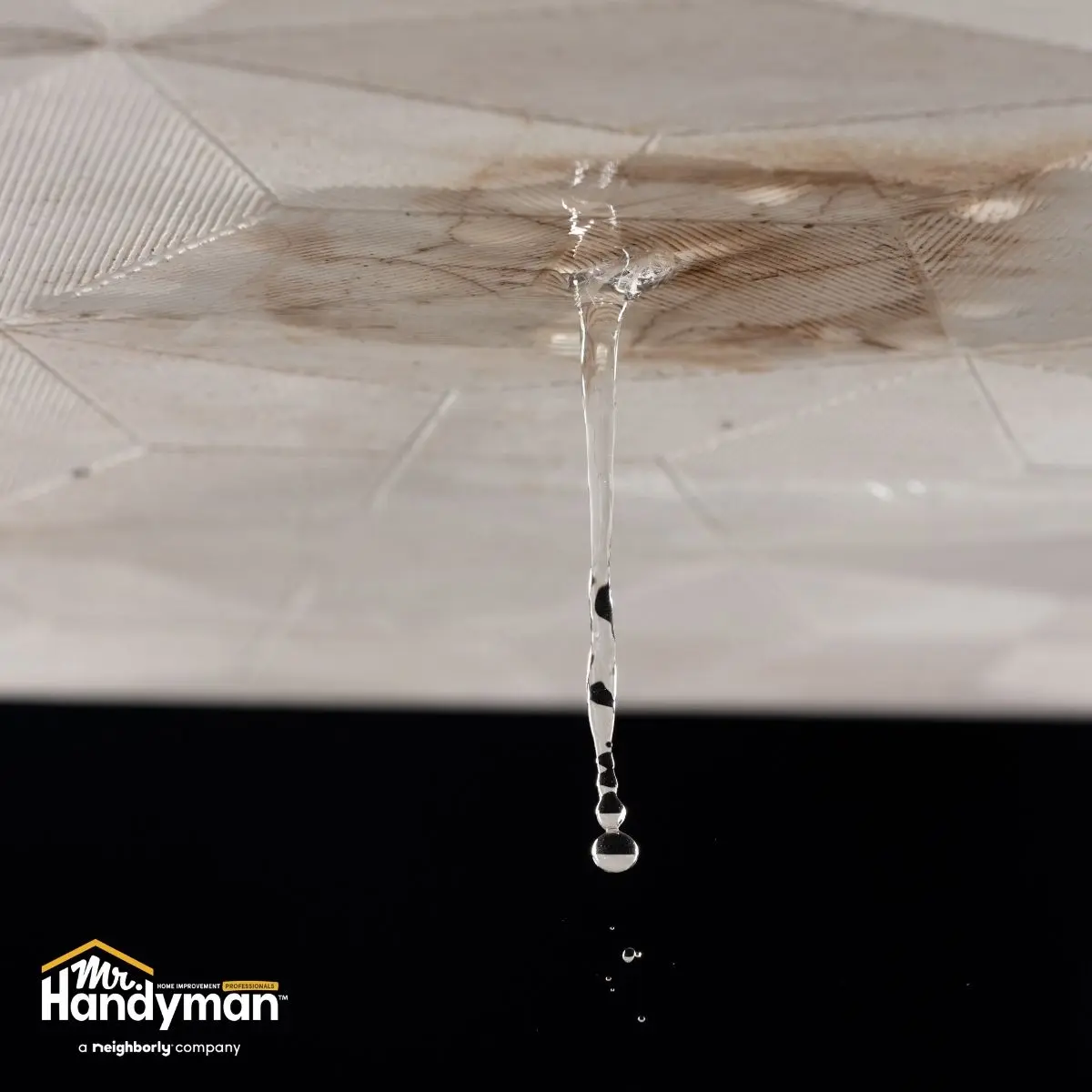
Most homeowners don't think about their kitchen faucet until it starts dripping. By that point, the fixture has often already been wasting water for some time through minor seep points that weren't obvious. A faucet that drips once per second wastes more than 3,000 gallons of water per year. Multiply that across a household that may have an aging faucet and a spray head that no longer seats properly, and the water waste adds up to a meaningful number on an annual water bill.
Beyond water waste, older fixtures affect daily functionality in ways that become normalized over time. Water pressure that has gradually declined due to mineral buildup inside the faucet aerator. A sprayer that no longer swivels smoothly or reaches the full basin. A disposal that struggles with food waste that it would have handled easily a few years ago. These aren't dramatic failures — they're gradual declines that homeowners adapt to without realizing how much friction they've added to everyday tasks.
In Charleston and Summerville, water supply characteristics can accelerate this kind of mineral buildup. Depending on the source and treatment of local water, calcium and magnesium deposits accumulate inside faucet components and aerators over time, restricting flow and eventually affecting valve function. This is particularly common in fixtures that have been in place for a decade or more, and it's often the real reason behind what homeowners describe as "low pressure" in the kitchen — the supply pressure hasn't changed, but the fixture itself has become partially obstructed.
Older drain connections and garbage disposals present a different set of concerns. Disposal units have a functional lifespan, typically in the range of ten to fifteen years with normal use, and as they age they become less efficient at processing food waste, more prone to jamming, and more likely to develop leaks at their mounting connections. A disposal that's working harder than it should adds noise and vibration to the kitchen environment, and the leaks that develop at older mounting rings or discharge connections can quietly damage the cabinet below over months.
The Functional Improvements New Fixtures Deliver
Replacing an aging kitchen faucet with a modern fixture immediately addresses several of the performance issues that accumulate over years. Contemporary faucet designs incorporate ceramic disc valves that are far more durable and leak-resistant than the compression valve designs used in older fixtures. These ceramic components handle tens of thousands of cycles without degrading, which means the dripping and seeping that marks the end of an older faucet's useful life is significantly delayed in newer models.
Pull-down and pull-out spray faucets have become standard in modern kitchen design for practical reasons. The ability to bring the spray head directly to a large pot, direct water precisely in a deep sink, or rinse produce with flexibility changes how the sink functions as a workspace. For homeowners who have been working with a fixed or limited-reach faucet for years, this kind of upgrade often feels more significant than expected — not because it's a luxury feature but because it makes the most-used fixture in the kitchen genuinely easier to work with.
Water flow rate is another area where new fixtures offer real advantages. Modern faucets are designed to deliver effective water pressure and coverage at lower gallons-per-minute rates than older fixtures. This isn't a reduction in performance — it's a refinement of how water is delivered. Aerated flow at a lower volume can feel comparable to or better than the unrestricted flow of an older fixture while using measurably less water over the course of daily use.
Garbage disposal upgrades follow a similar pattern. Newer disposal units offer more motor power and more efficient grinding mechanisms than units from a decade ago, which means less jamming, quieter operation, and the ability to process a wider range of food waste without issues. Many current models also incorporate sound insulation into their housing, which meaningfully reduces the noise level compared to older units — a noticeable quality-of-life improvement in open-plan kitchens where the disposal can otherwise dominate conversation.
Supply Lines, Drain Connections, and What's Behind the Scenes
A fixture upgrade is also an opportunity to address the supply lines and drain connections that serve those fixtures. Braided stainless steel supply lines have replaced the older plastic or unbraided lines in most installations, and with good reason. Supply line failures are one of the leading causes of significant water damage in kitchen cabinets, and older lines that have been in place for many years are statistically more likely to fail. Replacing them during a fixture upgrade adds minimal cost while eliminating a meaningful risk.
Drain connections beneath the kitchen sink deserve the same attention. P-trap assemblies and drain extensions that have been in place for years can develop slow leaks at their connections, particularly if they've been removed and reinstalled during any prior work under the sink. A fresh installation with properly torqued connections eliminates the minor seeping that often goes unnoticed until the cabinet floor shows damage.
In Charleston and Summerville homes with older cabinetry or kitchens that haven't been updated in many years, this under-sink inspection and refresh is particularly valuable. The combination of coastal humidity and the minor moisture from years of sink use can leave cabinet interiors in rough condition, and a fixture replacement project that includes checking and addressing those conditions prevents a cosmetic and functional upgrade from sitting on top of a developing problem.
Room by Room Thinking for Kitchen Plumbing Upgrades
When homeowners think about updating kitchen plumbing fixtures, the focus typically lands on the faucet. That makes sense — it's the most visible and most frequently used component. But approaching a kitchen plumbing upgrade with a broader view of how all the components work together leads to better outcomes and fewer situations where a new faucet is installed over aging infrastructure that creates problems a year later.
The area beneath the kitchen sink is essentially a small mechanical hub. Supply lines, shutoff valves, drain connections, the garbage disposal, and sometimes a water filtration system all share that cabinet space. When any one of those components is updated, it makes practical sense to assess the condition of everything else in that space at the same time. Shutoff valves that haven't been operated in years can seize or fail when they're finally turned, which is exactly the wrong moment to discover that. A fixture replacement project that includes testing and if necessary replacing those valves protects the entire installation going forward.
The sink itself is worth evaluating during any fixture upgrade conversation. A sink that is stained, scratched, or showing signs of surface degradation isn't just an aesthetic issue — a compromised sink surface is harder to keep clean and sanitary. Stainless steel sinks that have dulled or developed pitting, and porcelain sinks that have chipped or cracked, create surfaces where bacteria and residue accumulate in ways that routine cleaning doesn't fully address. Pairing a new faucet with a sink replacement when the existing basin is at the end of its useful life gives the kitchen a fully refreshed and functional workspace rather than a partially updated one.
Dishwasher connections are another component that often gets overlooked during kitchen plumbing conversations. The supply and drain connections for the dishwasher run through the same under-sink area, and the condition of those connections directly affects how reliably the appliance operates. A dishwasher drain line that has aged or developed a partial obstruction causes the appliance to work harder and may result in drainage issues that back up into the sink. Checking and refreshing those connections during a broader kitchen plumbing project is a straightforward addition that protects the appliance and the cabinetry around it.
Why Charleston and Summerville Homes Benefit Most from These Upgrades
The specific conditions of the Lowcountry make kitchen plumbing upgrades more impactful here than they might be in other parts of the country. Humidity is the underlying factor in almost every conversation about home maintenance in Charleston and Summerville, and it affects kitchen plumbing in several direct ways.
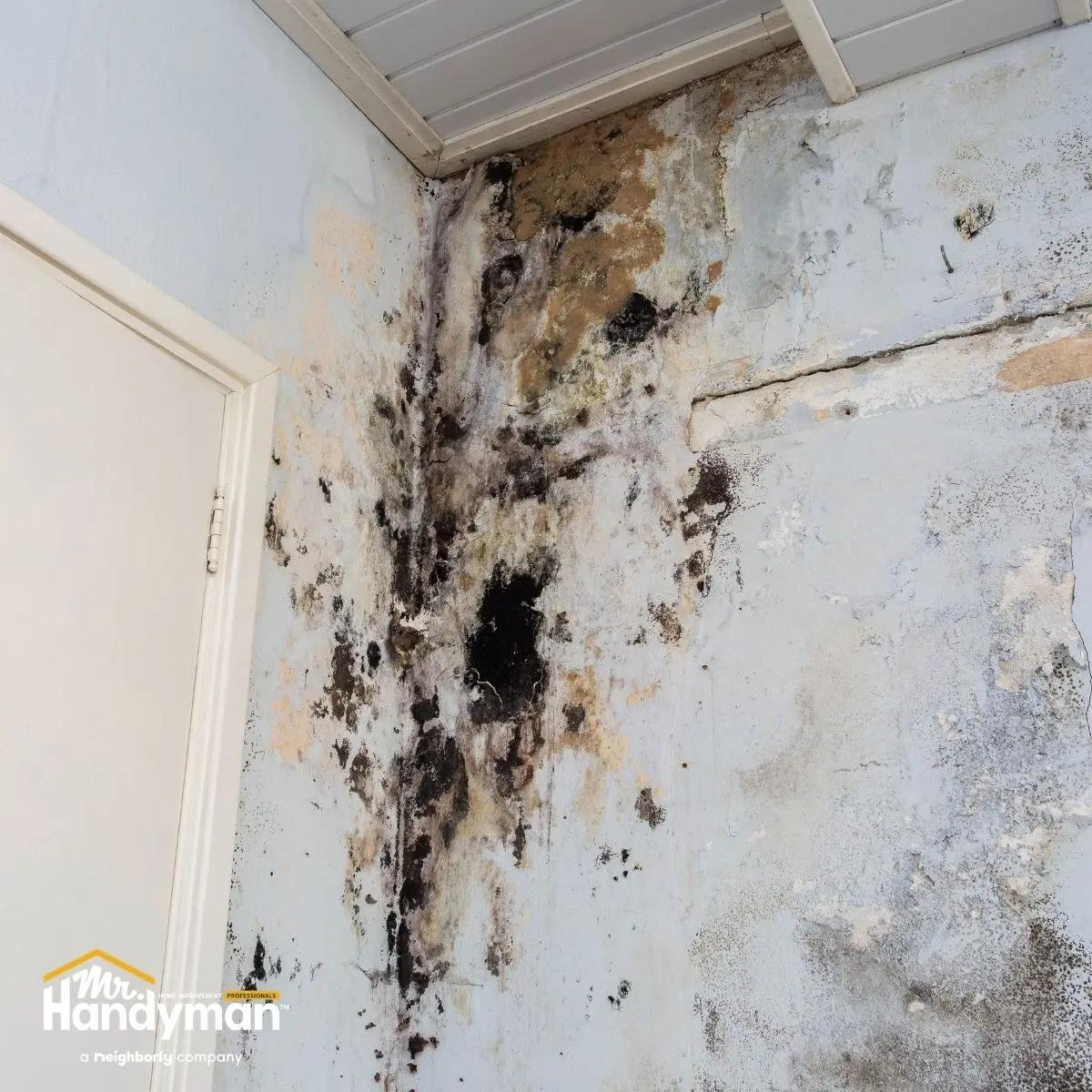
The cabinet environment beneath a kitchen sink is one of the most humidity-exposed spaces in the home. Every time the sink is used, minor moisture enters that space through condensation on supply lines, drainage activity, and the natural movement of humid air in and out of the cabinet. Over years, this creates conditions where older plastic components degrade faster, metal fittings develop surface corrosion, and wood cabinet interiors absorb enough moisture to soften and support mold growth if a minor leak goes undetected.
Newer fixture installations address this directly. Modern supply line materials resist corrosion more effectively. Properly seated and torqued drain connections eliminate the slow seeping that older connections develop over time. And a fresh installation gives a clear baseline — after the work is done, any new moisture in that cabinet becomes immediately identifiable as something that needs attention rather than something that was always there.
Older homes throughout historic Charleston neighborhoods and many of the established communities in Summerville were built with plumbing configurations that reflected the standards of their era. Fixture connections that have never been updated may use fitting types or materials that are no longer standard, making them harder to service and more prone to compatibility issues when any repair is attempted. Bringing those connections up to current standards during a fixture replacement simplifies every future interaction with that plumbing, whether for repairs, appliance replacements, or further upgrades.
The region's warm climate also means that the kitchen sees year-round heavy use. Unlike colder climates where outdoor grilling and entertaining shift some food preparation outside during warmer months, the Lowcountry lifestyle often centers on the kitchen throughout the year. That continuous heavy use accelerates the wear timeline on all fixture components, which is another reason why proactive upgrades make more practical sense here than a strictly reactive approach.
FAQs About Kitchen Plumbing Fixture Installation
How long does it typically take to replace a kitchen faucet and disposal? A straightforward faucet replacement can be completed in one to two hours by an experienced technician. Adding a disposal replacement to the same visit typically brings the total time to two to three hours, depending on the condition of the existing connections and whether any additional work is needed under the sink. Having both done in a single visit is efficient and cost-effective compared to scheduling them separately.
Do I need to replace my supply lines when I replace my faucet? In most cases, yes. Supply lines are relatively inexpensive components, and replacing them during a faucet installation eliminates the risk of an older line failing shortly after new fixtures are in place. A technician who replaces the faucet and leaves aging supply lines behind has addressed only part of the system's vulnerability.
What should I look for when choosing a new kitchen faucet? Function should lead the decision. Consider how the sink is used daily — whether a pull-down sprayer would improve workflow, whether a single or dual handle configuration fits better with how the space is used, and whether the finish selected is practical for the level of use the kitchen sees. Beyond those considerations, matching the finish to other hardware in the kitchen creates a cohesive look without needing to renovate further.
Is a higher-end garbage disposal worth the investment? For most households, yes. The performance difference between a mid-range and premium disposal is meaningful in daily use — quieter operation, fewer jams, and the ability to process a wider range of food waste make the kitchen experience noticeably better. Premium units also tend to carry longer warranties, which reflects the manufacturer's confidence in their durability.
Can old plumbing connections cause problems with new fixtures? They can, and this is one reason why professional installation matters. Older shutoff valves that haven't been operated in years can fail during installation, and older drain configurations may need adjustment to work properly with new fixture dimensions. A professional who identifies and addresses these issues during the installation prevents problems from appearing shortly after the work is done.
How do I know if my current kitchen plumbing fixtures need replacing versus just repairing? Age and the nature of the issue are the two most useful guides. A faucet under five years old with a minor drip is likely a good repair candidate. A faucet that is ten or more years old, showing visible corrosion, or requiring repeated repairs is typically past the point where repair makes economic sense. The same logic applies to disposals — repeated jamming, persistent leaking, or a unit that is more than ten years old is usually better replaced than serviced again.
Let Mr. Handyman of Charleston and Summerville Handle It Right
Kitchen plumbing upgrades done well make a real difference in how the most-used room in your home functions every day. Done poorly, they create the kind of under-sink problems that show up weeks later as water damage, failed connections, or fixtures that don't perform the way they should. Getting it right from the start means working with someone who understands both the work and the specific demands of Lowcountry homes.
Mr. Handyman of Charleston and Summerville brings that combination of experience and local knowledge to every kitchen project. Whether you're replacing a single faucet, upgrading a disposal, or refreshing the full set of fixtures and connections beneath your sink, our technicians handle the work thoroughly and professionally — so the finished result holds up the way it should.
Mr. Handyman of Charleston and Summerville 🌐 www.mrhandyman.com/charleston-summerville
Reach out today to schedule your kitchen plumbing consultation or request a service visit. Small upgrades done at the right time prevent larger problems down the road — and that's exactly the kind of work we're built for.
