.webp)
Summer in Charleston and Summerville means backyard barbecues, family reunions, graduation parties, and the kind of casual entertaining where friends drop by and stay for hours. Your kitchen becomes the center of activity—not just for cooking, but as the gathering place where guests congregate with drinks, where platters get assembled, where conversations happen while someone pulls appetizers from the oven. A kitchen that functions poorly during regular family meals becomes genuinely frustrating when you're trying to host. Cramped counter space, inefficient workflow, outdated appliances that struggle to keep up, and storage that can't accommodate extra supplies all compound into stress exactly when you want to enjoy your guests.
Planning a kitchen remodel before summer entertaining season requires different thinking than a project you'd start in fall or winter. The timeline is compressed—you need the work completed before Memorial Day weekend kicks off the social calendar, not dragging through June and July when you should be hosting. The scope needs careful consideration because attempting too much risks missing your deadline entirely, while doing too little leaves you frustrated with a half-improved kitchen. Budget becomes more urgent because summer projects compete with vacation plans, camp fees, and all the other seasonal expenses that strain household finances.
Homeowners throughout Charleston and Summerville face additional considerations that make kitchen remodeling more complex than in newer construction markets. Many of our homes were built between the 1950s and 1990s with kitchens designed for different cooking and entertaining patterns. Original layouts often feature closed-off spaces that isolate the cook from guests, limited counter space because meals were simpler and prep work was less elaborate, and storage designed for smaller dish collections and fewer small appliances. Galley kitchens that worked fine for daily family dinners feel impossibly cramped when you're trying to arrange a charcuterie board while someone else plates desserts. Peninsula configurations that seemed modern in 1985 now block sight lines and interrupt traffic flow. These layouts can't be fixed with new cabinets or updated appliances—they require structural decisions about walls, openings, and fundamental room configuration.
Deciding What Really Needs to Change
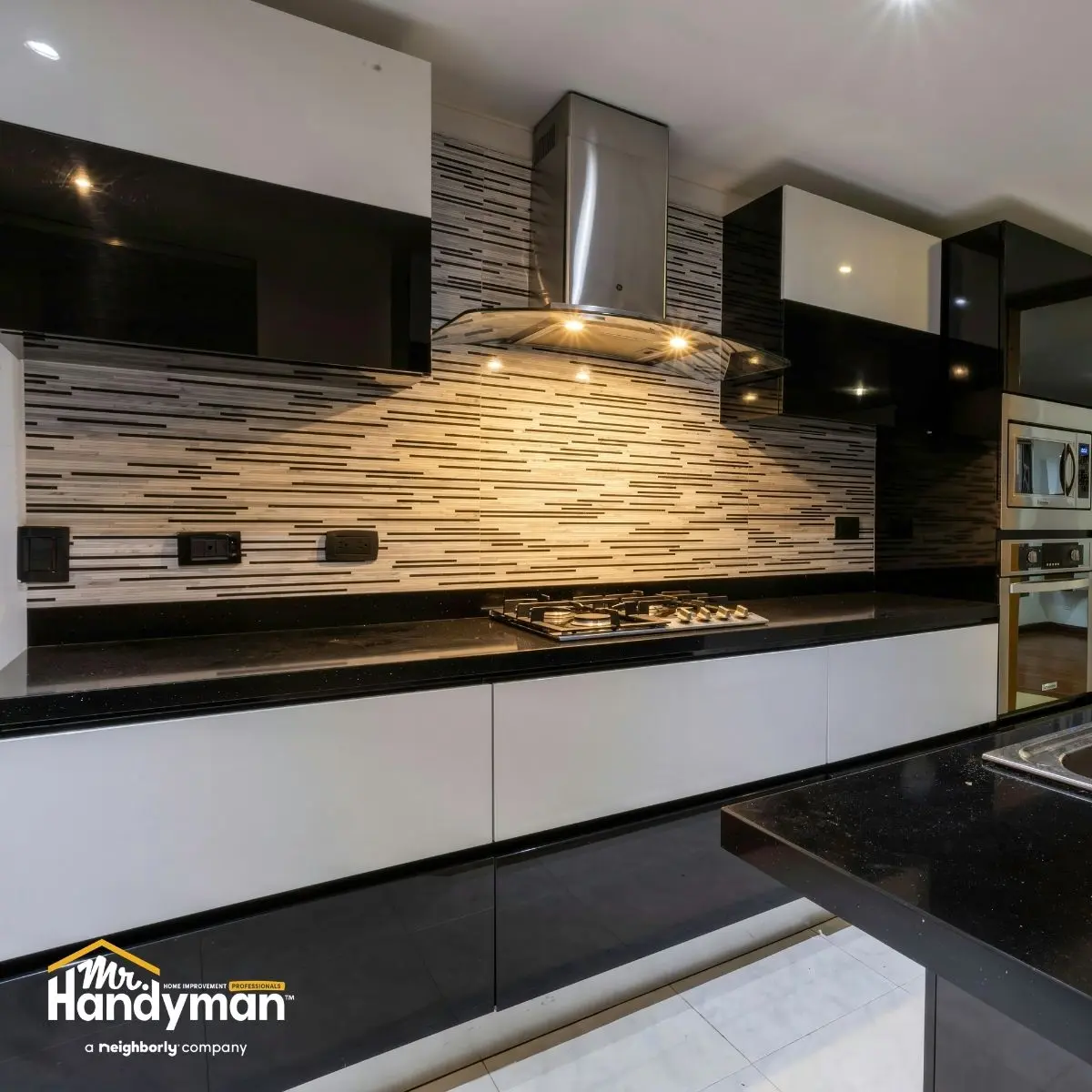
The first mistake homeowners make when planning kitchen remodels is assuming everything must be replaced. The second mistake is assuming nothing structural can change. Both approaches miss the strategic middle ground where focused improvements deliver maximum impact for summer entertaining without requiring complete demolition and reconstruction that takes months rather than weeks.
Start by honestly assessing how your current kitchen actually fails during entertaining. Does the refrigerator lack capacity for party supplies and premade dishes? Are you constantly running out of counter space for food prep and serving platters? Do guests cluster in doorways because there's nowhere to stand comfortably while talking to the cook? Is the stove inadequate for cooking multiple dishes simultaneously? Does cabinet storage force you to dig through stacked items to reach serving pieces you only use for gatherings? These specific pain points reveal what truly needs improvement versus what you'd simply prefer to update.
Counter space issues often rank highest on the list because modern entertaining involves more elaborate food preparation than previous generations managed. Cheese boards, vegetable platters, assembled appetizers, and Instagram-worthy presentations all require workspace. If your current kitchen provides 8 linear feet of usable counter space, you're constantly shuffling items around and struggling to find room for both prep work and finished dishes waiting to be served. Adding a kitchen island or extending existing counters solves this problem permanently. An island doesn't require moving walls or reconfiguring the entire kitchen—it can often be added within the existing footprint if traffic flow allows, providing immediate workspace improvement.
Appliance capacity represents another common entertaining limitation. A refrigerator that adequately handles weekly groceries becomes woefully inadequate when you're storing premade salads, marinating meats, chilling beverages, and keeping ingredients for multiple dishes. Standard 18-cubic-foot refrigerators simply don't provide the volume needed for serious entertaining. Upgrading to a larger capacity model or adding a secondary beverage refrigerator transforms your hosting capability. Similarly, a basic four-burner stove that works fine for family dinners struggles when you need to simmer sauce, boil pasta, sauté vegetables, and keep finished dishes warm simultaneously. A range with five or six burners plus a griddle option provides the cooking capacity that entertaining demands.
Storage problems reveal themselves most acutely during party preparation when you need serving platters, extra glassware, specialized cooking equipment, and seasonal items all at once. If these items are scattered between the kitchen, garage, and upstairs closets because your cabinets can't accommodate them, hosting becomes an organizational nightmare. Strategic cabinet additions or reorganization that creates dedicated entertaining storage—a pullout drawer for platters, a cabinet section for glassware, organized storage for rarely used appliances—makes hosting significantly easier without requiring a complete kitchen overhaul.
Creating Functional Layout Improvements
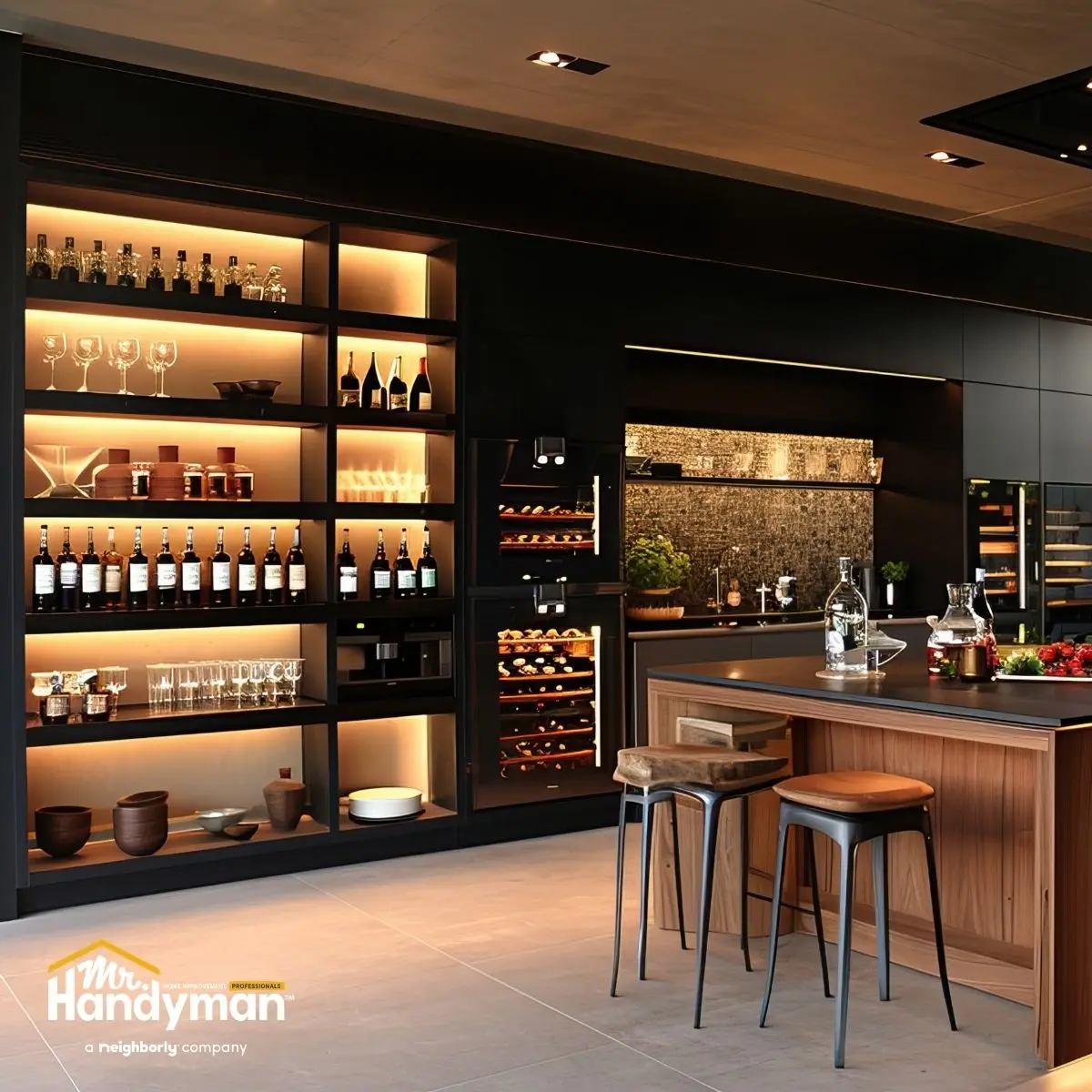
Kitchen layout determines how efficiently you can work, how many people can comfortably occupy the space, and whether guests naturally gather where you want them or cluster in spots that block your movement. The classic kitchen work triangle—the relationship between sink, stove, and refrigerator—still matters, but modern entertaining adds new requirements. You need space for multiple people to work simultaneously without colliding. You need sight lines that allow the cook to participate in conversations happening in adjacent rooms. You need traffic patterns that don't force people walking through to interrupt whoever's cooking.
Peninsula kitchens, which were extremely popular in Charleston and Summerville homes built from the 1970s through the 1990s, often create problematic traffic flow during entertaining. The peninsula provides some additional counter space and creates a partial barrier between kitchen and dining areas, but it also funnels all traffic through narrow passages on either end. When guests gather near the cook or try to help by carrying dishes, these choke points become frustrating obstacles. Removing a peninsula or converting it to an island that allows circulation on all sides can dramatically improve how the kitchen functions during gatherings.
Wall removal between kitchens and adjacent dining rooms or living spaces represents a more substantial change but one that transforms entertaining capability. Kitchens isolated behind solid walls made sense when cooking generated smoke and strong odors that homeowners wanted to contain. Modern ventilation systems eliminate these concerns, and contemporary entertaining emphasizes inclusion—hosts want to interact with guests while cooking, not disappear into a separate room. Removing a wall between the kitchen and dining area creates an open concept that allows conversation to flow naturally and makes the cook part of the gathering rather than isolated from it. This type of structural change requires professional assessment to ensure proper support for loads the wall currently carries, but the impact on entertaining functionality is substantial.
Island additions serve multiple purposes beyond just adding counter space. A properly sized island provides workspace, casual seating for guests who want to keep the cook company, and often incorporates additional storage or appliances. The distance around an island matters enormously—42 inches minimum allows people to pass comfortably, while 48 inches accommodates multiple people working simultaneously. Islands that are too large for the available space create cramped conditions that defeat their purpose. Measuring carefully and potentially using temporary mockups with cardboard boxes helps ensure the island dimensions work for your specific kitchen footprint.
Selecting Updates That Deliver Maximum Impact
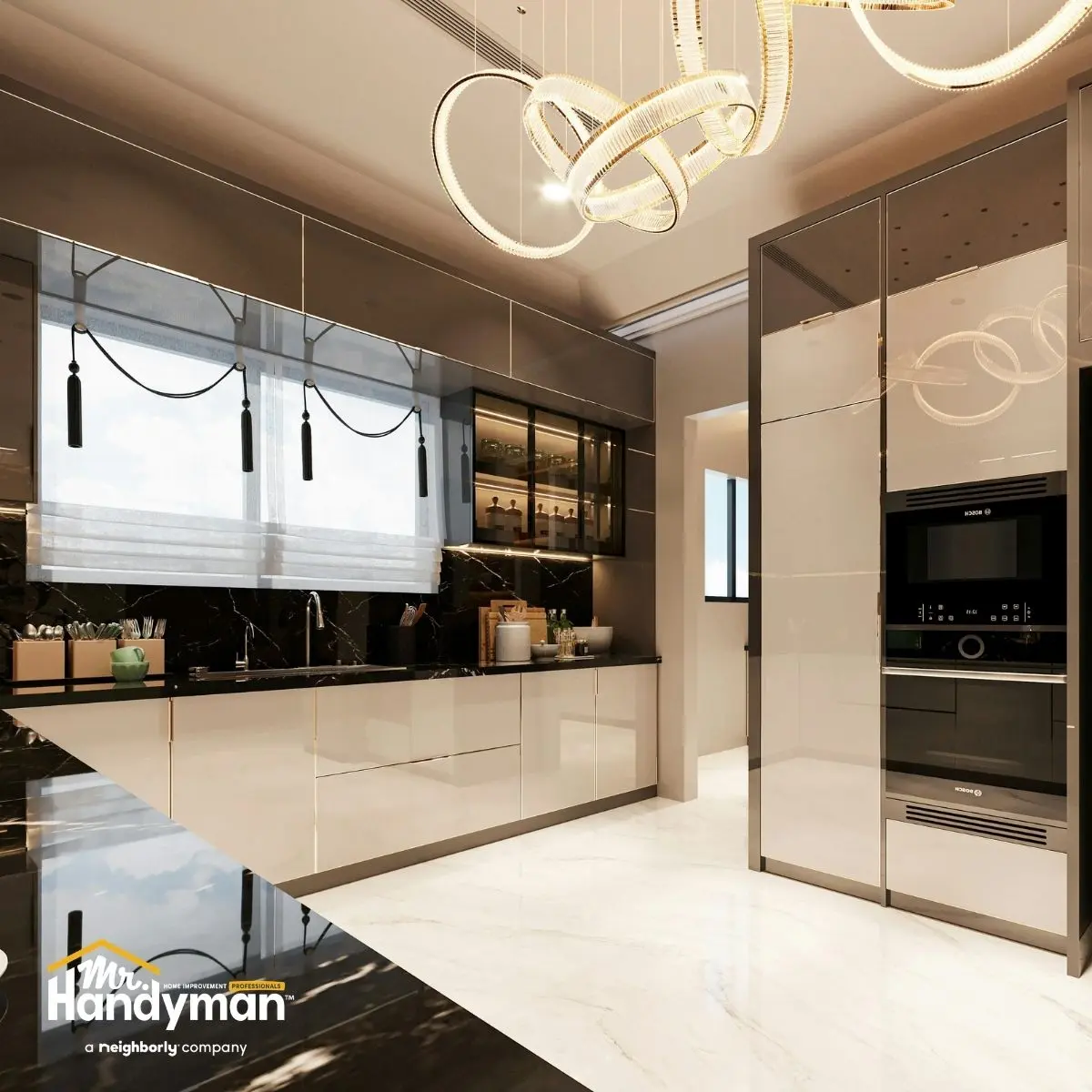
When timeline and budget constrain how much can be accomplished before summer, strategic selection of high-impact updates matters more than comprehensive replacement. Some changes dramatically improve functionality and appearance while requiring relatively modest time and investment. Others involve extensive work for marginal improvement. Understanding which is which allows you to maximize what gets accomplished before entertaining season begins.
Cabinet refacing or painting delivers remarkable visual transformation without the time and expense of complete cabinet replacement. If your existing cabinets are structurally sound but outdated in color or style, new doors and drawer fronts combined with fresh paint or stain on cabinet boxes creates an essentially new appearance. This approach takes weeks rather than months and costs a fraction of new custom cabinets while providing space for other improvements like upgraded appliances or enhanced lighting. The caveat is that refacing doesn't change cabinet configuration or add storage capacity—it only updates appearance within the existing layout.
Countertop replacement ranks among the most noticeable kitchen updates and directly affects functionality. Old laminate counters with limited workspace, outdated patterns, and damaged surfaces make kitchens feel tired regardless of other elements. Upgrading to quartz, granite, or quality solid surface materials provides durable work surfaces that resist heat, staining, and damage while offering modern aesthetics that make the entire kitchen feel updated. Countertop installation typically completes in one to three days depending on complexity, making it feasible even on compressed timelines.
Lighting improvements transform kitchen functionality and ambiance more than most homeowners expect. Many older Charleston and Summerville kitchens rely on a single ceiling fixture that provides inadequate illumination for detailed food prep and creates a dingy atmosphere during evening entertaining. Adding under-cabinet LED strips illuminates counters for safe knife work and food preparation. Pendant lights over islands or eating areas provide task lighting and visual interest. Recessed ceiling lights distributed throughout the space eliminate shadows and create even, bright illumination that makes the kitchen more pleasant to work in and more inviting for guests.
Backsplash installation combines aesthetic improvement with practical protection. Tile backsplashes behind stoves and sinks prevent wall damage from cooking splatter and water while adding visual interest through pattern, color, and texture. Installation timelines are reasonable—most backsplashes complete in one to three days including material selection, prep, and grouting. The visual impact is substantial, particularly when replacing outdated or damaged existing backsplashes. Modern tile options range from classic subway tiles to elaborate mosaics, allowing personalization that reflects your style while protecting walls from the inevitable messes that cooking and entertaining create.
Addressing Plumbing and Electrical Needs First
Kitchen remodels inevitably expose underlying systems that have been hidden behind cabinets and appliances for decades. Once you start the project, you'll discover galvanized pipes that should have been replaced years ago, electrical outlets that don't meet current code requirements, or wiring that's inadequate for modern appliance loads. Addressing these infrastructure issues before installing new cabinets and countertops prevents the frustration of completing a beautiful remodel only to discover that the garbage disposal trips the circuit breaker or that water pressure has mysteriously declined because corroded pipes finally gave up.
Charleston and Summerville's older homes frequently contain electrical systems that weren't designed for today's kitchen demands. A kitchen from 1975 might have operated perfectly well with a refrigerator, a basic electric range, and perhaps a toaster. Today's kitchens include refrigerators with ice makers and water dispensers, microwave ovens, dishwashers, garbage disposals, coffee makers, stand mixers, food processors, and increasingly, smart appliances that require constant power. These loads exceed what older wiring and circuit breakers can handle safely. Upgrading electrical service during a remodel ensures reliable performance and prevents dangerous overloads.
Plumbing updates matter equally, particularly if you're adding an island with a sink or replacing old fixtures. Running new water supply lines and drain connections requires planning for proper slope, venting, and code compliance. Island sinks present particular challenges because drain venting becomes more complex when the fixture sits away from exterior walls. Professional plumbing work completed before cabinetry installation prevents the need to modify new cabinets later to accommodate pipes that don't align properly. Water filtration systems, instant hot water dispensers, and pot filler faucets near the stove—all popular upgrades for serious home cooks—require dedicated supply lines and shutoff valves that should be installed during initial plumbing work.
Gas line modifications for new ranges or cooktops require licensed professionals and proper permitting. If you're upgrading from electric to gas cooking or moving the range location, gas lines must be sized correctly, installed to code, and pressure tested before use. This work happens early in the remodel sequence because it affects structural decisions about appliance placement and ventilation requirements. Natural gas cooking offers advantages for serious entertainers—instant heat control, more even cooking temperatures, and continued operation during power outages—but the infrastructure must be installed properly to ensure safety.
Managing the Remodel Timeline for Summer Completion
Kitchen remodels expand to fill available time unless actively managed with firm deadlines and realistic scheduling. A project that could complete in six weeks easily stretches to three months when material selections get delayed, subcontractors juggle multiple jobs, or unexpected issues emerge during demolition. When your goal is finishing before Memorial Day weekend, timeline management becomes critical.
Start planning in late winter or very early spring at the latest. Material selections—cabinets, countertops, appliances, tile, fixtures—often require weeks or months for ordering and delivery, particularly for custom or semi-custom options. Stock cabinets might ship in two weeks, while custom cabinets can take eight to twelve weeks from order to delivery. Countertop fabrication requires measuring the exact cabinet installation before cutting can begin, then another week or two for fabrication and installation. Appliances, especially specific models or professional-grade equipment, may not be immediately available. Identifying long-lead items early and getting them ordered prevents these delays from pushing your completion date into prime entertaining season.
Sequencing decisions affect timeline significantly. Some homeowners want to live through the remodel, keeping the kitchen marginally functional throughout the process. This extends timelines because work happens around meal preparation and cleanup. Other homeowners move cooking to temporary setups elsewhere in the house, allowing contractors to work continuously without accommodating daily kitchen use. The second approach completes faster but requires more planning for alternative food preparation. During Charleston and Summerville's pleasant spring weather, outdoor grilling combined with simple indoor meal assembly in a temporary setup often provides adequate alternatives for the few weeks of intensive work.
Breaking the project into phases can help manage both timeline and budget. Phase one might address the most critical functional improvements—new appliances, countertops, and essential layout changes. Phase two, potentially scheduled for fall, could tackle remaining aesthetic updates. This approach gets your kitchen functional for summer entertaining even if some finishing touches wait. The risk is that phase two never happens because motivation declines once the kitchen is usable, so carefully consider whether a phased approach truly makes sense for your situation or if it's simply procrastination disguised as planning.
Frequently Asked Questions
How long does a typical kitchen remodel take from start to finish? Minor updates like cabinet refacing, countertop replacement, and new appliances can complete in three to four weeks. Moderate remodels involving some layout changes typically require six to eight weeks. Major renovations with structural modifications, custom cabinetry, and extensive plumbing or electrical work often take ten to twelve weeks. Timeline depends heavily on material availability and contractor scheduling.
Can I remodel my kitchen without removing cabinets? Cabinet refacing or painting updates appearance while keeping existing boxes in place. You can also replace countertops, upgrade appliances, add lighting, and install new backsplashes without touching cabinets. This approach works well when cabinets are structurally sound and the layout functions adequately. It won't fix fundamental layout problems or add storage capacity.
What's the best flooring for kitchens that handle frequent entertaining? Durable, water-resistant options like luxury vinyl plank, porcelain tile, or sealed hardwood work well. Luxury vinyl offers realistic wood appearance with superior water resistance and easier installation. Porcelain tile provides timeless appeal and complete water immunity but requires professional installation. Hardwood delivers classic beauty but needs prompt cleanup of spills.
Should I hire a general contractor or manage subcontractors myself? General contractors coordinate all trades, manage scheduling, and ensure quality across the entire project. They cost more but save time and reduce stress. Managing subcontractors yourself requires significant time, construction knowledge, and availability to coordinate deliveries and schedule sequencing. For compressed timelines before summer, general contractor management usually proves worthwhile.
How can I keep costs under control during a kitchen remodel? Establish a firm budget before starting and allocate 10 to 15 percent for unexpected issues. Select materials early and avoid changes once ordering begins—modifications add costs and delay timelines. Focus spending on elements that improve functionality rather than purely aesthetic upgrades. Consider doing some work yourself like painting or demolition if you have skills and time.
Planning a kitchen remodel before summer entertaining requires balancing ambition with realistic timelines and budgets. Focus on changes that genuinely improve how you host rather than pursuing comprehensive renovation that might not complete before guests arrive.
Mr. Handyman of Charleston and Summerville handles kitchen remodeling projects of all scopes, from focused updates to complete renovations. Our team understands local building practices, works within realistic timelines, and delivers quality results that enhance both daily living and entertaining capability. Call or visit https://www.mrhandyman.com/charleston-summerville/ to discuss your kitchen improvement goals and develop a plan that gets your space ready for summer hosting.
