.webp)
Locker room plumbing operates under some of the most demanding conditions any commercial facility faces. High volume usage during peak hours, constant moisture exposure, temperature extremes from showers and steam rooms, and the reality that members expect immediate hot water and perfect drainage create a perfect storm of stress on plumbing systems. When locker room plumbing fails, it doesn't just create maintenance headaches—it directly damages your facility's reputation and drives members away faster than almost any other operational problem.
The truth about locker room plumbing is that small problems escalate with remarkable speed. A slow drain becomes a standing water problem. A dripping showerhead becomes a flood. A running toilet wastes thousands of gallons and creates noise complaints. A water heater that can't keep pace means cold showers during morning rush, and nothing destroys member satisfaction quite like stepping into a cold shower after an intense workout. These aren't abstract maintenance issues—they're daily experience failures that members remember, complain about, and ultimately use as justification for canceling their membership.
In Charleston and Summerville, locker room plumbing faces additional challenges from the coastal environment. Hard water with high mineral content clogs fixtures and damages water heaters faster than soft water areas. Humidity accelerates corrosion on exposed pipes and fixtures. Older buildings common throughout the area often have plumbing systems that weren't designed for modern commercial gym demands, with undersized water heaters, inadequate drainage capacity, and aging pipe materials prone to failure. Understanding these local factors isn't optional—it's essential for maintaining reliable locker room operations.
The business case for prioritizing locker room plumbing maintenance is straightforward. Members will tolerate occasional equipment malfunctions on the gym floor. They'll overlook minor cosmetic issues. But they will not tolerate consistently poor locker room experiences. When showers don't drain, toilets don't flush properly, or hot water runs out, members feel their basic expectations aren't being met. In online reviews, locker room complaints appear disproportionately compared to other facility issues because these problems affect the most personal and vulnerable part of the gym experience—the time when members are showering and changing.
The Most Damaging Locker Room Plumbing Failures
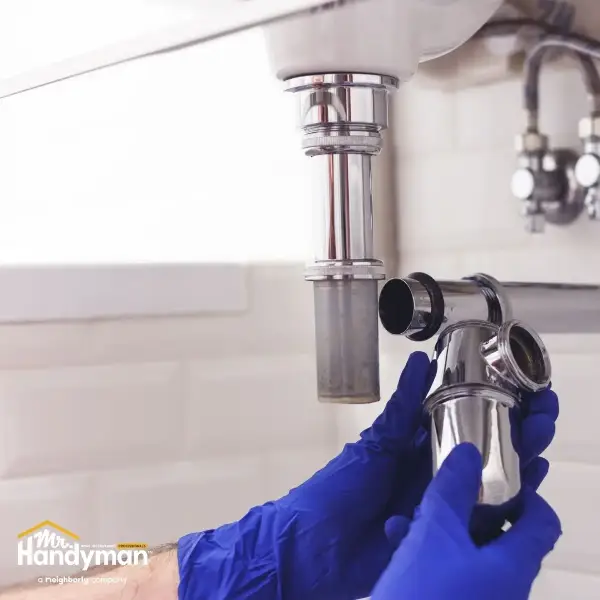
Insufficient hot water during peak hours represents perhaps the single most reputation-damaging plumbing problem gyms face. Members arrive early before work or pile in during evening rush hours, and when hot water runs out, the complaints are immediate and vocal. The member who gets a cold shower didn't fail to arrive early enough—your facility failed to provide adequate hot water capacity. This isn't a problem members forgive easily because it directly impacts their ability to shower and get to work or home on schedule. Word spreads quickly among members about unreliable hot water, and prospective members often ask current members about this specific issue during facility tours.
Slow draining or clogged showers create standing water that members must stand in while showering, triggering legitimate hygiene concerns and disgust responses. When water pools around ankles during a shower, members immediately question cleanliness standards. Even if your facility is thoroughly cleaned multiple times daily, standing water contaminated with soap, shampoo, and body residue creates an unsanitary appearance that no amount of cleaning can overcome. Members start wearing shower shoes if they weren't already, avoid certain shower stalls, and begin considering whether they should just shower at home instead—which defeats much of the value proposition of gym membership.
Toilet and urinal malfunctions—running toilets, incomplete flushes, clogs, and leaks—create both inconvenience and embarrassment for members. When someone uses a toilet that doesn't flush properly, they're left in an awkward position of either leaving evidence for the next person or trying to fix a plumbing problem themselves. Running toilets create constant background noise that makes locker rooms feel poorly maintained. Urinals that smell because drainage is inadequate or traps have dried out create an immediate negative impression the moment someone enters the men's locker room. These problems signal neglect regardless of how clean your facility otherwise is.
Leaking fixtures and pipes waste tremendous amounts of water, create moisture damage, and suggest maintenance neglect. A showerhead that drips constantly after being turned off wastes thousands of gallons annually and creates the soundtrack of neglect—that persistent dripping members hear while changing. Pipe leaks under sinks or behind walls cause water damage, mold growth, and structural deterioration that becomes expensive to repair. Leaks also increase water bills substantially, with the ongoing cost of wasted water often exceeding the repair cost within months. In Charleston and Summerville's humid environment, any additional moisture from leaks accelerates corrosion and mold problems.
Water pressure problems—either too low or too high—affect member experience directly. Low pressure means showers don't rinse effectively, making members spend more time in the shower to feel clean. Weak sink faucets make hand washing less effective. Low pressure also suggests plumbing system problems that might indicate aging infrastructure. Conversely, excessively high water pressure creates splashing that soaks the floor and creates slip hazards, damages fixture internals leading to premature failure, and makes faucets difficult to control. Pressure should be consistent across all fixtures and within the optimal range for comfortable use.
Sewer odors and drain smells indicate trap failures, vent problems, or drain line issues that go beyond simple maintenance. When locker rooms smell like sewer gas, members notice immediately and assume cleanliness problems even if the odor source is a dried trap or vent issue rather than actual uncleanliness. These odors are particularly problematic because they trigger disgust responses and health concerns. Members worry about air quality and whether they're breathing harmful gases. Sewer odors destroy the relaxed post-workout atmosphere locker rooms should provide and become the defining characteristic members mention when describing your facility to others.
How Plumbing Problems Spread Beyond the Locker Room
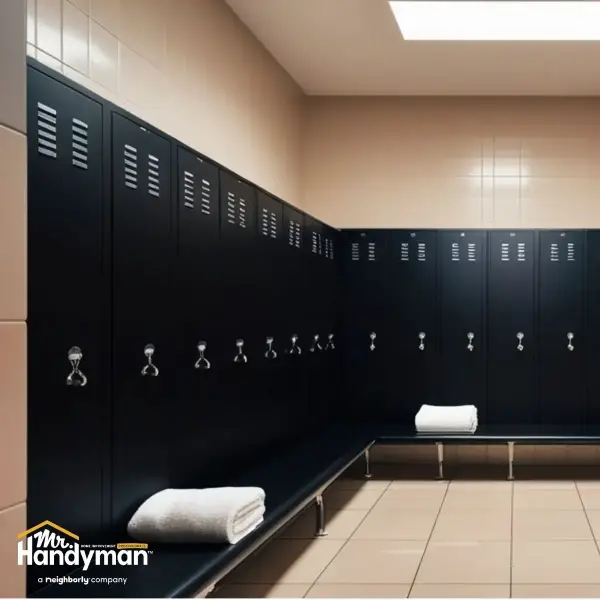
Online reviews disproportionately mention locker room issues because these problems affect the most personal and vulnerable moments of the gym experience. When someone is undressed, showering, or using restroom facilities, they're in a state where problems feel more significant and intrusive. A cold shower when you're standing there naked and wet isn't just inconvenient—it's genuinely unpleasant and memorable. These experiences stick in memory and drive emotional responses that translate directly to negative online reviews. Search any gym's reviews and you'll find locker room complaints prominently featured, often from members who otherwise enjoyed the facility.
Word of mouth spreads locker room complaints faster than other facility issues. Members talk to each other in the locker room itself, sharing complaints about hot water, drainage, or fixture problems. These conversations create group consensus that problems exist and need addressing. When multiple members confirm they've experienced the same plumbing issues, it validates individual complaints and builds momentum toward dissatisfaction. New members hear these complaints from veterans and form negative expectations before experiencing problems themselves.
Member retention suffers when basic amenities fail consistently. Locker room quality is a threshold expectation—it must meet minimum standards for members to feel satisfied. When plumbing problems make showers unpleasant or restroom facilities unreliable, members start evaluating whether they're getting value from their membership. The calculation shifts from "I love working out here" to "I'm paying $X per month and can't even count on hot water." Once members start questioning value due to basic amenity failures, retention becomes significantly harder regardless of your equipment quality or class offerings.
Prospective member tours are negatively impacted when locker room problems are visible or smellable during facility visits. Sales staff might effectively sell equipment quality and class variety, but when the tour reaches the locker room and odors are present, drains are obviously slow, or visible plumbing problems exist, prospective members mentally downgrade your facility. They're imagining their daily experience and whether they want to shower in these conditions. First impressions in locker rooms significantly influence membership conversion rates.
Staff morale and retention connect to facility maintenance quality. Locker room attendants and cleaning staff who constantly field member complaints about plumbing problems become demoralized. They can clean perfectly but can't fix underlying plumbing issues, yet they bear the brunt of member frustration. Staff who feel their workplace is poorly maintained or that management doesn't address obvious problems lose motivation. High staff turnover in cleaning and front desk roles often correlates with deferred facility maintenance, creating a cycle where service quality declines alongside facility condition.
Why DIY Plumbing Repairs Often Make Problems Worse

Improper repairs often violate plumbing codes and create liability issues if injuries or damage results. Plumbing codes exist to ensure safe, sanitary systems that protect public health. DIY repairs using incorrect materials, improper venting, or inadequate support create systems that might function initially but fail in ways that cause water damage, contamination, or injuries. When code violations are discovered during inspections or after failures, you may be required to tear out incorrect work and redo it properly—paying twice for the same repair. Insurance may deny claims for damage caused by non-code-compliant repairs.
Misdiagnosis wastes money replacing components that aren't actually failing while leaving real problems unresolved. That toilet that keeps running might have a flapper problem, fill valve issue, or adjustment problem. Replacing the flapper without diagnosing the actual cause might not fix anything. Slow drains might be partially clogged lines, vent problems, or drainage system design inadequacies—chemical drain cleaner won't fix vent issues. Professional diagnosis identifies root causes so repairs actually solve problems rather than waste money on unnecessary parts while symptoms persist.
Wrong parts or materials accelerate failure or create immediate leaks. Plumbing parts look similar but have specific applications—using the wrong washer or O-ring might seem to work but fails quickly. Materials matter tremendously—brass fittings last decades while cheap plated steel fittings corrode in humid locker rooms within months. Using plumber's putty where silicone is required creates leaks. Installing components without understanding thermal expansion, pressure requirements, or material compatibility creates time bombs that fail when conditions change. Professional plumbers stock correct parts and know which materials suit which applications.
Incomplete repairs that seem to fix problems temporarily but fail quickly create worse damage than the original issue. A leaking pipe wrapped with tape stops dripping temporarily but the underlying corrosion continues spreading, eventually creating a much larger failure. Clearing a drain with a hand snake might restore flow temporarily while leaving most of the obstruction in place—the drain clogs again within weeks, progressively worse each time. Professional repairs address underlying causes rather than masking symptoms.
Safety risks from working with pressurized water systems, hot water heaters, and tools include flooding, burns, and injuries. Water under pressure can cause significant injuries if pipes or fittings separate unexpectedly. Water heaters contain water heated to 140°F or higher that can cause severe burns. Gas water heaters involve gas line work that can create fire or explosion risks if done incorrectly. Power tools in wet environments present electrocution risks. Professional plumbers have training, tools, and insurance to manage these risks. The potential costs of injury, fire, or flooding from DIY plumbing work far exceed professional repair costs.
Frequently Asked Questions
How often should commercial water heaters be replaced in gym facilities?
Commercial water heaters typically last 8-12 years with proper maintenance, less in hard water areas without regular flushing. Signs that replacement is approaching include rusty water, inconsistent temperature, strange noises, visible corrosion on the tank, or insufficient hot water despite the unit previously meeting demand. Preventive replacement before catastrophic failure allows planned scheduling during low-traffic hours rather than emergency replacement when the heater fails during morning rush. In Charleston and Summerville's hard water environment, plan for replacement closer to 8 years unless you've maintained rigorous flushing and anode rod replacement schedules.
What causes some showers to drain perfectly while others in the same locker room drain slowly?
Differential drainage within the same facility indicates localized clogs, inadequate slope in specific drain lines, or design issues affecting particular drains. Hair and soap accumulation happens faster in heavily used stalls. If certain showers have better water pressure or temperature, members gravitate to those stalls, creating uneven wear. Floor slope toward drains varies if installation wasn't careful. Some drains might connect to shared lines with accumulated buildup while others have more direct routing. Professional inspection can identify whether problems are fixture-specific requiring local clearing or system-wide needing comprehensive drain cleaning.
Should gym locker rooms install tankless or tank-style water heaters?
This depends on specific demand patterns and budget considerations. Tankless heaters provide unlimited hot water and save energy during low-demand periods but require higher capacity gas lines or electrical service and cost more initially. For gyms with consistent demand patterns during limited peak hours, large commercial tank heaters often make more economic sense. Hybrid approaches using large primary tank heaters supplemented with tankless units for peak demand combine strengths of both. Professional assessment of your facility's peak demand, available utilities, and budget determines the optimal solution.
Why do locker room drains sometimes smell even when they're not clogged?
Sewer odors from functional drains indicate trap seal problems or vent issues. Floor drains used infrequently allow trap water to evaporate, opening a path for sewer gas. Biofilm buildup in drain lines creates odors even without full clogs—regular cleaning prevents this. Vent problems create negative pressure that pulls trap water out, breaking the seal. Drains improperly installed without traps allow direct sewer gas entry. Temperature differences between drain water and pipe walls can create condensation that supports bacterial growth producing odors. Professional diagnosis determines whether solutions involve trap maintenance, vent repairs, or drain cleaning.
What's the actual cost of water waste from common fixture leaks?
A dripping faucet at one drip per second wastes roughly 3,000 gallons annually—about $20-30 depending on local water rates. A running toilet can waste 200 gallons per day or 73,000 gallons annually costing $500-700. A leaking showerhead dripping 10 times per minute wastes 500 gallons annually. These costs accumulate across multiple fixtures—a facility with three dripping showerheads, two running toilets, and five dripping faucets wastes 85,000 gallons and $800-1,000 annually. The repair cost for all these leaks might be $300-500 total, paying for itself in months while eliminating the persistent evidence of neglect members observe daily.
How can you tell if plumbing problems require repair or complete system replacement?
Age, repair frequency, and problem severity indicate whether repairs or replacement makes sense. If individual fixtures are failing but pipes are sound, repair is appropriate. If pipes themselves are corroding, if you're having recurring problems across multiple fixtures, or if the system is 40+ years old, replacement becomes more economical than endless repairs. Water testing showing extreme hardness or corrosive water chemistry suggests pipes are degrading from inside. Visible corrosion on exposed pipes indicates hidden pipes are similarly affected. Professional plumbers can assess system condition and provide honest guidance on whether repairs or replacement provide better long-term value.
Professional Locker Room Plumbing Services in Charleston and Summerville
Locker room plumbing directly impacts every member's daily experience and your facility's reputation. Maintaining reliable hot water, proper drainage, and functional fixtures isn't optional—it's fundamental to member satisfaction and retention. From preventive maintenance that stops problems before they start to emergency repairs that minimize disruption, professional plumbing service protects your investment and your members' experience.
Mr. Handyman of Charleston and Summerville provides comprehensive plumbing repair and maintenance services for commercial gym facilities. Our technicians understand the unique demands of high-volume locker room plumbing and can address everything from minor fixture repairs to water heater replacement. We work during your low-traffic hours to minimize member impact and can provide emergency response when urgent problems arise.
Call or visit https://www.mrhandyman.com/charleston-summerville/ to schedule plumbing maintenance, repairs, or emergency service for your gym's locker room facilities.
