
There is a version of commercial renovation that requires months of planning, significant capital, and the kind of operational disruption that forces a business to close temporarily or redirect staff attention away from customers. And then there is another version — the targeted, well-executed small renovation that changes how a space feels, how customers experience it, and what impression they leave with, without the timeline or budget that a major project demands.
For business owners in Charleston and Summerville, this second version of renovation is often the more practical and the more strategically sound choice. The local commercial landscape spans a wide range of property types — historic storefronts in downtown Charleston, retail and restaurant spaces in Summerville's growing commercial corridors, professional offices, and service businesses operating out of buildings that range from recently constructed to several decades old. Across all of those contexts, the principle holds: customers notice the details, form impressions quickly, and make decisions about whether to return based significantly on how a space made them feel during their visit.
Small renovations done well don't announce themselves. They don't produce the kind of dramatic before-and-after transformation that a full renovation delivers. What they produce is something more subtle and more durable — a space that feels cared for, that functions smoothly, and that communicates quality in ways customers register without necessarily articulating. Understanding which small renovations produce that effect, and why, allows business owners to invest strategically in the improvements that move the needle most.
Why First Impressions in Commercial Spaces Are Formed Faster Than Most Owners Realize
Research on how people form impressions of physical spaces consistently finds that the process happens within seconds of entry — faster than any deliberate evaluation could occur. Customers aren't consciously auditing the condition of the ceiling tiles or the quality of the door hardware as they walk in. They're forming an overall impression from a combination of sensory inputs that their brain processes and synthesizes almost instantly into a feeling about the space and, by extension, the business operating within it.
That impression is disproportionately shaped by a small number of high-visibility elements. Lighting is among the most powerful. A space that is well-lit — with light that is appropriate in quality, color temperature, and distribution for the type of business — feels more welcoming, more professional, and more trustworthy than a space with poor or dated lighting, even when every other element is identical. Flooring condition is another high-impact element. Customers walking through a space are literally in contact with the floor, and worn, stained, or damaged flooring registers as neglect regardless of what else the space contains. Entry condition — the door, the threshold, the immediate surroundings of the point of entry — shapes the impression that precedes everything else because it's the first physical interaction the customer has with the space.
In Charleston and Summerville, the commercial environment adds a local dimension to these universal principles. The region has a strong aesthetic culture — historic preservation is a genuine priority in much of the Charleston market, and customers throughout the area have visual expectations shaped by the quality of the built environment they interact with regularly. A commercial space that falls noticeably below the standards of its surroundings and competitors creates a gap that customers feel even when they can't name it.
Lighting Upgrades That Transform How a Space Feels
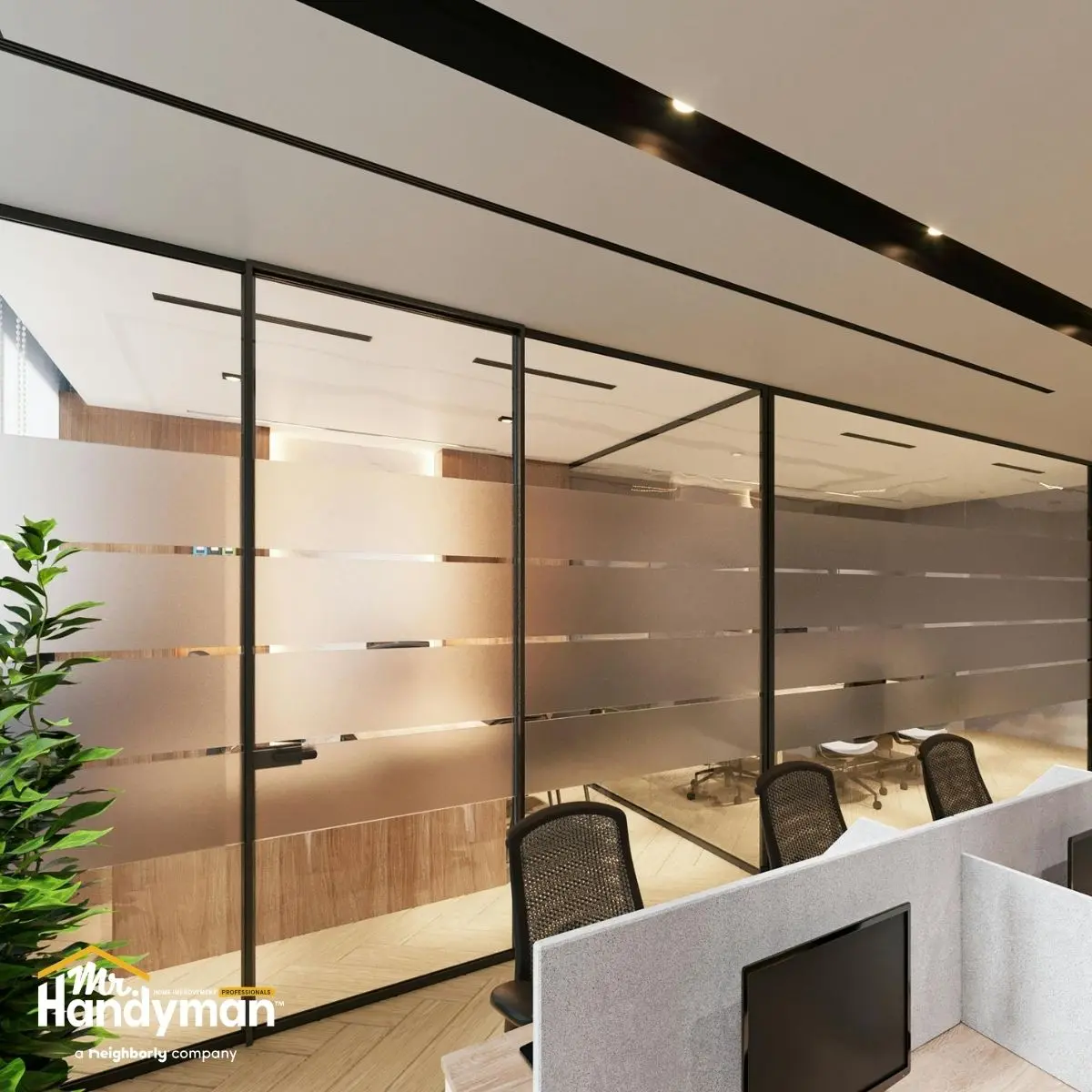
Lighting renovation is consistently among the highest-return small commercial improvements available, and the reason is that lighting affects everything else in the space. The quality of the product display, the readability of signage and menus, the apparent cleanliness of surfaces, and the overall energy of the space all shift with lighting quality. A business that has invested in good inventory, well-designed signage, and quality surfaces but operates under fluorescent lighting that casts a flat, cool light is showing all of those investments at a disadvantage.
The transition from fluorescent tube lighting to LED alternatives addresses several concerns simultaneously. LED fixtures produce light that is more consistent in color rendering — meaning colors appear more accurate and more appealing under LED than under the color-shifted output of aged fluorescent tubes. They consume significantly less energy, which produces ongoing operational savings that partially offset the renovation cost over time. And they eliminate the flickering and humming that aged fluorescent fixtures produce — conditions that customers notice subconsciously even when they don't identify them as the source of discomfort.
Color temperature selection is where lighting renovation requires the most thought. The spectrum from warm to cool light temperature produces meaningfully different effects in commercial spaces, and the right choice depends on the nature of the business. Retail environments that sell food, home goods, or apparel typically benefit from warmer color temperatures that make products appear more appealing and create a welcoming atmosphere. Professional offices and healthcare settings often perform better with slightly cooler temperatures that read as clinical and precise. Restaurants and hospitality businesses require the most careful calibration — warm enough to create ambiance while maintaining enough light quality that food appears appetizing and menus are readable.
Accent lighting is the addition that moves a commercial lighting renovation from functional to genuinely impressive. Directional fixtures that highlight product displays, architectural features, or key brand elements create visual hierarchy in the space — guiding customer attention and creating points of interest that make the environment more engaging. In historic commercial spaces throughout Charleston, accent lighting that emphasizes original architectural details adds the kind of character that customers respond to and remember.
Entry and Reception Area Improvements With Outsized Impact
The entry and reception zone of any commercial space is the highest-return renovation target available, because it is the area every customer experiences and the area that shapes the impression that colors everything that follows. Improvements here reach every visitor rather than a subset, which makes the investment more efficient than equivalent spending in areas of the space that fewer customers encounter.
Reception desk or counter condition deserves honest evaluation from the customer's perspective rather than the business owner's normalized view. A reception surface that has developed visible wear — scratches, chips, faded finish, or damaged edges — communicates that the business operates in a space that isn't kept current. Resurfacing or replacing a worn reception counter is a renovation with immediate and universal visibility. The options range from refinishing an existing surface to replacing it with a new one, and the right approach depends on the condition of the existing installation and the brand aesthetic the business is pursuing.
Wall condition in the entry zone has a similar impact. Paint that is scuffed, marked, or simply dated in its color communicates age and inattention. A fresh paint application in a color chosen to reflect the current brand aesthetic and the contemporary standards of the commercial environment refreshes the space more completely than almost any other single investment at the cost point. In the Lowcountry's humid climate, entry areas near exterior doors accumulate moisture-related wall deterioration faster than interior spaces — bubbling paint, scuff marks at shoulder height near door swings, and the general evidence of high-traffic moisture exposure are all conditions that a pre-season paint project addresses directly.
Flooring at the entry zone takes the most concentrated abuse of any surface in a commercial space. Every customer enters and exits across that surface, often tracking in moisture, debris, and the grit that the region's outdoor environment produces. Flooring that has worn visibly in the traffic path, stained in patterns that cleaning doesn't resolve, or become a mismatched remnant of a previous renovation creates an entry impression that undermines everything that follows. Replacing or restoring entry flooring — whether that's refinishing existing hardwood, installing new LVP, or refreshing tile grout and surface — is a renovation that every customer notices, even if they notice it as an overall sense of quality rather than a specific element they can identify.
Restroom Renovations That Customers Actually Talk About

Restroom condition is among the most discussed and reviewed aspects of commercial spaces across virtually every type of business that offers customer restrooms. Online reviews of restaurants, retail businesses, and service providers regularly cite restroom condition as a specific factor in the overall impression — both positively when the space is notably well-maintained and negatively when it isn't. The outsized influence that restroom condition has on overall customer perception makes targeted restroom renovation one of the most strategically sound small commercial improvements available.
The highest-impact restroom renovations don't require gutting the space. Vanity fixture replacement — swapping an outdated faucet and basin for a current, well-chosen alternative — immediately updates the most-used and most-examined element in the restroom. Lighting above the vanity mirror is the second most impactful element; a well-lit mirror area that provides good light quality creates a noticeably better experience than a poorly lit alternative. Accessory replacement — soap dispensers, paper towel or hand dryer units, and mirror condition — rounds out the renovation at a cost point that is accessible even for businesses with limited renovation budgets.
Wall and floor surfaces in commercial restrooms in the Lowcountry face the combined pressure of heavy daily use and the ambient humidity that the region contributes to every enclosed space. Grout that has darkened, tile that has become visibly dated, and paint that has deteriorated from moisture exposure all signal that the space hasn't been kept current. Regrouting or replacing tile in a commercial restroom, combined with a fresh coat of quality paint in a color that reads as current and intentional, transforms the space at a cost that is a fraction of a full renovation while producing the impression that the space has been genuinely refreshed.
Interior Details That Communicate Care Without Announcing Themselves

The renovations that make the strongest impressions are often the ones customers couldn't specifically identify if asked. They don't notice a new light fixture — they experience the space as brighter and more professional and attribute that feeling to the business itself. This is the mechanism behind small renovations done well: they change how a space feels without drawing attention to themselves as renovations.
Trim and millwork condition is one of the most consistent contributors to this effect. Baseboards, door casings, and ceiling transitions in good condition create the sense of a finished, cared-for space without the customer ever focusing on them directly. The same elements scuffed, chipped, or painted in a color that no longer matches the space register as background neglect that subtly undermines the overall impression. Repainting or replacing damaged trim throughout a commercial space works entirely in the background, improving the overall impression without producing a specific change customers can point to.
Door hardware is another background element with disproportionate influence. Every interior door customers interact with — restroom doors, fitting room doors, office doors in waiting areas — involves hardware that communicates something about the quality of the space. Tarnished, loose, or visibly worn hardware registers as neglect. Consistent, well-chosen, properly functioning hardware registers as quality without calling attention to itself. Replacing door hardware throughout a commercial space takes a fraction of a day and produces an immediate improvement in overall impression.
Ceiling condition is among the most frequently overlooked elements in commercial renovation planning. Customers don't stare at ceilings, but they register them as part of the overall visual environment. Stained, sagging, or mismatched ceiling tiles and discolored painted ceilings create an impression of age and inattention that affects overall quality perception. Replacing stained tiles and refreshing painted ceiling surfaces dramatically improves brightness and cleanliness without touching any element customers are consciously focused on.
Exterior Details That Extend the Impression Outward
The impression a commercial space makes doesn't begin at the front door — it begins at the property line. Small exterior renovations that address the details customers encounter during their approach reinforce the interior investment before the visit even begins.
Awning and entrance canopy condition is a detail many business owners allow to deteriorate gradually without recognizing its impact. Faded, frayed, or biologically stained fabric awnings communicate neglect at exactly the point where customers are forming their first impression. Replacing a deteriorated awning with a fresh installation in a color consistent with the brand aesthetic immediately improves the approach experience and provides the functional shade and rain protection customers appreciate in the Lowcountry climate.
Exterior signage lighting deserves attention before any busy season. Signage with failed letter elements or uneven illumination communicates inattention in a way that is immediately noticeable, particularly during evening hours. Addressing failed lighting in signage ensures the business presents itself consistently during all operating hours — not just when natural light compensates for what the fixtures aren't delivering.
Window condition affects both the approach and the interior experience simultaneously. Exterior glass streaked with mineral deposits from the region's rain and humidity, or windows showing fogged seals between panes, creates a visual impression of poor maintenance that customers register from the street and from inside equally. Professional window cleaning before the season and seal replacement on any fogged units address both the appearance and the underlying maintenance condition.
FAQs About Small Commercial Renovations in Charleston and Summerville
How do I identify which small renovations will have the most impact?
Walk through your space as a customer would — from the parking area through the entry and into every customer-facing area. Note every element that registers as worn, dated, or below the quality standard the business is trying to project. That walk-through consistently surfaces the highest-priority items because it simulates the actual customer experience rather than the normalized view of someone who sees the space every day.
How much disruption should I expect from a small commercial renovation?
Properly planned small renovations cause minimal disruption. Painting, hardware replacement, and lighting upgrades can typically be scheduled around operating hours. Work involving cutting or significant noise should be scheduled outside operating hours. A contractor with commercial experience will plan the sequence with operational continuity as a primary constraint rather than an afterthought.
Is it better to do several small renovations at once or spread them over time?
Concurrent related renovations are generally more efficient — a contractor already on site can complete multiple smaller items at lower combined cost than separate mobilizations. Spreading investment over a planned cycle is entirely reasonable when budget requires it, provided there's a prioritized plan so resources go to the highest-impact items first.
What return should I expect from small commercial renovations?
Return manifests in customer retention, online reviews, word-of-mouth referrals, and the repeat visit rates that a better commercial environment produces. The most direct financial return comes from the customer behavior changes — longer visits, higher transaction values, increased return frequency — that a well-maintained, professionally presented space generates compared to one that hasn't kept pace with its own wear.
How do I choose finishes that hold up in a high-traffic commercial environment?
Commercial-grade specifications exist for virtually every finish category. Commercial paint formulations are more washable and abrasion-resistant than residential alternatives. Commercial flooring products are specified for traffic levels rather than appearance alone. Working with a contractor familiar with commercial specifications ensures products match the demands of the environment.
How do I find a contractor who understands commercial renovation specifically?
Ask about commercial project experience directly and request examples of comparable work. Commercial renovation involves different scheduling constraints, material specifications, and sequencing considerations than residential work. A contractor with genuine commercial experience builds those constraints into the plan from the start.
Make the Impression Your Business Deserves
Small renovations done well change how customers feel about a business, how often they return, and what they tell others. In a market like Charleston and Summerville where the commercial environment sets a high visual standard, businesses that maintain and invest in their spaces hold a genuine advantage.
Mr. Handyman of Charleston and Summerville works with commercial clients on exactly this kind of targeted, high-impact renovation work. From lighting upgrades and entry improvements to restroom refreshes and exterior detail repairs, our technicians bring the commercial experience and regional knowledge that make small renovations produce the results they should.
Mr. Handyman of Charleston and Summerville 🌐 www.mrhandyman.com/charleston-summerville
Reach out today to schedule a commercial property assessment or discuss the renovation priorities for your space. The impression your business makes on every customer starts with the environment you give them — let's make sure it's the right one.
