Spring represents a critical maintenance window for commercial property owners and facility managers throughout Charleston and Summerville. The transition from mild winter to hot, humid summer creates specific conditions that reveal building weaknesses, stress mechanical systems, and expose deferred maintenance that seemed manageable during cooler months. A restaurant's HVAC system that adequately cooled dining areas in March struggles visibly by May when temperatures climb into the 90s and humidity makes every indoor space feel oppressive. A retail storefront's minor roof leak that caused no problems during dry winter weather becomes a ceiling stain and customer concern during spring's afternoon thunderstorms. An office building's landscaping that looked acceptable in February appears tired and unprofessional by April when competitors have refreshed their curb appeal.
Commercial properties can't afford the downtime and customer impact that emergency repairs create. A residential plumbing failure inconveniences a family for a few hours. The same failure in a restaurant bathroom during lunch rush costs revenue, damages reputation, and potentially violates health codes. Residential HVAC breakdown means a uncomfortable evening. Commercial HVAC failure in a retail store drives customers out immediately and can force closure until repairs complete. The stakes are simply higher, the consequences more immediate, and the cost of reactive maintenance far exceeds proactive prevention.
Charleston and Summerville's commercial building stock presents unique maintenance challenges. Many properties were constructed during commercial development booms in the 1970s through 1990s using materials and systems that are now reaching end-of-life. Flat or low-slope roofs common in commercial construction accumulate standing water that accelerates deterioration. HVAC systems sized for smaller occupancies struggle with modern tenant densities and extended operating hours. Parking lots and walkways experience constant traffic that creates wear patterns invisible during initial construction but significant after decades of use. These realities make spring maintenance not just advisable but essential for protecting property values, maintaining tenant satisfaction, and avoiding the expensive emergencies that turn small problems into major capital expenditures.
Inspecting and Servicing HVAC Systems Before Cooling Season
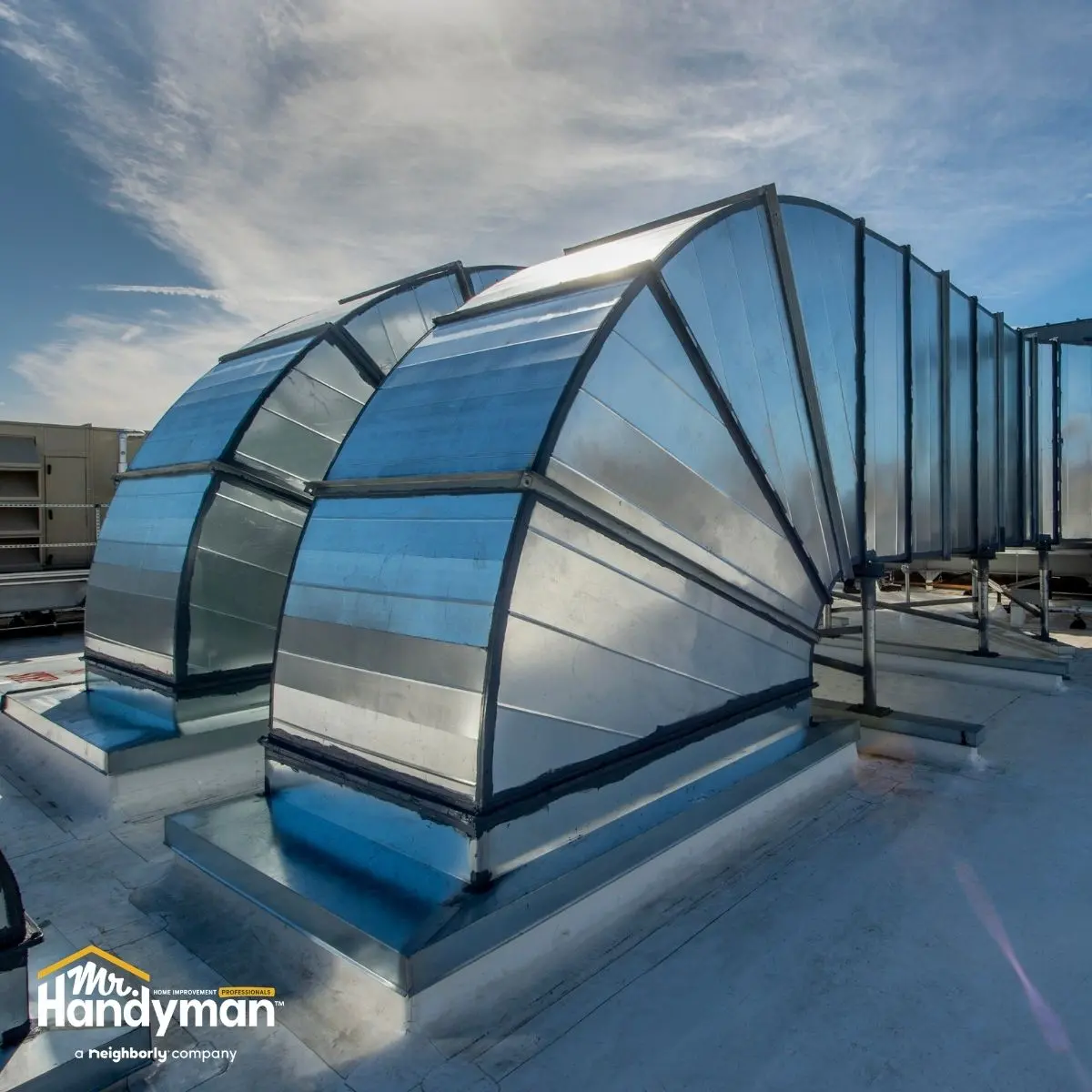
Commercial HVAC failures during peak cooling season create immediate business impact. Customers leave retail stores that are uncomfortably warm. Office productivity drops when employees work in oppressive conditions. Restaurants face health code violations if food storage temperatures can't be maintained. Yet most commercial HVAC problems are predictable and preventable through spring maintenance that identifies issues before summer demand exposes them.
Air conditioning systems that sat relatively idle through winter need thorough inspection before being asked to run continuously through Charleston and Summerville's brutal summer months. Refrigerant levels decline over time through minor leaks that don't prevent operation but reduce efficiency and cooling capacity. A system that's 15 percent low on refrigerant might cool adequately in April but fail to maintain comfortable temperatures when outdoor temperatures exceed 90 degrees and indoor loads peak. Checking and correcting refrigerant levels during spring ensures full capacity when it's needed most.
Condenser coils accumulate pollen, dirt, leaves, and debris that restrict airflow and force systems to work harder. In the Lowcountry's high-pollen spring season, this accumulation happens rapidly. Dirty condenser coils reduce efficiency by 20 to 30 percent, driving up energy costs while reducing cooling effectiveness. Professional coil cleaning during spring maintenance restores design performance and prevents the reduced capacity that leads to comfort complaints and emergency service calls during peak demand.
Electrical connections throughout commercial HVAC systems loosen over time from vibration and thermal cycling. Loose connections create resistance that generates heat, wastes energy, and eventually causes component failure. A loose connection to a compressor contactor might work adequately under light load but fail when the system runs continuously during summer heat. Spring inspection identifies and tightens these connections before they fail, preventing the midday breakdowns that cost maximum money and create maximum business disruption.
Ductwork in commercial buildings often contains years of accumulated dust, debris, and biological growth that restricts airflow and degrades indoor air quality. Restricted airflow forces HVAC systems to run longer to achieve desired temperatures, increasing energy costs and accelerating wear. Poor indoor air quality affects employee health and customer comfort, creating an environment that feels stuffy even when temperatures are technically acceptable. Spring duct cleaning addresses these issues before summer's closed-building operations concentrate pollutants further.
Addressing Roof and Drainage System Issues

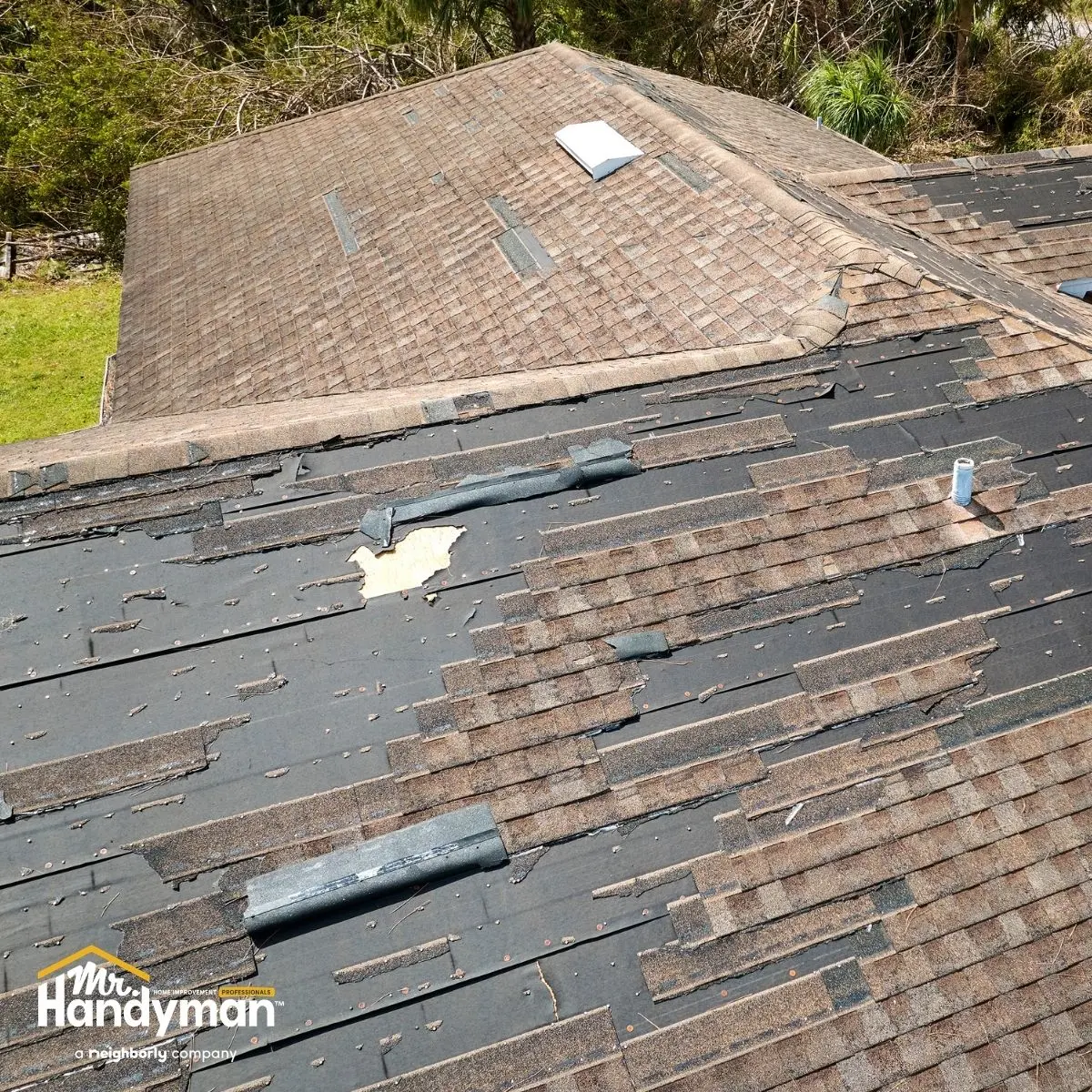
Commercial roof failures rarely happen without warning—they develop through progressive deterioration that's obvious to trained eyes during spring inspections but invisible to property managers focused on daily operations. Flat and low-slope roofs common in commercial construction are particularly vulnerable because they rely entirely on waterproofing membrane integrity rather than gravity drainage that protects sloped residential roofs.
Ponding water represents the single most destructive condition for commercial roofs. Water that remains standing 48 hours after rainfall accelerates membrane deterioration, promotes biological growth, and eventually penetrates roofing layers to cause interior damage. Spring rains reveal drainage problems before summer's intense thunderstorms turn poor drainage into active leaks. Identifying low spots, clearing blocked drains, and correcting pitch issues during spring prevents the emergency repairs that happen when water intrusion damages inventory, ruins ceiling tiles, or disrupts business operations.
Membrane seams and penetrations around vents, HVAC equipment, and roof drains require regular inspection because these are where most commercial roof leaks originate. Sealants deteriorate from UV exposure and temperature cycling, creating gaps that allow water entry. A small gap around a roof drain might cause no problems during light spring rain but becomes a steady leak during summer thunderstorms that drop several inches in an hour. Spring inspection and resealing prevent these predictable failures.
Gutters and downspouts on commercial buildings handle far greater water volumes than residential systems and clog more severely because large roof areas concentrate debris. Clogged gutters overflow during heavy rain, saturating walls and foundations, damaging landscaping, and creating liability hazards from ice during winter or slippery conditions near building entries. Spring cleaning ensures drainage systems function properly before summer's afternoon thunderstorms test their capacity.
Evaluating Parking Lots and Exterior Concrete
Parking lots and walkways form customers' first impression and create significant liability exposure when allowed to deteriorate. Cracked pavement, potholes, and uneven surfaces communicate neglect and increase trip-and-fall risk. Spring represents the optimal season for addressing these issues before summer heat makes asphalt work difficult and customer traffic peaks.
Asphalt deteriorates progressively through a predictable sequence. Small cracks allow water penetration. Freeze-thaw cycles in winter expand these cracks. Summer heat softens the asphalt around damaged areas, allowing them to deform under traffic loads. What begins as a hairline crack becomes a pothole within a single season if not addressed. Spring crack sealing interrupts this progression, preventing minor damage from becoming major repair requirements.
Parking lot striping fades from UV exposure and traffic wear, creating confusion about parking boundaries and potentially affecting how many vehicles can park safely. Faded fire lanes and handicapped spaces create code compliance issues and liability exposure. Spring restriping restores clear markings before summer brings increased customer traffic and closer scrutiny from code enforcement during high-activity seasons.
Concrete walkways, loading docks, and building entry areas develop cracks and settlement that create tripping hazards and water infiltration points. Settlement around building foundations indicates drainage problems or soil subsidence that will worsen without correction. Spring evaluation and repair address these issues before they escalate into structural concerns or cause injuries that result in costly liability claims.
Surface by Surface: What to Inspect and Address Before the Season Opens
A systematic approach to pre-season exterior inspection works better than addressing issues as they're noticed, because the issues that are most visible aren't always the ones with the most consequence. Moving through the building's exterior surfaces methodically — from roof level down to ground contact — ensures that conditions at every level are evaluated before the season's demands make scheduling repairs difficult and before increased foot traffic exposes any conditions that weren't caught.
At roof level, the focus for most commercial properties in the Lowcountry should be on drainage, penetrations, and the condition of any rooftop equipment curbs or flashing details. Standing water on flat or low-slope commercial roofs after rain events indicates drainage that isn't performing as designed — either blocked drains, insufficient slope, or both. That standing water adds load to the roof structure and creates conditions where membrane deterioration accelerates. Rooftop HVAC equipment, plumbing vents, and other penetrations are each a potential entry point for water if their flashing and sealant details have deteriorated. A pre-season roof inspection by someone qualified to assess those details identifies conditions before they become interior damage events during the busy season's rain events.
Exterior wall surfaces below the roofline should be evaluated for paint condition, caulking integrity, and any areas where the cladding itself has been damaged or has deteriorated. On stucco surfaces — common on commercial buildings throughout the region — hairline cracks that have developed over the off-season are water entry points that expand under the rain pressure of spring and summer storms. Filling and painting those cracks before the season begins is straightforward maintenance that prevents them from becoming larger repairs. On painted surfaces, areas where the paint has failed completely — where bare substrate is exposed — need spot preparation and repainting before water infiltration at those points advances into the wall assembly.
Ground-level conditions deserve the most detailed attention because they're what customers interact with directly. The base of exterior walls at grade — where the building meets the ground — is a zone of concentrated moisture exposure. Soil that has built up against the base of the wall over time holds moisture against the building envelope and accelerates deterioration at that contact point. Ensuring that grade relationships are maintained with adequate clearance between soil and the base of wall cladding is a maintenance detail that prevents a category of moisture damage that is entirely avoidable.
Parking Areas, Landscaping, and the Approach Experience
The customer's experience of a commercial property begins well before they reach the entry door. The parking area, the approach pathway, and the landscaping that frames the property all contribute to the first impression that shapes how the business is perceived before any direct interaction occurs. These elements receive less maintenance attention than building surfaces in many commercial properties, and that neglect becomes visible in ways that accumulate over time.
Parking area conditions in the Lowcountry deteriorate through a combination of UV exposure, vehicle traffic, and the moisture cycling that the regional climate produces. Asphalt that has oxidized and lost its surface flexibility develops cracking that allows water infiltration, which accelerates subsurface deterioration and produces the pothole formation that becomes a liability and an appearance concern. Sealcoating oxidized asphalt before the season begins restores surface flexibility, improves appearance, and extends the pavement's service life at a fraction of the cost of replacement. Crack filling prior to sealcoating addresses the infiltration points that have already developed.
Line striping in parking areas fades under UV exposure and becomes difficult to see, which affects both the customer experience and the safety organization of the parking area. Restriping before the season begins restores clarity to traffic flow, ensures ADA-required accessible spaces are clearly marked, and gives the parking area a maintained appearance that reflects well on the business. Faded or missing striping in accessible spaces is also a compliance concern that carries specific liability exposure.
Landscaping that has overgrown during the off-season affects the property's appearance and can create specific maintenance concerns. Foundation plantings that have grown against the building hold moisture against exterior surfaces and can create conditions that support biological growth and accelerate material deterioration at those contact points. Overhanging tree branches that contact the roof or hang close to the building create debris accumulation in gutters and on rooftop surfaces, and can cause physical damage during wind events. Pre-season landscaping that addresses overgrowth, maintains appropriate clearance between plantings and the building, and removes any branches that present contact risk improves both appearance and the maintenance condition of the building envelope.
Exterior lighting across the property deserves inspection and attention before the season brings extended operating hours and increased evening activity. Fixtures that have failed, lenses that have become yellowed or damaged by UV exposure, and mounting hardware that has corroded all affect both the functionality and the appearance of the lighting system. Parking areas and walkways that are poorly lit after dark create safety concerns and liability exposure that busy season evening traffic will expose. Addressing fixture repairs and lamp replacements before the season ensures the lighting system performs as designed when the demand on it increases.
Why Pre-Season Timing Matters for Commercial Properties Specifically
The timing argument for addressing exterior repairs before busy season is more compelling for commercial properties than for residential ones, for reasons that go beyond simple scheduling convenience. Commercial properties face a set of constraints during peak operating periods that make repair scheduling genuinely difficult — customer-facing operations that can't be disrupted, staff capacity fully committed to service delivery, and the reputational sensitivity of having visible repair work underway when the property is receiving its highest visitor volume.
Scheduling exterior repairs during the pre-season window eliminates those constraints. Work can be sequenced without concern for customer disruption. Surfaces that need preparation time — paint that needs to cure, caulk that needs to set — have that time before the building is operating at peak activity. And the business owner can give the work the attention it deserves rather than trying to manage a repair project in parallel with the demands of a busy season already underway.
The cost dimension reinforces the timing case. Emergency repairs — the gutter that separates completely during a spring storm, the walkway that produces a customer injury, the roof penetration that produces an interior leak during a busy weekend — cost significantly more than the same repairs done proactively on a planned schedule. They also produce the kind of disruption that affects operations and customer experience in ways that have costs beyond the repair bill itself. Pre-season maintenance spending is an investment in operational continuity during the months when continuity matters most.
FAQs About Pre-Season Commercial Exterior Repairs
How far in advance of busy season should exterior repairs be scheduled?
Six to eight weeks before the season opens is a practical target for beginning the inspection and scheduling process. This allows adequate time for professional assessment, material procurement, and sequencing of the work without the compressed timeline that produces rushed work or missed details. Popular contractors in the Charleston and Summerville area book quickly as spring approaches, so beginning the scheduling process early provides access to preferred service providers rather than whoever is available on short notice.
Which exterior repairs should be prioritized if budget is limited?
Safety and moisture management should lead the prioritization. Trip hazards, loose railings, and structural concerns have liability implications that make them non-negotiable. Caulking and sealant failures that are allowing water infiltration have consequences that escalate quickly and cost more the longer they're deferred. Appearance-focused repairs — paint, signage, landscaping — should follow once safety and moisture concerns are addressed.
Do commercial exterior repairs require permits in Charleston and Summerville?
Permit requirements depend on the scope of the work. Routine maintenance — painting, caulking, pressure washing, minor repairs — typically does not require permits. Work that involves structural modifications, significant electrical changes to exterior lighting, or ADA-related accessibility improvements may require permits and inspections. Working with a contractor familiar with local commercial requirements ensures that the appropriate permits are obtained when the work scope requires them.
How often should a commercial property's exterior be professionally inspected?
Twice yearly is the appropriate frequency for most commercial properties in the Lowcountry — once before the busy season to identify and address pre-season repairs, and once after the most demanding weather period to assess any damage that accumulated during peak season. Properties in coastal locations with direct salt-air exposure, or buildings with known maintenance histories, may benefit from more frequent inspection of specific components.
Can exterior repairs be completed while the business is operating?
Most exterior repair work can be sequenced to minimize operational disruption. Painting, caulking, and surface repairs on areas away from active entry points can typically proceed without customer impact. Work near entries or in areas with direct customer access may need to be scheduled during off-hours or on days with lower customer volume. A professional contractor with commercial experience will plan the work sequence with operational continuity in mind.
What's the most commonly overlooked exterior repair on commercial properties?
Caulking and sealant condition at window and door perimeters, building joints, and penetrations is consistently the most overlooked category of commercial exterior maintenance. It's not visually dramatic, it doesn't produce immediate obvious failure, and it requires close inspection to evaluate properly. But failed caulking is responsible for a significant proportion of the water infiltration events that produce interior damage, and addressing it on a regular maintenance cycle costs a fraction of what the resulting interior repairs cost when it's left unaddressed.
Prepare Your Property Before the Season Starts
The businesses that enter their busy season in the strongest position are the ones that handled the maintenance work before the season demanded their full attention. A well-maintained exterior doesn't just look better — it protects the building, reduces liability exposure, and communicates to every arriving customer that this is a business that operates with care.
Mr. Handyman of Charleston and Summerville works with commercial property owners throughout the region to assess, prioritize, and complete the exterior repairs that make a real difference before busy season begins. Our technicians understand the specific demands that the Lowcountry climate places on commercial buildings and the standard of workmanship that commercial properties require.
Mr. Handyman of Charleston and Summerville
🌐 www.mrhandyman.com/charleston-summerville
Reach out today to schedule a pre-season exterior assessment or to discuss the repair priorities for your commercial property. The right preparation now protects everything the busy season is meant to deliver.