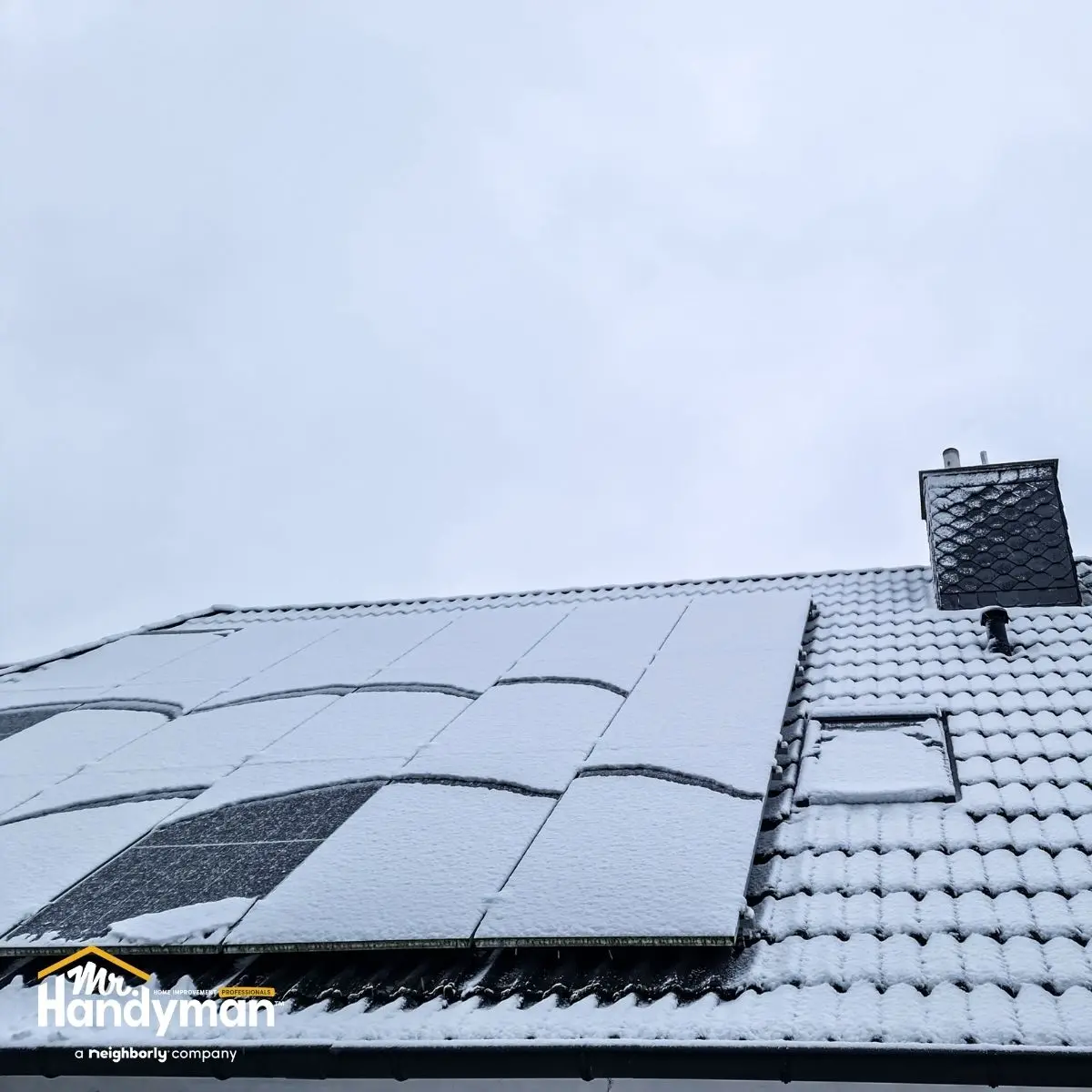
Spring in Charleston and Summerville signals more than warmer weather and blooming azaleas—it marks the beginning of the season when your home faces its greatest demands. Air conditioning systems that sat relatively idle through mild winter months suddenly run constantly through 95-degree afternoons with 80 percent humidity. Gutters and drainage systems that handled light winter rain must process the intense afternoon thunderstorms that dump several inches in an hour. Outdoor spaces that received minimal use during cooler months become the center of family life as grilling, pool time, and backyard entertaining fill weekends from Memorial Day through Labor Day. Spring maintenance isn't about preventing hypothetical problems—it's about preparing your home for the specific stresses that Charleston and Summerville summers inevitably bring.
Most home system failures don't announce themselves with advance warning. They develop silently over months or years until suddenly something breaks during the worst possible moment—the air conditioner quits on the hottest day of summer, the water heater ruptures while you're hosting guests, the roof that seemed fine starts leaking during a July thunderstorm. Spring maintenance catches these developing problems while they're still fixable affordably and before they disrupt your life. A $150 spring HVAC tune-up identifies the failing capacitor that would have caused a $1,200 emergency compressor replacement in August. A quick roof inspection reveals the damaged flashing that gets sealed with $50 worth of materials rather than waiting until water intrusion requires $3,000 in ceiling repairs plus roof work.
The Lowcountry's unique climate and housing characteristics make spring maintenance especially critical. Many homes in Charleston and Summerville were built between the 1950s and 1990s with materials and systems that are now showing their age. Galvanized pipes corrode from aggressive water chemistry. Original HVAC systems operate decades beyond their intended lifespan. Roofs face intense UV exposure and moisture stress that accelerates deterioration. The combination of high humidity, temperature extremes, aggressive tree root systems, and sandy soil that shifts with moisture changes creates conditions that reveal home weaknesses precisely when you most need everything working. Spring maintenance identifies these vulnerabilities while you still have time to address them on your schedule rather than during summer emergencies that happen on theirs.
Servicing Your HVAC System Before Cooling Season Begins
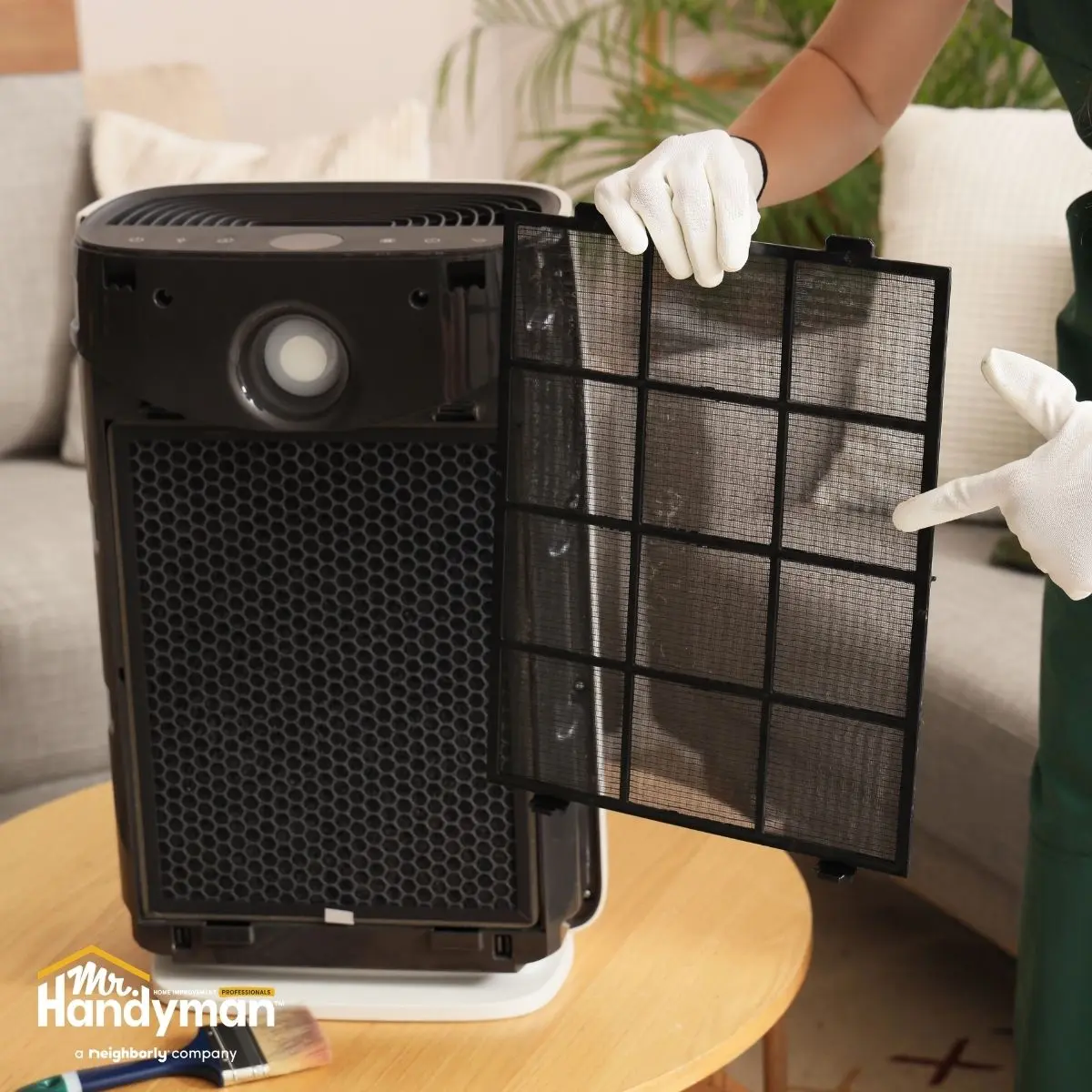
Your air conditioning system will work harder over the next four months than it does during the rest of the year combined. Charleston and Summerville summers mean outdoor temperatures regularly exceeding 90 degrees with humidity that makes it feel even hotter. Your HVAC system will run for hours every day maintaining comfortable indoor temperatures against this relentless heat. Systems that coasted through winter on minimal effort suddenly face maximum demand, and any weaknesses that developed over the past year reveal themselves exactly when failure creates the most misery and the highest repair costs.
Spring HVAC maintenance should verify refrigerant charge, clean condenser coils, test electrical connections, check thermostat calibration, inspect ductwork for leaks, replace filters, and evaluate overall system performance. These tasks identify problems while they're developing rather than after they've caused failure. Low refrigerant from a slow leak might not affect performance noticeably in April but leaves your system unable to cool adequately when outdoor temperatures peak in July. Dirty condenser coils reduce efficiency gradually—you don't notice the system running longer because the change happens incrementally, but your electric bills climb month after month.
Electrical connections throughout HVAC systems loosen over time from vibration and thermal cycling. A loose connection might work adequately under light load but fails when the system runs continuously during heat waves. The failure often damages other components—a loose connection at the compressor can cause the compressor itself to fail, turning a simple tightening job into a thousand-dollar repair. Spring maintenance catches these issues while they're still simple fixes.
Air filters affect system efficiency more than most homeowners realize. A severely clogged filter restricts airflow, forcing the system to work harder and run longer to move the same amount of conditioned air. This doesn't just waste energy—it stresses components and shortens system life. Spring filter replacement combined with a schedule for regular changes throughout summer ensures your system operates efficiently. If you have pets, smoke indoors, or live near construction that generates dust, filters need replacement every 30 to 60 days rather than the 90-day interval that works for cleaner environments.
Inspecting and Maintaining Your Roof and Gutters
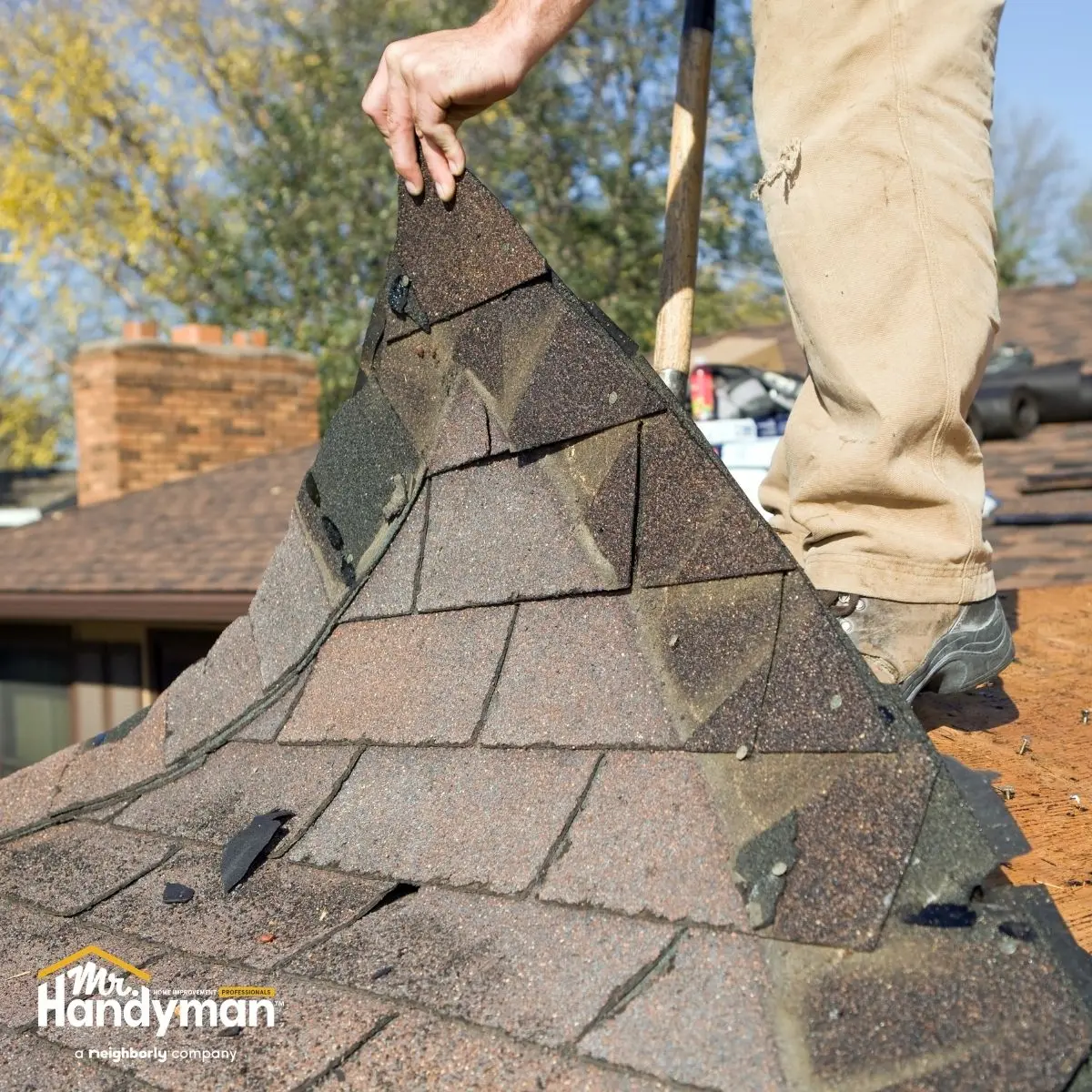
Roof failures rarely happen without warning signs that spring inspections reveal. Missing or damaged shingles, deteriorated flashing around penetrations, accumulated debris in valleys, and damaged or missing ridge caps all indicate problems that will worsen with summer's intense thunderstorms. A roof that seems fine from ground level may have issues visible only from proper inspection angles or up close where damaged materials become obvious.
Charleston and Summerville's intense UV exposure and afternoon thunderstorms stress roofing materials more severely than northern climates experience. Asphalt shingles become brittle from UV damage, making them vulnerable to wind and impact from falling branches. The thermal cycling between hot days and cooler nights causes expansion and contraction that works fasteners loose over time. These stresses accumulate until eventually shingles blow off, flashing separates, or leaks develop. Spring inspection identifies damage before summer storms turn minor issues into interior water damage.
Flashing around chimneys, vent pipes, skylights, and where different roof planes meet causes most roof leaks long before overall shingle condition would suggest replacement is necessary. Sealants dry out and crack from UV exposure and temperature cycling. Metal flashing corrodes, particularly older aluminum flashing that was common in homes built before the 1990s. These vulnerable points need specific attention during spring inspection because they're where water will enter during heavy rain.
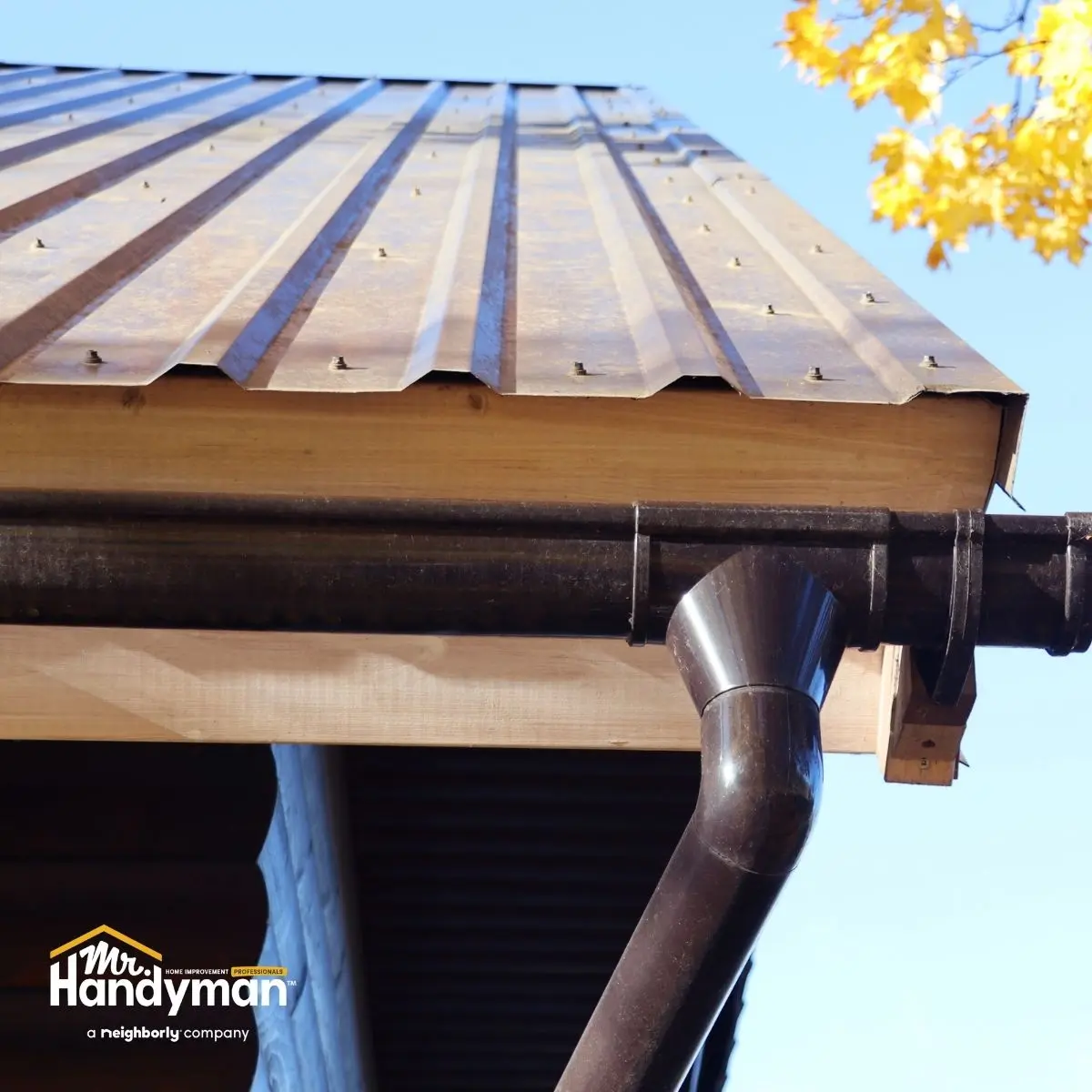
Gutters and downspouts throughout Charleston and Summerville properties accumulate remarkable amounts of debris—pine needles, oak leaves, seed pods, and the general organic material that falls constantly from our tree-heavy landscape. Clogged gutters overflow during rain, sending water cascading down exterior walls where it can penetrate siding, saturate wall cavities, and damage interiors. Water pooling near foundations from inadequate downspout drainage saturates soil, promotes foundation settlement, and creates conditions perfect for termites and wood rot. Spring gutter cleaning prevents these problems before summer's intense thunderstorms test drainage capacity.
Checking Plumbing Systems and Water Heaters
Water heaters work harder during summer than most homeowners expect. While incoming water temperatures rise slightly in warm weather, the increased frequency of showers, laundry, and dishwashing more than compensates. Families shower more frequently during hot weather, kids come inside repeatedly from outdoor play needing to clean up, and beach trips mean constant loads of sandy, salty towels and swimsuits. A water heater that handled winter's modest demand adequately may struggle with summer's peak consumption.
Spring water heater inspection should examine the area around the unit for moisture, rust stains, or mineral deposits indicating leaks. Check the temperature and pressure relief valve to ensure it operates freely rather than being corroded stuck. Listen for unusual noises during heating cycles—popping, rumbling, or banging sounds indicate sediment buildup that reduces efficiency and accelerates tank failure. If your water heater is ten years old or more, spring is the time to evaluate whether it will survive another summer or if proactive replacement makes more sense than gambling on avoiding emergency failure.
Sediment accumulation inside water heater tanks is particularly problematic in Charleston and Summerville because our water contains dissolved minerals that precipitate and settle at tank bottoms. Over years, this sediment layer thickens to several inches, reducing effective tank capacity and insulating heating elements from the water they're supposed to warm. Flushing removes this sediment, but most homeowners never do it because the process isn't intuitive and the benefits aren't immediately obvious. A water heater that's never been flushed in ten years probably has severe sediment accumulation that's compromising performance and shortening remaining lifespan.
Exposed plumbing pipes in crawl spaces, under sinks, and anywhere else they're accessible deserve spring inspection for early warning signs of problems. Look for corrosion, moisture stains, mineral deposits, or physical damage. Galvanized steel pipes in older homes corrode from the inside—they may look fine externally but have severely restricted interiors that reduce water pressure and will eventually fail. Copper pipes can develop pinhole leaks from water chemistry. Flexible supply lines under sinks deteriorate over time and should be replaced every five to seven years before they fail and flood cabinets.
Testing Toilets and Faucets for Hidden Leaks
Hidden leaks waste thousands of gallons and hundreds of dollars annually while giving no obvious indication they exist. The most common culprit is a deteriorating toilet flapper—the rubber seal at the bottom of the tank that lifts when you flush and then reseats to allow the tank to refill. As flappers age, they harden and warp from chlorine in the water supply and Charleston and Summerville's mineral content. Once the seal becomes imperfect, water trickles continuously from tank to bowl, wasting 50 to 200 gallons daily.
Testing for toilet leaks takes five minutes per toilet and costs nothing. Add several drops of food coloring to the tank and wait 15 to 20 minutes without flushing. If color appears in the bowl, you have a leak. The faster the color appears and the more intense it becomes, the worse the leak. Perform this test on every toilet in your home during spring maintenance because flappers rarely fail simultaneously—each toilet ages on its own timeline based on usage and water chemistry.
Faucet drips seem minor but waste substantial water over time. A faucet dripping once per second wastes about 3,000 gallons annually. A faster drip or steady trickle wastes five to ten times that amount. At Charleston and Summerville water and sewer rates, a single leaking faucet costs $50 to $150 yearly in wasted water and sewer charges. Spring inspection identifies these leaks before they worsen, and most can be fixed with inexpensive replacement washers, O-rings, or cartridges that restore proper function.
Outdoor faucets need particular attention because they often sit unused through fall and winter, then get pressed into service when spring lawn care begins. Test each outdoor faucet by turning it fully on and off several times, watching for leaks around the handle and at connection points. Attach a hose and observe what happens—many faucets that seem fine when running freely will leak under the back-pressure created by a connected hose. These leaks waste water and can saturate soil around your foundation, creating conditions that promote wood rot and attract termites.
Preparing Your Lawn and Landscaping for Summer
Landscaping maintenance isn't just aesthetic—it protects your home's foundation, prevents pest problems, and maintains property values. Spring is when you establish the lawn and landscaping conditions that will persist through summer, either creating a healthy, attractive environment or allowing problems to develop that become increasingly difficult to address as temperatures climb.
Irrigation system activation should happen early enough to identify and repair issues before extended dry periods stress plants. Spring testing reveals broken sprinkler heads, damaged lines from winter freezes or landscape equipment, and controller programming errors. Charleston and Summerville's summer water restrictions make efficient irrigation essential—systems must deliver water effectively during allowed windows without waste that draws citations or causes utility bills to spike.
Mulch refresh provides more than appearance benefits. Proper mulch depth—2 to 3 inches—insulates soil, retains moisture, suppresses weeds, and moderates temperature extremes that stress plant roots during summer heat. Mulch that's broken down or been scattered by weather needs replenishment before summer. Spring mulching allows organic material to begin decomposing and integrating with soil before peak growing season when nutrient availability matters most.
Tree and shrub trimming addresses multiple concerns simultaneously. Branches touching or overhanging your roof drop debris that clogs gutters and can damage shingles during storms. Growth touching siding or windows creates pathways for moisture and insects to reach your home's structure. Trees with dead or damaged branches present hazards during summer thunderstorms when high winds can send heavy limbs crashing onto roofs or vehicles. Spring pruning addresses these issues while trees are actively growing and can heal trimming wounds effectively.
Foundation plantings require specific attention because they're where landscaping directly contacts your home. Shrubs and plants should be trimmed back at least 12 inches from siding and foundations to allow air circulation and prevent moisture accumulation that promotes wood rot and creates attractive conditions for termites. Dense vegetation against foundations also provides hiding places for pests and makes foundation inspection difficult. Spring trimming establishes proper clearances before summer growth makes vegetation control more challenging.
Inspecting Decks, Patios, and Outdoor Structures
Outdoor living spaces see intense use during Charleston and Summerville summers, and problems that seemed minor during winter become genuine safety concerns or usage limitations once these areas become the center of family life. Spring inspection identifies issues while there's still time to address them before Memorial Day weekend kicks off outdoor entertaining season.
Deck boards and structural components need thorough examination for rot, loose fasteners, and structural integrity concerns. Walk the entire deck surface, noting any boards that feel soft or spongy underfoot—these indicate rot that compromises structural integrity. Check that railings are secure and that balusters haven't loosened or separated from top and bottom rails. Test stairs for stability and examine stringers for damage or deterioration. Loose or protruding fasteners should be tightened or replaced before they cause injuries or allow structural movement that accelerates deterioration.
Deck finishes protect wood from moisture damage and UV degradation, but these protective layers don't last forever. Most deck stains and sealers need reapplication every two to three years depending on sun exposure and traffic levels. Spring is the ideal time for this maintenance because temperatures are moderate, humidity is lower than summer, and the work completes before you want to use the deck for entertaining. Bare or graying wood indicates finish has failed and wood is being damaged by moisture and UV exposure.
Patio surfaces—concrete, pavers, or stone—develop settlement, cracks, and vegetation growth that creates both appearance and safety concerns. Uneven surfaces present tripping hazards, particularly for elderly family members or guests. Vegetation growing between pavers or in concrete cracks accelerates deterioration by forcing materials apart and trapping moisture. Spring cleaning and leveling prevents these issues from worsening and ensures outdoor spaces are safe for summer use.
Outdoor furniture requires inspection after months of weather exposure. Check for rust on metal frames, rot in wooden components, torn fabric on cushions, and structural stability on all pieces. Furniture that's damaged or unstable should be repaired or replaced before hosting begins—discovering your patio chairs are unsafe when guests are arriving isn't the right moment.
Frequently Asked Questions
How long does comprehensive spring home maintenance take?
A thorough spring maintenance routine typically requires a full weekend for most homeowners—one day for exterior tasks like gutter cleaning, deck inspection, and pressure washing, and another day for interior system checks, plumbing inspection, and HVAC filter replacement. Hiring professionals for specialized tasks like HVAC service shortens this timeline.
Should I hire professionals or handle spring maintenance myself?
Homeowners can handle many tasks like filter replacement, gutter cleaning, and basic inspections. Professional service is recommended for HVAC systems, roof inspections, electrical work, and anything requiring specialized tools or expertise. The cost of professional maintenance is far less than emergency repairs when problems go undetected.
What spring maintenance tasks are most critical?
HVAC system service before summer, roof and gutter inspection before storm season, water heater evaluation, plumbing leak detection, and outdoor faucet testing rank among the most important. These prevent the failures that create emergencies during peak summer usage.
How much should I budget for spring home maintenance?
Basic DIY maintenance costs $100 to $200 for supplies like filters, caulking, and cleaning materials. Adding professional HVAC service, roof inspection, and other specialist services typically totals $400 to $800 annually. This investment prevents far costlier emergency repairs and extends system lifespans significantly.
Can spring maintenance be done in phases?
Absolutely. Prioritize time-sensitive tasks like HVAC service and roof inspection before summer, then address other items as time and budget allow. The key is completing critical system checks before peak demand exposes problems.
Spring home maintenance protects your Charleston or Summerville investment while ensuring comfort through summer's demands. The time and money invested in preventive maintenance returns many times over through avoided emergencies, extended system life, and the peace of mind that comes from knowing your home is ready for whatever summer brings.
Mr. Handyman of Charleston and Summerville handles comprehensive spring maintenance tasks for homeowners throughout the Lowcountry. Our experienced team can perform thorough inspections, identify developing problems, and complete repairs efficiently. We understand the specific challenges that Charleston and Summerville homes face and provide reliable service that keeps your home in excellent condition year-round. Call or visit https://www.mrhandyman.com/charleston-summerville/ to schedule your spring home maintenance and protect your investment before summer arrives.
