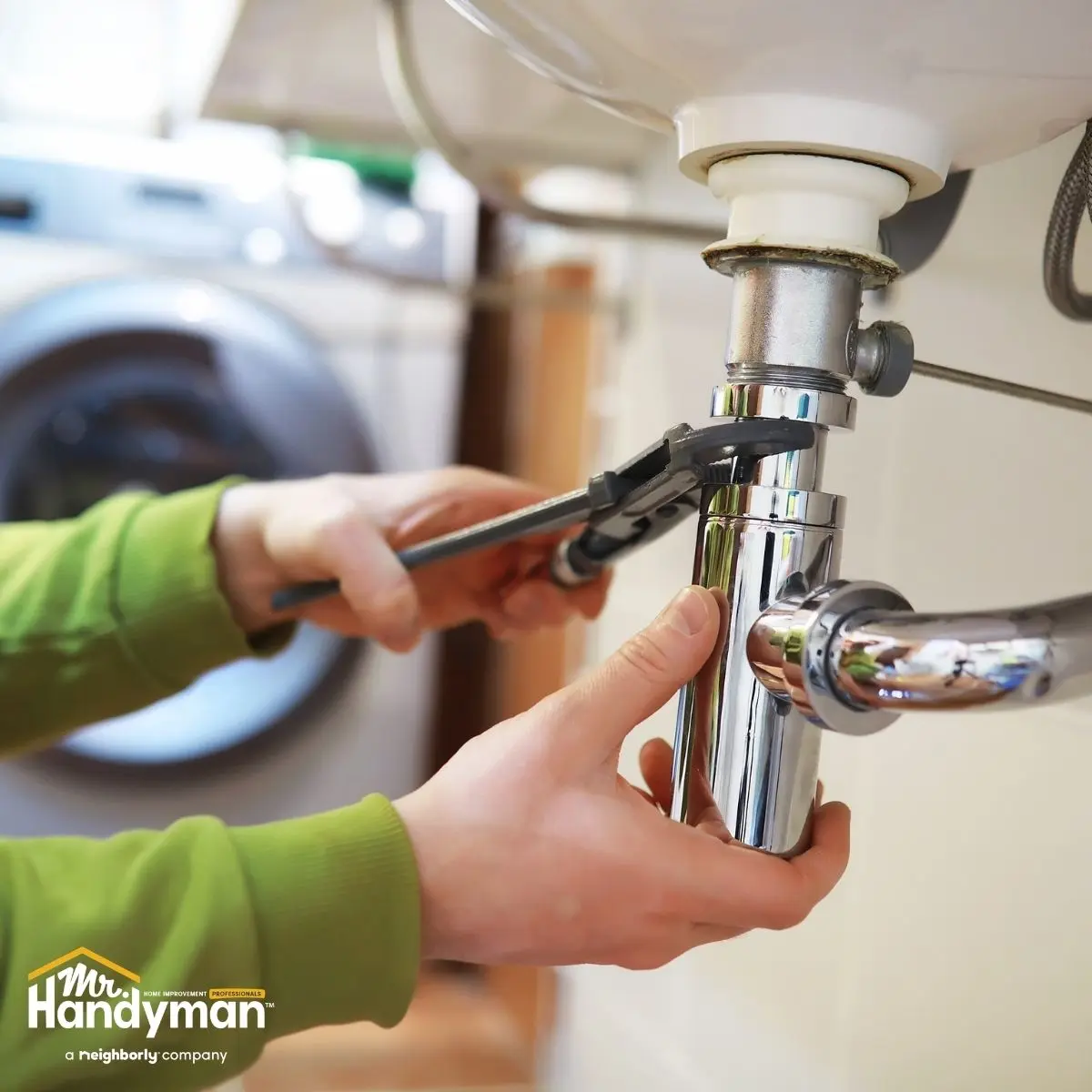
Spring in the Charleston and Summerville area brings more than blooming azaleas and warmer temperatures. It marks the end of our mild winter season and the beginning of months filled with afternoon thunderstorms, high humidity, and the kind of heat that puts real stress on your home's plumbing system. For homeowners throughout the Lowcountry, spring represents the ideal window to inspect, maintain, and address plumbing issues before summer's demands expose weaknesses that have been quietly developing since last year.
Most plumbing failures don't happen suddenly. They develop over months or even years, influenced by our region's unique combination of factors: older homes built on sandy soil, fluctuating water tables, aggressive tree root systems from live oaks and palmettos, and the relentless humidity that accelerates corrosion and deterioration. A small leak in March can become a burst pipe in July when water usage doubles. A slow drain in April can back up completely during August when guests visit and showers run back-to-back. Spring maintenance isn't about preventing problems that might never happen—it's about catching problems that are already forming before they disrupt your life.
Why Spring Timing Matters in the Lowcountry
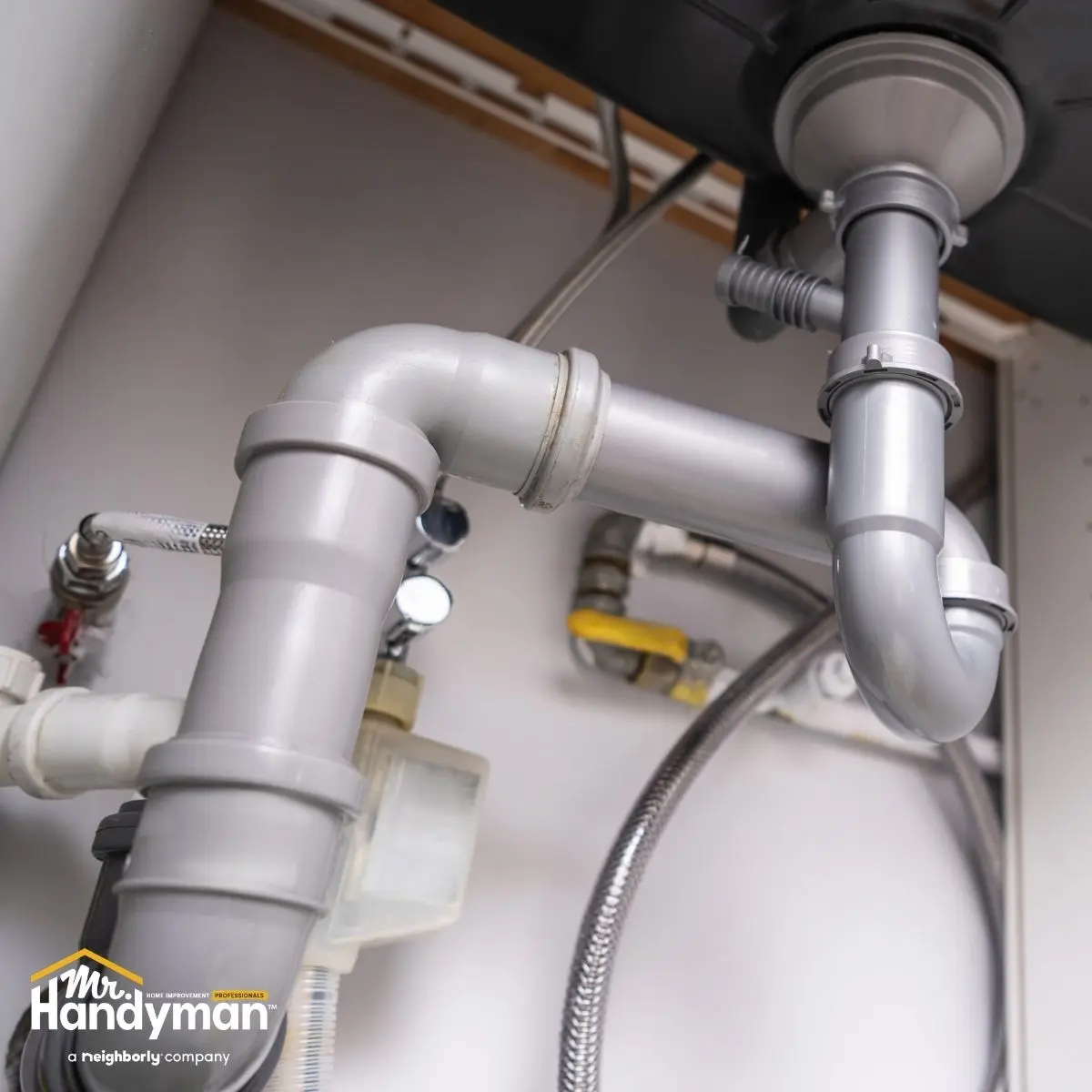
The transition from winter to spring in Charleston and Summerville creates specific conditions that make plumbing inspections particularly revealing. Winter water usage patterns are generally lighter—fewer showers, less lawn irrigation, reduced outdoor water use. As temperatures climb into the 80s and 90s, household water consumption can increase by 30 to 50 percent. Showers become more frequent, outdoor hoses get used regularly, and washing machines run more often to keep up with sweaty clothes and beach towels.
This seasonal shift exposes plumbing weaknesses. A water heater that handled winter's modest demand may struggle when multiple people shower daily in warm weather. Outdoor faucets that sat unused all winter may leak when you first connect a garden hose. Sewer lines that drained adequately during low-use months can slow or back up when water volume increases. Spring gives you the chance to identify these vulnerabilities while usage is still moderate, before the peak demand of summer vacation season arrives.
Our region's older housing stock makes spring inspections even more critical. Many homes in downtown Charleston, Summerville's historic districts, and surrounding neighborhoods were built between the 1950s and 1980s. These homes often contain galvanized steel pipes that corrode from the inside out, original clay sewer lines that crack under root pressure, and outdated fixtures that waste water and perform poorly. The mild winter doesn't freeze pipes like northern climates, but it also doesn't force homeowners to think about their plumbing until something goes wrong. Spring maintenance breaks that cycle.
Checking Your Water Heater Before Summer Demand
Your water heater works harder during warmer months than most homeowners realize. While incoming water temperatures rise slightly in summer, the increased frequency of showers, laundry, and dishwashing more than compensates. A family of four might use 50 to 70 gallons of hot water daily in winter, but that number can climb to 80 to 100 gallons in summer when everyone showers after yardwork, beach trips, or outdoor activities.
Start by examining the area around your water heater. Look for any signs of moisture, rust stains, or mineral deposits on the floor beneath the tank. These indicators suggest a slow leak that will worsen as usage increases. Check the temperature and pressure relief valve—a small lever on the side or top of the tank. This safety device prevents dangerous pressure buildup, but it can corrode or become stuck over time, particularly in our humid climate where rust forms quickly on metal components.
Sediment accumulation is a significant issue in Charleston and Summerville because our water supply contains dissolved minerals that precipitate out and settle at the bottom of water heater tanks. Over years, this sediment layer thickens, reducing the tank's effective capacity and forcing the heating element to work harder to warm the same amount of water. The result is higher energy bills, shorter equipment life, and eventually, tank failure. Flushing the tank annually removes this sediment, but most homeowners never do it because the process isn't intuitive and the consequences aren't immediately obvious.
If your water heater is more than ten years old, spring is the time to evaluate whether it will survive another summer. Tank-style water heaters typically last 10 to 15 years in our climate, but the aggressive water chemistry and constant humidity can shorten that lifespan. Strange noises like popping or rumbling during heating cycles indicate advanced sediment buildup. Rusty water coming from hot taps suggests internal tank corrosion that cannot be repaired.
Inspecting Outdoor Faucets and Hose Connections
Outdoor faucets in the Charleston and Summerville area see months of inactivity during fall and winter, then suddenly get pressed into service when spring arrives and lawns need watering. This on-off cycle stresses components that may have developed small cracks or loosened connections during their dormant period. The first time you attach a hose and turn on the water, you might discover a steady drip, a spray from the handle, or a puddle forming near the foundation.
These leaks aren't merely annoying—they waste significant amounts of water and can damage your home's foundation or crawl space. A faucet that drips once per second wastes about 3,000 gallons annually. A steady stream can waste ten times that amount. In older Lowcountry homes built on pier-and-beam foundations or shallow crawl spaces, water from leaking outdoor faucets saturates the soil beneath the house, promoting wood rot, attracting termites, and creating humidity problems that affect the entire structure.
Test each outdoor faucet by turning it fully on and off several times. Watch for leaks around the handle, at the connection point where the faucet meets the pipe, and underneath if you can access the crawl space. Attach a hose and observe what happens—many faucets that seem fine when running freely will leak under the back-pressure created by a connected hose or nozzle. Check that water flows strongly without sputtering or hesitation, which could indicate internal valve problems or partial blockages from mineral deposits.
Examining Toilet Performance and Hidden Leaks
Toilets are the single largest water user in most homes, accounting for nearly 30 percent of total indoor consumption. They're also prone to developing slow leaks that waste thousands of gallons without creating any obvious signs. The most common culprit is a deteriorating flapper—the rubber seal at the bottom of the tank that lifts when you flush and then reseats to allow the tank to refill. Flappers degrade over time due to chlorine in the water supply and our region's mineral content. As the rubber hardens and warps, it no longer seals completely, allowing water to trickle continuously from the tank into the bowl.
This type of leak is particularly insidious because you can't hear it and won't notice it unless you specifically look for it. The toilet never runs continuously the way it would with a stuck flapper, so there's no audible clue. But that constant trickle can waste 50 to 200 gallons daily, showing up as an unexplained increase on your water bill.
Testing for toilet leaks takes five minutes and costs nothing. Add several drops of food coloring to the tank and wait 15 to 20 minutes without flushing. If color appears in the bowl, water is leaking past the flapper. The faster the color appears and the more intense it becomes, the worse the leak. This simple test should be performed on every toilet in your home each spring, because flappers don't last forever and they rarely fail all at once—each toilet ages on its own timeline based on usage and water chemistry.
Clearing Drains Before Summer Usage Peaks
Slow drains are one of the most commonly ignored plumbing problems. When a sink takes an extra 30 seconds to empty or a shower puddles slightly around your feet, most homeowners mentally file it as a minor annoyance and move on. But slow drains don't stay slow—they progressively worsen as soap residue, hair, grease, and other debris continue accumulating inside the pipes. What drains slowly in April may not drain at all in July when your home is full of guests and every fixture is in constant use.
Kitchen sinks develop blockages from grease, food particles, and soap scum that coat the inside of drain pipes. Even if you avoid pouring cooking grease directly down the drain, enough residual fat from dishes and pans washes through to create problems over time. In our humid climate, this grease doesn't flow away cleanly—it sticks to pipe walls and hardens, gradually narrowing the passage. Bathroom drains face a different challenge: hair combined with soap and shampoo residue forms tough clogs that resist simple remedies. Over weeks and months, these hairs tangle together with soap film to create nearly solid masses inside drain traps and pipes.
Spring drain maintenance should be proactive, not reactive. Removing drain covers and physically extracting visible debris from the trap immediately below the drain opening can prevent many clogs before they fully form. For kitchen sinks, running very hot water down the drain for several minutes helps dissolve grease buildup and flush it further down the line. Chemical drain cleaners are tempting but problematic, particularly in older Lowcountry homes. These products damage pipes—especially older metal pipes or the rubber seals in drain traps. In homes with septic systems, which are common in areas outside municipal sewer service, chemical drain cleaners kill the beneficial bacteria necessary for proper septic function.
Inspecting Visible Pipes and Connections
Most homeowners never look at their plumbing pipes until water is actively leaking. Spring provides the opportunity to inspect visible pipes in crawl spaces, under sinks, and anywhere else they're accessible. What you're looking for are early warning signs: corrosion, discoloration, moisture stains, mineral deposits, or physical damage that hasn't yet caused a leak but will soon.
Older homes throughout Charleston and Summerville often contain galvanized steel pipes that were standard construction practice from the 1950s through the 1980s. These pipes corrode from the inside as dissolved minerals in the water react with the zinc coating and underlying steel. From the outside, galvanized pipes may look fine, but interior deterioration is often advanced by the time the pipes are 40 to 50 years old. Copper pipes last longer but aren't immune to problems. Pinhole leaks can develop in copper piping due to water chemistry, particularly in areas where water is slightly acidic or contains high chlorine levels.
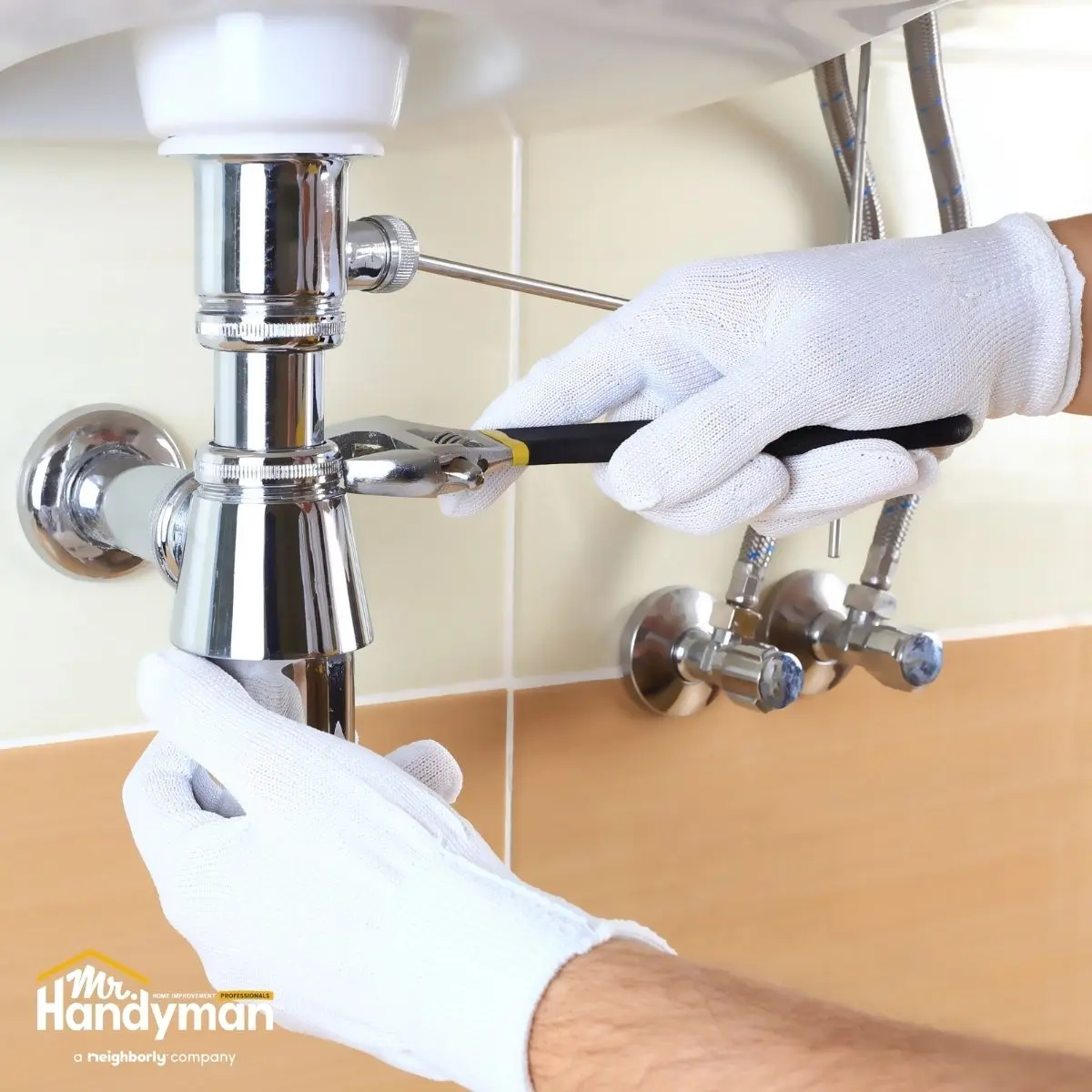
Under-sink connections are particularly vulnerable because they're exposed to temperature fluctuations, accidental impacts from stored items, and the stress of repeated use. The flexible supply lines that connect shutoff valves to faucets can develop cracks or weak spots where they bend, and the compression fittings that secure them can loosen over time. Inspecting these connections means looking for moisture, feeling for dampness, and watching for drips while the faucet runs.
Room-by-Room Plumbing Maintenance
Every room in your home presents its own plumbing challenges that deserve attention during spring maintenance. In the kitchen, the dishwasher connection is often overlooked. The water supply line and drain hose can develop leaks at their connection points. Check under the sink while the dishwasher runs to ensure no moisture appears at connection points.
Laundry rooms require special attention because washing machines place significant stress on plumbing connections. The hot and cold water supply hoses expand and contract with temperature changes and pressure fluctuations. Rubber washing machine hoses typically last three to five years before they should be replaced, even if they look fine externally. When these hoses fail, they release water at full line pressure—potentially hundreds of gallons before someone notices. Upgrading to braided stainless steel hoses provides much better durability and burst resistance.
The standpipe that receives your washing machine's drain hose deserves inspection as well. Lint, detergent residue, and fabric fibers accumulate in this pipe over time, creating slow drains or complete blockages. If water backs up out of the standpipe during the washing machine's drain cycle, the blockage is already severe.
Guest bathrooms that see minimal use during winter can develop problems that go unnoticed. When fixtures sit unused for weeks or months, the water in drain traps can evaporate, particularly in homes with crawl space ventilation. Once a trap dries out, sewer gases flow up through the drain into the room, creating unpleasant odors. Running water in these unused fixtures for a few minutes refills the traps and prevents this problem.
Addressing Sewer Line and Septic System Health
Charleston and Summerville homeowners face unique sewer line challenges due to our tree-heavy landscape and older infrastructure. Many properties feature mature live oaks, magnolias, and other deep-rooted trees whose root systems aggressively seek out moisture sources. Sewer lines, particularly older clay or cast-iron lines, develop small cracks or joint separations over time. Tree roots detect the moisture and infiltrate through the smallest openings, growing into thick masses that block the pipe entirely.
This problem develops slowly. Initially, roots cause minor slowdowns—toilets that don't flush as crisply, sinks that empty slightly slower, or occasional gurgling sounds from drains. Homeowners attribute these symptoms to normal variation and don't investigate. Meanwhile, the root infiltration continues growing. Spring is the season when tree root activity intensifies as trees wake from winter dormancy and begin active growth.
For homes with septic systems, spring maintenance includes different considerations. Septic tanks need regular pumping every three to five years depending on household size and usage. Signs of septic problems include slow drains throughout the house, sewage odors in the yard, unusually lush grass over the drain field, or standing water where the drain field is located. Our region's high water table complicates septic system performance during spring and summer thunderstorms when soil becomes saturated.
Frequently Asked Questions
How do I know if my water pressure is too high or too low?
Normal residential water pressure should be between 40 and 60 PSI. Pressure above 80 PSI stresses pipes, fixtures, and appliances, causing premature wear. You'll notice symptoms like banging pipes, leaking faucets, and running toilets. Low pressure below 40 PSI makes showers unsatisfying and reduces appliance efficiency. You can test your home's pressure with an inexpensive gauge that screws onto an outdoor faucet.
Should I replace old galvanized pipes even if they're not leaking yet?
If your home has galvanized steel pipes that are 50 years old or more, replacement should be seriously considered. These pipes corrode from the inside, and by the time you notice reduced water pressure or discolored water, interior deterioration is advanced. Proactive replacement allows you to plan the project and avoid emergency situations that require immediate attention at premium cost.
What causes that sulfur smell in my hot water?
A rotten egg odor coming only from hot water typically indicates bacteria growing inside your water heater tank. These bacteria react with the anode rod, producing hydrogen sulfide gas that smells like sulfur. Flushing the tank and temporarily raising the temperature to 140 degrees for several hours kills the bacteria.
How can I tell if my main sewer line is developing a blockage?
Early warning signs include multiple drains throughout your home draining slowly at the same time, gurgling sounds from toilets when you run sinks or showers, and water backing up in unexpected places. These symptoms indicate the blockage is in the main sewer line rather than in individual fixture drains. Tree root infiltration is the most common cause in our area.
Is it normal for my water heater to make popping or banging noises?
Popping or banging sounds from a water heater indicate sediment buildup at the bottom of the tank. As water heats beneath the sediment layer, steam bubbles form and collapse, creating the noise. This is a sign that the tank needs flushing to remove accumulated minerals.
Can I use chemical drain cleaners if I have a septic system?
Chemical drain cleaners should be avoided if your home has a septic system. These products kill the beneficial bacteria that break down solid waste in the septic tank. Even homes connected to municipal sewers should use chemical drain cleaners sparingly because they damage pipes over time.
Spring plumbing maintenance protects your Charleston or Summerville home from costly summer surprises. Small problems caught early remain small problems. Issues ignored until they force your attention become expensive emergencies that disrupt your family's comfort and routine.
If your spring inspection reveals issues beyond simple maintenance—leaks you can't stop, drains that won't clear, water heaters showing their age, or fixtures that need replacement—Mr. Handyman of Charleston and Summerville can help. Our experienced team understands the specific challenges that Lowcountry homes face, from dealing with older plumbing systems in historic properties to addressing the impact of our climate and soil conditions. We handle everything from replacing worn flappers and clearing stubborn drains to installing new fixtures and repairing leaking pipes. Call us or visit https://www.mrhandyman.com/charleston-summerville/ to schedule an inspection or discuss any plumbing concerns before summer's peak demand puts your system to the test.