There is a particular kind of damage that develops quietly through a South Carolina winter, waiting for warmer temperatures and the heavy rainfall of spring to reveal itself. By the time spring arrives in Charleston and Summerville, your plumbing system has already been through months of stress. Fluctuating temperatures, the occasional hard freeze that catches Low Country homeowners off guard, humidity that rarely fully retreats even through winter, and the significant rainfall that the region receives year-round all take a toll on pipes, fixtures, and drainage systems in ways that are not always immediately obvious until spring conditions test what winter left behind.
Spring in the Low Country feels like a genuine reset, and for most homeowners it is. But underneath that optimism, your plumbing may be quietly signaling that something needs attention before the heat and humidity of a South Carolina summer arrives and places peak demand on systems that have not been properly maintained. A thorough spring plumbing inspection gives you the chance to catch small problems before they become expensive emergencies. In a region where summers are long, intensely humid, and unforgiving of deferred maintenance, that window in early spring is genuinely valuable.
This checklist is designed to walk you through the most important areas of your home's plumbing, explain what to look for, why certain problems develop in this specific climate, and what the consequences are if those problems go unaddressed through another season.
What Charleston and Summerville's Climate Does to Your Pipes
.webp)
The Low Country's climate is distinctive enough that plumbing systems here face challenges that neither northern homeowners nor those in drier climates fully share. Charleston and Summerville sit in a subtropical humid climate zone that delivers mild winters punctuated by occasional freezes, intense summers with high heat and humidity, and rainfall that arrives throughout the year in volumes that rank among the highest in the eastern United States.
The occasional freeze is where Low Country plumbing is most vulnerable. Homes in this region were not built with the pipe insulation standards that northern climates demand, and pipes that run through exterior walls, under elevated homes, or through uninsulated crawl spaces are genuinely exposed when temperatures drop below freezing for even a brief period. Unlike northern climates where pipes are routinely insulated against sustained deep freezes, Charleston and Summerville homes can be caught off guard by a single hard freeze night that produces the hairline cracks and micro-fractures that may not reveal themselves until spring's warmer temperatures and higher water demand expose them.
The region's high humidity creates its own set of plumbing concerns. Moisture that never fully dissipates from crawl spaces and under-home areas creates conditions that accelerate corrosion on exposed plumbing components, promote the mold and mildew growth that affects pipe insulation and adjacent building materials, and contribute to the wood deterioration in the elevated home structures that are common throughout the Low Country. A plumbing system in a Charleston or Summerville home that sits above a crawl space with inadequate moisture management is operating in an environment that shortens the service life of every exposed component within it.
Inspecting Your Outdoor Plumbing First
The outdoor components of your plumbing system are the right place to begin your spring inspection because they are the components most directly exposed to whatever the previous winter delivered.
Hose bibs and outdoor faucets should be your first stop. Turn each one on and check for full, steady water flow. Any slow trickle, unusual sounds, or water seeping from the connection point where the faucet meets the house wall can indicate damage from the freeze events that Low Country winters occasionally deliver. Even if a hose bib appears functional, check the wall behind it from inside the home. Water staining, soft drywall, or a musty smell can indicate that a pipe developed a freeze crack that has been leaking slowly into your wall cavity since the last cold snap.
Irrigation systems in Charleston and Summerville homes are used for a longer active season than in most of the country, which makes their spring condition particularly relevant. Check each zone for correct function, confirm that heads are not damaged or misaligned from the dormant period, and look for any evidence of slow leaks at connection points that may have developed over winter.
Moving Inside: Fixtures, Faucets, and Toilets
Once you have addressed the exterior, move through every room in the home where water is present.
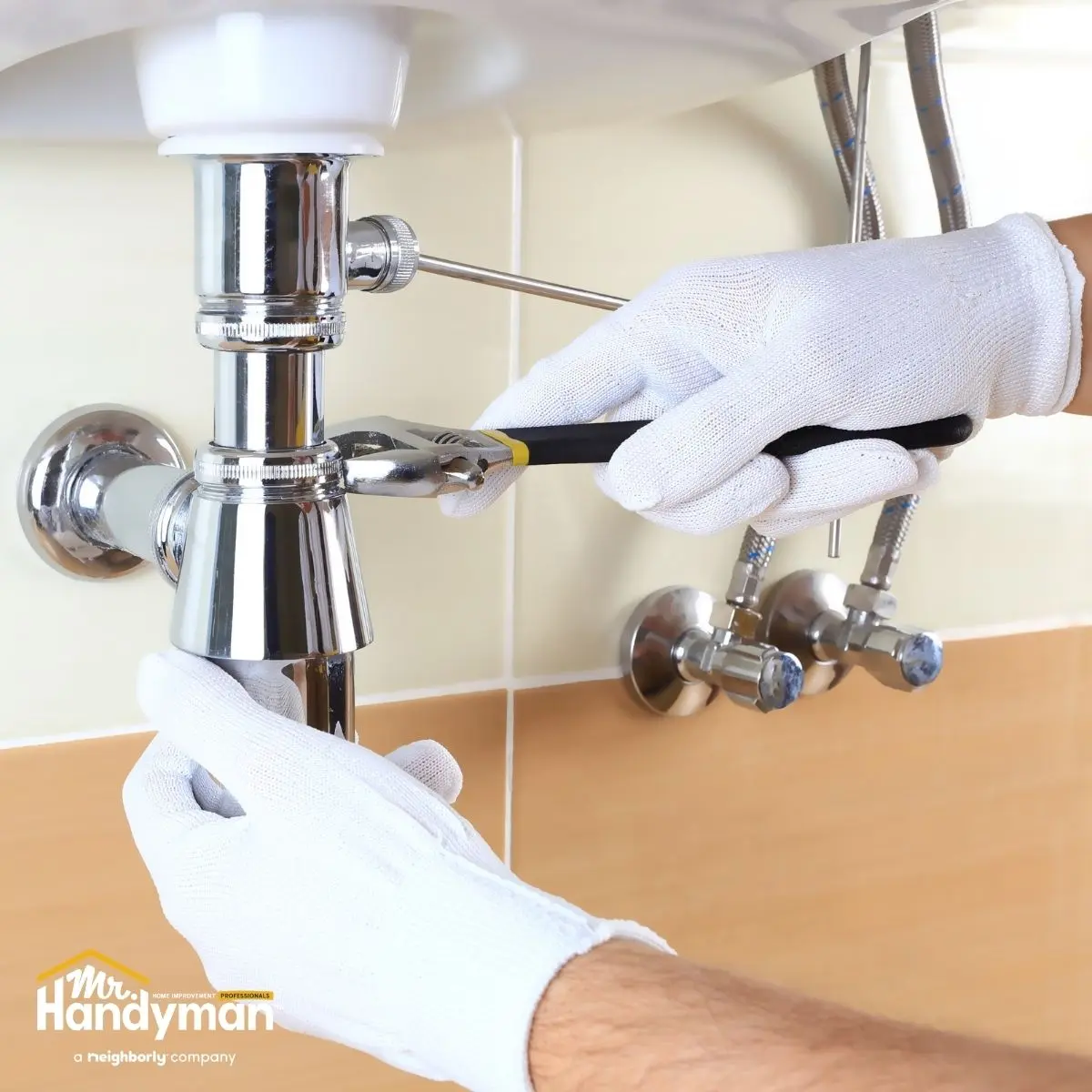
Under every sink, look carefully for water staining on the cabinet floor, warped wood, rust rings around drain connections, and worn supply lines. Supply lines that are cracked, aged beyond seven to ten years, or show any corrosion at fitting ends should be replaced before summer places peak demand on kitchen and bathroom plumbing throughout the home.
Faucets deserve more than a visual check. Turn each one on fully and confirm adequate pressure, which can point to a blocked aerator or a developing supply line issue. A faucet that drips even slowly wastes more water over the course of a South Carolina summer than most homeowners realize and often signals internal components approaching failure.
Toilets are among the most overlooked sources of water waste. Drop a few drops of food coloring into the tank and wait ten minutes without flushing. If color appears in the bowl, your flapper is failing. Also check the base of each toilet for soft flooring, discoloration, or any give underfoot. Water escaping around the wax seal sits beneath the toilet and quietly destroys the subfloor in ways that the Low Country's humidity accelerates.
The Water Heater Deserves Specific Spring Attention
Your water heater worked through the winter's temperature variation and enters spring having managed the incoming water temperature changes that even a Low Country winter delivers to the ground-source water supply. Spring is the right time to evaluate it before summer's peak hot water demand arrives.
Sediment buildup is a real concern in the Charleston and Summerville area. Regional water supply mineral content accumulates at the bottom of tank water heaters, reducing efficiency and shortening lifespan. A rumbling or popping sound from the tank during heating cycles is often sediment shifting. Annual flushing addresses this directly.
Check the pressure relief valve and look carefully at the area around the base of the unit for moisture, rust, or water staining. Pooling water or rust streaks indicate internal corrosion that warrants professional evaluation before failure rather than after.
How Charleston and Summerville Homes Face Unique Plumbing Pressures
The Low Country is not a uniform housing market, and a spring plumbing checklist that treats every home the same misses the specific vulnerabilities that Charleston and Summerville's distinct housing stock and climate conditions create.
Charleston's historic neighborhoods carry plumbing infrastructure that reflects the city's age in ways that newer construction does not. Homes in areas like the South of Broad neighborhood, the French Quarter, and the established corridors of the Peninsula may have galvanized steel supply lines, cast iron drain systems, and plumbing configurations that predate current standards by decades. The combination of age, Charleston's occasional freeze events, and the sustained humidity that the Low Country's coastal climate delivers year-round creates a specific maintenance profile for these homes that newer construction in Summerville and the surrounding growth corridors does not share.
Summerville's housing stock skews significantly newer, with the suburban and master-planned development that has expanded the community rapidly over the past two decades. Newer construction carries modern plumbing infrastructure, but builder-grade fixtures, PVC drain lines, and the irrigation systems that Summerville's larger residential lots typically include all have their own spring maintenance requirements. The sandy, expansive soils that characterize much of Summerville's development area create ground movement conditions that affect underground drain and irrigation lines in ways that Low Country homeowners should include in their spring assessment.
Elevated homes throughout both communities present a plumbing maintenance consideration that distinguishes the Low Country from most other residential markets. The crawl spaces beneath elevated Charleston and Summerville homes create the access and moisture conditions that affect every plumbing component within them. Exposed supply lines, drain connections, and the humidity that accumulates in inadequately managed crawl spaces all contribute to the specific plumbing maintenance needs that Low Country homes carry into each spring.
Room by Room: What to Check Before Summer Arrives
Walking through every water-present space in your home with a specific plumbing focus surfaces the developing conditions that a general seasonal inspection misses.
Bathrooms are the highest-traffic plumbing zones in any home. Beyond the toilet and faucet checks covered earlier, examine your shower and tub surrounds carefully. In the Low Country's humidity, grout and caulk that has cracked or separated does not simply allow water to reach the wall substrate. It allows water into wall cavities that the region's ambient moisture keeps from fully drying, creating sustained mold conditions behind tile that become expensive to remediate. Fresh caulk at the tub and shower surround is among the most cost-effective preventive maintenance available in a Charleston or Summerville home.
Bathroom exhaust fans deserve specific attention in the Low Country context. Humidity management in bathroom spaces is more consequential here than in drier climates, and a fan that is moving inadequate air volume is allowing the moisture that showers and baths generate to remain in contact with wall and ceiling surfaces through every use. Hold a tissue near the grille when the fan is running. Inadequate movement warrants cleaning or replacement before the summer humidity season amplifies what insufficient bathroom ventilation allows to accumulate.
Kitchens in Charleston and Summerville homes accumulate drain line buildup through the winter months and benefit from spring cleaning before summer cooking and entertaining seasons add to the problem. Check the dishwasher drain connection specifically. This is a location that develops slow leaks in ways that produce the extended moisture contact that Low Country humidity prevents from fully drying, creating cabinet floor and subfloor conditions that escalate faster here than in drier climates.
Laundry areas carry supply hose risk that is specifically elevated in homes where those hoses have been in service through multiple South Carolina summers. The heat and humidity cycling that Low Country laundry spaces experience through the warm season accelerates rubber hose degradation. If your washing machine supply hoses are rubber rather than braided stainless steel and are more than five years old, spring replacement is worthwhile insurance before summer adds another demanding season to their age.
Crawl spaces beneath elevated Low Country homes deserve direct, in-person spring inspection rather than assumption based on the absence of reported problems. Standing water after winter rainfall, vapor barrier damage, exposed pipe corrosion, and the moisture conditions that inadequate crawl space management creates all warrant spring assessment before summer's heat and humidity amplify whatever conditions winter left behind.
What Happens When Spring Plumbing Problems Go Unaddressed
The consequences of skipping a spring plumbing inspection in a Charleston or Summerville home follow a pattern that the Low Country's climate specifically accelerates.
A slow leak under a bathroom sink that might take a year to produce visible damage in a dry climate can produce mold growth and subfloor deterioration in weeks in the Low Country's humidity. A failing wax seal beneath a toilet that quietly releases moisture into the subfloor finds those materials perpetually damp in a climate where drying out between moisture events is limited. A cracked irrigation connection that washes soil away from a foundation through a South Carolina growing season that begins in spring and extends through fall contributes to the foundation settlement that the region's soils are prone to.
Frequently Asked Questions
How often should I have my plumbing inspected in the Low Country?
Once annually is the baseline, with spring being the most valuable timing given what winter's freeze events and rainfall leave behind. Charleston homes with older plumbing infrastructure benefit from more frequent attention given the age and material vulnerabilities of their systems.
Should I be concerned about my pipes freezing in Charleston and Summerville?
Yes, selectively. Pipes in exterior walls, uninsulated crawl spaces, and areas without adequate thermal protection are genuinely vulnerable during the freeze events that the Low Country experiences several times each winter. Spring inspection should specifically evaluate components in those locations for freeze damage that the past winter may have produced.
How does the Low Country's humidity affect plumbing maintenance compared to drier climates?
Significantly. Moisture that would dissipate quickly in a drier climate persists in the Low Country, accelerating mold growth, wood deterioration, and corrosion at exposed plumbing components. Every slow leak, every failed caulk joint, and every moisture source that would be a minor inconvenience elsewhere becomes a more urgent maintenance priority in Charleston and Summerville's climate.
Is root intrusion a concern in this area?
It is more common than many homeowners expect, particularly in Charleston's established neighborhoods where mature trees have had decades to extend root systems toward older sewer lines. Spring slow drain symptoms in older homes warrant camera inspection before assuming the cause is a simpler blockage.
What is the lifespan of a water heater in the Low Country?
Most tank water heaters last eight to twelve years. The mineral content in the regional water supply and the sustained humidity that the Low Country's climate creates around water heater installations can affect that range without annual maintenance attention.
Should I attempt plumbing repairs myself or call a professional?
Simple tasks like aerator replacement, supply line swapping, and tub recaulking are reasonable DIY work. Main line issues, water heater concerns, and any plumbing in the crawl space beneath an elevated home benefit from professional attention that brings the right tools and the experience to avoid creating new problems while solving the original one.
Your Spring Plumbing Checklist Starts With One Call
A spring walkthrough gives you the information you need, but identifying a problem and solving it correctly are two different things. The team at Mr. Handyman of Charleston and Summerville has the experience to address what a Low Country home's plumbing actually requires, from the crawl space beneath an elevated historic home to the irrigation systems and modern fixtures of newer Summerville construction.
Website: https://www.mrhandyman.com/charleston-summerville/
Serving homeowners throughout Charleston and Summerville with dependable service and the expertise your home deserves this spring.
