Property managers face a constant balancing act between maintaining property conditions that satisfy tenants and owners while controlling costs that affect profitability and competitiveness. Deferred maintenance seems like a cost-saving strategy until small problems escalate into expensive emergencies that disrupt tenant lives, damage owner relationships, and consume the budget savings multiple times over. A $200 spring plumbing inspection that identifies a deteriorating water heater prevents the $3,000 emergency replacement plus tenant relocation costs plus potential water damage claims that occur when the unit fails catastrophically during summer. Spring inspections aren't expenses—they're insurance against the far higher costs of reactive management.
Charleston and Summerville's rental market operates in a climate and housing environment that accelerates property deterioration in specific, predictable ways. The transition from mild winter to hot, humid summer reveals problems that develop silently during cooler months. HVAC systems that coasted through winter's minimal demands fail when asked to cool units through 95-degree afternoons. Roof vulnerabilities that caused no issues during dry periods leak visibly during spring's afternoon thunderstorms. Landscaping that looked acceptable in February appears neglected by April when competing properties have refreshed their curb appeal. Property managers who schedule comprehensive spring inspections catch these problems early, address them affordably, and maintain the property conditions that retain quality tenants and justify premium rents.
The consequences of skipped inspections compound over time. A property manager who defers spring inspections for three consecutive years doesn't save three years of inspection costs—they create a maintenance backlog where multiple systems simultaneously approach failure, small problems have progressed to major repairs, and the property's condition has declined visibly compared to well-maintained competitors. Tenant turnover increases because people don't renew leases in properties showing obvious neglect. Emergency repair costs spike because everything fails reactively rather than being addressed proactively. Owner relationships deteriorate as property values decline and expenses exceed projections. Spring inspections break this negative cycle by identifying and addressing issues systematically before they cascade into the expensive, disruptive failures that define poorly managed properties.
Identifying HVAC Issues Before Summer Cooling Demands

Air conditioning failures during Charleston and Summerville's summer heat create immediate tenant dissatisfaction and potential liability. Tenants can't live comfortably in units where indoor temperatures exceed 85 degrees. Emergency HVAC service calls cost premium rates, technicians may not be available for days during peak season, and temporary solutions like portable air conditioners are expensive and inadequate. Spring inspections identify HVAC vulnerabilities while they're still fixable affordably and before tenant comfort becomes compromised.
HVAC systems in rental properties receive harder use than owner-occupied homes. Tenants have less incentive to minimize system runtime or maintain reasonable thermostat settings. Systems run constantly because tenants leave windows open with AC running or set thermostats to extreme temperatures expecting instant comfort. This abuse accelerates wear and reveals weaknesses. A compressor that's marginally functional in April fails completely in July when forced to run continuously. Refrigerant that's slightly low in spring becomes critically insufficient when outdoor temperatures peak and the system can't maintain pressure.
Spring HVAC inspections should verify refrigerant charge, test electrical connections, examine condenser coils for debris accumulation, check thermostat calibration, and evaluate overall system performance under moderate load. These checks reveal problems while they're still developing rather than after they've caused failure. A technician who identifies a slowly leaking refrigerant line during spring inspection can repair it for a few hundred dollars. The same leak discovered during an emergency service call in July costs significantly more for expedited service, plus tenant accommodation expenses, plus potential lease violation exposure if the unit becomes uninhabitable.
Filter condition deserves particular attention in rental properties because tenants rarely replace them despite lease requirements. Severely clogged filters restrict airflow, reduce system efficiency, and cause compressors to work harder and fail sooner. Spring inspection provides the opportunity to replace filters, educate tenants about their importance, and establish whether filter maintenance has been adequate. Properties with chronic filter neglect need different management approaches—either more frequent property visits to replace filters or systems that make tenant responsibility more enforceable.
Catching Plumbing Problems Before They Cause Water Damage
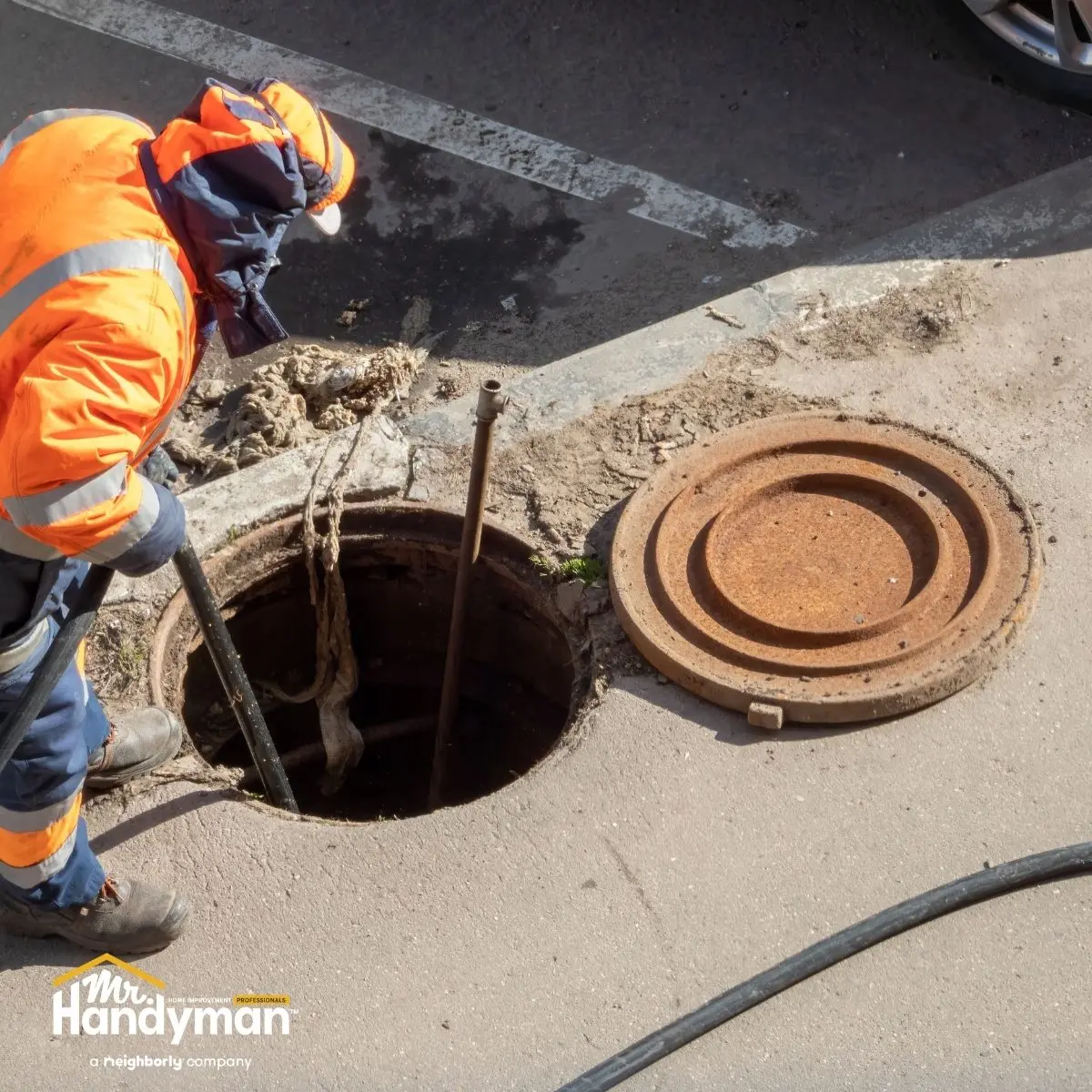
Water damage claims represent some of the most expensive property management scenarios. A burst water heater or failed supply line can release hundreds of gallons before anyone notices, destroying flooring, damaging units below, ruining tenant belongings, and creating weeks of repairs and displacement. Spring plumbing inspections identify deteriorating components before catastrophic failure, protecting both property and tenant possessions while avoiding the insurance claims that drive up premiums.
Water heaters in rental properties often operate well beyond their design life because replacement gets deferred until failure forces action. A water heater installed in 2008 has operated 17 years—far beyond the 10 to 12 year lifespan typical in Charleston and Summerville's aggressive water chemistry. This unit will fail, the only question is whether it fails through gradual decline that spring inspection reveals or sudden rupture that floods the property. Spring inspection looks for rust on the tank exterior, moisture around connections, corrosion on the pressure relief valve, and unusual noises during operation. These warning signs allow planned replacement before emergency failure.
Toilet components wear from constant use, particularly in properties with multiple occupants or high turnover. Flappers deteriorate and leak continuously, wasting water and driving up utility costs in properties where owners pay water bills. Fill valves stick and cause running toilets that tenants ignore because they're not paying the water bill. Wax rings compress over time and eventually allow sewer gas odors or actual leaks around toilet bases. Spring inspection identifies these issues while they're simple component replacements rather than waiting until leaks damage flooring or subfloors require replacement.
Under-sink plumbing connections develop leaks that go unnoticed because tenants don't look under sinks until problems become obvious. Flexible supply lines deteriorate and develop weak spots. Drain traps corrode or connections loosen. Cabinet bases show water staining that indicates chronic leaking. Spring inspection catches these problems before they destroy cabinets, promote mold growth, or saturate subfloors enough to cause structural damage.
Evaluating Roof Condition and Preventing Interior Damage
Roof leaks create immediate tenant dissatisfaction and expensive interior repairs. Water intrusion damages ceilings, walls, flooring, and tenant belongings while creating conditions for mold growth that leads to health complaints and potential liability. Spring roof inspections identify vulnerabilities before summer's intense thunderstorms turn minor issues into active leaks that require emergency response.
Charleston and Summerville's rental properties include many older homes with roofs approaching or exceeding their design life. Asphalt shingle roofs typically last 20 to 25 years in our climate before deterioration becomes severe. A property with a roof installed in 2005 is operating on borrowed time—the roof will fail, and waiting for leaks to develop means interior damage accompanies the inevitable replacement. Spring inspection evaluates remaining roof life and allows budgeting for replacement before failure rather than scrambling for emergency repairs while tenants deal with buckets catching drips.
Flashing around chimneys, vent pipes, and roof penetrations deteriorates faster than shingles themselves. Sealants dry out and crack, metal flashing corrodes, and gaps develop that allow water entry. These vulnerable points cause most roof leaks long before overall shingle condition would suggest replacement is necessary. Spring inspection identifies flashing problems while they're still repairable with resealing or minor flashing replacement rather than waiting until water damage forces expensive interior repairs alongside roof work.
Gutters and downspouts on rental properties receive minimal maintenance because neither tenants nor property managers think about them until problems appear. Clogged gutters overflow during rain, saturating fascia boards and soffits, promoting wood rot, and allowing water to flow down exterior walls where it can penetrate and damage interior spaces. Spring gutter cleaning prevents these problems and extends the life of roof edge components that are expensive to replace once water damage occurs.
Assessing Exterior Conditions That Affect Tenant Retention
First impressions determine whether prospective tenants tour properties or drive past to competitors. Current tenants constantly compare their property's condition to others in the market, and visible neglect triggers lease non-renewals even when interiors remain acceptable. Spring exterior assessment identifies issues that affect marketability and tenant satisfaction before they become reasons people choose not to rent or renew.
Landscaping communicates property management priorities instantly. Dead shrubs, bare mulch beds, overgrown vegetation, and patchy lawns tell prospective tenants that management doesn't invest in property appearance. If exterior maintenance is obviously neglected, tenants assume interior maintenance receives similar inattention. Spring landscape refresh—replacing winter-damaged plants, trimming overgrowth, refreshing mulch, and addressing bare or weedy lawn areas—transforms curb appeal for modest cost and positions properties competitively.
Exterior paint and siding condition degrades progressively in Charleston and Summerville's humid climate. Peeling paint, faded siding, and visible mildew growth make properties look tired regardless of interior condition. Spring assessment identifies areas needing attention before deterioration becomes severe enough to require complete repainting rather than targeted touch-up. Power washing removes mildew and accumulated grime, dramatically improving appearance without major expense. Properties with wood siding need particular attention because moisture damage accelerates once paint protection fails.
Walkways, driveways, and parking areas develop cracks, stains, and deterioration that create both appearance and safety concerns. Cracked concrete walkways present tripping hazards that expose property owners to liability. Damaged asphalt driveways communicate neglect and worsen rapidly once deterioration begins. Oil stains on parking surfaces look unprofessional and suggest previous tenant problems. Spring assessment and repair address these issues before they escalate and before showing season when properties compete most directly for quality tenants.
Checking Safety and Code Compliance Items
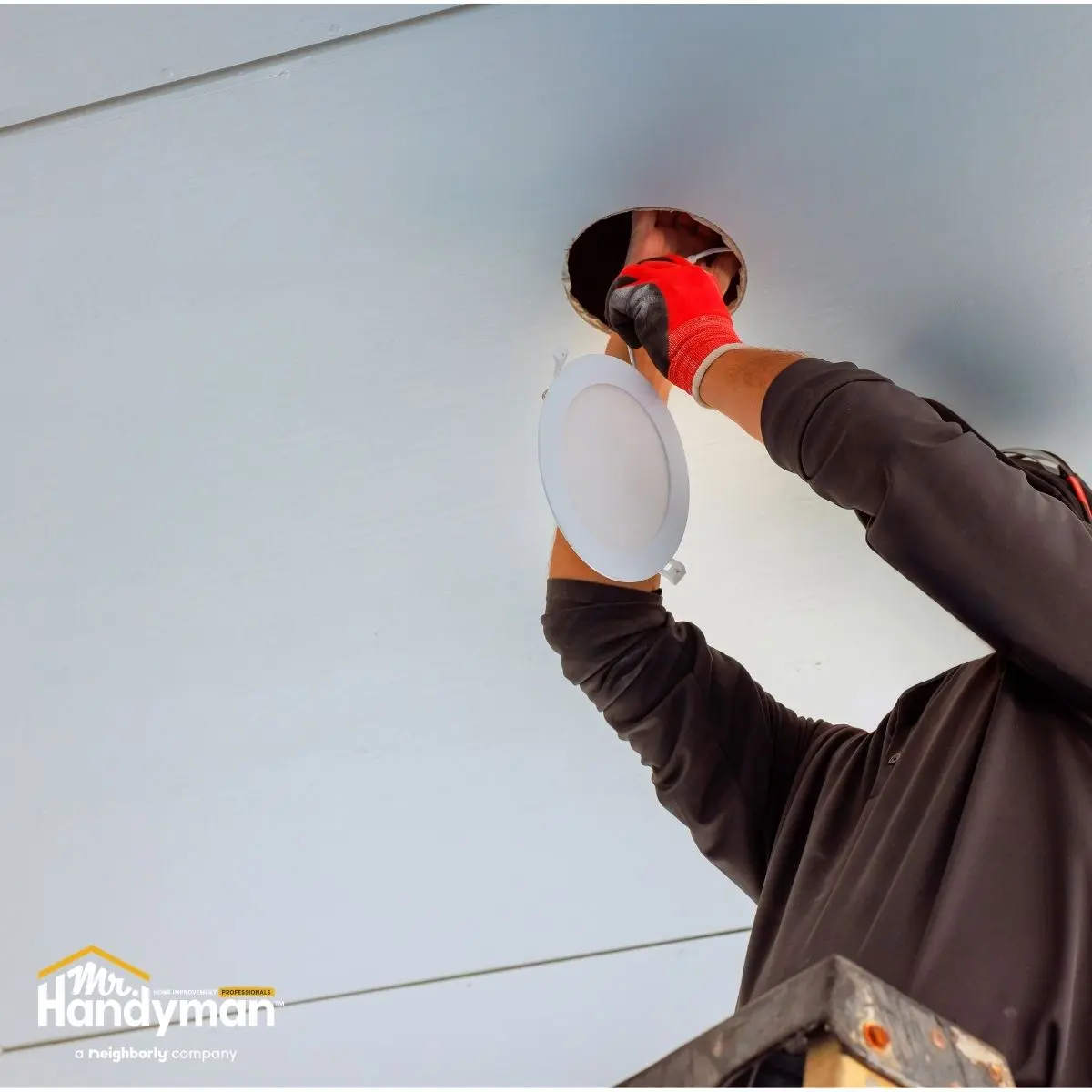
Property managers face legal obligations to maintain habitable conditions and comply with safety codes. Spring inspections verify that required safety systems function properly and that properties meet current code requirements, protecting both tenants and owners from the liability and legal consequences of non-compliance.
Smoke detectors and carbon monoxide alarms have finite lifespans—typically 10 years for smoke detectors and 5 to 7 years for CO alarms. Detectors in rental properties often operate well beyond these lifespans because replacement gets deferred. Spring inspection tests all detectors, replaces batteries, and identifies units that need replacement. This simple maintenance prevents the tragedy of non-functional detectors during actual emergencies and demonstrates due diligence if liability questions arise.
GFCI outlets in bathrooms, kitchens, and outdoor locations protect against electrical shock but can fail without obvious indication. Spring testing using the test button on each outlet verifies proper function. Non-functional GFCI outlets create serious safety hazards and code violations that property managers are legally obligated to correct. Replacing failed outlets costs minimal money but prevents electrocution injuries and associated liability.
Handrails on stairs and elevated decks must meet code requirements for height, spacing, and structural integrity. Loose handrails present fall hazards that can cause serious injuries. Missing or improperly spaced balusters on decks create risks for children. Spring inspection identifies these safety deficiencies before accidents occur and before code enforcement issues citations during routine inspections.
Water temperature at fixtures should not exceed 120 degrees to prevent scalding injuries, particularly in properties where children reside. Spring testing verifies proper water heater temperature settings and identifies any issues with mixing valves or excessive temperatures that create liability exposure.
Documenting Property Condition for Owner Reporting
Property owners expect regular communication about their investment's condition. Spring inspection reports provide documentation that demonstrates active management, identifies issues requiring owner decisions about repairs or replacements, and creates records protecting both managers and owners if tenant disputes arise about property conditions.
Comprehensive spring inspection reports should include photographs documenting current condition of major systems and common problem areas. Photos of HVAC equipment, water heaters, roof condition, plumbing fixtures, and exterior areas create baseline documentation. When issues develop later, these photos establish what condition existed at specific points, supporting decisions about whether problems resulted from deferred maintenance, tenant damage, or normal aging.
Cost estimates for identified repairs allow owners to make informed decisions about which issues to address immediately versus defer to later budgets. A spring inspection that identifies a water heater nearing end of life and provides replacement cost estimates allows owners to budget appropriately rather than facing unexpected emergency expenses. Similarly, roof assessments with remaining life estimates help owners plan for major capital expenditures before emergency situations force rushed decisions.
Trend documentation across multiple properties helps property managers identify patterns that inform maintenance strategies. If spring inspections consistently reveal HVAC filter neglect across multiple properties, management can implement different filter replacement strategies rather than relying on tenant compliance. If exterior paint deterioration appears across properties in specific neighborhoods, coordinated maintenance scheduling might achieve cost efficiencies through bulk contractor arrangements.
Planning Maintenance Timing to Minimize Tenant Disruption
Spring inspections allow scheduling necessary repairs during periods that minimize tenant inconvenience and property vacancy. Addressing issues proactively means work happens on management's timeline rather than during emergencies that disrupt tenant lives and create dissatisfaction affecting retention.
Scheduling major work during lease transition periods eliminates disruption to current tenants while ensuring properties are in optimal condition for new occupants. A water heater identified as failing during spring inspection can be replaced during the turnover period between leases rather than waiting until it fails mid-lease and forces tenant accommodation. Interior work like painting, flooring replacement, or fixture upgrades happens most efficiently in vacant units where contractors have unrestricted access and no tenant concerns about noise, dust, or privacy.
Coordinating exterior work across multiple units or properties achieves cost efficiencies that benefit owners. A property manager overseeing multiple properties in the same neighborhood can schedule painting, roof repairs, or landscaping improvements together, often securing better contractor pricing for larger combined projects than individual small jobs would receive. Spring inspection identifies which properties need similar work, allowing this coordinated approach.
Communicating planned maintenance to tenants well in advance reduces complaints and demonstrates professional management. Tenants who receive 30 days notice about scheduled HVAC service or exterior painting are far less irritated than those surprised by contractor arrival. Spring inspection allows this advanced communication because identified work gets scheduled thoughtfully rather than rushed as emergency response.
Frequently Asked Questions
How often should rental properties receive comprehensive inspections? Annual spring inspections catch developing issues before they become expensive failures. Properties with older systems or history of problems benefit from additional mid-year checks. Seasonal inspections before and after summer provide maximum protection but may not be cost-effective for newer, well-maintained properties.
Can property managers perform inspections or should professionals be hired? Property managers can perform visual inspections of general conditions, but HVAC systems, electrical components, and roof assessments benefit from professional technicians who identify problems managers might miss. Combining manager walk-throughs with professional system evaluations provides comprehensive assessment.
What should be included in spring inspection reports to owners? Reports should document current condition with photos, identify issues requiring attention with cost estimates and urgency ratings, note any tenant-caused damage requiring lease enforcement, and provide recommendations for proactive maintenance or system replacements based on age and condition.
How do spring inspections affect property insurance? Documented regular maintenance can reduce insurance premiums by demonstrating risk management. Inspection records also support claims by establishing what condition existed before incidents. Some insurance policies require regular inspections as coverage conditions—failure to inspect can void coverage.
What issues most commonly appear during spring rental property inspections? HVAC systems needing service before summer, water heaters approaching end of life, plumbing fixture deterioration from tenant use, roof vulnerabilities, exterior paint and siding issues, and landscaping neglect rank among the most frequent findings requiring attention.
Spring inspections protect Charleston and Summerville property managers from expensive surprises while maintaining property conditions that retain quality tenants and preserve owner investments. The modest cost of systematic inspections delivers substantial returns through avoided emergency repairs, reduced tenant turnover, and extended system lifespans.
Mr. Handyman of Charleston and Summerville provides comprehensive property inspection and maintenance services for property managers throughout the Lowcountry. Our experienced team identifies developing problems, provides detailed documentation for owner reporting, and handles repairs efficiently to minimize tenant disruption. We understand the unique demands of rental property maintenance and deliver reliable service that protects your properties and reputation. Call us or visit https://www.mrhandyman.com/charleston-summerville/ to schedule spring inspections for your rental portfolio.