
Spring has a way of making homeowners see their properties with fresh eyes. The longer days and mild temperatures that arrive in the Lowcountry between February and May create a natural window for tackling projects that have been on the back burner through the cooler months. But not all home improvement projects are created equal when it comes to what they return at resale or how meaningfully they improve daily life while you're still living in the home.
For homeowners in Charleston and Summerville, the calculus around remodeling projects involves more than national averages and general advice. The local real estate market, the age and style of homes throughout the region, and the specific demands that the Lowcountry climate places on building materials and systems all shape which projects deliver real value and which ones spend money without moving the needle. Understanding that context makes the difference between a spring project that genuinely improves the home and one that satisfies an impulse without lasting impact.
The most valuable spring remodeling projects tend to share a few characteristics. They address something that buyers notice, that affects daily function, or that prevents the kind of deferred maintenance that discounts a home's value at inspection time. They use materials and finishes appropriate for the regional climate. And they're executed with the quality of workmanship that holds up over time rather than looking good for a season before beginning to show its shortcomings.
Why Spring Is the Right Time for These Projects in the Lowcountry
Timing matters in home improvement, and in Charleston and Summerville the spring window carries particular advantages. The mild temperatures of March through May create ideal conditions for exterior work — paint adheres properly, caulk cures as it should, and wood materials can be worked without the complications that come with summer heat and humidity or winter cold. Once the Lowcountry summer arrives with its combination of intense heat and high humidity, exterior projects become significantly more demanding for both the materials and the people doing the work.
Spring is also the period immediately preceding the most active stretch of the local real estate market. Homeowners who complete value-adding projects in the spring are positioned to list during the summer and fall with improvements that are fresh, not yet weathered, and immediately visible to buyers. Even for homeowners with no intention of selling in the near term, completing projects in spring means enjoying the improvements through the full year of heavy home use that follows.
The region's humidity timeline is another factor worth understanding. Projects that involve exterior painting, deck refinishing, or any work that requires surfaces to dry and cure properly need to be completed before the sustained high humidity of summer arrives. A paint job applied in ideal spring conditions will cure fully and bond properly to the surface. The same job done in August faces a fundamentally different set of conditions that can affect how well the finish holds over subsequent seasons.
Exterior Improvements That Signal Quality to Buyers
First impressions in real estate are shaped almost entirely by what a buyer sees before they walk through the front door. Exterior condition tells a story about how a home has been maintained, and that story either builds confidence or raises questions that follow a buyer through every room they subsequently see.
Fresh exterior paint is one of the highest-return projects a homeowner can undertake in the Lowcountry, and the reasons go beyond aesthetics. Paint serves as a protective barrier against moisture infiltration, UV exposure, and the biological growth that the region's humidity supports on virtually every organic surface. A home with peeling, faded, or chalking paint isn't just visually dated — it's communicating that the protective layer between the building envelope and the elements has been compromised. Repainting in the spring with quality exterior paint formulated for humid coastal environments addresses both the appearance and the protection simultaneously.
Siding condition follows a similar logic. Homes with wood siding throughout the Charleston and Summerville area face ongoing exposure to moisture, insects, and the temperature cycling that causes expansion and contraction over time. Boards that have warped, sections where caulking has failed at joints and trim, and areas where paint adhesion has broken down are all points where moisture infiltration is either occurring or imminent. Addressing these conditions in the spring — repairing or replacing compromised sections, recaulking joints, and repainting — prevents the kind of rot and structural damage behind siding that turns a cosmetic project into a structural one.
Landscaping and the immediate surroundings of the home contribute to perceived value in ways that many homeowners underestimate. Overgrown foundation plantings that hold moisture against the home's exterior, grading that directs water toward the foundation rather than away from it, and walkways or steps that have settled unevenly all affect both the appearance and the practical condition of the property. Spring cleanup and correction of these conditions improves curb appeal while addressing real maintenance concerns simultaneously.
Interior Projects With Consistent Return on Investment

Inside the home, the projects that consistently return value share a common thread — they address spaces that buyers examine carefully and that have clear functional importance. Kitchens and bathrooms lead this list by a significant margin, and within those spaces it's often the targeted, well-executed updates rather than full renovations that deliver the best ratio of cost to value added.
Cabinet hardware, faucets, lighting fixtures, and similar finish elements age in ways that are immediately noticeable to buyers even when the underlying structure and function of the space is sound. A kitchen with solid cabinets, good bones, and well-maintained surfaces but dated hardware and a faucet from twenty years ago reads as older than it functionally is. Updating those finish elements in the spring — new hardware, a contemporary faucet, updated light fixtures — refreshes the space at a fraction of the cost of cabinet replacement while making a meaningful difference in how the room is perceived.
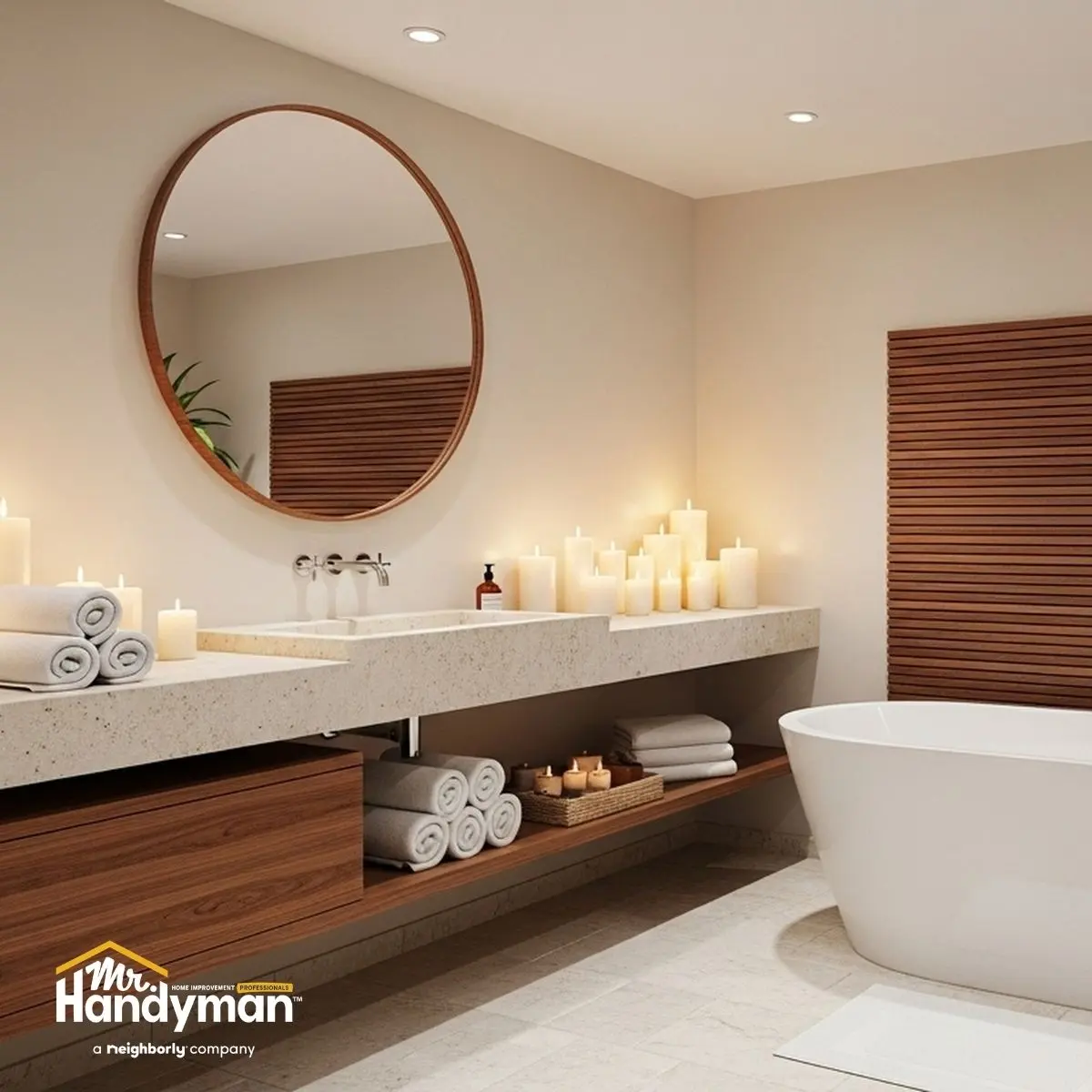
Bathroom updates follow the same pattern. Replacing a worn vanity faucet, installing a new light fixture above the mirror, refreshing caulk and grout in the shower surround, and replacing a toilet that is dated or running inefficiently are all projects that individually cost relatively little but collectively transform how a bathroom feels and presents. In the Lowcountry, where bathroom moisture management is a constant concern, the functional components of these updates carry practical value beyond aesthetics.
Flooring is a category where condition has an outsized effect on perceived home value. Buyers notice flooring immediately and consistently, and worn, scratched, or stained flooring creates an impression of neglect that affects how everything else in the home is perceived. Spring is an ideal time to address flooring because the moderate temperatures allow adhesives and finishes to cure properly and because the work can be completed before the heavy foot traffic of summer entertaining begins.
Finishing What the Foundation Started

The most visually compelling spring remodel can lose value quickly if the systems behind the walls and beneath the floors aren't in sound condition. Buyers in today's market are more inspection-aware than at any previous point in the real estate cycle. A home that presents beautifully but produces a long inspection report full of deferred maintenance items loses negotiating leverage at exactly the wrong moment. Spring is the right time to address those infrastructure items proactively — not because a sale is necessarily imminent, but because maintaining systems before they fail is always less expensive than replacing them after they do.
Crawl space condition is one of the most consistent inspection findings in Charleston and Summerville homes. The combination of the region's high humidity, the prevalence of crawl space construction throughout the area, and the reality that most homeowners rarely if ever inspect that space themselves creates conditions where deterioration progresses unnoticed for years. Spring inspections of crawl spaces frequently reveal vapor barrier damage or absence, insulation that has absorbed moisture and lost its effectiveness, wood framing that shows early signs of moisture damage, and evidence of pest activity that has gone unaddressed. Each of these findings is manageable when caught early and significantly more expensive when discovered at the point of a real estate transaction.
Addressing crawl space conditions in the spring — installing or replacing vapor barriers, correcting ventilation, replacing compromised insulation — protects the structural integrity of the home and eliminates the kind of inspection findings that give buyers reason to renegotiate price. For homeowners planning to sell within the next few years, this work done proactively rather than reactively changes the dynamic of the transaction in their favor.
Deck and porch condition is another area where Lowcountry homes face accelerated wear relative to homes in drier climates. The combination of intense UV exposure, high humidity, and the biological growth that the regional climate supports means that wood decking, railings, and structural framing degrade faster here than national averages suggest. A deck inspection in the spring should evaluate not just the surface boards — which are the most visible component — but the ledger board connection to the house, the post bases and their connection to footings, and the condition of joists and beams beneath the decking surface. Surface boards that look manageable can sit on top of structural framing that has been compromised by moisture over years.
Refinishing or replacing deck surfaces in the spring addresses both safety and value. A deck with soft boards, loose railings, or visible structural concerns communicates risk to buyers and creates liability for current owners. A deck that is structurally sound, properly refinished, and visually appealing adds genuine outdoor living value — particularly in the Lowcountry where outdoor spaces are usable for a larger portion of the year than in most other regions.
Specific Projects That Fit the Charleston and Summerville Market
The local real estate market has characteristics that should influence which projects get prioritized. Outdoor living spaces have strong resonance with buyers in this market. The climate supports outdoor entertaining for most of the year, and homes that offer well-maintained, functional outdoor spaces — whether that's a refinished deck, a screened porch in good condition, or a properly maintained yard — connect with buyers in ways that purely interior projects sometimes don't.
Screened porches are particularly valued throughout the region for practical reasons. They extend the usable outdoor season by providing protection from the insects that the Lowcountry climate supports abundantly. A screened porch with damaged or deteriorating screening, rotting frame members, or a floor surface that has seen better days is a liability rather than an asset. Restoring a screened porch to excellent condition in the spring — rescreening, repainting, and addressing any structural concerns — converts a negative impression into one of the more appealing features of the home.
Interior painting remains one of the highest-return projects in any market, and the spring conditions of the Lowcountry support it well. Neutral, contemporary color choices applied with quality paint and proper surface preparation refresh a home's interior more completely than almost any other single investment. The key distinction is preparation — walls that are properly cleaned, repaired, and primed before paint is applied look categorically different from walls that received a quick coat over existing imperfections. The difference is immediately visible and tells buyers something meaningful about the care that went into the work.
Lighting updates across the home represent another high-visibility, relatively modest-cost project that significantly affects how a home feels and photographs. Outdated fixtures in entryways, dining areas, and primary living spaces date a home in ways that buyers register immediately, often without consciously identifying the source of the impression. Replacing those fixtures with contemporary alternatives in the spring gives the home a current feel that supports both in-person showings and the online listing photos that shape buyer interest before a showing is ever scheduled.
FAQs About Spring Remodeling Projects and Home Value
Which spring remodeling projects have the best return on investment in this market?
In the Charleston and Summerville market, exterior improvements consistently perform well because curb appeal has significant influence on buyer perception and because the regional climate creates real maintenance needs that buyers factor into their evaluations. Interior kitchen and bathroom updates targeting finish elements rather than full renovations also deliver strong returns relative to their cost. Crawl space and structural improvements may not photograph well but protect value at inspection in ways that prevent costly renegotiations.
How do I decide between cosmetic updates and infrastructure repairs?
Infrastructure should lead. A home with a beautifully updated kitchen sitting on a compromised crawl space or with a roof approaching the end of its life will face those issues at inspection regardless of how appealing the finishes are. Address the systems and structural conditions first, then layer cosmetic improvements on top of a sound foundation. Buyers and their inspectors look past the cosmetics, and the infrastructure findings are what drive price adjustments.
Is it worth doing major renovations before selling?
Full kitchen and bathroom renovations before a sale rarely return their full cost in added sale price. Targeted updates — finishes, fixtures, hardware, paint — typically deliver better ratios of cost to value added than gut renovations. The exception is when a space has a specific condition that is actively deterring buyers, such as severely damaged cabinetry or flooring that is past the point of refinishing.
How important is exterior paint condition to home value in this area?
Very important, and more so here than in many other markets. The Lowcountry climate is hard on exterior paint, and buyers in this market are generally aware of that. A home with fresh, well-applied exterior paint signals that maintenance has been kept current. A home with visibly deteriorating paint raises questions about what else may have been deferred, and those questions affect buyer confidence and offers.
Can small repairs really affect home value, or do buyers only notice big projects?
Small repairs matter significantly, particularly in aggregate. A home where every minor item is addressed — sticky doors, loose hardware, cracked caulk, minor trim damage — presents as well-maintained regardless of its age. A home where those small items have accumulated over years presents as neglected even if the major systems are in good condition. Buyers notice the accumulation of small issues and factor it into their perception of the home's overall condition.
When should I start spring remodeling projects to be ready for the market?
For homeowners planning to list in summer, starting exterior projects in March and interior projects through April gives adequate time for completion and for any touch-up work before listing. Beginning earlier is always better than beginning later — rushed finishing work shows, and compressed timelines often mean that preparation steps get abbreviated, which affects the quality and longevity of the result.
Make This Spring Count With Mr. Handyman of Charleston and Summerville
Spring projects done well don't just improve how a home looks — they protect its value, prevent the deferred maintenance that costs more over time, and make the home genuinely better to live in through the seasons that follow. The difference between projects that deliver lasting value and those that fall short almost always comes down to the quality of execution.
Mr. Handyman of Charleston and Summerville brings the experience and local knowledge that Lowcountry homes require. From exterior repairs and deck restoration to interior updates and crawl space improvements, our technicians handle the full range of spring remodeling work with the thoroughness that makes results last.
🌐 Mr. Handyman of Charleston and Summerville
Reach out today to schedule a consultation or request a project assessment. Spring moves quickly in the Lowcountry — and the homeowners who start early finish with results that show it.
