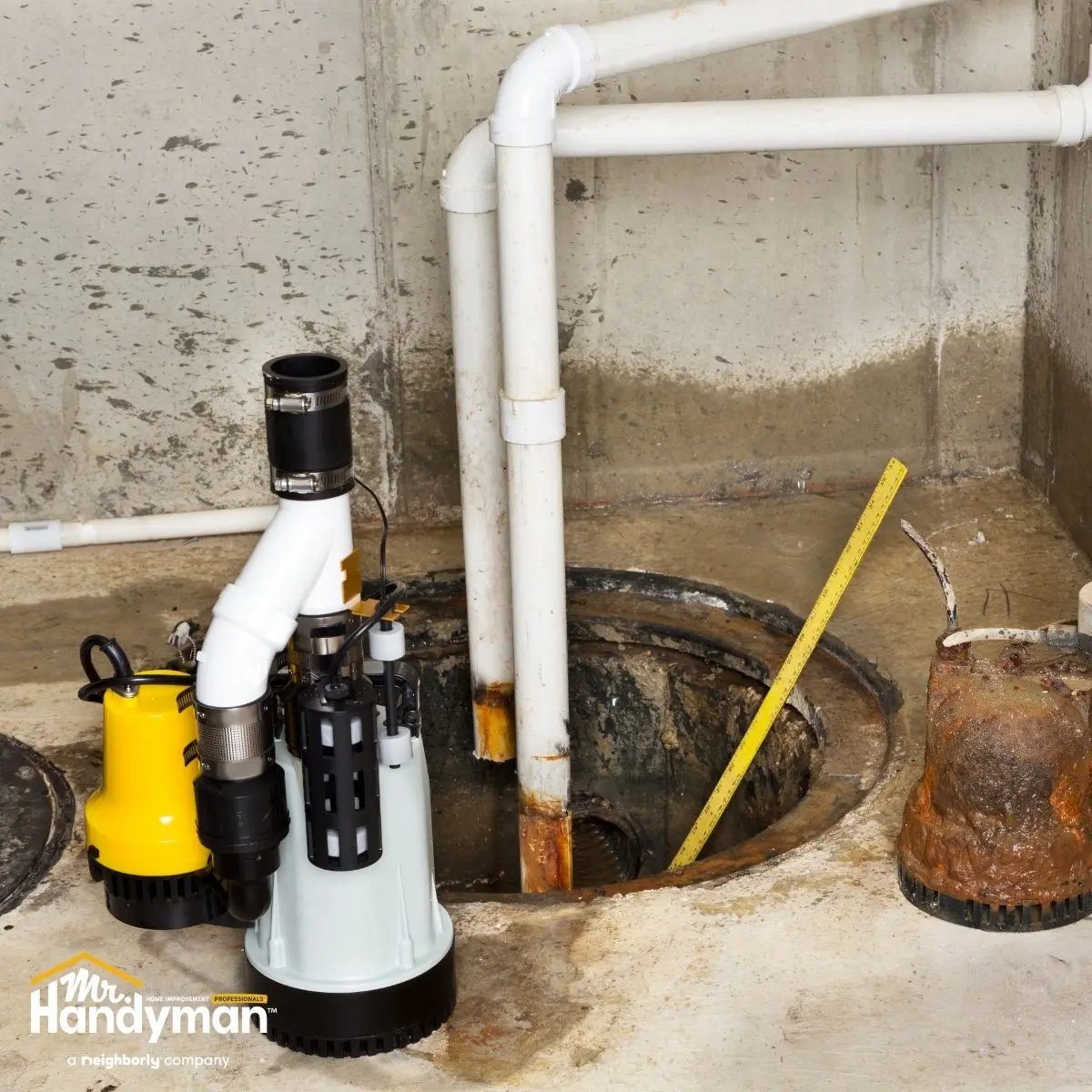
There are certain home systems that sit quietly out of sight and out of mind until the exact moment they're needed most. The sump pump is one of them. Tucked into a basement corner or crawl space pit, it does nothing for months at a time and then gets called on to perform reliably during the worst weather of the year. For homeowners who haven't tested or inspected their system since the last time it ran, that moment of need can quickly become a moment of failure.
In Charleston and Summerville, spring doesn't arrive gently. The season brings some of the region's heaviest rainfall, and it arrives on the heels of a winter that may have left the ground already saturated. Lowcountry soil doesn't drain quickly under normal conditions — the region's low elevation, high water table, and clay-heavy soils mean that water has nowhere to go fast. When spring storms drop several inches of rain in a short period, the pressure on crawl spaces and any below-grade areas of a home increases rapidly. A sump pump that hesitates, runs weakly, or fails entirely under those conditions can allow water intrusion that causes thousands of dollars in damage within hours.
Understanding why sump pump inspections matter, what they involve, and what failure looks like before it becomes catastrophic is exactly the kind of knowledge that protects a home through the wettest months of the year.
How a Sump Pump Works and Why It Fails
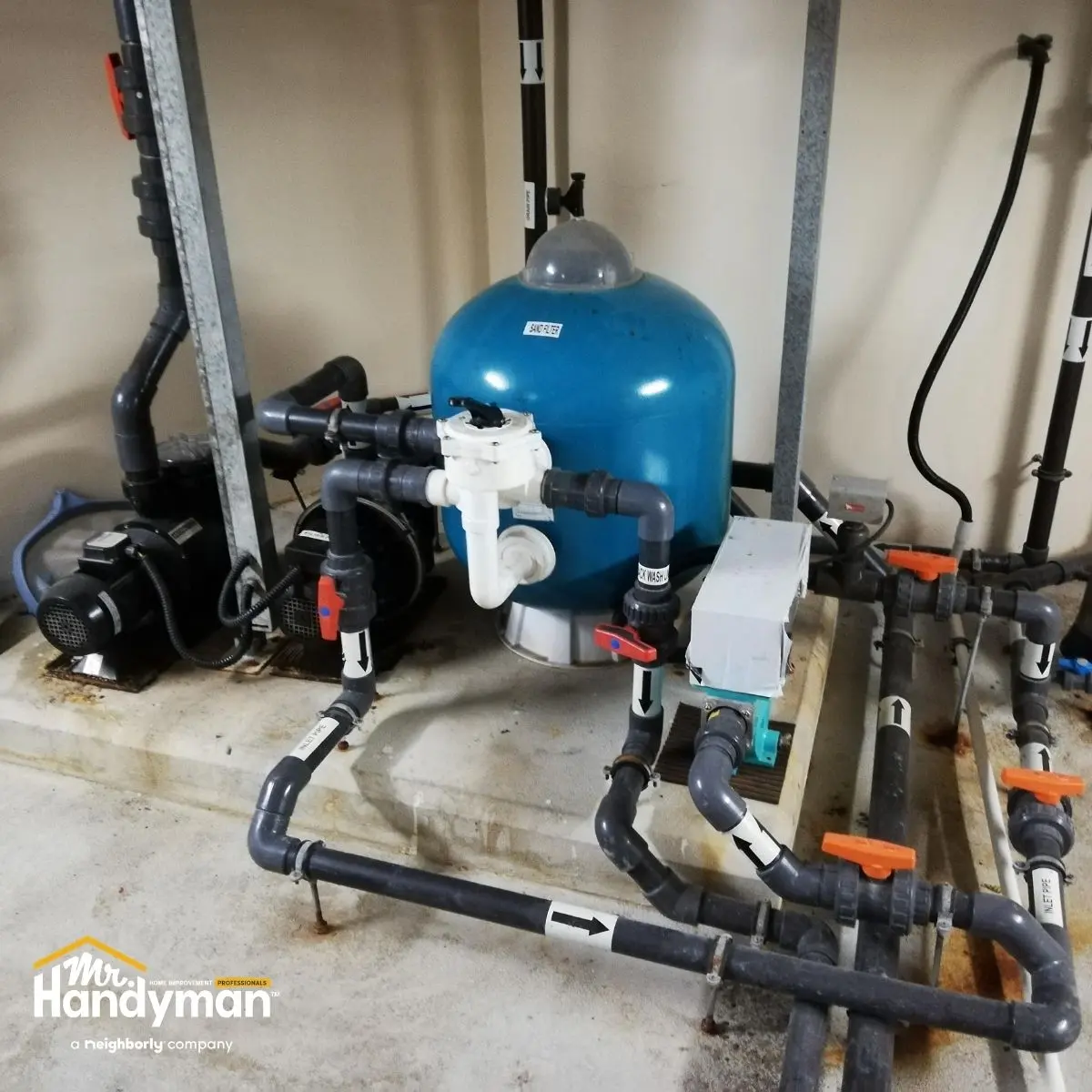
A sump pump is a relatively simple system. Water that accumulates in the soil around a home's foundation drains into a pit — the sump basin — through a series of perforated pipes or through natural soil migration. When the water level in that pit rises to a set point, a float switch activates the pump, which pushes the water up and out through a discharge line that directs it away from the foundation. When the water level drops, the float switch shuts the pump off. This cycle repeats as many times as conditions demand, sometimes dozens of times during a heavy storm.
The simplicity of the system is part of what makes it reliable under normal conditions. But that same simplicity means that when any single component fails, the entire system fails. The float switch is the most common point of failure — it can become stuck in the off position due to debris, corrosion, or mechanical wear, meaning the pump never activates even as water rises in the basin. The pump motor itself can burn out, particularly if it ran dry during a previous activation cycle or if it has been sitting unused long enough for internal components to seize. The discharge line can freeze in cold weather or become obstructed by debris, creating back pressure that prevents the pump from moving water effectively even when it's running.
In the Charleston and Summerville area, the crawl space environment adds another layer of complexity. Sump systems in crawl spaces are exposed to higher ambient humidity than those in finished basements, and that constant moisture exposure accelerates corrosion on electrical connections, float switch mechanisms, and the pump housing itself. A unit that has been in a humid crawl space for several years without inspection may show significant corrosion on components that appear functional from the outside but are operating at reduced reliability.
What Happens When a Sump Pump Fails During a Spring Storm
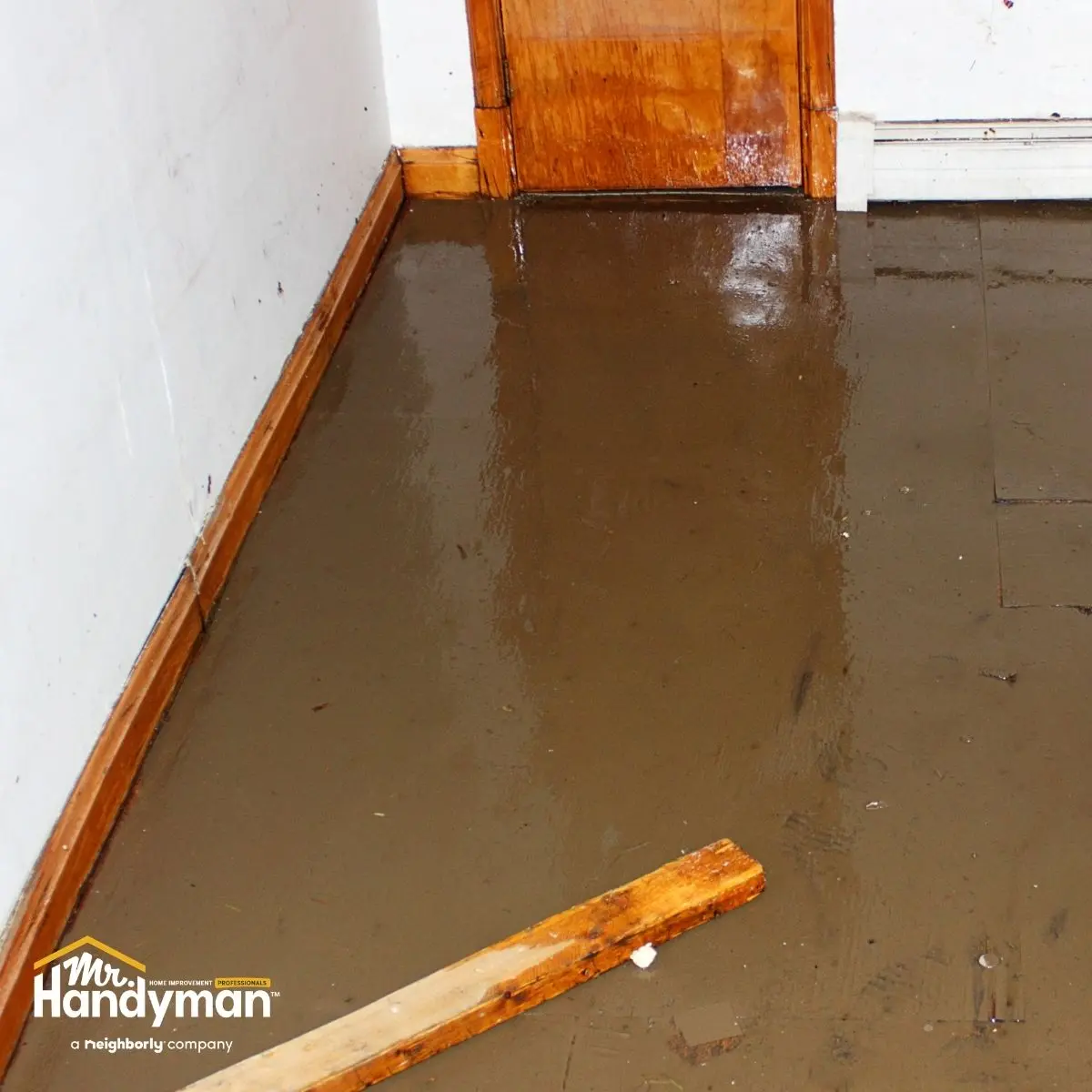
The consequences of sump pump failure depend on the home's construction and the severity of the weather event, but in either case they move fast. In a home with a crawl space, pump failure during heavy rain allows water to accumulate beneath the floor structure. That water doesn't need to reach floor level to cause damage — standing water in a crawl space raises humidity levels dramatically, which accelerates mold growth on floor joists and subfloor materials, promotes wood rot, and creates conditions that attract pests. In severe cases, standing water can reach the base of insulation and wick upward into floor framing.
The damage timeline in these situations is shorter than most homeowners expect. Mold can establish itself within 24 to 48 hours in the warm, moist environment of a Lowcountry crawl space. Wood that stays wet begins to soften and lose structural integrity over days to weeks. And because crawl spaces are rarely monitored during or immediately after a storm, the damage often has significant time to develop before it's discovered.
Beyond the structural concerns, water intrusion into a crawl space during spring rains often carries soil sediment and organic material that remains behind when the water recedes. This residue supports biological growth and creates odor problems that migrate into the living space above, sometimes persisting long after the original water event has passed.
Signs Your Sump Pump Needs Attention Before Spring
A sump pump that is approaching failure rarely does so without warning. The challenge is that those warnings are easy to miss if the system isn't being observed regularly. Unusual noises during operation are one of the most consistent early indicators. A pump that is running louder than usual, making grinding or rattling sounds, or cycling on and off more frequently than conditions seem to warrant is signaling that something inside the system is working harder than it should. These sounds often indicate worn impeller components, debris interference, or a motor that is beginning to degrade.
Visible rust or corrosion on the pump housing, discharge pipe connections, or the float switch assembly indicates that moisture has been affecting those components. Surface corrosion on external parts is a reliable indicator that internal components are experiencing similar or worse degradation, particularly in the high-humidity environment of a Lowcountry crawl space.
A pump that runs continuously without shutting off is a clear sign that either the float switch has failed in the on position or that the system is overwhelmed by incoming water volume and cannot keep pace. Either condition requires immediate attention. Continuous operation burns out pump motors faster than any other pattern of use, and a motor that has been running continuously through a storm event may be significantly closer to failure than its age alone would suggest.
Water in the sump basin that isn't triggering the pump is perhaps the most urgent warning sign of all. If water is visibly present in the pit but the pump isn't activating, the float switch has failed and the system will not respond when it's needed.
Testing Your Sump Pump Before the Season Begins
The most straightforward test of a sump pump's basic function takes only a few minutes. Slowly pouring water directly into the sump basin until the float switch activates confirms that the pump turns on and that it moves water effectively through the discharge line. Watching the water level drop and confirming that the pump shuts off when the float drops back to its resting position confirms the full cycle is working as it should.
This basic test doesn't confirm everything about the system's condition, but it identifies the most common failure modes quickly. A pump that doesn't activate, activates but doesn't move water, or doesn't shut off after the water clears all indicate problems that need to be addressed before spring rains arrive.
Inspecting the discharge line from the pump to its exterior exit point is equally important. The line should be clear of obstructions and should terminate at a point that directs water well away from the foundation. A discharge line that empties too close to the home simply returns water to the soil near the foundation, undermining the entire purpose of the system. In the Lowcountry, where soil saturation near foundations is already a concern during heavy rain, proper discharge placement matters significantly.
Expanding Your Protection Beyond the Pump Itself
A functioning sump pump is the centerpiece of a crawl space or below-grade water management system, but it doesn't operate in isolation. The conditions around it, the infrastructure supporting it, and the backup systems available when it can't keep up all determine how well a home is protected when spring rains arrive in force. Thinking about the full system rather than just the pump itself is what separates a home that stays dry from one that sustains damage despite having a pump installed.
The sump basin itself deserves inspection as part of any pre-season check. Basins accumulate debris over time — sediment, gravel, and organic material that washes in from the surrounding soil. That debris settles at the bottom of the pit and can interfere with the float switch, obstruct the pump intake, or cause the pump to work harder than necessary to move water. A basin that hasn't been cleaned in several years may have a meaningful layer of sediment affecting how the system operates, and cleaning it out is a straightforward maintenance step that improves reliability.
The check valve on the discharge line is another component that warrants attention before spring. This valve prevents water that has already been pumped out from flowing back into the basin when the pump shuts off. A check valve that has failed or is seating improperly allows water to return to the pit, which triggers the float switch again and causes the pump to cycle repeatedly in short bursts — a pattern that accelerates motor wear significantly. Confirming that the check valve is functioning correctly during a pre-season inspection eliminates this as a source of unnecessary stress on the pump.
Electrical connections serving the sump pump should also be part of the inspection. The pump needs a dedicated circuit with a ground fault circuit interrupter outlet given that it operates in a wet environment. Connections that have developed corrosion or that show any sign of moisture intrusion at the outlet represent both a reliability risk and a safety concern. In the high-humidity environment of a Lowcountry crawl space, electrical components near the sump pit deserve the same attention as the mechanical ones.
The Case for a Backup Sump Pump in the Lowcountry
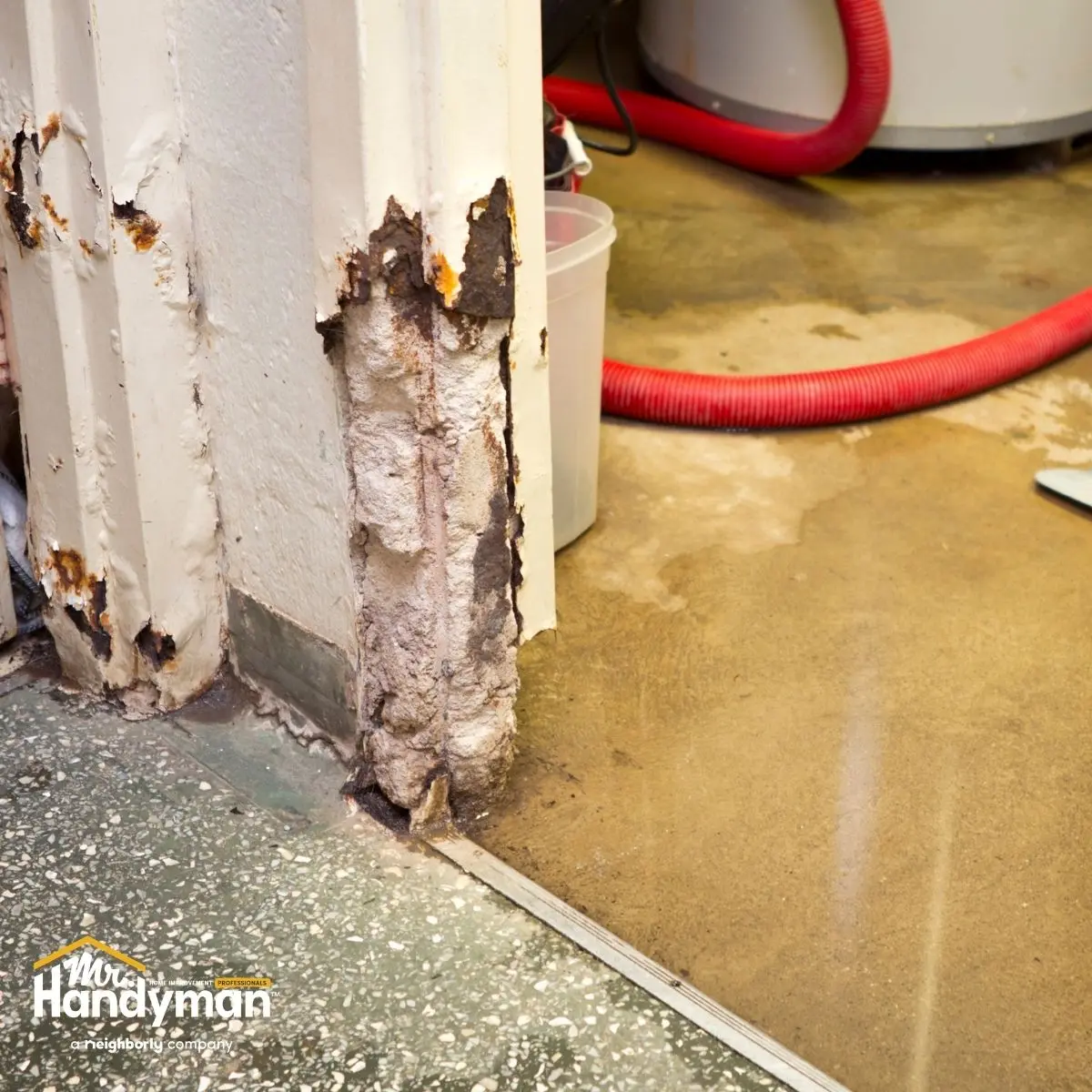
A primary sump pump that is in perfect working condition still has one significant vulnerability — it depends on electricity. Spring storms in the Charleston and Summerville area regularly produce the kind of weather that causes power outages. Thunderstorms, tropical systems moving through the region, and the sustained rainfall events that accompany frontal passages can all knock out power at exactly the moment when the sump pump is working hardest. A home with a functioning primary pump but no backup is fully protected in normal conditions and completely unprotected the moment power is lost.
Battery backup sump pumps address this directly. These systems sit alongside the primary pump and activate automatically when the primary pump fails to keep up, when power is lost, or when the water level in the basin rises beyond the normal activation point. The battery unit runs independently of the home's electrical supply and can operate for several hours to a full day depending on how frequently it cycles, which is typically enough to carry a home through a storm-related outage until power is restored.
For homes in lower-lying areas of Charleston and Summerville, or for homes where previous water intrusion events have occurred, a battery backup isn't a luxury addition — it's a practical necessity. The cost of a backup system is a fraction of what water intrusion damage costs to remediate, and the peace of mind it provides during a severe storm event has real value for homeowners who have experienced what happens without one.
Water-powered backup pumps offer an alternative for homes with sufficient municipal water pressure. These systems use the pressure of incoming water supply to create suction that draws water from the basin, requiring no electricity and no battery maintenance. They are less powerful than battery backup units but require essentially no maintenance and have no battery replacement cycle to manage. For the right home and situation, they represent a reliable and low-maintenance layer of backup protection.
How Charleston and Summerville's Spring Season Creates Unique Pressure
Spring in the Lowcountry arrives with a combination of conditions that is genuinely different from what homeowners in other parts of the country experience. The region's flat topography and proximity to tidal systems means that groundwater levels are already elevated through much of the year. When spring rainfall adds to that baseline, the soil reaches saturation quickly and water has limited places to move except laterally toward foundations and into low-lying crawl spaces.
The timing of spring weather events in the region also tends toward intensity. Rather than a gradual increase in rainfall spread across many moderate events, the Lowcountry spring frequently delivers concentrated rainfall in short periods — the kind of storms that drop two to four inches in a matter of hours. These events test sump systems far more aggressively than steady moderate rain, and they do so with little warning. A pump that performs adequately during lighter rain may be overwhelmed during an intense spring storm if it hasn't been properly maintained or if its capacity is marginal relative to the water volume entering the basin.
Homes in areas with known drainage challenges — neighborhoods in lower-lying parts of Charleston, areas near tidal waterways, and communities in Summerville that were developed on historically wet ground — face additional pressure during these events. For homeowners in these areas, a pre-season sump pump inspection isn't optional maintenance. It's a direct line of defense between the home and a water event that the surrounding landscape is not equipped to handle on its own.
FAQs About Sump Pump Inspection and Spring Preparation
How often should a sump pump be inspected?
At minimum, a sump pump should be tested and visually inspected twice a year — once before spring rain season and once before any period of heavy seasonal rainfall. In the Charleston and Summerville area, adding a quick check after any significant storm event is a reasonable additional step, particularly for older units or systems in homes with known drainage challenges.
What is the typical lifespan of a sump pump?
Most sump pumps have a functional lifespan of seven to ten years under normal operating conditions. Units in high-humidity crawl space environments or those that cycle frequently due to high groundwater levels may reach the end of their reliable service life closer to the lower end of that range. A pump approaching or past ten years old should be evaluated seriously for replacement rather than continued service.
Does a sump pump need professional servicing or can I inspect it myself?
Basic function testing — pouring water into the basin and confirming the pump activates and shuts off — is something most homeowners can do themselves. A more thorough inspection that includes checking electrical connections, inspecting the check valve, cleaning the basin, and evaluating the discharge line routing is more reliably done by a professional, particularly in crawl space installations where access and visibility are limited.
What should I do if my sump pump runs continuously?
Continuous operation without shutting off indicates either a stuck float switch or incoming water volume that exceeds the pump's capacity. Neither condition should be left unaddressed. Continuous running burns out motors quickly, and if the cause is excessive water volume, the pump may already be losing ground. Contact a professional to assess the system and determine whether the issue is mechanical or a capacity problem requiring a more powerful unit.
Is a battery backup sump pump worth the cost in this area?
For most homes in Charleston and Summerville, yes. The combination of intense spring storms, frequent power outages during severe weather, and the elevated water table throughout the region makes backup protection a practical investment rather than an optional upgrade. The cost of a backup unit is significantly less than the cost of addressing water intrusion damage after a storm-related power outage.
How do I know if my discharge line is positioned correctly?
The discharge line should terminate at least ten feet from the foundation, sloping away from the home so water drains naturally in the right direction. It should not empty into a low area that allows water to pool and migrate back toward the foundation. If the termination point is unclear or if you've noticed water pooling near the foundation after the pump runs, having the discharge configuration evaluated is worthwhile.
Schedule Your Pre-Spring Sump Pump Inspection Today
Spring in the Lowcountry doesn't give much warning before it arrives in force. The time to confirm that your sump pump is ready is before the first heavy rain of the season, not during it. Mr. Handyman of Charleston and Summerville provides thorough sump pump inspections and can handle repairs, replacements, and backup system installations that give your home real protection through the wettest months of the year.
Our technicians understand the specific drainage challenges that come with Lowcountry homes — the high water table, the crawl space construction, and the kind of storms that test every system in a home simultaneously. We approach every inspection with the thoroughness that the stakes of the season demand.
🌐 Mr. Handyman of Charleston and Summerville
Reach out today to schedule your pre-spring inspection or request a consultation about backup protection options. A small investment in preparation now prevents the kind of damage that costs far more to address after the fact.