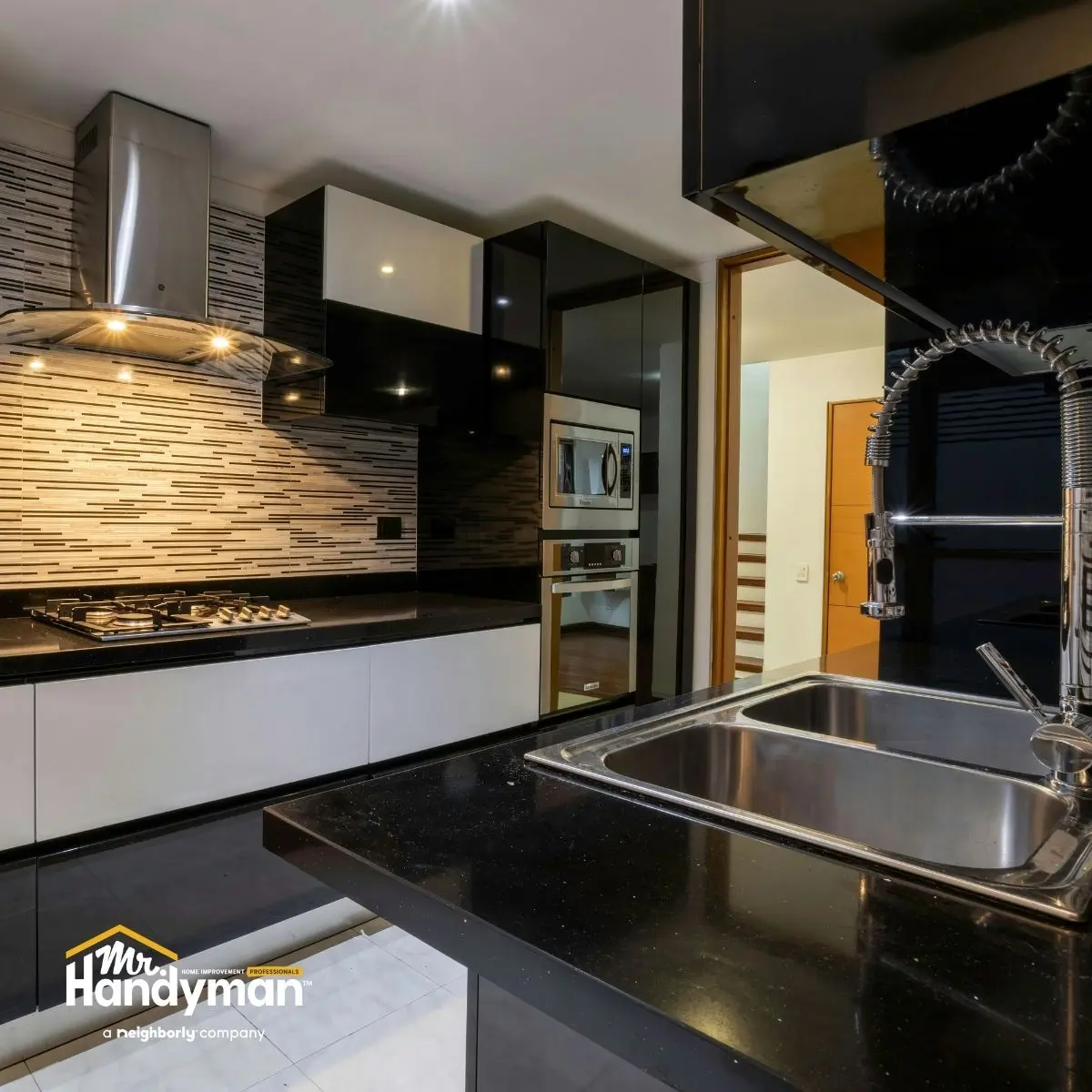
The Kitchen Works Harder Than Any Other Room in Your Home
The kitchen is the most used room in most homes, and the plumbing fixtures in it reflect that reality over time. Faucets cycle on and off dozens of times a day. The garbage disposal runs through food waste after every meal. The dishwasher connection handles the pressure and heat of multiple cycles per week. Supply lines and shut-off valves that have not been touched in years sit quietly under the sink, aging in place while the demands on them remain constant.
In Charleston and Summerville, that daily workload plays out against a backdrop of conditions that accelerate fixture wear in ways that homeowners in drier or more moderate climates do not experience. The Low Country's high ambient humidity creates the environment for mineral deposit accumulation, corrosion at exposed metal components, and the biological growth in drain lines that the region's warm temperatures sustain year-round. Hard water conditions across portions of the Lowcountry water supply add to the mineral accumulation that reduces fixture performance over time. And the warm, humid conditions that South Carolina summers deliver to kitchen spaces create the environment where aging fixtures and connections deteriorate faster than their rated service life suggests.
Charleston and Summerville homeowners who have lived with the same kitchen plumbing fixtures for ten or more years are often living with equipment that is quietly underperforming, wasting water, or building toward a failure that will arrive without much warning. Replacing kitchen plumbing fixtures is not purely a cosmetic decision. It is a functional upgrade that affects water efficiency, daily convenience, long-term reliability, and the value of the home.
What Aging Kitchen Fixtures Actually Cost You
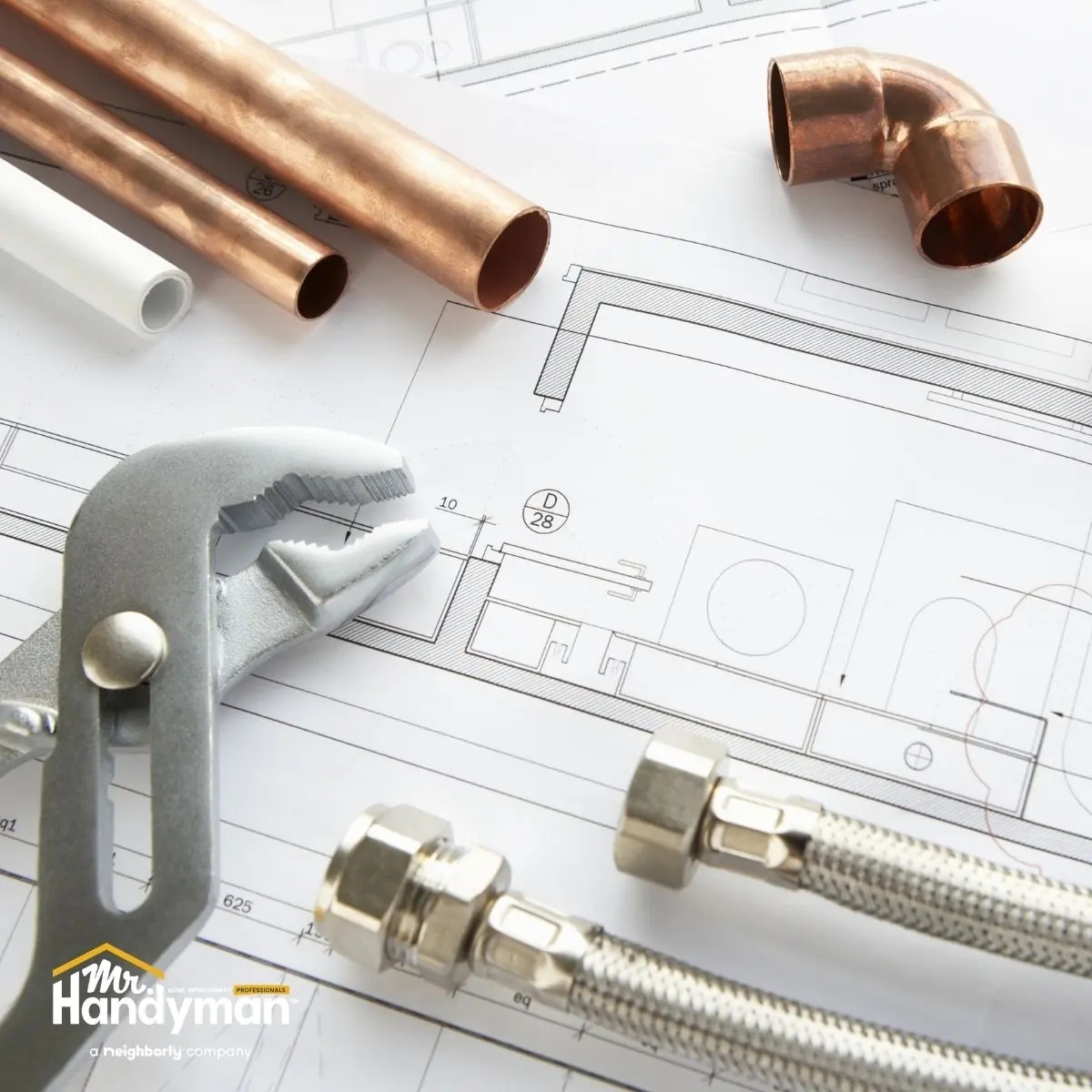
Before examining what, new fixtures provide, it is worth understanding what older ones quietly take away in a Low Country home specifically.
An older kitchen faucet with worn internal components may drip at a rate that seems trivial but adds up to thousands of gallons of wasted water annually. Charleston Water System and Summerville CPW rates reflect the infrastructure investment of serving a rapidly growing coastal community, and water waste that runs continuously on monthly bills compounds in ways that a fixture replacement investment pays back within a reasonable timeframe.
Older supply lines beneath the kitchen sink represent a risk that is specifically elevated in Low Country homes. Supply lines in the warm, humid environment beneath kitchen sinks in Charleston and Summerville homes experience the accelerated degradation that the region's ambient conditions drive in rubber and plastic materials. A supply line that fails in a kitchen located above a finished space or adjacent to cabinetry containing valuable items releases water volume quickly in an environment where the resulting moisture conditions support mold growth faster than a drier climate would allow for remediation.
Garbage disposals lose efficiency gradually in ways that Low Country drain line conditions make more consequential than in moderate climates. Partial processing leaves organic material in drain lines that the warm temperatures of Charleston and Summerville's year-round climate allow to decompose in ways that produce odors and biological growth more aggressively than cooler climates experience.
The Functional Case for New Kitchen Faucets
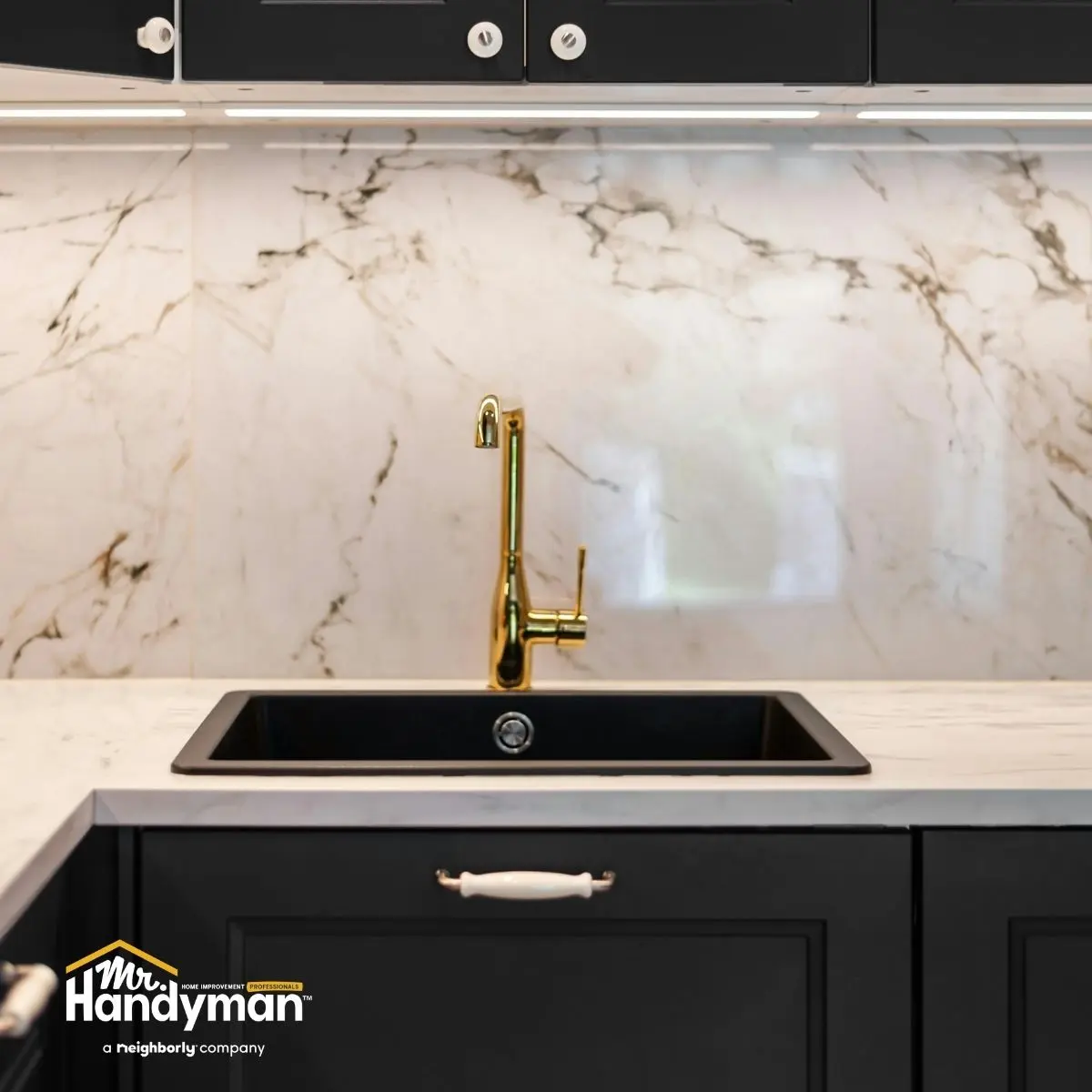
A new kitchen faucet delivers daily return on investment that accumulates through every use in a home where the kitchen serves the active social and culinary culture that Charleston and Summerville's communities are known for.
Water efficiency improvements in modern WaterSense-rated faucets deliver consistent savings against the water rates that Low Country utilities charge and that have trended upward alongside the region's significant population growth. A faucet delivering strong, functional flow at meaningfully reduced water consumption per minute produces savings that compound through South Carolina's year-round cooking and entertaining seasons.
Functionality and convenience in current faucet designs reflect the active kitchen culture that Low Country homeowners support. Pull-down spray heads, high-arc spouts accommodating the large pots that Low Country culinary traditions require, and multiple spray modes all represent practical improvements over older installations that were functional for their era but that do not serve current kitchen use patterns.
Reliability from a new faucet with fresh internal components, properly installed with new supply lines, delivers the consistent performance that daily Low Country kitchen use demands. There are no worn cartridges, degraded O-rings, or partially blocked aerators carrying mineral deposit accumulation from years of regional water service.
In Charleston's historic homes where kitchen fixtures may be original to renovations done decades ago, the gap between what those fixtures provide and what a current replacement offers is particularly wide. In Summerville's newer construction where builder-grade fixtures were selected for cost rather than quality, the same investment in quality replacement produces disproportionate daily return.
Garbage Disposal Upgrades
The garbage disposal serves the Low Country kitchen's specific demands in ways that undersized or aging units fail to meet. Charleston and Summerville's culinary culture, which draws on the seafood, produce, and food traditions that define Low Country cooking, generates food waste volumes and waste types that disposal capacity and design specifically need to address.
Motor capacity matters in a kitchen processing the food waste that active Low Country cooking produces. Seafood shells, vegetable matter, and the general food waste of frequent entertaining all test disposal capacity in ways that builder-grade units serving these homes often cannot sustain reliably.
Noise reduction in current disposal designs is a genuine quality of life improvement in the open kitchen layouts that define both Charleston's renovated historic homes and Summerville's newer residential construction.
Drain line health in Low Country homes improves when a disposal processes waste completely. Organic material left in drain lines by an inadequate disposal decomposes in the warm conditions that Charleston and Summerville's climate maintains year-round, contributing to the odors and biological growth that the region's ambient temperatures accelerate.
Sink and Drain Upgrades
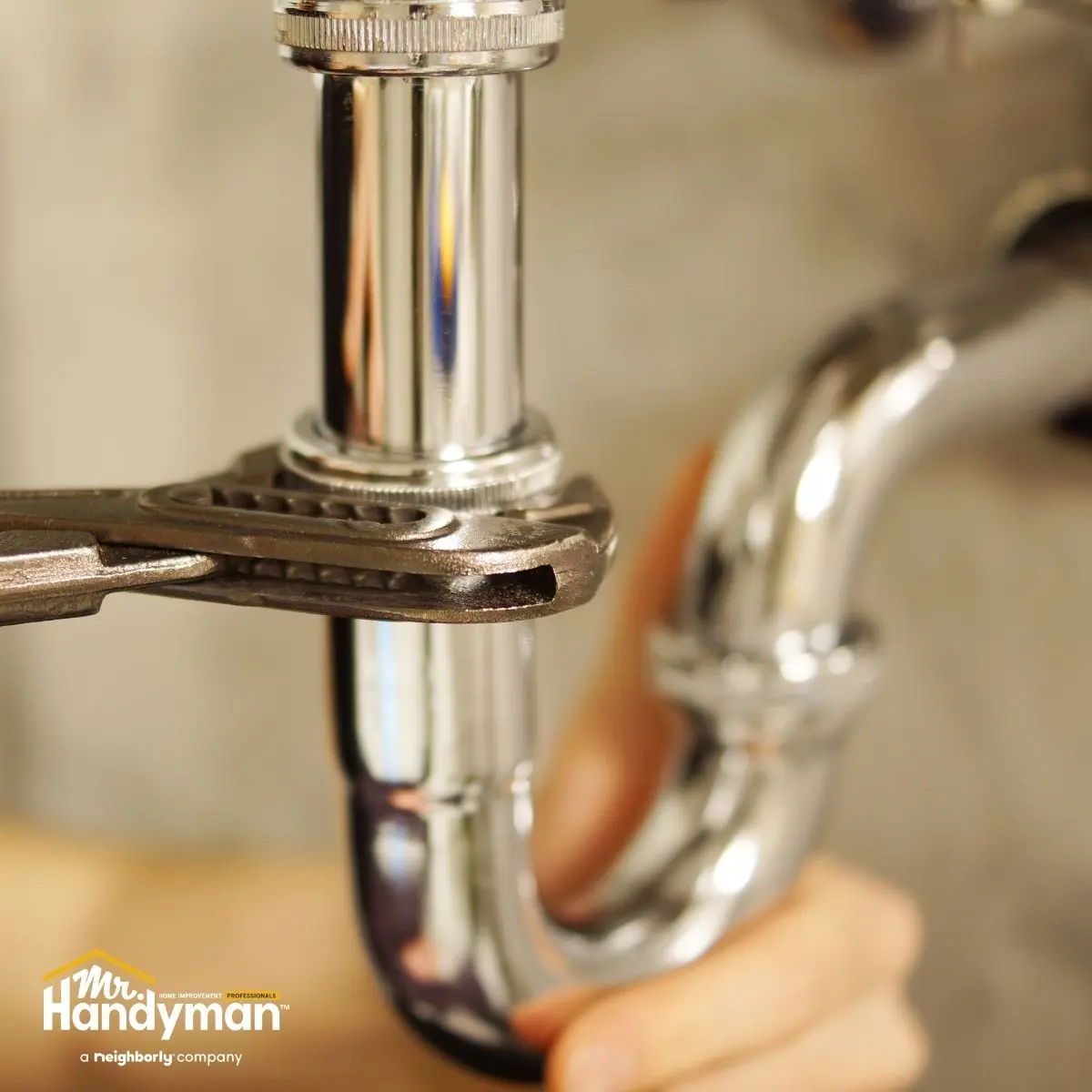
When kitchen fixture work is underway, the drain assembly and basket strainer are worth evaluating. Corrosion at drain connections in Low Country homes accumulates faster than in drier climates because the ambient humidity and the warm temperatures the region maintains year-round accelerate the oxidation that aging metal drain components experience at every joint and connection point.
How New Kitchen Fixtures Affect Home Value in Charleston and Summerville
Kitchen updates consistently rank among the highest-return improvements a homeowner can make, and plumbing fixture upgrades carry specific market weight in Charleston and Summerville's active real estate environment.
Charleston's residential market operates across a range of property types and price points, from the historic Peninsula homes that command premium values to the established neighborhoods of West Ashley, James Island, and Mount Pleasant. Across that range, kitchen condition is among the most consequential factors in buyer evaluation, and outdated or failing plumbing fixtures communicate the deferred maintenance that buyers use to negotiate price reductions that typically exceed the cost of the fixture upgrades that would have prevented those conversations. A kitchen faucet that drips, a disposal that grinds poorly, or supply lines showing visible age are details that home inspectors identify and buyers leverage.
Summerville's market reflects the community's significant growth trajectory and the buyer profile that accompanies it. Families relocating to the Charleston metro area, professionals moving to the region for employment, and buyers comparing multiple properties in Summerville's active inventory all evaluate kitchen functionality as part of move-in readiness assessments that fixture condition directly affects. A Summerville kitchen with updated fixtures presents as ready to occupy in ways that buyers in a competitive market respond to with stronger offers and fewer contingencies.
For homeowners with no near-term sale plans, the value argument holds equally in daily quality of life terms. A kitchen functioning at a higher level delivers returns through every meal prepared and every gathering hosted in a community where kitchen and table culture is as central to daily life as anywhere in the country.
Room Scenarios: What Fixture Upgrades Look Like in Practice
For households that cook frequently and entertain regularly, which describes a significant portion of Charleston and Summerville's residential population given the food and hospitality culture of the Low Country, a high-arc pull-down faucet delivers immediate and daily practical return. Low Country cooking traditions that involve large pots, fresh seafood, and significant produce preparation all benefit from the reach and spray flexibility that current faucet designs provide over older low-arc alternatives.
For households managing water costs in a region where Charleston Water System and Summerville CPW rates reflect the infrastructure demands of a rapidly growing coastal community, WaterSense-rated fixture efficiency delivers consistent monthly savings that compound across South Carolina's year-round kitchen use season. Unlike northern climates where winter reduces kitchen activity, Low Country kitchens operate at consistent demand throughout the year.
For households dealing with an aging disposal, the daily friction of processing Low Country cooking's specific food waste volumes through a unit that struggles is something that a replacement resolves immediately and completely. A disposal that processes cleanly on the first run and operates quietly changes the kitchen experience in ways that are noticed with every use.
What to Evaluate Before Choosing New Kitchen Fixtures
Water pressure compatibility matters in Charleston and Summerville homes where aging pressure regulators, older supply infrastructure in historic neighborhoods, or the pressure variation that the region's water systems can deliver may affect how high-performance faucet designs function in practice. Confirming adequate incoming pressure before selecting fixtures prevents performance disappointment after installation.
Sink configuration in both Charleston's older homes and Summerville's newer construction varies in ways that determine faucet compatibility. Historic Charleston kitchens that have been renovated multiple times may have non-standard configurations. Confirming existing hole count and deck plate requirements before selection prevents installation surprises.
Disposal sizing for Low Country kitchen use should reflect actual food waste volumes rather than the minimum available capacity. Households cooking Low Country recipes regularly, processing seafood, and entertaining frequently should consider three-quarters horsepower at minimum. The region's year-round entertaining culture makes disposal adequacy a daily rather than occasional consideration.
Finish durability in the Low Country's humid environment carries more practical significance than finish choices in drier climates. Brushed nickel and matte black finishes resist the mineral deposit visibility and surface oxidation that Charleston and Summerville's ambient conditions promote on exposed fixture surfaces. Selecting finishes that perform well in high-humidity environments reduces the maintenance that fixture appearance requires through South Carolina's year-round humid conditions.
Why Professional Installation Makes a Difference
A kitchen faucet that is not properly seated develops leaks at the base that allow water into the cabinet below, and in Low Country conditions where the resulting moisture finds no quick drying environment, those leaks support mold growth that a properly installed faucet would never have created. Supply line connections that are hand-tightened rather than properly torqued fail under pressure cycling in ways whose consequences are more severe in the Low Country's humid environment.
In Charleston's older homes where under-sink plumbing may include aging shut-off valves that have not been operated in years, professional installation means having someone present who can identify a valve that fails to close properly when the supply is shut down. In the Low Country's warm, humid environment, that experience matters for completing the job without creating new problems in the process.
Frequently Asked Questions
How long should a quality kitchen faucet last in a Low Country home? A well-made kitchen faucet properly installed and maintained should last fifteen to twenty years. Builder-grade faucets in many Summerville homes and older fixtures in Charleston renovations often fall short of that range, particularly when Low Country humidity conditions accelerate internal component wear beyond what the rated service life assumes for moderate climates.
Is it worth replacing supply lines when installing a new faucet? Always, and particularly in Low Country homes where the ambient humidity conditions that under-sink cabinet spaces experience accelerate supply line degradation. Any fixture installation is the right time to replace lines regardless of apparent condition.
How do I know what disposal size is right for my Low Country household? A half-horsepower unit is adequate for light use. Households of three or more who cook regularly, process seafood, or entertain frequently should consider three-quarters horsepower minimum. The year-round kitchen activity that Low Country living supports makes disposal adequacy more consequential here than in regions with shorter cooking seasons.
Will new fixtures work with my existing plumbing in an older Charleston home? In most cases yes, though older Charleston homes with non-standard supply sizing or galvanized pipe connections may require minor adaptation that a professional installer identifies and addresses during the project.
How disruptive is kitchen fixture replacement? A faucet and disposal replacement typically takes a few hours with same-day return to full kitchen use. Spring timing makes this work particularly well-suited given Charleston and Summerville's upcoming summer entertaining season.
A Kitchen That Works the Way It Should
New kitchen plumbing fixtures are a practical investment in a room that your household depends on every day through the Low Country's year-round cooking and entertaining culture. Better efficiency, improved reliability, and the elimination of fixtures that are quietly failing all add up to a kitchen that functions correctly without the daily friction of working around its limitations.
The team at Mr. Handyman of Charleston and Summerville has the experience to help you select the right fixtures and install them correctly the first time.
Website: https://www.mrhandyman.com/charleston-summerville/
Serving homeowners throughout Charleston and Summerville with dependable service and the expertise your home deserves.