.webp)
Safety equipment in gyms serves a singular critical purpose—preventing injuries and saving lives when emergencies occur. Unlike aesthetic features or comfort amenities, safety equipment must function flawlessly 100% of the time because the one moment it fails could be the exact moment someone needs it to prevent a fall, respond to a medical emergency, or evacuate during a fire. The challenge is that most safety equipment sits unused for months or years between actual emergencies, creating a dangerous false sense of security when equipment hasn't been tested and maintained properly.
The legal and liability implications of failed safety equipment are severe. When someone falls because a handrail wasn't properly secured, when grab bars pull out of walls causing injuries, or when emergency systems fail during actual emergencies, the resulting lawsuits examine whether you maintained and inspected equipment properly. Courts don't accept "we didn't know it was broken" as a defense when regular inspections would have revealed problems. Documentation proving regular inspection and maintenance becomes your protection against claims that you operated negligently. Without that documentation, you're vulnerable regardless of how careful you actually were.
In Charleston and Summerville, environmental factors create unique challenges for safety equipment maintenance. Humidity accelerates corrosion on metal components, loosens fasteners as materials expand and contract with temperature and moisture changes, and promotes rust on anchoring hardware hidden behind wall finishes. Older buildings common throughout the area may have safety equipment mounted into substrates that weren't designed for modern loading requirements—grab bars and handrails are only as strong as their mounting, and deteriorating wall structures or improper original installation create failures waiting to happen.
The business case for rigorous safety equipment inspection is straightforward. Preventing a single serious injury avoids potential medical costs, legal fees, settlement payments, and insurance premium increases that dwarf the modest cost of regular inspection and maintenance. Beyond the financial calculation, member confidence in your facility depends partly on visible evidence that safety is prioritized. When members see damaged handrails, loose grab bars, or non-functional emergency equipment, they question what other safety issues you're ignoring. Maintaining pristine safety equipment demonstrates the care and professionalism that keeps members loyal and attracts new ones.
Critical Handrail Inspection Points
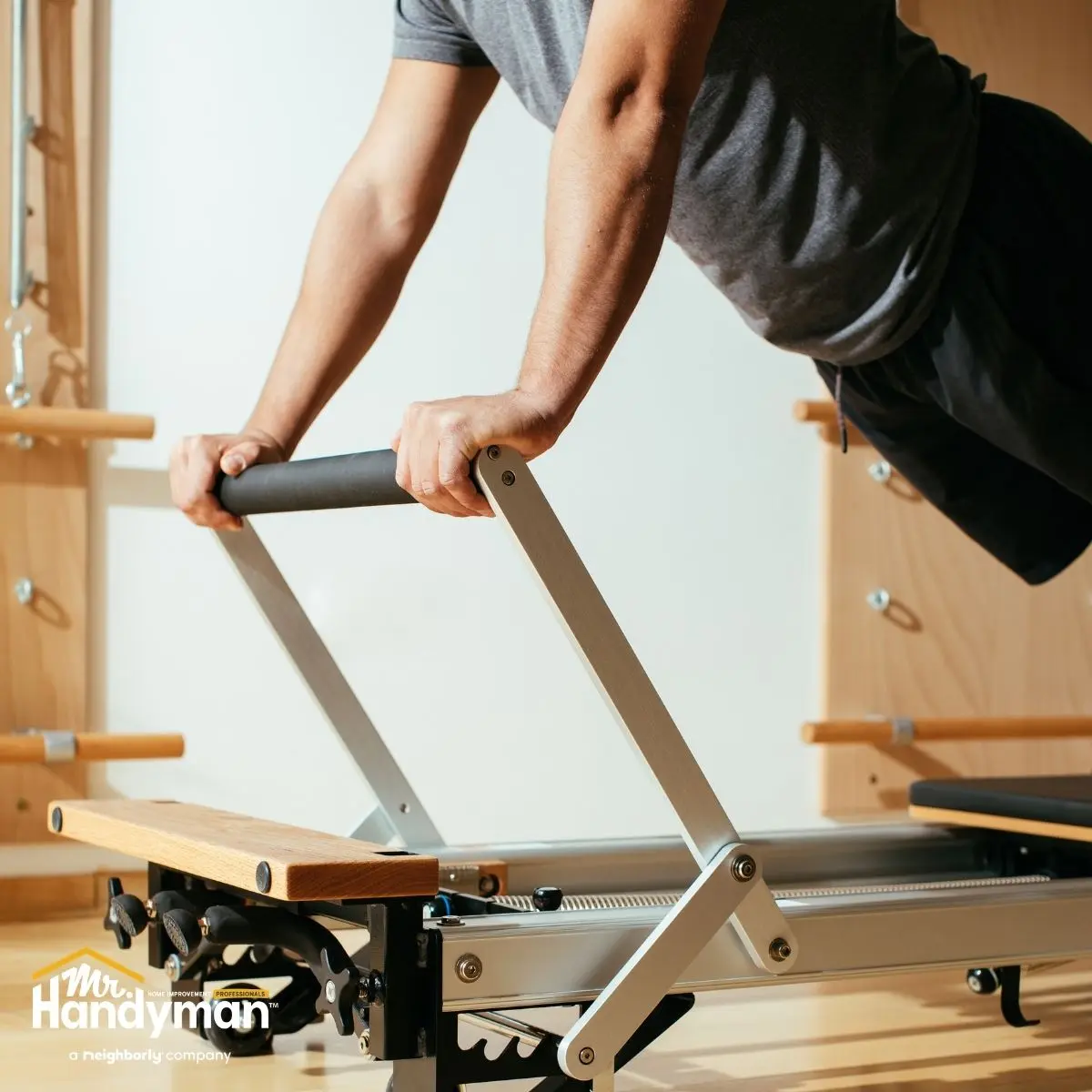
Mounting security determines whether handrails will support someone's full weight during a fall or pull away from walls causing more serious injuries. Handrails must be anchored into structural elements—wall studs, blocking, or masonry—not just drywall. Over time, fasteners can loosen from vibration, humidity cycles causing expansion and contraction, or simply inadequate initial installation. Testing mounting security requires applying firm downward and outward pressure while checking for any movement at mounting points. Even slight movement indicates loosening that will worsen until failure occurs. Tightening loose fasteners immediately prevents progression to complete failure.
Structural integrity of the handrail itself includes checking for cracks, bends, corrosion, or damage that weakens the rail's ability to support loads. Metal handrails can corrode from inside out in humid environments, appearing sound externally while being weakened internally. Impact damage from equipment or cleaning equipment creates stress concentrations where failures begin. Welded joints on metal rails can crack from repeated loading. Wood handrails can split or crack from moisture cycling. Visual and physical inspection catches these problems before catastrophic failure occurs.
Graspability requirements mandate that handrails must be shaped and sized so users can firmly grip them during use. Code typically requires circular cross-sections between 1.25-2 inches in diameter, or non-circular shapes meeting specific perimeter and grip requirements. Rails that are too large can't be gripped securely. Rails with irregular surfaces or decorative elements that interfere with grip don't meet safety standards. If handrails have been painted, excessive paint buildup can make them oversized and difficult to grip—another reason maintenance matters. Check that nothing interferes with full-hand grip along the entire rail length.
Continuous gripping surface means handrails must run continuously along stairs and ramps without interruptions that would force users to release their grip. Posts, brackets, or mounting hardware that interrupt the gripping surface create code violations and genuine safety hazards. Returns at handrail ends must be continuous—ending rails abruptly creates catch points for clothing or hands that can cause falls. Rails must extend beyond the top and bottom of stairs meeting specific distance requirements. Inspect for gaps or interruptions and verify proper extension dimensions.
Height consistency matters because handrails mounted too high or too low don't provide effective fall prevention support. Code requires handrails at 34-38 inches above stair nosings or ramp surfaces, measured vertically. Variations in height along a single handrail's length occur when mounting is improper or when rails are added after stairs are built without proper measurement. Users develop muscle memory for handrail heights—inconsistent heights create stumble risks when users reach for rails at expected positions and find them elsewhere. Measure height at multiple points along each handrail section.
Surface condition affects gripping effectiveness and user confidence. Rough, corroded, peeling, or splintered surfaces discourage use or make gripping painful. Smooth finishes become slippery when wet in locker rooms and pool areas—textured or non-slip finishes work better in these environments. Rust, corrosion, or deteriorating paint not only looks unprofessional but creates rough surfaces that can injure hands. Regular cleaning, refinishing, and addressing corrosion maintains handrails that members actually use rather than avoid.
Developing an Effective Monthly Inspection Routine
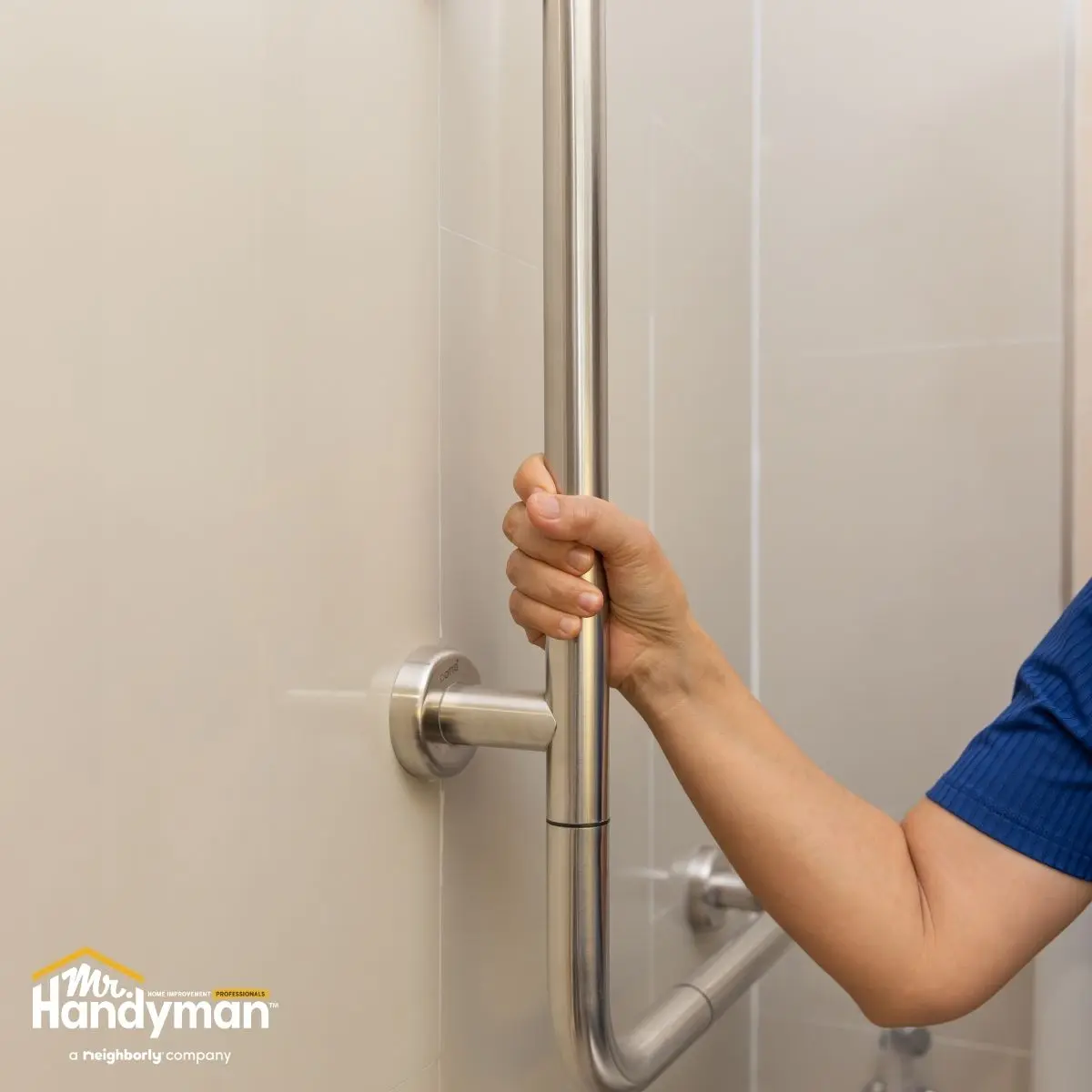
Standardized checklists ensure consistent inspection covering all required points without relying on memory. Checklists should list every safety feature requiring inspection with specific check points for each item. Digital checklists on tablets allow photos documenting conditions and automatic date stamping. Paper checklists work fine but must be stored systematically. The checklist format matters less than consistency—using the same checklist monthly ensures nothing is overlooked. Include space for notes about issues discovered and corrective actions taken. Over time, checklist data reveals patterns like particular equipment requiring frequent attention.
Assigned responsibility with accountability ensures inspections actually occur monthly rather than getting forgotten during busy periods. Designating specific staff responsible for safety inspections—typically facility managers or maintenance leads—creates clear accountability. Calendar reminders and scheduled time blocks prevent inspections from being perpetually postponed. Management review of completed checklists provides oversight ensuring inspections are thorough not perfunctory. Some facilities rotate inspection responsibility among multiple staff members providing backup and cross-training. Whatever system you use, someone must be specifically responsible or inspections won't happen consistently.
Documentation requirements include recording inspection dates, findings, corrective actions, and follow-up verification. Documentation serves multiple purposes: proving due diligence if liability questions arise, tracking equipment condition trends over time, scheduling preventive replacement before failures, and demonstrating compliance during inspections by authorities having jurisdiction. Store inspection records for minimum five years, longer if state regulations require it. Digital storage with backups prevents record loss. Some insurance companies request inspection documentation—having it demonstrates risk management deserving premium consideration.
Priority response protocols define how quickly different findings must be addressed. Immediate hazards—loose handrails, missing emergency lights, expired fire extinguishers—require same-day response even if permanent repair waits for parts or contractors. These hazards must be barricaded, posted, or the area closed until repaired. Medium-priority items like worn grab bar finishes or scuffed handrails can be scheduled for repair within a week or two. Low-priority items like paint touch-ups can be batched and addressed quarterly. Clear priority definitions prevent everything becoming "urgent" while ensuring genuine safety hazards receive immediate attention.
Professional verification supplements internal inspections with expertise staff doesn't possess. Annual professional inspection of fire safety systems, emergency lighting runtime testing, fire door certification, and ADA compliance assessment provides external validation and catches issues beyond staff capabilities. These aren't duplicative expenses—professionals have specialized knowledge, testing equipment, and certification authority staff lacks. Professional inspections also demonstrate good faith compliance efforts that internal-only inspections don't convey if liability questions arise. Budget for annual professional safety inspections as essential operating expense not discretionary spending.
Training for staff conducting inspections ensures they understand what they're inspecting and why it matters. Staff armed with checklists but lacking context often miss obvious problems because they don't understand what they're looking at. Training should cover purpose of each safety feature, how to assess condition properly, what constitutes failure requiring immediate attention, and documentation requirements. Hands-on training where experienced staff demonstrate inspection techniques to newer staff works better than simply handing someone a checklist. Refresher training annually maintains inspection quality as staff changes and prevents complacency.
Addressing Charleston and Summerville Environmental Challenges
Humidity-accelerated corrosion attacks metal safety equipment particularly in locker rooms and pool areas where moisture concentration is highest. Handrails, grab bars, fire extinguisher mounting brackets, emergency light housings, and fasteners all corrode faster in humid coastal environments than dry climates. Stainless steel, brass, or protective coatings resist corrosion far better than mild steel or chrome plating. During inspections, look carefully for rust spots, corrosion, or finish deterioration indicating moisture attack. Component replacement intervals should be shorter in coastal facilities—plan for 30-50% shorter service life than manufacturer specifications based on dry climate assumptions.
Foundation settling in older buildings loosens mounting hardware for handrails and grab bars as wall structures shift. Charleston and Summerville's soil conditions and building age mean settling is ongoing. This settling stresses fasteners and can pull them partially out of substrates reducing load capacity. Cracks near mounting points suggest structural movement affecting anchoring. Shimming or adjusting hardware to accommodate minor settling works temporarily but can't compensate for major movement. Significant settling may require relocating safety equipment to sound structure or reinforcing substrates before re-anchoring. Professional assessment determines whether repairs are adequate or more significant interventions are needed.
Salt air corrosion affects exterior equipment and components near frequently opened doors where salt-laden air enters regularly. Emergency lighting housings, exit sign housings, and exterior handrails near entries experience accelerated corrosion from salt exposure. Protective coatings and corrosion-resistant materials are essential. Regular cleaning removes salt deposits before corrosion advances. Replacement intervals for exterior equipment should be planned conservatively. Paint or powder coat finishes need maintenance before they fail completely allowing corrosion to attack base metal.
Historic building constraints limit options for accessibility improvements and safety equipment installation. Many Charleston and Summerville buildings have historical significance or are in historic districts with restrictions on modifications. Installing code-required handrails, grab bars, or accessible routes may require navigating preservation review processes. Creative solutions balancing preservation with safety are needed. Professional accessibility consultants experienced with historic buildings can identify compliant approaches that minimize visual impact. These constraints don't eliminate safety obligations—they require more thoughtful approaches than routine installations.
Insurance and inspection implications of coastal location mean scrutiny of safety equipment may be more intense than inland locations. Insurance underwriters assessing coastal properties look carefully at risk management including safety equipment maintenance. Hurricane and storm preparation may include additional safety equipment requirements. Fire marshal inspections in historic areas might apply enhanced scrutiny. Documentation of rigorous safety inspection and maintenance programs demonstrates risk management potentially affecting insurance costs. Conversely, poor safety maintenance in high-risk coastal environments could trigger premium increases or coverage limitations.
Frequently Asked Questions
What happens if safety equipment fails during an actual emergency and someone is injured?
Liability investigations will examine whether equipment was properly installed initially, whether required inspections occurred, whether known problems were addressed, and whether failures resulted from deferred maintenance or inadequate repairs. Documentation proving regular inspection and maintenance provides defense against negligence claims. Without documentation, plaintiffs argue you operated carelessly. Even with perfect maintenance, equipment can fail—but failure of well-maintained equipment is treated differently than failure of neglected equipment. Insurance coverage, settlement amounts, and legal outcomes all hinge partly on demonstrated safety equipment maintenance. This is why documentation is as important as the inspections themselves.
How much should gyms budget annually for safety equipment inspection and maintenance?
Budget depends on facility size and equipment quantity, but expect $2,000-5,000 annually for a typical 10,000 square foot gym. This covers professional fire safety system annual inspection ($500-1,000), emergency lighting testing and battery replacement ($300-600), fire extinguisher annual service ($150-300), ADA compliance assessment ($500-1,000 every few years), plus parts and labor for repairs discovered during monthly inspections ($500-2,000 depending on findings). Larger facilities or those with pools need higher budgets. This preventive spending avoids emergency repairs costing far more and prevents liability exposure that could cost tens or hundreds of thousands.
Can staff perform these monthly inspections or must they be done by licensed professionals?
Monthly visual inspections can be performed by properly trained staff using detailed checklists. However, annual comprehensive testing requires licensed professionals for fire alarm systems, sprinkler systems, fire extinguishers (six-year internal), and emergency lighting runtime testing. Some jurisdiction regulations specify professional inspection requirements. The division is roughly: visual checks for obvious damage or problems can be staff-performed; testing involving system operation, electrical work, or regulatory compliance requires professionals. Staff inspections catch problems early; professional inspections provide compliance verification and deeper assessment beyond staff capabilities.
What are the actual ADA penalties for non-compliant safety equipment like grab bars?
Department of Justice ADA enforcement can result in fines up to $75,000 for first violations and $150,000 for subsequent violations, plus mandatory remediation. Private lawsuits seeking injunctive relief and damages are more common than DOJ action. Plaintiff's attorney fees in ADA cases can reach $20,000-50,000 even for relatively minor violations, which defendants often end up paying in settlements. Serial ADA plaintiffs file multiple lawsuits targeting businesses with accessibility violations. Beyond legal costs, ADA complaints damage reputation substantially. Maintaining ADA-compliant safety features costs a fraction of defending against ADA claims or forced remediation.
How often do fire marshals actually inspect gyms and what do they focus on?
Inspection frequency varies by jurisdiction—annually is common, some areas inspect less frequently unless complaints are filed. Fire marshals focus heavily on exit accessibility and marking, emergency lighting functionality, fire extinguisher presence and service documentation, fire alarm system functionality and testing records, sprinkler system maintenance, fire door operation, occupancy load compliance and exit capacity, and storage not blocking exits or fire equipment. They'll request documentation of annual professional testing for fire safety systems. Violations receive citations with deadlines for correction, and failures to correct can result in operation suspension. Maintaining continuous compliance prevents disruption from violation citations.
What's the liability difference between equipment that fails due to age versus equipment that fails due to poor maintenance?
Equipment failing at end of expected service life despite proper maintenance is treated as unfortunate but not necessarily negligent—though arguments could still be made about failure to replace aging equipment timely. Equipment failing due to deferred maintenance, skipped inspections, or known problems left unaddressed is treated as negligence because the failure was foreseeable and preventable. Courts examine inspection records, maintenance history, and whether reasonable facility operators would have identified and addressed the problems. The distinction between unavoidable failure and negligent failure significantly impacts liability findings and damage awards. This is why documentation proving proper maintenance is so critical.
Professional Safety Equipment Assessment and Maintenance in Charleston and Summerville
Your gym's safety equipment must function flawlessly when needed—there are no second chances during emergencies. Regular inspection, proper maintenance, and professional assessment ensure handrails, grab bars, emergency lighting, fire safety equipment, and accessibility features protect members and staff while demonstrating the due diligence that limits liability exposure. Monthly inspections supplemented by annual professional verification provide the comprehensive safety oversight commercial gyms require.
Mr. Handyman of Charleston and Summerville provides safety equipment inspection, maintenance, and repair services for commercial gym facilities. Our technicians can assess grab bar and handrail mounting integrity, install replacement safety equipment meeting current codes, address ADA compliance issues, and provide documented inspection services supporting your safety management program. We understand the unique challenges Charleston and Summerville's coastal environment creates for safety equipment longevity.
Call or visit https://www.mrhandyman.com/charleston-summerville/ to schedule a comprehensive safety equipment assessment or to discuss establishing a regular inspection and maintenance program for your gym's critical safety systems.