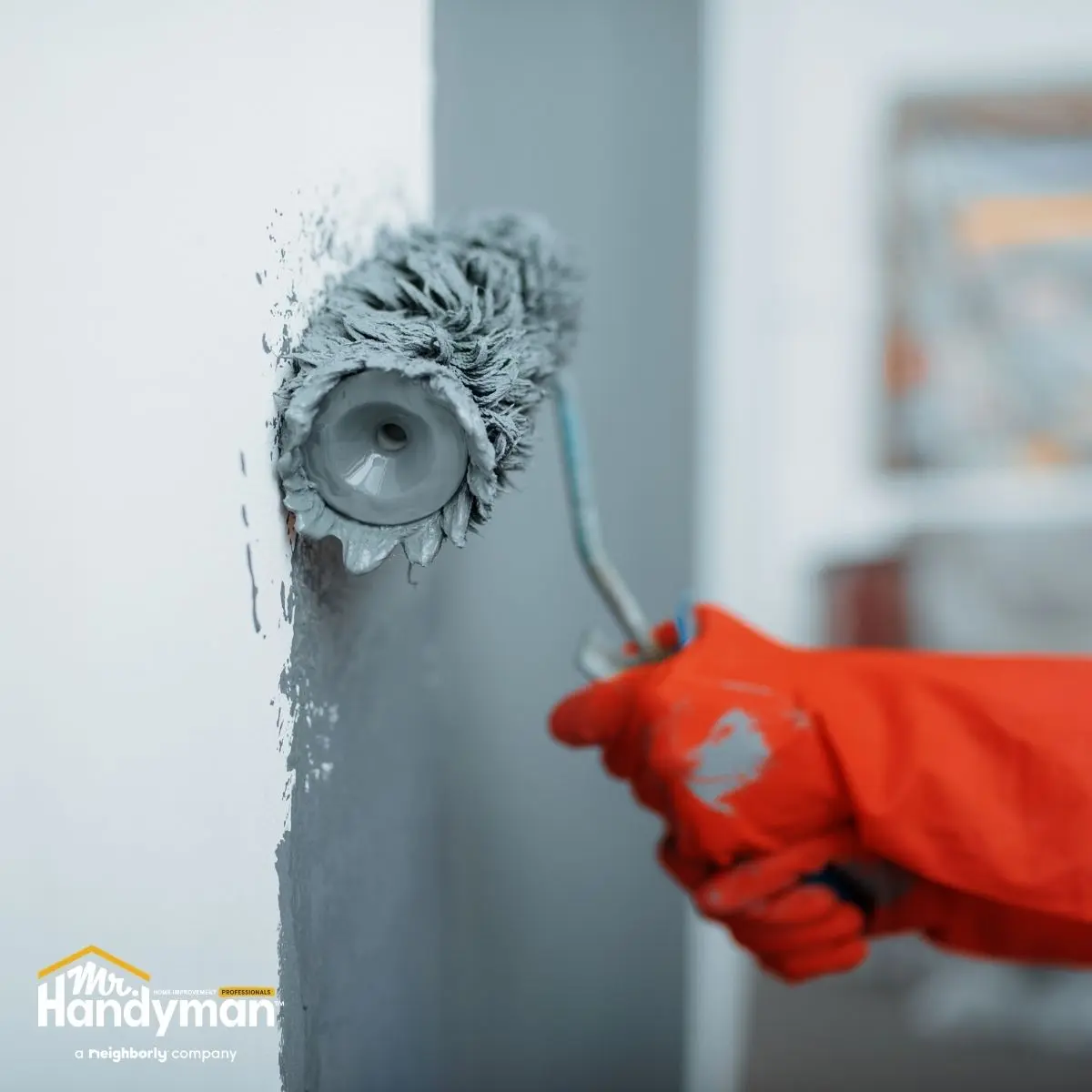
Spring offers Charleston and Summerville homeowners a unique combination of favorable conditions that make it the optimal season for tackling home improvement projects. The weather is ideal—temperatures in the 70s and low 80s with lower humidity than summer months create comfortable working conditions both indoors and outdoors. Daylight hours are extending, providing more time after work for evening project sessions. Most importantly, projects started in spring actually finish before summer, allowing you to enjoy improvements during the season when you spend the most time at home and when outdoor spaces deliver maximum value. Wait until summer to start these same projects and you're either living with construction mess during the months when you most want to relax and entertain, or pushing completion into fall when the urgency and benefit feel diminished.
The timing advantage extends beyond just pleasant working conditions. Spring project completion means your newly renovated deck hosts Memorial Day cookouts, your refreshed kitchen is ready for summer entertaining, your upgraded bathroom provides comfort during the hot months when everyone showers more frequently, and your outdoor living spaces are fully functional when you actually want to use them. Contrast this with projects that start in June or July—you're apologizing to guests for construction zones, working around contractor schedules when you'd rather be grilling, and missing exactly the season when home improvements should be delivering enjoyment rather than disruption.
Charleston and Summerville's climate and construction environment make spring timing even more advantageous than it would be elsewhere. Our weather patterns bring increasing afternoon thunderstorms as summer progresses, making outdoor projects difficult to schedule and slowing progress. High summer humidity affects material handling, extends drying and curing times for paint, stain, concrete, and sealants, and makes working conditions genuinely unpleasant for extended projects. The intense UV exposure accelerates material degradation during storage and application. Spring's milder, drier conditions allow work to proceed efficiently without weather delays, material complications, or the physical strain that accompanies construction during oppressive heat. Projects that might take three weeks in spring can stretch to five or six weeks in summer once weather delays, reduced productivity from heat, and material handling challenges accumulate.
Taking Advantage of Contractor Availability and Competitive Pricing
Contractor demand follows predictable seasonal patterns, and understanding these cycles helps homeowners secure better scheduling, potentially better pricing, and more attentive service. Spring represents a sweet spot when reputable contractors are actively working but not yet overwhelmed by the summer demand surge that leaves everyone booked months in advance and rushing between multiple jobs.
Winter slowdown in Charleston and Summerville means many contractors maintain reduced crews or focus on indoor projects only. As spring arrives, these businesses ramp up operations, hire seasonal help, and look for projects to fill their schedules. Homeowners who commit to projects in late winter or early spring often find contractors eager for work and willing to schedule promptly. You're not competing against the wave of demand that builds as temperatures warm and every homeowner simultaneously decides their house needs improvements.
By mid-summer, every quality contractor is booked weeks or months out. The combination of ideal working weather and homeowners who finally decided to move forward creates demand that exceeds good contractor availability. Getting on the schedule means accepting whatever dates the contractor offers, often far into the future. You lose negotiating power on both timeline and pricing because contractors know they'll fill their calendars regardless of whether your specific project proceeds. Spring projects avoid this competitive disadvantage by committing before demand peaks and while contractors have capacity to be flexible about scheduling.
Contractor attention and quality control benefit from spring scheduling. A contractor managing two or three active projects provides better oversight, more responsive communication, and higher quality craftsmanship than one juggling six or eight simultaneous jobs while fielding constant calls from frustrated homeowners whose projects aren't progressing. Spring's more manageable workloads mean the contractor you hire is more likely to be personally involved in your project, more available when questions arise, and less likely to rush work to stay on schedule across multiple demanding clients. The quality difference between work performed during controlled spring conditions with reasonable workloads versus rushed summer execution under heat stress is often substantial and permanent.
Material availability and pricing also favor spring projects. Supply chains that tightened during winter begin flowing freely in spring, but summer demand hasn't yet created shortages or price spikes. Lumber, building materials, and finish products are generally available with normal lead times rather than the extended waits that develop during peak season. Contractors who can order materials with confidence in delivery dates provide more reliable project timelines than those gambling on whether products will arrive before scheduled installation dates.
Completing Projects Before Summer Heat and Humidity
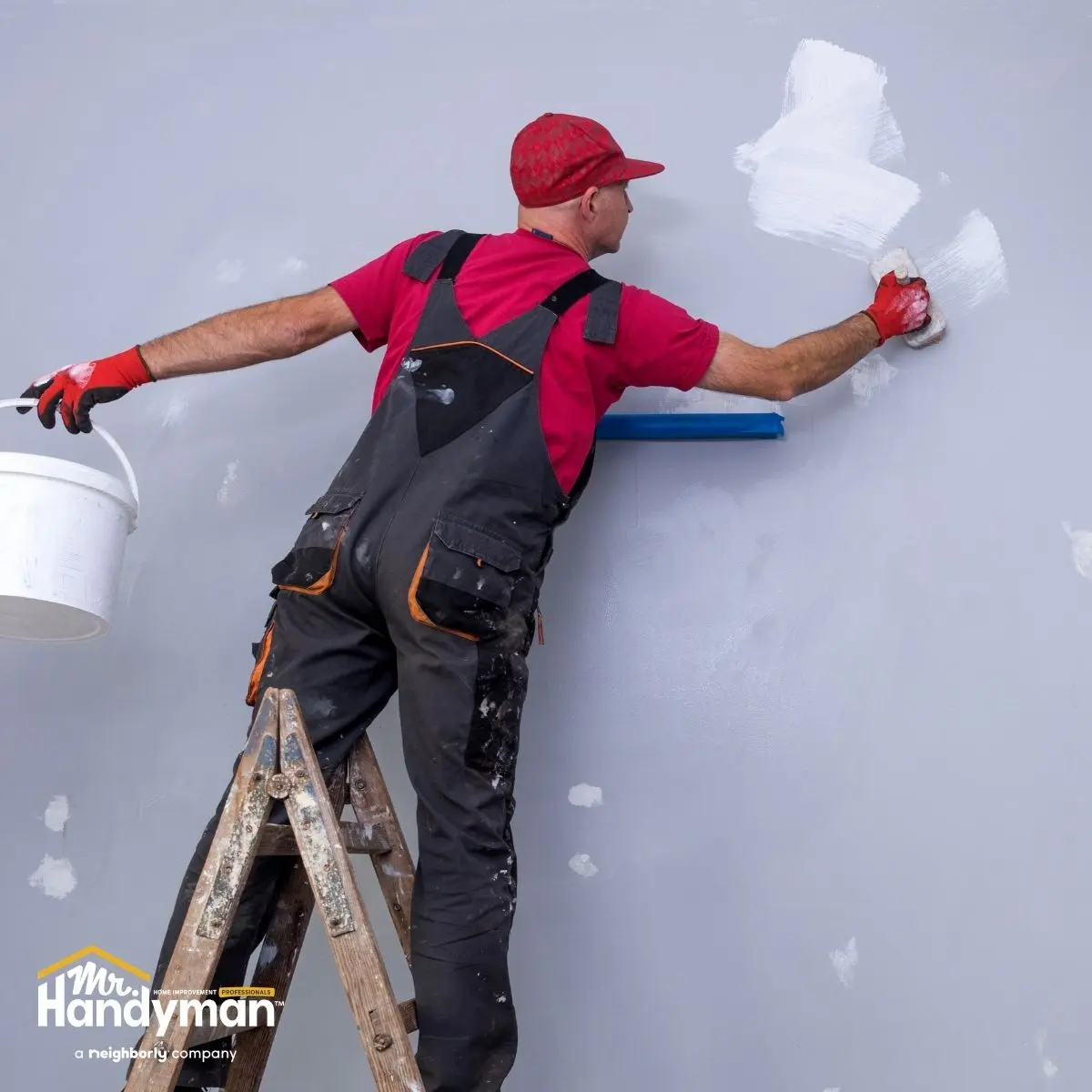
Charleston and Summerville's summer weather creates genuine challenges for many home improvement projects. Temperatures regularly exceeding 90 degrees with 80 percent humidity make outdoor work exhausting and potentially dangerous. Interior projects become challenging when homes must be opened for material delivery, ventilation, or contractor access, immediately allowing oppressive heat and humidity to flood living spaces. Spring completion means enjoying finished projects during comfortable weather rather than enduring construction during the season when indoor comfort matters most.
Paint and stain projects face particular challenges in summer conditions. Most products specify application temperature ranges and humidity limits for proper adhesion and curing. High humidity slows drying times dramatically—paint that would dry in hours during spring conditions may take a full day in summer humidity. Condensation from humid air can form on fresh paint films, creating surface defects. Wood absorbs moisture from humid air, affecting how stain penetrates and how finishes adhere. Spring application allows products to cure properly during ideal conditions, creating durable finishes that perform as designed rather than compromised results from application outside recommended parameters.
Concrete work benefits enormously from spring timing. Concrete needs adequate time to cure and develop strength, ideally during moderate temperatures. Pour concrete in July when ground temperatures exceed 90 degrees and you risk rapid moisture loss that creates surface cracking, inadequate strength development, and finishing difficulties. Summer heat can cause concrete to set too quickly, making finishing difficult and potentially compromising final appearance and durability. Spring pours allow proper hydration and strength development during temperatures that support ideal curing conditions.
Flooring installation—hardwood, laminate, or luxury vinyl—requires materials to acclimate to home conditions before installation. Wood flooring in particular needs several days to adjust to ambient temperature and humidity. Installing flooring that hasn't properly acclimated leads to gaps, buckling, or other problems as materials expand or contract after installation. Spring's more stable conditions make this acclimation process predictable and reliable. Summer's extreme humidity fluctuations and the cooling systems running constantly create challenging environments for proper flooring acclimation.
Roofing projects demonstrate perhaps the most dramatic advantage of spring timing. Working on roofs during summer heat is genuinely dangerous—surface temperatures on dark shingles can exceed 150 degrees, creating burn hazards and heat exhaustion risks for workers. These extreme conditions also affect material handling and installation. Asphalt shingles become extremely pliable in high heat, making them prone to damage during installation and affecting how properly they can be secured. Roofing adhesives and sealants may flash-cure in summer heat, making proper application difficult. Spring roofing happens during comfortable conditions where materials handle properly and installers can work safely and carefully rather than rushing to escape dangerous heat.
Enjoying Outdoor Improvements All Summer Long
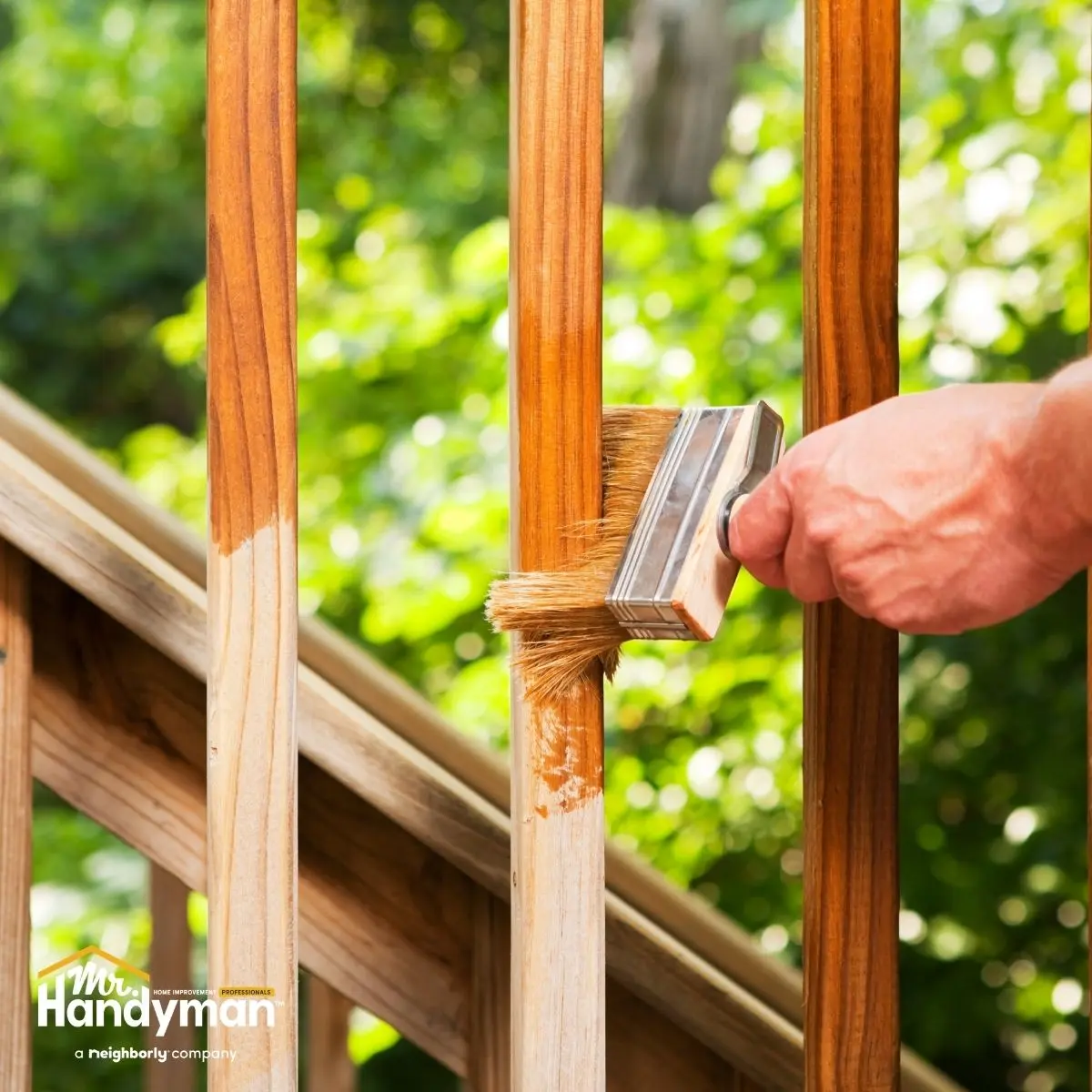
Home improvement projects focused on outdoor living spaces deliver maximum value when completed before the season when you'll actually use them. A deck built in spring hosts its first cookout on Memorial Day weekend. A renovated patio accommodates summer entertaining immediately. An upgraded outdoor kitchen proves its worth by keeping cooking heat outside during the hottest months. These investments generate immediate returns in quality of life, family enjoyment, and entertainment capability that justify the time, expense, and disruption.
Enjoying Outdoor Improvements All Summer Long (continued)
Contrast this with projects that start in June or July and drag through summer. You're hosting gatherings around construction zones, apologizing to guests for dust and noise, working around material deliveries and contractor schedules, and missing exactly the season when outdoor spaces should be delivering value. Even if the project completes by August, you've lost half the outdoor season to construction rather than enjoyment. The psychological difference between "we just finished this and we're already using it constantly" versus "we finally finished this as summer is ending" profoundly affects satisfaction with the project.
Spring completion also allows time to identify and address any issues before heavy use begins. Perhaps drainage around the new patio needs adjustment, or the deck stain needs touching up in a few spots, or plantings around the new outdoor kitchen require repositioning. These minor refinements happen easily when you have weeks of moderate use before peak entertaining season. Discover these same issues mid-summer when the space is in constant use and fixing them requires working around scheduled gatherings and interrupting the enjoyment you're finally experiencing.
Landscaping integration benefits from spring timing because plants establish during the growing season. Plantings installed alongside hardscape projects in spring have months of favorable growing conditions to develop root systems and become established before winter dormancy. Summer plantings face immediate heat stress that compromises establishment and often requires supplemental watering through their first difficult months. Spring plantings grow vigorously and look established by mid-summer rather than struggling through their first season.
Maximizing Natural Light and Comfortable Work Conditions
Spring's longer daylight hours extend available working time significantly compared to winter. Projects that require good natural light for precision work—painting, tile installation, detailed carpentry—benefit from afternoon light extending into evening. For homeowners tackling DIY projects around work schedules, those extra hours of daylight after 5 PM make the difference between squeezing in an hour of work versus accomplishing meaningful progress on evenings and weekends.
Indoor comfort during construction affects both project efficiency and household livability. Spring temperatures allow opening windows for ventilation without making homes uncomfortably hot or cold. Construction generates dust, paint fumes, and general air quality concerns that require ventilation. Opening windows in spring provides fresh air circulation without the energy waste and discomfort that happens when trying to ventilate during summer's oppressive heat or winter's cold. This makes homes more livable during construction while allowing proper air exchange that protects indoor air quality.
Material storage and handling benefit from moderate spring conditions. Many building materials and finishes require storage within specific temperature ranges. Paint, adhesives, sealants, and wood products all perform better when stored and used within recommended conditions. Spring's moderate temperatures make garage or shed storage practical without the concerns about freezing that affect winter storage or the extreme heat that can damage materials stored in un-air-conditioned spaces during summer. This simplifies project logistics and ensures materials perform as designed rather than being compromised by poor storage conditions.
Planning Projects That Build on Each Other

Spring timing allows homeowners to tackle projects in logical sequence, where each improvement builds on or complements previous work. Starting in spring with sufficient time before winter means multiple phases can complete in a single season rather than spreading across multiple years and losing momentum or dealing with partially improved spaces that sit unfinished through an entire off-season.
Kitchen and bathroom renovations naturally lead to related improvements. A kitchen remodel often reveals that adjacent dining areas or living spaces now look dated by comparison. Completing the kitchen in spring leaves time to address these connected spaces during the same year while materials, contractors, and design momentum remain fresh. Similarly, a master bathroom renovation might inspire updates to a guest bathroom or powder room. Tackling these in sequence during a single season achieves cohesive results throughout the home rather than patchwork improvements spread over years.
Exterior projects create natural progression opportunities. A new deck often prompts landscaping improvements around the structure. An outdoor kitchen addition might lead to patio expansion or pergola installation that creates cohesive outdoor living environments. Spring start timing allows these connected projects to progress logically, with each phase informing decisions about the next. Contractors already familiar with your property and preferences can move smoothly from one phase to another without the inefficiency of starting fresh with new teams on each small project.
Interior improvements follow logical sequences where spring timing maximizes efficiency. Flooring replacement throughout a home's main level makes sense to coordinate with painting, trim updates, and lighting improvements. Tackling these together minimizes the total disruption period—one month of intensive work across multiple systems versus six months of intermittent projects that never quite feel finished. Spring start allows this comprehensive approach to complete before summer vacation season when families want homes fully functional rather than under construction.
Addressing Deferred Maintenance Before It Becomes Emergency Repairs
Spring home improvements often start by addressing maintenance issues that have been deferred. The water heater that's been making strange noises needs replacement before it fails catastrophically. The leaking roof that's been patched repeatedly needs proper repair or replacement. The deck with loose boards and questionable railings requires rebuilding before someone gets hurt. Spring timing allows addressing these issues on your schedule as planned improvements rather than waiting until they become emergencies during summer when you least want to deal with disruption and when emergency service costs premium rates.
Converting deferred maintenance into planned improvements shifts both the experience and the cost. Planned water heater replacement allows researching options, comparing models, and selecting the best solution for your needs and budget. Emergency replacement means accepting whatever the plumber has available immediately at whatever price they quote because you can't function without hot water. Planned roof replacement happens when contractors have capacity to work carefully and when you can schedule around your life. Emergency roof repair happens during or immediately after storms when contractors are overwhelmed and charging premium rates for immediate service.
The psychological difference between proactive improvement and reactive emergency response substantially affects how homeowners experience their properties. Taking control by addressing known issues during planned spring projects creates satisfaction and confidence that your home is being properly maintained. Living with known problems until they force emergency response creates stress, uncertainty about what will fail next, and the feeling of being perpetually behind on necessary maintenance.
Frequently Asked Questions
What types of projects are best suited for spring timing? Outdoor projects like decks, patios, landscaping, and exterior painting benefit most from spring weather. Interior renovations like kitchens and bathrooms complete comfortably before summer heat. Roofing, siding, and any project requiring extended outdoor work proceeds most efficiently in spring conditions before summer weather complications.
Should I start projects in early or late spring? Earlier is generally better—projects starting in March or April have ample time to complete before summer. Late spring starts in May risk running into summer weather challenges if unexpected issues cause delays. Very early starts in February work if contractors are available but risk occasional weather delays from late winter cold snaps.
How far in advance should I plan spring home improvements? Begin planning in late winter—January or February—to finalize designs, gather quotes, select contractors, and schedule work. Some projects require long lead times for materials or permits. Early planning ensures everything is ready when ideal construction weather arrives.
Can I tackle multiple projects simultaneously in spring? Related projects can often overlap efficiently—exterior painting and deck building can happen simultaneously in different areas. Interior projects are harder to overlap because they create more household disruption. Sequential scheduling often works better than simultaneous chaos unless you can temporarily relocate during intensive work periods.
What's the biggest risk of delaying spring projects? Summer heat complications, contractor availability challenges, and missing the season when improvements deliver maximum value. Projects that could complete comfortably in spring become difficult summer struggles or get pushed to fall when outdoor work faces weather uncertainty and winter shutdown looms.
Spring represents the optimal window for Charleston and Summerville home improvements. The combination of favorable weather, contractor availability, ideal material conditions, and completion timing before summer creates advantages that other seasons simply cannot match.
Mr. Handyman of Charleston and Summerville handles home improvement projects of all sizes throughout the Lowcountry. Our experienced team works efficiently within spring timelines, understands local weather patterns and building challenges, and delivers quality results that enhance your home's functionality and appearance. Whether you're planning a single room update or a comprehensive home improvement program, we provide reliable service that gets projects completed when you need them. Call us or visit https://www.mrhandyman.com/charleston-summerville/ to discuss your spring home improvement plans and ensure your projects are completed before summer arrives.