Winter in Charleston, Summerville, Goose Creek, North Charleston, Ladson, Hanahan, Mount Pleasant, and the greater Lowcountry brings a unique combination of cool temperatures, coastal humidity, salt-laden air, and unpredictable weather swings. While South Carolina winters do not compare to the freezing, snow-heavy conditions of northern states, they still impact the home’s heating systems in significant ways. Heat pumps work harder during sharp overnight drops, gas fireplaces become a centerpiece of holiday gatherings, and older coastal homes often battle drafts, moisture intrusion, and outdated components.
Charleston’s climate is full of contrasts. Homeowners may enjoy mild 70-degree afternoons one week and wake up to near-freezing temperatures the next. Coastal breezes bring salt air that accelerates metal wear on HVAC equipment. Historic homes in Charleston and renovated Lowcountry properties often have original fireplaces that require careful seasonal attention. The region’s humidity—present even during winter—continues to affect indoor comfort, furnace performance, and fireplace safety.
This section explains why winter preparation matters in Charleston and Summerville, how local heating systems are affected by Lowcountry weather, and which parts of the home require thorough seasonal attention before cooler weather settles in.
Why Winter Preparation Matters in Charleston & Summerville
Even though snow is rare, the Lowcountry’s mix of humidity, temperature swings, and salt-rich air creates stress on both furnaces and fireplaces. Seasonal preparation ensures comfort, safety, and efficiency throughout the cooler months.
1. Heating Systems Sit Unused for Most of the Year
Charleston and Summerville homeowners rely on their air conditioning far more than their heating systems. This long period of inactivity leads to:
- Dust accumulation on heating components
- Moisture collecting in air handlers
- Corrosion on metal parts
- Mold growth inside HVAC cabinets
- Stiff blower motors
- Electrical contacts weakening from humidity
When the first cold front arrives, unprepared systems often have trouble activating or produce musty odors.
2. Coastal Air Accelerates Wear on Heating Systems
Salt air is constantly present from Sullivan’s Island to Mount Pleasant to Downtown Charleston. Salt exposure causes:
- Rust on heat pump components
- Early degradation of heating coils
- Corrosion on gas fireplace burners
- Metal weakening inside furnace cabinets
- Damage to outdoor HVAC units
Winter preparation helps counter these coastal effects and extend system lifespan.
3. Cold Snaps Arrive Suddenly & Unexpectedly
The Lowcountry’s winter pattern is unpredictable. A warm day can turn into a near-freezing night in just a few hours.
When this happens:
- Heat pumps struggle to transition from cooling to heating
- Emergency heat mode activates, increasing energy usage
- Fireplaces become the primary comfort source
- Drafts become more noticeable inside older homes
- Thermostats can misread or lag from rapid temperature shifts
Preparing the system beforehand enhances reliability during these sudden drops.
4. Fireplaces Are Used More Frequently During the Holidays
Homes throughout Charleston and Summerville often feature:
- Gas fireplaces
- Wood-burning fireplaces
- Outdoor fireplaces
- Decorative and historic units
Because these fireplaces may go unused for much of the year, preparation is vital to ensure:
- Proper ignition
- Safe ventilation
- Clean-burning performance
- Odor-free operation
- Consistent flame quality
Holiday events increase fireplace usage dramatically, making pre-season care essential.
5. Humidity Persists Year-Round in the Lowcountry
Unlike many other states, humidity in Charleston and Summerville never truly disappears, even in cooler months.
Humidity affects:
- Furnace performance
- Fireplace ignition
- Rust formation
- Mold growth inside HVAC systems
- Draft control around chimneys
- Indoor comfort balance
Winter preparation helps reduce humidity-related issues that continue into December and beyond.
Key Areas That Require Winter-Ready Preparation in Lowcountry Homes
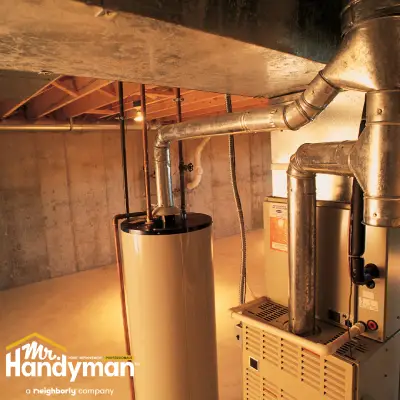
Homes in Charleston and Summerville require a specific approach to winter preparation due to their varied construction, humidity exposure, and coastal climate.
1. Heat Pumps & Air Handlers
Heat pumps dominate the region’s HVAC systems. They are extremely efficient but sensitive to:
- Dust buildup
- Moisture inside coils
- Sticking reversing valves
- Weak emergency heat activation
- Blocked drainage
- Mold accumulation in cabinets
Winter preparation ensures heating mode transitions smoothly.
2. Electric & Gas Heating Components
Most Charleston-area homes rely on:
- Electric strip heaters
- Gas furnaces
- Hybrid heat pump systems
Winter readiness includes:
- Cleaning heating elements
- Checking burners
- Testing ignition systems
- Inspecting flame sensors
- Verifying safe combustion
These components must function properly during sharp overnight temperature drops.
3. Gas Log Fireplace Systems
Gas log fireplaces are extremely popular in the Lowcountry.
They require:
- Pilot light testing
- Burner cleaning
- Gas pressure evaluation
- Flame quality testing
- Vent and flue checks
- Moisture clearing
Salt air and humidity frequently affect gas fireplaces, making annual preparation essential.
4. Wood-Burning Fireplace Inspection
Many older homes in Charleston retain their original wood-burning fireplaces. They need:
- Draft testing
- Chimney inspection
- Ash removal
- Creosote checks
- Firebox assessment
- Damper alignment correction
Historic fireplaces require special care to avoid safety hazards.
5. Indoor Air Quality & Moisture Control
The Lowcountry’s moisture levels impact:
- Air filters
- Duct cleanliness
- Mold risk inside HVAC systems
- Indoor air freshness
- Humidity balance
Winter-ready preparation improves both comfort and air quality.
6. Window & Door Draft Sealing
Older homes—especially in Downtown Charleston, Summerville’s historic district, Goose Creek, and Hanahan—often have draft-prone areas.
Winterization includes:
- Replacing window seals
- Adding door weatherstripping
- Caulking exterior trim gaps
- Adjusting attic access points
- Eliminating chimney drafts
These improvements help maintain stable home temperatures during cold spells.
Fireplace Preparation for Charleston & Summerville Homes
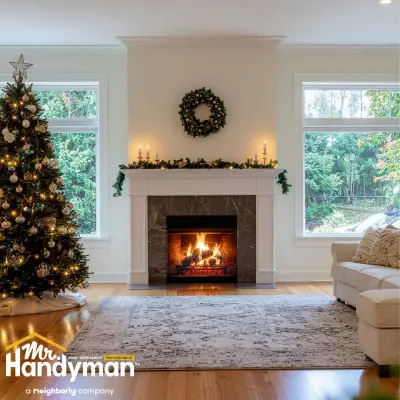
Fireplaces serve as both comfort sources and design features in Lowcountry homes, requiring proper care before winter.
1. Removing Moisture, Dust & Debris From Inactivity
During warmer months, fireplaces collect:
- Dust
- Rust
- Moisture
- Ash
- Cobwebs
- Insect debris
Preparing them allows for clean, safe operation during the winter season.
2. Strengthening Flame Performance & Ignition Reliability
After preparation, homeowners often notice:
- Stable flame height
- Smooth ignition
- More consistent burning
- No flickering from moisture interference
- Enhanced aesthetic appearance
Gas log fireplaces, in particular, benefit greatly from seasonal tune-ups.
3. Eliminating Safety Risks
Without winter preparation, fireplaces can develop:
- Gas leaks
- Carbon monoxide risks
- Backdraft issues
- Blocked vents
- Chimney concerns
These risks increase during colder months when fireplaces are used more frequently.
Comfort & Efficiency Improvements After Winter Preparation
A winter-ready home in Charleston or Summerville enjoys a noticeable increase in comfort and performance.
1. Faster Warm-Up in the Morning & Evening
Prepared systems:
- Produce heat quickly
- Maintain stable temperatures
- Avoid excessive cycling
- Distribute airflow evenly
This is especially important in two-story Lowcountry homes.
2. Lower Energy Usage During Cold Snaps
Winter preparation helps homeowners reduce:
- Emergency heat mode operation
- Sudden energy spikes
- Thermostat inaccuracies
- HVAC strain
This results in more stable utility bills during winter.
3. Reduced Drafts & Moisture Intrusion
Draft-prone homes experience significant improvements when:
- Windows are sealed
- Doors are weather stripped
- Chimney gaps are closed
- Attic accesses are insulated
Comfort improves throughout cooler months.
4. Cleaner Indoor Air Quality
Prepared homes benefit from:
- Cleaner HVAC systems
- Lower dust circulation
- Reduced damp smells
- Fewer allergens
- Improved airflow
This is crucial during holiday gatherings, when indoor air quality matters most.
Why Professional Winter Preparation Matters in the Lowcountry
Charleston and Summerville homes need specialized care because of:
- High humidity
- Coastal air corrosion
- Older home construction
- Historic fireplace systems
- Heat pump sensitivity
Professionals understand these regional challenges and address them thoroughly.
Once a home in Charleston, Summerville, Goose Creek, North Charleston, Ladson, Hanahan, and the broader Lowcountry region has been professionally prepared for winter, the improvements become visible immediately. Seasonal readiness brings better comfort, safer operation, more reliable performance, and increased protection against the humidity and coastal air exposure unique to this part of South Carolina. Winter in the Lowcountry may not be harsh by northern standards, but it still reveals weaknesses in heating systems that sit unused most of
the year—and it brings an increase in fireplace usage during holiday gatherings and colder evenings.
Section 2 focuses on what homeowners experience after winter preparation is completed, including performance improvements, comfort upgrades, cost benefits, and safety enhancements. It also outlines how seasonal readiness helps protect the home from long-term wear caused by coastal climate conditions, older home structures, and the heating demands of sudden cold snaps.
What Homeowners Experience After Their Furnace & Fireplace Are Winter-Ready
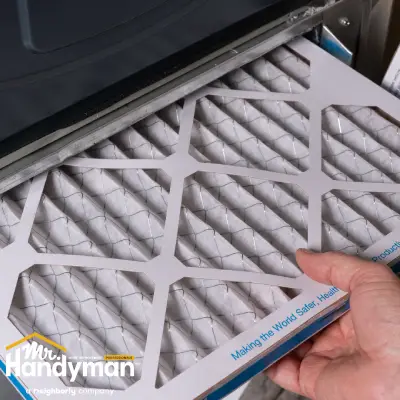
The transformation inside Lowcountry homes is noticeable from the first cold night.
1. Faster Warm-Up Times When Cold Fronts Move In
Charleston and Summerville do not experience prolonged freezing temperatures, but when a cold front arrives, evenings and mornings can drop quickly into the 30s and 40s. Prepared heating systems respond faster because:
- Airflow is unobstructed
- Heating elements activate smoothly
- Heat pumps transition modes without hesitation
- Burners ignite cleanly
- Blower motors run efficiently
This makes a significant difference in comfort, especially in older homes that lose heat quickly.
2. No Musty or Burning Smells From First-Time Use
Because heating systems sit idle for long periods, dust and moisture naturally collect in HVAC components. When unprepared systems turn on, homeowners often notice:
- A burning smell from dust
- A damp odor from humidity exposure
- Musty air due to mold inside air handlers
- Stale airflow from long AC-dominant seasons
Winter preparation eliminates or greatly reduces these odors through cleaning, drying, clearing, and recalibrating HVAC components.
3. More Balanced Temperatures Throughout the Home
Without preparation, heating systems often struggle to distribute warm air evenly. After winterizing:
- Upstairs and downstairs temperatures balance better
- Rooms far from the thermostat warm more consistently
- Drafty areas around windows and chimneys improve
- Zoning systems work more predictably
- Heat pumps deliver more stable performance
Large Lowcountry homes—especially in Summerville and Mount Pleasant—benefit greatly from this improvement.
4. Lower Energy Usage During Cold Snaps
Emergency heat activation is one of the biggest contributors to high winter energy bills in Charleston-area homes. Electricity usage spikes when:
- Heat pumps cannot keep up
- Thermostats misread temperatures
- Heating elements are dirty or weakened
- Airflow is restricted
Winter preparation helps ensure heat pumps work efficiently, reducing the need for expensive emergency heat.
5. A Quieter HVAC System Throughout the Season
Unprepared systems often make:
- Clicking noises
- Rattling sounds
- Whining from blower strain
- Vibrations in ductwork
- Humming from ignition problems
Prepared systems operate more smoothly, reducing noise and improving comfort.
Fireplace Improvements After Seasonal Preparation
Fireplaces in the Charleston and Summerville area are used primarily for ambiance and comfort when temperatures dip. Winter preparation ensures they are safe, beautiful, and fully functional.
1. Steady, Attractive Flame Quality
After preparation:
- Gas flames ignite instantly
- Burners produce even, clean-burning flames
- Flame height is consistent
- No moisture causes flickering
- Decorative logs appear clean and natural
For wood-burning fireplaces, fires light easier and burn more cleanly due to improved draft and reduced soot buildup.
2. Better Drafting & Ventilation Performance
Poor drafting can cause:
- Smoke intrusion
- Soot accumulation
- Difficulty lighting wood fires
- Weak gas flame patterns
Preparing the fireplace ensures proper airflow, which is especially important in older Charleston homes where chimney structures vary in age and condition.
3. Elimination of Safety Risks
Fireplace preparation reduces risks such as:
- Gas leaks
- Carbon monoxide exposure
- Obstructed flues
- Damaged dampers
- Cracked firebox components
- Backdraft issues during windy nights
These risks increase in the Lowcountry due to humidity, moisture retention, and storm-related debris.
4. Enhanced Experience During Holiday Events
Fireplaces become popular gathering points during:
- Christmas Eve
- Thanksgiving
- Seasonal hosting
- Family get-togethers
- Holiday dinners
- New Year celebrations
A winter-ready fireplace ensures safe, consistent performance for every event.
Comfort & Indoor Air Quality
Improvements After Winter Preparation
Because Charleston’s humidity persists year-round, indoor air quality can suffer if HVAC components are not cleaned and maintained.
1. Fresher, Cleaner Air Circulation
Winter preparation reduces:
- Dust circulation
- Musty odors
- Humidity-related smells
- Mold risks inside ducts
- Airborne allergens
Homes feel fresher and more comfortable throughout the season.
2. Better Humidity Balance indoors
During winter, humidity can drop suddenly during cold snaps, creating imbalance. Prepared systems help:
- Prevent excessive indoor dryness
- Reduce condensed moisture in colder corners
- Improve consistent airflow
- Support healthier indoor conditions
Balanced humidity makes homes more comfortable during both mild and chilly days.
3. Stronger Airflow Through All Rooms
After preparation:
- Air moves more freely
- Vents deliver consistent heat
- Duct blockages are reduced
- Blowers distribute warm air more evenly
- Thermostats respond more accurately
Improved airflow makes a major difference in two-story homes and homes with large floorplans.
Protection Against Lowcountry Climate Challenges
South Carolina’s coastal environment poses unique challenges that winter preparation helps address.
1. Preventing Salt-Air Corrosion
Salt-rich coastal air affects HVAC and fireplace components even miles inland. Winter preparation helps prevent:
- Rust inside gas fireplaces
- Corrosion on furnace components
- Wear on outdoor HVAC units
- Electrical degradation
- Burner malfunction
This is crucial in Mount Pleasant, Downtown Charleston, and waterfront communities.
2. Reducing Moisture Intrusion Risks
Humidity doesn’t disappear in the Lowcountry winter—it simply shifts.
Prepared systems reduce:
- Moisture buildup
- Mold in air handlers
- Water intrusion around chimneys
- Condensation in older ductwork
This helps protect structural elements and preserve indoor air quality.
3. Avoiding HVAC Strain From Sudden Temperature Shifts
Charleston’s winter climate is unpredictable. When temperatures drop quickly, unprepared systems often overwork themselves.
Winter preparation helps:
- Reduce mechanical stress
- Extend system lifespan
- Prevent emergency repairs
- Maintain consistent performance
This protects homeowners from sudden, unexpected HVAC failures.
Why Professional Winter Preparation Matters in Charleston & Summerville
Lowcountry homes—whether historic, coastal, suburban, or newly built—require specialized attention due to climate patterns, building styles, and equipment variations. Professional preparation ensures seasonal safety and comfort.
1. Professionals Identify Risks That DIY Cannot Detect
Issues such as:
- Early rust formation
- Gas valve weaknesses
- Damper obstruction
- Chimney deterioration
- Reversing valve issues
- Electrical corrosion
- Draft misalignment
…require trained inspection and experience. Homeowners rarely catch these problems on their own.
2. Professionals Understand Local Heating System Behavior
Heat pumps, gas fireplaces, and historic chimneys behave differently in Charleston’s humid, coastal environment. Professional service ensures proper performance based on local conditions.
3. Fireplaces Require Skilled, Safe Handling
Gas log systems and older wood-burning fireplaces must be serviced correctly to avoid:
- Carbon monoxide risks
- Gas leaks
- Chimney fires
- Improper drafting
A professional ensures safe, code-compliant operation.
Reliable Winter Preparation for Charleston & Summerville Homes
Homeowners throughout Charleston, Summerville, Mount Pleasant, Goose Creek, North Charleston, Hanahan, and surrounding Lowcountry neighborhoods trust Mr. Handyman of Charleston and Summerville to prepare their heating systems and fireplaces for the winter weather ahead. With deep experience in coastal HVAC behavior, moisture management, and fireplace inspection, our team delivers thorough, dependable seasonal preparation.
Schedule your winter preparation service today with Mr. Handyman of Charleston and Summerville. Enjoy a safer, warmer, more efficient home all winter long.