The idea of a basement as untapped living space is one that resonates with homeowners across the country, but in Charleston and Summerville it comes with a set of regional realities that shape what's practical, what's possible, and what's genuinely worth investing in. The Lowcountry is not basement country in the traditional sense. True full-depth basements are relatively uncommon here compared to regions where frost lines require deeper foundations. What does exist throughout the area is a range of below-grade and partially below-grade spaces — daylight basements, walk-out lower levels, and deep crawl spaces that have been partially improved over the years — that represent real potential for additional usable square footage when approached correctly.
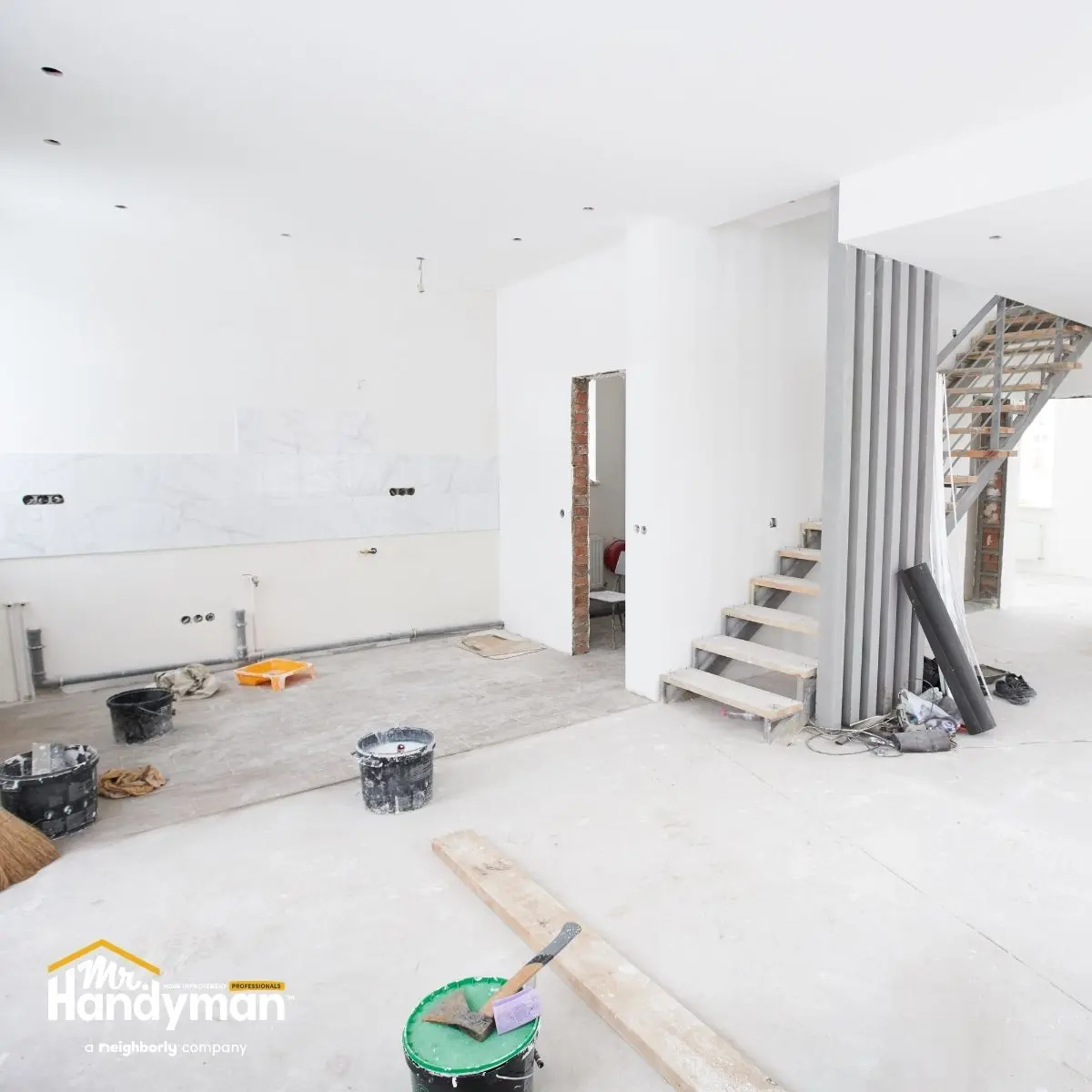
For homes that do have basement or lower-level spaces, the opportunity to add functional living area without the cost and complexity of a full addition is genuinely significant. But realizing that opportunity requires understanding the specific challenges that the Lowcountry environment introduces. Moisture management, humidity control, and the selection of materials appropriate for below-grade conditions in a coastal climate are not secondary considerations — they are the foundation on which every other improvement depends. A basement finishing project that skips those fundamentals produces a space that looks finished briefly before moisture, mold, and material degradation undo the investment.
Done correctly, even modest improvements to a below-grade or lower-level space can produce a room that functions reliably as a home office, guest room, hobby space, or family room — adding square footage that the home's footprint already contains but hasn't been capturing.
Understanding What You're Working With Before You Begin
The first step in any basement improvement project in the Charleston and Summerville area is an honest assessment of the existing conditions. This isn't a step that can be skipped or abbreviated in favor of moving quickly to the more satisfying work of selecting finishes and fixtures. The conditions of the space — its moisture history, its current humidity levels, the condition of its walls and floor, and the status of any existing waterproofing — determine everything about what improvements are appropriate and how those improvements need to be sequenced.
Moisture testing is the starting point. A concrete floor that appears dry to the eye can be transmitting significant moisture vapor from the soil below, and that vapor will affect flooring materials, framing, and finished surfaces if it isn't managed properly. A simple test involves taping a piece of plastic sheeting to the floor and walls for 24 to 48 hours. Condensation that forms on the underside of the plastic indicates moisture moving through the concrete from outside — a condition that needs to be addressed before any finished materials are installed.
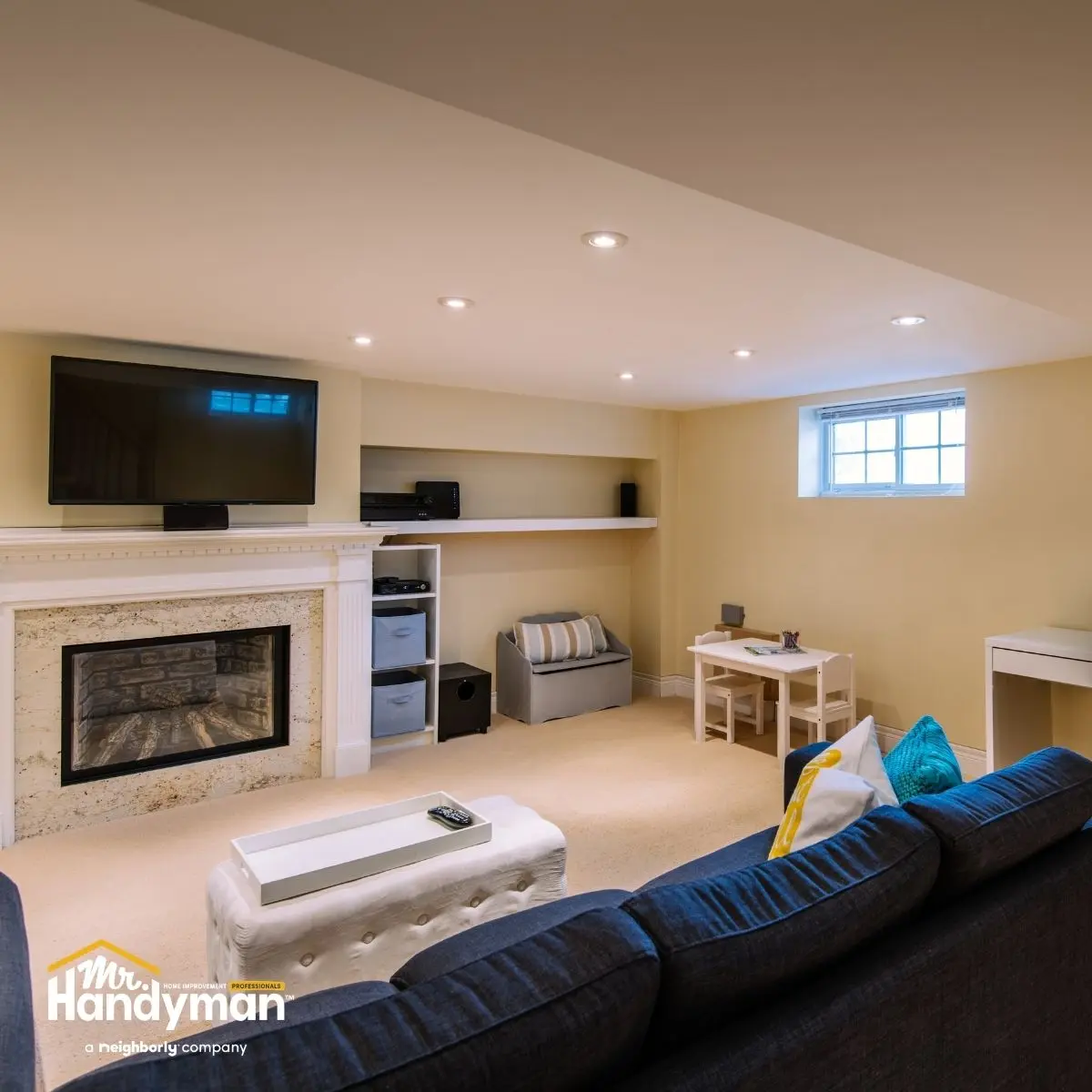
Wall surfaces tell a similar story. Efflorescence — the white, chalky mineral deposits that appear on concrete or masonry walls — is a sign that water has been moving through those walls and depositing minerals as it evaporates. Active seepage, staining from past water events, and paint that is peeling away from the wall surface all indicate that the envelope of the space has not been fully controlling moisture. None of these conditions make improvement impossible, but they establish the baseline work that has to happen first.
In the Lowcountry specifically, below-grade spaces face moisture pressure from multiple directions simultaneously. The high water table throughout much of the Charleston and Summerville area means that hydrostatic pressure against foundation walls is a year-round reality, not just a seasonal concern. The region's ambient humidity means that even air moving naturally into the space carries significant moisture. And the frequent heavy rainfall events that characterize the area's spring and summer seasons create periodic surges in that pressure. A moisture management approach that accounts for all three of these sources produces a space that stays dry consistently rather than one that manages most conditions but fails during the ones that matter most.
Framing, Insulation, and Creating Defined Space
Once moisture conditions have been assessed and addressed, the process of transforming an unfinished below-grade space into a livable room begins with framing. The approach to framing in a below-grade Lowcountry space differs from standard above-grade framing in important ways, and those differences are not optional accommodations — they're responses to real conditions that affect long-term performance.
Pressure-treated lumber is the appropriate choice for any framing that will be in contact with concrete floors or walls. Standard dimensional lumber in direct contact with concrete absorbs moisture from that contact point and develops rot over time, even in spaces that appear reasonably dry. Pressure-treated sill plates and bottom plates protect the framing system from that contact moisture and extend the life of the installation significantly.
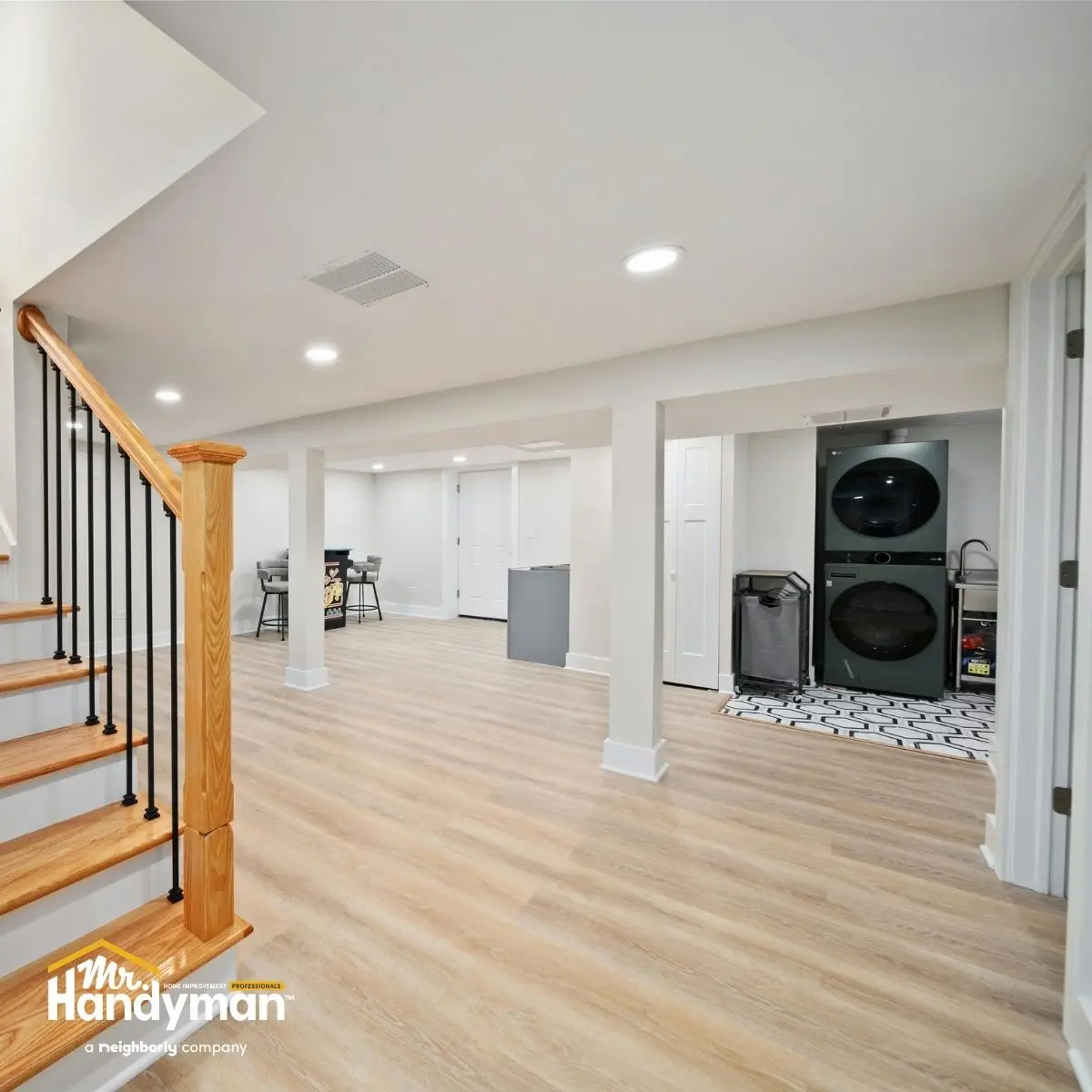
A critical detail in Lowcountry basement framing is maintaining a small gap between wall framing and the concrete or masonry wall behind it. This gap serves two purposes. It prevents the framing from being in direct contact with a wall surface that may transmit moisture, and it creates a drainage plane that allows any moisture that does get behind the finished wall to travel downward rather than saturating the framing. This is a small detail that makes a large difference in how the finished space performs over years.
Insulation selection for below-grade spaces in this climate requires the same thought. Fiberglass batt insulation, while standard in above-grade wall assemblies, is poorly suited for below-grade applications in high-humidity environments. It absorbs moisture readily, loses its insulating effectiveness when wet, and supports mold growth once it has been saturated. Rigid foam insulation applied directly to the concrete wall before framing provides effective thermal performance without the moisture vulnerability of fibrous insulation. Closed-cell spray foam is the most effective option where budget allows, as it provides both insulation and a moisture barrier in a single application.
Flooring Solutions That Work Below Grade
Flooring selection is one of the most visible decisions in a basement improvement project and one of the most consequential from a durability standpoint. The floor of a below-grade space in the Lowcountry is subject to conditions that eliminate most of the flooring options that perform well elsewhere in the home.
Solid hardwood flooring is not appropriate for below-grade installation. It expands and contracts with changes in moisture content, and in a below-grade environment those changes are significant enough to cause cupping, buckling, and joint separation that renders the floor unusable within a relatively short time. Even engineered hardwood, which is more dimensionally stable than solid wood, should be evaluated carefully and installed only when moisture conditions have been thoroughly controlled and tested.
Luxury vinyl plank and tile have become the leading flooring choice for below-grade spaces in humid climates, and with good reason. Quality LVP products are fully waterproof through their entire thickness, dimensionally stable under humidity fluctuations, and available in appearances that closely replicate wood and stone. They install over concrete with minimal subfloor preparation, handle the minor moisture vapor transmission that even well-managed concrete floors produce, and are fully recoverable if a water event does occur — they can be dried out and reinstalled rather than replaced entirely.
Porcelain tile is another appropriate choice for below-grade spaces, provided the concrete subfloor is in sound condition and the installation uses a waterproof membrane beneath the tile setting. Tile withstands moisture exposure without degrading, is easy to clean, and works well in spaces that will see varied use. The limitation is comfort underfoot, which makes it better suited for utility-oriented spaces than for bedrooms or living areas where occupants will spend extended time.
Floating floor systems that create an air gap between the finished surface and the concrete below offer an additional layer of protection in spaces where moisture vapor transmission is a documented concern. These systems interrupt the direct contact between the concrete and the finished floor material, reducing the moisture that reaches the flooring and extending its service life in challenging conditions.
Lighting, Ventilation, and Making the Space Feel Like Part of the Home
The difference between a basement space that feels like a finished room and one that feels like a basement regardless of what was done to it almost always comes down to lighting and air quality. These are the elements that shape how a space is experienced rather than how it looks in photographs, and in below-grade spaces they require deliberate attention because the natural advantages that above-grade rooms enjoy — windows, natural light, and connection to the home's primary airflow — are limited or absent.
Lighting design in a below-grade space should work harder than it does in rooms with natural light. A single overhead fixture centered in the ceiling produces flat, shadowy light that reinforces the underground feel of the space. A layered approach — combining recessed ceiling fixtures that provide general illumination with wall-mounted sconces or strategic lamp placement that adds warmth and dimension — transforms the light quality in ways that make the space feel genuinely comfortable rather than merely functional.
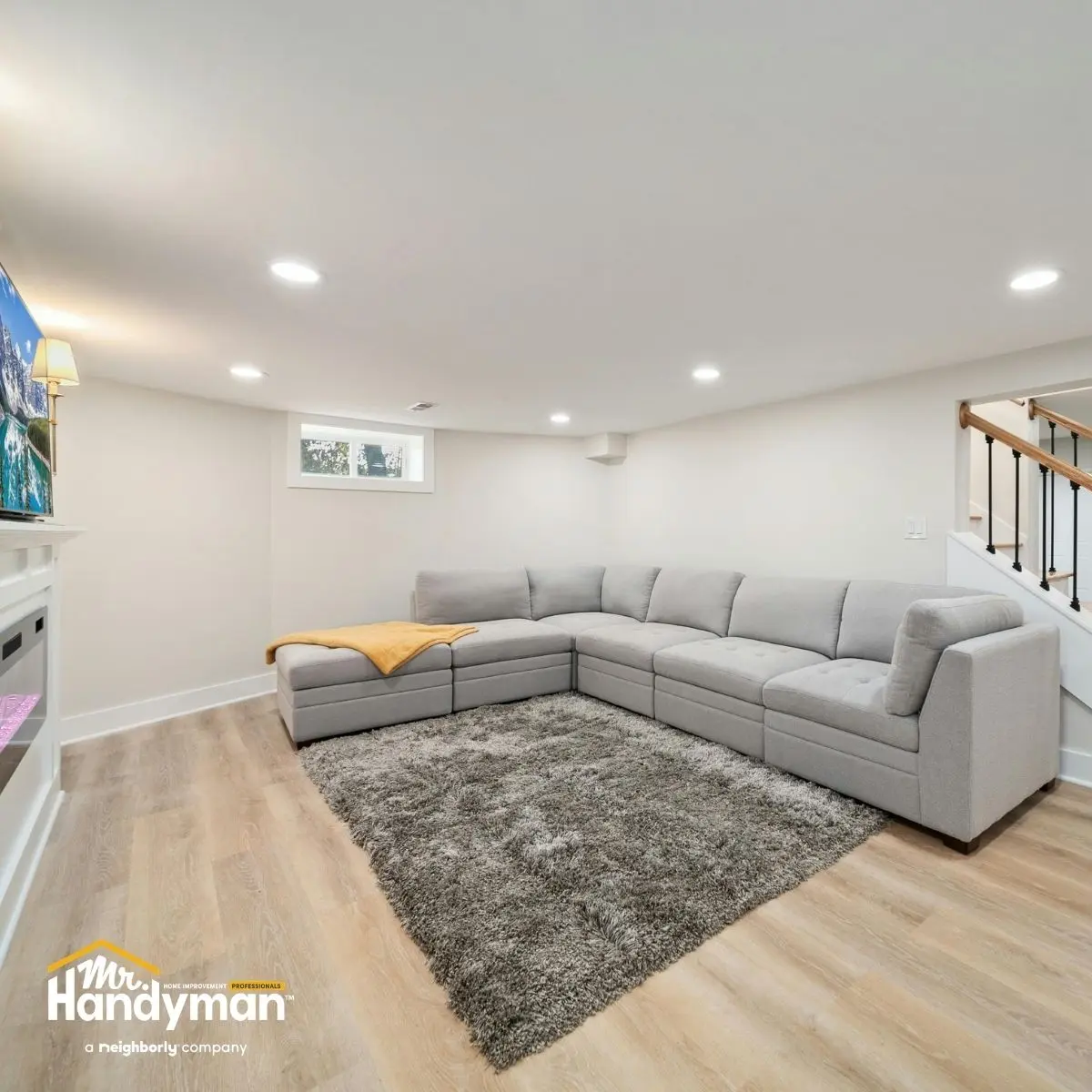
Ceiling height is a constraint that lighting placement can either work with or against. In spaces with lower ceilings, recessed fixtures that sit flush with the ceiling surface preserve the full height of the room and avoid the visual compression that pendant or surface-mounted fixtures create. Where ceiling height is more generous, the design options expand, but the principle of layering light sources remains the most effective approach regardless of the specific fixtures used.
Natural light should be maximized wherever the space allows. Egress windows — windows that meet code requirements for emergency exit from below-grade sleeping areas — serve a dual purpose in this regard. They satisfy the safety requirement for any space intended to function as a bedroom, and they introduce natural light and ventilation that meaningfully changes how the space feels. In Charleston and Summerville homes where the grade relationship allows for egress window installation, this addition is one of the most impactful single improvements available for a below-grade space.
Ventilation and humidity control are not optional considerations in a Lowcountry below-grade space — they are the ongoing maintenance requirement that keeps the improvement performing as intended. A space that is finished without a dedicated approach to humidity control will accumulate moisture during the region's humid seasons regardless of how well the initial moisture management work was done. The ambient outdoor humidity alone is sufficient to elevate indoor humidity in a below-grade space that isn't actively managed.
A dedicated dehumidifier sized appropriately for the square footage of the finished space is the minimum requirement. Units designed specifically for below-grade applications handle the continuous load that Lowcountry conditions impose more reliably than portable consumer units intended for occasional use. Connecting the dehumidifier to a drain line rather than relying on a collection bucket eliminates the need for manual emptying and ensures the unit operates continuously without interruption during the humid season. For spaces connected to the home's HVAC system, ensuring that the system's distribution reaches the below-grade area with appropriate capacity is equally important — a finished basement room that isn't adequately served by the home's heating and cooling will be uncomfortable regardless of how well it's finished.
Room Applications That Work Well in Lowcountry Below-Grade Spaces
Not every room type is equally well suited to below-grade conditions, and matching the intended use of the space to its realistic performance characteristics leads to better outcomes than designing a room type that fights the environment it's in.
Home offices have become one of the most popular applications for finished basement spaces, and they work well in below-grade environments for several practical reasons. The relative quiet of a below-grade space — insulated from street noise and the activity in the main living areas above — is genuinely valuable for focus work. The consistent temperature that below-grade spaces maintain naturally, cooler than above-grade rooms in summer and more stable year-round, is comfortable for sedentary work. And the requirements for a functional home office — reliable lighting, climate control, electrical outlets, and an internet connection — are all straightforwardly achievable in a properly finished below-grade space.
Guest rooms are achievable in below-grade spaces that meet egress requirements, and they add genuine value to a home both in terms of function and in terms of what they communicate to buyers about the home's flexibility. The egress window requirement is not a bureaucratic obstacle — it's a safety standard that ensures occupants can exit the space in an emergency, and it's non-negotiable for any space marketed or used as a sleeping area. Homes in the Charleston and Summerville market with legally finished below-grade guest rooms carry that additional bedroom count into their listing, which affects both perceived value and the buyer pool the home attracts.
Hobby and craft rooms represent another excellent application for below-grade spaces. The contained nature of the space works in favor of activities that involve materials, tools, or projects that benefit from separation from the main living areas. The durability requirements for the finish materials are also more forgiving — a workshop or craft space can use painted concrete floors and exposed stud framing in portions of the space while still feeling purpose-built and intentional.
Home gyms have become increasingly sought after in the post-pandemic market, and below-grade spaces handle the specific requirements of gym use well. Rubber flooring over concrete manages both impact absorption and the moisture demands of a high-activity space. The cooler natural temperature of below-grade spaces is comfortable for exercise. And the separation from the rest of the home's living areas contains both the noise of equipment and the visual presence of gear that many homeowners prefer to keep out of sight.
FAQs About Basement Improvements in Charleston and Summerville
Are basements common enough in this area to make finishing one worthwhile? True full-depth basements are less common in the Lowcountry than in other regions, but partially below-grade and walk-out lower level spaces exist throughout Charleston and Summerville. For homes that have these spaces, finishing them adds square footage at a lower cost per foot than any other type of addition, making it one of the more efficient ways to expand usable living area without changing the home's footprint.
How do I know if my below-grade space is suitable for finishing? The key indicators are moisture history, ceiling height, and the ability to meet egress requirements for the intended use. A space with active water intrusion, insufficient ceiling height, or no viable path to egress window installation for sleeping areas may not be a good candidate for finishing without significant preliminary work. A professional assessment of those conditions before committing to the project prevents investing in finishing work on a space that has unresolved fundamental issues.
What permits are required for basement finishing in this area? Permit requirements vary by municipality and by the scope of the work. Projects that involve electrical work, plumbing additions, or the creation of a sleeping area with egress requirements typically require permits and inspections. Working with a contractor who understands local requirements and pulls the appropriate permits protects the homeowner at resale, when unpermitted work can complicate transactions and require remediation.
How much does it typically cost to finish a below-grade space in this market? Costs vary significantly based on the size of the space, the condition of existing conditions, the scope of moisture management work required, and the finish level selected. Basic finishing with durable materials appropriate for the environment will cost less than a fully appointed space with high-end finishes. Getting a professional assessment of the specific space provides a realistic cost picture that accounts for the regional and site-specific factors that generic estimates don't capture.
Can I add a bathroom to a finished basement space? Adding a bathroom to a below-grade space is possible but involves specific plumbing considerations. Standard gravity drain systems require the drain lines to run below the slab level, which may involve breaking the concrete floor to install drain rough-in. Upflush toilet systems offer an alternative that avoids breaking the slab by using a macerating pump to move waste up to the existing drain lines. Both approaches are viable; the right choice depends on the specific plumbing configuration of the home and the budget available for the project.
How long does a typical basement finishing project take? A straightforward finishing project in a space that doesn't require extensive preliminary moisture work typically takes several weeks from start to completion, depending on the scope and the sequencing of trades involved. Projects that include electrical, plumbing, or HVAC work involve inspections between phases that affect the timeline. Planning for a realistic timeline rather than an optimistic one prevents the frustration of a space that sits partially finished while waiting for inspections or material availability.
Add Living Space You'll Actually Use With Mr. Handyman of Charleston and Summerville
A below-grade space that has been sitting unfinished or underused represents square footage your home already has but isn't delivering. With the right approach to moisture management, material selection, and finish quality, that space becomes a room that works reliably and adds genuine value — both to daily life and to the home's long-term worth.
Mr. Handyman of Charleston and Summerville understands the specific challenges that Lowcountry homes present in below-grade improvement projects. From initial condition assessment through framing, insulation, flooring, and finish work, our technicians bring the regional knowledge and hands-on experience that makes the difference between a finished space that performs and one that doesn't.
Mr. Handyman of Charleston and Summerville
Reach out today to schedule an assessment of your below-grade space or to discuss the scope of a finishing project. The square footage is already there — let's make it work for you.
