Cold weather in the Lowcountry may be brief, but it has a way of exposing weaknesses in a home very quickly. Short cold snaps, temperature swings, and increased indoor use can turn small, overlooked issues into expensive repairs if they are ignored. Understanding Small Fixes That Prevent Big Problems During Cold Weather in Charleston helps homeowners stay ahead of damage, protect their property, and avoid emergency home repair situations during winter.
Unlike colder regions, Charleston homeowners are not preparing for months of freezing temperatures. Instead, the challenge comes from homes that are not routinely stressed by cold conditions. When temperatures dip, even slightly, small gaps, worn components, and deferred home maintenance issues tend to surface. Homeowners who work with Mr. Handyman of Charleston and Summerville often find that addressing a handful of targeted fixes during winter prevents far more costly problems later in the year.
Cold weather repairs in this region are less about extreme conditions and more about smart, preventative care. Small improvements completed at the right time protect plumbing, interiors, and structural elements from damage caused by temperature changes and moisture.
Why Cold Weather Reveals Hidden Home Issues
Homes in coastal South Carolina are built to handle heat and humidity, not extended cold. When temperatures drop, even for a short period, materials respond differently. Wood contracts, seals tighten or fail, and plumbing becomes more vulnerable.
Cold weather commonly exposes:
- Air leaks around doors and windows
- Minor plumbing weaknesses
- Moisture intrusion points
- Worn seals and caulking
- Loose interior components
Because these problems develop quietly, homeowners often do not notice them until conditions change. Cold snaps make inefficiencies obvious and accelerate damage that was already starting.
Sealing Small Gaps Around Doors and Windows
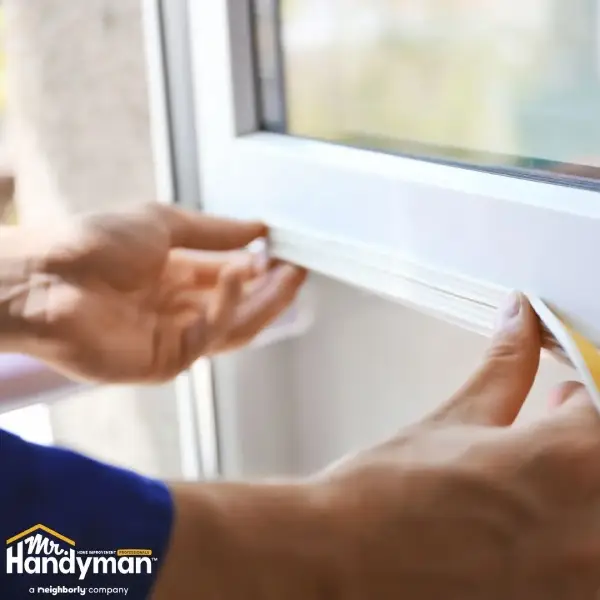
One of the simplest and most effective cold weather fixes is sealing air leaks. Gaps around doors and windows allow cold air inside and warm air out, affecting comfort and energy efficiency.
High-impact small fixes include:
- Replacing worn weatherstripping
- Sealing visible gaps around window frames
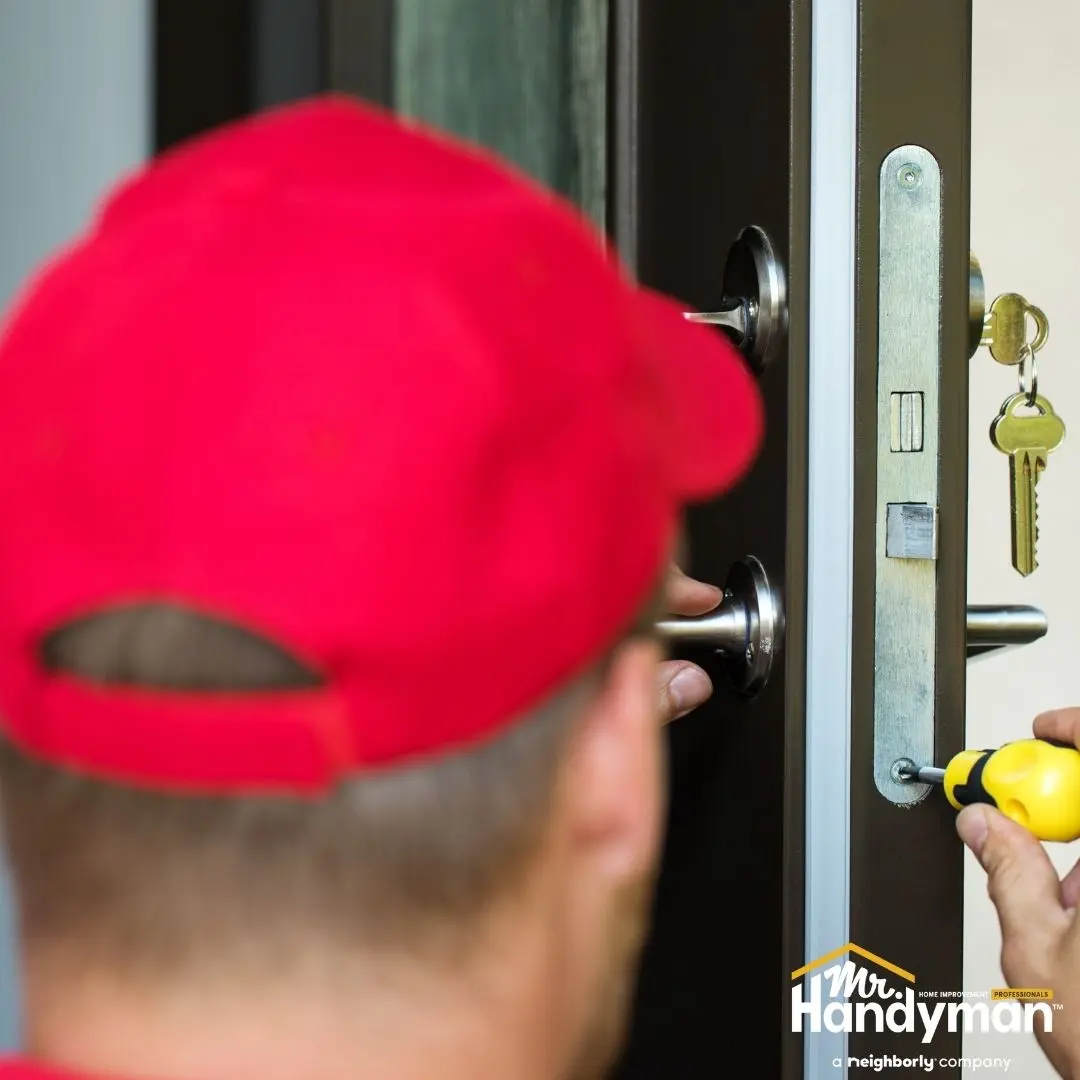
- Adjusting doors that no longer close tightly
- Repairing damaged thresholds
These quick home repair tasks reduce drafts, protect interior finishes, and support more consistent indoor temperatures.
Preventing Minor Plumbing Issues From Escalating
Even mild cold snaps can stress plumbing components in Charleston homes, especially in areas that are rarely used or poorly insulated. Small plumbing issues often become big problems when temperatures drop.
Preventative cold weather plumbing fixes include:
- Repairing dripping faucets
- Securing loose fixtures
- Addressing slow drains
- Insulating exposed pipes in vulnerable areas
These simple fixes reduce the risk of leaks, water damage, and emergency plumbing calls during colder weather.
Repairing Caulk and Sealant Before Moisture Intrusion Occurs
Caulk and sealant protect homes from air and moisture intrusion year-round, but cold weather highlights where these barriers have failed. Cracked or missing caulk allows moisture to enter walls and trim.
Important small fixes include:
- Replacing deteriorated caulk around windows
- Resealing tubs, showers, and sinks
- Addressing gaps around trim and baseboards
- Sealing penetrations where pipes enter walls
These repairs support better moisture control and protect materials before humidity levels rise again.
Fixing Loose Interior Components Early
Cold weather causes materials to contract slightly, which can loosen components that were already under stress. This is often when homeowners notice squeaks, movement, or shifting.
Small but important fixes include:
- Tightening loose handrails
- Securing stair components
- Repairing squeaky or loose flooring
- Tightening cabinet hinges and hardware
Addressing these issues early improves safety and prevents additional wear.
Addressing Condensation Before It Causes Damage
Condensation is a common cold weather issue in Charleston homes. When cooler air meets indoor humidity, moisture collects on windows, doors, and nearby surfaces.
Small fixes that prevent condensation damage include:
- Improving bathroom ventilation
- Repairing window seals
- Addressing air leaks near windows
- Replacing damaged trim affected by moisture
Managing condensation protects surfaces and supports healthier indoor conditions.
Repairing Minor Drywall and Trim Damage
Cold weather lighting and indoor activity make small wall and trim issues more noticeable. Cracks, nail pops, and gaps may not be structural problems, but they can worsen if ignored.
Effective winter fixes include:
- Patching drywall cracks
- Repairing damaged corner beads
- Fixing gaps between trim and walls
- Touching up exposed areas
These small repairs prevent moisture infiltration and maintain the integrity of interior surfaces.
Improving Interior Lighting for Safety
Shorter days mean lights are used more frequently during winter. Poor lighting increases the risk of trips and falls, especially in high-traffic areas.
Small lighting-related fixes include:
- Replacing dim or flickering fixtures
- Securing loose light mounts
- Improving lighting in hallways and staircases
- Updating switches that no longer function properly
Better lighting improves safety and comfort throughout the home.
Checking Storage and Utility Areas
Cold weather often pushes more items into storage spaces, garages, and utility rooms. These areas are frequently overlooked until problems arise.
Preventative fixes include:
- Securing shelving units
- Clearing access to plumbing and shutoff valves
- Repairing damaged storage doors
- Improving lighting in utility spaces
Well-maintained storage areas reduce hazards and make emergency access easier if needed.
Why Small Fixes Matter More Than Big Repairs
Most major home repair problems start small. Cold weather simply accelerates the timeline. Addressing minor issues early prevents damage from spreading and reduces overall repair costs.
Homeowners in Charleston and Summerville often find that winter is the clearest indicator of where their home needs attention. Small fixes completed now protect the home through the rest of winter and prepare it for spring humidity.
Understanding Small Fixes That Prevent Big Problems During Cold Weather in Charleston is about timing and awareness. Cold snaps do not last long here, but their impact can linger if problems are ignored. Addressing small repairs during winter supports smarter home maintenance, protects your investment, and helps you avoid larger, more expensive issues later.
Cold Weather Maintenance Fixes That Protect Your Home From Costly Damage
Once cold snaps arrive, even briefly, small maintenance issues can escalate faster than many homeowners expect. What makes winter unique in Charleston is not prolonged cold, but how quickly temperature changes expose weaknesses in homes that are otherwise comfortable most of the year. Understanding Small Fixes That Prevent Big Problems During Cold Weather in Charleston means knowing which maintenance tasks have the greatest impact before damage spreads.
These fixes are not complex or invasive. They are practical, targeted home repair and home maintenance steps that protect your home when conditions shift and indoor use increases.
Protecting Plumbing With Simple Preventative Fixes
Plumbing systems in the Lowcountry are not regularly stressed by cold temperatures, which makes them more vulnerable during short cold snaps. Small plumbing issues that go unnoticed during warm weather can worsen quickly when temperatures drop.
High-impact cold weather plumbing fixes include:
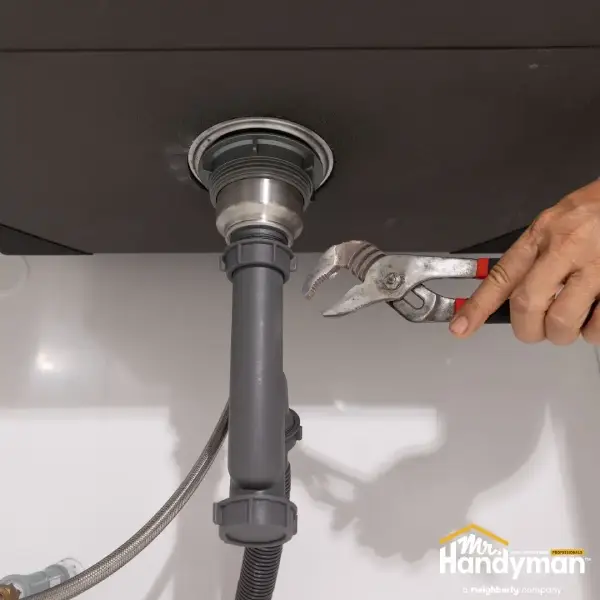
- Tightening loose supply connections under sinks
- Replacing worn washers in dripping faucets
- Insulating exposed pipes in garages or crawl spaces
- Securing access panels around plumbing
These minor repairs help prevent leaks, water damage, and emergency plumbing calls when cold weather arrives unexpectedly.
Stopping Air Leaks Before They Affect Interior Surfaces
Air leaks do more than make a home feel drafty. During cold weather, they can cause condensation inside walls and around windows, leading to moisture damage that lingers long after temperatures rise.
Small fixes that make a big difference include:
- Sealing gaps around door frames
- Replacing compressed or cracked weatherstripping
- Resealing window trim where caulk has failed
- Adjusting doors that no longer close evenly
By addressing air leaks early, homeowners protect drywall, trim, and flooring from moisture-related deterioration.
Preventing Flooring Damage During Cold Snaps
Cold weather causes materials to contract slightly, which can expose weaknesses in flooring installations. Floors that were quiet and stable in summer may begin to creak, shift, or separate in winter.
Preventative flooring fixes include:
- Securing loose boards or planks
- Repairing cracked tiles before they spread
- Reattaching loose transitions between rooms
- Addressing soft spots early
These small repairs reduce the risk of larger flooring replacements and help maintain safe walking surfaces.
Managing Bathroom Moisture More Effectively
Bathrooms are one of the most vulnerable areas of the home during winter. Hot showers combined with cooler air create condensation that can quickly damage surfaces.
Small but effective bathroom fixes include:
- Replacing deteriorated grout or caulk
- Repairing slow-draining sinks and tubs
- Improving ventilation performance
- Securing loose fixtures that allow water intrusion
These repairs protect surrounding walls and flooring from hidden moisture damage that often becomes visible months later.
Repairing Trim and Baseboards Before Damage Spreads
Wood trim and baseboards respond quickly to changes in temperature and humidity. Cold snaps often reveal gaps, cracks, or swelling that were not visible before.
Important winter trim repairs include:
- Securing loose baseboards
- Filling gaps between trim and walls
- Replacing damaged sections before moisture intrusion
- Touching up exposed areas to seal surfaces
Addressing trim issues early prevents moisture from reaching drywall and framing materials.
Improving Interior Door and Hardware Performance
Interior doors and hardware are used constantly during winter when families spend more time indoors. Seasonal movement can cause doors to stick, swing improperly, or fail to latch.
Small fixes that prevent bigger problems include:
- Tightening hinges before screws strip
- Adjusting strike plates for proper alignment
- Replacing worn door hardware
- Securing door stops to prevent wall damage
These repairs protect both doors and surrounding surfaces from long-term damage.
Reducing Condensation Around Windows
Condensation is one of the most common cold weather issues in Charleston homes. While it may appear harmless, repeated condensation can damage trim, sills, and wall surfaces.
Preventative fixes include:
- Resealing window frames
- Repairing damaged window trim
- Addressing air leaks near glass
- Improving airflow around windows
Managing condensation now helps prevent mold growth and wood rot later.
Securing Stairs and Handrails During Seasonal Movement
Stairs and railings experience subtle shifts during temperature changes. Cold weather can loosen components that were already under stress.
Small but critical fixes include:
- Tightening loose handrails
- Securing balusters and spindles
- Repairing squeaky or unstable steps
- Addressing worn stair nosing
These repairs improve safety immediately and reduce long-term structural wear.
Checking Utility and Storage Areas
Cold weather often draws attention to garages, laundry rooms, and utility spaces where issues are easy to overlook. These areas frequently contain exposed pipes and vulnerable materials.
Preventative fixes include:
- Insulating pipes in utility areas
- Securing shelving and storage units
- Repairing damaged access doors
- Improving lighting for visibility
Well-maintained utility areas reduce the risk of emergency situations during cold snaps.
Why Small Cold Weather Fixes Save Money
Major home repair problems rarely appear overnight. They develop when small issues are ignored. Cold weather accelerates this process by stressing materials and systems that are not used to it.
Addressing Small Fixes That Prevent Big Problems During Cold Weather in Charleston helps homeowners:
- Avoid emergency repair costs
- Reduce water and moisture damage
- Protect interior finishes
- Maintain safer living spaces
Homes in Mount Pleasant and North Charleston often benefit from winter fixes because coastal humidity magnifies the impact of even minor cold-weather damage.
Using Winter as a Preventative Maintenance Advantage
Winter offers clarity. Homes are closed up, conditions are consistent, and small problems become easier to spot. Fixing these issues now prevents them from resurfacing during spring and summer when humidity and activity increase.
By focusing on targeted home repair and home maintenance tasks during cold weather, homeowners protect their homes more effectively and reduce long-term costs. These small fixes may seem simple, but together they play a powerful role in preventing the kinds of big problems no homeowner wants to face.

Why Addressing Cold Weather Fixes Now Protects Your Home All Year
Small repairs completed during cold weather do far more than solve short-term inconveniences. In Charleston’s climate, winter serves as an early warning system. It highlights weaknesses that will almost certainly worsen once humidity rises and daily activity increases. Understanding Small Fixes That Prevent Big Problems During Cold Weather in Charleston means using this season strategically to protect your home long after temperatures warm back up.
When homeowners address minor issues during winter, they are not just reacting to the season. They are strengthening their home against the conditions that cause the most long-term damage in the Lowcountry.
Cold Weather Fixes Reduce Spring and Summer Damage
Many of the most expensive home repair issues in Charleston develop during spring and summer, not winter. Moisture, heat, and expansion place stress on areas that were already compromised.
Winter fixes help prevent:
- Moisture intrusion during humid months
- Expansion-related damage to flooring and trim
- Mold growth behind walls and fixtures
- Repeated plumbing and leak issues
By sealing gaps, repairing surfaces, and stabilizing components during winter, homeowners reduce the impact of warmer, wetter seasons before they arrive.
Preventative Repairs Support Easier Home Maintenance
Homes that receive attention during winter are easier to maintain throughout the rest of the year. Small fixes completed now reduce the number of recurring issues that demand attention later.
Preventative winter repairs lead to:
- Fewer emergency home repair calls
- More predictable home maintenance needs
- Reduced ongoing wear to finishes and fixtures
- Less stress during peak home improvement seasons
Instead of constantly reacting to new problems, homeowners can focus on planned improvements.
Improving Safety Before Activity Increases
Cold weather keeps families indoors, but spring and summer bring increased foot traffic, guests, and daily movement. Small safety issues that seem manageable now can become serious hazards later.
Winter fixes improve safety by:
- Eliminating trip hazards early
- Securing stairs, railings, and flooring
- Improving lighting before longer daylight masks issues
- Addressing loose hardware before it fails
Completing these repairs now helps ensure your home is ready for higher activity levels without added risk.
Protecting Interior Finishes and Home Value
Interior finishes are often the first things affected when small problems are ignored. Moisture damage, cracks, and warping can quickly diminish a home’s appearance and value.
Cold weather fixes help protect:
- Drywall and paint surfaces
- Trim, baseboards, and cabinetry
- Flooring and subfloor materials
- Bathroom and kitchen finishes
Maintaining these elements preserves both comfort and resale value.
Why Small Repairs Are More Cost-Effective Than Major Fixes
From a cost perspective, winter is the most efficient time to handle repairs. Materials are stable, issues are visible, and repairs are usually simpler.
Small fixes completed early help homeowners avoid:
- Extensive water damage repairs
- Flooring replacements instead of spot repairs
- Structural damage from prolonged moisture exposure
- Higher labor costs associated with emergency work
Addressing issues when they are minor saves money and limits disruption.
Using Winter as a Home Care Checkpoint
Winter provides an ideal opportunity to assess how your home performs when it is closed up and fully occupied. This perspective is harder to gain during warmer months.
A winter home checkpoint may include:
- Inspecting doors and windows for air leaks
- Checking bathrooms for moisture and ventilation issues
- Reviewing flooring, stairs, and railings for stability
- Examining trim, baseboards, and ceilings for early damage
- Assessing plumbing fixtures for leaks or wear
Repeating this process each winter helps homeowners stay ahead of problems year after year.
When a Handyman Makes the Biggest Difference
Many cold weather fixes involve small tasks across multiple areas of the home. Coordinating separate specialists is often unnecessary and inefficient for this type of work.
A handyman is ideal for:
- Grouping multiple minor repairs into one visit
- Identifying issues homeowners may overlook
- Completing repairs efficiently and correctly
- Supporting ongoing home maintenance goals
Homeowners who work with Mr. Handyman of Charleston and Summerville benefit from experienced professionals who understand how coastal conditions affect homes and how small issues can escalate quickly if ignored.
Preparing Your Home for the Year Ahead
Cold weather does not last long in Charleston, but the damage caused by ignored issues can last all year. Winter repairs are an investment in stability, safety, and long-term performance.
By addressing Small Fixes That Prevent Big Problems During Cold Weather in Charleston, homeowners set their homes up for:
- Fewer repairs during humid months
- Better indoor comfort year-round
- Lower long-term maintenance costs
- Reduced stress and disruption
Turning Winter Repairs Into Long-Term Protection
Winter does not need to be a waiting season for homeowners. It can be one of the most productive times of year for protecting your home.
Small, targeted fixes completed during cold weather strengthen your home against the conditions that cause the most damage later. With a proactive approach and proper home maintenance, winter becomes the season that prevents big problems before they ever start.
Small repairs now can help prevent major damage later. Schedule handyman service online or call.