
Summer Entertaining in the Low Country Starts With the Kitchen
There is a particular rhythm to summer in Charleston and Summerville that defines Low Country living at its most characteristic. Gatherings move between indoor and outdoor spaces fluidly as the evening cools. Neighbors arrive for impromptu dinners. Family visits extend across weekends of cooking, eating, and the social engagement that South Carolina's hospitality culture sustains through the warm months. The kitchen that handles a quiet Tuesday dinner becomes the operational center of a household running at full social capacity, and whatever limitations it has been carrying quietly through the year become impossible to ignore when that pressure arrives.

Low Country homeowners who have been considering a kitchen remodel consistently reach the same conclusion at the same time. Spring is when the motivation peaks, when contractor schedules are still accessible before the summer rush, and when there is a realistic window to complete meaningful work before the season that will test the kitchen most. The planning work that precedes a kitchen remodel is where most projects succeed or fail, and it deserves the same attention as any decision about materials or finishes.
A kitchen remodel completed before summer entertaining season serves the Low Country lifestyle directly. It is not simply a home improvement investment. It is preparation for the months that Charleston and Summerville residents invest most intensely in the culinary and social culture that defines life in this region.
Starting With an Honest Assessment of What the Kitchen Actually Needs
The most consistent planning mistake in kitchen remodeling is beginning with aesthetics before establishing function. A kitchen that looks dated but works well has different remodeling priorities than one that looks acceptable but fails daily at the functional level.
Layout and workflow in a Low Country kitchen must account for the specific demands that the region's culinary traditions and social entertaining culture place on how the space functions. Low Country cooking that involves large pots of shrimp, fresh seafood preparation, extensive produce work, and the simultaneous management of multiple dishes for large gatherings creates workflow demands that differ from those of a kitchen used primarily for quick weeknight meals. If the layout of your current kitchen creates friction during the specific cooking patterns that Low Country entertaining requires, surface updates alone will not resolve the underlying functional limitation.
Storage capacity in a Low Country kitchen that supports serious cooking and regular entertaining requires honest evaluation of what the kitchen needs to hold, including the specialized equipment, the entertaining service pieces, and the pantry depth that Low Country culinary culture demands. A kitchen without adequate storage for the way it is actually used creates the daily workarounds that no finish or fixture update eliminates.
Plumbing and electrical conditions in Charleston's older homes deserve professional assessment before any remodel scope is finalized. Kitchens in historic Peninsula homes or older West Ashley and James Island properties may have galvanized supply lines, original drain configurations, or electrical panels that do not support the appliance load that a current kitchen renovation would introduce. Encountering these conditions during demolition without having anticipated them in the project budget is the primary driver of budget overruns in Low Country kitchen renovations.
Defining Scope Clearly Before Any Other Decision
.webp)
Kitchen remodels exist across a wide spectrum of scope and investment that the terminology used to describe them obscures in ways creating misaligned expectations.
A cosmetic refresh addresses surface finishes without altering layout, plumbing, or electrical configurations. Cabinet hardware, countertops, fixtures, backsplash, and flooring all fall into this category. A well-executed cosmetic refresh is achievable within a timeline accommodating summer entertaining if planning begins in early spring and material orders are placed promptly.
A partial remodel introduces structural changes requiring plumbing or electrical work, cabinet replacement rather than refacing, or layout modifications that change how the space functions. This scope requires more planning time, longer contractor lead time, and timeline assessment that accounts for trade sequencing. In Low Country homes where the trades serving Charleston and Summerville's active renovation market stay consistently busy through spring, early engagement is particularly important.
A full kitchen renovation replaces everything and potentially reconfigures the space. In older Charleston homes where kitchens carry decades of accumulated updates and infrastructure conditions that current renovation will address comprehensively, full renovation is frequently the right scope rather than a partial approach that works around conditions deserving resolution.
Budgeting Realistically for Low Country Remodeling Costs
Kitchen remodeling costs in Charleston and Summerville reflect the active renovation market that the region's desirability and population growth sustain. Labor costs in this market reflect strong contractor demand, and material lead times can be extended by the volume of renovation activity that Low Country's growth supports simultaneously.
Material costs for primary kitchen remodel components are consistent with national pricing through regional suppliers. The meaningful Low Country variable is the infrastructure work that older Charleston and Summerville homes require. A kitchen remodel in a newer Summerville home with modern infrastructure proceeds differently than the same scope in a 1940s Charleston home with plaster walls, original plumbing, and electrical that needs updating.
Contingency budgeting in Low Country kitchen remodels, particularly in homes with any age, accounts for what demolition reveals in wall and floor assemblies that have managed years of the region's humidity. Moisture damage in wall cavities adjacent to older plumbing, subfloor conditions beneath existing flooring, and the mold remediation that Low Country moisture histories occasionally require all represent contingency-funded discoveries that zero-contingency planning cannot absorb. A contingency of fifteen to twenty percent of the total project budget is a realistic assumption for older Charleston home remodels.
Contractor Selection and Scheduling in the Low Country Market
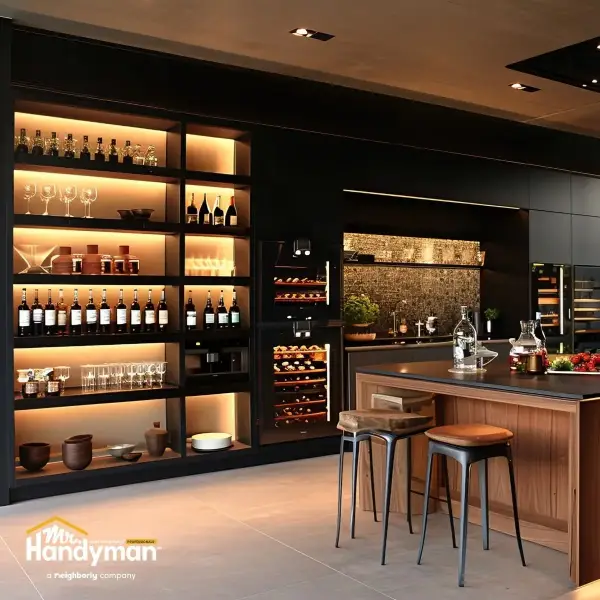
The renovation contractors serving Charleston and Summerville's active market fill their schedules from spring inquiries that begin arriving in late winter. A homeowner beginning contractor conversations in March accesses meaningfully better options than one beginning in May when summer schedules are approaching full commitment.
Multiple estimates from contractors with specific Low Country kitchen renovation experience, verifiable references from comparable projects, and permit practices that protect the homeowner's future real estate transaction are the baseline qualification criteria that spring selection should apply before any scope or price decision is made.
Choosing Materials That Perform in the Low Country Kitchen Environment
Material selection in a Low Country kitchen remodel involves more than coastal aesthetic preference. The warm, humid conditions that Charleston and Summerville maintain year-round, combined with the sustained cooking activity that the region's culinary culture supports, create a kitchen environment that materials not selected for those conditions fail in ways that careful selection prevents.
Cabinet construction quality matters considerably in a humid climate where the seasonal humidity cycling of a Low Country kitchen, from the drier conditions of winter months to the peak humidity of South Carolina summers, tests cabinet box integrity at rates that moderate climates do not produce. Plywood box construction resists the expansion and contraction that humidity cycling produces significantly better than particleboard alternatives, which absorb moisture at exposed edges and lose structural integrity progressively under repeated Low Country seasonal cycling. In a Charleston or Summerville kitchen where the cabinet investment will be evaluated by future buyers who understand the region's conditions, plywood construction is a durability specification rather than a luxury selection.
Countertop material performance in a Low Country kitchen that supports serious cooking and regular entertaining comes back to honest evaluation of use patterns and maintenance willingness. Quartz surfaces that are non-porous and require no sealing handle the volume of use that Low Country entertaining produces without the maintenance demands that natural stone carries. The humid conditions of South Carolina summers create the moisture exposure that an unsealed stone countertop experiences continuously, making the sealing requirement of granite and marble a real maintenance obligation in this climate rather than a periodic suggestion.
Flooring durability in a Low Country kitchen must account for the moisture that the region's humidity introduces to kitchen floor surfaces through cooking activity, the tracked-in moisture from outdoor transitions that Low Country living produces, and the subfloor conditions that older Charleston homes may have accumulated through years of crawl space moisture exposure. Luxury vinyl plank is particularly well-suited to Low Country kitchen conditions, offering the visual warmth of wood with full waterproofing through its thickness and dimensional stability under the humidity variation that South Carolina seasons deliver.
Planning the Kitchen Layout for Low Country Entertaining
.webp)
A kitchen remodel undertaken in preparation for summer entertaining deserves layout planning that reflects the specific demands that Low Country cooking and hospitality culture places on how the space functions during active use.
Traffic flow during Low Country entertaining involves the fluid indoor-outdoor movement that Charleston and Summerville summer gatherings produce as guests move between kitchen, porch, and outdoor spaces continuously through an evening. A kitchen layout that positions the primary work zone with clear sight lines to outdoor entertaining areas, that provides adequate counter space for the staging and serving functions that entertaining requires, and that accommodates the movement of multiple people without creating circulation bottlenecks serves the specific social pattern of Low Country summer gatherings more effectively than a layout optimized only for individual cooking efficiency.
Sink and water access in a Low Country kitchen supporting serious seafood preparation and large-scale cooking deserves the single basin configuration and high-arc faucet reach that those tasks require. A kitchen rinsing fresh shrimp, cleaning whole fish, and filling the large pots that Low Country boils and stews require benefits from sink and faucet configurations that serve those specific tasks rather than the generic kitchen configurations that serve average use patterns.
Ventilation capability is a Low Country kitchen consideration that the cooking traditions of this region make particularly relevant. The aromatic, high-heat cooking that Low Country recipes involve, combined with the ambient humidity that the region maintains year-round, creates kitchen air quality and surface moisture conditions that adequate ventilation directly manages. A kitchen renovation that upgrades ventilation capacity to match the cooking activity the space will support delivers daily quality of life and surface protection returns that the investment pays back continuously.
What to Expect During the Low Country Remodel Process
Demolition discoveries in Charleston homes are a realistic planning consideration whose Low Country-specific dimensions include moisture damage in wall cavities adjacent to older plumbing, mold remediation in areas where the region's humidity has supported biological growth behind surfaces that appeared sound, and subfloor conditions beneath existing flooring that crawl space moisture histories have affected. Contingency planning that anticipates these discoveries prevents the budget stress that their absence from the original scope creates when they appear during demolition.
Trade sequencing in a Low Country kitchen remodel follows the same logic that applies everywhere but with the specific consideration that the Charleston and Summerville renovation market's contractor demand can create scheduling gaps between trades that early project planning minimizes. Rough plumbing and electrical inspections, cabinet installation, countertop templating, and finish work all sequence in an order that proper planning coordinates before work begins rather than discovering at each transition.
Living without a functional kitchen through the remodel period in a Low Country home benefits from the basement and outdoor space flexibility that many Charleston and Summerville properties provide. A covered porch or outdoor kitchen area that can support meal preparation during the remodel, combined with the temporary indoor kitchen setup that a microwave, countertop appliance, and utility sink provide, makes the disruption manageable without the daily household stress that unplanned kitchen loss creates.
Frequently Asked Questions
How long does a typical kitchen remodel take in the Low Country?
A cosmetic refresh runs two to four weeks. A partial remodel with cabinet replacement and plumbing or electrical work runs four to eight weeks. A full renovation in an older Charleston home should be planned for eight to twelve weeks with contingency for infrastructure discoveries that Low Country homes with age-related plumbing and moisture histories produce more frequently than newer construction.
When should planning begin for a summer-ready kitchen in Charleston and Summerville?
February and March for projects intended for completion before June. Material lead times for custom cabinets and countertops run four to six weeks, and contractor scheduling in the Low Country's active renovation market rewards early engagement significantly. Homeowners beginning planning in May are working against the scheduling reality of a market that fills spring and summer capacity from winter inquiries.
Is cabinet refacing worth considering over full replacement in a Low Country kitchen?
Refacing makes sense when cabinet boxes are structurally sound and the layout works well. In Low Country kitchens where cabinet boxes have absorbed moisture through years of the region's ambient humidity, where the layout creates the workflow limitations that the entertaining culture here specifically exposes, or where the interior storage configuration needs improvement, full replacement delivers better long-term value than covering boxes that Low Country conditions have compromised.
How do I manage the Low Country renovation market's contractor demand?
Start early, verify references from comparable Low Country projects specifically, and confirm permit practices before signing any contract. The contractors delivering quality kitchen renovations in Charleston and Summerville are consistently busy, and the homeowners accessing their best availability and attention are those who engaged them earliest in the planning season.
What kitchen features do buyers in the Low Country market value most?
Quartz or granite countertops, quality cabinetry with current hardware, adequate ventilation for Low Country cooking, and layouts that accommodate the entertaining function that the region's social culture requires all consistently influence buyer evaluation in Charleston and Summerville. Outdoor kitchen access from the main kitchen is an increasingly valued connection in a market where outdoor living is a primary lifestyle expectation.
Should I stay in the home during a full Low Country kitchen renovation?
Most homeowners do, with preparation for the disruption that realistic planning provides. The outdoor living infrastructure that many Charleston and Summerville properties include, from covered porches to detached structures, provides temporary meal preparation alternatives that make kitchen renovation more manageable here than in markets where the home's interior is the only functional space.
A Kitchen Ready for Everything Low Country Summer Brings
The difference between a kitchen remodel that finishes before summer entertaining season and one that runs into it is found almost entirely in the planning phase. Scope defined clearly, budget built with appropriate contingency for Low Country home conditions, materials selected for the climate and the way the kitchen will actually be used, and contractors engaged early enough to secure the team the project requires. When those elements are in place, the result is a kitchen genuinely ready for the culinary and social demands that Low Country summer delivers.
The team at Mr. Handyman of Charleston and Summerville brings the experience to help homeowners plan and execute kitchen remodeling projects that finish right and hold up through years of serious Low Country use.
Website: https://www.mrhandyman.com/charleston-summerville/
Serving homeowners throughout Charleston and Summerville with dependable service and the expertise your home deserves.