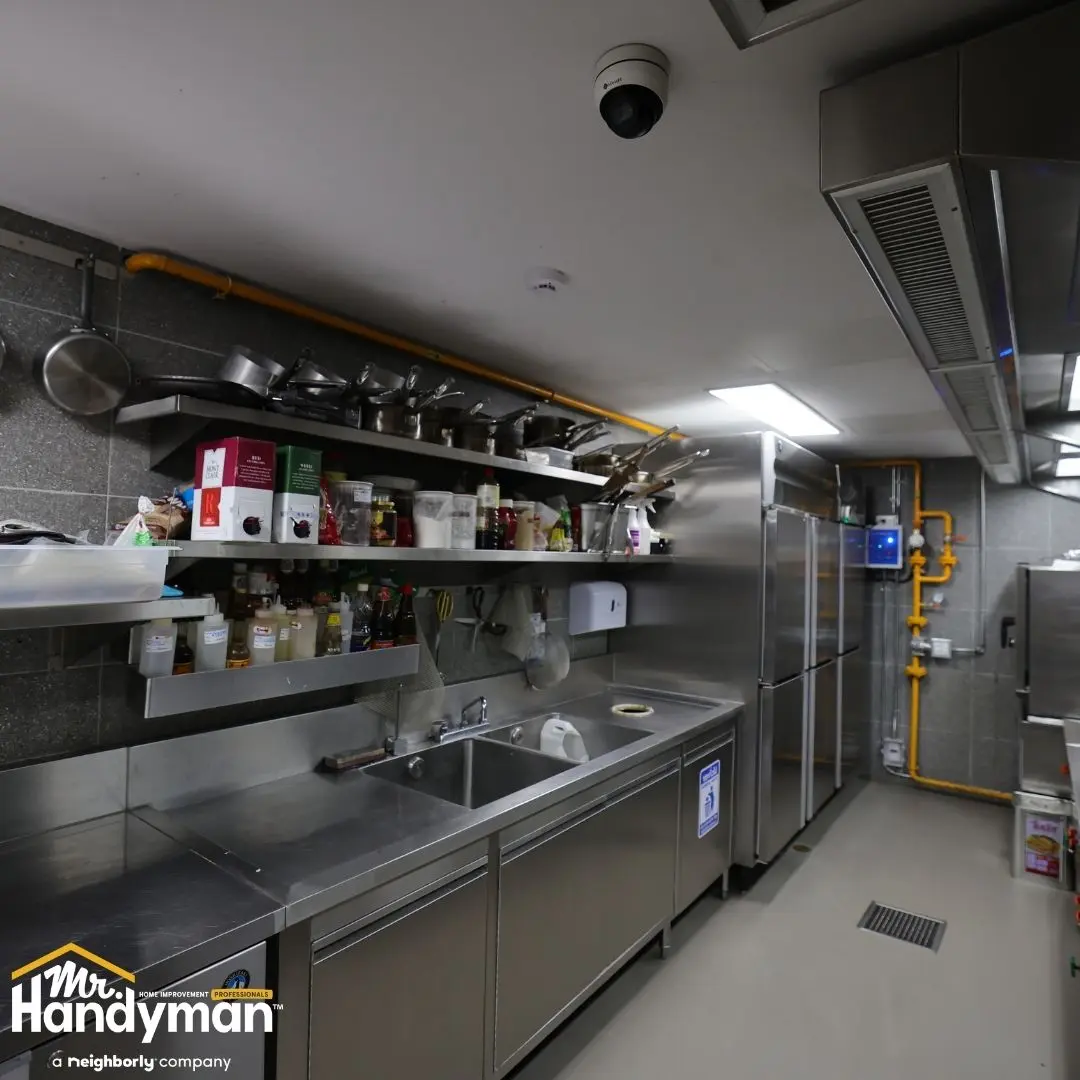
Unexpected repairs are one of the biggest budget disruptors for businesses. Emergency service calls, unplanned downtime, and last-minute fixes often cost significantly more than routine upkeep. For business owners and property managers, learning How Businesses Can Reduce Repair Costs With Preventative Maintenance in Charleston is one of the most effective ways to control expenses while keeping facilities safe, functional, and professional.
In coastal South Carolina, commercial properties face ongoing wear from humidity, heavy foot traffic, and year-round use. These conditions cause small issues to develop quietly over time. When left unaddressed, they often turn into costly repairs that interrupt operations. Businesses that work with Mr. Handyman of Charleston and Summerville often discover that a consistent preventative approach to commercial maintenance dramatically reduces long-term repair costs and operational disruptions.
Preventative maintenance is not about over-servicing a building. It is about identifying and addressing minor issues early, before they require expensive emergency repairs or force a business to close temporarily.
Why Reactive Repairs Cost Businesses More
Reactive maintenance occurs when repairs are only made after something breaks. While this approach may seem cost-effective in the short term, it often leads to higher expenses over time.
Reactive repairs typically result in:
- Emergency service premiums
- Overtime labor costs
- Expedited material fees
- Business interruptions or closures
- Secondary damage to surrounding areas
For example, a small plumbing leak that goes unnoticed can lead to damaged flooring, drywall, and fixtures. What could have been a simple home repair equivalent for a commercial space becomes a multi-day, high-cost project. Preventative maintenance focuses on stopping these issues early, when solutions are simpler and less expensive.
What Preventative Maintenance Really Means for Businesses
Preventative maintenance is a planned approach to maintaining a building’s systems, surfaces, and fixtures before failures occur. It involves regular inspections, minor repairs, and adjustments that keep everything functioning as intended.
In a commercial setting, preventative maintenance commonly includes:
- Inspecting doors, locks, and hardware
- Addressing minor plumbing or electrical issues
- Repairing surface wear before it worsens
- Maintaining restrooms and break areas
- Monitoring flooring and walkways for hazards
This approach shifts maintenance from crisis response to strategic planning, allowing businesses to control both timing and cost.

How Preventative Maintenance Reduces Repair Costs Over Time
The primary way preventative maintenance reduces costs is by limiting the scope of repairs. Small issues are cheaper to fix because they require fewer materials, less labor, and minimal disruption.
Preventative maintenance helps businesses reduce costs by:
- Catching problems before major damage occurs
- Extending the lifespan of building components
- Reducing emergency repair frequency
- Preventing cascading failures across systems
For example, tightening loose door hardware prevents frame damage. Replacing worn caulking in restrooms prevents water intrusion. Addressing these small tasks early avoids far more expensive structural or system repairs later.
High-Risk Areas That Benefit Most From Preventative Maintenance
Certain areas of commercial properties are more prone to wear and failure. These spaces often generate the highest repair costs when maintenance is delayed.
High-risk areas include:
- Restrooms and plumbing fixtures
- Entryways and high-traffic flooring
- Doors, hinges, and access hardware
- Break rooms and kitchenettes
- Storage and utility areas
Businesses in Charleston and Summerville often see the greatest cost savings when preventative maintenance focuses on these heavily used spaces first.
Preventative Maintenance Protects Revenue and Productivity
Repair costs are not limited to invoices. Downtime, reduced productivity, and customer inconvenience all have financial impacts.
Preventative maintenance supports business continuity by:
- Reducing unplanned closures
- Preventing safety hazards that disrupt operations
- Maintaining professional appearances
- Supporting consistent employee productivity
When systems and spaces function properly, businesses avoid the indirect costs associated with lost time and diminished customer confidence.
Commercial Maintenance Improves Budget Predictability
One of the most valuable benefits of preventative maintenance is predictability. Planned maintenance allows businesses to budget accurately rather than reacting to unexpected expenses.
With preventative maintenance, businesses can:
- Schedule repairs during slower periods
- Spread costs across the year
- Avoid large, sudden expenditures
- Allocate resources more efficiently
This predictability is especially important for multi-tenant properties, retail locations, and service-based businesses where downtime directly affects revenue.
The Role of Inspections in Cost Control
Regular inspections are the foundation of preventative maintenance. These inspections identify early signs of wear that may not be obvious during daily operations.
Effective inspections often focus on:
- Surface damage and moisture intrusion
- Fixture stability and alignment
- Door and window operation
- Flooring transitions and trip hazards
- Storage and access to mechanical areas
Inspections do not need to be disruptive or time-consuming. When done consistently, they significantly reduce the likelihood of expensive repairs.
Preventative Maintenance Supports Safety and Compliance
Safety issues often overlap with repair costs. Loose railings, damaged flooring, and faulty fixtures create risks that can lead to injuries, liability claims, and regulatory issues.
Preventative maintenance reduces these risks by:
- Addressing hazards before incidents occur
- Maintaining clear walkways and exits
- Ensuring fixtures and hardware function properly
- Supporting ongoing compliance requirements
This proactive approach protects both people and property while reducing legal and financial exposure.
Why Local Expertise Matters for Preventative Maintenance
Commercial buildings in coastal South Carolina face challenges that differ from those in other regions. Humidity, salt air, and constant use accelerate wear in specific ways.
Working with professionals familiar with the area allows businesses to:
- Anticipate region-specific wear patterns
- Prioritize the most vulnerable components
- Use materials suited to local conditions
- Schedule maintenance at optimal times
Local experience ensures preventative maintenance efforts are practical, targeted, and cost-effective.
Preventative Maintenance Is an Investment, Not an Expense
Understanding How Businesses Can Reduce Repair Costs With Preventative Maintenance in Charleston begins with a shift in mindset. Preventative maintenance is not an added cost. It is a strategy for reducing larger, more disruptive expenses over time.
By addressing small issues early, planning repairs strategically, and maintaining consistency, businesses protect their facilities and their budgets. Preventative commercial maintenance creates safer environments, smoother operations, and lower overall repair costs.
Preventative Maintenance Strategies That Deliver Measurable Cost Savings

Once businesses understand why preventative maintenance matters, the next step is putting structured strategies in place. Cost savings do not come from occasional inspections alone. They come from consistent, repeatable maintenance practices that target the most common sources of repair expenses. Understanding How Businesses Can Reduce Repair Costs With Preventative Maintenance in Charleston means focusing on the specific actions that stop small problems from becoming major disruptions.
In commercial environments, wear is predictable. Doors loosen, flooring degrades, fixtures wear out, and moisture finds weak points. Preventative maintenance works because it addresses these predictable failures before they impact operations or budgets.
Establishing Routine Maintenance Schedules
One of the most effective ways to reduce repair costs is creating a regular maintenance schedule. When maintenance is planned, repairs can be handled during slower periods rather than during emergencies.
A strong preventative maintenance schedule typically includes:
- Monthly visual inspections of high-traffic areas
- Quarterly reviews of doors, hardware, and fixtures
- Biannual assessments of flooring, walls, and ceilings
- Annual deep maintenance of interior systems and finishes
This structure ensures that issues are identified early and addressed methodically instead of reactively.
Focusing on High-Wear Commercial Areas
Not all areas of a commercial property experience the same level of stress. Preventative maintenance is most cost-effective when it prioritizes spaces that see constant use.
High-wear areas that benefit most from routine maintenance include:
- Entryways and reception areas
- Restrooms and shared facilities
- Break rooms and kitchenettes
- Hallways and stairwells
- Storage and utility rooms
Businesses in North Charleston and Mount Pleasant often see immediate savings when preventative commercial maintenance focuses on these spaces, as they are common sources of safety issues and repair calls.
Addressing Small Repairs Before They Escalate
Many costly commercial repairs begin as minor issues that are easy to overlook. A loose door hinge, cracked tile, or slow-dripping faucet may not seem urgent, but over time these issues lead to larger failures.
Preventative maintenance targets these early warning signs by:
- Tightening hardware before frames are damaged
- Replacing worn seals before water intrusion occurs
- Repairing surface damage before structural materials are affected
- Adjusting fixtures before misalignment causes breakage
By resolving these small issues promptly, businesses avoid the compounded costs that occur when damage spreads to surrounding materials.
Reducing Emergency Service Calls
Emergency repairs are one of the most expensive aspects of facility management. They often involve premium labor rates, rushed scheduling, and business interruption.
Preventative maintenance reduces emergency calls by:
- Identifying risks during routine inspections
- Scheduling repairs during normal business hours
- Preventing sudden failures of critical components
- Reducing after-hours service needs
Over time, fewer emergencies translate directly into lower repair expenses and more predictable maintenance budgets.
Protecting Building Surfaces and Finishes
Interior surfaces in commercial spaces experience constant wear from cleaning, foot traffic, and daily use. When finishes fail, repairs often require extensive labor and downtime.
Preventative maintenance protects surfaces by:
- Resealing grout and caulking regularly
- Touching up paint before moisture damage spreads
- Repairing minor drywall damage early
- Replacing damaged ceiling tiles promptly
These tasks extend the lifespan of existing materials and reduce the need for large-scale replacements.
Improving Commercial Maintenance Efficiency
Efficiency is a major factor in cost control. Preventative maintenance allows businesses to bundle repairs and coordinate tasks more effectively.
Efficient maintenance planning allows businesses to:
- Combine multiple small repairs into one service visit
- Reduce repeat labor charges
- Coordinate access to minimize disruption
- Align maintenance with operational schedules
This approach lowers overall costs while improving repair quality and consistency.
Maintaining Doors, Windows, and Access Points
Doors and access points are among the most frequently used components in any commercial building. When they fail, they create security risks, safety hazards, and operational delays.
Preventative maintenance for access points includes:
- Adjusting misaligned doors
- Replacing worn hinges and closers
- Repairing damaged frames and thresholds
- Maintaining weather seals and hardware
Addressing these issues early prevents costly door replacements and reduces security-related incidents.
Managing Moisture Before It Causes Damage
In coastal South Carolina, moisture is one of the most expensive long-term threats to commercial properties. Even minor leaks or condensation issues can lead to extensive damage if left unaddressed.
Preventative moisture management includes:
- Inspecting restrooms and plumbing fixtures regularly
- Monitoring areas around sinks and break rooms
- Repairing damaged caulking and seals
- Addressing condensation near windows and doors
Businesses that prioritize moisture control experience fewer repairs related to mold, rot, and material degradation.
Extending the Lifespan of Commercial Assets
Every building component has a usable lifespan. Preventative maintenance extends that lifespan by reducing stress and wear.
When assets last longer, businesses benefit from:
- Delayed replacement costs
- Lower annual repair spending
- Better return on original investments
- Fewer disruptions during replacements
This long-term value is one of the most significant financial benefits of preventative commercial maintenance.
Using Data to Refine Maintenance Priorities
Tracking maintenance activities helps businesses refine their strategies over time. Patterns emerge that reveal which areas require the most attention.
Helpful tracking practices include:
- Recording recurring repair issues
- Monitoring frequency of service calls
- Documenting completed preventative tasks
- Reviewing maintenance costs by area
This data-driven approach allows businesses to allocate resources where they will have the greatest impact.
Why Consistency Is the Key to Cost Reduction
Preventative maintenance only works when it is consistent. Skipping inspections or delaying small repairs undermines the entire strategy.
Businesses that commit to consistent preventative maintenance benefit from:
- Fewer surprise repairs
- Lower overall repair costs
- Improved facility reliability
- Greater budget control
Understanding How Businesses Can Reduce Repair Costs With Preventative Maintenance in Charleston means recognizing that cost savings are built over time. Through routine care, early intervention, and strategic planning, businesses protect both their facilities and their financial health.
Building a Preventative Maintenance Program That Pays Off Long Term
Reducing repair costs is not the result of one inspection or a single round of upgrades. It comes from establishing a preventative maintenance program that is consistent, measurable, and aligned with business operations. Understanding How Businesses Can Reduce Repair Costs With Preventative Maintenance in Charleston means creating a long-term approach that supports both financial stability and reliable facility performance.
In commercial environments, maintenance decisions directly affect safety, productivity, and customer experience. A well-structured preventative program helps businesses move away from reactive spending and toward predictable, controlled maintenance costs.
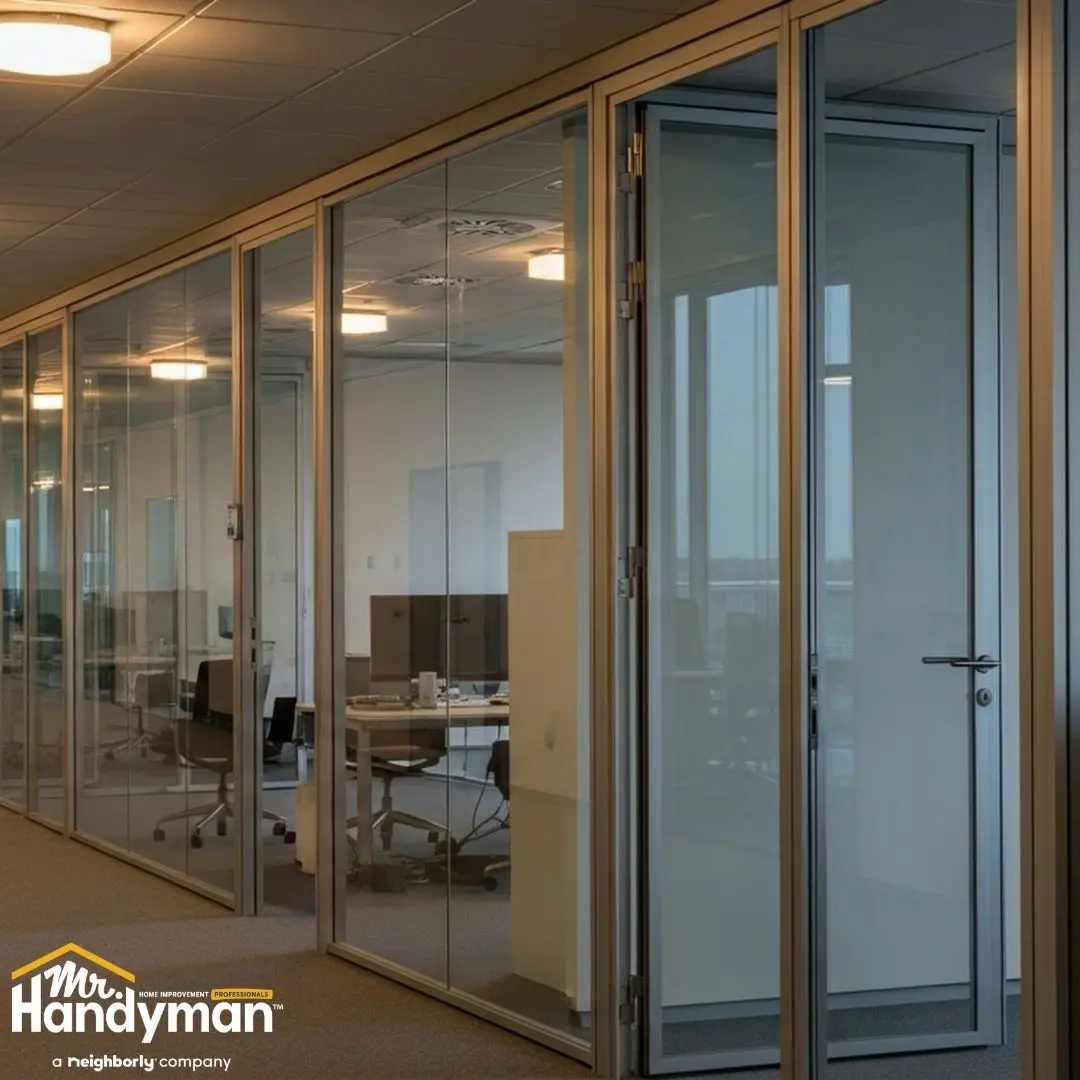
Start With a Clear Maintenance Plan
Every effective preventative maintenance program begins with a clear plan. This plan outlines what needs attention, how often it should be addressed, and who is responsible.
A strong maintenance plan typically includes:
- A list of critical building systems and areas
- Defined inspection intervals
- Clear repair and replacement thresholds
- Documentation standards
Clarity ensures that maintenance tasks are not delayed or overlooked as daily operations take priority.
Align Maintenance With Business Operations
Preventative maintenance should support, not disrupt, business activity. Scheduling work around operational needs reduces downtime and increases cooperation across teams.
Alignment strategies include:
- Scheduling maintenance during slower periods
- Coordinating repairs outside peak business hours
- Grouping related tasks into single service visits
- Communicating schedules clearly with staff
This approach keeps maintenance efficient while minimizing interruptions.
Standardize Maintenance Procedures Across Properties
For businesses with multiple locations, consistency is essential. Standardized procedures make maintenance easier to manage and more cost-effective.
Standardization helps by:
- Creating consistent service expectations
- Simplifying budgeting and forecasting
- Reducing training requirements
- Ensuring uniform safety and quality standards
A standardized preventative maintenance program delivers predictable results across all locations.
Use Inspections as a Cost-Control Tool
Regular inspections are the foundation of preventative maintenance. They identify early signs of wear that are far less expensive to address than full failures.
Effective inspections focus on:
- High-traffic and high-use areas
- Moisture-prone spaces
- Doors, hardware, and access points
- Surfaces and finishes exposed to daily wear
Consistent inspections transform maintenance from guesswork into a strategic cost-control tool.
Measure Results and Adjust Over Time
A preventative maintenance program should evolve. Tracking results allows businesses to identify what is working and where adjustments are needed.
Key performance indicators often include:
- Reduction in emergency repair calls
- Lower average repair costs
- Fewer safety incidents
- Improved facility condition ratings
Reviewing these metrics helps businesses refine priorities and improve return on investment.
Invest in Durable Repairs and Materials
Short-term fixes may appear cost-effective, but they often lead to repeat repairs. Preventative maintenance programs should prioritize durable solutions that reduce long-term costs.
This includes:
- Using materials suited to coastal conditions
- Choosing quality components over temporary fixes
- Addressing root causes rather than symptoms
- Completing repairs to a professional standard
Durability reduces the frequency of future repairs and stabilizes maintenance budgets.
Educate Staff on Early Warning Signs
Staff members are often the first to notice small issues. Training employees to report problems early supports preventative maintenance efforts.
Helpful practices include:
- Encouraging prompt reporting of leaks or damage
- Creating simple reporting channels
- Responding quickly to reported concerns
- Reinforcing the value of early intervention
This collaboration helps maintenance teams address issues before they escalate.
Work With a Reliable Local Maintenance Partner
A preventative maintenance program is most effective when supported by a consistent service provider. Local professionals understand regional conditions and common commercial building challenges.
Working with Mr. Handyman of Charleston and Summerville provides businesses with access to experienced professionals who can support ongoing commercial maintenance needs. Familiarity with local construction styles and climate conditions helps ensure maintenance efforts are targeted and cost-effective.
Preventative Maintenance as a Financial Strategy
Preventative maintenance is not just an operational decision. It is a financial strategy that protects assets and controls long-term costs.
Businesses that invest in preventative maintenance benefit from:
- Predictable maintenance expenses
- Reduced emergency repair costs
- Extended lifespan of building components
- Improved budgeting accuracy
These financial benefits compound over time, delivering measurable savings year after year.
Setting the Foundation for Sustainable Cost Control
Understanding How Businesses Can Reduce Repair Costs With Preventative Maintenance in Charleston is about shifting perspective. Maintenance is not an unavoidable expense. When approached strategically, it becomes a tool for cost control, risk reduction, and operational stability.
By implementing a structured preventative maintenance program, aligning efforts with business needs, and partnering with experienced local professionals, businesses create facilities that perform reliably and cost less to maintain. This long-term approach transforms maintenance from a source of surprise expenses into a predictable, manageable part of doing business.
Prevent costly repairs with proactive maintenance planning. Book preventative maintenance online at or call.