
The Lowcountry's Climate Makes Flooring Selection Consequential
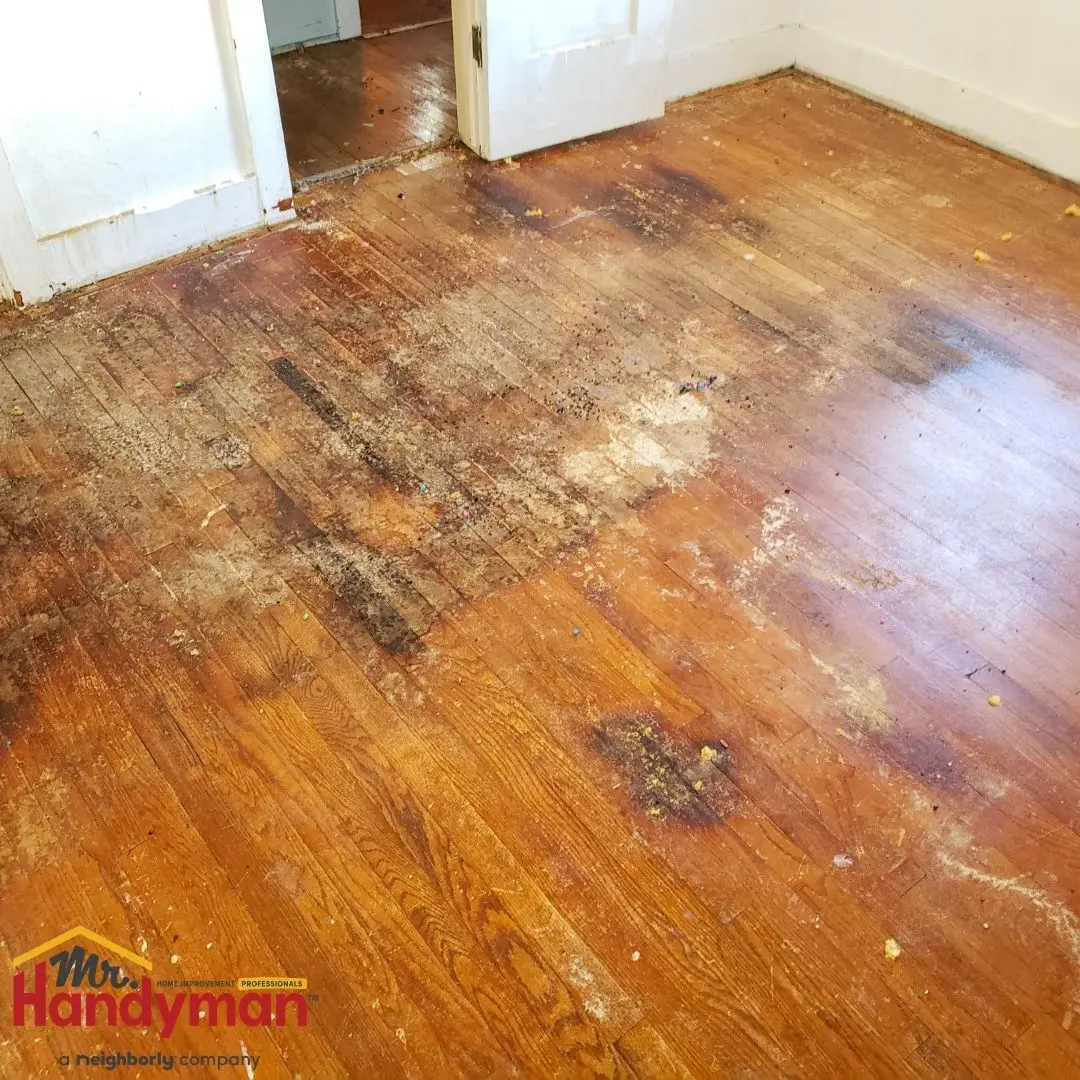
Flooring selection in Charleston, Summerville, and the surrounding Lowcountry communities requires the regional specificity that the South Carolina Lowcountry's hot, humid subtropical climate, the service area's water chemistry variation between Charleston's softer surface water and Summerville's moderately harder aquifer supply, the coastal atmospheric salinity that the regional proximity to tidal waterways and the Atlantic creates at building envelope-adjacent floor positions, the afternoon thunderstorm moisture that the regional summer precipitation pattern concentrates at entry and high-traffic positions, and the diverse housing stock that the historic Charleston peninsula's preservation culture and Summerville's rapid residential growth have produced all together create as the specific flooring performance context that distinguishes the Lowcountry residential market from the national average conditions that flooring manufacturer specifications and generic home improvement guidance calibrate their recommendations to.
The South Carolina Lowcountry's hot, humid subtropical climate creates flooring demands through the biological growth mechanism that the regional warm season's sustained coastal heat and humidity advance on porous flooring materials and in tile grout joints between professional cleaning and maintenance intervals. The ambient temperatures that the Lowcountry's long warm season sustains in household floor environments activate organic establishment on porous surfaces, in grout joint positions, and at the moisture-adjacent floor areas that the coastal atmospheric humidity and the afternoon thunderstorm moisture together sustain between cleaning events at the rates the subtropical coastal summer creates in those specific floor positions more aggressively than moderate climate markets without the Lowcountry's sustained coastal heat and humidity produce between comparable maintenance intervals.
The humidity variation between the South Carolina Lowcountry's hot, humid subtropical summer and the mild winter's heating season creates the dimensional cycling that wood and wood-based flooring materials respond to in Charleston and Summerville homes between the seasonal extremes the regional coastal climate produces annually. That humidity swing advances the joint movement, the surface checking, and the finish stress that moisture-sensitive flooring materials develop in the regional context between maintenance intervals, making species selection, installation acclimation, and whole-house humidity management specifically consequential for lasting hardwood flooring performance in the Lowcountry's coastal subtropical environment.
The coastal atmospheric salinity that the Lowcountry's proximity to tidal waterways, salt marshes, and the Atlantic creates as the specific regional flooring challenge that inland markets without the coastal atmospheric moisture and salt content do not experience at the same intensity between comparable maintenance intervals warrants the corrosion-resistant hardware specification at flooring transition strips, threshold plates, and the metal flooring accessory positions that the coastal salt air advances toward deterioration more aggressively than the same hardware experiences in inland residential environments between comparable service periods.
The water chemistry split across the service area creates the floor cleaning and maintenance mineral accumulation context that differs between Charleston and Summerville households. Charleston Water System customers at approximately 3.4 grains per gallon develop the modest mineral film on hard floor surfaces from cleaning water contact that the softer surface water creates between professional cleaning intervals. Summerville households at approximately 7.2 grains per gallon develop that mineral film at roughly double the pace, making the white vinegar cleaning discipline that dissolves those deposits without abrasive damage to hard floor surfaces specifically more consequential for Summerville households than the more modest mineral accumulation Charleston surface water creates in floor cleaning water between comparable maintenance intervals.
The Charleston design community's sophisticated aesthetic consciousness and the active Lowcountry residential market create the flooring selection context that the regional buyer population's design references establish as the quality standard property evaluations apply during showing activity. The historic preservation culture's appreciation for authentic materials, the College of Charleston and MUSC professional community's design awareness, and the broader regional design consciousness that Charleston's cultural identity creates all together produce the flooring quality evaluation context that current specification and adequate subtropical climate management specifically serve in the active coastal South Carolina residential market.
Hardwood Flooring in the Lowcountry Context
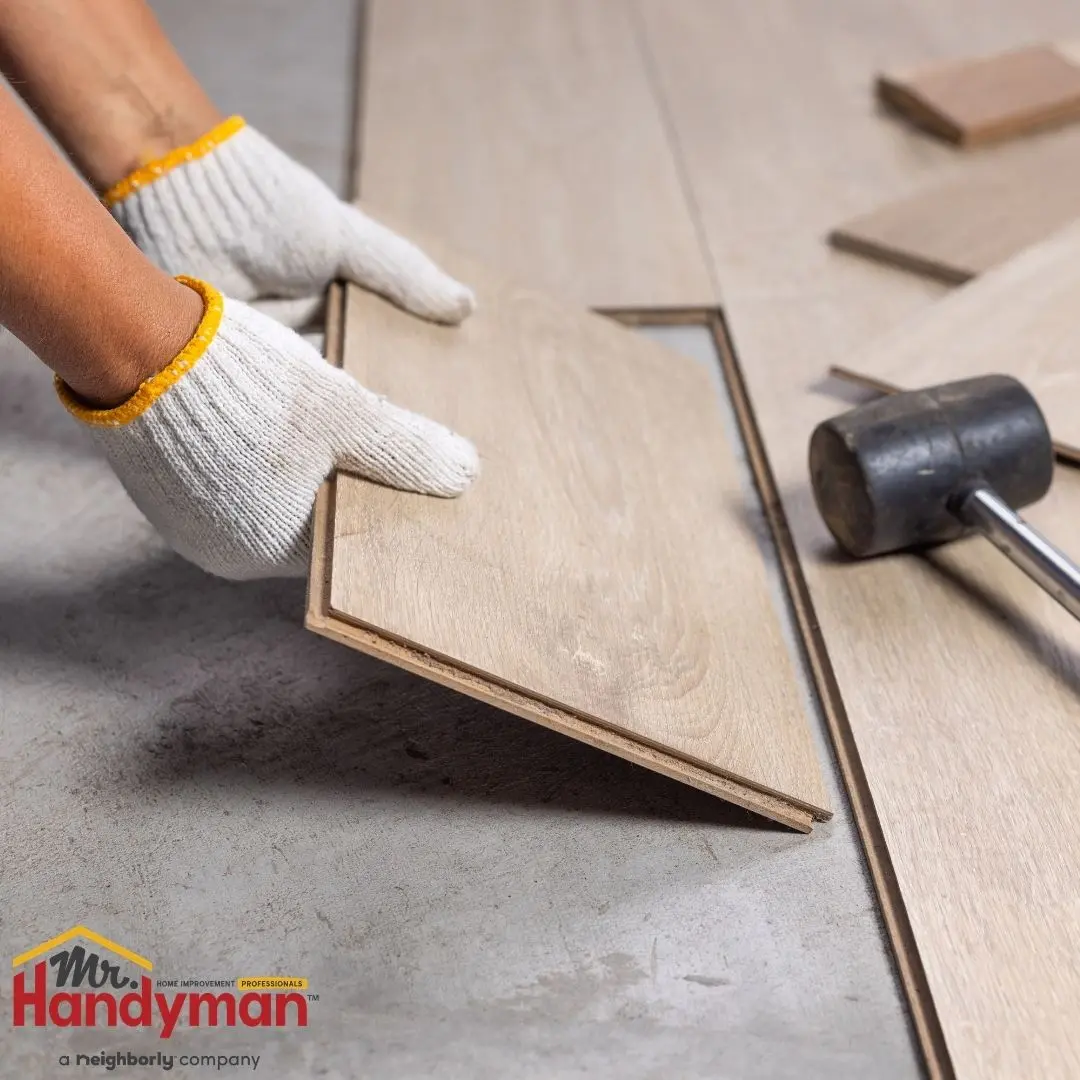
Solid hardwood flooring in Charleston and Summerville homes delivers the lasting value, the refinishing longevity, and the authentic material quality that the historic Charleston preservation community and the active Lowcountry residential market specifically evaluate as the premium flooring investment that coastal South Carolina property values reward. The genuine hardwood that solid plank flooring provides endures through the Lowcountry's humidity cycling with the dimensional response that species selection, adequate installation acclimation, and whole-house humidity management together provide for lasting performance in the subtropical coastal climate.
Species selection for the Lowcountry's subtropical humidity warrants the denser, more dimensionally stable hardwood species whose tighter grain structure manages the dimensional cycling between the hot, humid summer's elevated moisture and the mild winter's heating demands more durably than the softer, more open-grained alternatives whose moisture sensitivity the regional humidity swing advances toward the gapping and surface checking that inadequate species selection produces in Lowcountry homes. White oak provides the dimensional stability, the surface hardness, and the current design currency that the active coastal South Carolina market simultaneously rewards as both the regional climate performance advantage and the aesthetic investment that current design trends and the historic preservation community's appreciation for authentic wood character both specifically favor in the Lowcountry residential context.
Engineered hardwood offers the enhanced dimensional stability across the Lowcountry's subtropical humidity variation that the cross-ply construction provides for the applications where the coastal climate's seasonal moisture swing approaches the dimensional tolerance limits that solid hardwood species selection manages most marginally. The engineered construction's stability through the hot, humid summer's elevated moisture and the mild winter's heating demands makes it specifically appropriate for the ground-level positions in Lowcountry homes where the coastal humidity conditions approach solid hardwood's dimensional tolerance limits.
Luxury Vinyl Plank for Lowcountry Applications
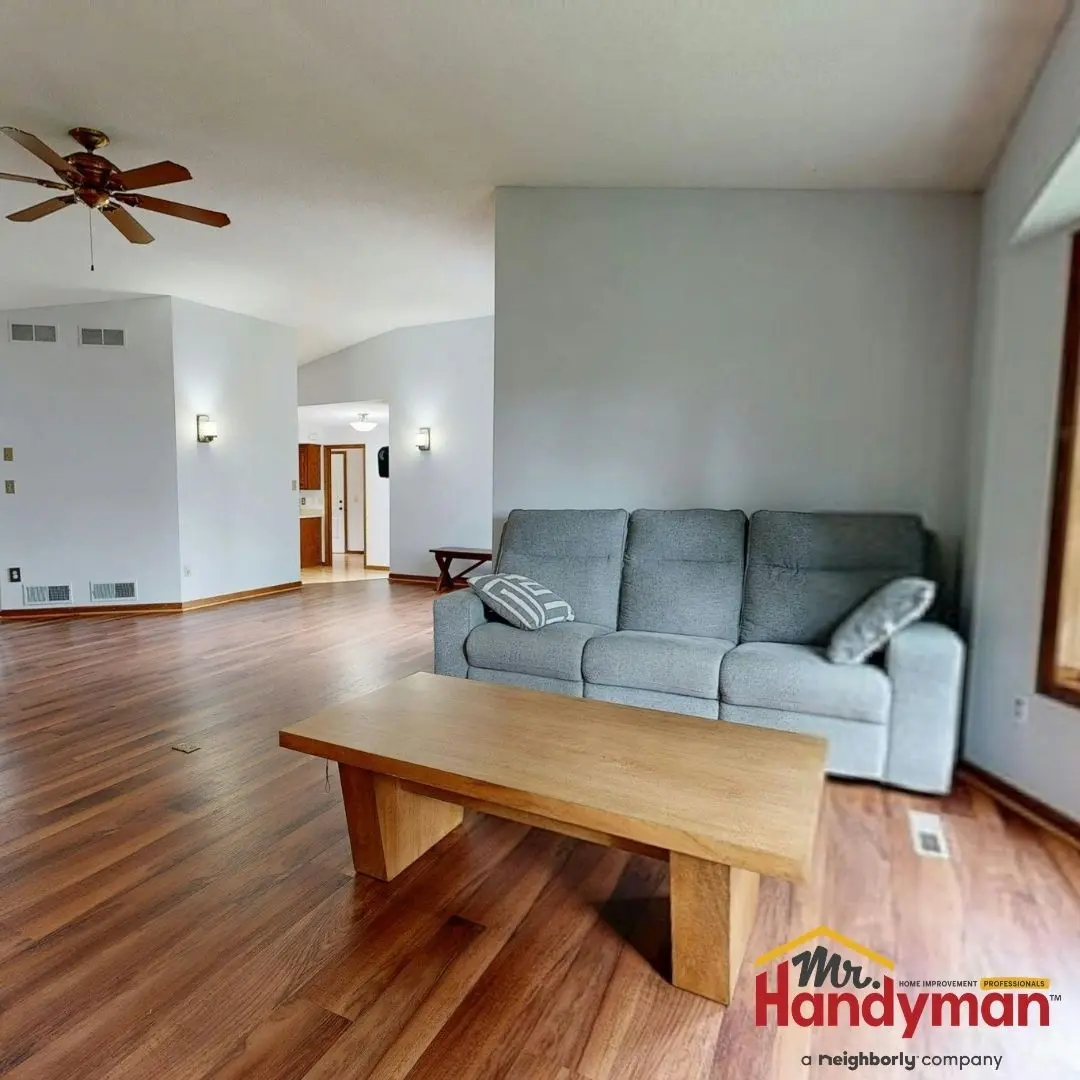
Luxury vinyl plank has established itself as the most consistently practical flooring selection for Lowcountry homes across the range from the entry and mudroom positions where afternoon thunderstorm moisture and coastal lifestyle tracking creates the concentrated moisture management requirement to the below-grade and ground-level positions where the coastal climate's humidity conditions create the specific performance demands that luxury vinyl plank's moisture tolerance specifically manages. The dimensional stability through the subtropical humidity variation, the afternoon thunderstorm moisture resistance at entry positions, the coastal lifestyle tracking tolerance, and the biological growth resistance that the non-porous vinyl surface provides against the regional warm season's organic activation all together distinguish luxury vinyl plank as the flooring category that the Lowcountry's combined coastal subtropical conditions reward most broadly.
The biological growth resistance that luxury vinyl plank's non-porous surface provides against the South Carolina Lowcountry's long warm season biological activation distinguishes this flooring category from the porous alternatives that organic establishment penetrates between cleaning intervals in the regional subtropical coastal climate. The non-porous vinyl surface that cleaning removes biological film from completely rather than the porous surfaces that the coastal subtropical summer advances biological establishment into between cleaning events delivers the lasting floor cleanliness that the Lowcountry's long warm season's biological growth
Tile Flooring for Lowcountry Applications
Porcelain and ceramic tile flooring delivers the biological growth resistance, the afternoon thunderstorm moisture management, the coastal lifestyle tracking tolerance, and the dimensional stability through the South Carolina Lowcountry's subtropical humidity variation that the regional coastal climate creates as the specific flooring performance requirements that tile specifically satisfies in the applications where those demands concentrate most directly.
Porcelain tile at entry and mudroom positions addresses the afternoon thunderstorm moisture that the Lowcountry's summer precipitation pattern concentrates at entry thresholds through the wet tracking that beach and coastal outdoor activity creates, the biological growth that the hot, humid subtropical summer activates on porous flooring alternatives at those moisture-adjacent positions, and the dimensional stability through the building envelope temperature and humidity differential that the coastal climate creates at those specific floor positions throughout the annual calendar. The non-porous glazed surface that porcelain provides resists both the coastal lifestyle debris and the biological establishment that the subtropical warm season advances on porous alternatives between cleaning intervals in the regional coastal context.
Epoxy grout for Lowcountry tile applications warrants the specific consideration that the subtropical biological growth activation and the coastal atmospheric moisture make critically important for tile grout joint performance in Charleston and Summerville homes. Standard cementitious grout absorbs the biological film that the Lowcountry's long subtropical warm season advances into those porous joint surfaces between professional cleaning events, producing the biological discoloration and the salt air mineral penetration that the regional coastal conditions advance more aggressively than moderate inland climate markets produce between comparable cleaning intervals. Epoxy grout's non-porous surface resists both the biological establishment and the coastal atmospheric mineral penetration more effectively than cementitious alternatives, making the installation investment recoverable through reduced maintenance burden and extended appearance quality across the floor's service life in the regional subtropical coastal context.
Bathroom and kitchen tile at the moisture-adjacent positions those applications create delivers the biological growth resistance and the moisture management that the Lowcountry's hot, humid subtropical summer advances in those specific interior positions between cleaning intervals. The non-porous glazed surface resists the organic establishment that the coastal subtropical warm season activates on moisture-adjacent floor surfaces more effectively than porous alternatives whose absorption the regional warm season advances into the biological penetration that surface-level cleaning cannot fully reverse in the Lowcountry's ambient conditions.
Carpet Considerations for Lowcountry Homes
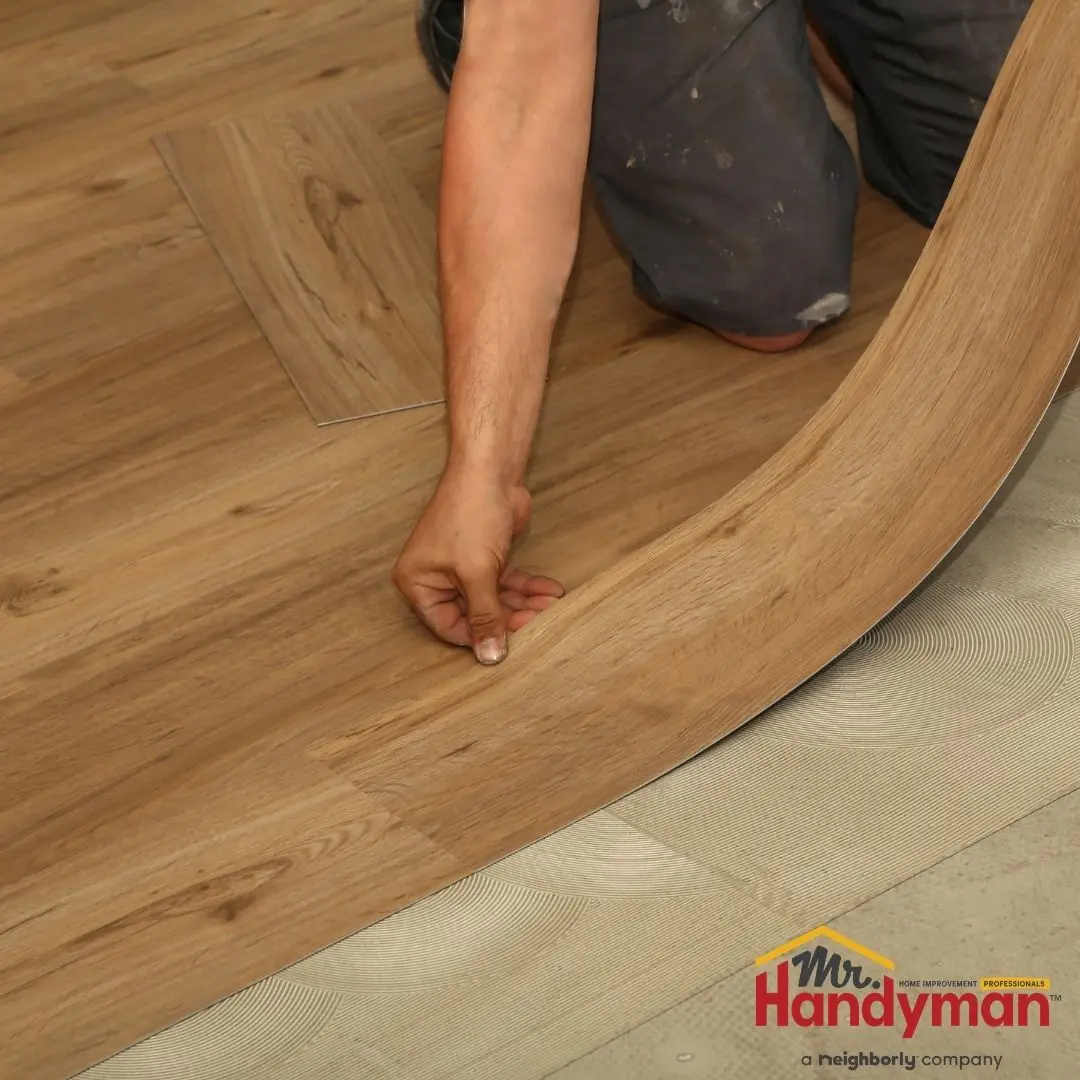
Carpet in bedroom applications provides the thermal comfort and the acoustic absorption that the South Carolina Lowcountry's genuine seasonal variation makes specifically appropriate in the sleeping spaces where foot comfort contributes to the daily quality of life the regional household sustains through both the warm season's active coastal social calendar and the mild winter's indoor concentration. The biological growth consideration for carpet in Lowcountry homes warrants the mildew-resistant carpet specification and the moisture-resistant padding that the hot, humid coastal subtropical summer creates as the biological management requirement for carpet in the regional warm season's humidity and salt air environment.
Entry carpet avoidance reflects the afternoon thunderstorm moisture, the coastal lifestyle tracking, and the salt air atmospheric conditions that the South Carolina Lowcountry's coastal climate creates at entry flooring positions in ways that carpet absorbs and retains rather than the hard flooring alternatives that cleaning removes from surface contact after each coastal activity or storm event. The combination of frequent afternoon thunderstorms, beach and coastal activity tracking, and salt air atmospheric moisture makes hard flooring specifically important at entry positions for the moisture, biological growth, and coastal debris management that carpet cannot provide adequately through the Lowcountry's active coastal warm season.
The Lowcountry design community's carpet quality consideration for bedroom applications reflects the design currency that current carpet specifications in the texture and finish profile the regional market evaluates against Charleston's sophisticated design references. Current mildew-resistant carpet communicates the maintained investment and the regional climate management awareness that the active Lowcountry listing environment rewards when bedroom flooring presents the specification quality-aware buyers evaluate alongside every other interior condition the coastal South Carolina transaction context concentrates their attention on.
Below-Grade and Ground-Level Flooring for Lowcountry Homes
Luxury vinyl plank in Lowcountry ground-level and below-grade applications delivers the moisture tolerance, the biological growth resistance, the dimensional stability, and the coastal humidity management that the South Carolina Lowcountry's climate creates as the ground-level flooring performance requirements in the positions where the regional coastal humidity conditions and the afternoon thunderstorm pattern's moisture loading create the specific performance demands those floor positions experience throughout the annual Lowcountry calendar.
Moisture and flood assessment before below-grade flooring investment in Lowcountry homes evaluates the drainage adequacy, the moisture migration evidence, and the flood risk that the South Carolina coastal plain's geography and the regional storm season's precipitation create in below-grade and ground-level spaces before flooring investment commits to those conditions. Charleston's well-documented flooding challenges, the coastal plain's low elevation, and the hurricane season's storm surge risk all warrant the moisture and flood risk assessment that below-grade and ground-level flooring investment in Lowcountry homes specifically requires before material commitment in those positions.
Frequently Asked Questions
What flooring performs best through the Lowcountry's hot, humid subtropical coastal summer? Luxury vinyl plank delivers the most consistent biological growth resistance and dimensional stability through the humidity variation that the long Lowcountry subtropical coastal summer and the mild winter create in Charleston and Summerville homes. White oak hardwood with adequate humidity acclimation and whole-house humidity management performs durably in living and gathering space applications. Porcelain tile with epoxy grout at entry, bathroom, and kitchen positions provides the afternoon thunderstorm moisture resistance, the coastal lifestyle tracking management, and the biological growth resistance that those specific applications require in the regional subtropical coastal climate context.
How does the water chemistry difference between Charleston and Summerville affect flooring maintenance? Charleston Water System customers at approximately 3.4 grains per gallon develop modest mineral film on hard floor surfaces from cleaning water contact between professional maintenance intervals. Summerville households at approximately 7.2 grains per gallon develop that film at roughly double the pace, making the white vinegar cleaning discipline that dissolves mineral deposits without abrasive damage to hard floor surfaces specifically more consequential for Summerville households. Both service area segments benefit from epoxy grout specification at tile applications, with the combined biological activation and mineral accumulation that both the subtropical warm season and the service area's water chemistry create in those grout joint positions motivating the non-porous grout specification that resists those accumulations more effectively than cementitious alternatives.
Is hardwood flooring appropriate for Lowcountry homes given the subtropical coastal humidity? Properly selected and installed hardwood in dimensionally stable species like white oak with the humidity acclimation that the South Carolina Lowcountry's subtropical coastal climate specifically warrants and adequate whole-house humidity management performs durably in living and gathering space applications. Avoiding installation in entry positions where afternoon thunderstorm moisture and coastal activity tracking creates the exposure that hardwood does not manage at the same durability level that tile and luxury vinyl plank provide, and in ground-level positions where the coastal climate's humidity conditions approach solid hardwood's dimensional tolerance limits, contributes to the hardwood performance that appropriate species and position selection delivers in Lowcountry homes.
What is the best entry flooring for a Lowcountry home given the afternoon thunderstorm pattern and coastal lifestyle? Porcelain tile with epoxy grout provides the best combination of afternoon thunderstorm moisture resistance, coastal lifestyle tracking management, biological growth resistance, and dimensional stability for Lowcountry entry and mudroom applications. The non-porous glazed surface resists both the concentrated afternoon thunderstorm moisture and the beach sand, marsh mud, and coastal debris that the regional lifestyle creates at entry thresholds, while epoxy grout resists both the biological film the subtropical summer activates and the coastal atmospheric mineral penetration that cementitious grout absorbs between cleaning intervals in the Lowcountry's coastal subtropical environment.
How does Charleston's historic preservation culture affect flooring investment decisions in Lowcountry homes? The historic preservation community's appreciation for authentic materials, the period-appropriate design awareness that Charleston's architectural heritage motivates, and the active regional design consciousness that the city's cultural identity sustains all together create the flooring quality evaluation context that authentic hardwood in historic Charleston residential applications specifically rewards over the synthetic alternatives that preservation-conscious buyers evaluate as less authentically appropriate for the historic residential character those neighborhoods preserve. The white oak hardwood that both the regional climate performance and the historic preservation aesthetic both specifically favor delivers the flooring investment that Charleston's dual performance and authenticity evaluation context simultaneously rewards in the active coastal South Carolina residential market.
Lowcountry Floors Built for the Coastal Climate They Serve
The flooring investment that delivers genuine lasting return in Charleston, Summerville, and the surrounding Lowcountry communities combines the biological growth resistance and dimensional stability through the subtropical coastal humidity variation that luxury vinyl plank and properly specified white oak hardwood deliver in the living and gathering spaces those floors serve, the afternoon thunderstorm moisture and coastal lifestyle tracking resistance at entry positions that porcelain tile with epoxy grout provides against the regional coastal climate's combined challenges, the mineral film management that white vinegar cleaning provides for the service area's varied water chemistry in floor cleaning water, and the design currency that Charleston's preservation community and the active coastal South Carolina residential market evaluate across coordinated flooring investment in the Lowcountry listing season. Each flooring decision serving the South Carolina Lowcountry's specific subtropical coastal climate, the regional afternoon thunderstorm moisture, the coastal lifestyle tracking, and the biological growth conditions that the hot, humid warm season advances as the Lowcountry flooring investment context.
Mr. Handyman of Charleston and Summerville has the regional experience to help homeowners select and install the flooring options that perform best through the South Carolina Lowcountry's specific subtropical coastal climate and the active regional residential market's quality standards.
Website: https://www.mrhandyman.com/charleston-summerville/
Serving homeowners throughout Charleston, Summerville, and the surrounding Lowcountry communities with dependable service and the expertise your home deserves.
