
What Lowcountry Customers and Tourists Decide Before Anyone Speaks
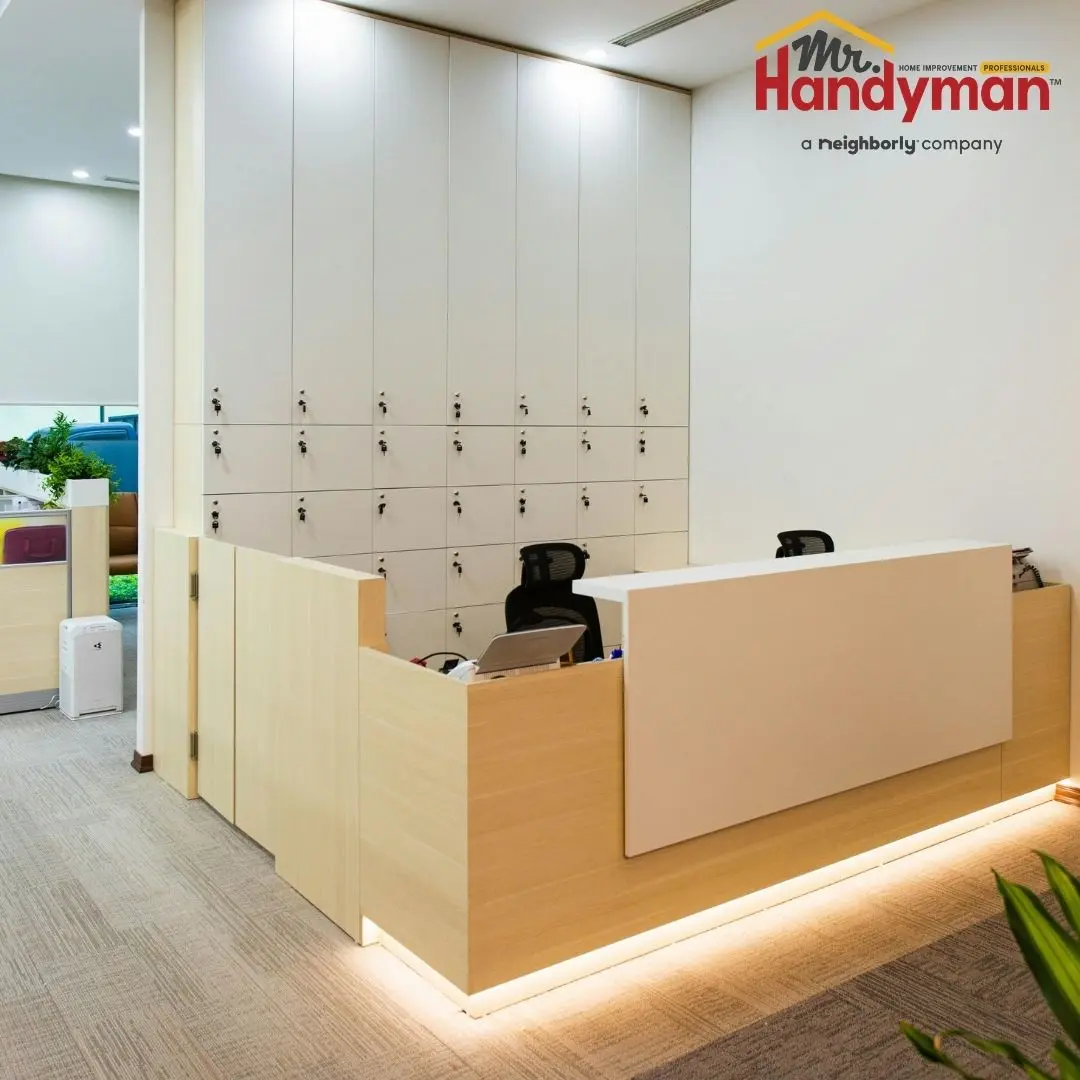
Every commercial entry and customer area in Charleston, Summerville, and the surrounding Lowcountry communities communicates the business's maintenance investment to every customer and tourist before any service interaction begins. That communication happens through the entry door's hardware condition, the floor surface the customer crosses at the threshold, the ceiling and wall conditions visible from the entry position, and the environmental quality that temperature, air, and lighting create as the sensory context for the business evaluation every commercial visit produces in the Lowcountry market.
The Charleston tourist economy creates the most specifically regional commercial entry and customer area quality standard that distinguishes the Lowcountry market from comparable South Carolina communities without the city's tourism economy and international visitor traffic. The international and domestic tourists whose summer exploration of Charleston's historic commercial districts, the waterfront, the King Street retail and restaurant corridor, and the broader culinary and cultural destinations the city sustains all bring the commercial facility quality references that their previous hospitality and retail experience established as the standard those visitors evaluate every Charleston commercial entry and customer area against. The commercial property whose entry and customer area conditions meet that tourist hospitality quality benchmark performs differently in the Charleston tourism economy's commercial evaluation environment than the same property whose deferred maintenance communicates the accumulated subtropical coastal climate effects that adequate maintenance specifically prevents from reaching the customer-visible deterioration those tourist visitors evaluate.
The South Carolina Lowcountry's hot, humid subtropical summer creates the most consequential regional commercial entry maintenance challenge that the coastal market presents because the warm, humid ambient conditions the regional warm season sustains in commercial entry environments advance biological growth on entry floor grout, moisture-adjacent wall surfaces, and the ceiling tile positions above HVAC condensate sources between professional treatment intervals at the rates the subtropical coastal climate creates in those specific commercial interior positions more aggressively than moderate inland climate markets without the Lowcountry's sustained coastal heat and humidity produce between comparable maintenance periods.
The coastal salt air dimension of Lowcountry commercial entry maintenance reflects the atmospheric salinity that the regional proximity to tidal waterways and the Atlantic creates as the corrosive contact on entry hardware finishes, threshold metal components, and the building envelope-adjacent entry positions that salt air specifically affects between professional treatment and maintenance intervals. The commercial entry whose hardware finishes and metal components communicate the salt air corrosion that adequate maintenance prevents from reaching customer-visible deterioration positions the Lowcountry commercial operation favorably against the coastal atmospheric deterioration that deferred maintenance allows to advance in those specific entry positions between adequate service intervals.
The hurricane season dimension of Lowcountry commercial entry and customer area maintenance reflects the active June through November storm season that the South Carolina coast manages as the emergency preparedness consideration that commercial entry and customer area organization warrants incorporating alongside the standard biological treatment and aesthetic maintenance that adequate commercial entry management provides. The storm shutter deployment positions, the emergency evacuation route clarity, and the customer area organization that storm response requires for the commercial operation whose customers may be present during the compressed warning times that significant coastal storm events create all represent the specifically Lowcountry commercial entry and customer area dimension that the hurricane season motivates beyond what inland commercial facility guidance addresses without the coastal emergency context.
Entry Door and Transition Maintenance
Commercial entry door weatherstripping restoration addresses the seal deterioration that the South Carolina Lowcountry's thermal variation, the afternoon thunderstorm moisture contact, and the coastal salt air's atmospheric penetration advance in commercial entry hardware between the maintenance intervals that annual assessment warrants. The energy efficiency against Dominion Energy South Carolina or the applicable Lowcountry commercial utility rates, the customer comfort at the first interior entry position, and the moisture exclusion that the afternoon thunderstorm pattern and the coastal atmospheric humidity test at commercial entry seal conditions throughout the active warm season all represent the return that entry weatherstripping restoration delivers before summer's concentrated commercial and tourist traffic tests those conditions.

Entry door hardware and salt air corrosion assessment evaluates the finish condition, the operational function, the salt air corrosion advancement, and the ADA compliance of the hardware every arriving customer and tourist physically contacts at the commercial entry. The coastal salt air that the Lowcountry's proximity to tidal waterways and the Atlantic creates at entry hardware positions, the biological film the subtropical summer activates on those hardware surfaces, and the afternoon thunderstorm moisture contact at exterior entry hardware all represent the conditions that customer and tourist experience evaluates at the first physical contact point every Lowcountry commercial visit creates.
Entry floor biological treatment and surface restoration at the commercial threshold addresses the biological growth the hot, humid subtropical summer activates in entry floor grout and moisture-adjacent surface positions, the coastal atmospheric mineral deposits that salt air creates at those floor positions, and the appearance deterioration that the previous active season's commercial and tourist traffic advanced in those high-contact entry floor surfaces. The customer and tourist observation that concentrates on entry floor conditions throughout every commercial visit makes the entry floor the most continuously evaluated floor position in the Lowcountry commercial environment during the active tourist and commercial summer season.
Customer Area Environmental Quality
HVAC transition service for the cooling season addresses the filter replacement, the coil cleaning, and the condensate drain clearing that the seasonal transition from the mild South Carolina heating season to the active subtropical cooling season requires for commercial systems serving customer-facing spaces. The warm, humid South Carolina Lowcountry spring activates biological growth in HVAC condensate drain pathways before the cooling season's active condensate production generates the volumes that biological restriction prevents from draining, and the pre-season clearing that removes that obstruction prevents the ceiling overflow events that restricted drainage creates above customer areas before the subtropical summer's peak cooling demand tests those drain passages against the maximum condensate volumes the active coastal warm season generates.
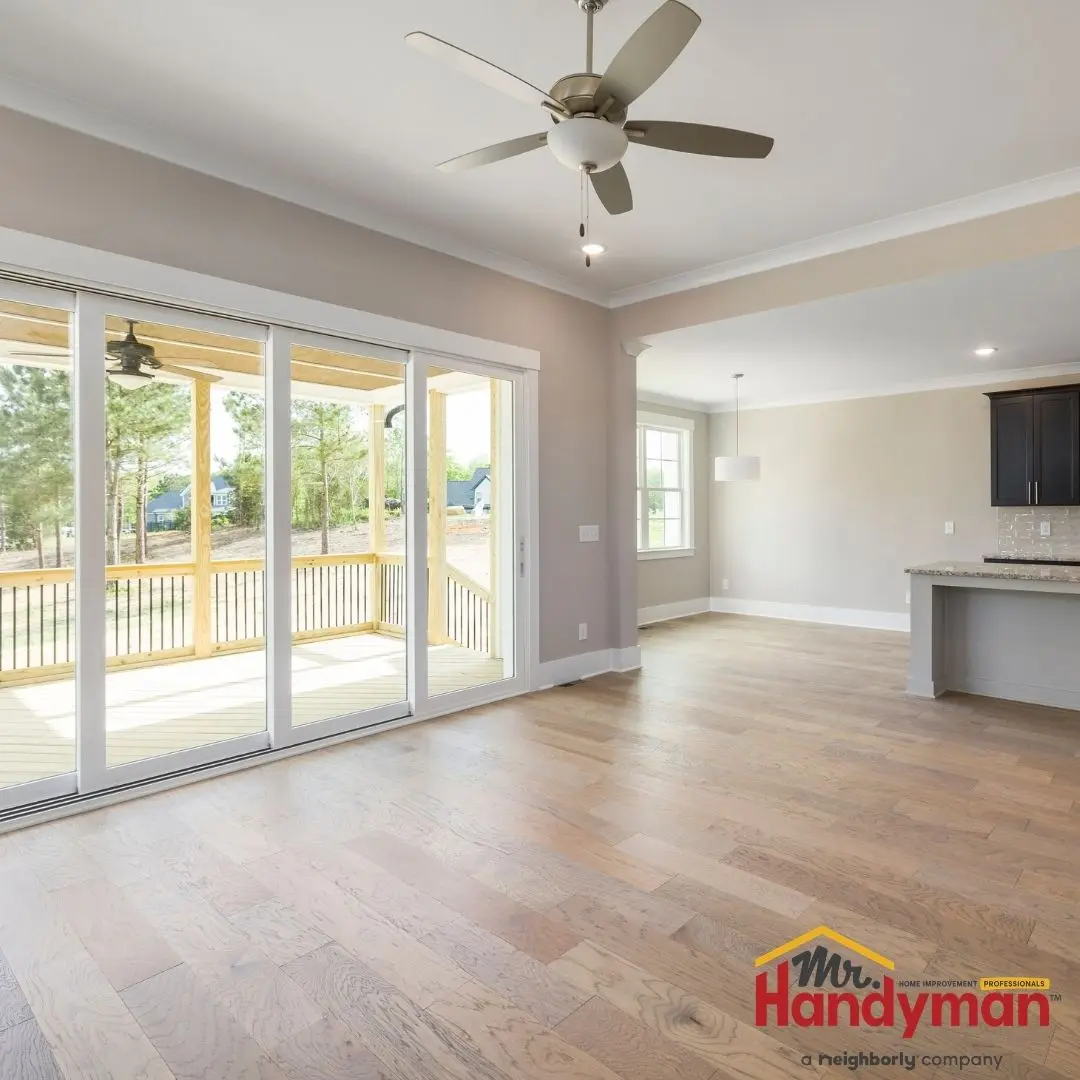
Interior biological treatment at moisture-adjacent customer area positions addresses the mold and mildew establishment that the South Carolina Lowcountry's hot, humid subtropical summer activates on commercial restroom tile, the ceiling tile positions above HVAC condensate sources, and the wall surfaces adjacent to moisture conditions between professional treatment intervals. Treatment before restoration proceeds over clean substrate provides the lasting results that the subtropical coastal summer's biological conditions require rather than the cosmetic correction that restoration over untreated establishment delivers before the regional warm season advances those conditions through new surface materials applied over biologically contaminated substrate.
Mineral accumulation treatment of commercial restroom fixtures and the tile grout positions that the service area's water chemistry contacts between professional cleaning intervals addresses the mineral film that the regional water supply creates on those surfaces. Summerville commercial operations on harder aquifer water at approximately 7.2 grains per gallon warrant the more attentive mineral treatment frequency that the accelerated accumulation those conditions create motivates compared to the more modest mineral film that Charleston surface water at approximately 3.4 grains per gallon creates between comparable cleaning intervals across the service area.
Signage and Communication Quality
Interior commercial signage assessment evaluates the condition and the currency of the directional and informational displays that customer and tourist navigation requires in the Charleston and Summerville commercial facilities those visitors interact with. The South Carolina Lowcountry's hot, humid subtropical summer advances the biological film on signage surfaces that the coastal ambient conditions activate in commercial interior spaces between professional cleaning intervals, and the coastal salt air's atmospheric moisture that the regional setting creates at building envelope-adjacent signage positions advances the deterioration those display surfaces experience between adequate cleaning and maintenance events.
Menu, pricing, and service display currency in customer-facing Lowcountry commercial areas addresses the information accuracy and the presentation condition that customer and tourist decision-making depends on during every commercial visit. The Charleston tourist economy's sophisticated international and domestic visitor population specifically evaluates the information quality, the presentation design, and the display condition that commercial customer areas present, and the display maintenance that communicates current, accurate information in well-maintained presentation positions the Charleston commercial operation favorably in the tourism economy's competitive commercial evaluation environment those summer visitors create.
The tourist-facing signage bilingual and accessibility consideration for Charleston commercial customer areas reflects the international visitor population that the city's global tourism reputation attracts through the summer months as the specifically regional commercial signage quality dimension that the tourist economy creates beyond what standard domestic commercial signage guidance addresses without the international visitor context those specific Lowcountry commercial positions serve.
The Charleston Tourism and Culinary Commercial Quality Standard
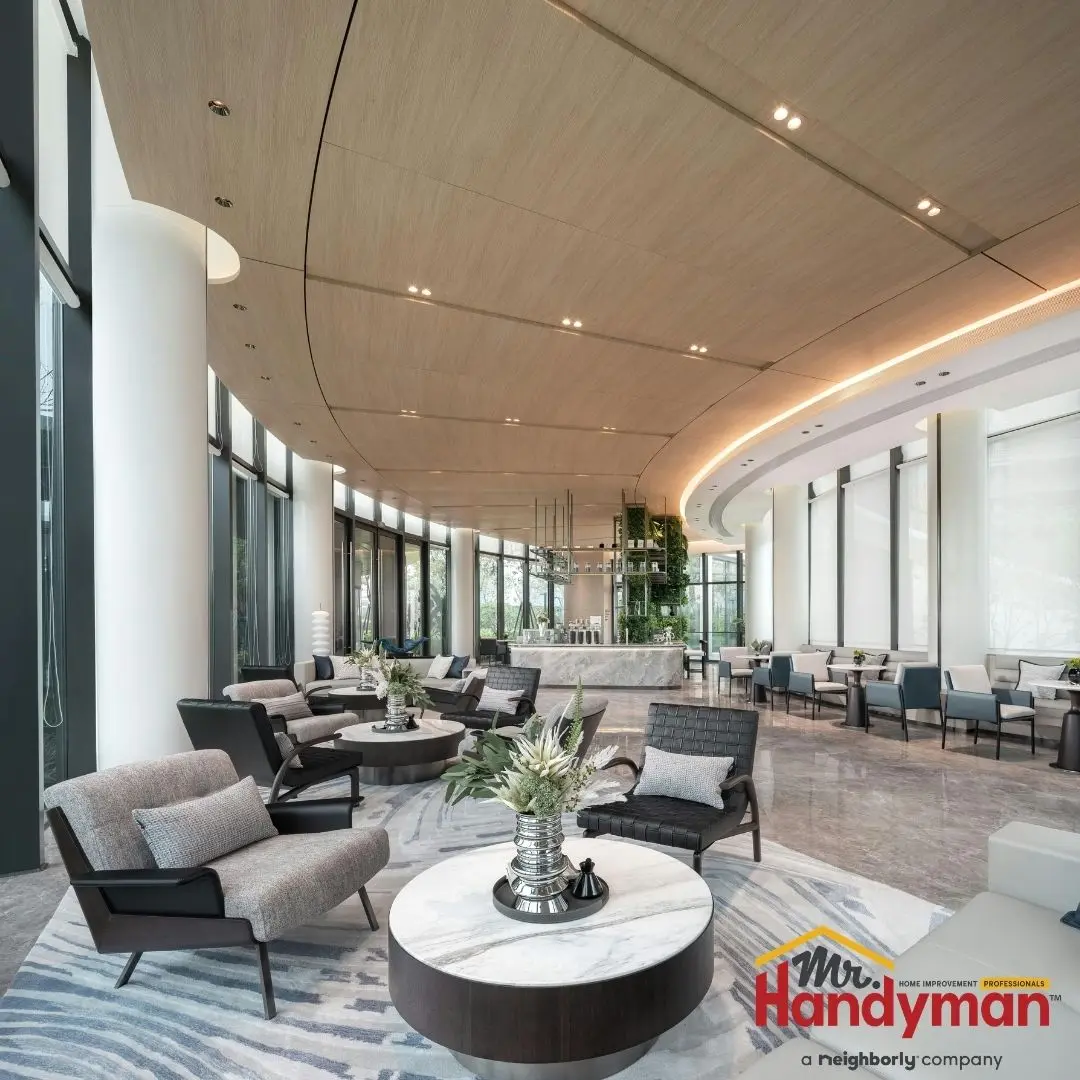
The Charleston culinary and cultural tourism economy's sophisticated international and domestic visitor population, the College of Charleston and MUSC professional community's commercial quality expectations, and the Summerville area's active and growing consumer base together create the commercial property presentation standard that the Lowcountry commercial market evaluates entry and customer area maintenance investment against. The James Beard Award-recognized culinary culture, the historic preservation community's quality consciousness, and the active arts and cultural community that Charleston sustains as one of America's most celebrated destinations all together create the commercial entry and customer area quality benchmark that the tourist economy's visitor population specifically evaluates against the hospitality and retail standards those international and domestic visitors carry from their previous commercial experience.
Frequently Asked Questions
What customer area maintenance condition most directly affects retention and tourist satisfaction in Lowcountry commercial businesses? Biological treatment of commercial restroom surfaces and entry floor grout positions most directly affects both customer retention and tourist satisfaction because the South Carolina Lowcountry's hot, humid subtropical summer advances biological establishment on those surfaces between professional treatment intervals at the rates the regional coastal conditions create more aggressively than moderate inland markets produce between comparable maintenance periods. The close observation distance that restroom use and entry floor crossing creates for every customer and tourist evaluating those surfaces makes the biological accumulation the subtropical coastal summer advances the most consequential customer area maintenance condition that Lowcountry commercial businesses address through the adequate treatment frequency those regional subtropical coastal conditions specifically warrant.
How does the Charleston tourist economy specifically affect commercial entry and customer area maintenance priorities? The concentrated international and domestic tourist pedestrian traffic that Charleston's historic commercial districts attract through the summer months creates the high-volume customer area evaluation context that biological slip hazards at entry positions and biological accumulation in restroom and customer area surfaces most directly affects in the tourism-concentrated Lowcountry commercial environment. The tourist visitor whose unfamiliarity with specific commercial property conditions creates the premises liability exposure that the high pedestrian volume amplifies, and the sophisticated international visitor whose previous hospitality experience established the customer area quality standards those visitors evaluate all together create the specifically Charleston commercial entry and customer area maintenance urgency that the tourism economy motivates beyond what standard retail commercial guidance addresses without the tourist economy context.
How does the coastal salt air specifically affect Lowcountry commercial entry and customer area maintenance? The atmospheric salinity that the South Carolina Lowcountry's proximity to tidal waterways, salt marshes, and the Atlantic creates advances corrosion on entry hardware finishes, threshold metal components, and the building envelope-adjacent entry positions that salt air specifically contacts between professional treatment intervals more aggressively than inland commercial entries without the coastal atmospheric salinity experience between comparable maintenance periods. Pre-summer salt air corrosion assessment and corrosion-resistant hardware specification at those specific Lowcountry commercial entry positions addresses the specifically coastal mechanism that inland commercial entry maintenance guidance does not incorporate at the same urgency level as the regional salt air atmospheric condition creates in the Lowcountry coastal commercial context.
How often should Lowcountry commercial businesses professionally clean customer area hard floors? Quarterly professional cleaning addresses the biological film and the mineral accumulation that the South Carolina Lowcountry's subtropical coastal summer and the service area's water chemistry together create in commercial hard floor surfaces between service intervals. The active tourist season's concentrated summer pedestrian volume specifically warrants the more attentive cleaning schedule during the warm months that the regional subtropical coastal summer's biological growth acceleration creates in commercial floor grout and moisture-adjacent surface positions, and the quarterly frequency that those combined regional conditions warrant provides the biological accumulation management and the mineral film interruption that the Lowcountry's commercial tourist economy makes specifically important for maintaining the customer area quality that the international and domestic tourist population evaluates against the hospitality standards their previous experience established.
What is the most commonly deferred customer area maintenance item in Lowcountry commercial businesses? Ceiling tile replacement at HVAC condensate-stained positions is the most consistently deferred customer area maintenance item across the Charleston and Summerville service area. The South Carolina Lowcountry's warm, humid spring activates biological growth in HVAC condensate drain pathways before the cooling season generates the condensate volumes that biological restriction prevents from draining, and the biological staining and the coastal atmospheric moisture that those condensate overflow events create in ceiling tile positions above customer areas communicates the maintenance standard that proactive drain clearing and timely tile replacement specifically prevents from reaching the customer and tourist evaluation that tile deterioration eventually motivates in the Lowcountry commercial environment.
Lowcountry Commercial Businesses That Communicate the Quality They Deliver
The commercial entries and customer areas across Charleston, Summerville, and the surrounding Lowcountry communities whose business operators maintain to the standard that the subtropical coastal summer's biological growth activation, the afternoon thunderstorm pattern's concentrated moisture, the coastal salt air's atmospheric corrosive contact, the service area's water chemistry mineral accumulation, and the Charleston tourist economy's sophisticated visitor population all together require communicate the active management investment that the Lowcountry's culinary and cultural tourism economy and the regional professional consumer base specifically reward through the confidence, repeat patronage, tourist recommendation, and referral activity that maintained commercial environments deliver through every season the active South Carolina coastal commercial calendar creates. The biological growth addressed before the subtropical coastal summer advances those conditions to tourist and customer-visible deterioration. The salt air corrosion managed before entry hardware communicates the coastal atmospheric deterioration that adequate maintenance prevents. The HVAC condensate conditions confirmed before the subtropical summer generates the cooling volumes that restricted drainage cannot accommodate. Each maintained to the standard the Lowcountry commercial community and its tourist economy deserves.
Mr. Handyman of Charleston and Summerville has the commercial facility experience to help businesses maintain their entries and customer areas to the standard the South Carolina Lowcountry's tourist economy and regional consumer base deserve.
Website: https://www.mrhandyman.com/charleston-summerville/
Serving businesses throughout Charleston, Summerville, and the surrounding Lowcountry communities with dependable commercial maintenance and the expertise your property deserves.