The Lowcountry's History, Growth, and Lifestyle Create Specific Built-In Opportunities
Custom built-ins in Charleston, Summerville, and the surrounding Lowcountry communities serve the specific functional and lifestyle demands that Charleston's deep architectural heritage and design sophistication, the South Carolina Lowcountry's genuinely excellent coastal lifestyle, the active hurricane season's preparedness organization requirements, and the diverse housing stock that the historic Charleston peninsula's preservation culture and Summerville's rapid residential growth together have produced across the service area all create as the context for storage, display, and organizational investment that generic furniture solutions do not address with the same permanence, customization quality, and architectural integration that built-in carpentry delivers in the regional residential environment.
Charleston's position as one of America's most architecturally significant cities creates the most specifically regional built-in investment case that distinguishes the Lowcountry market from comparable South Carolina communities without the city's architectural heritage and design consciousness. The historic preservation community's commitment to quality and authenticity, the College of Charleston and MUSC professional community's sophisticated residential expectations, the active design and renovation culture that Charleston's historic residential districts sustain, and the tourism economy's design consciousness all together produce the built-in quality evaluation standard that the Lowcountry residential market rewards when carpentry investment communicates the craftsmanship awareness and the period-appropriate design discipline that the regional architectural heritage specifically values.
Summerville's remarkable growth as one of South Carolina's most active residential development communities creates the built-in investment context that the newer construction those communities produced as the builder-grade baseline that deliberate improvement elevates above. The military families whose Joint Base Charleston assignments bring them to the Summerville area carry the built-in quality expectations that their previous installation assignments established across the diverse residential markets those military careers have taken them through, and the deliberate built-in investment that communicates current design awareness and organizational permanence positions Summerville properties favorably in the active regional market.
The South Carolina Lowcountry's subtropical climate creates the moisture management consideration that built-in installations in regional homes must incorporate through the material specifications, the sealed finish, and the mildew-resistant primer that the subtropical warm season's biological growth conditions make specifically important for the built-in carpentry adjacent to kitchen and bathroom plumbing connections and at the moisture-adjacent interior positions those installations occupy. The salt air that the coastal environment advances through the atmospheric moisture at building positions throughout the Lowcountry additionally warrants the corrosion-resistant hardware selections that lasting built-in investment in the coastal climate context specifically requires beyond what inland markets without the salt air atmospheric condition produce as the hardware deterioration mechanism between comparable service intervals.
The hurricane season dimension of Lowcountry built-in investment creates the specifically coastal organizational opportunity that the active South Carolina storm season motivates as the built-in storage category that communities without the coastal hurricane awareness do not incorporate at the same practical organizational intensity. The built-in that organizes hurricane preparedness supplies at accessible household positions, the document protection storage, and the emergency equipment organization that the coastal storm season warrants all represent the specifically Lowcountry built-in investment dimension that the hurricane season creates as the practical organizational motivation those coastal communities sustain through the active June through November storm calendar.
The Charleston Architectural Heritage Built-In Investment Case
The historic Charleston peninsula neighborhoods whose architectural character reflects the single house, the double house, the Federal, the antebellum, and the Victorian residential traditions those communities have preserved create the built-in style compatibility context that installation in those specific historic locations specifically warrants. The period-appropriate trim profiles, the historically informed cabinet proportions, the craftsman joinery details, and the paint and stain finish selections that complement the architectural character those neighborhoods carry distinguish the built-in investment that stylistic awareness and preservation consciousness delivers in historic Charleston residential contexts from the generic contemporary specifications that the architectural heritage those communities preserve does not accommodate with the same authentic integration.
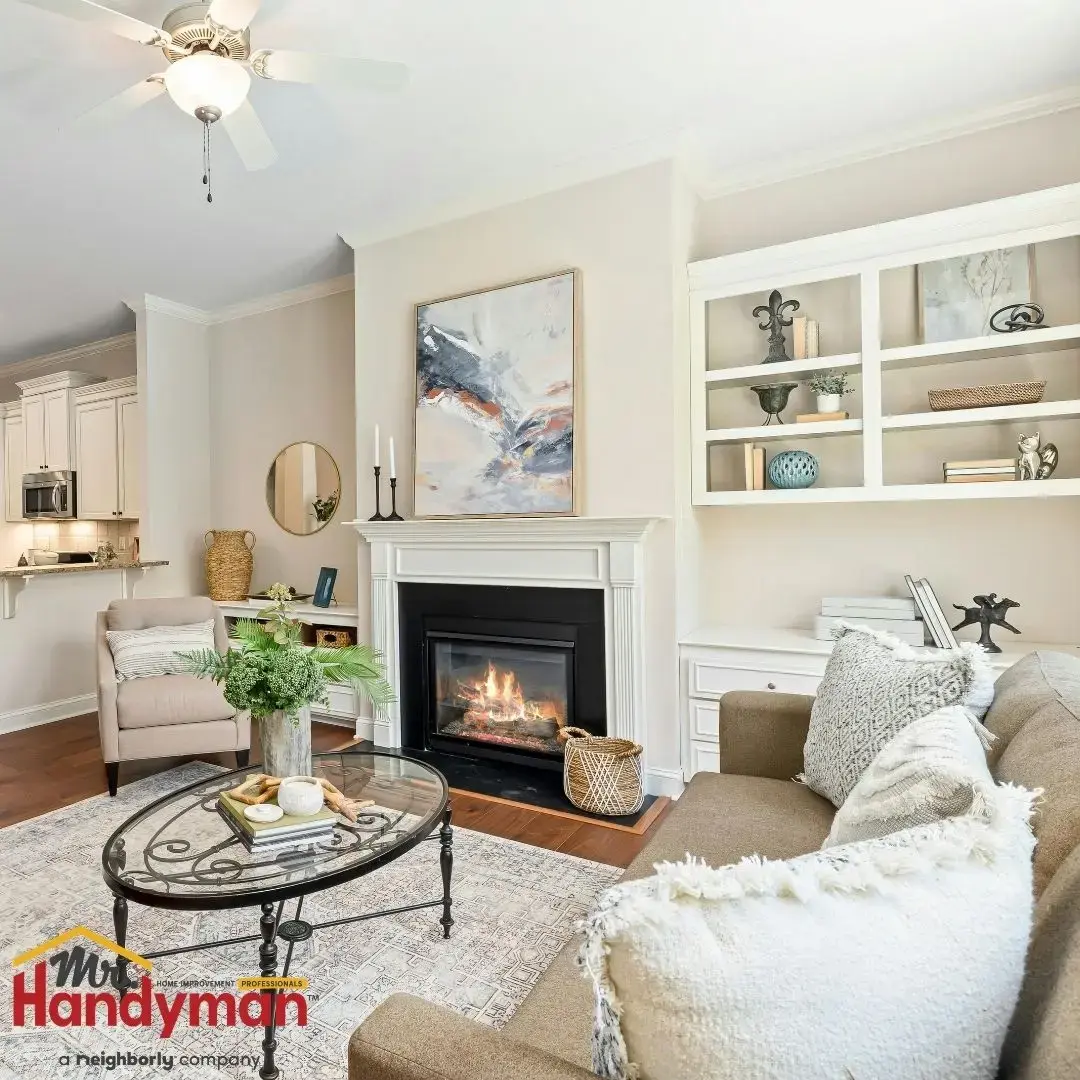
The living room built-in fireplace surround in Charleston peninsula homes whose primary living spaces carry the fireplace that the historic residential tradition created as the room's organizing architectural element delivers the anchoring design investment that period-appropriate custom carpentry specifically provides at that primary living space position. The built-in shelving flanking the historic fireplace, the cabinetry concealing media equipment behind period-compatible panel profiles, and the mantel that displays the family identity the home expresses all represent the built-in investment that Charleston's historic residential character makes specifically meaningful as the gathering space improvement that architectural permanence and period compatibility most completely delivers.
The piazza and outdoor living built-in dimension reflects the specifically Charleston residential tradition that the city's piazza culture created as the outdoor-to-indoor transition space the regional climate and the coastal lifestyle both specifically reward when built-in storage, seating, and organizational systems address the coastal activity management that the piazza position between the street and the interior specifically requires for the active Lowcountry household whose coastal lifestyle the regional landscape motivates.
Home office built-ins in Lowcountry homes reflect the College of Charleston and MUSC professional community, the remote working and hybrid schedule culture that the Charleston professional economy sustains, and the military family households whose assignment documentation, career management, and professional work the Joint Base Charleston area creates as the specifically regional home workspace demand. The deliberately organized, architecturally integrated home office that purpose-built carpentry provides converts the spare bedroom or the unused living space that makeshift arrangements occupy into the functional workspace that the Lowcountry's professional and military household culture specifically motivates as the built-in investment category those households most directly benefit from.
The Summerville and Dorchester County Built-In Context
The newer Summerville and surrounding Dorchester County developments accommodate the current built-in styles that contemporary residential design favors and that the active Lowcountry residential market rewards in showing activity, and the transition from the builder-grade open wall expanses those newer developments produced to the organized, lit, and architecturally defined built-in environments that custom carpentry creates delivers the differentiation from standard builder specifications that the built-in investment specifically provides in the newer development contexts that Summerville's rapid growth has produced across the regional residential landscape.
The military family built-in investment consideration for Summerville area households reflects the organizational discipline, the document protection storage, and the efficient space utilization that military household culture creates as the built-in investment priorities those households specifically motivate. The built-in that manages official documents at protected and accessible positions, the storage systems that efficient household organization requires for the mobile military lifestyle, and the workspace organization that military career management creates as the home office demand all represent the specifically military household built-in categories that the Joint Base Charleston community motivates as the Summerville area built-in investment context.
Kitchen and Dining Built-Ins for the Lowcountry Culinary Culture
The kitchen and dining built-in investments that Charleston and Summerville homes benefit from reflect the Charleston community's celebrated culinary heritage, the coastal and Southern gathering traditions the regional culture sustains, and the South Carolina Lowcountry's genuinely excellent summer social calendar that together create the kitchen and dining storage demands that custom built-in carpentry specifically addresses in the coastal residential context.
Built-in pantry systems in Lowcountry kitchens address the food storage volume that the coastal culinary tradition and the Charleston community's active gathering culture creates as the pantry capacity that standard kitchen cabinet configurations frequently underserve for the households whose oyster roast hosting, Lowcountry boil occasions, and cast iron Southern cooking the warm season motivates. The organized pantry that built-in systems deliver with the accessible configuration and the pull-out organization that concentrated coastal food preparation requires converts the food storage from the reaching-to-the-back frustration that unorganized deep pantry shelving creates during gathering event preparation into the efficient retrieval that Lowcountry hosting timelines reward through the active coastal social calendar.
Dining room built-in buffet and china storage delivers the serving and display storage that the Charleston entertaining culture creates as the dining room function that furniture alternatives address without the wall integration and the architectural permanence that built-in carpentry provides. The Charleston community's sophisticated entertaining expectations and the culinary tradition's formal and casual coastal dining occasions both motivate the dining room built-in investment that communicates deliberate design quality and functional permanence over the freestanding furniture alternatives that the regional design consciousness has learned to distinguish from purpose-built installation in the historic and contemporary Lowcountry residential contexts.
The subtropical climate material specification for Lowcountry kitchen and dining built-in installations near plumbing connections warrants the sealed finish and the mildew-resistant primer that the hot, humid South Carolina warm season makes specifically important for the built-in carpentry adjacent to those moisture-contact positions. Adequate surface sealing before the subtropical biological growth activation advances through inadequately protected surfaces at those kitchen and dining built-in positions provides the lasting performance that the coastal subtropical conditions require between the maintenance intervals that sealed finish discipline extends in the Lowcountry residential context.
Coastal Lifestyle and Hurricane Season Built-In Storage
.webp)
Outdoor equipment and coastal activity built-ins in Lowcountry homes address the kayaks, the paddleboards, the fishing gear, the beach equipment, and the water recreation accessories that the coastal landscape and the active warm season motivates as the household accumulation that organized built-in storage systems in garage, mudroom, and utility positions serve for the regional household whose lifestyle the South Carolina Lowcountry's natural coastal setting specifically sustains through the extended outdoor months.
Hurricane preparedness built-in storage delivers the specifically coastal organizational return that the South Carolina Lowcountry's active June through November storm season creates as the household safety management demand that organized, accessible, and dedicated storage specifically serves. The built-in that organizes flashlights, batteries, important documents in protected sleeves, first aid supplies, and the emergency preparedness materials that coastal storm season awareness motivates provides the organized accessibility that the compressed warning times of significant storm events create as the practical organizational need that adequate storm preparedness specifically requires at accessible household positions.
The garage built-in organizational system in Lowcountry homes addresses the hurricane shutter storage, the generator and storm preparation equipment, the coastal recreation gear, and the outdoor entertaining supplies that the regional lifestyle and the coastal storm season together create as the household accumulation that built-in garage organizational systems serve for the Charleston and Summerville household whose coastal lifestyle and hurricane season preparedness the regional setting and the active storm calendar both specifically motivate throughout the annual Lowcountry calendar.
Planning and Execution for Lowcountry Built-Ins
Winter and early spring planning advantage for custom built-in projects in the Lowcountry market reflects the spring and summer contractor demand that the active coastal improvement season creates when the Charleston and Summerville residential improvement motivation activates simultaneously across the regional market. Built-in carpentry projects planned during the winter months access the contractor scheduling availability that spring outreach finds progressively more committed against the regional improvement demand concentration that the active Lowcountry residential market creates as the scheduling pressure that winter planning specifically circumvents.
The salt air and subtropical climate material specification for Lowcountry built-ins warrants the corrosion-resistant hardware, the sealed wood surfaces, and the mildew-resistant finish specification that the coastal atmospheric salinity and the subtropical warm season's biological growth activation create as the material performance requirements for built-in carpentry that will serve through the Lowcountry's coastal climate without the hardware corrosion and surface biological establishment that inadequately specified materials develop between the maintenance intervals those coastal conditions create.
Frequently Asked Questions
What built-in investment delivers the strongest return in a Lowcountry home?
Period-appropriate living room built-ins flanking the historic fireplace combined with a purpose-built home office system delivers the strongest combined functional and design return for the Charleston historic peninsula's professional and cultural community. For Summerville households, the organized garage coastal activity and hurricane preparedness system combined with home office built-ins delivers the strongest practical and design return for the military family culture and the active coastal lifestyle those communities sustain. Both service area segments benefit from the kitchen pantry built-in that the Lowcountry's culinary gathering culture specifically motivates as the kitchen storage investment those coastal hosting occasions reward.
How does the Lowcountry's salt air and subtropical climate affect built-in material selection?
The coastal atmospheric salinity that the South Carolina Lowcountry's proximity to tidal waterways and the Atlantic creates advances corrosion in inadequately specified hardware finishes and penetrates unsealed wood surfaces at the rates the coastal environment produces between maintenance intervals more aggressively than inland markets without the salt air atmospheric condition experience between comparable service periods. Corrosion-resistant hardware in brushed nickel or matte black finishes, sealed wood surfaces with adequate mildew-resistant primer at moisture-adjacent positions, and the biological growth management that the subtropical warm season warrants at those specific built-in positions all together provide the material specification discipline that lasting built-in investment in the South Carolina Lowcountry's coastal climate requires.
Is hurricane preparedness built-in storage worth the investment for Lowcountry homeowners?
For Charleston and Summerville households managing through the South Carolina Lowcountry's active June through November hurricane season, dedicated built-in storage for preparedness supplies, emergency equipment, and document protection delivers the organizational accessibility that compressed storm warning times specifically require when emergency response depends on finding and deploying those materials quickly. The built-in that organizes those preparedness items at accessible household positions converts the disorganized accumulation that inadequate storage creates into the efficient deployment that adequate storm preparedness specifically requires for the Lowcountry household navigating the coastal storm season.
How long does custom built-in installation take in the Lowcountry market?
Design conversations, material procurement, and shop fabrication before installation runs four to eight weeks for most residential projects. On-site installation for a living room built-in system runs two to four days. Home office, dining room, or kitchen pantry systems with coordinated hardware and lighting run three to five days. Winter planning that begins design conversations in January or February provides the timeline that spring or early summer installation completion requires before the Lowcountry's excellent warm season concentrates the gathering activity and outdoor coastal recreation that those built-in improvements serve through the active South Carolina summer calendar.
What maintenance do Lowcountry built-ins require given the subtropical climate and salt air?
Annual inspection of sealed surface conditions at moisture-adjacent positions, hardware corrosion monitoring at coastal atmospheric positions, and the biological growth assessment that the hot, humid subtropical summer makes specifically important for those built-in surfaces provides the maintenance monitoring that early intervention requires before the salt air and biological growth advance deterioration through inadequately maintained surfaces. Cleaning built-in surfaces with products appropriate for the specific finish while accounting for the coastal atmospheric salinity and the biological film the subtropical warm season activates maintains the appearance installation provided through the Lowcountry's coastal climate demands between professional maintenance intervals.
Lowcountry Homes Enhanced by the Built-Ins They Deserve
The custom built-in investment that delivers genuine lasting return in Charleston, Summerville, and the surrounding Lowcountry communities combines the period-appropriate historic Charleston residential built-ins that the city's architectural preservation culture and design sophistication specifically reward, the home office systems that the MUSC and College of Charleston professional community and the Joint Base Charleston military family culture motivate, the kitchen pantry and dining built-ins that the coastal culinary heritage and the Lowcountry gathering culture sustain as the specifically regional storage investment those entertaining occasions reward, the garage and mudroom coastal activity and hurricane preparedness systems that the active coastal lifestyle and the June through November storm season create as the specifically Lowcountry organizational investment those communities sustain, and the corrosion-resistant hardware and sealed finish specification that the coastal atmospheric salinity and the subtropical biological growth activation make non-negotiable for lasting built-in performance in the South Carolina Lowcountry's coastal residential context. Each built-in investment serving the specific Lowcountry residential character that Charleston's architectural heritage, the coastal lifestyle, the hurricane season, and Summerville's active growth together create as the context that lasting carpentry improvement specifically rewards.
Mr. Handyman of Charleston and Summerville has the regional experience to help homeowners plan and execute custom built-in projects that serve the South Carolina Lowcountry's specific coastal climate demands and the regional lifestyle character.
Website: https://www.mrhandyman.com/charleston-summerville/
Serving homeowners throughout Charleston, Summerville, and the surrounding Lowcountry communities with dependable service and the expertise your home deserves.