
The Lowcountry's Mild Winter Still Leaves a Specific Account on Regional Homes
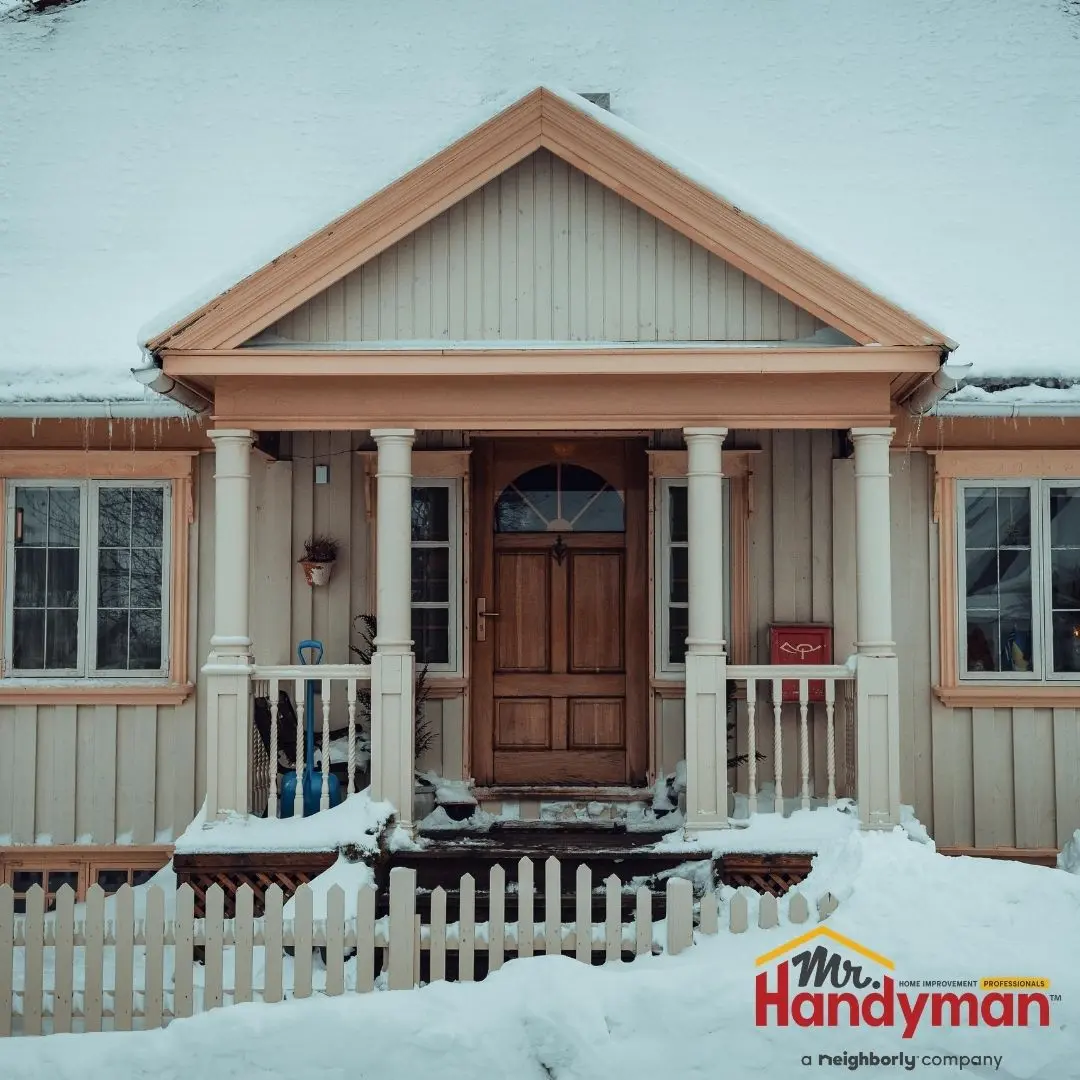
The wear-and-tear that the South Carolina Lowcountry's mild winter delivers to Charleston and Summerville homes differs from both the dramatic damage that sustained northern cold creates and the minimal winter effects that truly tropical markets experience because the South Carolina Lowcountry's mild-but-genuine winter character creates the wear patterns that the regional climate's modest but real thermal cycling, the afternoon thunderstorm pattern's year-round precipitation contact on building envelope surfaces, the coastal salt air's continuous atmospheric accumulation on exterior positions, and the service area's water chemistry mineral accumulation in household plumbing all together advance in regional homes between the previous outdoor season's end and the spring's first practical assessment opportunity.
The coastal salt air dimension of Lowcountry winter wear creates the most distinctively regional repair context that the South Carolina coastal climate produces because the atmospheric salinity that the Lowcountry's proximity to tidal waterways, salt marshes, and the Atlantic creates at building envelope-adjacent exterior positions advances corrosion in exterior hardware, deterioration in painted facade surfaces, and the mineral deposit accumulation on building envelope transition components between maintenance intervals continuously through the mild winter months rather than the seasonal accumulation that more precipitation-variable or more dramatically seasonal climates create at concentrated times between comparable maintenance events.
The biological growth dimension of Lowcountry winter wear reflects the mild winter's moderate temperatures that do not create the sustained cold interruption to biological activation that northern winters deliver to exterior surfaces between comparable assessment intervals. The South Carolina Lowcountry's mild winter instead sustains the moderate biological presence on exterior surfaces throughout the cooler months, and the warming spring's elevated temperatures then accelerate that establishment before the subtropical summer's peak biological activation advances those conditions to the point that biological treatment before restoration becomes the non-negotiable preparation discipline that lasting exterior repair in the regional climate requires.
The Charlotte metro corridor's active spring listing season creates the exterior presentation and interior condition evaluation context — wait, this is Charleston, not Charlotte. The active Lowcountry spring listing season creates the exterior presentation and interior condition evaluation context that winter wear repair specifically serves in the competitive coastal South Carolina residential market. The quality-aware buyers whose previous residential and hospitality experience established the condition references they apply to Lowcountry property evaluations assess the mild winter's accumulated coastal wear against the maintained alternatives the active regional listing environment presents.
Building Envelope Wear From the Lowcountry's Mild Winter
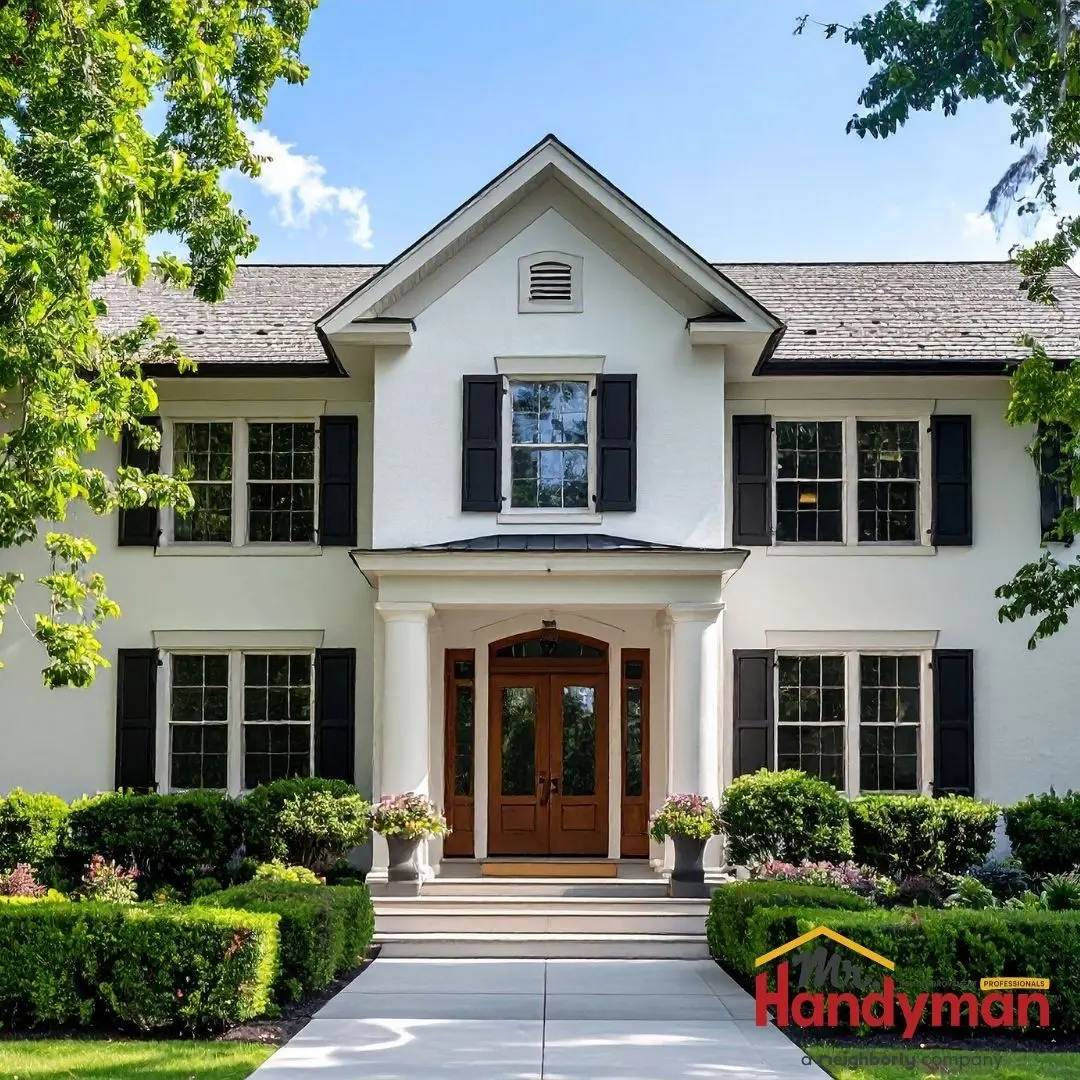
Caulking failure at window and door perimeters is the most consistently identified winter wear category across Charleston and Summerville homes because the year-round afternoon thunderstorm pattern's continuous precipitation contact and the mild winter's modest thermal cycling together advance building envelope sealant toward adhesion failure at those perimeter positions between the annual assessment intervals that spring's practical repair window provides as the correction opportunity. The moisture infiltration that failed sealant allows into the building assembly during the regional precipitation season advances the biological establishment that the hot, humid subtropical coastal summer then activates in those infiltrated positions before adequate pre-summer repair addresses those conditions.
Salt air corrosion assessment at exterior hardware positions, building facade metal components, and the building envelope-adjacent exterior positions that the Lowcountry's coastal atmospheric salinity contacts between maintenance intervals evaluates the corrosive deterioration the regional coastal environment advances in those specific exterior positions between annual assessment events. The salt air corrosion that the mild winter's continuous coastal atmospheric contact creates on exterior hardware finishes, painted metal surfaces, and the building envelope transition components those positions carry communicates the accumulated coastal atmospheric effects that spring assessment reveals as the specifically Lowcountry repair category that inland market guidance does not address with the same urgency.
The biological growth activation that the South Carolina Lowcountry's warming spring creates on the building envelope surfaces the mild winter kept moist through the year-round precipitation and the coastal atmospheric humidity warrants the treatment assessment priority that pre-repair biological identification provides before building envelope caulking repair and exterior surface restoration proceeds over the clean substrate that biological removal specifically prepares. The mild winter's sustained moderate biological presence on those exterior surfaces combined with the warming spring's activation of that establishment creates the biological before condition that pre-summer treatment addresses before restoration delivers new materials over contaminated substrate.
Interior Wear From the Lowcountry's Mild Winter
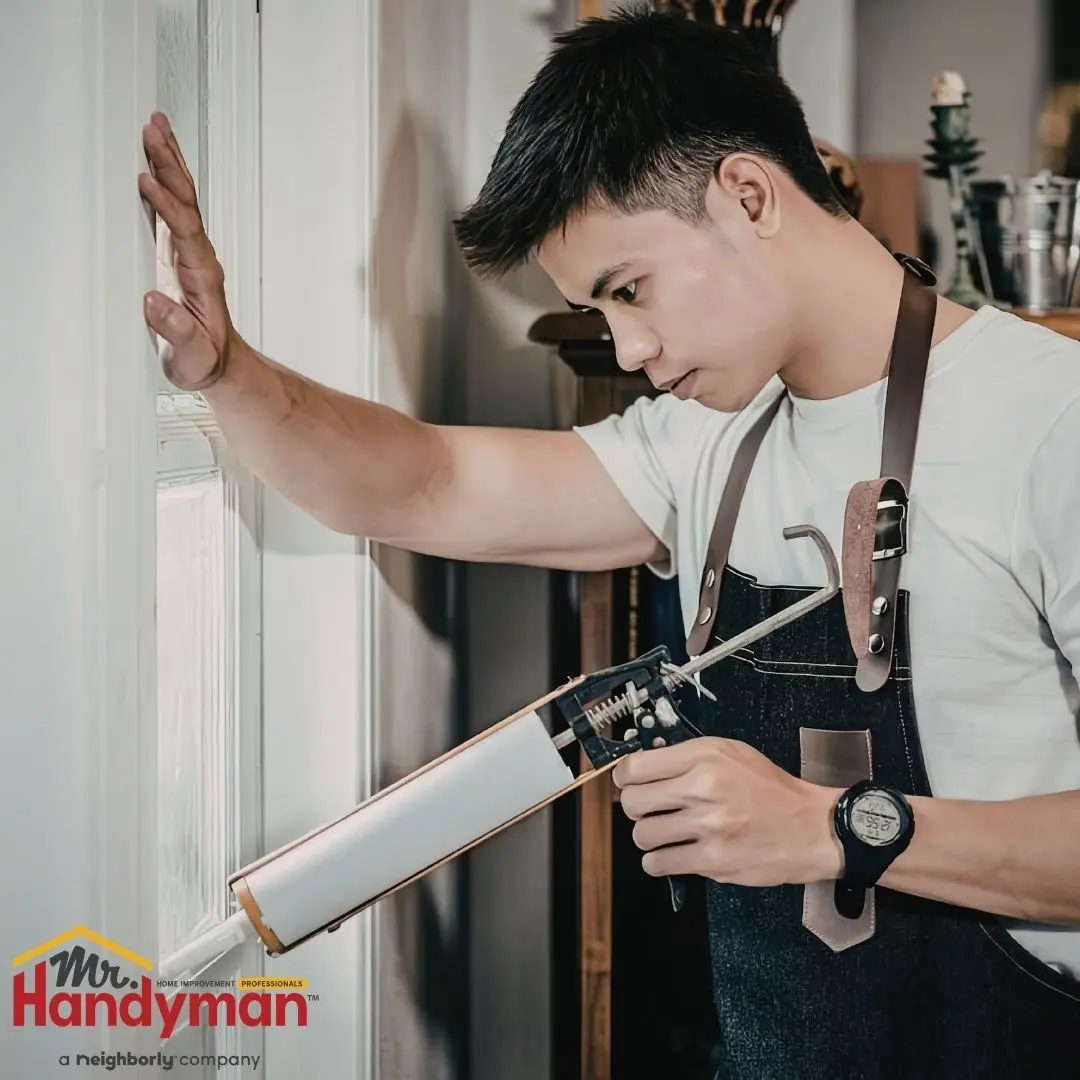
Joint compound cracking at wall and ceiling positions in Charleston and Summerville homes reflects the humidity variation that the South Carolina Lowcountry's mild heating season and the hot, humid subtropical coastal summer's elevated interior moisture create in wall assemblies between the seasonal extremes the regional coastal climate produces annually. The dimensional movement that those humidity cycles create in wall assemblies at building envelope transitions and interior seam positions advances the joint cracking that spring assessment reveals as the interior repair category that pre-summer preparation most consistently identifies across the service area's diverse Charleston and Summerville housing stock.
Baseboard and trim gap development at floor and wall interfaces reflects the same humidity variation mechanism that joint cracking communicates in wall assemblies, and the paintable flexible caulk those trim interfaces require accommodates the dimensional movement the regional humidity cycling creates rather than the rigid alternatives the Lowcountry's subtropical climate advances through failure at those moving interfaces.
The mild winter plumbing wear in Charleston and Summerville homes reflects the heating season's household water use delivering the service area's water chemistry mineral accumulation in fixture components, supply connections, and the water-using appliances between maintenance intervals. Summerville households on harder aquifer water at approximately 7.2 grains per gallon experience that accumulation at roughly double the pace that Charleston's softer surface water creates between comparable intervals, making the spring plumbing assessment more urgently motivated for Summerville households whose moderately harder aquifer water has been advancing those component conditions more aggressively through the heating season's concentrated water use.
Exterior Surface Repairs From Lowcountry Coastal Winter Exposure
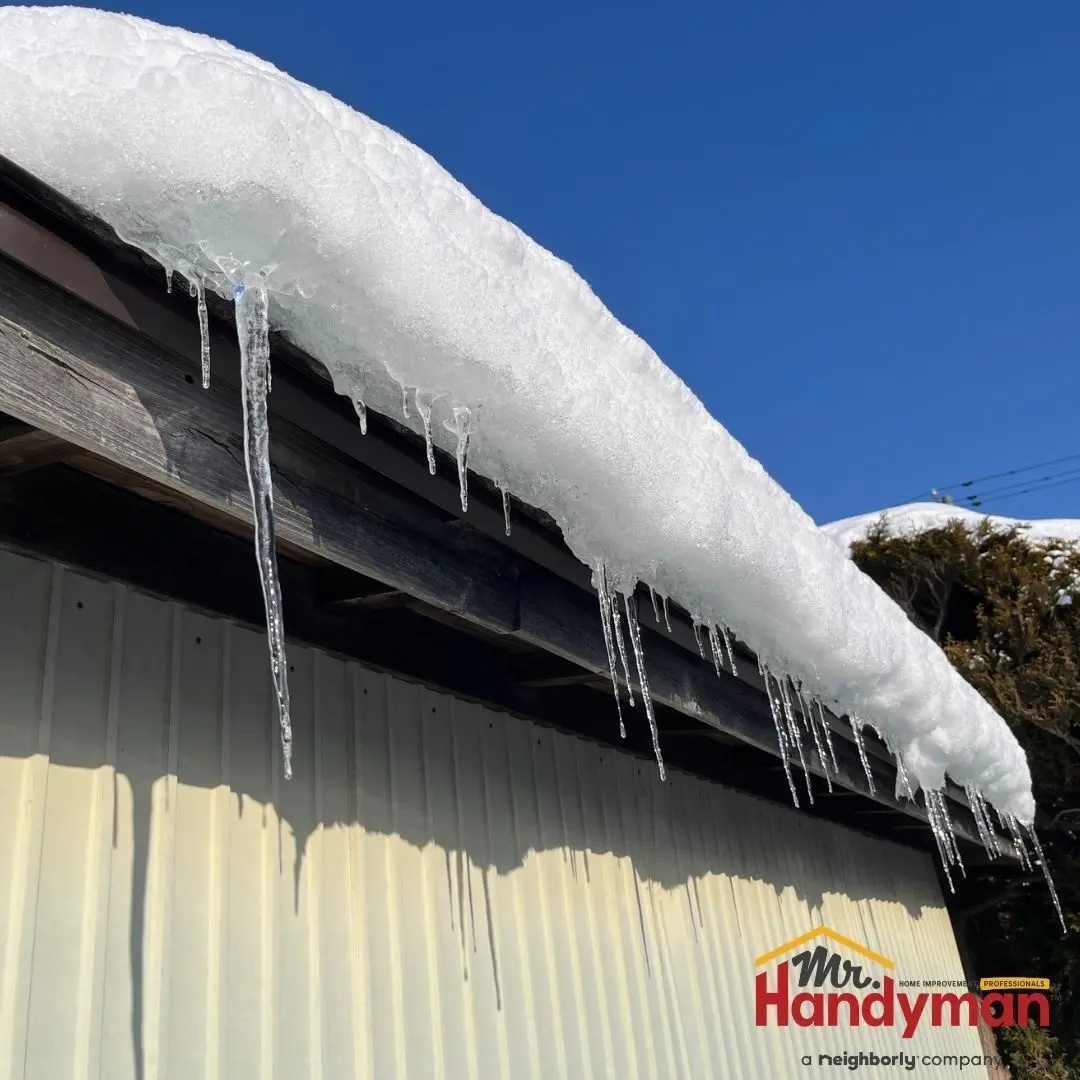
The exterior surface repairs that Charleston and Summerville homeowners address in spring reflect the combined biological growth the mild winter sustained and the warm spring accelerated on exterior surfaces, the coastal salt air's continuous atmospheric accumulation on building facade materials and hardware positions, the year-round afternoon thunderstorm moisture contact on building envelope-adjacent exterior positions, the UV deterioration the previous outdoor season advanced in exterior paint and stain, and the modest thermal cycling that the South Carolina Lowcountry's genuine but mild winter created in exterior hardware and building envelope materials between the fall's last outdoor maintenance and the spring's first repair opportunity.
Biological and salt air treatment before exterior paint repair provides the dual preparation discipline that the Lowcountry's subtropical biological growth environment and the coastal atmospheric salinity together make specifically essential for lasting exterior improvement results. The mild winter's sustained moderate biological presence on exterior surfaces and the coastal salt air's continuous mineral deposit accumulation on those facade positions both warrant the professional treatment that removes those combined conditions before paint and stain restoration proceeds over the clean substrate those improvements require for lasting performance in the Lowcountry coastal residential context. Restoration over biologically established and salt air-contaminated substrate provides new materials over the contaminated surfaces that the hot, humid coastal summer then advances through before those improvements have delivered their intended service life against the combined regional coastal mechanisms.
Concrete crack assessment and repair after the South Carolina Lowcountry's mild winter addresses the modest crack advancement that the region's genuine but mild thermal cycling and the afternoon thunderstorm pattern's year-round moisture contact in crack positions together create in residential concrete between fall assessment and spring repair. Flexible polyurethane crack filler applied in spring's moderate temperatures before the biological growth the hot, humid coastal summer activates in unsealed concrete positions advances to the embedded condition that delayed repair allows provides the surface restoration the Lowcountry conditions warrant before summer's outdoor activity concentrates on current surface conditions.
Deck biological treatment, salt air hardware assessment, and surface restoration addresses the organic establishment the mild winter sustained and the warm spring accelerated on deck surfaces, the salt air corrosion the coastal atmosphere advanced on deck hardware and fastener positions through the winter's continuous coastal atmospheric contact, and the UV-driven stain depletion the previous outdoor season created in deck surface materials. The treatment, cleaning, salt air hardware confirmation, and UV-stable stain application sequence that lasting deck restoration in the Lowcountry's combined subtropical and coastal atmospheric environment requires converts the spring's biological and salt air conditions from the maintenance urgency that deferred treatment creates into the manageable pre-season repair that early engagement addresses before summer's outdoor coastal living season concentrates the Lowcountry's excellent evening gatherings on whatever deck conditions currently exist.
Plumbing System Winter Wear Repairs
Outdoor faucet assessment after the South Carolina Lowcountry's mild winter evaluates function confirmation, the water chemistry mineral accumulation the service area's varied hardness creates in outdoor faucet components, and the supply connection conditions that the coastal atmospheric moisture and the mild winter's modest thermal cycling advanced in outdoor plumbing positions. The occasional genuine freeze event that the South Carolina Lowcountry's climate history demonstrates warrants the functional confirmation that confirms continued supply connection integrity before the outdoor coastal season activates continuous demand on those components throughout the active warm months.
Water heater assessment and sediment confirmation following the mild Lowcountry winter's household water demands evaluates the service area's water chemistry sediment accumulation in tank bottoms between flushing intervals. Summerville households on harder aquifer water benefit most specifically from the spring flushing that removes the accelerated sediment those conditions create between intervals, and the assessment that confirms adequate tank condition before summer's hosting activity concentrates demand on those systems provides the operational baseline that the coastal warm season's varied household demands test.
Supply connection visual assessment at washing machine and refrigerator positions evaluates the supply hose conditions that the South Carolina Lowcountry's mild thermal cycling and the service area's water chemistry mineral contact advanced in those connection positions between assessment intervals. The pre-summer visual confirmation that identifies developing conditions at those supply positions before the summer travel season creates the extended absence that undiscovered failure would exploit in the warm, humid Lowcountry coastal home provides the condition awareness that adequate pre-summer plumbing assessment delivers.
Frequently Asked Questions
What Lowcountry winter wear category most commonly surprises Charleston and Summerville homeowners at spring assessment?
Salt air corrosion advancement on exterior hardware positions and building facade metal components surprises Lowcountry homeowners most consistently because the coastal atmospheric salinity's continuous winter contact advances those corrosive conditions gradually through every mild winter week rather than the dramatic visible event that other damage categories create at discovery. The hardware finish deterioration, the painted metal surface corrosion, and the building envelope transition component conditions that the coastal salt air's continuous winter atmospheric contact creates communicate the accumulated coastal atmospheric effects that spring assessment reveals as having advanced further than the homeowner anticipated during the mild winter that created those conditions without the dramatic visible event that would otherwise have communicated the deterioration's active progression.
How does the South Carolina Lowcountry's year-round precipitation and coastal salt air affect winter wear repair sequencing?
The afternoon thunderstorm pattern's year-round moisture contact on building envelope surfaces and the coastal salt air's continuous atmospheric accumulation on exterior positions mean those conditions require the dual biological and salt air treatment discipline that the combined regional mechanisms create as the preparation requirement before any exterior repair proceeds. That year-round moisture character and coastal atmospheric contact make building envelope sealant repair and the combined biological and salt air treatment before restoration the most urgently sequenced pre-summer repair priorities because the continuous precipitation and coastal atmospheric conditions the Lowcountry's climate creates test whatever sealant and facade conditions exist without the seasonal dry period that would otherwise limit that combined moisture and salt air exposure between annual assessment and repair intervals.
Should Lowcountry homeowners repair interior or exterior conditions first after the mild coastal winter?
Combined biological and salt air treatment of exterior surfaces and building envelope sealant repair that confirms moisture exclusion from the afternoon thunderstorm pattern's year-round precipitation contact and the coastal atmospheric humidity should precede interior repairs in Lowcountry homes. The hot, humid subtropical coastal summer then activates biological establishment in the building assembly positions that moisture infiltration through compromised exterior sealant reaches, and the interior improvements that proceed without confirmed building envelope integrity in the Lowcountry's year-round precipitation and coastal atmospheric context invest in conditions that subsequent moisture infiltration will deteriorate before those improvements deliver their intended service life.
What is the most cost-effective repair sequence for Lowcountry winter wear?
Combined biological and salt air treatment at all affected exterior facade and hardware positions first, followed by building envelope caulking and gutter repair that confirms moisture exclusion before the subtropical summer's afternoon thunderstorm season concentrates its peak precipitation on those positions, then interior joint compound and trim repairs with flexible materials appropriate for the Lowcountry's subtropical coastal humidity variation, then concrete crack sealing after biological and salt air treatment has prepared those positions, then plumbing system assessment and sediment confirmation with Summerville harder water households prioritizing that assessment at more frequent intervals, and finally exterior paint and stain restoration in spring's moderate temperature conditions before the hot, humid coastal summer changes the application environment those products achieve their best performance within. That sequence specifically addresses the combined biological and salt air treatment discipline before all subsequent exterior repair in the Lowcountry's coastal atmospheric context.
How does the active Lowcountry residential market affect timing of winter wear repairs?
The spring listing season that the active coastal South Carolina market creates across the Charleston and Summerville service area evaluates pre-listing winter wear repair against the maintained alternatives the competitive Lowcountry listing environment simultaneously presents. The quality-aware buyers whose previous residential and hospitality experience established the condition references those buyers apply to Lowcountry property assessments specifically reward the combined biological treatment, salt air cleaning, and building envelope repair that comprehensive spring repair delivers as the maintained coastal property condition those buyers evaluate alongside every other condition the active Charleston and Summerville listing environment concentrates their evaluation on during the spring showing season.
Lowcountry Homes Repaired and Ready After the Mild Coastal Winter
The winter wear that the South Carolina Lowcountry's mild but genuine thermal cycling, the afternoon thunderstorm pattern's year-round precipitation contact on building envelope surfaces, the coastal salt air's continuous atmospheric accumulation on exterior hardware and facade positions, and the service area's water chemistry mineral accumulation all together create in Charleston and Summerville homes communicates the maintenance investment that spring repair addresses before the hot, humid subtropical coastal summer, the outdoor coastal living season, the afternoon thunderstorm season's peak precipitation, and the active hurricane season all simultaneously concentrate their demands on whatever conditions those mild winter repairs leave unaddressed. Combined biological and salt air treatment before all exterior repair. Building envelope sealant confirmed. Interior joint cracking addressed with flexible compound. Concrete sealed after treatment has prepared those positions. Plumbing systems assessed at the intervals the service area's water chemistry warrants. Salt air hardware positions confirmed and addressed. Each Lowcountry winter wear category addressed through the repair discipline and the coastal material specifications that lasting results in the subtropical coastal climate's combined biological growth and salt air atmospheric conditions require.
Mr. Handyman of Charleston and Summerville has the regional experience to help homeowners identify and address the specific wear categories that the South Carolina Lowcountry's mild but genuinely coastal winter creates in regional homes before the summer's subtropical coastal demands test those conditions further.
Website: https://www.mrhandyman.com/charleston-summerville/
Serving homeowners throughout Charleston, Summerville, and the surrounding Lowcountry communities with dependable service and the expertise your home deserves.
