
Why Lowcountry Disposals Face a Specifically Regional Challenge
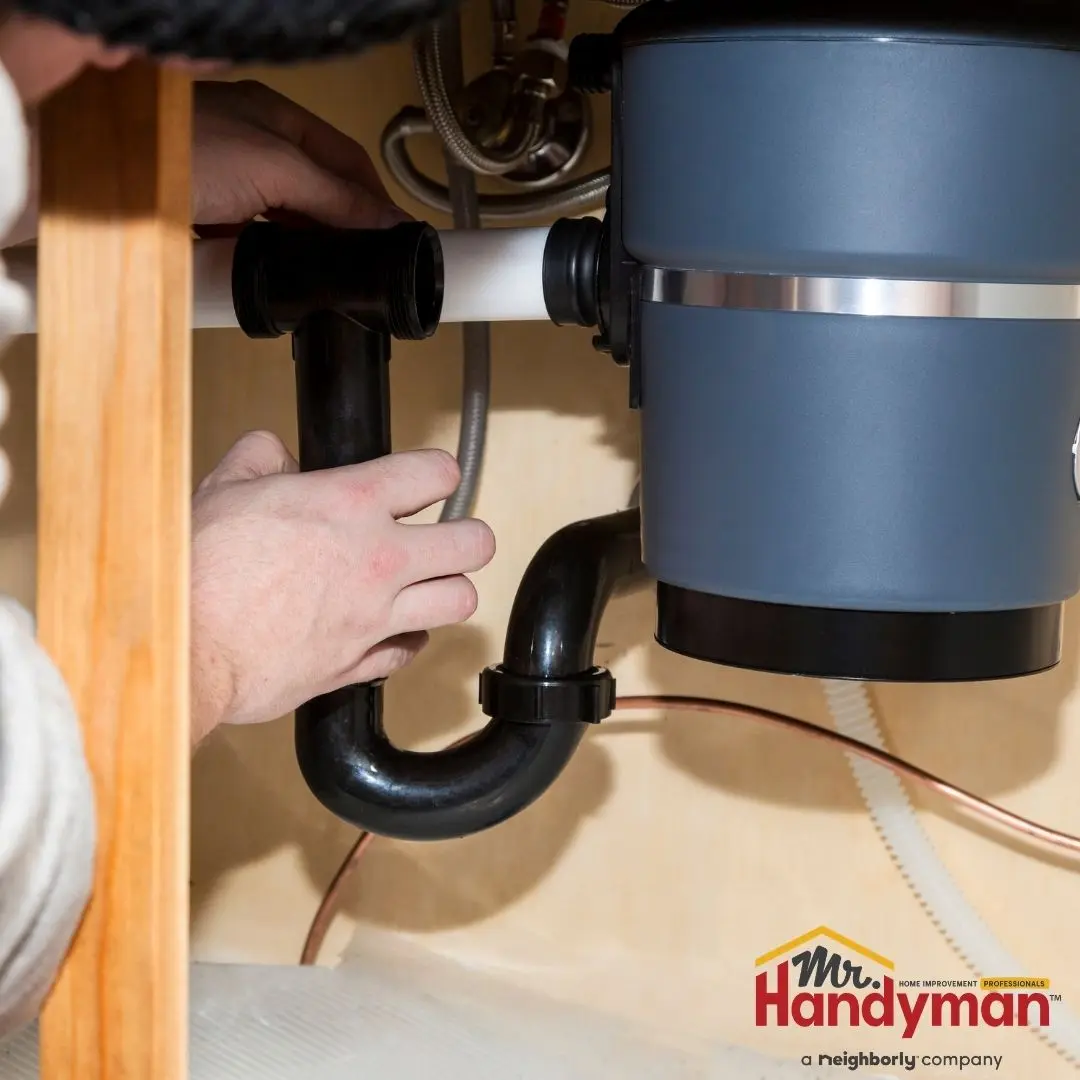
The garbage disposal in a Charleston or Summerville home operates in one of the most demanding biological growth environments that any American residential market presents as the disposal maintenance context. The South Carolina Lowcountry's genuine subtropical heat, the elevated humidity that the coastal plain's proximity to tidal waterways, salt marshes, and the Atlantic creates as the ambient moisture environment those homes manage year-round, and the long warm season that the regional climate sustains from spring through fall all together create the biological growth acceleration in enclosed kitchen cabinet spaces that advances disposal odor, drain restriction, and surface deterioration between cleaning intervals at rates that moderate climate markets without the Lowcountry's sustained subtropical conditions do not produce between comparable maintenance periods.
The water chemistry split between Charleston and Summerville creates different disposal maintenance demands across the service area. Charleston Water System customers whose supply draws from Bushy Park Reservoir and the Edisto River receive moderately soft surface water at approximately 3.4 grains per gallon, creating the modest mineral accumulation in disposal components and drain surfaces that the softer surface water produces between cleaning intervals. Summerville households drawing from the Edisto Aquifer at approximately 7.2 grains per gallon develop that mineral accumulation at roughly double the rate, creating the mineral bonding agent in drain positions that makes the grease and food waste accumulation those drain systems carry more persistent between professional service intervals in the regional harder water context.
The Lowcountry's specifically regional kitchen culture creates the disposal demand context that Charleston's established culinary traditions and Summerville's active family kitchen culture together produce in those regional kitchen drain systems. The coastal and Southern food traditions of the Charleston and Summerville kitchen create the seafood processing, the okra, the collard greens, and the Southern cooking grease loading that regional kitchen drains manage between professional maintenance intervals alongside the moderate to moderately hard water mineral accumulation those drains receive from the service area's varied water supply.
The diverse Lowcountry housing stock creates the disposal installation context that the historic Charleston peninsula's older homes, the established Charleston suburban neighborhoods, the military family households near Joint Base Charleston, and the rapidly growing Summerville residential developments all produce at different service life stages across the service area. Understanding which disposal problems appear most consistently in this regional context, how the Lowcountry's subtropical climate and the service area's water chemistry variation specifically contribute to those conditions, and what accessible homeowner interventions address versus the professional scope that certain situations warrant gives Charleston and Summerville homeowners the practical framework that regional conditions specifically motivate.
Problem One: Disposal Odors in Lowcountry Kitchens
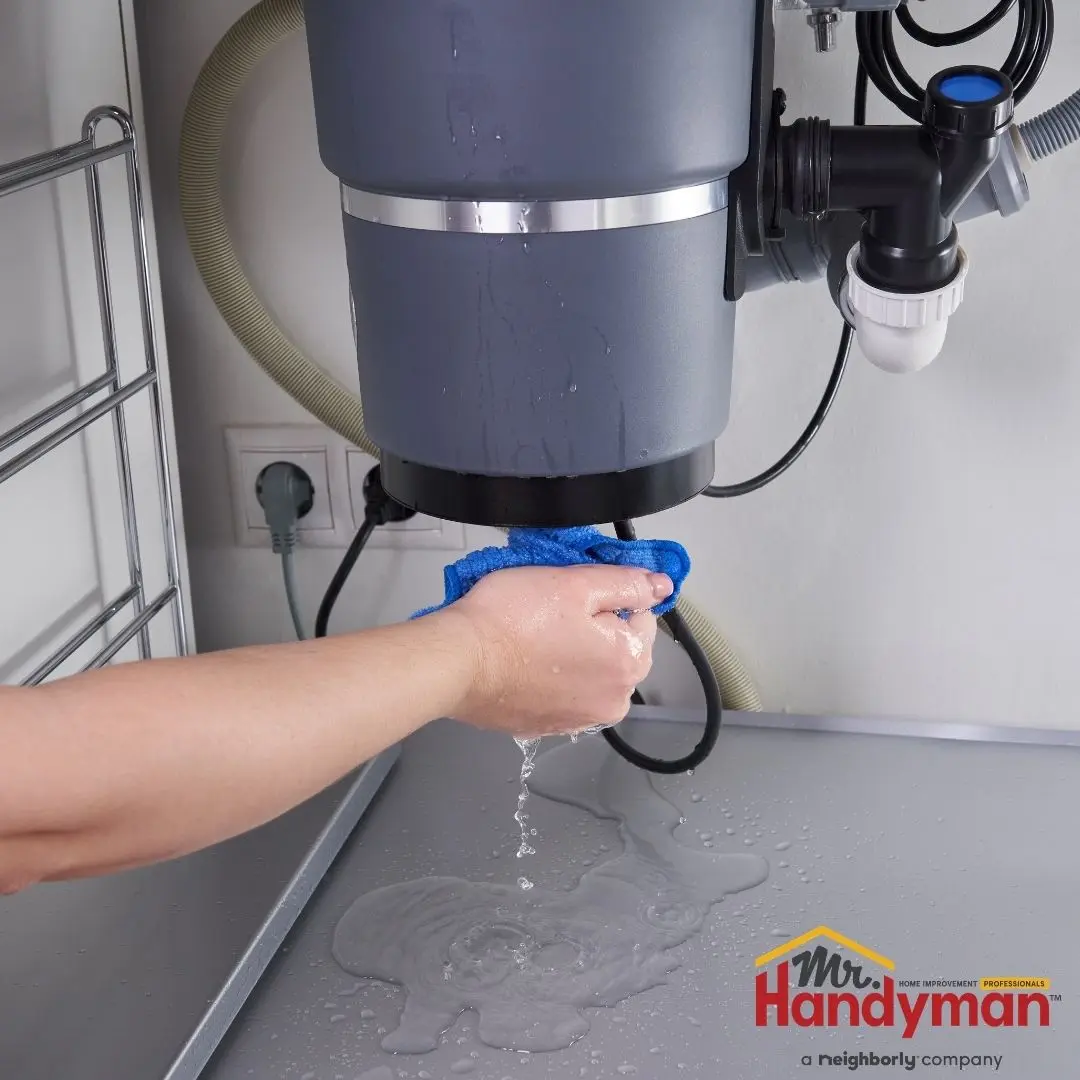
The persistent disposal odor that Charleston and Summerville homeowners report between cleaning intervals reflects the biological activity that the Lowcountry's genuine subtropical heat and humidity advance in food waste residue, the splash guard rubber, and the drain surfaces that disposal use creates in the enclosed kitchen cabinet environment through the long warm season. The odor is not simply a food smell that disposal use inevitably creates. It is the biological establishment that the regional subtropical conditions specifically accelerate in those positions through the extended warm months at rates that moderate climate kitchens without the Lowcountry's sustained heat and humidity do not sustain between comparable cleaning intervals.
The splash guard underside is the most consistently overlooked disposal odor source in Lowcountry kitchens because the rubber flap accumulates the food residue, the biological film, and the moisture that disposal use creates on that surface without receiving the cleaning attention the top-visible splash guard position receives. The Lowcountry's subtropical ambient temperatures in the enclosed kitchen cabinet make the biological growth on that rubber surface specifically more aggressive than the same surface develops in moderate climate kitchens between comparable cleaning events. Disposable brush cleaning of the splash guard underside with a solution that addresses both biological accumulation and the surface film regional conditions create on those rubber surfaces removes the primary odor source that most disposal cleaning routines miss entirely in Charleston and Summerville kitchens.
Ice and coarse salt cleaning provides the mechanical scrubbing and the deodorizing function that disposal chamber surfaces and grinding components benefit from as the monthly maintenance that the Lowcountry's long, warm season biological growth acceleration specifically motivates throughout the extended subtropical warm months. A cup of ice cubes combined with coarse salt run through the disposal followed by cold water creates the mechanical scrubbing that removes food residue and biological film from grinding surfaces that chemical cleaning alone does not address as completely in the warm, humid Lowcountry kitchen environment between professional maintenance intervals.
Citrus cleaning through periodic citrus peel processing provides the natural deodorizing and the mild acid cleaning that citric acid delivers against the biological film and the mineral deposits that the regional water supply and the subtropical warm season together create on disposal surfaces. The natural deodorizing that citrus oils provide specifically addresses the biological odor that the Lowcountry's long warm season advances in disposal components between the cleaning intervals that adequate regional maintenance frequency warrants throughout the extended South Carolina warm months.
Problem Two: Disposal Clogs and Slow Draining
The drain clog that Lowcountry disposals develop between professional maintenance intervals reflects the combination of disposal food waste, the Southern and coastal cooking tradition's grease and seafood processing loading, and the mineral deposits that the service area's water chemistry creates in the P-trap and drain line that the disposal and kitchen sink share. The okra, the collard greens, the fibrous coastal vegetables, and the seafood shells and processing waste that the regional kitchen culture creates as the specifically Lowcountry disposal clog contributors compound with the cooking grease that Southern kitchen traditions deposit in those drain positions.
The coastal cooking consideration for York County kitchen drain restriction reflects the seafood processing, the cast iron cooking grease, and the regional kitchen traditions that the Charleston and Summerville culinary culture creates as the specifically regional clog contributors that standard disposal guidance calibrated to national average kitchen use does not address with the same specificity. Shrimp shells, crab remnants, oyster liquor, and the coastal food preparation that the Lowcountry's maritime culinary tradition creates all represent the disposal avoidance priorities that regional kitchen culture makes specifically important for Charleston and Summerville homeowners managing those drain systems between professional maintenance intervals.
The reset button and jam clearing procedure represent the accessible homeowner responses to the disposal jam that fibrous or hard food material creates when the grinding mechanism stalls. The red reset button on the disposal's underside restores the unit after thermal overload protection trips from the motor strain a jam creates, and the hex key socket at the disposal's center underside provides the manual rotation capability that dislodging jammed material requires before reset restores normal function.
The Allen Wrench Fix for Lowcountry Disposal Jams
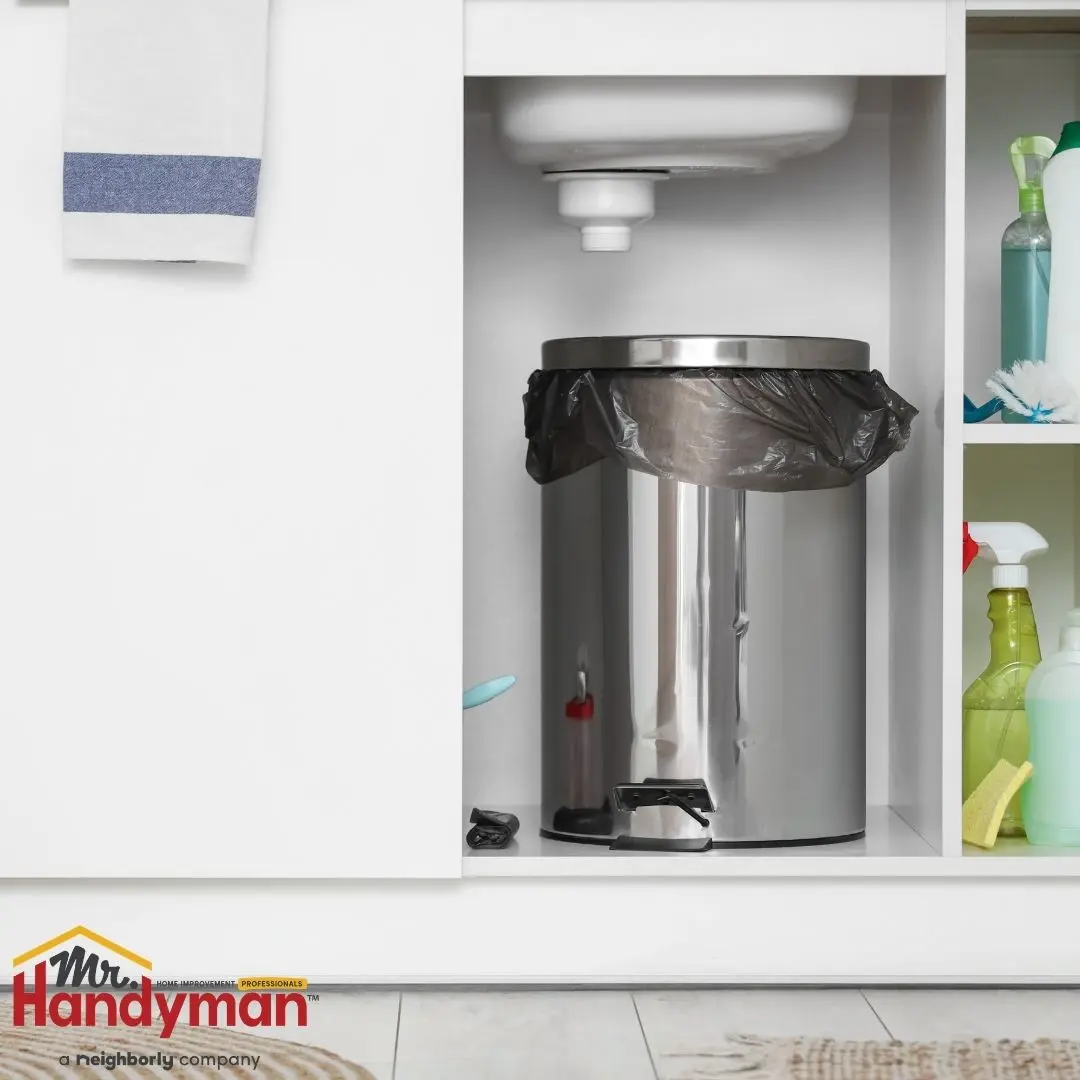
The disposal jam that food material creates in the grinding mechanism of a Charleston or Summerville kitchen disposal is the most common disposal problem that an accessible homeowner intervention resolves without professional assistance. The hex key socket at the disposal's underside center provides the manual turning capability that dislodging the jammed grinding plate requires before the reset button restores normal operation.
The jam clearing sequence begins with confirming the disposal is off and the power is disconnected at the switch or the breaker before any intervention at the unit. The quarter-inch hex key that most disposal manufacturers include at installation fits into the underside socket and allows manual back-and-forth turning that dislodges the jammed material before the reset button is pressed and cold water confirms normal operation has been restored. The Lowcountry homeowner who keeps that hex key in the cabinet beneath the kitchen sink has the jam clearing capability that the most common disposal service interruption requires without a professional service call.
When jam clearing does not restore function after hex key rotation, reset button engagement, and cold water confirmation, the disposal's condition warrants the professional assessment that Mr. Handyman of Charleston and Summerville provides to determine whether jam damage, motor condition, or the accumulated wear that the Lowcountry's subtropical conditions and the regional kitchen culture have advanced to the replacement threshold that continued repair no longer efficiently serves.
Problem Three: Disposal Leaks in Lowcountry Kitchens
The three disposal leak positions that Charleston and Summerville homeowners discover in the cabinet space beneath the kitchen sink reflect distinct leak sources whose identification determines whether the accessible homeowner fix addresses the condition or whether professional service provides the appropriate repair scope.
The sink flange leak at the disposal's mounting connection to the sink drain opening reflects the plumber's putty seal deterioration that aging and the Lowcountry's warm, humid ambient conditions advance in those sealing components between service intervals. The subtropical summer's sustained heat and humidity in the enclosed cabinet space specifically accelerates the seal deterioration that moderate climate kitchens develop more gradually between comparable service intervals. The sink flange leak appears as water dripping from the disposal's upper mounting ring during operation or sink use, and fresh plumber's putty at the flange with confirmed mounting hardware tightness addresses that specific leak source.
The dishwasher connection leak at the side port where the dishwasher drain hose connects to the disposal reflects the hose clamp condition and the connection fitting that the warm, humid Lowcountry conditions and the service age of those components advance toward deterioration. Hose clamp tightening or replacement addresses that specific leak position when the clamp condition rather than the fitting itself is the failure source.
The drain line connection leak at the disposal's outlet where the drain pipe connects to the unit represents the most common leak location in Lowcountry disposal systems because the biological film and the mineral deposits the service area's water chemistry creates at that connection advance the gasket deterioration and the slip joint separation that drain flow pressure tests during operation. Gasket replacement and slip joint tightening addresses the drain connection leak that the regional subtropical conditions and the water chemistry advance in those specific disposal drain components between maintenance intervals.
Problem Four: Disposal Humming Without Grinding
The disposal that hums when switched on but does not grind communicates motor engagement without the mechanical grinding function that a jam or grinding plate failure creates. The motor is receiving power and attempting to operate but the grinding mechanism is not responding. The jam clearing procedure as the first response before professional assessment confirms whether clearing restores function or whether the grinding component damage warrants the replacement evaluation that continued repair does not efficiently serve in the Lowcountry context.
The Lowcountry Summer and Disposal Performance
The South Carolina Lowcountry's long warm season creates the specific disposal performance context that the regional subtropical conditions advance most directly in the enclosed kitchen cabinet environment. The biological growth that the genuine subtropical heat and humidity activate in disposal components, drain surfaces, and the rubber splash guard between cleaning intervals requires the increased cleaning frequency that the Lowcountry's extended warm season specifically motivates for Charleston and Summerville households whose disposal odor and drain performance both reflect that regional biological acceleration through the long South Carolina warm months.
The coastal kitchen culture dimension of Lowcountry disposal maintenance reflects the seafood processing, the Southern cooking grease, and the specifically regional food traditions that Charleston's culinary heritage and Summerville's active family kitchen culture create as the disposal demand context those regional kitchens produce. The shrimp, the oysters, the crabs, and the coastal food preparation that the Lowcountry's maritime culinary tradition motivates create the specifically regional disposal avoidance discipline that Charleston and Summerville homeowners benefit from understanding before those materials advance the drain restriction that adequate avoidance specifically prevents.
Frequently Asked Questions
What causes disposal odors to be worse in the Lowcountry during summer than other times of year?
The South Carolina Lowcountry's genuine subtropical heat and the elevated coastal humidity create the enclosed kitchen cabinet conditions that biological growth in disposal components activates at the regional ambient temperatures the extended warm season sustains. The same food residue that produces manageable odor during the cooler months becomes the active biological growth substrate that the Lowcountry's long subtropical summer advances at accelerated rates in those enclosed positions, and the cleaning frequency that adequate disposal odor management requires increases significantly during the regional warm months to address the biological activation that the coastal subtropical conditions create in those specific kitchen environments.
How does the water chemistry difference between Charleston and Summerville affect disposal performance?
Charleston Water System customers at approximately 3.4 grains per gallon develop modest mineral accumulation in disposal components and drain surfaces between cleaning intervals. Summerville households at approximately 7.2 grains per gallon develop that accumulation at roughly double the rate, creating the mineral bonding agent in drain positions that makes the grease and food waste accumulation from the regional kitchen culture more persistent between professional service intervals. Both service area segments benefit from adequate disposal maintenance, with Summerville households carrying the more specific urgency that moderately harder aquifer water creates for drain cleaning frequency.
Should Lowcountry homeowners run hot or cold water when using the garbage disposal?
Cold water during disposal operation and for thirty seconds after the unit stops is the correct practice for Charleston and Summerville disposals because cold water solidifies the food fats that warm water liquefies and allows to coat drain surfaces as the grease deposit that the Southern and coastal cooking tradition's significant grease loading compounds with mineral deposits in those drain positions between professional cleaning intervals. The cold water discipline specifically benefits the Lowcountry drain environment that the regional culinary culture's grease loading and the water chemistry's mineral content already challenge between professional maintenance events.
What foods should Lowcountry homeowners specifically avoid putting in the disposal?
Seafood shells including shrimp, crab, and oyster shells that the Lowcountry's coastal culinary tradition creates as specifically regional disposal avoidance priorities, the fibrous vegetables including okra and collard greens that Southern cooking traditions deposit into disposal demands, the cooking grease and oils from cast iron and Southern cooking methods that coat drain surfaces and combine with mineral deposits to advance restriction, and the starchy foods whose paste-like consistency adheres to drain surfaces all represent the disposal avoidance priorities that the Lowcountry's coastal and Southern kitchen culture makes specifically important beyond the standard guidance that does not account for the regional culinary character those drain systems manage between professional service intervals.
How often should Charleston and Summerville homeowners professionally clean their kitchen drain?
Annual professional kitchen drain cleaning provides the maintenance baseline that the combination of disposal food waste, Southern and coastal cooking grease loading, and the mineral deposits the service area's water chemistry creates in P-trap and drain line surfaces warrants for Lowcountry kitchens. The long subtropical warm season's biological acceleration in those drain positions and the coastal cooking tradition's seafood and grease contribution both motivate the annual professional cleaning that the regional conditions compound into the maintenance frequency those kitchen drain systems specifically warrant between professional service intervals throughout the South Carolina Lowcountry's extended active kitchen calendar.
Lowcountry Disposals Performing the Way They Should
The garbage disposal problems that Charleston and Summerville homeowners manage reflect the South Carolina Lowcountry's long subtropical warm season's biological acceleration in warm enclosed kitchen environments, the coastal and Southern cooking tradition's seafood and grease loading in regional drain systems, the service area's water chemistry variation between Charleston's softer surface water and Summerville's moderately harder aquifer supply, and the aging component conditions that the regional subtropical conditions and kitchen use together advance between adequate maintenance intervals. Ice and salt cleaning monthly through the warm season. Citrus deodorizing regularly. Splash guard undersides cleaned consistently. Hex key accessible for jam clearing. Seafood shells and fibrous Southern vegetables kept out of the disposal. And the professional assessment that Mr. Handyman of Charleston and Summerville provides when the disposal's condition warrants the evaluation that regional expertise delivers.
Website: https://www.mrhandyman.com/charleston-summerville/
Serving homeowners throughout Charleston, Summerville, and the surrounding Lowcountry communities with dependable service and the expertise your home deserves.