
When the Shower Underperforms in the Lowcountry
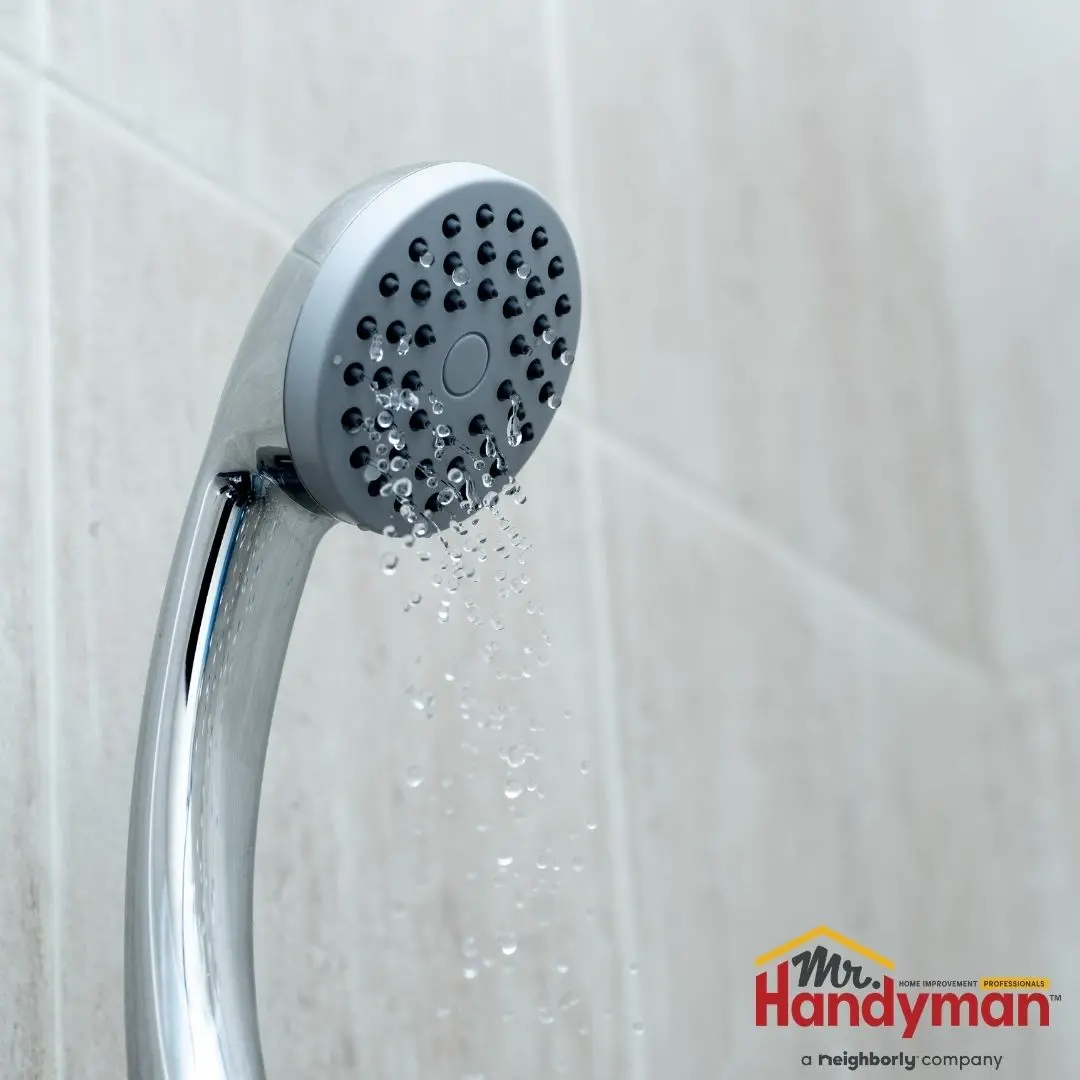
Low water pressure in a Charleston or Summerville home is a diagnostic symptom whose specific cause reflects the regional conditions that the South Carolina Lowcountry's coastal plain geology, the service area's water chemistry variation between Charleston's softer surface water and Summerville's moderately harder aquifer supply, the diverse housing stock that the historic Charleston peninsula's older homes and the rapidly growing Summerville developments produce across the service area, and the subtropical biological growth that the Lowcountry's long warm season activates in the moisture-adjacent plumbing positions that household water use creates between maintenance intervals all together shape as the specific pressure reduction mechanisms that Lowcountry homes develop between assessment intervals.
The water chemistry split between Charleston and Summerville creates different pressure reduction urgency levels across the service area. Charleston Water System customers at approximately 3.4 grains per gallon develop the modest mineral accumulation in faucet aerators, showerhead spray nozzles, and pressure reducing valve internals that the softer surface water produces between cleaning events. Summerville households at approximately 7.2 grains per gallon develop that accumulation at roughly double the pace, advancing the flow restriction in those small-opening components more aggressively between the maintenance intervals that adequate pressure performance requires. The Summerville homeowner whose showerhead has progressively reduced its spray pattern and whose kitchen faucet delivers less flow than installation provided is most likely experiencing the mineral accumulation that moderately harder aquifer water advances in those components at the accelerated rates that double the Charleston surface water hardness creates between comparable cleaning intervals.
The Lowcountry housing stock creates the pressure context that Charleston's historic peninsula neighborhoods, the established Charleston suburban communities, the military family households near Joint Base Charleston, and the rapidly developing Summerville residential corridor all produce across a wide range of construction eras and supply system ages. Charleston's older peninsula homes carry the supply systems that their construction decades produced, and those aging systems present the whole-house pressure reduction mechanisms that older infrastructure develops between the maintenance intervals that routine professional assessment confirms or addresses. Summerville's newer construction carries the current-era supply systems that the aquifer water then advances toward the fixture-level mineral accumulation in aerators, showerheads, and pressure reducing valves that routine cleaning and component service addresses.
The South Carolina Lowcountry's subtropical biological growth creates the pressure reduction dimension that the region's long warm season advances in household plumbing environments between maintenance intervals. The biological establishment that the Lowcountry's genuine heat and coastal humidity activate in HVAC condensate drain positions, in aerator screen positions where moisture sustains organic accumulation between cleaning events, and in the showerhead nozzle positions that the regional warm season's ambient conditions advance between cleaning intervals compounds the mineral restriction those components carry from the service area's water chemistry contribution.
The Municipal Supply Versus Household System Distinction
The pressure complaint affecting every fixture simultaneously and that neighbors in the same area are also experiencing communicates the municipal supply condition that Charleston Water System or the applicable Lowcountry water utility is delivering to that portion of the service territory. Contacting the applicable water utility to confirm whether a known supply pressure issue exists before pursuing household plumbing assessment addresses the supply condition that no household intervention would resolve regardless of its scope.
The pressure complaint affecting specific fixtures while others in the same home perform adequately communicates the household plumbing condition that specific fixture mineral and biological accumulation or supply branch restriction has created. The showerhead whose spray pattern has progressively degraded while the kitchen faucet continues performing adequately communicates the fixture-level accumulation in those showerhead positions rather than the whole-house pressure condition a supply system issue would produce simultaneously at every fixture.
The well and private supply consideration for rural Lowcountry properties beyond the Charleston Water System and Dorchester County Water and Sewer service territories reflects the private well pressure tank and pump system that those specific households manage as their pressure source. A pressure tank whose air charge has depleted or whose diaphragm has failed delivers the rapid pressure cycling and the reduced pressure consistency that professional well service specifically addresses for those rural Lowcountry properties.
Aerator Cleaning: The Most Accessible Pressure Fix
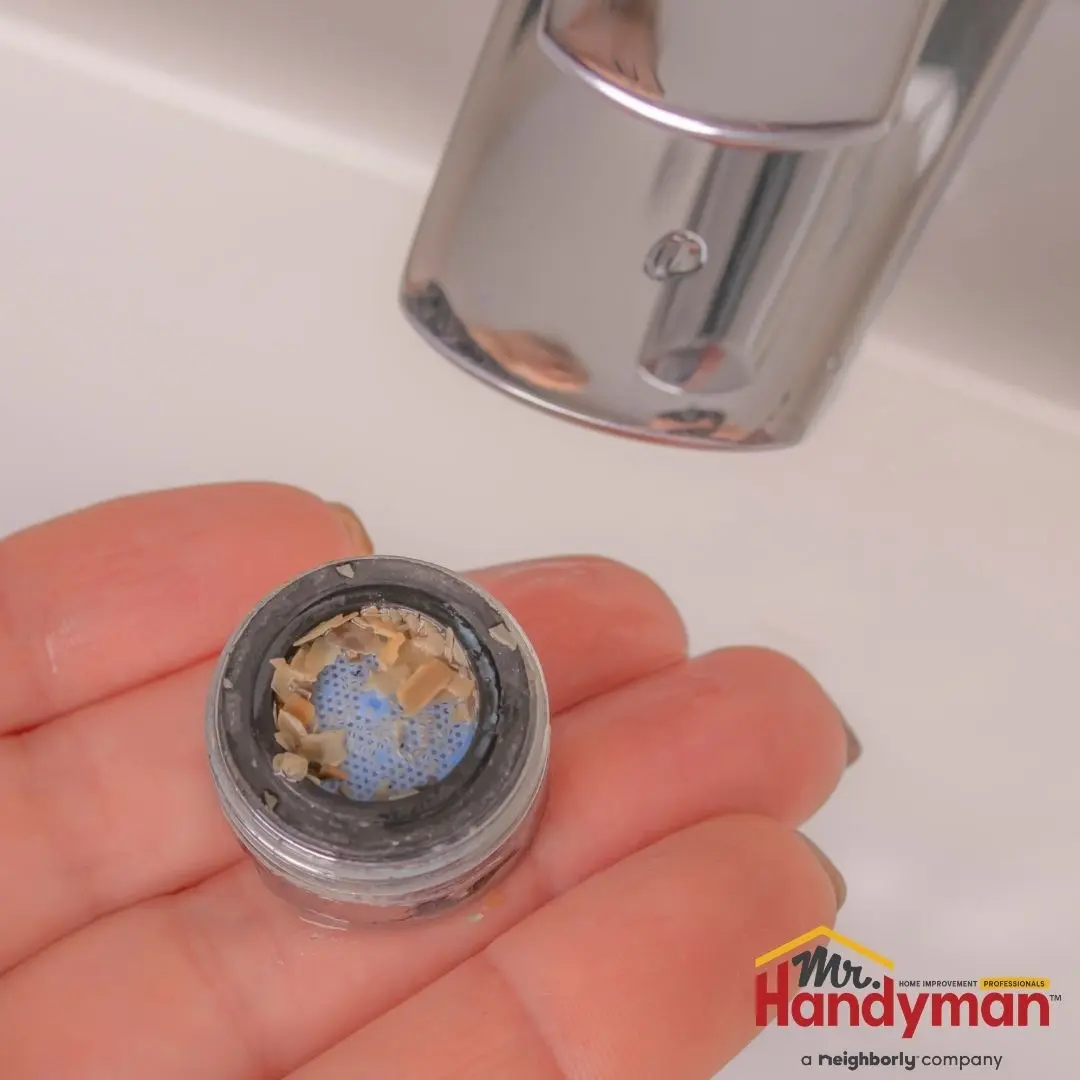
Faucet aerator mineral and biological accumulation is the most consistently identified low pressure cause at individual fixtures across the Lowcountry service area because the aerator screen that screws onto the faucet spout collects both the mineral deposits the regional water supply delivers and the biological film the subtropical warm season activates on those screen surfaces between cleaning events. In Summerville homes on harder aquifer water, that combined mineral and biological accumulation advances the screen restriction between cleaning intervals at rates that specifically motivate the more frequent cleaning frequency those households benefit from compared to Charleston surface water households managing the same aerator between comparable service periods.
The aerator removal and cleaning process involves unscrewing the aerator from the faucet spout, disassembling the screen and flow restrictor components, soaking those components in white vinegar for one to two hours to dissolve the mineral deposits the regional water supply has accumulated, rinsing thoroughly, and reassembling before reinstalling. The pressure improvement that adequate aerator cleaning delivers for a Summerville faucet whose combined mineral and biological restriction was entirely the accumulated condition communicates the specific return that this accessible maintenance investment provides against the regional water chemistry's ongoing accumulation.
Aerator replacement rather than cleaning provides the more complete restoration when the mineral and biological accumulation that Summerville's harder aquifer water and the Lowcountry's subtropical warm season have embedded in the aerator screen mesh has advanced beyond the vinegar soak's ability to fully dissolve, or when the aerator's service age has advanced the component toward the deterioration that replacement addresses more completely than cleaning restores.
Showerhead Mineral and Biological Accumulation
The Lowcountry showerhead whose spray pattern has progressively shifted from the full-coverage flow installation provided toward the uneven, reduced pattern that mineral and biological accumulation creates in spray nozzles communicates the combined deposit buildup that the service area's water chemistry and the subtropical warm season together advance in those small nozzle openings. In Summerville homes on harder aquifer water, that nozzle restriction develops at the accelerated rates that the moderately harder supply creates between cleaning intervals more aggressively than Charleston surface water households experience between comparable cleaning events.
White vinegar soaking removes the mineral deposits the regional water has accumulated in spray nozzles without the harsh chemical cleaners that showerhead finish materials do not withstand without surface damage. Submerging the showerhead in white vinegar overnight or securing a vinegar-filled bag around the showerhead provides the contact time that mineral deposit dissolution requires in the Lowcountry showerhead context.
The biological growth dimension of Lowcountry showerhead pressure management reflects the subtropical warm season's activation of organic establishment in those spray nozzle positions that the regional ambient temperatures and the coastal humidity sustain between cleaning events through the long South Carolina warm months. A showerhead cleaning that addresses both the mineral deposits through white vinegar soaking and the biological film through appropriate biological cleaning delivers the complete nozzle restoration that the Lowcountry's combined water chemistry and subtropical biological growth context specifically warrants.
Pressure Reducing Valve Assessment for Lowcountry Homes
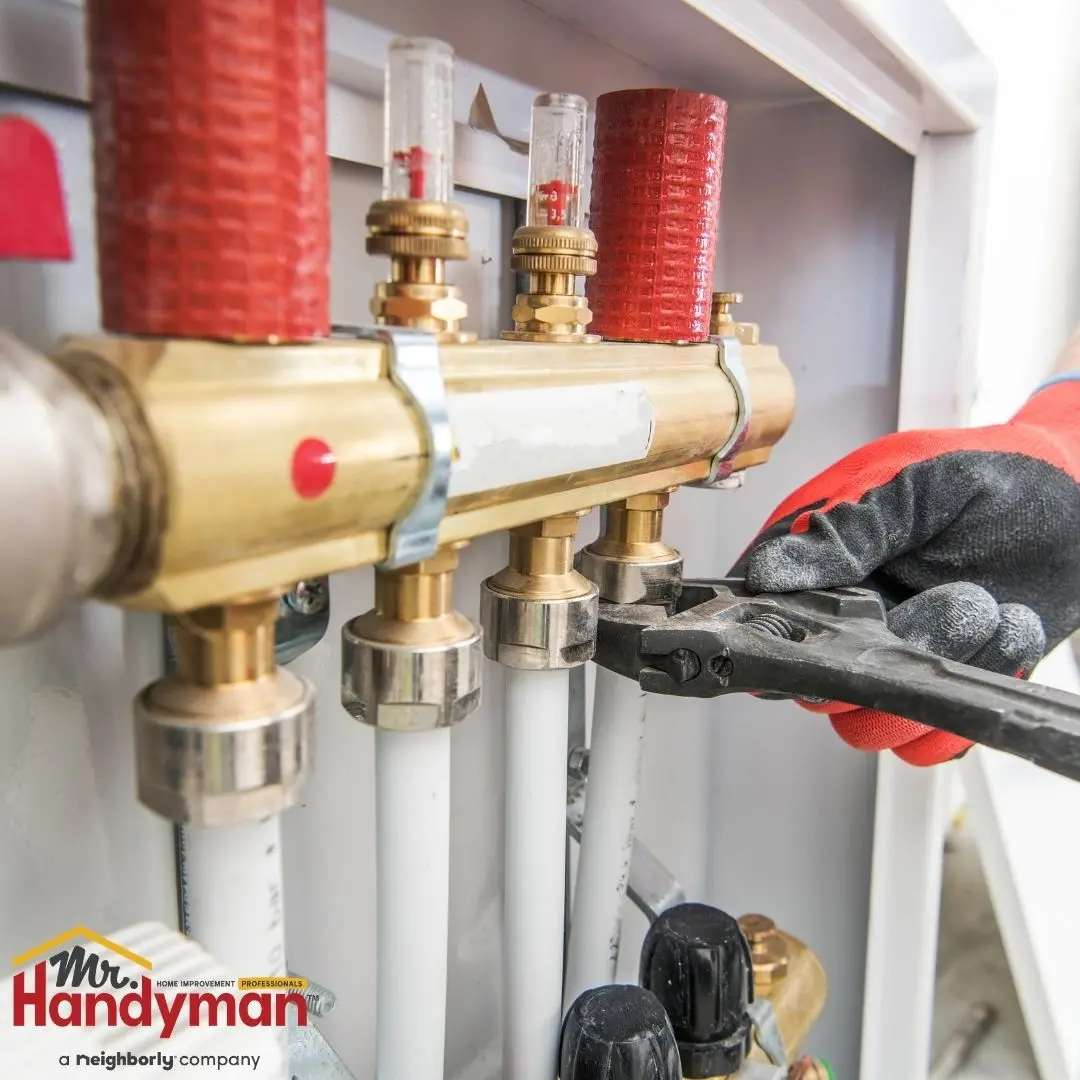
The pressure reducing valve that manages the municipal supply pressure entering Charleston and Summerville area homes represents the whole-house pressure control component whose mineral accumulation condition and age-related wear create the household supply pressure reduction that affects every fixture simultaneously when that valve's function has been compromised between inspection intervals.
The pressure reducing valve's mineral and biological accumulation advances the internal seat and diaphragm conditions that the service area's water chemistry and the Lowcountry's subtropical biological growth environment create in those components between service intervals. Charleston surface water households at 3.4 grains per gallon develop those conditions at the modest rates the softer water produces. Summerville aquifer water households at 7.2 grains per gallon advance those internal valve conditions at the accelerated rates that moderately harder water creates between comparable service intervals, making the pressure reducing valve assessment more urgently motivated for Summerville households whose harder aquifer water has been advancing those internal component conditions more aggressively.
The pressure gauge test at a hose bib or the service port the pressure reducing valve assembly provides confirms the household supply pressure the valve is currently delivering against the 50 to 80 PSI range that household plumbing systems are designed to operate within. A pressure reading below 40 PSI at the downstream service port communicates the supply pressure reduction that the valve's condition has created, and the professional adjustment or replacement that the specific valve condition warrants addresses the whole-house pressure improvement the gauge reading motivates throughout the Lowcountry service area.
The historic Charleston peninsula consideration for pressure reducing valve assessment reflects the diverse construction eras that Charleston's established residential neighborhoods carry as the valve installation ages those homes present for assessment. The older peninsula homes whose pressure reducing valves have been managing the Charleston Water System's supply pressure through multiple decades of the regional subtropical conditions warrant the professional evaluation that confirms valve condition before those aging components advance toward the replacement threshold that adequate function without intervention no longer reliably provides.
Older Supply System Considerations in Historic Charleston
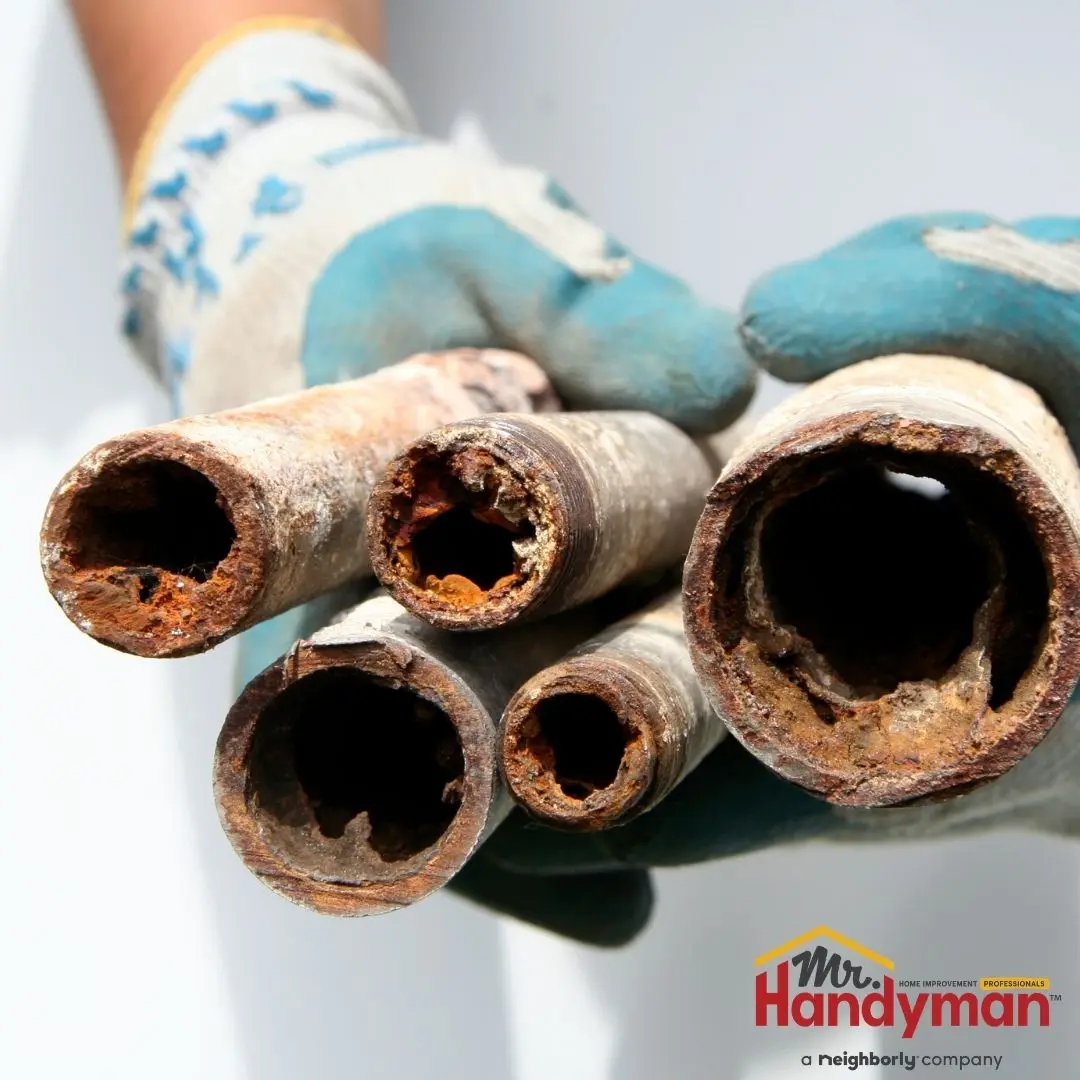
The established Charleston peninsula neighborhoods and the older suburban communities whose construction eras produced the supply systems that aging regional homes carry present the whole-house pressure reduction mechanisms that aging infrastructure develops between the maintenance intervals that professional assessment confirms. The supply system whose interior the Charleston Water System's surface water and the Lowcountry's subtropical conditions have been advancing through the corrosion and accumulation that time and water contact create warrants the professional evaluation that confirms whether targeted supply branch repair or the more comprehensive scope that aging system conditions warrant provides the appropriate pressure restoration for the specific historic Charleston home.
The MUSC and College of Charleston community's residential context for older Charleston peninsula homes reflects the academic and medical professional households whose renovation and improvement activity in Charleston's established historic neighborhoods creates the supply system assessment opportunity that improving older properties specifically warrants before investment commits to the interior improvements those renovations address without confirming the supply system's pressure performance and condition.
The Lowcountry Biological Growth Pressure Dimension
The South Carolina Lowcountry's long subtropical warm season creates the specifically regional biological growth pressure reduction mechanism that the genuine coastal heat and humidity advance in aerator screens, showerhead nozzle positions, and the HVAC condensate drain passages that moisture contact sustains between professional service intervals throughout the extended warm months. The biological establishment that the regional warm season activates in those specific positions compounds the mineral restriction that the service area's water chemistry creates in those components, advancing the combined pressure reduction that the Lowcountry's specific subtropical conditions create more aggressively than moderate climate markets without the coastal heat and humidity produce between comparable maintenance intervals.
The condensate drain biological connection to household pressure management reflects the HVAC condensate drain positions that the Lowcountry's long subtropical warm season activates biological growth in between professional service intervals at the rates the regional ambient conditions create in those moisture-rich passages. Condensate drain clearing that removes that biological obstruction before the warm season's peak cooling demand generates the volumes that restriction prevents from draining provides the moisture management that protects the ceiling and wall positions above those drain passages while also eliminating the biological restriction source that affects HVAC system performance throughout the extended Lowcountry cooling season.
Frequently Asked Questions
What is the most common cause of low water pressure in Charleston and Summerville homes?
Aerator and showerhead mineral and biological accumulation represents the most consistently identified low pressure cause at individual fixtures across the Lowcountry service area. Summerville homes on harder aquifer water at approximately 7.2 grains per gallon experience that combined accumulation at rates that motivate more frequent cleaning than Charleston surface water households at 3.4 grains per gallon require between comparable maintenance intervals. Whole-house pressure reduction most commonly reflects pressure reducing valve condition in established Charleston area homes and aging supply system restriction in the older historic peninsula properties whose construction era installed the materials those decades produced.
How does the water chemistry difference between Charleston and Summerville affect pressure maintenance priorities?
Charleston Water System customers at approximately 3.4 grains per gallon develop modest mineral accumulation in aerators, showerheads, and pressure reducing valve internals between cleaning intervals. Summerville households at approximately 7.2 grains per gallon develop that accumulation at roughly double the rate, motivating the more frequent cleaning and service attention those households specifically benefit from compared to Charleston surface water homes managing the same components between comparable maintenance intervals. The Lowcountry's subtropical biological growth compounds both hardness levels' mineral restriction with the organic establishment the regional warm season activates in those positions throughout the extended warm months.
Should Lowcountry homeowners address low pressure themselves or call a professional?
Aerator cleaning and showerhead vinegar soaking represent the accessible homeowner interventions that individual fixture pressure improvement warrants attempting before professional assessment. Whole-house pressure symptoms affecting multiple fixtures simultaneously, pressure symptoms in older Charleston homes whose supply system age suggests infrastructure restriction, pressure reducing valve conditions confirmed by pressure gauge testing, and pressure tank conditions in rural Lowcountry properties on private well systems all warrant the professional assessment that Mr. Handyman of Charleston and Summerville provides for the supply system evaluation those conditions require.
How often should Lowcountry homeowners clean their faucet aerators?
Charleston Water System customers at approximately 3.4 grains per gallon benefit from annual aerator cleaning that addresses the modest mineral accumulation that interval produces alongside the biological film the subtropical warm season activates in those screen positions. Summerville households at approximately 7.2 grains per gallon benefit from the semi-annual cleaning frequency that the accelerated mineral accumulation those conditions create in aerator screens warrants between service events. The Lowcountry's long subtropical warm season motivates the mid-season biological assessment that confirms warm season biological activation has not advanced screen restriction beyond what the applicable cleaning interval adequately manages.
What whole-house pressure improvement delivers the strongest return for an older Charleston area home?
The pressure reducing valve service or replacement that restores household supply pressure to the 50 to 80 PSI range the downstream plumbing system requires delivers the strongest whole-house pressure improvement for Charleston area homes whose pressure gauge testing confirms inadequate supply pressure at the valve's downstream port. For older historic Charleston peninsula properties whose supply system conditions suggest aging infrastructure restriction beyond what pressure reducing valve service alone addresses, the professional supply system assessment that identifies the specific restriction source and the appropriate intervention scope delivers the comprehensive pressure evaluation that aging Lowcountry supply system conditions warrant before investment commits to the specific restoration approach those conditions require.
Lowcountry Homes With the Pressure They Deserve
The water pressure improvement that Charleston and Summerville homeowners pursue across the range from individual fixture aerator cleaning through whole-house pressure reducing valve assessment and supply system evaluation delivers the household plumbing performance that the South Carolina Lowcountry's varied water chemistry, the diverse housing stock's supply system ages and materials, and the daily occupant experience that adequate pressure creates as the functional baseline a Charleston or Summerville area home deserves. Aerators cleaned at the intervals the specific household's water chemistry and the Lowcountry's subtropical biological activation together warrant. Showerheads vinegar-soaked when spray pattern changes communicate combined mineral and biological accumulation. Pressure reducing valve assessed when whole-house symptoms confirm supply pressure reduction. Supply system evaluated when aging infrastructure conditions in established Charleston neighborhoods suggest the restriction source that professional assessment identifies before intervention scope commits.
Mr. Handyman of Charleston and Summerville has the regional plumbing expertise to help homeowners identify and address the specific pressure conditions that the South Carolina Lowcountry's water chemistry variation and diverse housing stock create throughout the service area.
Website: https://www.mrhandyman.com/charleston-summerville/
Serving homeowners throughout Charleston, Summerville, and the surrounding Lowcountry communities with dependable service and the expertise your home deserves.
