Winter in coastal South Carolina is typically mild, but that does not mean plumbing systems are immune to cold-weather damage. In fact, the biggest risk to homeowners comes not from prolonged cold but from sudden temperature drops that arrive with little warning. Understanding How to Keep Pipes From Freezing During Winter Cold Snaps in Charleston is essential for protecting your home from preventable water damage, unexpected repairs, and seasonal stress on your plumbing system.
Homes in the Lowcountry are often built with plumbing layouts that reflect the region’s generally warm climate. Pipes commonly run through crawl spaces, exterior walls, garages, and other areas that are not designed for freezing conditions. When overnight temperatures dip below freezing, even briefly, these exposed pipes can freeze quickly. Once frozen, the pressure created by expanding ice increases the risk of cracks or bursts when temperatures rise again.
Homeowners who work with Mr. Handyman of Charleston and Summerville often discover that winter plumbing problems are less about extreme weather and more about preparation. Knowing where your plumbing is vulnerable and taking targeted preventative steps makes a significant difference during cold snaps.
Why Pipes Freeze in Charleston Homes
.webp)
Pipes freeze when water inside them reaches 32 degrees and turns to ice. While this is obvious, what surprises many homeowners is how little cold exposure is required for freezing to occur. In Charleston-area homes, pipes can freeze after just a few hours of below-freezing temperatures, especially if wind and damp air are present.
Several regional factors increase the risk:
- Pipes located in crawl spaces with open or poorly sealed vents
- Plumbing installed along exterior walls with limited insulation
- Outdoor faucets and hose bibs left connected to hoses
- Garages and utility rooms without consistent heat
Because freezes are infrequent, many homes lack adequate pipe insulation. This makes winter cold snaps particularly dangerous, as plumbing systems are often unprepared for even brief cold events.
Identifying the Most Vulnerable Pipes
Not all pipes face the same level of risk during winter cold snaps. Some areas of the home consistently experience colder temperatures and greater exposure to outside air.
Pipes most likely to freeze include:
- Water supply lines in crawl spaces
- Pipes serving outdoor faucets
- Lines running through unheated garages
- Plumbing behind exterior-facing walls
- Irrigation supply lines not properly shut down
In older homes, especially those with minimal upgrades, these vulnerabilities are often more pronounced. Identifying at-risk pipes early allows homeowners to focus their prevention efforts where they matter most.
Insulation as the First Line of Defense
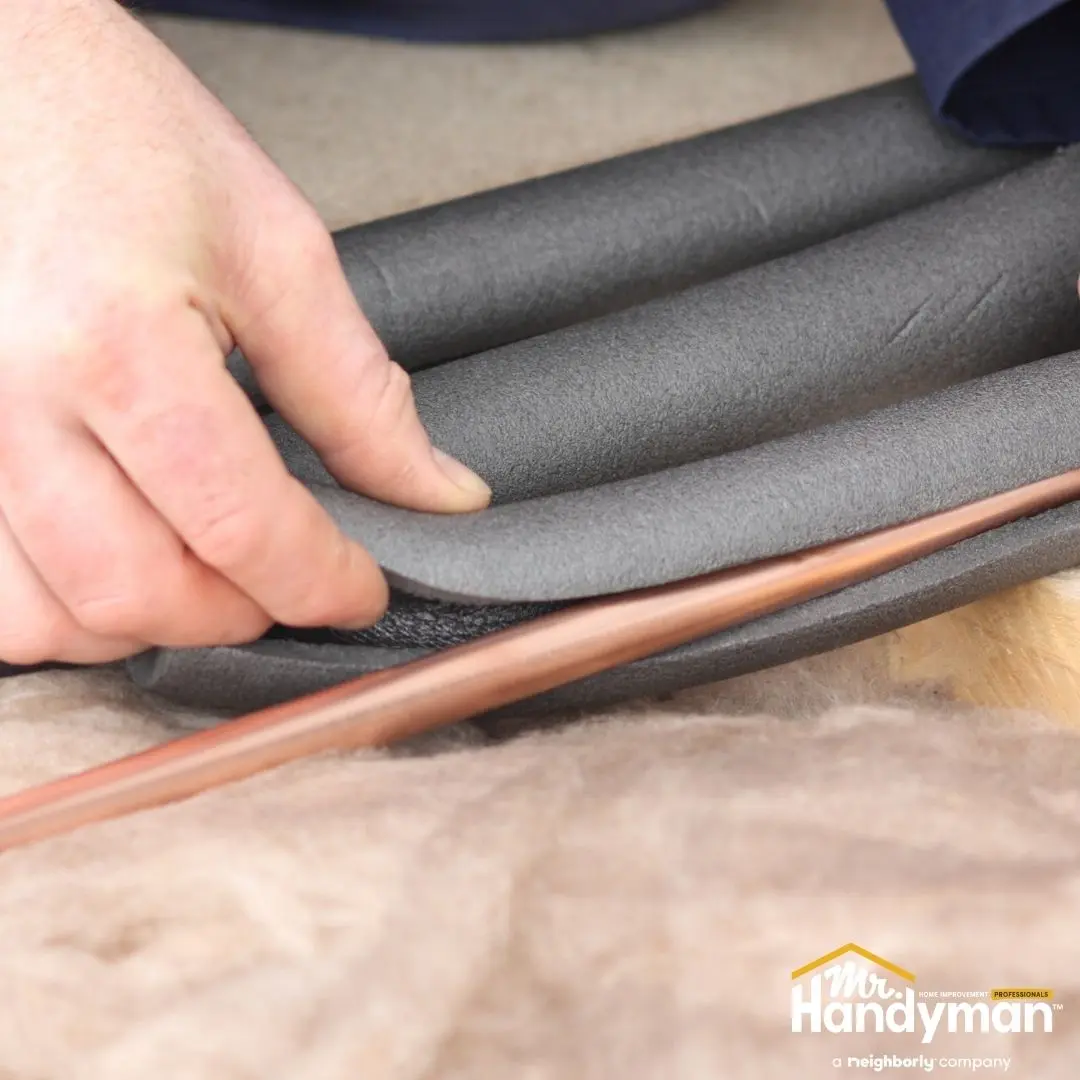
Insulating exposed plumbing is one of the most effective ways to prevent frozen pipes during winter cold snaps. Insulation slows heat loss and helps pipes retain warmth during overnight freezes.
Common insulation solutions include:
- Foam pipe sleeves for exposed lines
- Insulating wraps for irregular pipe shapes
- Adding insulation around crawl space plumbing
- Sealing gaps where pipes enter walls or floors
While insulation alone cannot protect pipes during extended freezes, it is highly effective for the short cold snaps typical of the Charleston area. Proper insulation also improves energy efficiency by reducing heat loss from hot water lines.
Protecting Pipes in Crawl Spaces
Crawl spaces are a major source of winter plumbing issues in coastal South Carolina. Cold air entering through foundation vents can chill pipes quickly, especially during windy conditions.
To reduce freezing risk in crawl spaces:
- Ensure crawl space vents are properly sealed during winter
- Insulate pipes running beneath the home
- Address standing water or drainage issues
- Repair damaged or missing vapor barriers
Moisture control is especially important. Damp crawl spaces lose heat faster and increase the risk of freezing, corrosion, and long-term plumbing deterioration. Routine home maintenance in these areas helps prevent multiple issues at once.
Outdoor Faucets and Hose Bib Protection
Outdoor plumbing fixtures are among the most commonly damaged components during winter cold snaps. When hoses remain connected, water becomes trapped inside the faucet and supply line, increasing the risk of freezing and internal cracking.
Preventative steps for outdoor faucets include:
- Disconnecting and draining all garden hoses
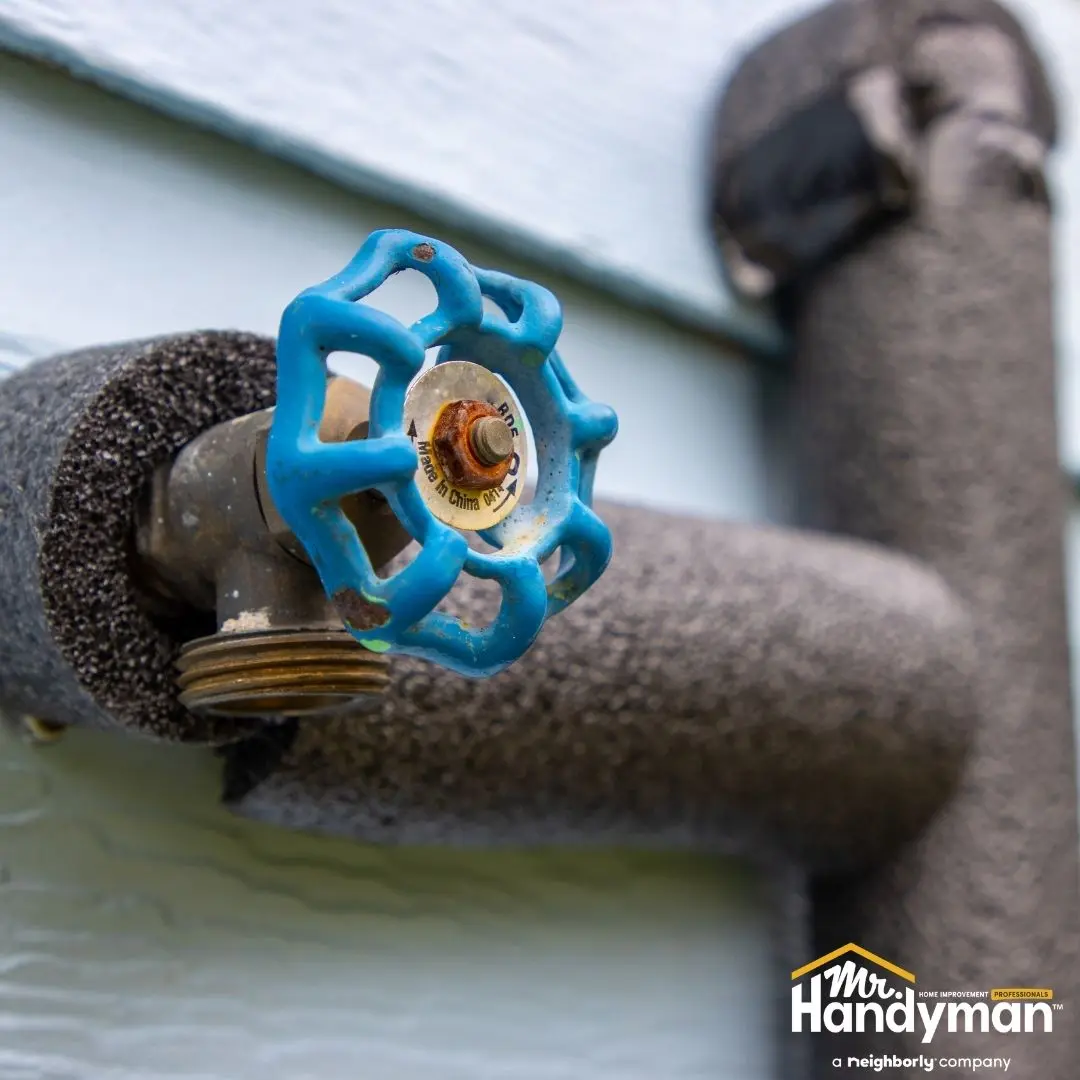
- Installing insulated faucet covers before freezing nights
- Shutting off interior supply lines if available
- Opening outdoor faucets to drain residual water
A cracked hose bib may not leak immediately. Often, leaks appear later when the faucet is used again, allowing water to seep into walls and cause hidden damage. Proper winter preparation significantly reduces this risk.
Maintaining Indoor Temperatures During Cold Snaps
Keeping consistent indoor temperatures plays an important role in preventing frozen pipes. Even homes with good insulation can experience pipe freezing if interior temperatures drop too low.
During winter cold snaps:
- Keep thermostats set to a steady temperature, even overnight
- Open cabinet doors under sinks to allow warm air circulation
- Avoid shutting off heat in unused rooms
- Monitor areas where plumbing runs through exterior walls
These small adjustments help warm air reach vulnerable pipes and reduce the likelihood of freezing during sudden temperature drops.
Why Prevention Matters More Than Repairs
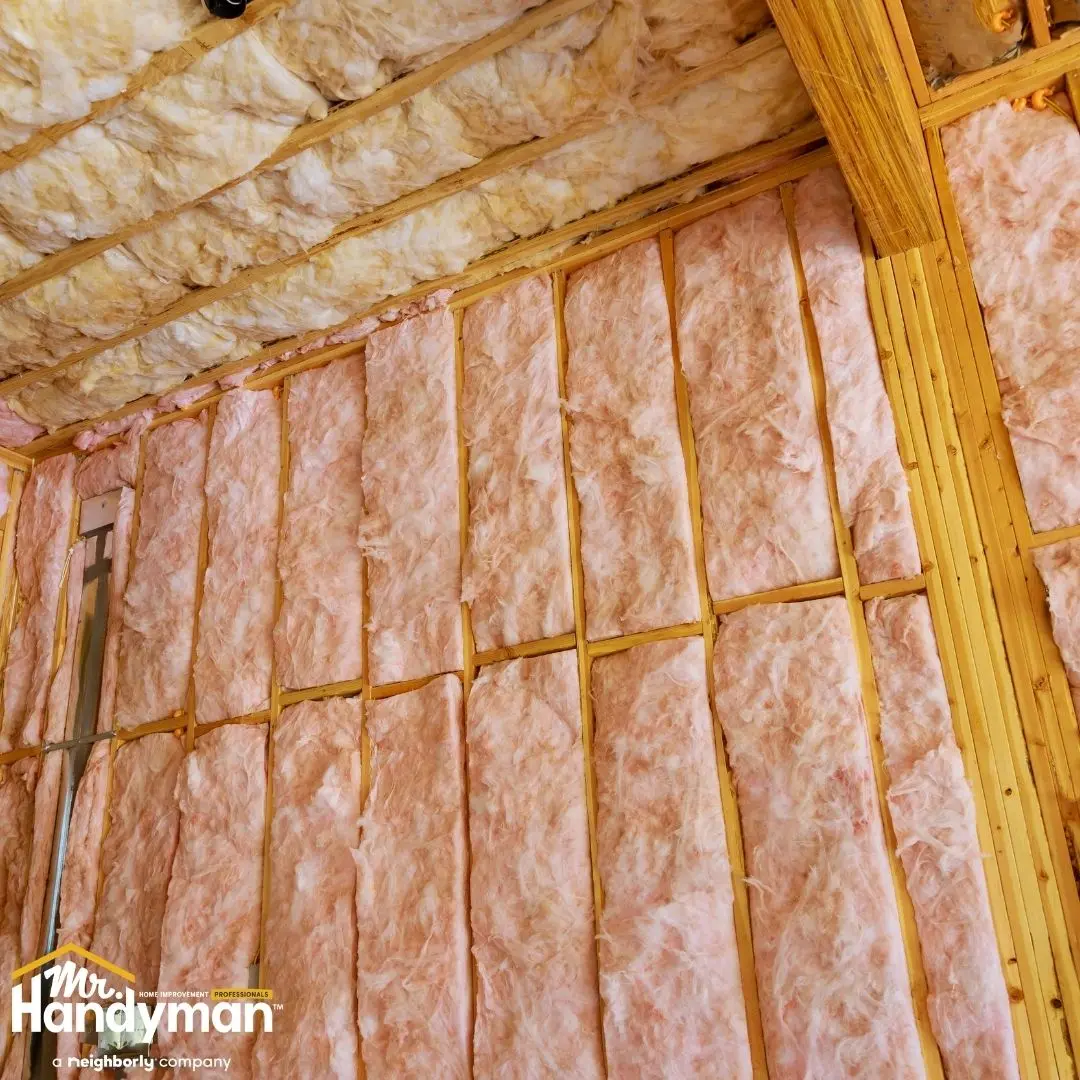
Frozen pipes are not just an inconvenience. When pipes burst, the resulting water damage can affect flooring, drywall, insulation, and structural components. In humid coastal environments, moisture damage escalates quickly, increasing the risk of mold growth and costly home repair needs.
Preventative measures cost significantly less than emergency repairs. Addressing vulnerabilities before winter cold snaps arrive allows homeowners to protect their property without disruption or stress.
Understanding How to Keep Pipes From Freezing During Winter Cold Snaps in Charleston begins with recognizing that mild winters still carry real risks. With thoughtful preparation, targeted insulation, and routine home maintenance, homeowners can protect their plumbing systems and avoid the most common winter-related plumbing problems.
How Sudden Temperature Drops Impact Plumbing Systems
One of the biggest misconceptions among Lowcountry homeowners is that pipes only freeze during prolonged cold weather. In reality, short and sudden temperature drops create the highest risk. Understanding how these cold snaps affect plumbing systems is central to knowing how to keep pipes from freezing during winter cold snaps in Charleston.
When temperatures fall quickly overnight, pipes do not have time to acclimate. Water inside exposed lines cools rapidly, especially when combined with wind and damp coastal air. This is why homes can experience frozen pipes after just a few hours below freezing, even if daytime temperatures rebound into the 40s or 50s.
Homes in Charleston and Summerville are particularly susceptible because many plumbing systems were designed with warm weather in mind. Pipes are often routed through areas that remain comfortable most of the year but become cold pockets during winter cold snaps.
Why Exterior Walls and Garages Are High-Risk Areas
Plumbing located in exterior walls is one of the most common sources of freezing problems. These walls are exposed to outdoor air temperatures on one side, and insulation levels may be minimal or uneven. When overnight temperatures dip below freezing, pipes in these walls can freeze long before homeowners realize there is an issue.
Garages present a similar risk. While they may feel sheltered, garages are rarely heated to the same level as living spaces. Pipes running through garage walls or ceilings are often left unprotected and exposed to cold air infiltration.
Common warning signs that pipes in these areas may be at risk include:
- Reduced water flow during early morning hours
- Frost visible on exposed piping
- Unusual noises when faucets are turned on
- Complete loss of water from one fixture
Recognizing these early indicators allows homeowners to act before pipes freeze solid and burst.
Using Water Flow Strategically During Cold Snaps
Allowing water to move through pipes during freezing conditions is a proven method for reducing freeze risk. Flowing water is less likely to freeze because it does not remain stationary long enough to reach freezing temperatures.
During especially cold nights, homeowners can:
- Allow a slow drip from faucets connected to vulnerable pipes
- Focus on fixtures located along exterior walls
- Keep both hot and cold water lines moving if possible
This approach is particularly effective for homes with known problem areas. While it may slightly increase water usage, the cost is minimal compared to the damage caused by frozen or burst pipes.
The Role of Shutoff Valves in Winter Protection
Knowing where your main water shutoff valve is located is a critical part of winter plumbing preparation. If a pipe freezes and bursts, shutting off the water quickly can prevent extensive water damage.
In addition to the main shutoff, many homes have localized shutoff valves for outdoor faucets or specific plumbing branches. These valves are especially useful during winter because they allow homeowners to isolate vulnerable sections of plumbing without affecting the entire home.
Preventative steps include:
- Testing shutoff valves before winter
- Ensuring valves turn smoothly and fully close
- Labeling valves for quick identification
- Repairing or replacing valves that leak or stick
Home maintenance professionals frequently find that homeowners are unable to shut off water during emergencies simply because valves have not been used or maintained in years.
Irrigation Lines and Secondary Water Systems
Irrigation systems are often overlooked when discussing how to keep pipes from freezing during winter cold snaps in Charleston. While irrigation use typically stops during winter, the supply lines often remain pressurized unless properly shut down.
Frozen irrigation lines can crack underground or at connection points near the foundation. These issues may not become apparent until spring, when systems are reactivated and leaks surface.
To prevent irrigation-related freezing problems:
- Shut off irrigation water supplies before winter
- Drain remaining water from lines
- Insulate exposed backflow preventers
- Schedule winterization services if available
These steps protect both the irrigation system and the main plumbing supply serving the home.
Crawl Space Airflow and Its Impact on Pipe Freezing
Crawl space airflow plays a major role in winter pipe performance. During cold snaps, open or poorly sealed vents allow cold air to circulate beneath the home, chilling pipes rapidly. Wind-driven cold air can lower temperatures around pipes well below the outdoor air temperature.
Improving crawl space conditions helps prevent frozen pipes by:
- Reducing cold air infiltration
- Maintaining more consistent temperatures
- Limiting moisture that accelerates heat loss
- Protecting insulation from damage
Simple improvements such as repairing vent covers, sealing gaps, and insulating exposed plumbing can significantly reduce freeze risk during winter cold snaps.
Why Older Homes Require Extra Attention
Older homes throughout the Charleston region often require additional winter plumbing preparation. These properties may lack modern insulation, updated pipe materials, or efficient layouts that minimize exposure to cold air.
Common challenges in older homes include:
- Metal pipes that lose heat faster than modern materials
- Minimal insulation in walls and crawl spaces
- Plumbing routes that prioritize convenience over protection
- Aging fixtures and shutoff valves
Targeted home repair and maintenance before winter cold snaps arrive can address these vulnerabilities and reduce the likelihood of plumbing failures.
Preparation Is the Key to Winter Pipe Protection
The most effective way to keep pipes from freezing during winter cold snaps is preparation. Waiting until temperatures drop often leaves homeowners scrambling to respond rather than preventing problems altogether.
Proactive steps such as insulating pipes, managing airflow, monitoring temperatures, and maintaining shutoff valves create multiple layers of protection. These efforts work together to keep plumbing systems functional and safe throughout the winter season.
Understanding how sudden temperature changes affect plumbing systems allows homeowners to take control of winter risks rather than reacting to emergencies. With the right preparation, even brief cold snaps do not have to threaten your home’s plumbing.
Long-Term Strategies to Prevent Frozen Pipes Every Winter
Protecting pipes during winter cold snaps is not just about reacting to the forecast. The most reliable way to avoid frozen pipes year after year is to implement long-term prevention strategies that address how homes in the Lowcountry are built and how plumbing systems age over time. Understanding how to keep pipes from freezing during winter cold snaps in Charleston means thinking beyond temporary fixes and focusing on sustainable home maintenance solutions.
Homes across coastal South Carolina benefit most from layered protection. When insulation, airflow control, routine inspections, and smart habits work together, the risk of frozen pipes drops significantly, even during unexpected cold weather.
Upgrading Insulation Where It Matters Most
Not all insulation improvements provide equal benefits. In Charleston-area homes, the most effective upgrades focus on areas where plumbing is exposed to exterior temperatures.
High-impact insulation upgrades include:
- Adding pipe insulation in crawl spaces and garages
- Improving wall insulation behind plumbing runs
- Sealing rim joists where pipes enter the home
- Insulating access panels near tubs and showers
These improvements help stabilize temperatures around plumbing and reduce heat loss during overnight freezes. They also improve overall energy efficiency, making them a smart investment beyond winter protection.
Sealing Air Leaks That Accelerate Freezing
Cold air infiltration is a major contributor to frozen pipes during winter cold snaps. Even well-insulated pipes can freeze if exposed to constant cold airflow.
Common sources of air leaks include:
- Gaps around plumbing penetrations
- Unsealed crawl space vents
- Cracks in foundation walls
- Poorly fitted access doors
Sealing these openings helps maintain more consistent temperatures around pipes. In areas like Mount Pleasant and Goose Creek, where wind can amplify cold exposure, air sealing is especially important.
Routine Plumbing Inspections as Preventative Care
Many frozen pipe incidents occur in areas homeowners rarely see. Routine plumbing inspections are one of the most effective tools for identifying risks before winter cold snaps arrive.
Seasonal inspections typically focus on:
- Exposed or poorly insulated pipes
- Signs of corrosion or previous freezing damage
- Loose fittings and aging connections
- Moisture buildup in crawl spaces
Addressing small issues early reduces the chance of pipe failure during winter and helps prevent secondary damage such as mold growth or wood rot.
Smart Habits During Freezing Weather
Daily habits play a surprisingly large role in preventing frozen pipes. Simple actions during cold snaps can make the difference between uninterrupted plumbing and costly repairs.
Effective winter habits include:
- Keeping interior doors open to improve air circulation
- Allowing warm air to reach plumbing under sinks
- Maintaining consistent thermostat settings
- Monitoring water pressure and flow during cold mornings
These habits are easy to adopt and complement physical upgrades like insulation and air sealing.
Planning for Extended Absences in Winter
Leaving a home unattended during winter increases the risk of undetected frozen or burst pipes. Even short cold snaps can cause damage if no one is present to notice warning signs.
Before traveling during winter:
- Shut off the main water supply if appropriate
- Drain vulnerable plumbing lines
- Set thermostats to maintain safe indoor temperatures
- Arrange for someone to check the property
These steps are particularly important for vacation homes and properties in coastal areas such as Isle of Palms, where humidity and salt air can worsen damage if leaks persist.
Why Older Plumbing Systems Need Extra Protection
Older homes often require additional measures to prevent frozen pipes. Materials, layouts, and insulation standards used decades ago do not always align with modern expectations for winter protection.
Common challenges in older plumbing systems include:
- Metal pipes that lose heat quickly
- Minimal insulation around supply lines
- Outdated shutoff valves
- Plumbing routed through exterior walls
Targeted home repair and modernization help bring these systems up to current standards and reduce winter-related risks.
The Role of Preventative Home Maintenance
Preventing frozen pipes is part of a broader home maintenance strategy. Plumbing issues rarely exist in isolation. Moisture control, insulation, drainage, and structural integrity all influence how plumbing performs during winter.
Preventative home maintenance offers long-term benefits such as:
- Fewer emergency repairs
- Lower repair costs over time
- Improved system reliability
- Better protection against water damage
Homeowners who prioritize routine maintenance experience fewer winter surprises and greater peace of mind.
Why Local Experience Makes a Difference
Effective winter pipe protection depends on understanding local climate patterns and construction styles. Advice designed for colder regions often overcompensates, while generic tips may overlook regional risks.
Professionals familiar with the Charleston area understand:
- Which plumbing layouts are most vulnerable
- How crawl spaces affect pipe temperatures
- When cold snaps pose the highest risk
- How to balance insulation and ventilation
This localized knowledge ensures that prevention strategies are both practical and effective.
Protecting Your Home Through Every Cold Snap
Learning how to keep pipes from freezing during winter cold snaps in Charleston is about preparation, not fear of extreme weather. Short freezes are a reality of winter in coastal South Carolina, but they do not have to lead to plumbing problems.
By combining insulation upgrades, air sealing, routine inspections, and smart winter habits, homeowners can protect their plumbing systems with confidence. Preventative care reduces stress, avoids costly damage, and supports the long-term health of the home.
For homeowners working with Mr. Handyman of Charleston and Summerville, winter readiness is part of responsible home ownership. With the right approach, winter cold snaps become manageable events rather than unexpected emergencies, allowing your home to remain safe, comfortable, and protected all season long.
Even Charleston cold snaps can cause pipe damage. Book professional plumbing help online or call today.
