
When Lowcountry Showers Disappoint in the Peak of Summer
There is a specific frustration that Charleston, Summerville, Mount Pleasant, North Charleston, Goose Creek, and Johns Island homeowners recognize from summer to summer. The showerhead delivering adequate pressure through the mild spring months begins underperforming in June or July, and the kitchen faucet filling the Low Country boil pot without complaint in May takes noticeably longer by August. The timing tracks with the Lowcountry's peak season, but the causes reflect the convergence of regional conditions: the year-round subtropical warmth maintaining biological film in fixture components between cleaning events, the summer's extraordinary heat and humidity accelerating that biological activity, the municipal distribution dynamics that the coastal population surge and peak outdoor water use creates across the Charleston Water System and regional supply territories, and the salt air corrosion the marine atmosphere advances in outdoor supply hardware positions at the barrier island and waterfront residential communities.
Low water pressure is a diagnostic symptom rather than a single condition. The cause determines the appropriate response, and the causes Charleston and Summerville homes experience during summer differ meaningfully from the winter pressure patterns more temperate markets navigate and from the summer pressure conditions that harder water or colder climate markets produce. Identifying the specific mechanism behind pressure reduction in a Lowcountry home saves both the time and the money that generic solutions applied to the wrong cause consistently waste. The Charleston and Summerville homeowner who cleans aerators without restoring adequate whole-house pressure has identified the wrong cause. The one who replaces a pressure reducing valve when individual fixtures carry the biological restriction the year-round subtropical warmth advances in those aerator and showerhead positions has done the same.
The Lowcountry's Biological Film at Fixture Positions
The most distinctively Lowcountry summer pressure reduction cause is the biological film the year-round subtropical warmth maintains in faucet aerator screens, showerhead spray nozzles, and fixture supply components between cleaning events, accelerated by the peak summer heat and humidity to the concentrated restriction those fixture positions experience at the most intense thermal period the Lowcountry annual calendar creates.
Faucet aerator biological film restriction is the most consistently identified individual fixture pressure reduction cause across Charleston and Summerville homes during summer because the year-round warmth the Lowcountry climate maintains activates biological film in aerator screen positions between cleaning events continuously, without the cooler season interruption that more moderate climates provide to slow biological activity in those positions between warm season periods. The peak summer heat of June through August advances that biological activity to the concentrated restriction those aerator screen positions experience at the most intense thermal period, creating the summer pressure reduction that Charleston and Summerville homeowners recognize as the seasonal performance change their faucets deliver at peak heat.
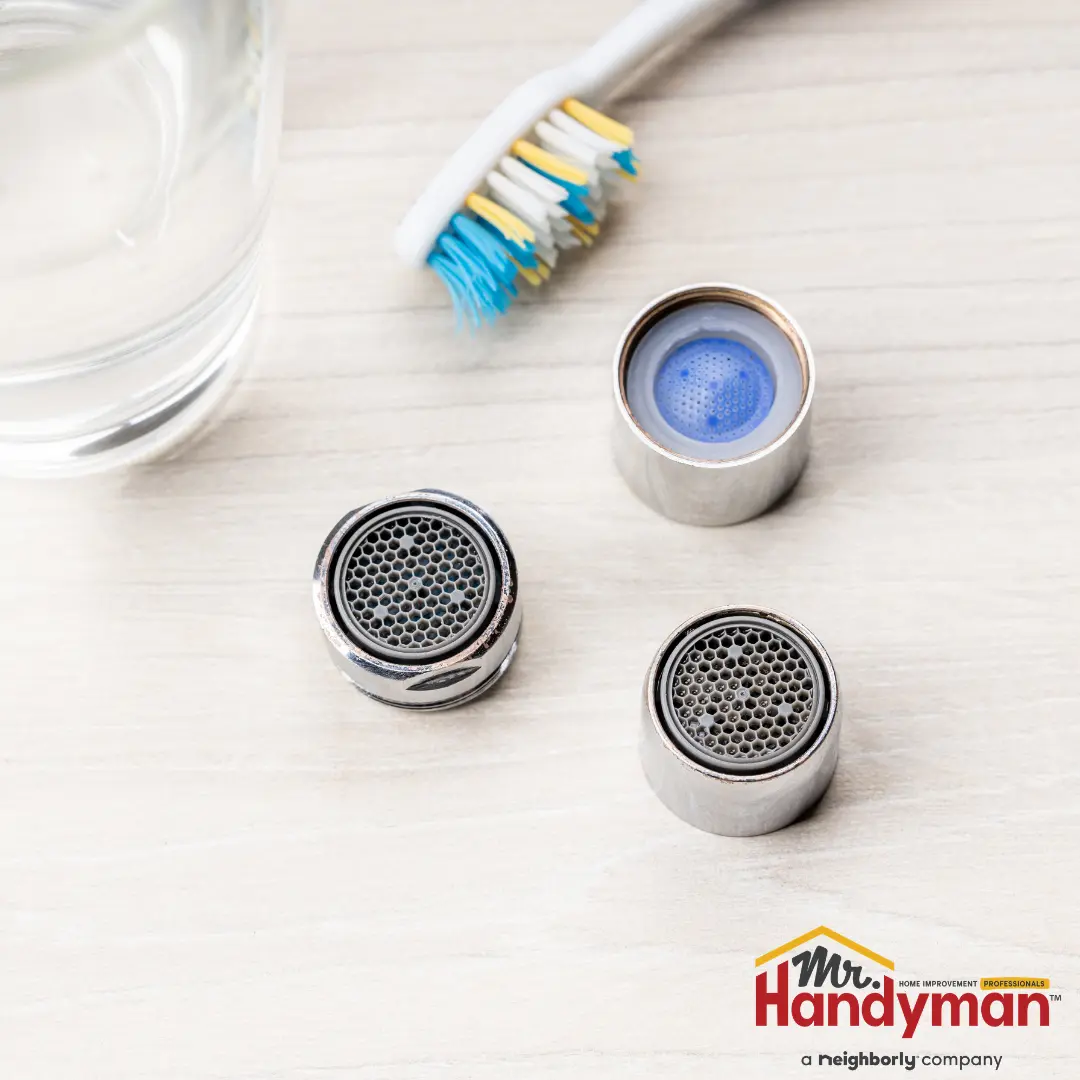
The accessible restoration is white vinegar soaking. Removing the aerator, disassembling the screen and flow restrictor components, and submerging those components in white vinegar for one to two hours dissolves the biological film the Lowcountry's year-round warmth has accumulated in those screen positions since the last cleaning. Quarterly aerator cleaning provides the maintenance frequency the Lowcountry's specifically year-round biological activity warrants between service intervals, more frequent than the semi-annual schedule appropriate for cooler markets where the biological activity in those aerator positions slows during cooler months without the subtropical warmth the Lowcountry maintains continuously in those fixture positions throughout the annual calendar.
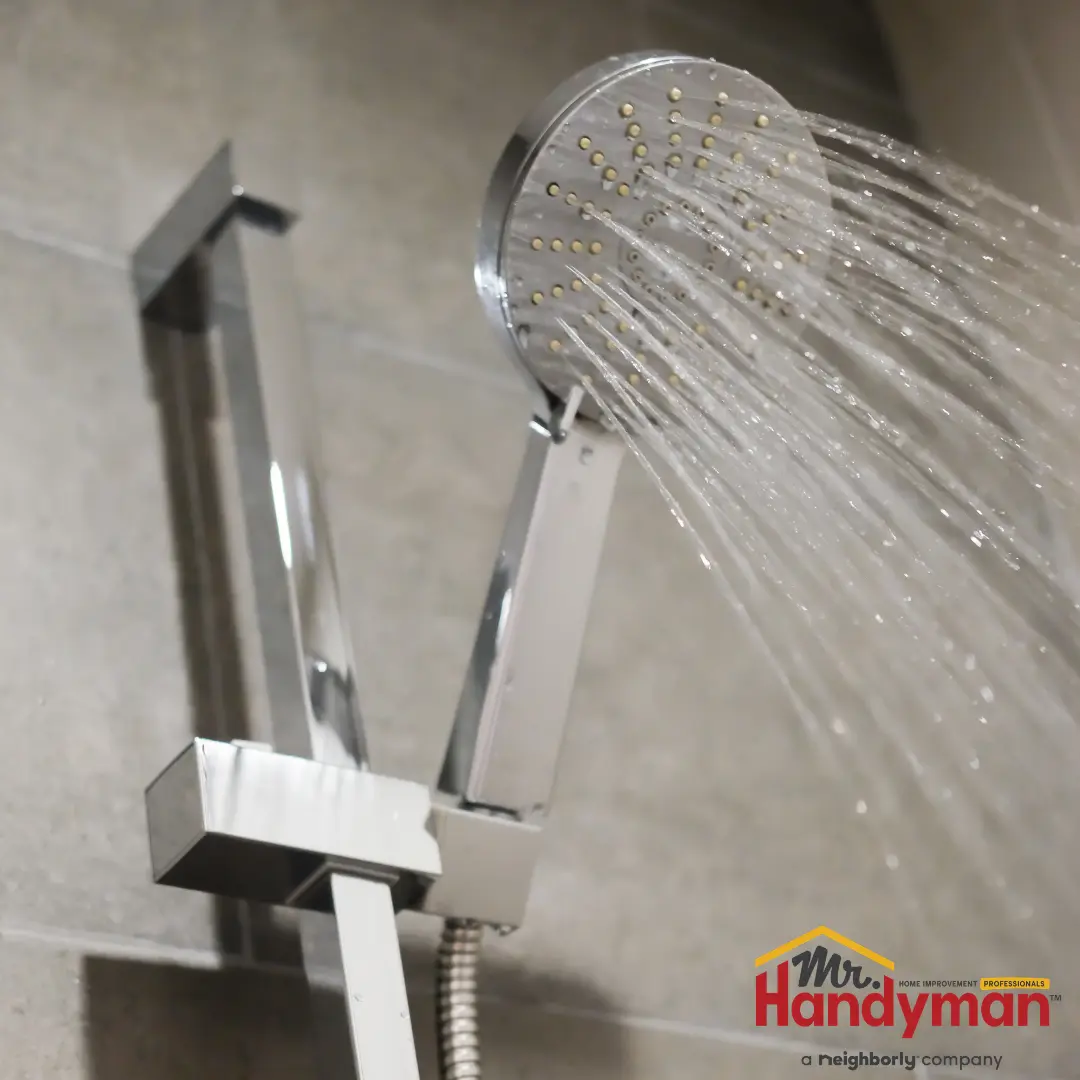
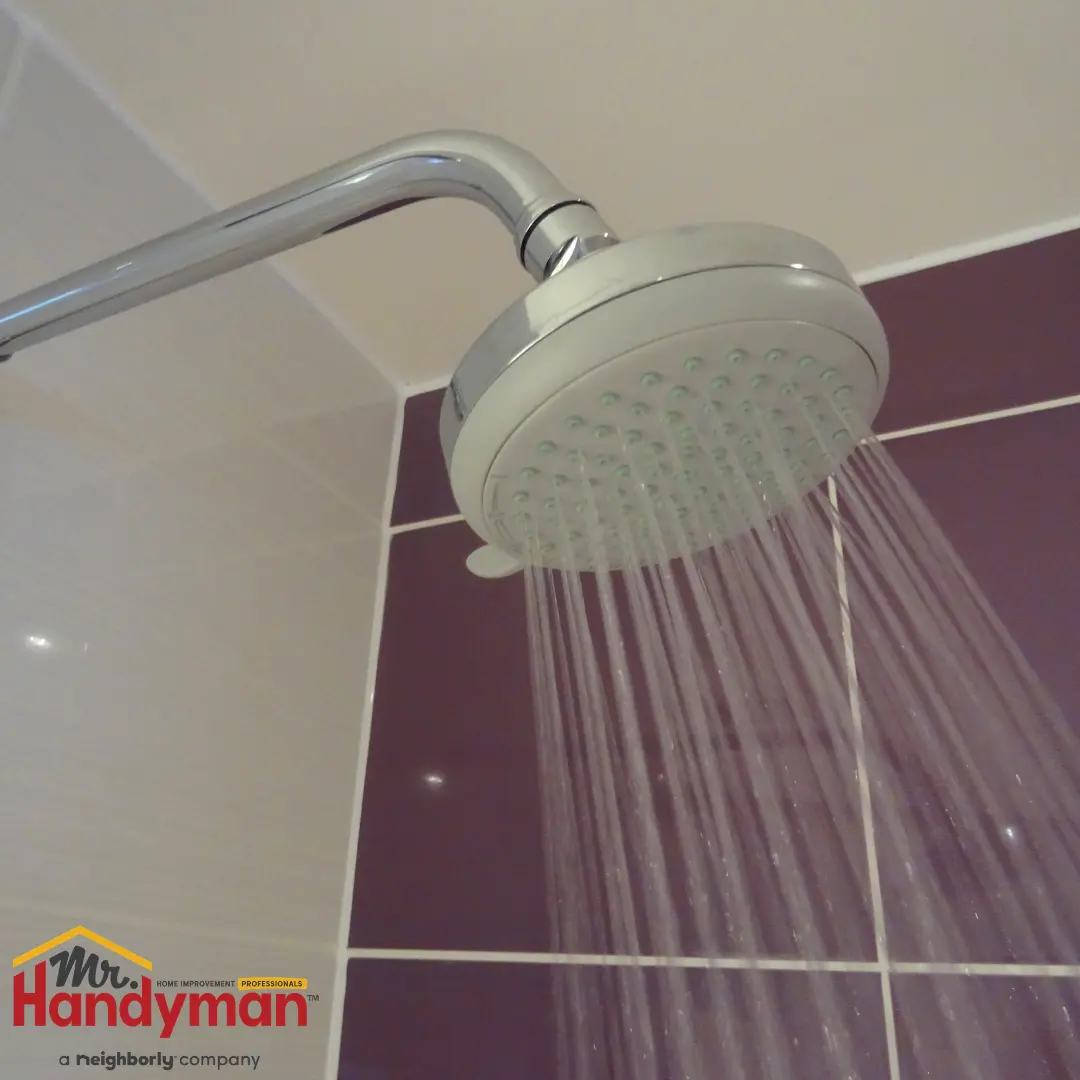
Showerhead nozzle biological restriction follows the same year-round subtropical warmth mechanism at the spray nozzle positions the Lowcountry's sustained heat and humidity advance between cleaning intervals. The irregular spray pattern some nozzles open while others remain biologically restricted, the reduced overall flow biological accumulation across multiple nozzles creates, and the directional drift partially blocked nozzles produce all communicate the seasonal biological accumulation acceleration the peak Lowcountry summer advances beyond the year-round level those showerhead positions carry continuously. Rubber nozzle showerheads whose spray openings wipe clean between soaking cycles provide the most practical maintenance advantage for Charleston and Summerville households managing the year-round biological activity the subtropical climate maintains in those shower positions between the quarterly cleaning intervals the Lowcountry's biological activity rate warrants.
Municipal Supply Pressure During Lowcountry Peak Summer Demand
The Charleston Water System and the regional municipal supplies serving the Summerville, Goose Creek, Hanahan, Mount Pleasant, and North Charleston communities manage the summer demand concentration that the coastal tourism population surge, lawn and landscape irrigation, outdoor entertaining water use, and the increased household demand the peak Lowcountry summer creates across those service territories. That peak summer demand creates the system-level pressure variation affecting households throughout the service territory simultaneously during concentrated use periods, representing a pressure reduction cause that no household-level repair addresses because its origin exists at the distribution level rather than within the home's supply system.
The coastal tourism population surge that Charleston experiences through the summer months creates the specifically Lowcountry municipal supply pressure demand that the historic Charleston peninsula, the Mount Pleasant communities, and the barrier island properties from Isle of Palms through Sullivan's Island navigate as the population-driven demand concentration the tourism season creates in those service territories' distribution systems. The full-time residents of those coastal communities whose summer water pressure drops noticeably during peak tourism months are experiencing the municipal distribution pressure reduction the seasonal population increase creates across those service territories rather than the household plumbing condition internal repair addresses.
Landscape and outdoor water demand across the Charleston and Summerville service territories creates the significant municipal supply pressure concentration those households experience during the early morning and early evening irrigation hours that the Lowcountry's subtropical lawn and landscape demands concentrate through the peak summer months. The household whose shower pressure drops noticeably during the irrigation concentration periods surrounding sunrise and sunset is experiencing the municipal distribution pressure reduction that simultaneous landscape irrigation demand creates across the service territory rather than the household supply condition internal inspection addresses.
The Isle of Palms and Sullivan's Island seasonal population surge creates the specifically barrier island municipal supply pressure demand that the barrier island communities' full-time residential populations navigate against the substantial seasonal visitor and vacation population those coastal properties attract through the peak Lowcountry summer months. The full-time Isle of Palms or Sullivan's Island resident whose summer shower pressure drops during peak vacation season periods is observing the distribution-level demand concentration the barrier island's substantially increased summer population creates in those specific service territories during the peak warm season months.
Confirming municipal versus household pressure reduction is the essential diagnostic step preventing household repair investment from addressing the wrong cause. A pressure gauge on an outdoor hose bib reading below 45 PSI during the pressure reduction period confirms the municipal supply is delivering reduced pressure. The same gauge reading adequate supply pressure at 55 to 65 PSI while interior fixtures deliver reduced flow confirms the household supply system carries the restriction that internal assessment and repair addresses rather than the distribution system condition no household intervention resolves.
Salt Air Corrosion in Coastal Supply Positions

The coastal Charleston communities from the historic Charleston peninsula through Isle of Palms, Sullivan's Island, Folly Beach, and the Johns Island and James Island waterfront residential corridors carry the salt air corrosion dimension that distinguishes the specifically Lowcountry summer pressure reduction context from inland markets without the marine atmosphere those coastal residential positions experience.
Outdoor faucet supply valve corrosion at the building envelope-adjacent positions that coastal Charleston properties present to the salt-laden marine atmosphere creates the internal corrosion those supply valve components experience between inspection and replacement intervals at rates the inland Summerville, Goose Creek, and North Charleston properties without direct marine atmosphere exposure do not accumulate between comparable maintenance intervals. The coastal outdoor faucet supply valve whose internal components the salt air has been advancing toward the partial restriction that corrosion creates in those specific valve internals delivers the reduced outdoor pressure the peak cookout season and the hurricane season both concentrate continuous outdoor water demand against those specific coastal supply positions.
The pressure reducing valve in coastal properties carries the salt air corrosion dimension at the building envelope-adjacent supply entry positions those coastal homes present at the point where municipal supply pressure enters the household supply system. The pressure reducing valve installation in a coastal Charleston peninsula, Isle of Palms, or Sullivan's Island home carries the marine atmosphere contact that the valve body hardware experiences at those building envelope-adjacent positions between the inspection and service intervals professional assessment provides. Professional pressure reducing valve assessment confirming whether current valve body and internal component conditions adequately protect the household supply pressure those coastal homes require addresses the specifically coastal corrosion mechanism that inland market pressure reducing valve guidance does not specifically account for in the standard valve assessment scope.
Hot Water Pressure Distinctions
Pressure reduction specifically affecting hot water outlets while cold water positions continue delivering adequate pressure communicates the water heater supply system condition rather than the pressure reducing valve or municipal supply origin that whole-house simultaneous pressure reduction indicates.
The hot water shutoff valve at the water heater's supply inlet carries the biological film of the Lowcountry's year-round warmth advances in those valve internal components between maintenance intervals. A hot water shutoff valve partially restricted by biological accumulation the subtropical warmth maintained in those internal positions delivers the reduced hot water pressure all hot water outlets throughout the home simultaneously experience while cold water at those same positions continues performing normally. The household noticing hot water pressure loss at the kitchen faucet, showerhead, and bathroom sink simultaneously while cold water continues performing adequately is observing the hot water supply valve biological restriction pattern professional valve assessment identifies and replacement addresses in the Lowcountry residential context.
Water heater sediment and biological accumulation creates the reduced hot water delivery volume the year-round Lowcountry warmth advances in tank bottom positions between flushing intervals without the cooler season interruption that slows that accumulation in more moderate thermal environments between annual maintenance events. While sediment does not directly reduce supply pressure at the inlet, the reduced available hot water volume and the extended recovery time significant accumulation creates produce the functional pressure sensation homeowners describe as reduced hot water pressure during the peak summer demand periods when household hot water use concentrates through the morning routines and the evening cookout cleanup the active Lowcountry summer creates simultaneously at those water heater system positions.
Frequently Asked Questions
Why does water pressure specifically drop during summer in Charleston and Summerville homes?
The convergence of the year-round subtropical warmth accelerating biological film restriction in aerators, showerheads, and pressure reducing valve internals to its peak activity level during June through August, the municipal distribution system's peak demand pressure reduction during the coastal tourism surge and landscape irrigation concentration periods, the increased household water demand the active Lowcountry summer creates, and the salt air corrosion advancing outdoor and building envelope-adjacent supply hardware in coastal properties together produce the specific summer pressure reduction pattern Charleston and Summerville homeowners recognize as the seasonal performance change the regional conditions produce during the peak Lowcountry warm season.
How do I determine whether my pressure issue is a municipal supply problem or a household plumbing issue in the Lowcountry?
A pressure gauge on an outdoor hose bib provides the definitive diagnostic answer. A reading below 45 PSI confirms the distribution system is delivering reduced pressure and that no internal repair restores what the supply is not providing. Adequate supply pressure at the hose bib combined with reduced pressure at interior fixtures confirms the household supply system restriction that aerator biological cleaning, showerhead biological treatment, stop valve assessment, or pressure reducing valve evaluation addresses depending on whether the reduction affects individual fixtures or all fixtures simultaneously. The coastal Charleston property whose outdoor hose bib reads adequate pressure while indoor fixtures deliver reduced flow has identified the household supply restriction that internal assessment addresses, likely the biological film the year-round subtropical warmth maintains in those fixture positions.
How often should Charleston and Summerville homeowners clean faucet aerators given the year-round biological activity?
Quarterly cleaning provides the maintenance frequency the Lowcountry's specifically year-round biological activity in aerator screen positions warrants between service intervals, more frequent than the semi-annual schedule appropriate for cooler markets where biological activity in those aerator positions slows during cooler months. The Lowcountry's subtropical warmth maintains biological film in those aerator positions without the seasonal interruption cooler markets provide, making the quarterly cleaning interval that removes the biological accumulation before it advances to the concentrated restriction the peak summer heat accelerates specifically appropriate for the Charleston and Summerville residential context.
What is the most overlooked summer pressure reduction cause in coastal Charleston and Summerville homes?
Salt air corrosion advancing in outdoor faucet supply valve internals and pressure reducing valve body positions at coastal barrier island and waterfront properties is the most consistently overlooked summer pressure reduction cause in those specific Lowcountry residential contexts because the internal corrosion the marine atmosphere advances in those supply hardware positions does not produce the external signal that biological fixture restriction sometimes communicates through visible film or color change at those fixture surfaces. The coastal property homeowner who cleans aerators and treats showerheads without restoring adequate pressure at all fixtures or at outdoor supply positions may be experiencing the salt air corrosion advancing in those specific coastal supply hardware positions that the targeted fixture cleaning those homeowners completed cannot address because the restriction exists in the upstream supply valve and pressure reducing valve positions those cleaning events did not reach.
Does the coastal tourism season specifically affect water pressure for Charleston and barrier island residents?
The substantial seasonal visitor and vacation population the barrier island communities of Isle of Palms, Sullivan's Island, and Folly Beach attract through the peak Lowcountry summer months contributes to the municipal distribution demand those service territories manage during the peak tourism weeks. Full-time barrier island residents observing summer shower pressure reduction correlated with peak tourism occupancy at surrounding vacation properties are experiencing the distribution-level demand concentration the substantially increased summer population creates in those specific barrier island service territories. Distribution-level pressure variation from that population-driven demand concentration does not respond to household repair investment because its cause exists at the supply system level those households share rather than within the individual home's supply components.
Lowcountry Homes With the Pressure They Deserve
Low water pressure during summer in Charleston, Summerville, Mount Pleasant, North Charleston, Goose Creek, Johns Island, and the surrounding Lowcountry communities communicates the regional conditions the year-round subtropical biological activity accelerating in fixture and valve positions, the municipal distribution system's peak demand dynamics during the coastal tourism surge and landscape irrigation concentration, the household supply component conditions advancing in the specific Lowcountry thermal and humidity environment, and the salt air corrosion advancing in coastal outdoor supply hardware positions all create during the peak Lowcountry warm season. The households navigating those regional conditions benefit from the diagnostic expertise identifying the specific pressure reduction cause before repair investment proceeds toward the wrong target and leaves the actual pressure limitation unaddressed through the active Lowcountry entertaining and outdoor living season.
Mr. Handyman of Charleston and Summerville
Website: https://www.mrhandyman.com/charleston-summerville/
Serving homeowners and businesses throughout Charleston and Summerville with dependable service and the expertise your home deserves.
