When the Lowcountry Summer Concentrates Every Plumbing Stress
There is a specific plumbing pattern that Charleston, Summerville, Mount Pleasant, North Charleston, Goose Creek, and Johns Island homeowners encounter each summer. The household plumbing conditions the Lowcountry's year-round warmth and humidity have been advancing throughout the spring accelerate in June, July, and August as the region's most intense heat and humidity period concentrates every biological and thermal mechanism those systems experience through the active season. The outdoor faucet hardware the salt air corrodes along the coastal communities from Isle of Palms through Sullivan's Island and Folly Beach, the drain pipe surfaces the sustained subtropical warmth activates biological growth in continuously, and the water heater systems the Charleston Water System's moderately soft surface water delivers through Charleston and Summerville homes between maintenance events all carry the mid-summer conditions that the specifically Lowcountry plumbing context creates as the repair patterns those households most consistently encounter through the peak warm season.
The Charleston and Summerville plumbing context differs fundamentally from the cold-climate markets this region's snowbird population may have left behind. There is no freeze-thaw cycling creating supply line damage. There is no road salt season creating corrosive chemical contact at building foundation positions. The plumbing stressors the Lowcountry creates are biological growth in the sustained warmth and humidity, salt air corrosion in coastal properties, hurricane season moisture events testing building envelope and drainage positions, and the year-round heat and humidity that advance biological film in drain pipes, toilet internals, and fixture components at rates the cooler markets without the subtropical climate do not produce between comparable maintenance intervals. Understanding which plumbing repairs those specifically Lowcountry mechanisms create as the mid-summer patterns Charleston and Summerville homeowners most commonly encounter gives those households the awareness to address developing conditions before they become the emergency calls that the peak season creates at the worst possible times.
The Lowcountry Water and Climate Context
The Charleston Water System and the regional municipal supplies serving the Summerville, Goose Creek, Hanahan, and Mount Pleasant communities deliver moderately soft to soft surface water to the households those systems serve. That water softness means the aggressive mineral scaling harder aquifer-fed markets experience advances more gradually in the Lowcountry context. It does not mean plumbing maintenance is unnecessary. The Lowcountry's year-round warmth activates biological film in household plumbing positions at rates the soft surface water's treatment chemistry advances alongside the region's sustained heat, and the biological accumulation those conditions create in drain pipe surfaces, toilet internals, and fixture components between maintenance events advances the repair conditions those households most commonly encounter at mid-summer.
The Atlantic hurricane season running June through November adds the specifically Lowcountry plumbing stress that the peak summer months concentrate at the beginning of the active storm period. The hurricane season's moisture events test gutter drainage capacity, outdoor faucet and building envelope-adjacent plumbing positions, and the crawl space and under-floor drainage conditions that the high groundwater table many Charleston and Summerville area properties carry creates as the drainage management demand the active Lowcountry storm season concentrates through those household systems.
The salt air corrosion that the coastal Charleston communities from the historic Charleston peninsula through Isle of Palms, Sullivan's Island, Folly Beach, and the Johns Island and James Island waterfront properties experience creates the specifically coastal Lowcountry plumbing hardware condition that outdoor faucet hardware, hose bib vacuum breakers, and building envelope-adjacent supply connection fittings carry between the inspection and replacement intervals those salt air-exposed positions warrant in the coastal residential context.
The Most Common Mid-Summer Repairs
HVAC Condensate Drain Overflow
The HVAC condensate drain overflow is the most specifically Lowcountry mid-summer plumbing repair category because the region's extraordinary summer humidity creates condensate volumes that Southeast and Midwest markets without the subtropical humidity load do not produce at comparable peak cooling season rates. A Charleston or Summerville home's HVAC system removing the Lowcountry summer's genuine humidity load from the interior space generates the condensate volumes that the biological growth the sustained warmth activates in those condensate drain pathways restricts toward the overflow threshold more aggressively than those same drain positions experience in more moderate humidity markets.
The overflow event those restricted condensate drain passages create when peak cooling demand's condensate volumes exceed what biological restriction allows to drain delivers active water to the ceiling assemblies and wall positions above those drain pathways without the occupant awareness that the enclosed HVAC cabinet and attic drain positions conceal until ceiling staining or active dripping reveals the condition that has been advancing since the biological restriction reached the overflow threshold. Annual condensate drain biological treatment before the summer's peak humidity loading concentrates the condensate volumes those restricted passages cannot accommodate provides the overflow prevention that the Lowcountry summer's specifically extraordinary humidity load most urgently motivates as the mid-summer plumbing maintenance priority.
Toilet Flapper and Fill Valve Biological Deterioration
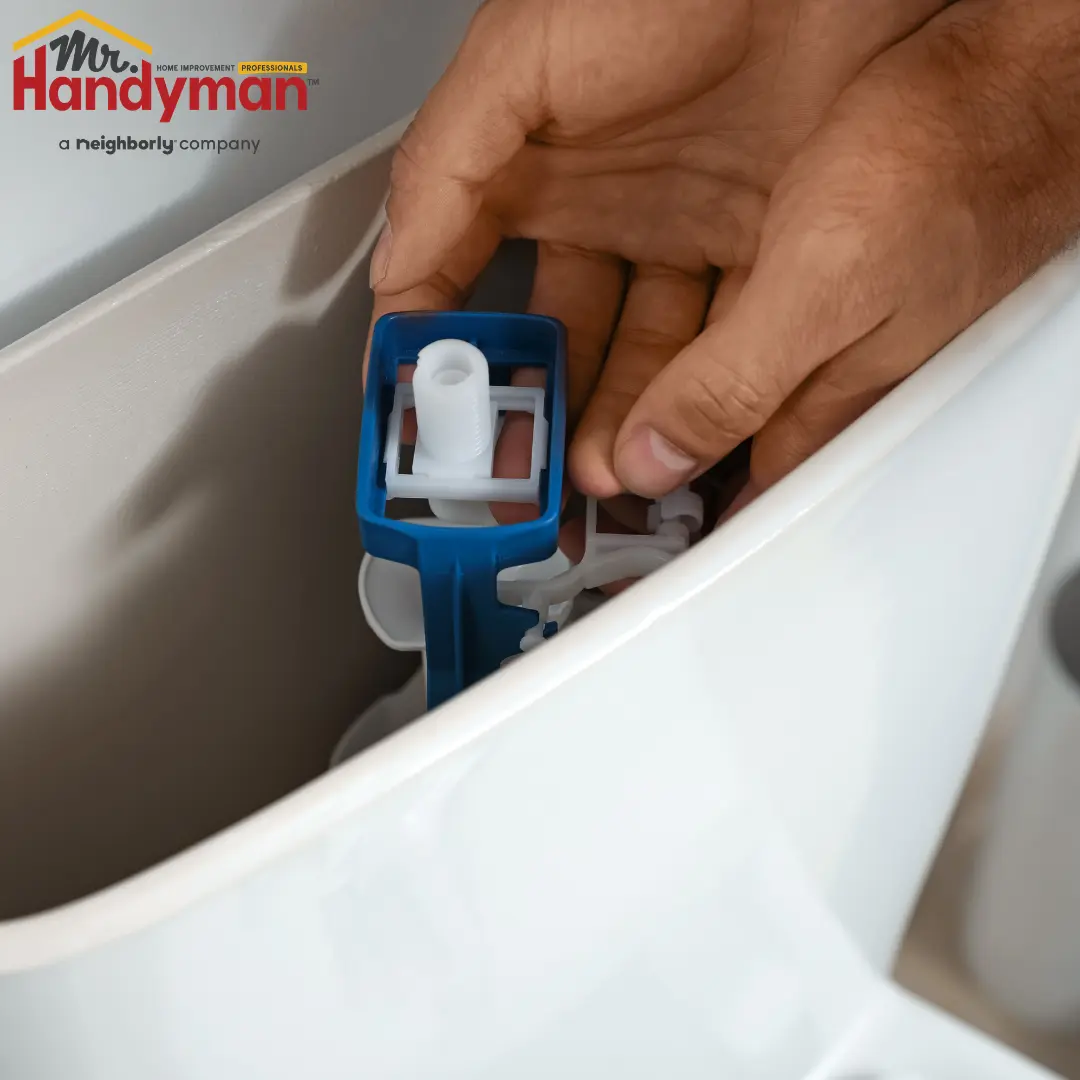
The running toilet appears as the consistently overlooked mid-summer plumbing condition in Lowcountry homes because the Lowcountry's year-round warmth and the peak summer heat accelerate rubber flapper and fill valve seal deterioration at rates the cooler markets without the subtropical ambient temperatures do not produce between comparable maintenance intervals. The Charleston and Summerville bathroom whose enclosed, warm, humid environment the Lowcountry summer creates advances rubber flapper deterioration faster than those same components experience in climates with genuine winters providing the cooler ambient temperatures that slow biological and thermal material degradation in those toilet internal component positions between replacement intervals.
The water consumption a running toilet delivers against the applicable Charleston Water System or regional municipal water utility rates throughout the weeks it runs unaddressed accumulates against the household's summer utility bills in ways the sustained Lowcountry warmth advances more aggressively than cooler markets without the year-round thermal environment those toilet internal components experience.
Kitchen Drain Biological Restriction Under Summer Entertaining Load
The Lowcountry's outdoor entertaining culture concentrates the backyard gatherings, the porch dinners, the waterfront social occasions, and the summer hosting the Charleston and Summerville communities sustain through the active warm season through June, July, and August. Those hosting occasions concentrate food preparation grease loading through kitchen drain systems at the rates the Lowcountry summer social calendar creates between professional drain cleaning events.
The Charleston Water System's soft surface water creates the biological film in drain pipe interior surfaces that the Lowcountry's sustained warmth advances year-round between professional cleaning events. That biological adhesion surface the sustained Lowcountry warmth maintains in those drain positions bonds the summer's cooking grease loading to those pipe surfaces more persistently than the same grease loading creates in drain positions in cooler markets where the thermal mechanism sustaining year-round biological film in those pipe surfaces is absent between the warm and cold seasons.
Outdoor Faucet Salt Air Hardware Deterioration in Coastal Properties
The outdoor faucet hardware serving the coastal Charleston communities from the historic Charleston peninsula through Isle of Palms, Sullivan's Island, Folly Beach, and the Johns Island and James Island waterfront residential corridors carries the salt air corrosion that the marine environment creates in the uncoated metal hardware those outdoor faucet positions present to the coastal atmosphere between inspection and replacement intervals. The vacuum breaker, the hose bib body hardware, and the supply connection fittings at those building envelope-adjacent positions advance toward the compromised function that salt air corrosion creates at those specific coastal outdoor plumbing positions at rates the inland Summerville, Goose Creek, and North Charleston properties without direct marine atmosphere exposure do not experience between comparable maintenance intervals.
The hurricane season's storm surge events and the significant precipitation that coastal Lowcountry properties experience during active storm events test those salt air-corroded outdoor plumbing positions under the concentrated moisture and wind conditions those coastal properties navigate through the June-through-November hurricane season period that mid-summer specifically begins as the initial active storm months.
Water Heater Biological and Sediment Accumulation
The sustained Lowcountry warmth that the Charleston and Summerville region's subtropical climate maintains through the year accelerates the biological accumulation in water heater tank positions that the cooler seasons in more moderate climates slow between annual maintenance events. The Charleston Water System's soft surface water creates the moderate sediment accumulation in those tank positions that the year-round warmth advances between flushing intervals at the rates the specifically Lowcountry thermal environment produces in those water heater tank positions without the cooler season interruption that more moderate climates provide between annual maintenance events.
Local Relevance: Charleston to Summerville
The Charleston and Summerville service area carries the plumbing diversity that the historic Charleston peninsula's older housing stock, the Mount Pleasant and Summerville growth communities' newer development inventory, the coastal barrier island properties' specific salt air corrosion context, and the inland communities' more moderate maintenance profile all together create as the varied plumbing maintenance landscape those households navigate through the Lowcountry's specifically subtropical annual calendar.
The historic Charleston peninsula's older housing stock carries the aged supply system conditions and the drain system accumulation history those decades of Lowcountry climate and soft surface water service have advanced in ways the newer Summerville and Goose Creek development inventory has not yet accumulated across the same service years. The coastal Isle of Palms, Sullivan's Island, and Folly Beach properties carry the salt air corrosion context that indoor maintenance alone does not address without the specifically coastal hardware inspection that those outdoor plumbing positions warrant between replacement intervals.
Frequently Asked Questions
Why is HVAC condensate drain overflow the most urgent mid-summer plumbing concern in Charleston and Summerville homes?
The Lowcountry's extraordinary summer humidity creates condensate volumes that the biological growth the year-round subtropical warmth activates in condensate drain pathways restricts toward the overflow threshold more aggressively than those same positions experience in more moderate humidity markets. The enclosed HVAC cabinet and attic drain positions conceal that developing restriction until ceiling staining or active dripping reveals the condition the restricted passage has been advancing toward since the biological film the sustained warmth maintains in those drain positions reached the overflow threshold the peak summer humidity loading concentrates condensate volumes against.
How does the Charleston and Summerville plumbing context differ from colder markets?
The Lowcountry plumbing context is driven by biological growth in sustained warmth and humidity, salt air corrosion in coastal properties, hurricane season moisture events, and year-round heat advancing rubber and seal material deterioration rather than the freeze-thaw cycling, road salt chemical contact, and cold season supply line damage that colder markets navigate as their primary plumbing stress mechanisms. The Charleston and Summerville homeowner managing Lowcountry plumbing conditions benefits from understanding that the same maintenance priorities the cold climate market emphasizes do not address the specifically biological and thermal mechanisms the subtropical Lowcountry climate creates as the primary plumbing advancement context.
How does salt air specifically affect outdoor plumbing hardware in coastal Charleston communities?
The marine atmosphere coastal Charleston communities from the historic peninsula through Isle of Palms, Sullivan's Island, and Folly Beach experience accelerates corrosion in the uncoated metal hardware outdoor faucet vacuum breakers, hose bib bodies, and supply connection fittings present to the salt-laden coastal atmosphere between inspection and replacement intervals. That salt air corrosion advances the vacuum breaker function, the hose bib shutoff adequacy, and the supply connection fitting integrity those outdoor plumbing positions carry toward the compromised conditions annual inspection specifically identifies before hurricane season moisture events and the sustained coastal atmospheric exposure advance those corroded positions toward active failure.
Should Charleston and Summerville homeowners treat kitchen drains differently than colder-climate markets?
The Lowcountry's year-round warmth maintains the biological film in kitchen drain pipe interior surfaces that cooler markets allow to slow between warm and cold seasons, creating the grease adhesion substrate the summer's hosting grease loading bonds to more persistently throughout the year. Professional kitchen drain cleaning at least annually, with the post-summer hosting season timing capturing the biological adhesion surface and accumulated cooking grease the active summer entertainment calendar advanced through those drain positions before fall's continued activity adds to that accumulation, provides the drain maintenance timing the Lowcountry's specifically year-round biological film context most productively motivates.
What should Charleston and Summerville homeowners prioritize before the peak of hurricane season?
Gutter drainage capacity confirmation removing the biological accumulation and organic debris the Lowcountry's year-round warmth advances in those collection system positions, outdoor faucet vacuum breaker function confirmation in coastal properties where salt air corrosion has been advancing those components, and building envelope-adjacent plumbing position visual assessment confirming no moisture infiltration pathways at those positions provide the pre-hurricane season plumbing preparation the active June-through-November storm period specifically motivates before the peak August-through-October hurricane activity concentrates the significant precipitation those Lowcountry households and their plumbing systems navigate through the most active storm months.
Lowcountry Plumbing Ready for the Season Ahead
The mid-summer plumbing repairs Charleston, Summerville, Mount Pleasant, North Charleston, Goose Creek, Johns Island, and the surrounding Lowcountry communities most frequently encounter reflect the specifically subtropical regional context the Lowcountry's year-round warmth and humidity, the coastal salt air corrosion the marine atmosphere creates in outdoor hardware positions, the hurricane season moisture events the active storm calendar concentrates through building envelope and drainage positions, and the summer entertaining culture the Lowcountry's active warm season social calendar concentrates through kitchen drain and bathroom fixture positions between professional maintenance events. From the historic Charleston peninsula through the Summerville inland communities, the households navigating those regional conditions benefit from the plumbing expertise identifying developing conditions at the assessment stage rather than the emergency stage that deferred attention consistently produces.
Mr. Handyman of Charleston and Summerville
Website: https://www.mrhandyman.com/charleston-summerville/
Serving homeowners and businesses throughout Charleston and Summerville with dependable service and the expertise your home deserves.