
The Lowcountry's Coastal Climate Leaves a Specific Safety Account on Commercial Exteriors
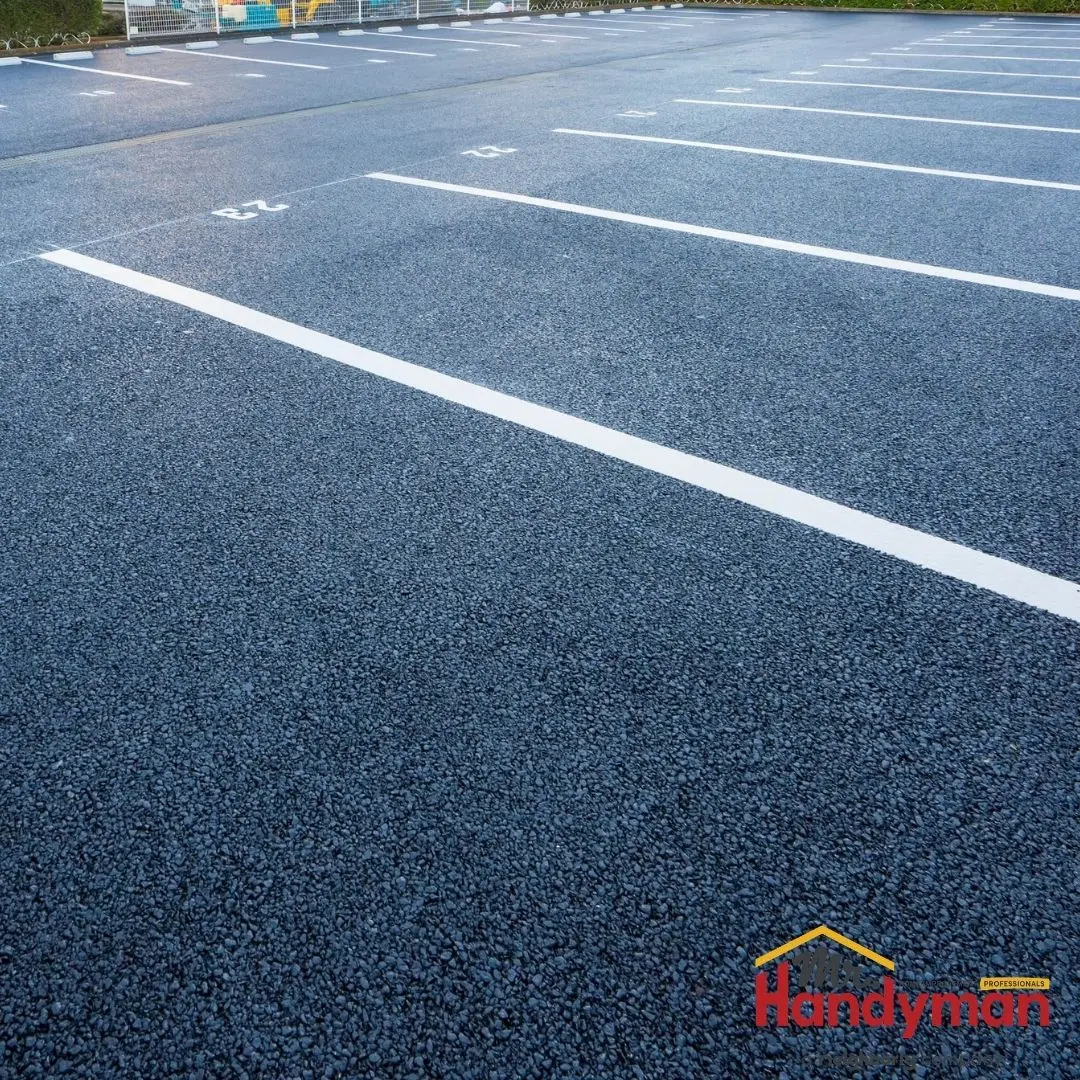
The commercial parking lots, walkways, exterior entries, and the site infrastructure that businesses across Charleston, Summerville, and the surrounding Lowcountry communities depend on for the safe arrival and departure of every customer, employee, and vendor carry the accumulated safety conditions that the South Carolina Lowcountry's hot, humid subtropical climate, the afternoon thunderstorm pattern's concentrated summer precipitation, the coastal salt air's atmospheric contact on surface materials, the biological growth the regional warm season activates on shaded and moisture-adjacent commercial surfaces, and the hurricane season's storm surge and significant rainfall events all together create between annual maintenance intervals in ways that distinguish the Lowcountry coastal commercial exterior safety context from both the northern markets where sustained cold and road salt create the predictable deterioration those climates produce and the moderate southern markets where biological growth represents a less aggressively sustained safety concern than the subtropical coastal summer creates.
The South Carolina Lowcountry's afternoon thunderstorm pattern creates the most consequential regional commercial exterior safety mechanism because the approximately 49 inches of annual rainfall the regional climate concentrates through the active summer afternoon storm season creates both the concentrated slip hazard conditions at biological growth-affected commercial parking and walkway positions and the drainage performance demand that the compressed afternoon storm rainfall volumes test at commercial parking lot infrastructure throughout the active warm season. The commercial property whose pre-summer biological treatment and drainage confirmation addresses those positions before summer's business and tourist activity concentrates customer traffic on them manages the premises liability exposure that the Lowcountry's active tourist economy and the regional professional commercial consumer base create as the ongoing safety management context those businesses navigate.
The Charleston tourist economy creates the most specifically regional commercial exterior safety liability context that the Lowcountry market presents because the concentrated international and domestic tourist pedestrian traffic that Charleston's historic and culinary reputation attracts through the summer months creates the high-volume pedestrian exposure at commercial entry, walkway, and parking positions that the biological slip hazard conditions those subtropical coastal positions develop between professional treatment intervals most directly affects. The tourist visitor whose unfamiliarity with specific commercial property conditions and whose active summer pedestrian exploration of Charleston's commercial districts creates the premises liability exposure that commercial property operators in the tourism-concentrated Lowcountry market manage with the specific urgency that the high pedestrian volume and the tourist population's unfamiliarity with local property conditions creates.
The hurricane season dimension of the South Carolina Lowcountry's commercial exterior safety context creates the specifically coastal safety management priority that the active June through November storm season generates for commercial parking lot drainage infrastructure, commercial exterior lighting backup systems, and the building envelope conditions that significant coastal storm events test as the emergency commercial property safety conditions those events create for customers, employees, and vendors whose presence at commercial properties during storm events creates the specifically coastal premises liability dimension that Lowcountry commercial property safety management specifically incorporates alongside the standard seasonal assessment priorities.
Parking Lot Safety in the South Carolina Lowcountry
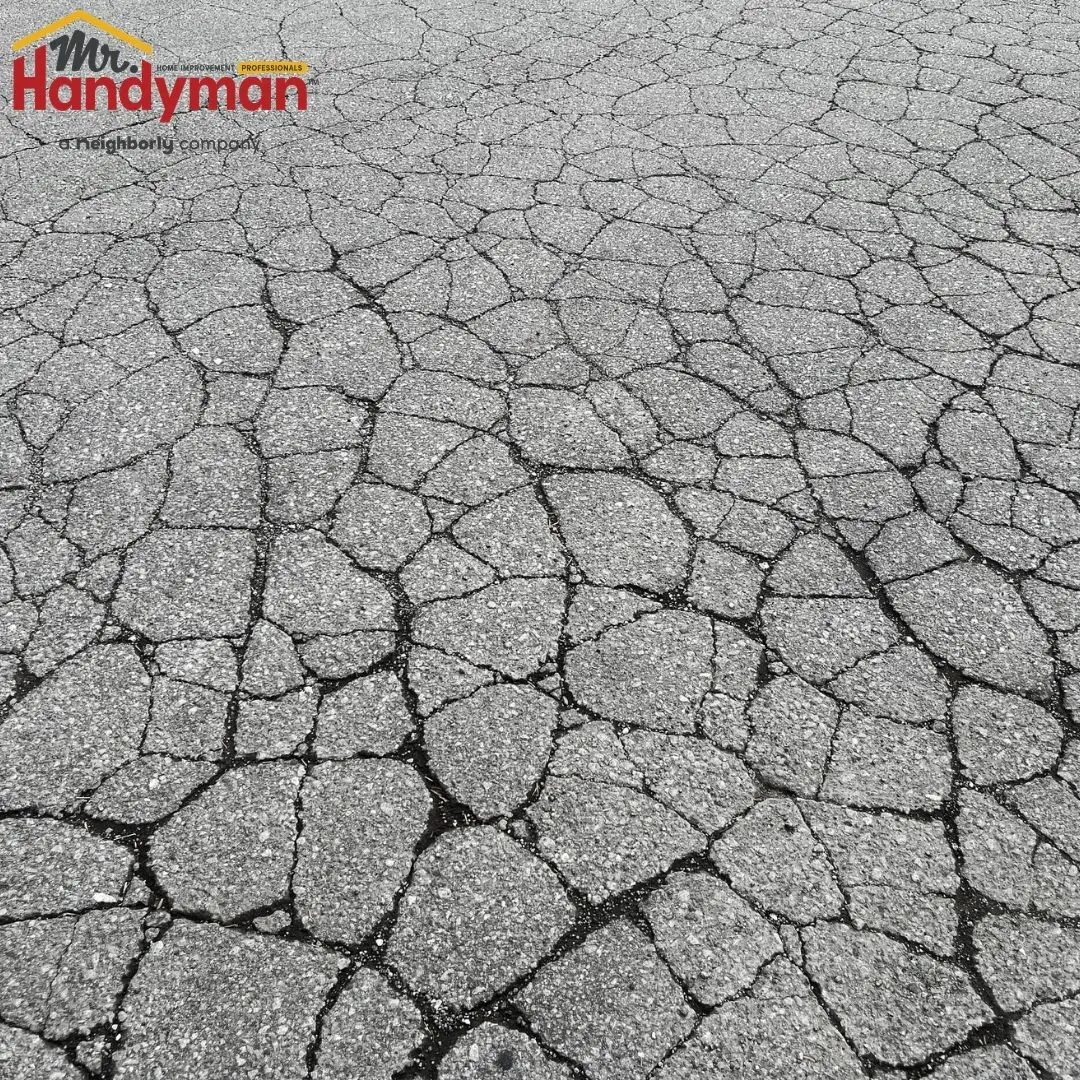
Biological growth and crack assessment in Lowcountry commercial parking lots evaluates the surface conditions that the subtropical warm season's biological activation and the mild winter's modest thermal cycling together advance in commercial asphalt and concrete between annual assessment intervals. The specifically regional character of biological growth-initiated parking lot safety concern reflects the Lowcountry's long subtropical warm season creating the slip hazard conditions on shaded and moisture-adjacent commercial parking positions that the afternoon thunderstorm moisture then concentrates wet-condition slip exposure on during the frequent summer precipitation events the active Lowcountry commercial and tourist calendar sustains through the warm months.
Biological growth on shaded commercial parking surfaces creates the slip hazard that the South Carolina Lowcountry's hot, humid subtropical summer activates on those commercial parking positions between professional treatment intervals at the rates the regional coastal ambient conditions create in those specific shaded and moisture-adjacent parking surface positions. The algae and organic establishment that the Lowcountry's long warm season advances on those commercial parking positions creates the wet-condition slip hazard that the afternoon thunderstorm activity the regional summer concentrates on those specific surface positions throughout the active Charleston and Summerville commercial and tourist calendar.
The salt air surface degradation dimension of Lowcountry commercial parking lot assessment evaluates the atmospheric salinity contact that the coastal environment creates on commercial parking infrastructure at those exposed positions between assessment intervals. The salt air corrosion that the Lowcountry's proximity to tidal waterways and the Atlantic advances on commercial parking lot drainage hardware, signage mounting systems, and the metal infrastructure those parking positions carry creates the maintenance priority that the coastal atmospheric environment specifically motivates beyond what inland commercial parking lot assessment guidance addresses without the salt air corrosion mechanism.
Pavement marking biological degradation and UV deterioration from the Lowcountry's long subtropical warm season and the coastal atmospheric conditions advances the parking space, fire lane, and accessible parking visibility that summer commercial and tourist traffic depends on for organized navigation. Restriping that restores those markings before summer's concentrated commercial and tourist activity provides the safety foundation that organized commercial parking management requires throughout the active Lowcountry business and tourism season.
Accessible parking and route assessment evaluates the ADA compliance of accessible parking designations, the biological growth on those surface positions, and the accessible routes connecting them to commercial entries after the mild South Carolina winter and the biological activation the warming spring creates in those surface positions. The tourist population's diverse accessibility needs and the ADA compliance that South Carolina commercial properties must satisfy create the accessible parking and route assessment priority that the Lowcountry's tourist economy specifically elevates as the commercial property safety management concern those properties address through pre-summer assessment.
Storm drainage assessment evaluates the drain inlet conditions and the parking lot grading that the South Carolina Lowcountry's afternoon thunderstorm pattern tests as the drainage performance requirements those commercial parking surfaces must meet when the active summer precipitation season concentrates significant afternoon rainfall on commercial parking positions in the compressed time periods that the regional storm pattern creates throughout the warm season. The biological accumulation and the coastal debris that the Lowcountry's warm season deposits in commercial drainage inlet positions restricts the storm water management those systems provide, and the pre-summer clearing that removes those obstructions before the afternoon thunderstorm season concentrates its peak rainfall prevents the flooding and the slip hazard that inadequate commercial parking drainage generates.
Walkway and Pedestrian Surface Safety
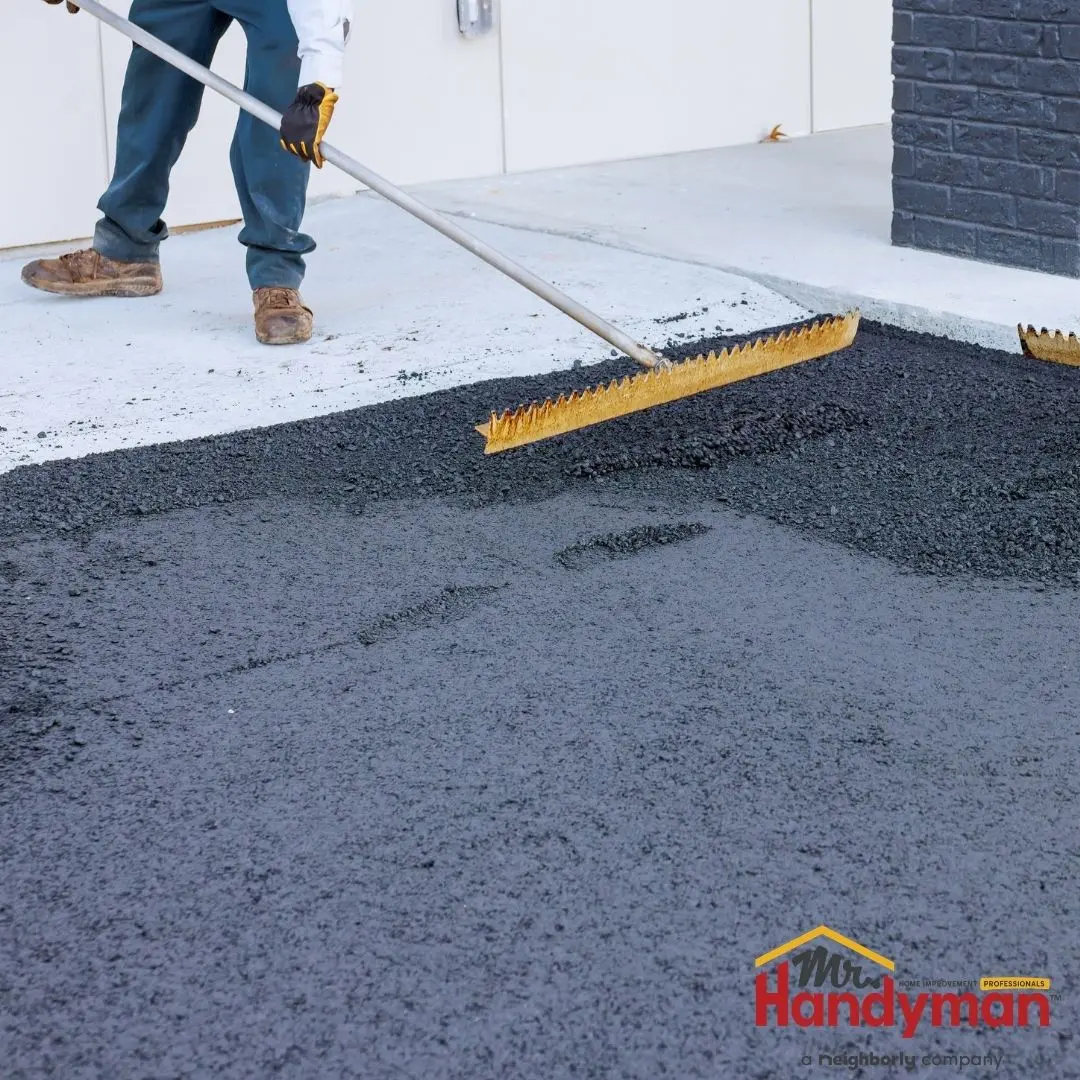
Trip hazard and biological growth assessment on commercial walkways evaluates the surface conditions that the South Carolina Lowcountry's modest thermal cycling and the subtropical biological growth activation together advance in pedestrian surfaces between annual assessment intervals. The ADA standard's quarter-inch threshold creates the compliance requirement that commercial walkways must satisfy, and the modest thermal cycling and the biological growth activation that the Lowcountry's mild winter and subtropical summer together create advance those surface conditions between the assessment intervals that pre-summer evaluation specifically addresses before summer's concentrated commercial and tourist pedestrian traffic loads those walkway positions.
Biological growth on commercial walkways in the South Carolina Lowcountry's hot, humid coastal environment creates the slip hazard that the subtropical warm season activates on shaded and moisture-adjacent pedestrian surfaces between professional treatment intervals. The entry approach surfaces that afternoon thunderstorm moisture keeps consistently wet during the active summer precipitation season, the walkway positions adjacent to the tidal waterway and coastal landscape features that the Lowcountry's commercial districts incorporate, and the pedestrian surfaces beneath the mature tree canopies that Charleston's historic commercial districts preserve all create the biological slip hazard positions that the Lowcountry's subtropical coastal summer specifically advances between professional treatment intervals.
The tourist pedestrian volume consideration for Charleston commercial walkway safety reflects the concentrated international and domestic tourist pedestrian traffic that Charleston's historic King Street, the waterfront, the City Market, and the broader commercial districts attract through the summer months as the high-volume pedestrian exposure at commercial walkway positions that the biological slip hazard conditions those subtropical coastal positions develop between treatment intervals most directly affects in the tourism-concentrated Lowcountry commercial context.
Exterior Lighting Safety

Parking lot lighting assessment evaluates the fixture conditions that the South Carolina Lowcountry's mild winter, the afternoon thunderstorm pattern's moisture contact, and the coastal salt air's atmospheric corrosive advance at commercial parking positions, the lamp replacement needs that the previous operating season created, and the illumination adequacy that current fixture layout and condition provides for the after-hours customer and employee access that the Lowcountry's active commercial and tourism calendar creates throughout the warm business season. The inadequate illumination that failed or deteriorated fixtures create in commercial parking positions presents the premises liability exposure that the combination of biological slip hazards and unilluminated trip hazard conditions creates for the commercial property whose lighting maintenance standard the injury circumstances specifically examine when after-hours incidents occur at inadequately illuminated commercial exterior positions throughout the active Lowcountry business calendar.
LED upgrade assessment during commercial exterior lighting safety inspection identifies the aging fluorescent and HID fixtures that current LED technology replaces with improved illumination, reduced energy consumption against Dominion Energy South Carolina or the applicable Lowcountry commercial utility rates, and the extended service life that reduces maintenance frequency between lamp replacement intervals. The coastal salt air that the South Carolina Lowcountry's proximity to tidal waterways and the Atlantic creates advances the seal deterioration and the fixture housing corrosion in exterior lighting positions at the rates the coastal atmospheric salinity produces more aggressively between replacement intervals than inland commercial lighting positions without the coastal salt air contact experience between comparable service periods.
The hurricane season emergency lighting consideration for Lowcountry commercial exterior lighting assessment reflects the active June through November storm season that the South Carolina coast manages as the specifically coastal emergency lighting investment that commercial properties in the regional market warrant addressing alongside the standard fixture condition and illumination adequacy assessment. Emergency lighting backup confirmation, generator connection assessment, and the storm-rated fixture specification at exposed coastal commercial lighting positions all represent the hurricane season commercial lighting safety dimension that the Lowcountry's active storm calendar specifically motivates beyond what inland commercial lighting assessment guidance addresses without the coastal storm emergency context.
Building Entry Safety Conditions
Exterior stair and ramp safety assessment evaluates the handrail integrity, the biological growth on those surface positions, the salt air corrosion in handrail hardware and mounting systems, and the ADA compliance of the exterior stairs and ramps that commercial entry depends on for the full range of customer and tourist mobility. The biological growth that the South Carolina Lowcountry's hot, humid subtropical summer activates on exterior stair surfaces, the afternoon thunderstorm moisture that those exposed positions receive throughout the active warm season, and the coastal salt air's corrosive contact on handrail hardware and mounting systems all represent the conditions that pre-summer assessment identifies before summer's commercial and tourist activity concentrates continuous pedestrian traffic through those access positions throughout the active Lowcountry season.
Entry door hardware and salt air corrosion assessment confirms the door closer function, the threshold seal condition, the salt air corrosion on entry hardware finishes, and the ADA compliance of the hardware every arriving customer and tourist physically contacts at the commercial entry. The coastal salt air that the Lowcountry's proximity to the Atlantic and tidal waterways advances on entry hardware finishes creates the corrosive condition that the regional coastal environment produces at those specific building entry positions more aggressively than inland commercial entries without the salt air atmospheric contact experience between comparable maintenance periods.
The Charleston tourist pedestrian volume and entry safety dimension reflects the concentrated summer tourist pedestrian traffic that the city's historic commercial districts, the waterfront, and the King Street and East Bay commercial corridors attract through the active warm season as the high-volume entry pedestrian exposure that biological slip hazards and trip hazard conditions at those specific commercial entry positions most directly affects in the tourism-concentrated Lowcountry commercial context. The tourist visitor whose summer exploration of Charleston's commercial district concentrates at those entry positions creates the premises liability urgency that the high pedestrian volume and the seasonal tourist concentration specifically elevates for commercial property operators throughout the active Charleston tourist season.
Frequently Asked Questions
What commercial exterior safety condition creates the greatest liability exposure in the Lowcountry market?
Biological slip hazards on shaded and moisture-adjacent walkway and entry approach positions combined with the concentrated tourist pedestrian traffic that Charleston's summer tourist season creates at those commercial positions together create the greatest combined safety and liability exposure for South Carolina Lowcountry commercial properties. The hot, humid subtropical summer activates biological establishment on those surfaces between professional treatment intervals at rates the regional coastal conditions create more aggressively than moderate inland markets produce, and the concentrated summer tourist pedestrian volume that Charleston's commercial districts attract amplifies the premises liability exposure that those biological slip hazard conditions create at those specific commercial positions throughout the active tourist season.
How does the South Carolina Lowcountry's afternoon thunderstorm pattern specifically affect commercial parking lot safety assessment priorities?
The approximately 49 inches of annual rainfall that the regional climate concentrates through the summer's active afternoon storm season creates the concentrated wet-condition exposure that biological slip hazards on shaded commercial parking surfaces present to customer and tourist traffic during and following the frequent afternoon precipitation events the Lowcountry commercial calendar sustains through the active warm months. Pre-summer biological treatment that removes the organic establishment those positions carry before the afternoon thunderstorm season concentrates its peak wet-condition slip exposure on those commercial parking surfaces provides the slip hazard management that the regional precipitation pattern's summer concentration specifically motivates addressing comprehensively before peak commercial and tourist activity arrives.
How does the coastal salt air specifically affect commercial exterior safety assessment in the Lowcountry?
The atmospheric salinity that the South Carolina Lowcountry's proximity to tidal waterways, salt marshes, and the Atlantic creates advances corrosion in commercial parking lot drainage hardware, exterior lighting fixture housings, handrail mounting systems, and entry door hardware at the rates the coastal environment produces between professional treatment intervals more aggressively than inland commercial properties without the salt air atmospheric condition experience between comparable maintenance periods. The pre-summer corrosion assessment at those specific salt air-affected commercial exterior safety positions addresses the specifically coastal mechanism that inland commercial property safety guidance does not incorporate at the same urgency level.
Should Lowcountry commercial properties address biological growth before crack sealing on parking surfaces?
Biological treatment should precede crack sealing because the organic establishment that the South Carolina Lowcountry's subtropical coastal conditions sustain in and adjacent to crack positions compromises sealant adhesion and long-term performance when applications proceed over biologically contaminated substrates. The Lowcountry's long subtropical warm season's biological growth activation rate makes that treatment sequence specifically important for coastal commercial exterior repair because the hot, humid warm season advances biological establishment rapidly after treatment without the dry season interruption that more precipitation-variable climates provide between treatment and repair.
How often should Lowcountry commercial properties assess exterior safety conditions?
Annual post-mild-winter assessment in spring combined with a pre-hurricane season confirmation that building envelope conditions, drainage infrastructure, and emergency lighting systems are adequate for significant coastal storm events and a mid-summer evaluation that confirms whether spring biological treatment adequately addressed identified conditions provides the appropriate assessment frequency for South Carolina Lowcountry commercial properties. The tourist season's concentrated summer pedestrian volume, the subtropical warm season's ongoing biological growth activation, and the active June through November hurricane season all together warrant the three-interval assessment timing that the Lowcountry's coastal commercial property safety management specifically motivates beyond what standard annual assessment guidance addresses without the regional tourist volume and hurricane season commercial safety dimensions.
Lowcountry Commercial Exteriors Safe for Summer Business and the Tourism Season
The commercial properties across Charleston, Summerville, and the surrounding Lowcountry communities whose owners and managers complete the systematic exterior safety assessment and address the identified conditions before summer's business activity and tourist season concentrate customer, employee, and visitor traffic on those commercial exterior surfaces are positioned to provide the safe commercial environment that South Carolina premises liability standards require and that the Lowcountry's tourist economy and sophisticated regional consumer base specifically deserve. Biological slip hazards treated before the concentrated summer tourist and customer traffic evaluates those commercial positions. Trip hazards addressed before summer pedestrian loading concentrates on those walkway surfaces. Accessible routes confirmed compliant after the mild winter and spring biological activation advanced those surface conditions. Parking lot drainage confirmed adequate for the afternoon thunderstorm pattern's concentrated summer rainfall. Coastal salt air corrosion assessed at hardware and fixture positions. Emergency lighting confirmed for the active hurricane season. Entry approach biological treatment and surface restoration confirmed before the tourist season concentrates its peak pedestrian volume.
Mr. Handyman of Charleston and Summerville has the commercial property experience to help businesses identify and address the exterior safety conditions that the South Carolina Lowcountry's hot, humid subtropical climate, the active afternoon thunderstorm pattern, the coastal salt air, and the hurricane season create throughout the Lowcountry service area.
Website: https://www.mrhandyman.com/charleston-summerville/
Serving businesses throughout Charleston, Summerville, and the surrounding Lowcountry communities with dependable commercial maintenance and the expertise your property deserves.
