
Lowcountry Summers Were Made for Outdoor Gathering
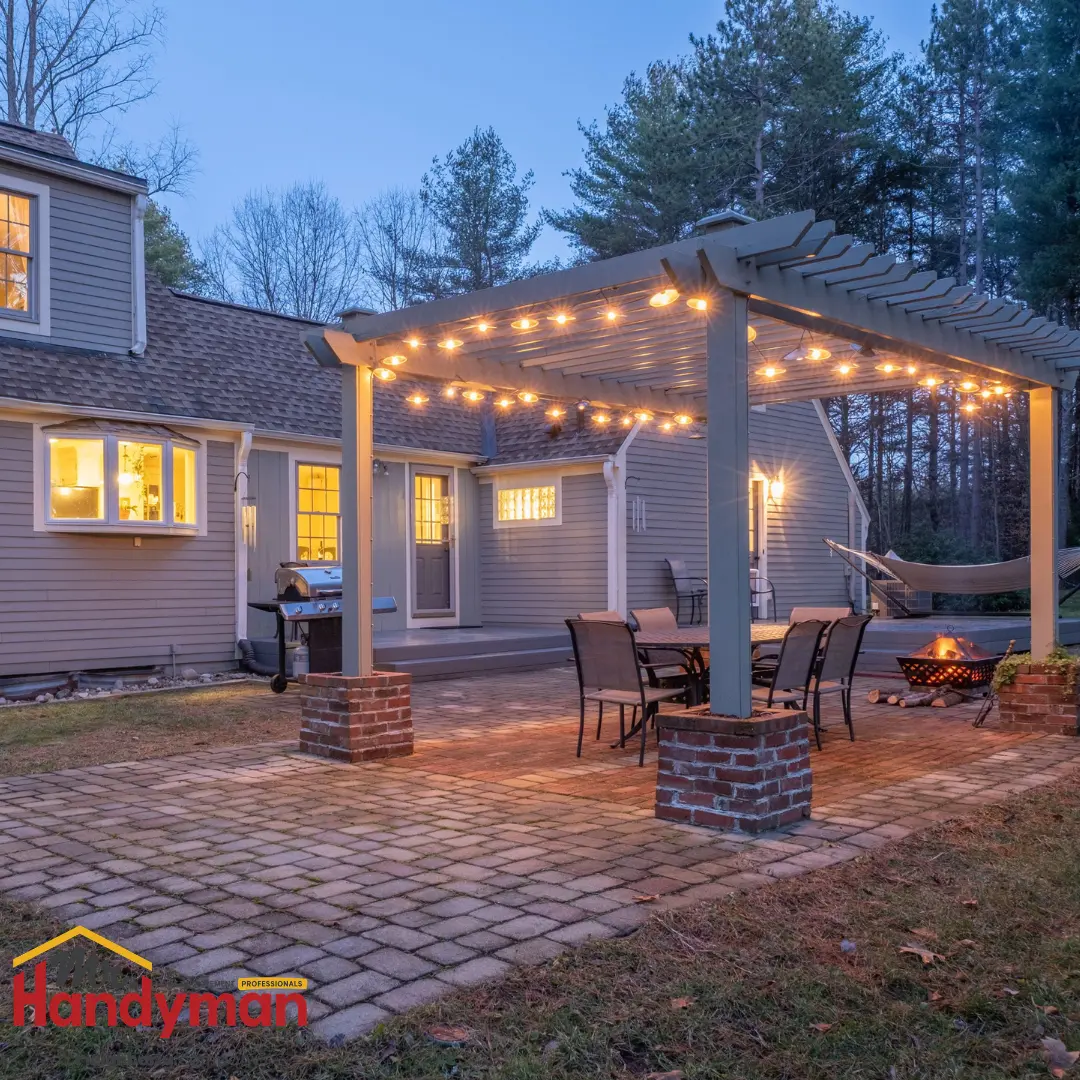
The outdoor entertaining culture that Charleston, Summerville, Mount Pleasant, North Charleston, Goose Creek, Johns Island, and the surrounding Lowcountry communities sustain through the active warm season reflects the specifically Southern outdoor hospitality tradition the South Carolina coast creates as the year-round social backdrop those communities enjoy. The Charleston peninsula's piazza culture and backyard entertaining tradition, the Summerville neighborhood cookout culture, the Mount Pleasant waterfront gathering occasions, the Johns Island and James Island outdoor living lifestyle, and the barrier island properties from Isle of Palms through Sullivan's Island and Folly Beach all together create the outdoor entertaining character that distinguishes Lowcountry cookout season from the compressed warm season markets that concentrate outdoor gathering into a few genuinely temperate months.
The Lowcountry cookout season is not compressed. It runs from March through November with the full outdoor entertaining energy the subtropical South Carolina climate sustains through those months. The peak mid-summer period from June through August concentrates the most intense cookout activity through the hottest and most humid months, and that heat and humidity creates the specifically regional cookout season plumbing protection context that distinguishes Charleston and Summerville households from the northern markets whose cookout seasons occur in more moderate thermal and humidity environments without the Lowcountry's specifically subtropical character.
The connection between outdoor cookout entertaining and indoor plumbing stress is the same in the Lowcountry as in other markets but is amplified by the region's specifically biological character. Behind every successful Lowcountry cookout is a kitchen drain system absorbing the grease loading that shrimp boils, the Low Country boil traditions, the backyard barbecue occasions, and the summer outdoor cooking the regional culinary culture concentrates through those positions. The biological film the year-round subtropical warmth maintains in kitchen drain pipe interior surfaces bonds that cookout grease loading to those pipe surfaces more persistently than the same grease creates in drain positions in cooler markets where the year-round biological film the Lowcountry warmth sustains in those drain positions is absent between warm season periods.
Why Lowcountry Cookout Season Creates Specific Plumbing Demands

The South Carolina Lowcountry creates the cookout season plumbing demands that the sustained subtropical warmth and humidity, the coastal salt air in the barrier island and waterfront communities, and the specifically regional outdoor culinary traditions those communities sustain through the active entertaining season together create as the cookout season plumbing protection context Charleston and Summerville households specifically navigate.
The Low Country boil tradition concentrates the shrimp, the corn, the sausage, and the Old Bay-seasoned cooking liquid that the regional outdoor culinary culture creates as the specific grease and cooking residue loading that those specifically Lowcountry outdoor cooking occasions route through kitchen drain systems during cleanup. The biological film the year-round subtropical warmth maintains in those drain pipe interior surfaces bonds that cooking residue and grease to those surfaces more persistently than the same loading creates in drain positions without the year-round biological adhesion substrate the Lowcountry's sustained warmth maintains in those pipe surfaces between professional cleaning events.
The Lowcountry summer's extraordinary humidity creates the bathroom plumbing demand amplification that the heat and humidity concentrated through the mid-summer period accelerates at bathroom fixture positions. Guests arriving from outdoor cookout occasions through the summer's genuine heat carry the elevated personal hygiene demand that the Lowcountry's extreme summer humidity creates as the bathroom use frequency those conditions specifically motivate at those fixture positions through every cookout gathering the active Lowcountry social calendar sustains through the mid-summer period.
The Kitchen Drain and Disposal Under Lowcountry Cookout Load
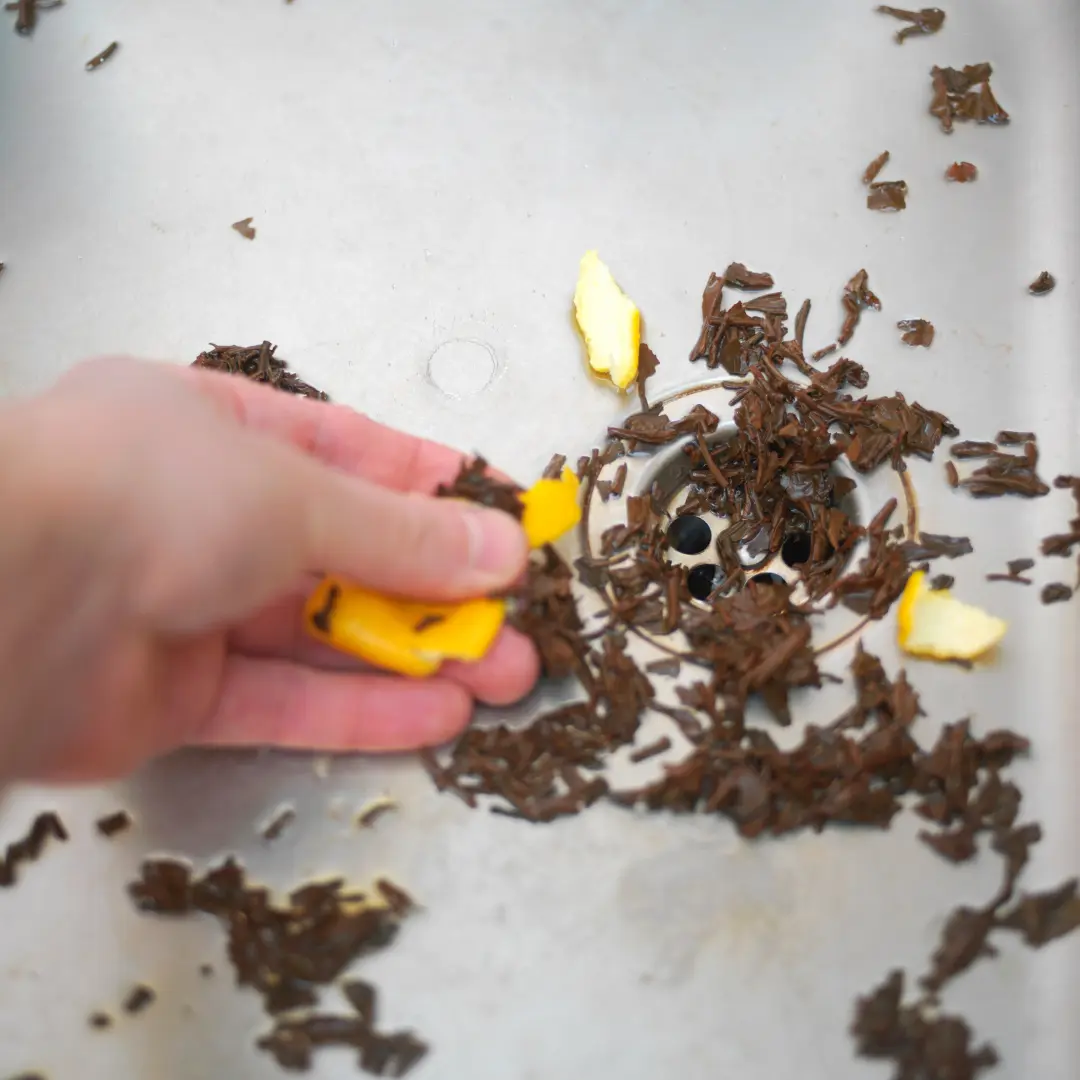
The kitchen drain system absorbs the highest concentrated plumbing demand Lowcountry cookout hosting creates because the food preparation, the cleanup, the disposal cycling, and the cookware washing a summer gathering generates all route through those positions in the compressed cleanup window following the meal. The Low Country boil cleanup concentrates the seafood shells, the corn cobs, the cooking liquid, and the grease loading from sausage and seafood cooking residue through those kitchen drain positions in ways the standard backyard burger cookout grease loading does not replicate in the concentrated volume and the biological adhesion surface interaction that specifically Lowcountry outdoor cooking traditions create.
The pre-cookout drain confirmation evaluating current drain capacity before guest arrival addresses the biological film and grease accumulation the year-round subtropical warmth has been advancing in those drain positions since the last professional cleaning. Running the kitchen sink at full flow for thirty to forty-five seconds and watching whether the basin drains quickly or communicates the slow drainage partial biological restriction produces provides the functional confirmation either confirming adequate capacity for anticipated hosting volume or identifying the professional drain cleaning the situation warrants before the cookout loading tests those biologically restricted positions under the gathering's concentrated demand.
The disposal's role in Lowcountry cookout cleanup creates the specific loading challenge the Low Country boil and the backyard seafood cooking occasions the regional culinary tradition concentrates through those disposal positions during cleanup. Fibrous vegetable preparation, seafood shell fragments, corn cob material, and the cooking residue those specifically Lowcountry outdoor cooking occasions produce all demand the cold water flow maintenance during disposal operation that prevents those materials from coating the biological adhesion surface the year-round Lowcountry warmth maintains in those drain pipe positions. Running cold water for thirty seconds before, during, and after disposal operation helps manage the cooking residue those specifically Lowcountry outdoor culinary traditions concentrate through those disposal positions during the active gathering cleanup.
The post-cookout hot water flush following cleanup addresses the grease and cooking residue loading that Lowcountry cookout events deposit in drain pipe positions during the compressed cleanup window. Running the kitchen sink at hot water for two to three minutes following disposal cycling and cookware washing helps move cooking residue through the drain system before it fully bonds to the biological adhesion surface the year-round subtropical warmth maintains in those drain pipe positions between professional cleaning events. The hot water treatment following the solid food waste and disposal phase provides the cooking residue transport the cooler water does not maintain at the biological adhesion surface the sustained Lowcountry warmth creates in those kitchen drain pipe interior surfaces throughout the active entertaining calendar.
The baking soda and white vinegar post-cookout treatment addresses the residual biological film and grease adhesion the Lowcountry cookout event concentrates in those drain positions. One cup of baking soda followed by one cup of white vinegar, allowed to work for fifteen minutes before a hot water rinse, addresses the residual drain surface condition that cookout loading and the year-round biological adhesion surface the Lowcountry warmth maintains in those drain positions together create between professional cleaning events throughout the active entertaining season.
Bathroom Plumbing Under Lowcountry Cookout Guest Loads
Every Lowcountry cookout guest arriving from outdoor occasions through the summer's genuine heat and extraordinary humidity creates the bathroom use frequency the Lowcountry's specifically extreme summer conditions motivate at those fixture positions that the same guest in a more moderate climate without the subtropical heat and humidity does not create at comparable per-hour rates during comparable outdoor gathering occasions.
The toilet flapper condition under Lowcountry cookout guest load reflects the cumulative flushing volume that concentrated bathroom use creates in toilet tanks whose flapper the year-round subtropical warmth and the peak summer heat have been advancing toward seal deterioration at rates the cooler markets without the Lowcountry's sustained thermal environment do not produce between comparable maintenance intervals. The enclosed bathroom environment the Lowcountry summer creates advances rubber flapper deterioration faster than those same components experience in climates with genuine winters providing the cooler ambient temperatures that slow thermal material degradation between replacement intervals.
Hand-washing sink flow under cookout guest loads reflects the elevated hand-washing frequency the Lowcountry outdoor cooking occasion motivates as the seafood handling, the cookout food preparation, and the outdoor activity the summer gathering creates as the specific hand hygiene demand those fixture positions serve through every Lowcountry cookout occasion. The aerator biological film the year-round subtropical warmth advances in those faucet aerator screen positions between cleaning events restricts the flow those elevated hand-washing demands require when multiple guests concentrate that demand through those positions during the active gathering window.
The outdoor bathroom access consideration that larger Lowcountry cookout gatherings create reflects the guest volume that Charleston peninsula properties, the Summerville neighborhood backyards, and the coastal barrier island properties from Isle of Palms through Folly Beach can accommodate for summer events. When gathering size concentrates guest bathroom use beyond what interior fixtures adequately serve, portable restroom solutions protecting those interior fixtures from the guest volume and the elevated bathroom frequency the Lowcountry summer's heat and humidity specifically amplify represent the hosting preparation the event scale and the regional climate specifically warrant.
Outdoor Plumbing During Lowcountry Cookout Season
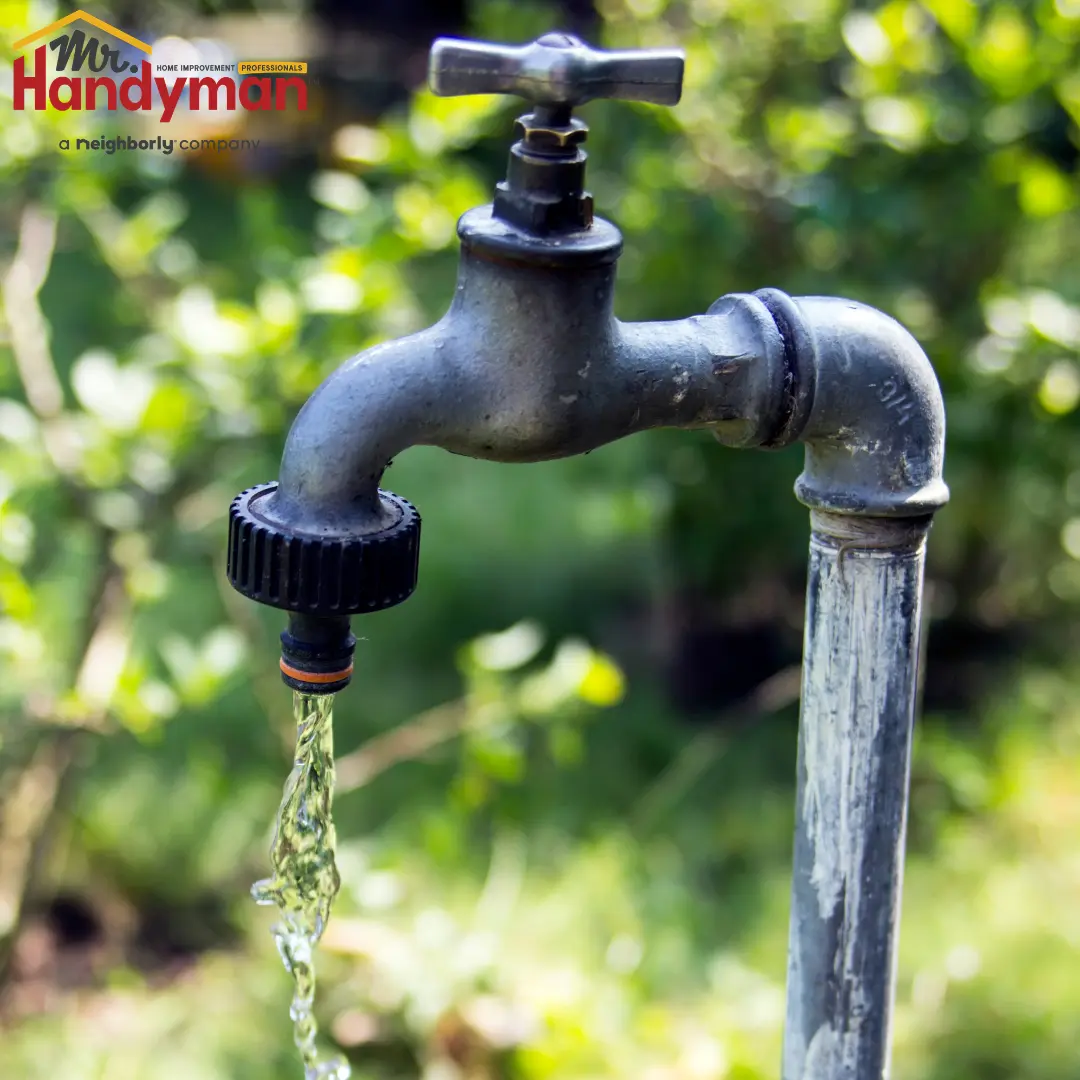
The outdoor hose bib serving the cookout setup water needs, the seafood boil water preparation, the outdoor table and surface cleanup, and the post-cookout garden hose cleanup Lowcountry summer backyard entertaining creates at those outdoor faucet positions warrants the pre-season vacuum breaker function confirmation and the salt air corrosion assessment at coastal barrier island and waterfront properties that the marine atmosphere creates as the specifically Lowcountry outdoor hardware condition those positions carry between inspection intervals. The vacuum breaker confirming backflow contamination prevention is intact at those hose bib positions addresses the cross-contamination risk outdoor hose connections create throughout the active Lowcountry cookout season.
Salt air hardware condition in coastal properties from the historic Charleston peninsula through Isle of Palms, Sullivan's Island, Folly Beach, and the Johns Island and James Island waterfront residential corridors warrants the annual inspection assessment confirming whether salt air corrosion has advanced the vacuum breaker function, the hose bib body hardware, and the supply connection fittings at those outdoor plumbing positions toward the compromised condition that the hurricane season's significant precipitation and wind events will test through the active storm period that overlaps with the peak cookout season throughout the June-through-November Lowcountry hurricane calendar.
Hurricane Season Outdoor Plumbing Consideration
The Lowcountry cookout season and the Atlantic hurricane season overlap directly from June through November, creating the specifically regional outdoor plumbing protection context that Charleston and Summerville cookout season planning must incorporate alongside the standard cookout season plumbing guidance that does not account for the active storm season the Lowcountry's cookout calendar shares with the Atlantic hurricane period.
The outdoor plumbing positions serving the Lowcountry cookout season require the pre-hurricane season condition confirmation that the significant precipitation, the wind-driven moisture at building envelope-adjacent positions, and the coastal storm surge at barrier island and waterfront properties the active storm calendar concentrates through those outdoor plumbing positions during significant storm events specifically motivates before the cookout season and the hurricane season concentrate simultaneously through those outdoor plumbing positions throughout the active Lowcountry warm season calendar.
Frequently Asked Questions
How does the Lowcountry's year-round biological film in kitchen drain pipes specifically affect cookout season drain protection in Charleston and Summerville homes?
The subtropical warmth the South Carolina Lowcountry maintains year-round sustains the biological film in kitchen drain pipe interior surfaces that cooler markets allow to slow between warm and cold seasons. That year-round biological adhesion surface bonds the cookout season's cooking grease loading to those drain pipe surfaces more persistently than the same grease loading creates in drain positions in cooler markets without the year-round biological film the Lowcountry's sustained warmth maintains in those positions between professional cleaning events. The Lowcountry kitchen drain accordingly accumulates the cookout season grease loading against the year-round biological adhesion surface those temperatures maintain, making the pre-cookout drain assessment and the post-cookout hot water flush and baking soda treatment more specifically warranted in the Lowcountry residential context than the same practices produce in more moderate thermal environments.
How does the Lowcountry's Low Country boil tradition specifically affect kitchen drain and disposal protection?
The shrimp shells, corn cobs, sausage grease, and Old Bay-seasoned cooking liquid the Low Country boil tradition concentrates through kitchen drain systems during cleanup create the specifically regional cookout season loading that the biological adhesion surface the year-round Lowcountry warmth maintains in those drain positions bonds to those pipe surfaces more persistently than the standard burger and chicken cookout grease the moderate climate outdoor cooking tradition creates in those same drain positions. The disposal management that prevents shell fragments and corn cob material from reaching drain positions where the biological adhesion surface those Lowcountry cooking occasions encounter bonds those materials to those pipe surfaces represents the specifically regional disposal protection the Low Country boil tradition motivates beyond the standard cookout disposal guidance.
How does salt air specifically affect outdoor faucet plumbing in coastal Charleston communities during cookout season?
The marine atmosphere coastal Charleston communities experience accelerates corrosion in the vacuum breaker, hose bib body, and supply connection fitting hardware those outdoor faucet positions present to the salt-laden coastal atmosphere between inspection and replacement intervals. That salt air corrosion advances toward the compromised vacuum breaker function and the hose bib shutoff inadequacy that the cookout season's continuous outdoor water use and the hurricane season's significant precipitation events simultaneously test through those outdoor hardware positions throughout the June-through-November period those two seasonal demands overlap in the Lowcountry calendar.
Should Lowcountry homeowners schedule professional kitchen drain cleaning before or after cookout season?
The Lowcountry's year-round biological film in kitchen drain positions and the extended cookout season the subtropical climate sustains from March through November make both the pre-season and post-peak-season professional drain cleaning investments warranted for the active Charleston and Summerville entertaining household. Pre-season cleaning in late spring before the summer's most concentrated cookout activity removes the biological and grease accumulation the previous year's cooler months advanced in those drain positions. Post-peak-season cleaning in September or October removes the biological adhesion and grease accumulation the summer's Low Country boil and backyard cookout occasions concentrated through those drain positions before the continued fall entertaining activity adds further to that accumulation throughout the extended Lowcountry outdoor social calendar.
What outdoor plumbing check is most important for coastal Charleston and Summerville homes before the peak cookout and hurricane season overlap?
Outdoor hose bib vacuum breaker function confirmation combined with salt air corrosion assessment at the supply connection fittings and hose bib body hardware that coastal properties carry at those building envelope-adjacent outdoor plumbing positions provides the most specifically Lowcountry pre-peak-season outdoor plumbing protection. The vacuum breaker confirming backflow contamination prevention remains intact despite the salt air corrosion the marine atmosphere has been advancing in those coastal hardware positions, and the supply connection fitting confirming adequate structural integrity for the continuous outdoor water use the cookout season and the significant precipitation the hurricane season both concentrate through those positions, together provide the outdoor plumbing assurance the specifically coastal Lowcountry cookout and hurricane season overlap most specifically motivates confirming before those demands activate simultaneously.
Lowcountry Cookout Season Plumbing Protected
The cookout season that Charleston, Summerville, Mount Pleasant, North Charleston, Goose Creek, Johns Island, and the surrounding Lowcountry communities invest their outdoor entertaining calendar in deserves the plumbing protection that the year-round biological film the subtropical warmth maintains in kitchen drain positions, the Low Country boil and backyard seafood cooking traditions the regional culinary culture concentrates through those drain systems, the elevated bathroom use frequency the Lowcountry summer's extraordinary heat and humidity motivates, the salt air corrosion the marine atmosphere advances in coastal outdoor hardware positions, and the hurricane season's significant precipitation events that overlap with the active cookout calendar all together create as the specifically regional cookout season plumbing protection context. Pre-cookout drain assessment, disposal management for specifically Lowcountry outdoor cooking traditions, post-cookout hot water flushing and baking soda treatment, outdoor vacuum breaker function confirmation, and the annual professional kitchen drain cleaning the year-round Lowcountry biological film context warrants all provide the cookout season plumbing protection the extended Lowcountry outdoor entertaining calendar and the specifically subtropical regional plumbing context together deserve throughout the active warm season.
Mr. Handyman of Charleston and Summerville
Website: https://www.mrhandyman.com/charleston-summerville/
Serving homeowners and businesses throughout Charleston and Summerville with dependable service and the expertise your home deserves.