
The Lowcountry's Coastal Climate Makes Routine Maintenance a Regional Necessity
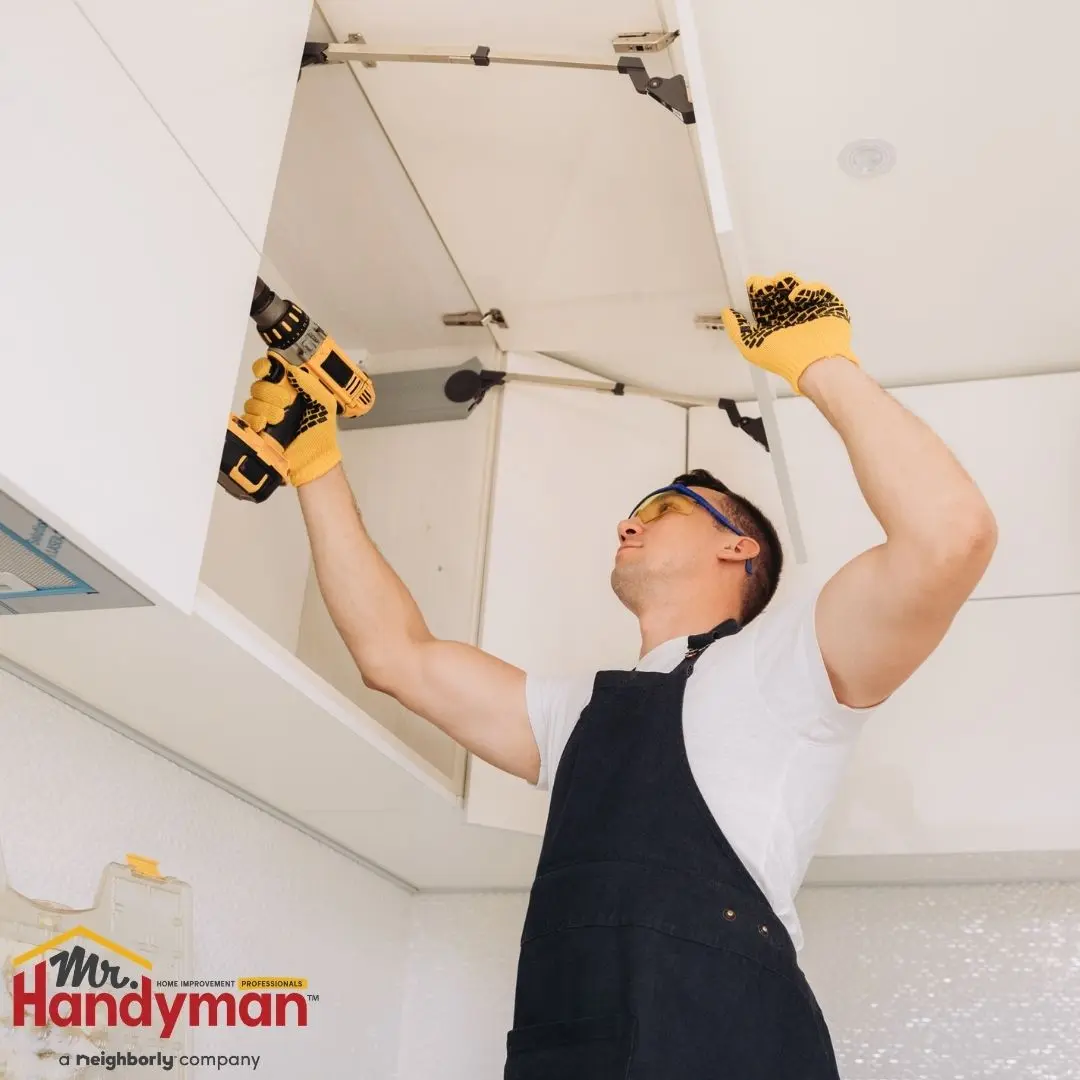
The case for routine handyman maintenance in Charleston, Summerville, and the surrounding Lowcountry communities is stronger than the same case in moderate inland climate markets because the South Carolina Lowcountry's specific mechanisms advance household systems, building envelope conditions, exterior surfaces, and the interior assemblies that regional homes carry toward deterioration thresholds at rates that the hot, humid subtropical coastal summer's biological growth activation on exterior and moisture-adjacent interior surfaces, the afternoon thunderstorm pattern's year-round precipitation contact on building envelope positions, the coastal salt air's continuous atmospheric accumulation and corrosive contact on exterior hardware and facade materials, the hurricane season's significant coastal storm events that test building envelope integrity under concentrated conditions, and the service area's water chemistry mineral accumulation in household plumbing and water-using systems all together create between maintenance intervals more aggressively than moderate inland climates without those combined coastal regional mechanisms produce.
The financial case for routine maintenance in the Lowcountry context reflects the specific cost amplification that the South Carolina coastal climate creates when developing conditions advance beyond the maintenance threshold that early intervention addresses cost-effectively. A caulked window joint that routine annual inspection identifies as developing adhesion failure addresses through a straightforward caulking replacement. That same joint, left unaddressed through the afternoon thunderstorm pattern's year-round moisture testing and the coastal salt air's atmospheric penetration at that building envelope position, receives the moisture infiltration that the regional precipitation sustains continuously, and the biological growth that the hot, humid subtropical coastal summer activates in the building assembly that infiltrated moisture reached advances from the early-stage caulking replacement cost to the interior remediation, the biological treatment, and the structural moisture assessment that the South Carolina Lowcountry's combined coastal mechanisms create when the maintenance threshold passes without intervention.
The active Charleston and Summerville residential market creates the specific routine maintenance financial motivation that the coastal South Carolina real estate environment amplifies as the investment protection case that property values at Lowcountry levels create for the maintenance discipline that sustains those values through the market cycles the active listing environment produces. The quality-aware buyers whose previous residential and hospitality experience established the maintenance history and condition evaluation standards they apply to Lowcountry property assessments reward the documented maintenance investment that routine attention provides as the condition confidence those buyers specifically look for when evaluating coastal South Carolina properties against the competitive alternatives the active listing environment simultaneously presents.
The Charleston design and preservation community's quality consciousness creates the additional routine maintenance motivation that the historic residential districts specifically sustain as the preservation investment protection that the city's architectural heritage and the preservation community's stewardship culture motivates for the historic homes those neighborhoods carry. The building envelope integrity, the period-appropriate material maintenance, and the biological and salt air management that adequate routine maintenance provides for historic Charleston residential properties protects both the financial investment and the architectural heritage that the preservation community values as the cultural asset those historic neighborhoods represent across the Lowcountry's residential landscape.
What Routine Maintenance Specifically Addresses in Lowcountry Homes
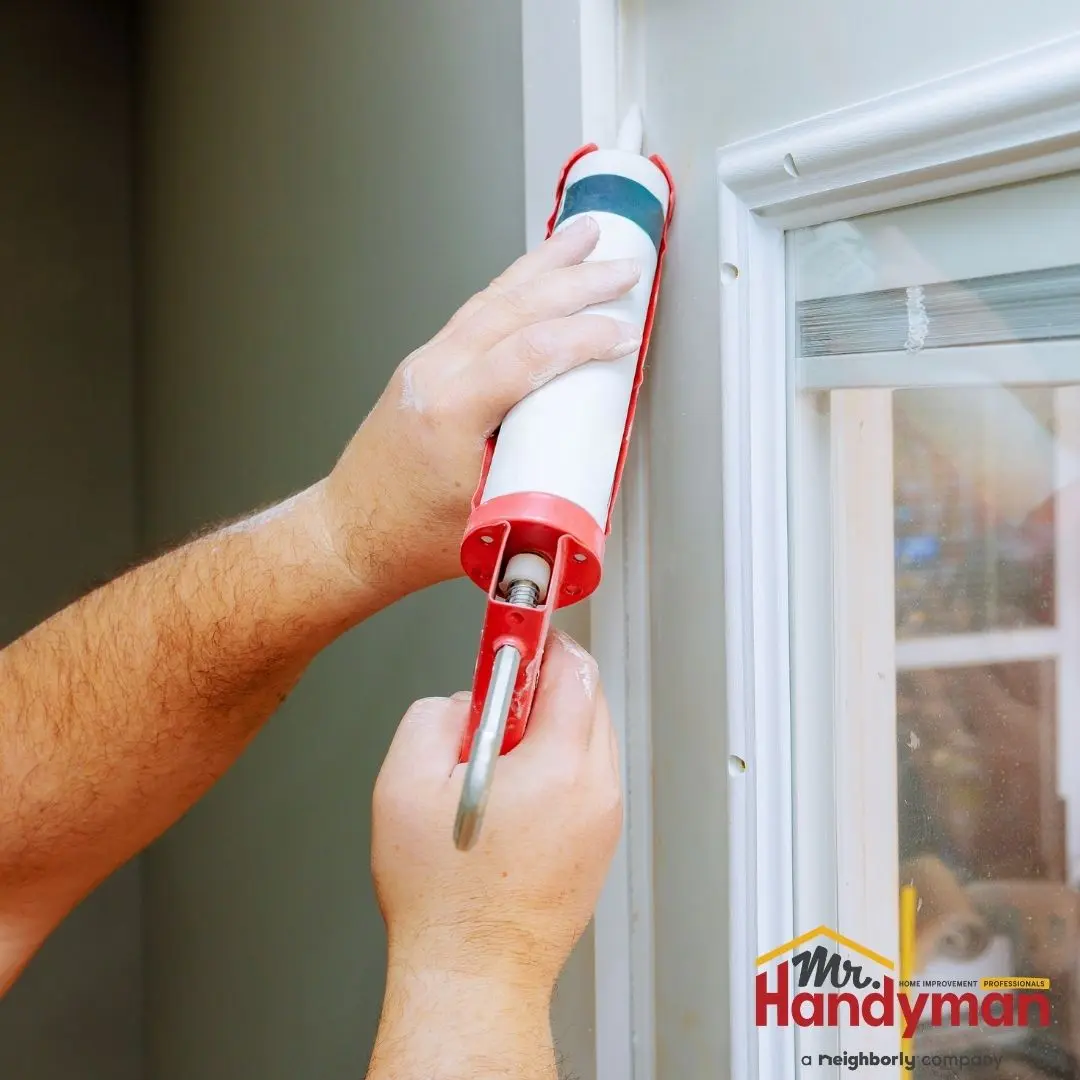
Annual building envelope inspection confirms the caulking condition at window perimeters, door surrounds, and the utility penetrations that the afternoon thunderstorm pattern's year-round precipitation contact and the mild winter's modest thermal cycling advance toward adhesion failure between the annual assessment intervals that the coastal climate makes specifically consequential. The moisture infiltration that failed building envelope sealant allows advances the biological establishment and the structural conditions that the hot, humid subtropical coastal summer accelerates once moisture has entered those positions through the failed sealant that routine assessment and replacement specifically prevents from reaching that infiltration and biological activation stage.
Biological and salt air monitoring and treatment at the seasonal intervals that the Lowcountry's subtropical coastal climate creates as the year-round biological growth and salt air accumulation period provides the early-stage treatment that the combined regional coastal mechanisms make most cost-effective when biological establishment and salt air deposit conditions are addressed before they advance to the embedded deterioration that aggressive remediation must treat at substantially greater cost. The mild winter's sustained moderate biological presence on exterior surfaces and the continuous coastal salt air accumulation at those positions both warrant the seasonal assessment that confirms current establishment and deposit levels before the hot, humid subtropical summer advances those conditions most aggressively between maintenance intervals.
Plumbing fixture and supply connection assessment at the intervals that the service area's water chemistry mineral accumulation in supply connections, valve components, and water-using appliances warrants evaluates the developing conditions that routine assessment identifies before they advance to the failure threshold. The water chemistry split between Charleston's softer surface water at approximately 3.4 grains per gallon and Summerville's moderately harder aquifer water at approximately 7.2 grains per gallon creates different assessment urgency levels across the service area, with Summerville households benefiting from the more frequent assessment intervals that the accelerated mineral accumulation their harder water creates in those components warrants compared to the more modest accumulation that Charleston surface water creates between comparable maintenance events.
Hurricane season preparedness confirmation as a routine maintenance component reflects the specifically coastal annual investment that the active June through November storm season creates as the building envelope integrity confirmation, the drainage system assessment, and the emergency preparedness verification that routine maintenance incorporates as the coastal safety and building longevity dimension that inland market maintenance guidance does not address with the same urgency. The Lowcountry household whose routine maintenance program confirms building envelope integrity, drainage adequacy, and emergency preparedness before the hurricane season activates specifically protects both the household safety and the building investment that significant coastal storm events test under concentrated conditions.
The Year-Round Precipitation and Coastal Salt Air Contribution to Routine Maintenance Priorities
The continuous moisture and salt air testing dimension of Lowcountry routine maintenance reflects the afternoon thunderstorm pattern's year-round precipitation contact and the coastal salt air's continuous atmospheric accumulation that the South Carolina coastal climate creates as the building envelope performance demands that moderate inland guidance calibrated to seasonal moisture and non-coastal atmospheric conditions does not address with the same urgency. The building envelope sealant that a moderate inland climate tests primarily during a concentrated wet season, the Lowcountry's year-round precipitation tests continuously through every month of the annual calendar alongside the coastal salt air's ongoing atmospheric contact, and the routine maintenance discipline that confirms sealant integrity and salt air hardware conditions at the annual intervals those combined coastal mechanisms warrant specifically protects Lowcountry homes from the year-round infiltration and corrosive deterioration risk that deferred assessment allows to advance between those annual confirmation intervals.
The Compounding Return of Consistent Lowcountry Maintenance
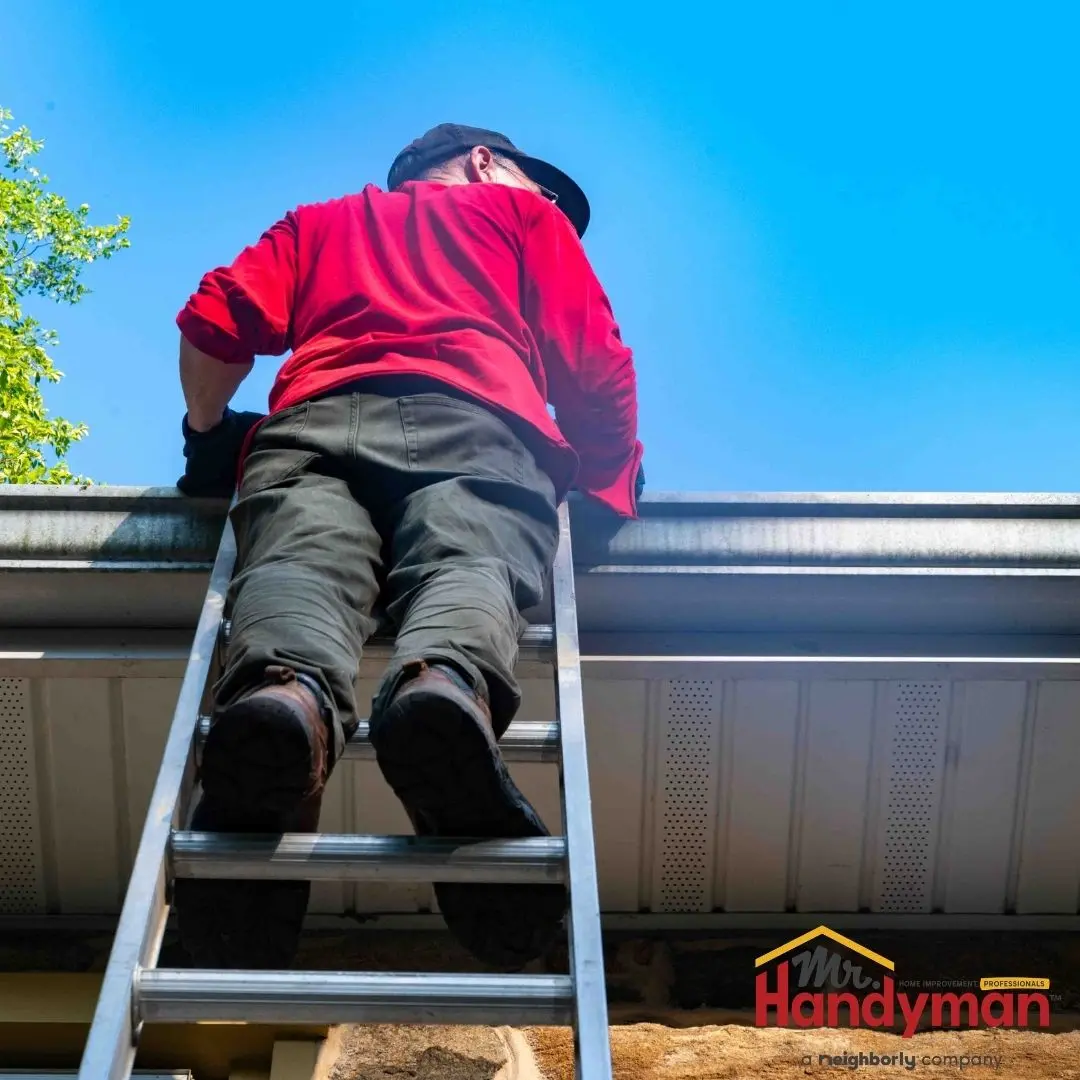
The financial return that routine handyman maintenance delivers in Charleston and Summerville homes compounds through the seasons that consistent maintenance sustains building envelope integrity, plumbing system function, mechanical efficiency, exterior surface protection, and coastal hardware condition against the afternoon thunderstorm pattern's year-round precipitation contact, the hot, humid subtropical coastal summer's biological growth activation, the coastal salt air's continuous atmospheric accumulation and corrosion, the hurricane season's significant storm building performance testing, and the service area's water chemistry mineral accumulation. Each maintenance interval that identifies and addresses developing conditions before they advance toward the repair scope that deferred discovery requires prevents the cost amplification that the Lowcountry's combined coastal mechanisms create when those conditions progress through the deterioration stages that the South Carolina coastal climate advances simultaneously in the household systems and building assemblies of Charleston and Summerville homes.
The preventive replacement value that routine maintenance delivers reflects the component service life extension that proactive attention provides against the accelerated deterioration that the afternoon thunderstorm pattern's year-round moisture contact, the coastal salt air's atmospheric corrosion, and the service area's water chemistry mineral accumulation together advance in household systems without the routine intervention that early condition identification provides. A water heater in a Summerville home that routine annual assessment confirms is receiving the flushing maintenance that moderately harder aquifer water's sediment accumulation specifically warrants reaches its calendar service threshold rather than the shortened timeline that harder water advances in unmaintained tanks, and the service life extension that the difference represents compounds against the replacement cost that earlier deterioration without maintenance requires in the Lowcountry context.
The emergency avoidance return that routine maintenance provides reflects the cost differential between the planned repair that routine assessment identifies at the competitive pricing non-emergency circumstances provide versus the emergency repair that unexpected failure demands under the time pressure that emergency circumstances create in the active Lowcountry service market. The building envelope caulking that routine assessment replaces before the afternoon thunderstorm pattern's year-round precipitation tests the compromised position continuously costs the planned replacement investment. The same compromised position, discovered when the hot, humid subtropical coastal summer's biological activation has advanced through the infiltrated moisture that failed sealant allowed, costs the emergency assessment, the biological treatment, the salt air cleaning, and the interior restoration that the combined Lowcountry coastal mechanisms create in the affected building assembly.
Building the Lowcountry Routine Maintenance Calendar
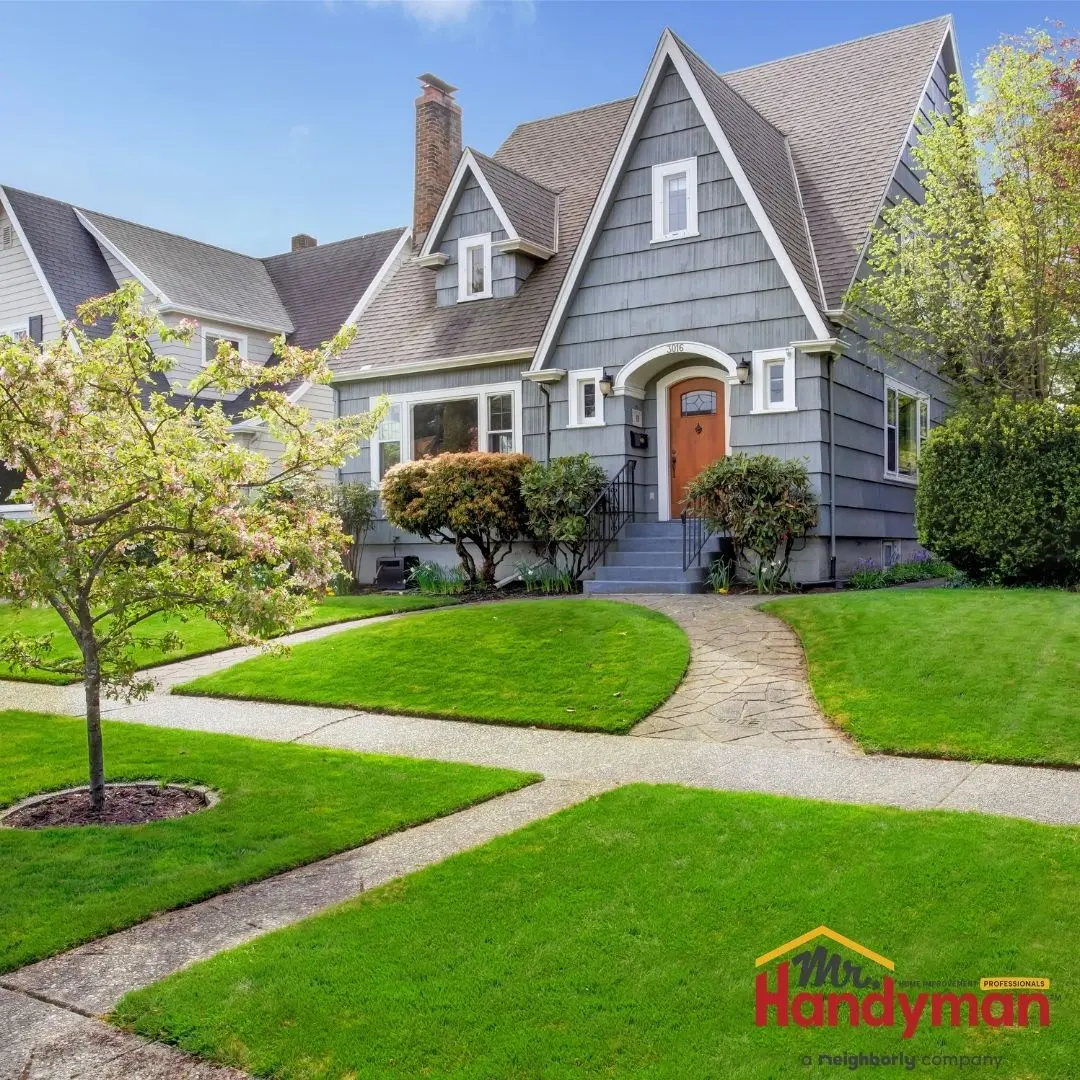
Spring maintenance priorities for Charleston and Summerville homes reflect the post-mild-winter and pre-subtropical-summer assessment opportunity that the regional transition creates as the natural evaluation timing for the biological growth the mild winter sustained and the spring's warming activated, the salt air accumulation the winter's continuous coastal atmospheric contact created, the building envelope conditions the year-round precipitation tested, and the mechanical system transition the cooling season's activation requires. Building envelope caulking assessment, gutter cleaning, combined biological and salt air treatment at exterior positions, deck structural confirmation and hardware corrosion assessment, HVAC cooling system transition service including condensate drain clearing, plumbing fixture and supply connection evaluation, and the water heater sediment confirmation that the service area's water chemistry warrants all represent the spring maintenance timing the Lowcountry's post-winter and pre-summer window creates.
Summer maintenance priorities reflect the outdoor coastal living season's concentration of use on exterior structures, the HVAC cooling system's extended peak demand period against Dominion Energy South Carolina residential rates, the biological growth monitoring that the hot, humid subtropical coastal summer makes specifically important for moisture-adjacent interior and exterior positions, and the hurricane season's building performance testing that significant coastal storm events deliver to whatever building envelope conditions and drainage system adequacy current maintenance has provided. Mid-summer biological monitoring and post-storm building envelope assessment after significant hurricane season events both provide the secondary assessments that comprehensive Lowcountry maintenance management incorporates alongside the seasonal primary maintenance events.
Fall maintenance priorities create the pre-mild-winter preparation discipline that the approaching mild but genuine South Carolina Lowcountry winter and the hurricane season's continuing presence through November motivate as the maintenance timing that protecting building envelope conditions, outdoor plumbing, and mechanical systems before the regional winter warrants. Gutter cleaning before the winter's organic debris accumulation, outdoor plumbing confirmation for the occasional genuine freeze risk the regional climate history demonstrates, HVAC heating transition service, and the weatherstripping and threshold seal assessment that heating season energy efficiency requires at building envelope entry positions all represent the fall maintenance timing that the Lowcountry's seasonal transition creates as the pre-winter preparation window.
Frequently Asked Questions
How does routine maintenance specifically protect Charleston and Summerville home values? The active coastal South Carolina residential market rewards the documented maintenance history and the current building condition that routine maintenance sustains in the competitive transaction environment the Lowcountry listing season creates. The quality-aware buyers whose previous residential and hospitality experience established the condition evaluation standards they apply bring those references to every Charleston and Summerville property assessment, and the routine maintenance documentation that confirms current building envelope integrity, functional plumbing and mechanical systems, the combined biological and salt air management that the coastal climate specifically warrants, and the hurricane season preparedness that the Lowcountry's active storm calendar motivates demonstrates the investment protection that the active regional market rewards when buyers evaluate maintained properties against the deferred alternatives the competitive coastal listing environment simultaneously presents.
What routine maintenance frequency does the Lowcountry's subtropical coastal climate warrant for regional homes? Annual inspection addressing building envelope sealant, gutter function, combined biological and salt air assessment at exterior and moisture-adjacent interior positions, plumbing fixture and supply connection condition, mechanical system performance, and the service area's water chemistry accumulation in water-using systems provides the appropriate baseline frequency. The hot, humid subtropical coastal summer's peak biological growth activation period and the hurricane season's significant storm events both warrant the mid-season and post-storm monitoring that confirms spring maintenance has maintained its effectiveness and that storm events have not created new building envelope conditions requiring attention between annual primary assessment intervals.
Is professional routine maintenance more cost-effective than DIY for Lowcountry homeowners? Professional routine maintenance delivers the regional expertise and the condition assessment depth that the South Carolina Lowcountry's combined coastal mechanisms require to evaluate accurately before those conditions advance beyond the early intervention scope that cost-effective repair addresses. The building envelope sealant adhesion assessment that identifies developing failure before moisture infiltration, the combined biological and salt air condition identification that professional evaluation provides at the early-stage treatment timing that most cost-effective intervention requires, the coastal hardware corrosion assessment that the salt air atmospheric contact makes specifically consequential, and the hurricane season building performance evaluation that post-storm assessment provides all represent the professional expertise that Lowcountry's combined subtropical coastal maintenance demands require for the condition accuracy that adequate maintenance frequency and appropriate intervention timing depend on.
What is the most consequential routine maintenance item for Lowcountry home longevity? Annual building envelope caulking assessment combined with combined biological and salt air treatment at exterior facade and hardware positions and sealant replacement at identified failure positions delivers the most consequential routine maintenance contribution to Charleston and Summerville home longevity. The moisture infiltration that failed building envelope sealant allows, the biological growth that the hot, humid subtropical coastal summer activates in the building assembly that infiltrated moisture reaches, and the salt air corrosion that the coastal atmosphere advances at inadequately maintained exterior hardware and facade positions together provide the pathways through which the Lowcountry's combined coastal mechanisms enter and advance the interior and exterior deterioration that those specific household positions communicate when routine assessment and treatment does not intercept those conditions at the early-stage maintenance scope that cost-effective intervention provides.
How does the South Carolina Lowcountry's hurricane season specifically affect routine maintenance planning? The active June through November hurricane season that the South Carolina coast manages creates the building envelope integrity confirmation, the drainage system assessment, and the emergency preparedness verification that routine maintenance incorporates as the specifically coastal annual investment those storm season conditions motivate completing before the active storm calendar creates the concentrated building performance testing those coastal storms deliver. The Lowcountry household whose routine maintenance program confirms building envelope integrity and drainage adequacy before the hurricane season activates provides the structural foundation that adequate coastal storm performance requires, and the post-significant-storm assessment that confirms those conditions have maintained their integrity through the concentrated storm event provides the building condition awareness that storm performance evaluation and insurance documentation both specifically require.
Lowcountry Homes That Perform Through Every Coastal Season
The routine handyman maintenance discipline that Charleston and Summerville area homeowners sustain through the annual and seasonal maintenance intervals the afternoon thunderstorm pattern's year-round precipitation contact, the hot, humid subtropical coastal summer's biological growth activation, the coastal salt air's continuous atmospheric accumulation and corrosion, the hurricane season's significant storm building performance testing, and the service area's water chemistry mineral accumulation all specifically create delivers its compounding return through the building envelope integrity that caulking maintenance and combined biological and salt air treatment sustains against the year-round precipitation and the coastal atmospheric conditions, the plumbing system function that the service area's water chemistry assessment sustains against the mineral accumulation those conditions create, the mechanical system efficiency that HVAC transition service maintains against the Lowcountry's extended subtropical cooling demands, and the biological growth and salt air management that seasonal assessment and treatment provides against the warm, humid coastal conditions the regional summer advances on household surfaces between maintenance intervals. Each routine maintenance investment compounding through the South Carolina Lowcountry's coastal seasons that consistent management sustains above the deterioration that the subtropical coastal climate advances without the proactive attention that Charleston and Summerville home longevity specifically requires.
Mr. Handyman of Charleston and Summerville has the regional expertise to help homeowners develop and execute the routine maintenance programs that the South Carolina Lowcountry's specific subtropical coastal climate demands require for lasting home performance throughout the service area.
Website: https://www.mrhandyman.com/charleston-summerville/
Serving homeowners throughout Charleston, Summerville, and the surrounding Lowcountry communities with dependable service and the expertise your home deserves.
