The Lowcountry's Coastal Climate Makes Routine Maintenance a Commercial Necessity
The case for routine maintenance in Charleston and Summerville commercial buildings is stronger than the same case in moderate inland climate markets because the South Carolina Lowcountry's specific mechanisms advance commercial building systems toward deterioration thresholds at rates that the hot, humid subtropical summer's biological growth activation on building envelope and interior surfaces, the afternoon thunderstorm pattern's concentrated moisture loading on commercial facades and drainage systems, the coastal salt air's atmospheric corrosive contact on building materials and hardware, the hurricane season's significant storm events that test building envelope integrity under the concentrated conditions those coastal storms create, and the service area's water chemistry mineral accumulation in building mechanical and plumbing systems all together create between maintenance intervals more aggressively than moderate inland climates without those combined coastal regional mechanisms produce.
The financial case reflects the specific cost amplification that the South Carolina Lowcountry's coastal climate creates when developing commercial building conditions advance beyond the maintenance threshold that early intervention addresses cost-effectively. A commercial roofing membrane seam that annual inspection identifies as a developing condition addresses through targeted repair at the maintenance cost that early identification provides. Left unaddressed through the afternoon thunderstorm pattern's concentrated moisture loading, the coastal salt air's penetrating contact at that membrane position, and the subtropical summer's biological growth activation in the building assembly that any infiltration reaches, that same seam progresses to the interior infiltration that ceiling system damage, biological establishment, and the remediation scope those conditions create at costs that dwarf the targeted repair that early assessment would have required in the Lowcountry coastal commercial building context.
The Charleston commercial real estate environment creates the property value context that routine maintenance specifically protects across the tourist economy's commercial properties, the historic King Street and East Bay commercial districts, the MUSC medical campus support commercial operations, the College of Charleston community's commercial corridor, and the Summerville residential commercial operations that Dorchester County's sustained growth sustains. The historic preservation community's commitment to building quality and the tourist economy's commercial property presentation expectations both create the commercial building condition evaluation standard that routine maintenance specifically sustains against the Lowcountry's combined coastal climate mechanisms that advance those building conditions toward deterioration without proactive intervention.
The hurricane season creates the most distinctively Lowcountry commercial building longevity challenge that the South Carolina coast presents as the specifically coastal building performance test that significant storm events deliver to commercial building envelope integrity, drainage system function, and the building mechanical and electrical systems that storm surge, significant rainfall, and high wind conditions simultaneously test under the concentrated coastal storm conditions those events create for Lowcountry commercial buildings. The commercial building whose routine maintenance program confirms building envelope integrity, drainage system adequacy, and the mechanical system conditions that hurricane season storm events test provides the structural foundation that adequate storm performance requires when active weather conditions deliver the concentrated coastal storm test that the Lowcountry's June through November hurricane calendar creates annually.
The coastal salt air dimension of Lowcountry commercial building longevity creates the specifically coastal maintenance priority that the atmospheric salinity the regional proximity to tidal waterways and the Atlantic creates advances in building facade materials, exterior hardware, roofing membrane flashings, and the metal building components that salt air specifically contacts between maintenance intervals at the corrosive rates the coastal atmospheric environment produces more aggressively than inland building conditions without the salt air mechanism experience between comparable service periods.
Building Envelope Maintenance for Lowcountry Commercial Longevity
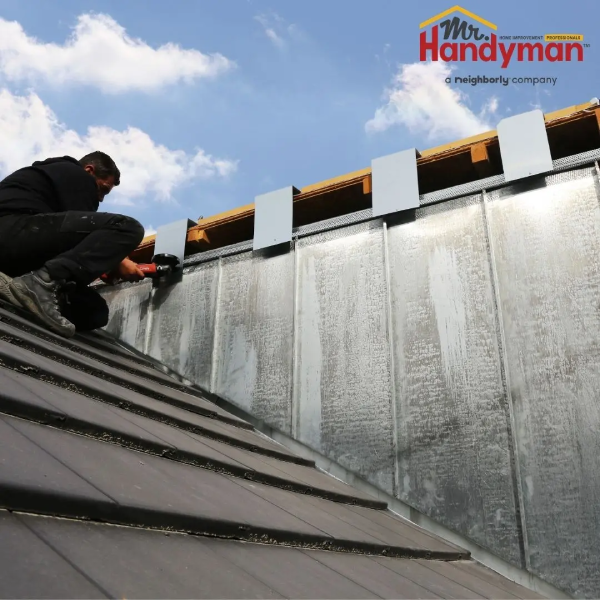
Commercial roofing membrane maintenance delivers the most consequential building longevity return for Lowcountry commercial properties because the afternoon thunderstorm pattern's concentrated moisture loading on roofing surfaces, the coastal salt air's atmospheric penetration at roofing membrane flashing and parapet positions, the hot, humid subtropical summer's biological growth activation on membrane surfaces, and the hurricane season's significant wind and rainfall events that test membrane integrity under concentrated coastal storm conditions all together create the deterioration mechanisms that annual inspection specifically intercepts before developing conditions advance to the full replacement scope that undetected progression requires in the Lowcountry coastal commercial building context.
Building envelope sealant replacement at the intervals that the South Carolina Lowcountry's thermal variation, the afternoon thunderstorm pattern's concentrated moisture loading, and the coastal salt air's atmospheric penetration advance sealant deterioration through provides the moisture exclusion that commercial building envelope integrity depends on at window perimeters, storefront transitions, and utility penetrations. The afternoon thunderstorm moisture and the coastal atmospheric humidity that the regional coastal setting creates test those sealant positions continuously through the active warm season, and the biological establishment and the structural conditions that the subtropical summer accelerates once moisture has entered the building assembly through failed sealant warrants the routine assessment and replacement that prevents those infiltration conditions from advancing beyond the maintenance-scale intervention scope.
Biological and salt air treatment of building envelope surfaces as a routine maintenance component addresses the organic establishment that the hot, humid Lowcountry summer activates on commercial roofing membrane surfaces at parapet positions, exterior masonry and cladding faces, and the building envelope transition positions where afternoon thunderstorm moisture and coastal atmospheric humidity create the biological growth substrate the subtropical warm season advances at the rates the Lowcountry's coastal conditions create in those exterior positions between professional treatment intervals. The salt air mineral deposits that the coastal environment creates on those facade positions compound the biological establishment, making the combined biological and salt air treatment discipline that lasting Lowcountry commercial building envelope maintenance requires more demanding than inland subtropical commercial guidance addresses without the coastal salt air mechanism.
Masonry joint repointing in established Charleston commercial buildings addresses the mortar deterioration that the South Carolina Lowcountry's thermal variation, the afternoon thunderstorm pattern's concentrated moisture contact, and the coastal salt air's penetrating atmospheric contact create in mortar joint materials between repointing intervals. The coastal salt air's specifically corrosive atmospheric contact at masonry joint positions advances the mortar deterioration that the regional setting creates more aggressively than inland commercial building masonry experiences between comparable repointing intervals.
Mechanical System Maintenance for Lowcountry Commercial Longevity
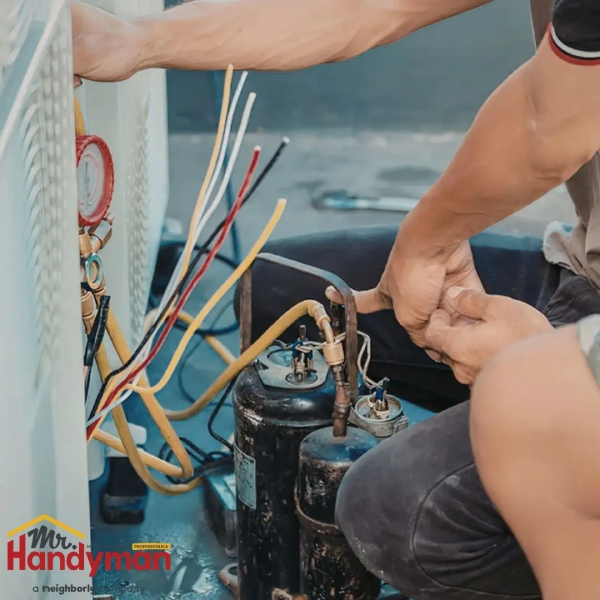
Commercial HVAC system maintenance that extends mechanical system service life in Lowcountry buildings reflects the South Carolina Lowcountry's genuinely long subtropical cooling season that concentrates maximum load on commercial systems through the extended warm months, the coastal atmospheric humidity that the regional setting creates as the latent cooling load those systems manage simultaneously with sensible heat loading, and the service area's water chemistry mineral deposits in HVAC condensate components between professional service intervals. The condensate drain biological growth that the subtropical coastal warm season activates in those moisture-rich passages, the coil fouling from the regional water contact and biological activation, and the filter loading that the Lowcountry's warm, humid coastal conditions create in commercial filter media all advance the mechanical wear that routine maintenance intercepts before component deterioration requires the premature replacement that deferred service accelerates.
Commercial plumbing system maintenance for Charleston and Summerville buildings addresses the water chemistry mineral accumulation that the service area's varied hardness creates in commercial water heater tanks, the backflow prevention device conditions the regional water chemistry advances, and the drain system biological accumulation that the subtropical coastal warm season activates in those moisture-adjacent plumbing positions between professional maintenance intervals. Summerville commercial operations on harder aquifer water at approximately 7.2 grains per gallon specifically warrant the more frequent flushing, descaling, and device testing that the accelerated mineral accumulation those conditions create motivates compared to the more modest mineral accumulation that Charleston surface water at 3.4 grains per gallon creates between comparable service periods.
Structural and Interior Maintenance for Lowcountry Commercial Longevity
Annual structural assessment of Charleston and Summerville commercial buildings evaluates the foundation conditions, the structural framing, and the load-bearing positions that the South Carolina Lowcountry's afternoon thunderstorm pattern's concentrated moisture loading at foundation-adjacent positions, the coastal salt air's atmospheric contact on exposed structural connections, the subtropical summer's biological growth activation at moisture-adjacent structural positions, and the hurricane season's significant wind and storm surge loading on structural systems all together create as the building longevity conditions that annual assessment identifies before deterioration advances beyond the intervention scope that early discovery provides.
Interior humidity management through the South Carolina Lowcountry's genuine subtropical coastal seasonal variation protects commercial building interior finishes and the structural assemblies those finishes cover from the biological growth conditions that inadequate humidity management allows to develop in the hot, humid subtropical coastal summer. The warm season's genuinely elevated coastal moisture conditions require the dehumidification management that prevents biological establishment in wall cavities, ceiling assemblies, and the moisture-adjacent interior positions that the regional ambient temperatures and coastal humidity together advance without the mechanical humidity control that commercial building longevity specifically requires through the extended Lowcountry warm months.
The hurricane season post-storm interior assessment that follows significant Lowcountry coastal storm events evaluates whether building envelope conditions have advanced the moisture infiltration that ceiling staining and wall moisture conditions communicate in the commercial building interior before the exterior assessment has confirmed the full scope of the envelope conditions those storm events tested. The interior assessment that identifies infiltration positions provides the insurance documentation and the repair prioritization that addresses the most consequential moisture infiltration conditions before the subtropical warm season activates biological growth in the building assembly positions that infiltrated storm moisture reached during the coastal storm event.
The Compounding Return of Consistent Lowcountry Commercial Maintenance
The financial return that routine commercial building maintenance delivers in Charleston and Summerville compounds through the seasons that consistent maintenance sustains building envelope integrity, mechanical system efficiency, and structural condition against the South Carolina Lowcountry's afternoon thunderstorm pattern, the hot, humid subtropical coastal summer's biological growth activation, the coastal salt air's atmospheric corrosive contact, the hurricane season's storm event building envelope testing, and the service area's water chemistry mineral accumulation. Each maintenance interval that identifies and addresses developing conditions before they advance toward the repair scope that deferred discovery requires prevents the cost amplification that the regional coastal climate creates when those conditions progress through the deterioration stages that the Lowcountry's combined mechanisms advance simultaneously in the commercial building systems and assemblies of Charleston and Summerville properties.
The emergency avoidance return reflects the cost differential between the planned repair that routine assessment identifies at the competitive pricing non-emergency circumstances provide versus the emergency response that unexpected building failure demands under the time pressure that emergency circumstances create in the active Lowcountry commercial service market. The roofing membrane position that annual inspection identifies and targeted repair addresses costs the planned intervention investment. The same position, discovered when interior ceiling staining communicates the moisture infiltration that undetected progression allowed during a significant afternoon thunderstorm event or a coastal storm system, costs the emergency building assessment, the ceiling system remediation, the biological treatment, and the interior restoration that the subtropical coastal summer's biological acceleration creates in the affected commercial building assembly.
Frequently Asked Questions
How does the South Carolina Lowcountry's coastal climate specifically accelerate commercial building deterioration?
The afternoon thunderstorm pattern's concentrated moisture loading on building envelope surfaces throughout the active summer season, the hot, humid subtropical coastal summer's biological growth activation on building envelope and interior surfaces, the coastal salt air's atmospheric corrosive contact on building facade materials and hardware, the hurricane season's significant storm events that test building envelope integrity under concentrated coastal conditions, and the service area's water chemistry mineral accumulation in building mechanical and plumbing systems all together create the combined deterioration mechanisms that the Lowcountry's coastal commercial environment advances more aggressively than moderate inland climates without those specific regional coastal conditions produce between comparable maintenance intervals.
What routine maintenance delivers the strongest longevity return for Lowcountry commercial buildings?
Building envelope sealant maintenance combined with annual biological and salt air treatment of exterior facade positions delivers the strongest longevity return because moisture infiltration through failed sealant positions and the combined biological and salt air deterioration of building facade materials allows the subtropical coastal summer to advance biological establishment in the building assembly that entered moisture and surface deterioration sustain simultaneously. Every dollar of sealant replacement and biological and salt air treatment that prevents that combined deterioration returns multiples in avoided interior, structural, and biological remediation costs across the commercial building's service life in the Lowcountry coastal climate context.
How does the hurricane season specifically affect commercial building maintenance planning in the Lowcountry?
The active June through November hurricane season that the South Carolina Lowcountry manages creates the building envelope integrity confirmation, the drainage infrastructure assessment, and the structural connection evaluation that pre-hurricane season routine maintenance specifically warrants completing before the active storm calendar creates the concentrated building performance testing those coastal storm events deliver to commercial building envelope conditions that deferred maintenance has allowed to advance beyond the adequate performance threshold between annual maintenance intervals. The commercial building whose routine maintenance program confirms building envelope integrity and drainage adequacy before the hurricane season activates provides the structural foundation that adequate coastal storm performance requires when significant weather events deliver the concentrated building tests the Lowcountry's storm season creates.
Should Lowcountry commercial buildings prioritize exterior or interior maintenance for longevity?
Exterior building envelope maintenance warrants first priority because the moisture exclusion that building envelope integrity provides specifically protects the interior assemblies, mechanical systems, and structural components that moisture infiltration compromises when the afternoon thunderstorm pattern's concentrated moisture loading and the coastal atmospheric humidity reach the building interior through failed sealant and deteriorated roofing conditions. Interior maintenance that proceeds without confirmed building envelope integrity in the Lowcountry's active afternoon thunderstorm season and coastal atmospheric humidity context invests in conditions that subsequent infiltration will deteriorate before those investments deliver their intended service life against the regional coastal mechanisms the afternoon storm pattern and the coastal atmospheric environment concentrate on whatever building envelope conditions currently exist.
What is the most consequential routine maintenance item for Lowcountry commercial building longevity?
Annual roofing membrane inspection combined with biological and salt air treatment of building envelope facade positions and building envelope sealant assessment provides the most consequential routine maintenance contribution to commercial building longevity in the Charleston and Summerville market. The roofing membrane that maintains integrity through the afternoon thunderstorm pattern's concentrated moisture loading, the coastal salt air's atmospheric penetration at flashing and parapet positions, the subtropical summer's biological growth activation on membrane surfaces, and the hurricane season's significant wind and rainfall events protects every building system and interior assembly beneath it from the infiltration that compromised conditions allow. No other single building system's routine maintenance delivers the same comprehensive protection that an intact, biologically managed, salt air-treated roofing membrane and confirmed sealant integrity provide continuously through every weather event the South Carolina Lowcountry's coastal climate creates across the commercial building's service life.
Lowcountry Commercial Buildings That Last Through Every Coastal Season
The commercial buildings across Charleston, Summerville, and the surrounding Lowcountry communities whose operators sustain the routine maintenance discipline that the afternoon thunderstorm pattern's concentrated moisture loading, the hot, humid subtropical coastal summer's biological growth activation, the coastal salt air's atmospheric corrosive contact, the hurricane season's significant storm building performance testing, and the service area's water chemistry mineral accumulation all specifically demand perform through decades of commercial service at the condition quality that the Charleston tourist economy's sophisticated visitor population, the MUSC and College of Charleston professional community, and the active Lowcountry commercial market's expectations require. Building envelope sealant maintained at the afternoon thunderstorm and coastal atmospheric humidity intervals the regional conditions warrant. Roofing membranes inspected, biologically treated, and salt air cleaned annually. HVAC systems transitioned and serviced at the extended subtropical cooling season and biological growth intervals the coastal conditions create. Plumbing systems maintained against the service area's water chemistry mineral accumulation at the intervals those specific conditions motivate. Structural and interior conditions assessed through the routine maintenance discipline that hurricane season preparedness and early intervention together provide. Each routine maintenance investment compounding through the South Carolina Lowcountry's coastal seasons that consistent management sustains above the deterioration that the regional subtropical coastal climate advances without the proactive attention that Lowcountry commercial building longevity specifically requires.
Mr. Handyman of Charleston and Summerville has the commercial building experience to help property owners and managers develop and execute the routine maintenance programs that the South Carolina Lowcountry's specific coastal climate demands require for lasting commercial building performance.
Website: https://www.mrhandyman.com/charleston-summerville/
Serving businesses throughout Charleston, Summerville, and the surrounding Lowcountry communities with dependable commercial maintenance and the expertise your property deserves.