
What Lowcountry Homeowners Don't Know Is Costing Them
The plumbing system in a Charleston or Summerville home operates almost entirely out of sight. Supply lines run behind walls and beneath floors. Drain systems move waste through the building envelope without visible evidence of what accumulates inside those pipes between service events. Water heaters sit in utility rooms cycling through heating sequences while biological film and moderate sediment build in tank positions and anode rods deplete toward the threshold where tank wall deterioration advances past the protection those rods provide. Stop valves at every toilet, sink, and appliance position carry the biological accumulation and moderate mineral contact the Charleston Water System's soft surface water and the Lowcountry's year-round warmth advance in those internals since installation, moving toward the seized condition preventing emergency isolation when an active supply failure requires it.
The routine plumbing inspection exists precisely because the plumbing system's invisible operating character means developing conditions advance toward failure thresholds without the visual communication other household systems provide before reaching consequential deterioration. The Charleston or Summerville roof needing attention shows the missing shingles or the moss growth visible from the ground. The HVAC system needing service delivers the performance changes occupants notice during daily use. The plumbing system advancing toward failure delivers almost no external signal until the failure arrives, and in the Lowcountry's specifically subtropical context, the failure that the year-round biological activity, the sustained warmth and humidity, the coastal salt air, and the hurricane season's moisture events have been accelerating toward arrives with the full cost and disruption that early inspection investment specifically prevents.
The Charleston historic preservation community and the active Lowcountry real estate market add the inspection motivation that the sophisticated regional buyer pool and the historic district oversight those communities create as the property condition context. The older Charleston peninsula home, the established Summerville neighborhood property, and the coastal barrier island residence whose plumbing condition reflects documented routine inspection and the informed regional maintenance awareness the Lowcountry's specifically subtropical environment requires all communicate the property stewardship the sophisticated regional market rewards in ways the absence of those records cannot replicate when listing activity concentrates the buyer assessment on those property conditions.
The Lowcountry Case for Routine Plumbing Inspections
The case for routine plumbing inspections in Charleston and Summerville is specifically stronger than the same case in more moderate or less biologically active markets because the regional mechanisms advance household plumbing toward failure thresholds at rates that other markets without the combined Lowcountry conditions do not produce between comparable maintenance intervals.
The year-round subtropical warmth maintains biological film in drain pipe surfaces, aerator screens, showerhead nozzles, condensate drain pathways, and toilet internal components continuously, without the cooler season interruption that slows those biological mechanisms in more moderate climates between warm season periods. The Charleston Water System's soft surface water biological activity and the sustained warmth advances creates the accumulation those household plumbing positions carry between professional service events at the specifically Lowcountry biological activity rate. The coastal salt air the marine atmosphere creates at the barrier island and waterfront residential communities advances corrosion in outdoor supply hardware, building envelope-adjacent supply fittings, and pressure reducing valve body positions between inspection events at the rates the marine coastal atmosphere produces in those plumbing hardware positions. The hurricane season's June-through-November storm activity tests gutter drainage capacity, building envelope-adjacent plumbing positions, and the crawl space moisture management conditions those Lowcountry properties navigate through the active storm period that routine inspection specifically prepares for.
Every developing condition routine inspection identifies at the early stage represents the cost-effective intervention that the same condition requires at a fraction of the emergency repair cost when discovered at the failure stage. The HVAC condensate drain biological restriction that inspection identifies before the peak summer humidity loading concentrates condensate volumes against that restricted pathway costs the biological treatment and drain clearing the assessment motivates. The same restriction, discovered when active ceiling water damage communicates the overflow condition the restricted drain created during a peak summer humidity week, costs the ceiling remediation and the biological establishment that active water contact in those ceiling assemblies creates in the Lowcountry's specifically warm, humid environment where biological growth in moisture-damaged building materials advances at rates the cooler markets without the subtropical warmth do not produce between comparable remediation timelines.
What a Routine Plumbing Inspection Covers in a Lowcountry Home
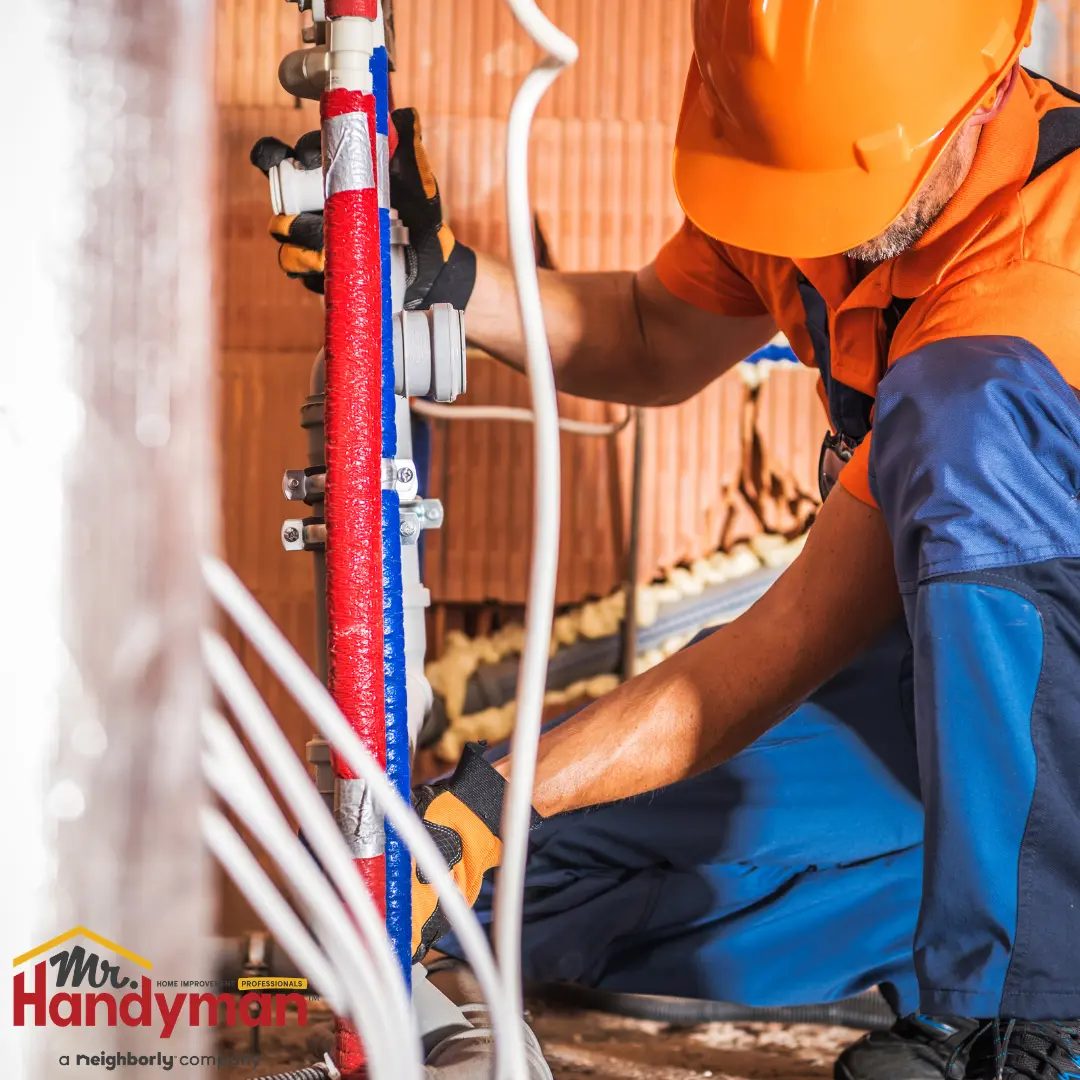
The comprehensive routine plumbing inspection Charleston and Summerville homes benefit from addresses the supply system, the drain system, the water heater, the fixture conditions, the outdoor plumbing and coastal hardware positions, and the hurricane season drainage readiness that the Lowcountry's specifically subtropical climate, the coastal salt air, and the active storm season together create as the inspection scope the regional residential context warrants.
Supply system inspection evaluates the visible supply pipe conditions in accessible crawl space, utility, and attic positions for the biological accumulation, the joint deterioration, and the pipe material conditions the home's construction era and the Charleston Water System's biological activity and sustained subtropical warmth have advanced. For older Charleston, North Charleston, and Summerville homes, supply system inspection includes pipe material identification confirming or ruling out the polybutylene presence the 1978 to 1995 construction window may have introduced, the cast iron and galvanized steel condition assessment pre-1960s supply systems warrant, and the copper pinhole leak pattern evaluation the coastal salt air and the year-round biological warmth advance in aging coastal copper supply systems. The inspection identifying polybutylene presence before the fitting failure that material produces delivers active supply pressure into the building provides the repair timing emergency circumstances do not afford in the Lowcountry residential context.
Drain system inspection evaluates the drain line performance, the P-trap and clean-out access conditions, and the biological accumulation the Charleston Water System's soft surface water and the Lowcountry's year-round warmth advance in those drain surfaces between professional cleaning events. Running water through every fixture drain position and observing whether flow drains quickly and completely or communicates the partial restriction the biological accumulation the subtropical warmth maintains in those drain pipe surfaces advances identifies the professional biological cleaning and treatment adequate drain capacity restoration requires before active backup events create the health and property damage restricted drains eventually produce. Cast iron drain systems in older Charleston, North Charleston, and Summerville homes warrant the camera inspection confirming biological accumulation extent, root intrusion, and joint condition that surface-level performance assessment cannot fully evaluate without the visual confirmation of interior pipe conditions that camera inspection provides.
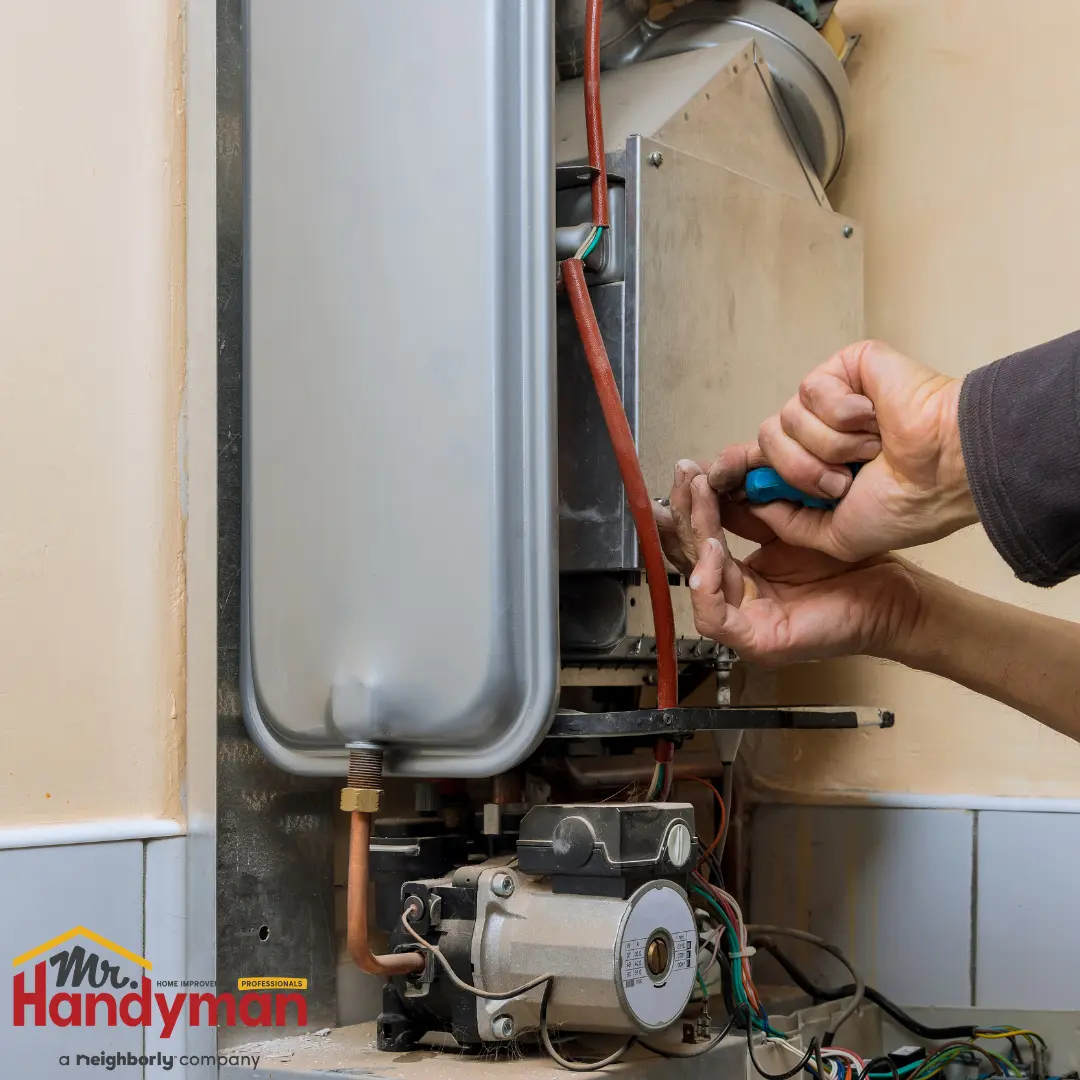
Water heater inspection evaluates the tank biological accumulation and moderate sediment level the year-round Lowcountry warmth advances continuously in those tank positions, the anode rod depletion status, the supply and outlet connection integrity, the temperature and pressure relief valve function, and the flue and venting conditions for gas units. The water heater inspection identifying the anode rod depletion before tank wall deterioration advances to the leak threshold extends the tank's service life through the simple rod replacement the depletion assessment motivates before the tank itself requires replacement. The Lowcountry's year-round warmth advancing biological accumulation in those tank positions continuously without the cooler season interruption that slows that accumulation in more moderate climates warrants the annual inspection frequency the specifically subtropical regional context motivates for water heater system maintenance in Charleston and Summerville homes.
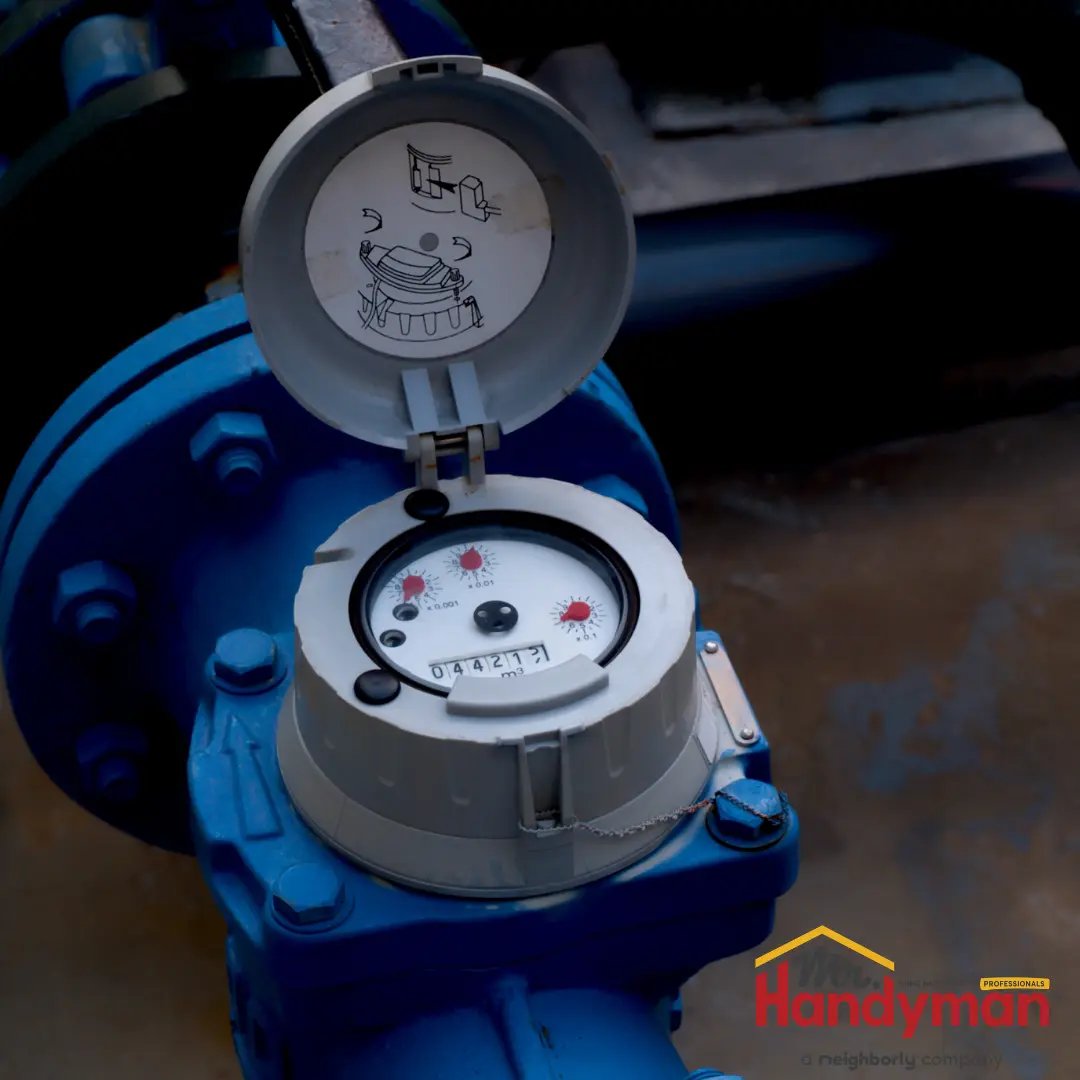
Fixture inspection evaluates the faucet aerator biological restriction, the showerhead spray pattern and nozzle biological condition, the toilet flapper integrity and tank-to-bowl seal advancing toward biological deterioration in the Lowcountry's warm, humid enclosed bathroom environment, the supply stop valve function at each fixture position, and the visible supply and drain connection conditions each fixture presents. The fixture inspection identifying developing aerator biological restriction before the peak summer heat accelerates that biological activity to the concentrated restriction those positions carry at the most intense Lowcountry seasonal period addresses those conditions at the simple cleaning or replacement scope rather than the compounded frustration the peak summer demand and inadequate fixture performance create simultaneously.
Outdoor plumbing and coastal hardware inspection evaluates the hose bib vacuum breaker integrity, the outdoor faucet supply connection conditions, and the salt air corrosion the marine atmosphere advances in the outdoor supply hardware at barrier island and waterfront properties between the inspection and replacement intervals that the coastal residential context warrants. The coastal property inspection confirming vacuum breaker function despite the salt air corrosion the marine atmosphere advances in those hardware positions, and the supply connection fitting confirming structural integrity for the hurricane season's significant precipitation and wind events that the coastal Lowcountry calendar concentrates through those outdoor plumbing positions, provides the coastal outdoor plumbing assurance the specifically marine atmosphere and the active storm season together motivate in the coastal Charleston residential context.
Hurricane season drainage readiness evaluates the gutter system biological accumulation and debris loading the year-round Lowcountry warmth activates in those collection positions, the downspout connection integrity directing storm water away from the building foundation during significant precipitation events, and the crawl space moisture management conditions the high groundwater table many Charleston and Summerville properties carry creates as the drainage demand the hurricane season's significant precipitation events concentrate through those under-floor drainage positions. The inspection confirming hurricane season drainage readiness before the active June-through-November storm period concentrates the significant precipitation those Lowcountry properties navigate provides the storm season preparation the specifically regional active storm calendar the Lowcountry's plumbing inspection scope warrants incorporating alongside the standard plumbing assessment categories standard guidance addresses without the hurricane season drainage dimension.
The Lowcountry Climate Creates Natural Inspection Timing
The Charleston and Summerville climate's year-round subtropical character creates the natural inspection timing that the specifically regional conditions motivate as the most productive assessment windows for the plumbing conditions those seasons advance and reveal, different from the four-season markets whose inspection timing aligns with dramatic seasonal transitions the Lowcountry does not experience between the mild winter, the warm spring, the intense summer, and the active hurricane season fall.
Pre-hurricane season inspection timing in late spring before the active June-through-November storm period concentrates significant precipitation through Lowcountry drainage positions confirms the gutter biological accumulation and debris loading status, the outdoor supply hardware condition at coastal properties where salt air has been advancing corrosion since the previous assessment, the crawl space moisture management adequacy for the significant groundwater those hurricane season precipitation events create, and the building envelope-adjacent plumbing positions the storm season's moisture events will test through the active period. The pre-hurricane season inspection providing that assessment before the active storm calendar begins provides the storm readiness confirmation the specifically Lowcountry plumbing inspection scope most productively motivates as the annual assessment timing.
Post-summer peak inspection timing in September or October evaluates the biological accumulation the extraordinary Lowcountry summer heat accelerated in drain pipe surfaces, aerator screens, HVAC condensate drain pathways, and toilet internal components beyond the year-round level those positions carry continuously, the water heater biological and sediment accumulation the sustained summer peak advanced in those tank positions, and the building envelope-adjacent plumbing position conditions the summer's significant afternoon storm activity advanced through the active summer storm period before fall's continued hurricane season activity tests those conditions further through the remaining active storm months.
Frequently Asked Questions
How often should Charleston and Summerville homeowners schedule routine plumbing inspections?
Annual inspections provide the baseline frequency the Lowcountry's year-round biological activity, the Charleston Water System's soft surface water biological character, the coastal salt air the marine atmosphere advances in outdoor and building envelope-adjacent supply hardware positions, and the hurricane season's drainage demands all together warrant. Older Charleston peninsula, North Charleston, and Summerville homes whose construction decades produced galvanized steel, polybutylene, or aging copper supply systems benefit from the semi-annual inspection frequency those more urgent material conditions warrant. Coastal barrier island and waterfront properties whose salt air corrosion advances outdoor and building envelope-adjacent hardware conditions at the marine atmosphere's accelerated rates benefit from the annual assessment specifically evaluating those coastal hardware positions alongside the standard plumbing system assessment the regional context warrants.
What is the most valuable plumbing inspection finding for a Lowcountry homeowner?
HVAC condensate drain biological restriction identification provides the most urgently valuable finding because the Lowcountry's year-round warmth maintains biological film in those drain pathways continuously, creating the restriction the extraordinary summer humidity loading concentrates condensate volumes against without the occupant awareness the enclosed HVAC cabinet and attic drain positions conceal until ceiling damage communicates the overflow condition. The inspection identifying that biological restriction before the peak summer humidity loading concentrates condensate volumes against it provides the biological treatment timing that prevents the ceiling remediation and the biological establishment in those moisture-damaged ceiling assemblies the Lowcountry's subtropical warmth advances rapidly when active water contact reaches those building material positions.
Can a Charleston or Summerville homeowner perform their own routine plumbing inspection?
Homeowners can effectively assess the visible conditions accessible positions present, including aerator flow performance indicating biological restriction, toilet running confirmation, under-sink visual assessment for moisture evidence, and outdoor faucet function with attention to the salt air corrosion visual signs coastal property homeowners assess at those hardware positions between professional inspection events. The scope benefiting from professional expertise includes supply pipe material identification in older homes, pressure gauge assessment at the pressure reducing valve and outdoor hose bib positions, water heater biological accumulation and anode rod evaluation, drain system camera assessment for biological accumulation and root intrusion in older cast iron systems, and the salt air corrosion assessment at coastal outdoor supply hardware and building envelope-adjacent fitting positions the marine atmosphere advances in coastal properties between professional inspection events.
How does the Lowcountry's hurricane season specifically factor into routine plumbing inspections?
The June-through-November Atlantic hurricane season that the Lowcountry navigates creates the drainage readiness assessment the routine plumbing inspection warrants incorporating as the specifically regional storm season scope the standard plumbing inspection guidance does not address without the hurricane season drainage dimension. Gutter biological accumulation and debris loading status confirming adequate storm water collection capacity before the active storm calendar concentrates significant precipitation through those positions, crawl space moisture management assessment confirming the high groundwater table many Lowcountry properties carry is adequately managed before hurricane season precipitation events, and coastal outdoor supply hardware condition confirming storm-event adequacy before the hurricane season's significant precipitation and wind events test those positions all represent the specifically Lowcountry hurricane season plumbing inspection scope the regional active storm calendar motivates as the annual assessment the regional context warrants.
What should Charleston and Summerville homeowners do between professional plumbing inspections?
Quarterly aerator biological cleaning at kitchen and bathroom faucets addressing the Lowcountry's year-round biological activity in those screen positions, monthly visual checks beneath every sink for moisture evidence, annual water heater temperature and pressure relief valve testing, periodic toilet flapper assessment confirming adequate tank seal before the Lowcountry's year-round warmth advances rubber deterioration past the replacement threshold, post-cookout hot water flushing addressing the biological adhesion surface and grease loading the Lowcountry's year-round warmth maintains in kitchen drain positions, and the semi-annual coastal outdoor hardware visual assessment confirming salt air corrosion has not advanced those hardware positions toward the compromised function coastal property homeowners assess between professional inspection events all together provide the between-inspection homeowner maintenance extending professional inspection's protective value through the Lowcountry's specifically year-round active plumbing maintenance calendar.
Lowcountry Plumbing Inspected and Protected
The routine plumbing inspection converts the Charleston and Summerville home's plumbing system from the invisible, advancing-toward-failure condition deferred assessment allows into the documented, managed, early-intervention-positioned system the Lowcountry's year-round biological activity, the subtropical warmth and humidity, the coastal salt air, and the hurricane season's drainage demands together require to perform reliably through every season the specifically Lowcountry annual calendar creates. From the Charleston Water System's biological accumulation in water heater tanks, stop valve internals, and aerator screens to the coastal salt air's corrosion in outdoor supply hardware and building envelope-adjacent fitting positions, from the hurricane season's drainage readiness demands in gutter and crawl space positions to the year-round biological film the subtropical warmth maintains in kitchen drain surfaces and HVAC condensate drain pathways, the Lowcountry's specific conditions create the proactive inspection case that routine assessment investment consistently vindicates through the emergency repairs it prevents and the service life extensions it delivers across the household plumbing systems those inspections protect throughout Charleston, Summerville, Mount Pleasant, North Charleston, Goose Creek, Johns Island, and the surrounding Lowcountry service communities.
Mr. Handyman of Charleston and Summerville
Website: https://www.mrhandyman.com/charleston-summerville/
Serving homeowners and businesses throughout Charleston and Summerville with dependable service and the expertise your home deserves.