
The Lowcountry's Summer Creates Specific Commercial Upgrade Priorities
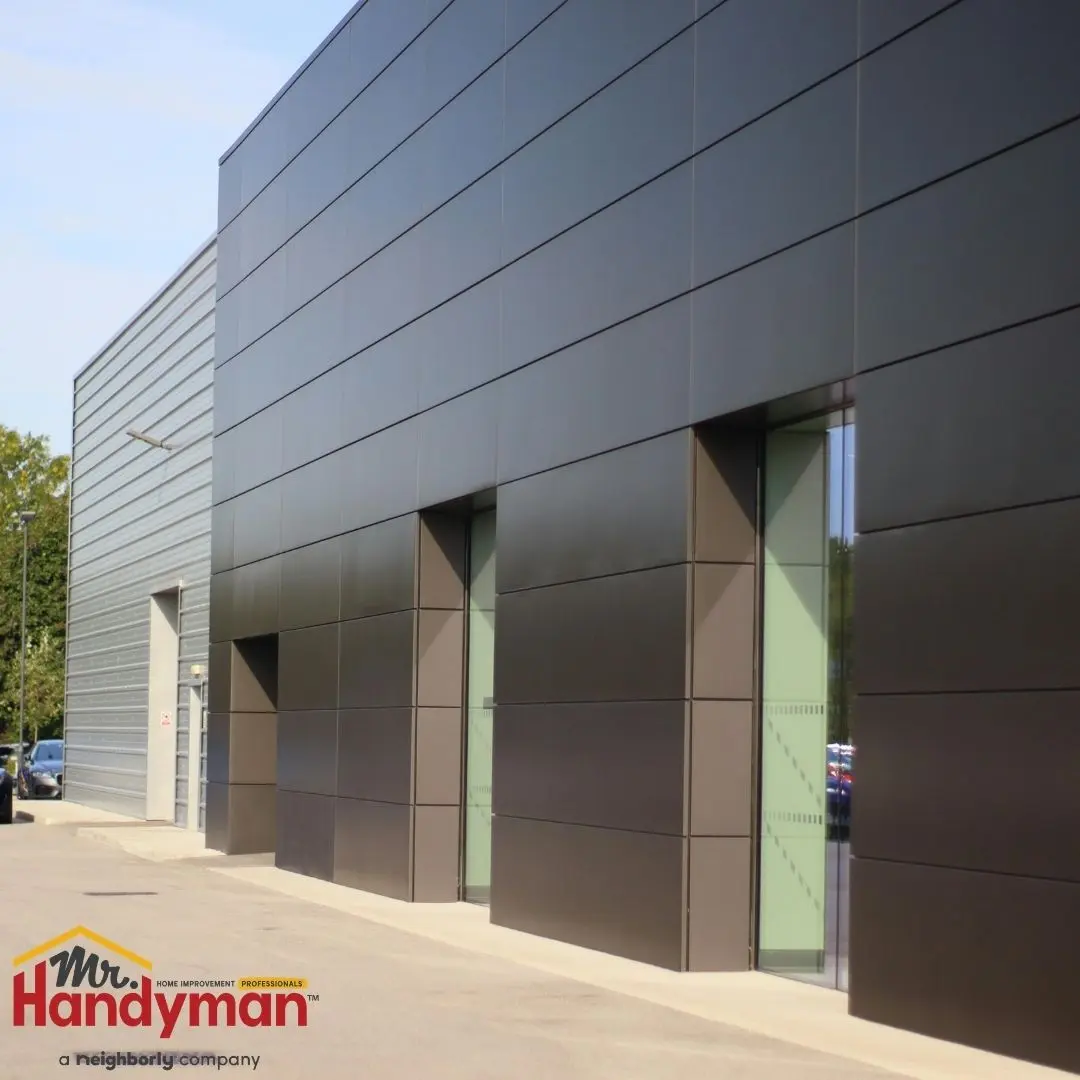
The commercial property upgrade opportunity that the Charleston and Summerville summer creates for the businesses and property managers across the South Carolina Lowcountry reflects the genuine seasonal transition that the regional subtropical coastal climate delivers from the mild winter's moderate conditions through the spring's warming transition and into the hot, humid months that concentrate the commercial activity, the tourist traffic, the customer evaluation, and the property presentation demands that the active Lowcountry commercial environment creates across the service area's diverse business landscape.
The Lowcountry commercial character reflects Charleston's position as one of America's premier tourist and culinary destinations alongside Summerville's role as one of South Carolina's most actively growing residential commercial corridors. The King Street and East Bay commercial districts, the historic Charleston Market and waterfront commercial area, the Upper King Street restaurant and retail corridor, the medical district anchored by MUSC, the Joint Base Charleston support commercial operations in Summerville, and the diverse commercial operations serving the Lowcountry's rapidly growing residential population all carry the commercial property conditions that the South Carolina Lowcountry's hot, humid subtropical summer, the afternoon thunderstorm pattern's concentrated rainfall, the coastal salt air's atmospheric corrosive contact, and the subtropical warm season's biological growth activation advance between maintenance intervals more aggressively than moderate climates without those combined coastal regional mechanisms produce.
The water chemistry split between Charleston and Summerville creates the consistent but differentiated mineral accumulation context that commercial HVAC condensate components, commercial restroom and break area fixtures, and the commercial flooring surfaces those cleaning water contacts advance between professional service intervals. Charleston Water System commercial properties at approximately 3.4 grains per gallon develop modest mineral accumulation in those systems. Summerville commercial operations on harder aquifer water at approximately 7.2 grains per gallon develop that accumulation at roughly double the pace, making the pre-summer descaling and mineral management more urgently motivated for Summerville commercial properties than the more modest mineral accumulation Charleston surface water creates between comparable service intervals.
The hurricane season dimension of the South Carolina Lowcountry's commercial upgrade context creates the specifically coastal preparedness investment that the active June through November storm season motivates for commercial property operators across the Charleston and Summerville service area. The storm shutter systems, the drainage infrastructure confirmation, the emergency lighting assessment, and the building envelope integrity that significant coastal storm events test create the commercial upgrade priorities that the hurricane season specifically motivates as the coastal safety and business continuity investments that Lowcountry commercial property management specifically warrants alongside the standard seasonal maintenance and presentation upgrades those properties address before summer's commercial activity concentrates on whatever conditions currently exist.
Building Envelope and Entry Upgrades
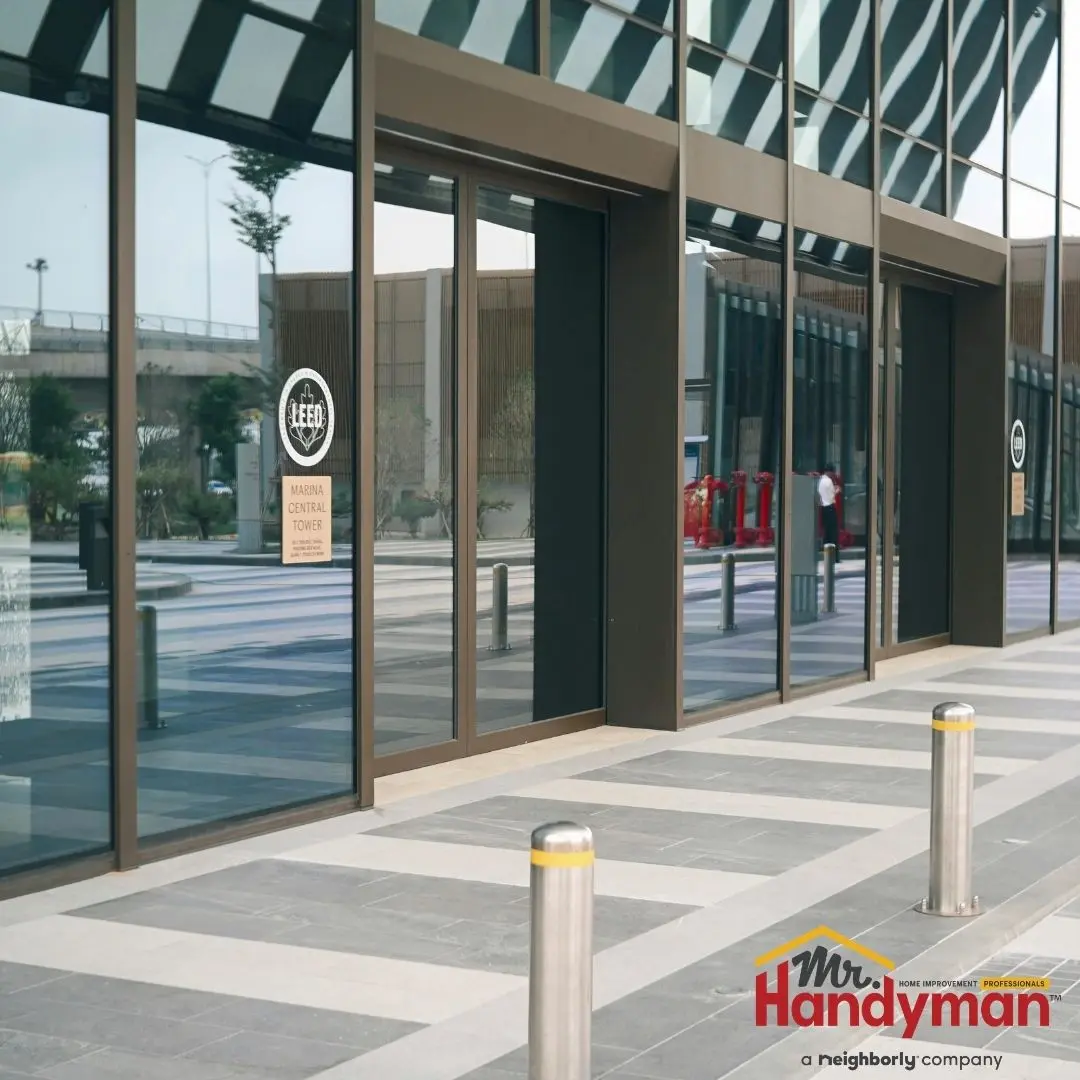
Commercial entry door weatherstripping and threshold seal restoration addresses the seal deterioration that the South Carolina Lowcountry's thermal variation, the coastal atmospheric moisture, and the afternoon thunderstorm pattern's concentrated entry position moisture contact advance in commercial entry hardware between maintenance intervals. The energy efficiency against Dominion Energy South Carolina or the applicable Lowcountry commercial utility rates, the customer comfort at the first interior entry position, and the moisture exclusion that the afternoon thunderstorm pattern and the coastal humidity test at commercial entry seal conditions throughout the active warm season all represent the return that entry weatherstripping restoration delivers before summer's customer traffic concentrates continuously on those conditions.
Biological treatment and professional cleaning on commercial facades before the summer season addresses the mold, mildew, and organic accumulation that the warm, humid South Carolina Lowcountry spring activates on commercial building exterior surfaces alongside the salt air mineral deposits the coastal atmospheric environment creates on those facade positions between professional treatment intervals. The afternoon thunderstorm moisture that the regional precipitation pattern sustains on commercial building facades between treatment intervals and the hot, humid summer's ambient temperatures then advance that biological establishment at the rates the subtropical coastal climate creates in those exterior building positions before summer's customer observation and tourist traffic concentrate on those commercial property conditions.
Building envelope sealant assessment evaluates the caulking conditions at commercial window perimeters, storefront assembly transitions, and the building envelope penetrations that the South Carolina Lowcountry's thermal variation, the coastal atmospheric moisture, and the afternoon thunderstorm pattern's concentrated moisture loading advance toward adhesion failure. The afternoon thunderstorm moisture that the regional summer's precipitation pattern delivers to commercial building envelopes and the coastal salt air's atmospheric penetration at those failed sealant positions both advance the biological establishment and the structural conditions that the subtropical warm season accelerates once moisture has entered those building assembly positions.
Parking lot crack sealing, biological treatment, and restriping after the mild Lowcountry winter addresses the crack advancement the region's modest thermal cycling creates in commercial asphalt and concrete alongside the biological growth that the warm, humid spring activates in those unsealed crack positions and on the shaded moisture-adjacent parking surfaces. The customer safety, the premises liability management, and the professional appearance that commercial parking lot maintenance communicates to every customer and tourist arriving at the Lowcountry commercial property motivates the pre-summer attention those conditions specifically warrant before summer's concentrated commercial and tourist activity evaluates whatever parking conditions currently exist.
Interior Commercial Upgrades
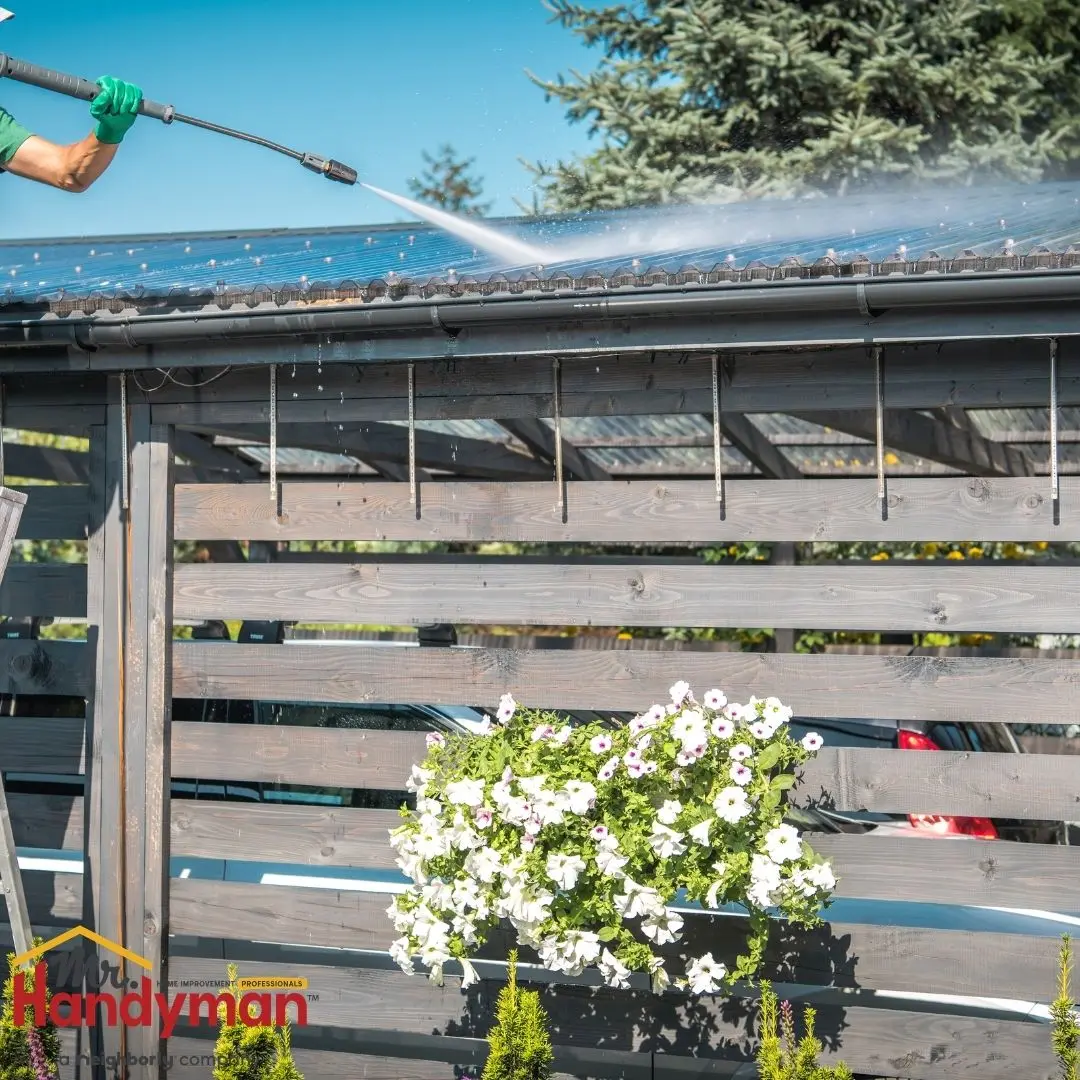
Commercial flooring biological treatment and restoration at entry and high-traffic positions addresses the organic accumulation, the coastal atmospheric mineral deposits in tile grout, and the appearance deterioration that the subtropical warm season and the service area's water chemistry together advance in commercial floor surfaces between professional maintenance intervals. The biological film that the hot, humid South Carolina summer activates in commercial floor grout and moisture-adjacent surface positions and the mineral accumulation the service area's water supply creates in floor cleaning water contact both represent the conditions that summer's customer and tourist observation evaluates against the professional standard the Lowcountry's sophisticated commercial consumer base and the regional tourism economy establish as the quality benchmark.
Commercial restroom biological treatment and surface restoration addresses the most consequential customer-facing condition that the South Carolina Lowcountry's hot, humid subtropical summer advances in commercial restroom surfaces. The regional ambient temperatures and the subtropical warm season's coastal humidity create the biological growth conditions in commercial restrooms that the Lowcountry's long summer makes more aggressive than moderate climate commercial markets experience between comparable maintenance periods, and Charleston's tourist economy and the regional sophisticated consumer base make the restroom condition evaluation those customers perform during every commercial visit specifically consequential for the commercial operations serving that tourist and professional population.
HVAC Transition Service for Lowcountry Commercial Properties
The HVAC transition service that Charleston and Summerville commercial properties address before the summer cooling season activates the concentrated cooling demand those systems must manage through the South Carolina Lowcountry's hot, humid subtropical months reflects the biological growth conditions the regional spring initiates in HVAC components, the filter loading the previous mild heating season created, and the condensate drain conditions that the subtropical summer's peak cooling demand specifically tests against whatever maintenance conditions those systems currently carry.
Coil cleaning at the spring transition addresses the biological growth, the dust accumulation, and the mineral deposits that the Lowcountry commercial HVAC environment creates in evaporator and condenser coil surfaces between professional service intervals. The hot, humid South Carolina Lowcountry summer concentrates the maximum cooling load on those commercial systems through the genuinely extended warm months, and the coastal atmospheric humidity that the regional setting creates as the latent cooling load those systems manage simultaneously with the sensible heat loading amplifies the coil condition's impact on system efficiency against Dominion Energy South Carolina or the applicable Lowcountry commercial utility rates throughout the active warm season.
Condensate drain clearing before the cooling season transition is specifically consequential in Lowcountry commercial buildings because the warm, humid South Carolina spring activates biological growth in HVAC condensate drain pathways at the rates the regional coastal ambient temperatures and humidity create in those moisture-rich passages between the mild heating season's reduced condensate production and the subtropical summer's peak condensate volumes. The coastal humidity that the Lowcountry's proximity to tidal waterways and the Atlantic creates as the atmospheric moisture condition those condensate passages manage compounds the biological growth activation in those positions, making the Lowcountry condensate drain biological accumulation more aggressive than inland subtropical markets without the coastal atmospheric humidity contribution experience between comparable maintenance periods.
Filter replacement at the heating to cooling season transition addresses the filter loading that the previous mild South Carolina Lowcountry heating season and the spring's biological spore activity and coastal atmospheric particulate create in commercial HVAC filter media. The Lowcountry's genuinely long subtropical cooling season creates the sustained filter loading that the regional climate's extended cooling calendar produces in commercial HVAC filter media at rates that shorter cooling season markets without the coastal subtropical character do not accumulate between comparable replacement intervals.
Exterior Commercial Presentation Upgrades
Professional biological and salt air treatment and exterior cleaning of commercial building facades, entry hardscape, and parking lot perimeter positions delivers the fresh presentation baseline that the Lowcountry's summer commercial and tourist activity concentrates customer observation on. The biological growth that the warm, humid Lowcountry spring activated on commercial exterior surfaces, the salt air mineral deposits the coastal environment creates at those facade positions, and the organic debris the afternoon thunderstorm pattern deposits at commercial property positions all represent the conditions that professional biological treatment, salt air cleaning, and facade restoration addresses before summer's customer and tourist traffic evaluates those commercial exteriors continuously through the active coastal warm season.
Commercial signage assessment after the South Carolina Lowcountry's mild winter evaluates the biological film and the salt air corrosion the coastal environment advanced on sign surfaces and the mounting hardware those sign positions carry between annual assessment intervals. The Charleston tourist economy's high pedestrian traffic, the regional design consciousness that the city's cultural identity creates as the commercial quality evaluation standard, and the Summerville commercial community's active consumer base all motivate the pre-summer signage assessment that confirms those conditions before summer's business and tourist activity concentrates observation on commercial signage throughout the Lowcountry service area.
The hurricane season preparedness upgrade dimension of Lowcountry commercial summer preparation reflects the active June through November storm season that the South Carolina coast manages as the specifically coastal commercial upgrade priority that inland commercial property guidance does not address with the same urgency. Storm shutter systems, emergency generator fuel supply confirmation, drainage infrastructure assessment, and the building envelope integrity confirmation that significant coastal storm events specifically test all represent the hurricane season commercial upgrade investments that Lowcountry commercial property management specifically warrants addressing before summer's commercial activity and the active storm season simultaneously concentrate on whatever commercial property conditions currently exist across the Charleston and Summerville service area.
The Charleston Tourism and Design Quality Standard
The Charleston tourist economy's sophisticated visitor population, the College of Charleston and MUSC professional community's commercial quality expectations, and the Summerville area's active consumer base together create the commercial property presentation standard that the Lowcountry commercial market evaluates summer upgrade investment against. The international and domestic tourist traffic that Charleston's historic and culinary reputation attracts through the summer months creates the commercial property evaluation context that facade cleanliness, entry condition, and the biological growth management that the subtropical coastal summer specifically requires all motivate as the summer upgrade investment that the tourist economy's sophisticated visitor population specifically rewards through patronage decisions that maintained commercial property conditions directly influence.
Frequently Asked Questions
What commercial upgrade delivers the strongest summer return for Lowcountry properties? Biological treatment and professional exterior cleaning combined with HVAC condensate drain clearing and hurricane season preparedness confirmation delivers the strongest combined presentation, facility protection, and coastal safety return for most Charleston and Summerville commercial properties. The biological growth that the South Carolina Lowcountry's warm, humid spring activated on commercial facades, the condensate drain conditions that the subtropical summer's peak cooling demand will test, and the hurricane season preparedness that the active coastal storm calendar creates as the specifically regional commercial upgrade priority all represent the conditions that summer commercial activity tests most directly in the Lowcountry context.
How does the coastal salt air specifically affect Lowcountry commercial property summer upgrade priorities? The coastal atmospheric salinity that the South Carolina Lowcountry's proximity to tidal waterways, salt marshes, and the Atlantic creates advances corrosion in exterior hardware finishes, penetrates unsealed building facade materials, and compounds with biological film on exterior surfaces at the rates the coastal environment produces between professional treatment intervals more aggressively than inland commercial properties without the salt air atmospheric condition experience between comparable maintenance periods. Pre-summer salt air cleaning and corrosion-resistant hardware assessment at exterior commercial positions addresses the specifically coastal mechanism that inland commercial property summer upgrade guidance does not incorporate at the same urgency level.
Should Lowcountry commercial properties address biological growth before summer exterior improvements? Professional biological treatment before any exterior painting or surface restoration proceeds in the hot, humid South Carolina Lowcountry coastal climate is non-negotiable for lasting results. The afternoon thunderstorm moisture the regional precipitation pattern sustains on commercial exterior surfaces, the coastal atmospheric humidity that the Lowcountry's setting creates at those positions, and the hot, humid summer's ambient temperatures together advance biological establishment through new paint applications over untreated substrate before those improvements have delivered their intended service life against the subtropical coastal biological growth conditions.
How does the hurricane season specifically affect commercial property upgrade timing in the Lowcountry? The active June through November hurricane season that the South Carolina Lowcountry manages creates the commercial upgrade urgency that pre-season preparedness completion before June provides as the building envelope integrity, emergency system confirmation, and storm preparation investment that the active coastal storm calendar specifically motivates completing before the storm season activates the conditions those commercial preparedness investments specifically address. Commercial properties whose summer upgrade programs incorporate the hurricane season preparedness dimension alongside the standard biological treatment and HVAC maintenance position themselves as the Lowcountry's most comprehensively prepared commercial operators through both the summer's commercial activity and the active coastal storm season.
What is the most commonly deferred commercial summer upgrade in the Lowcountry market? Condensate drain clearing before the cooling season transition combined with hurricane season emergency system confirmation are the most consistently deferred commercial upgrades across the Charleston and Summerville service territory. The South Carolina Lowcountry's warm, humid spring activates biological growth in HVAC condensate drain pathways before summer's peak cooling demand generates the volumes biological restriction prevents from draining, and the hurricane season preparedness confirmation that the active coastal storm calendar specifically motivates often advances toward deferred status as commercial operators concentrate their pre-summer attention on aesthetic presentation upgrades without adequately addressing the specifically coastal mechanical and preparedness conditions those properties warrant confirming before the active storm season coincides with the peak commercial summer calendar.
Lowcountry Commercial Properties Ready for Summer Business
The commercial properties across Charleston, Summerville, and the surrounding Lowcountry communities whose owners and managers complete the systematic summer upgrade program before the South Carolina Lowcountry's hot, humid subtropical season concentrates tourist traffic, customer evaluation, and business activity on those properties are positioned to present the active management investment that the Charleston tourist economy's sophisticated visitor population, the regional professional community, and the growing Summerville consumer base specifically reward. Biological growth and salt air deposits treated before tourist and customer observation concentrates on those conditions. HVAC condensate drains cleared before peak subtropical cooling demand tests those passages. Building envelope sealant confirmed before the afternoon thunderstorm pattern and coastal atmospheric moisture test those positions. Hurricane season preparedness confirmed before the active coastal storm calendar creates the emergency conditions those preparations specifically address. Commercial floors and restrooms restored before summer traffic evaluates those surfaces against the quality standard the Lowcountry's tourist economy and sophisticated consumer base establishes.
Mr. Handyman of Charleston and Summerville has the commercial property experience to help business owners and property managers prepare their facilities for the summer season the South Carolina Lowcountry's commercial community and coastal tourist economy deserve.
Website: https://www.mrhandyman.com/charleston-summerville/
Serving businesses throughout Charleston, Summerville, and the surrounding Lowcountry communities with dependable commercial maintenance and the expertise your property deserves.
