The Lowcountry Summer Tests Whatever the Mild Winter Left Behind
The transition from the South Carolina Lowcountry's mild winter to the hot, humid subtropical coastal summer creates the home preparation window that Charleston and Summerville homeowners who understand their regional climate recognize as the specific opportunity that the warm months simultaneously open and close. It closes the window for addressing what the mild winter's modest thermal cycling, the afternoon thunderstorm pattern's year-round moisture contact on building envelope surfaces, and the coastal salt air's atmospheric accumulation on exterior positions have advanced in building envelope conditions, exterior surfaces, and the household systems that regional homes carry between the previous outdoor season and the spring's first practical repair opportunity. It opens the South Carolina Lowcountry's genuinely excellent outdoor living season, the coastal lifestyle that the tidal waterways, the beaches, and the Atlantic create as the summer backdrop for regional households, and the gathering culture that Charleston's culinary heritage and Summerville's active community traditions sustain through the genuinely rewarding warm months.
The South Carolina Lowcountry's climate creates the specific home preparation priorities that the regional summer motivates in ways that national guidance calibrated to moderate inland conditions does not address with the same coastal specificity. The biological growth conditions the hot, humid subtropical coastal summer activates on exterior surfaces and moisture-adjacent interior positions motivate the biological treatment discipline that adequate pre-summer preparation specifically addresses before restoration proceeds over clean substrate. The afternoon thunderstorm pattern's approximately 49 inches of annual rainfall concentrated through the active warm season tests building envelope sealant conditions before the homeowner who deferred assessment has completed the repairs those compromised positions warrant. The coastal salt air's atmospheric accumulation on exterior hardware, building facade materials, and the moisture-adjacent building envelope positions that the Lowcountry's proximity to tidal waterways and the Atlantic creates between maintenance intervals warrants the pre-summer treatment and assessment that confirms those coastal positions are adequately maintained before summer's weather activity concentrates its demands on those conditions. And the hurricane season that the South Carolina coast manages from June through November creates the coastal emergency preparedness dimension that pre-summer home preparation specifically incorporates alongside the standard seasonal maintenance that inland market guidance addresses without the coastal storm season awareness the Lowcountry specifically warrants.
The active Charleston and Summerville residential market creates the pre-summer preparation motivation that the coastal South Carolina real estate environment amplifies beyond the daily quality of life return that well-prepared homes deliver through the warm months. The spring listing season that concentrates buyer activity across the Lowcountry evaluates the maintained building condition, the biological growth management, and the salt air treatment discipline that pre-summer preparation specifically delivers before showing activity assesses those conditions against the maintained alternatives the competitive coastal market simultaneously presents.
Building Envelope Repairs the Lowcountry Summer Will Test
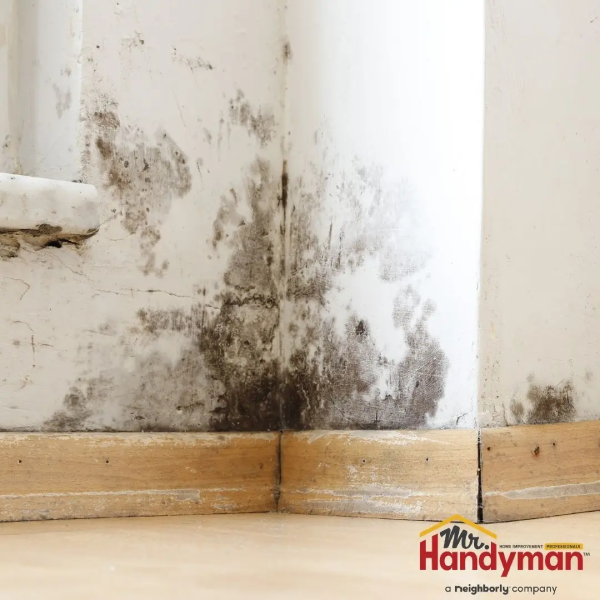
Window and door caulking replacement carries the most urgent pre-summer timing for Charleston and Summerville homes because the afternoon thunderstorm pattern's year-round moisture contact tests building envelope sealant conditions continuously and the mild winter's modest thermal cycling advances those sealant positions toward adhesion failure between maintenance intervals. The compromised caulking at window perimeters, door surrounds, and utility penetrations carries the moisture infiltration vulnerability that the regional summer's concentrated afternoon storm activity tests before the homeowner who deferred assessment has completed the repairs those conditions warrant, and the biological growth that the hot, humid subtropical coastal summer activates in the building assembly that infiltrated moisture reaches advances the interior deterioration that timely pre-summer sealant replacement specifically prevents.
Salt air treatment and professional exterior cleaning before any exterior surface restoration provides the preparation discipline that the Lowcountry's coastal atmospheric environment makes specifically important for lasting results. The salt air mineral deposits the coastal environment creates on building facades, exterior painted surfaces, and the building envelope-adjacent positions that atmospheric salinity contacts between maintenance intervals compound with the biological growth the subtropical warm season activates on those surfaces, creating the combined before condition that salt air treatment and biological cleaning removes before paint and stain restoration proceeds over the clean substrate those improvements require for lasting performance in the Lowcountry coastal residential context.
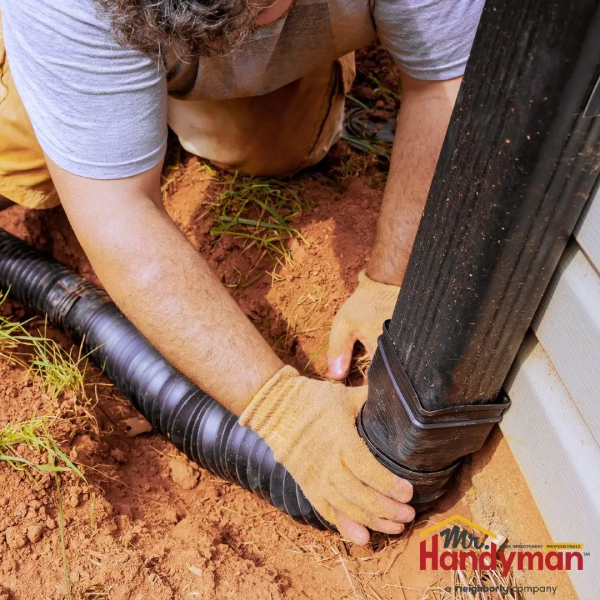
Gutter and downspout cleaning and assessment before the active afternoon thunderstorm season addresses the debris accumulation, the biological activation the warming spring created at gutter positions, and the coastal organic debris that the Lowcountry's proximity to tidal waterways and the coastal landscape deposits in those systems between annual cleaning intervals. The afternoon thunderstorm pattern delivers the concentrated rainfall that tests gutter drainage capacity before adequate cleaning has restored the flow performance those systems require for the precipitation volumes the regional summer creates at those collection positions throughout the active warm months.
Soffit and fascia assessment evaluates the biological growth the warm, humid spring activated on those building envelope positions, the salt air corrosion the coastal atmosphere has advanced on exposed hardware and metal soffit components, and the moisture infiltration the afternoon thunderstorm pattern's year-round contact creates at those specific building envelope positions between annual assessment intervals.
Mechanical Systems Before the Lowcountry Cooling Season
HVAC cooling system service before the South Carolina Lowcountry's hot, humid coastal summer activates the genuine cooling demand that the subtropical warm months create addresses the filter replacement, the coil cleaning, and the condensate drain clearing that the transition from the mild heating season to the active subtropical cooling season requires. The warm, humid Lowcountry spring activates biological growth in HVAC condensate drain pathways before summer's cooling operation generates the condensate volumes that biological restriction cannot accommodate, and the coastal atmospheric humidity that the regional setting creates as the latent cooling load those systems simultaneously manage with sensible heat loading compounds the coil condition's impact on efficiency against Dominion Energy South Carolina residential utility rates throughout the extended Lowcountry cooling season.
Hurricane season mechanical preparedness as a pre-summer home preparation dimension reflects the active June through November storm season that the South Carolina coast manages as the specifically coastal emergency preparedness investment that pre-summer home preparation warrants incorporating. Generator condition confirmation, the fuel supply management, and the emergency lighting assessment that significant coastal storm events create as the household emergency response demands all represent the specifically Lowcountry pre-summer home preparation categories that the hurricane season motivates beyond what standard seasonal maintenance guidance addresses without the coastal storm season awareness.
Plumbing Repairs Before Lowcountry Summer Demands
Main shutoff valve confirmation provides the emergency response capability that any summer plumbing failure requires for the immediate supply isolation that prevents ongoing water loss from advancing to the water damage that undetected failure creates during the coastal outdoor activity and travel that Charleston and Summerville households direct their summer toward. The service area's water chemistry variation between Charleston's softer 3.4 grain per gallon surface water and Summerville's moderately harder 7.2 grain per gallon aquifer supply creates different shutoff valve mineral accumulation urgency levels across the service area, with Summerville households carrying the more specific pre-summer confirmation need that the moderately harder aquifer water's accelerated mineral accumulation in those valve internals creates compared to the more modest mineral contact that Charleston surface water creates in comparable valve positions between maintenance intervals.
Outdoor faucet assessment after the South Carolina Lowcountry's mild winter evaluates function confirmation, the water chemistry mineral accumulation that the service area's varied hardness creates in outdoor faucet components, and the supply connection conditions that the coastal atmospheric moisture and the mild winter's modest thermal cycling advanced in outdoor plumbing positions. The outdoor faucet whose supply connection the mild winter's modest thermal variation and the coastal atmospheric conditions affected warrants the functional confirmation that ensures continued integrity before the outdoor season activates continuous demand on those components throughout the active Lowcountry coastal warm months.
Washing machine supply hose inspection addresses the braided hose conditions that the service area's water chemistry and the Lowcountry's hot, humid subtropical coastal summer advance in those connection positions between inspection intervals. The South Carolina Lowcountry's genuine subtropical heat creates the enclosed laundry room environment that accelerates material aging in supply hose connections during the extended warm season, and the coastal atmospheric humidity that the regional setting creates in those enclosed positions compounds the material aging that adequate pre-summer supply hose inspection confirms or addresses before the summer travel season creates the extended absence that developing hose conditions would otherwise exploit in the warm, unoccupied Lowcountry home.
Water heater assessment and sediment confirmation following the mild Lowcountry winter's household water demands evaluates the service area's water chemistry sediment accumulation in tank bottoms between flushing intervals. Summerville households on harder aquifer water at approximately 7.2 grains per gallon benefit most specifically from the annual spring flushing that removes the accelerated sediment those conditions create between intervals, and the pre-summer assessment that confirms adequate tank condition before the coastal outdoor season's hosting activity and the summer travel demands concentrate on those systems provides the operational baseline that the Lowcountry warm season's varied household demands then test.
Exterior Surface Repairs Before the Lowcountry Outdoor Season
Biological and salt air treatment before exterior paint and stain repair provides the dual preparation discipline that the Lowcountry's subtropical biological growth environment and the coastal atmospheric salinity together make non-negotiable for lasting exterior improvement results. The afternoon thunderstorm moisture the regional precipitation pattern creates sustains the moisture conditions that biological growth requires on exterior surfaces between treatment intervals, and the coastal salt air's mineral deposits compound those biological conditions on those facade positions. Restoration over biologically established and salt air-contaminated substrate in the Lowcountry context provides new materials over the contaminated surfaces that the hot, humid coastal summer then advances through before those improvements have delivered their intended service life against the combined regional mechanisms.
Concrete crack assessment and repair after the South Carolina Lowcountry's mild winter addresses the modest crack advancement that the region's genuine but mild thermal cycling and the afternoon thunderstorm pattern's year-round moisture contact in crack positions together create in residential concrete driveways, walkways, and patio surfaces. Flexible polyurethane crack filler applied in spring's moderate temperatures before the biological growth the hot, humid coastal summer activates in unsealed concrete positions advances to the embedded condition that delayed repair allows provides the surface restoration the Lowcountry conditions warrant before summer's outdoor activity concentrates on current surface conditions.
Deck structural assessment and surface restoration addresses the biological growth the warm, humid spring activated on deck surfaces, the salt air corrosion the coastal atmosphere advanced on deck hardware and fastener positions, the coastal atmospheric moisture contact that the mild winter sustained on those deck material positions, and the UV-driven stain depletion the previous outdoor season created. Physical force testing at ledger connections and close-range hardware inspection at post base positions provides the structural confirmation that the Lowcountry's outdoor entertaining culture and the coastal outdoor living season require before those structures carry the loads summer gathering activity creates.
Frequently Asked Questions
Which pre-summer repair carries the most urgency for Charleston and Summerville homes?
Window and door caulking replacement combined with biological and salt air treatment at exterior positions together carry the most urgent pre-summer timing because the afternoon thunderstorm pattern's year-round moisture contact tests building envelope sealant conditions continuously while the coastal salt air and the subtropical biological growth compound the facade deterioration that summer's concentrated storm activity then tests most aggressively. The biological growth that the hot, humid subtropical coastal summer activates in the building assembly that moisture infiltration through failed sealant reaches advances the interior deterioration that timely pre-summer caulking replacement and exterior treatment specifically prevents from reaching that combined biological and moisture damage stage in Lowcountry homes.
How does the water chemistry difference between Charleston and Summerville affect pre-summer plumbing preparation?
Charleston Water System customers at approximately 3.4 grains per gallon develop the modest mineral accumulation in shutoff valve internals, outdoor faucet components, and water heater sediment that the softer surface water creates between maintenance intervals. Summerville households at approximately 7.2 grains per gallon develop that accumulation at roughly double the pace, making the pre-summer plumbing confirmation specifically more consequential for those households whose moderately harder aquifer water advances supply connection fitting conditions and valve scaling more aggressively between comparable service intervals. Both service area segments benefit from pre-summer plumbing assessment with the specific urgency proportional to the household's water hardness level.
Should Lowcountry homeowners prioritize exterior or interior repairs before summer?
Biological and salt air treatment of exterior surfaces and building envelope sealant repair that confirms moisture exclusion before the afternoon thunderstorm pattern's concentrated summer precipitation tests those positions should precede interior improvements in Lowcountry homes. The year-round afternoon thunderstorm moisture contact that the regional climate creates at building envelope positions means those sealant conditions face continuous testing through every month rather than the seasonal wet period that other climates concentrate that moisture risk within, and the biological growth the hot, humid coastal summer activates in the building assembly positions that infiltrated moisture reaches creates the interior deterioration that adequate exterior preparation specifically prevents from advancing before interior improvement investment proceeds.
What is the most commonly deferred pre-summer repair in Lowcountry homes?
Biological and salt air treatment of exterior deck surfaces and building facade positions is the most consistently deferred pre-summer repair combination across the Charleston and Summerville service area. The afternoon thunderstorm moisture the Lowcountry's precipitation pattern sustains on those exterior positions and the coastal salt air's atmospheric deposit on those facade materials compound into the combined before condition that adequate pre-summer treatment addresses before summer's outdoor activity and the active storm season concentrate on those positions. The gradual nature of both the biological establishment's visual development and the salt air deposit's progressive accumulation allows those conditions to advance through the spring's warming transition before the outdoor season's first gathering occasions motivate the treatment that pre-summer timing specifically warrants.
How far in advance should Lowcountry homeowners schedule pre-summer repairs?
February and March contractor conversations for spring completion provide the scheduling access that the active Lowcountry improvement season activation finds progressively more committed as the warm months approach. The hurricane season's June arrival creates the specific completion urgency that pre-June repair scheduling provides for the building envelope repairs, the generator assessment, and the drainage confirmation that coastal storm preparedness specifically warrants completing before the active storm season creates the weather conditions those preparations specifically address throughout the June through November Lowcountry hurricane calendar.
Lowcountry Homes Ready for Everything the South Carolina Coast Creates
The pre-summer repairs that Charleston and Summerville homeowners address before the afternoon thunderstorm pattern's concentrated summer precipitation, the outdoor coastal living season, the summer gathering culture, the hot, humid subtropical coastal warmth, and the active hurricane season all simultaneously concentrate their demands on whatever household conditions currently exist deliver their return through every summer storm the building envelope repairs protect against, every coastal outdoor occasion the deck repairs and biological treatment serve, every household system performance that the plumbing and mechanical preparation sustains, and every storm event the hurricane season preparedness investments address through the warm months the South Carolina Lowcountry's coastal calendar creates as the genuinely excellent but specifically demanding seasonal environment that comprehensive pre-summer preparation specifically equips those homes to manage.
Mr. Handyman of Charleston and Summerville has the regional experience to help homeowners identify and complete the pre-summer repairs that the South Carolina Lowcountry's subtropical coastal climate, the hurricane season's coastal storm awareness, and the approaching outdoor season specifically demand.
Website: https://www.mrhandyman.com/charleston-summerville/
Serving homeowners throughout Charleston, Summerville, and the surrounding Lowcountry communities with dependable service and the expertise your home deserves.