Winter may be mild in the Lowcountry, but it still introduces safety challenges that commercial property owners cannot afford to ignore. Shorter daylight hours, increased rain, closed-up interiors, and heavier indoor foot traffic all change how buildings are used and where risks appear. Understanding Winter Safety Improvements Every Commercial Property Needs in Charleston helps businesses reduce liability, protect occupants, and maintain safe, professional environments throughout the season.
Unlike colder regions, winter safety in Charleston is not about snow or ice. It is about moisture management, visibility, accessibility, and preventative commercial maintenance. Businesses that take a proactive approach during winter are better positioned to avoid accidents, reduce repair costs, and prepare for busier seasons ahead. Many organizations partner with Mr. Handyman of Charleston and Summerville to address these safety priorities efficiently and correctly before issues escalate.
Why Winter Safety Still Matters in a Mild Climate
Winter conditions in coastal South Carolina change how commercial properties function, even without freezing temperatures. Increased rainfall, higher interior humidity, and reduced natural light all affect safety.
Common winter-related risk factors include:
- Wet entryways from rain
- Slippery flooring transitions
- Poor visibility during shorter days
- Increased indoor congestion
- Deferred maintenance from busy seasons
Because these risks develop gradually, they are often overlooked until an incident occurs. Winter is the ideal time to identify and correct them proactively.
Entryway Safety and Moisture Control
Entryways are one of the most critical safety zones in any commercial property during winter. Rain and moisture are tracked indoors more frequently, increasing slip-and-fall risk.
High-priority entryway safety improvements include:
- Installing or replacing non-slip floor mats
- Securing loose mats to prevent bunching
- Repairing uneven thresholds
- Ensuring exterior-to-interior flooring transitions are level
In busy commercial corridors throughout Charleston and Summerville, entryway incidents are one of the most common causes of winter liability claims. Addressing these areas early significantly reduces risk.
Flooring and Trip Hazard Prevention
Winter increases indoor foot traffic, which places additional stress on flooring surfaces. Worn, loose, or uneven flooring becomes more hazardous when moisture is present.
Winter flooring safety priorities include:
- Repairing cracked or loose tiles
- Securing lifted carpet edges
- Addressing uneven floor transitions
- Improving traction in high-traffic areas
These improvements protect both customers and employees while extending the lifespan of existing flooring.
Lighting Improvements for Shorter Days
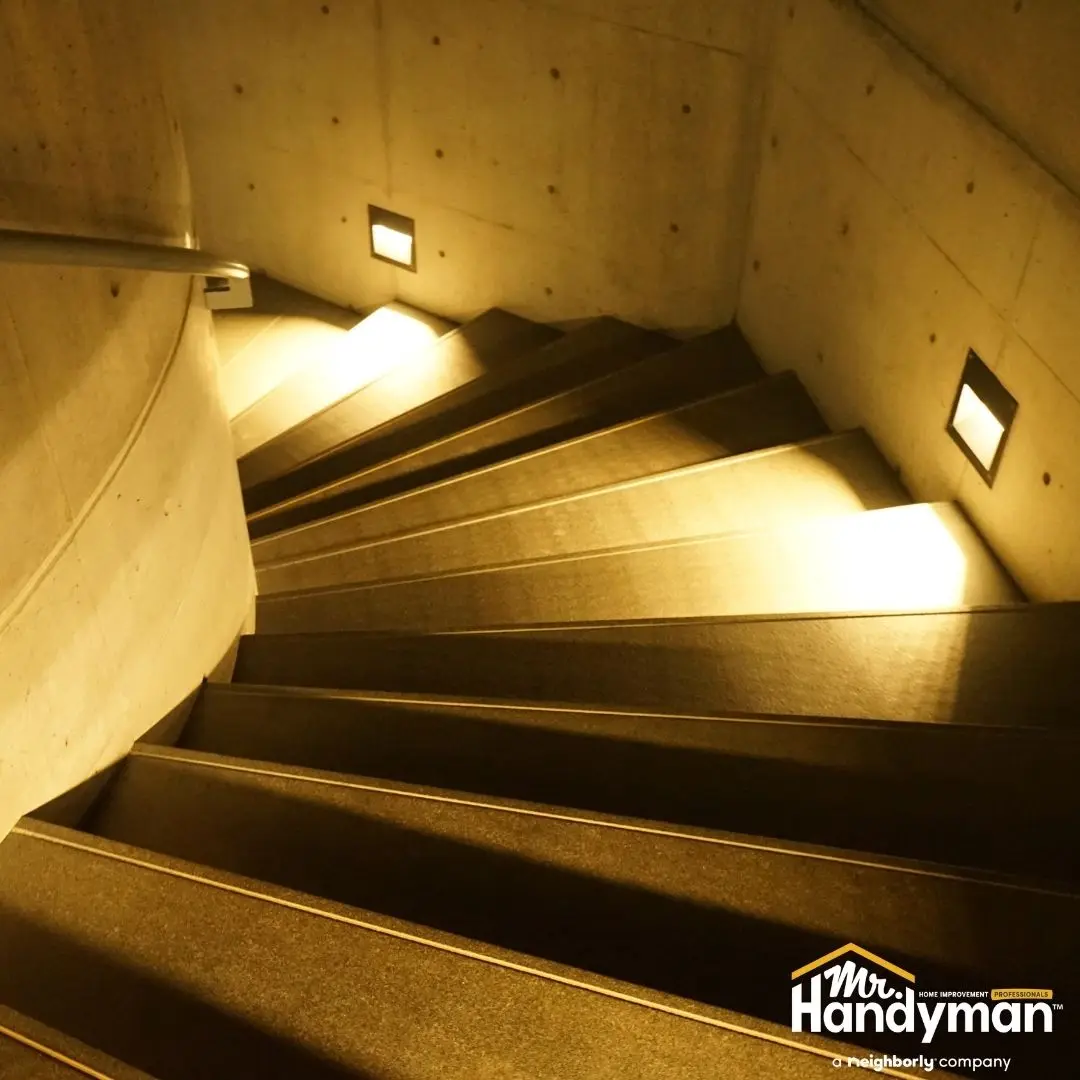
Reduced daylight during winter exposes lighting deficiencies throughout commercial properties. Dim entryways, poorly lit hallways, and shadowed stairwells increase accident risk.
Critical winter lighting safety upgrades include:
- Replacing burned-out or flickering fixtures
- Improving lighting near entrances and exits
- Enhancing visibility in stairwells and corridors
- Ensuring emergency and exit lighting functions properly
Lighting plays a direct role in safety perception. Well-lit spaces feel safer and reduce the likelihood of missteps or collisions.
Door, Hardware, and Access Safety
Commercial doors are used constantly and often show wear by winter. Misaligned doors, loose handles, and failing closers create both safety and security concerns.
Winter door and access safety improvements include:
- Adjusting doors that stick or fail to close properly
- Repairing or replacing worn hinges and handles
- Ensuring automatic closers function correctly
- Confirming doors meet accessibility requirements
These repairs support safe access while preventing damage that can lead to more expensive replacements later.
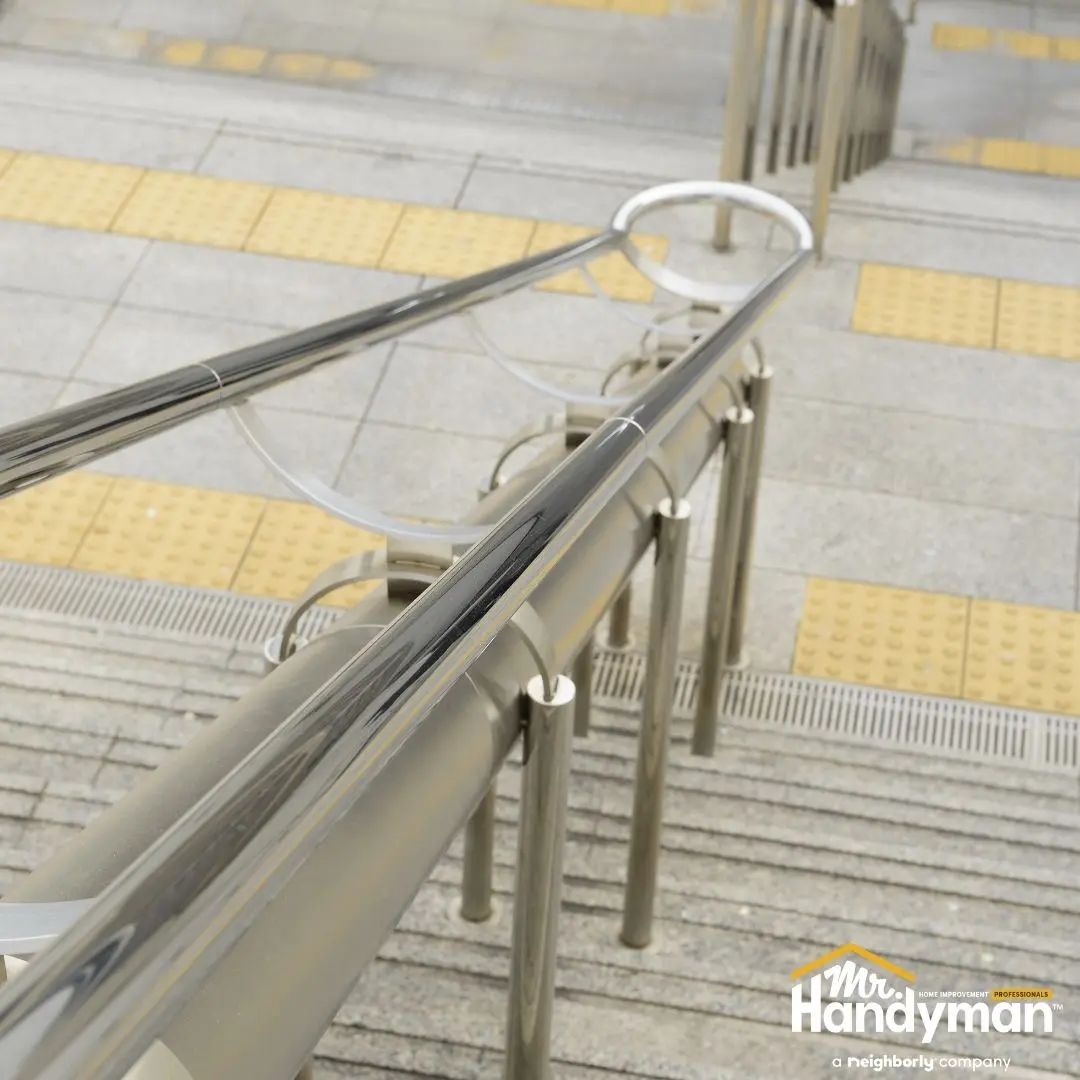
Stairwells and Handrail Stability
Stairs are inherently high-risk areas, and winter conditions increase that risk when visibility or traction is reduced.
Key stairwell safety priorities include:
- Securing loose handrails
- Repairing damaged stair treads
- Improving lighting on stair landings
- Ensuring clear, unobstructed pathways
Stair safety is especially important in multi-level properties and older buildings where wear may be less obvious.
Restroom Safety and Moisture Management
Restrooms experience heavy use and frequent moisture exposure year-round, but winter increases indoor humidity levels, which can exacerbate issues.
Winter restroom safety improvements often include:
- Repairing leaking fixtures promptly
- Replacing worn or slippery flooring
- Resealing grout and caulking
- Ensuring ventilation systems operate properly
These steps reduce slip hazards and prevent moisture-related damage that can compromise safety and sanitation.
Interior Walkway and Layout Safety
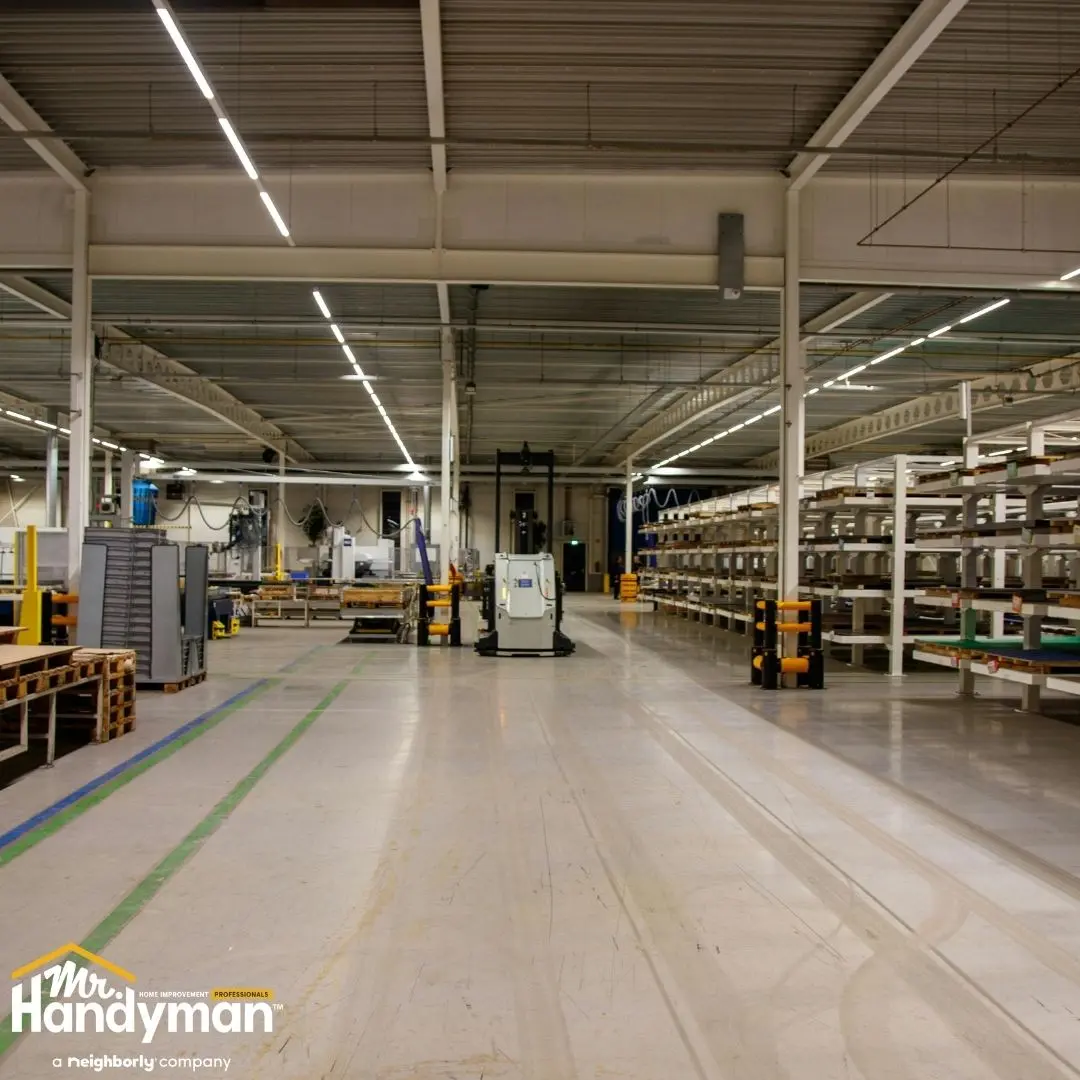
As more activity shifts indoors during winter, interior walkways become more congested. Temporary obstacles, storage overflow, or poorly defined paths increase accident risk.
Winter interior safety checks should focus on:
- Removing clutter from walkways
- Securing loose cords or mats
- Adjusting furniture or fixtures that obstruct movement
- Maintaining clear access to exits
These changes improve traffic flow and reduce the likelihood of collisions or falls.
Emergency Access and Visibility
Emergency preparedness is a year-round requirement, but winter is a smart time to verify that safety systems remain accessible and visible.
Important winter safety checks include:
- Confirming exit signage is illuminated
- Ensuring fire extinguishers are accessible
- Keeping emergency pathways clear
- Reviewing interior door operation for quick egress
Maintaining these systems protects occupants and supports compliance requirements.
Why Winter Is the Best Time to Address Commercial Safety
Winter offers a unique opportunity to address safety improvements with minimal disruption. Many businesses experience slightly slower activity, making it easier to schedule inspections and repairs.
By focusing on Winter Safety Improvements Every Commercial Property Needs in Charleston, businesses can:
- Reduce accident risk
- Limit liability exposure
- Protect employees and customers
- Support smoother operations year-round
Proactive winter safety improvements are not just preventative measures. They are strategic investments in the long-term performance and reputation of a commercial property.
High-Priority Winter Safety Upgrades That Reduce Liability
Once winter-specific risks are identified, the next step is focusing on safety improvements that directly reduce liability and protect daily operations. Many commercial accidents occur not because of extreme conditions, but because small, preventable issues are left unresolved. Understanding Winter Safety Improvements Every Commercial Property Needs in Charleston means prioritizing upgrades that address the most common sources of claims, complaints, and disruptions.
In commercial environments, safety is closely tied to maintenance. Worn components, poor visibility, and moisture-related issues create hazards that increase risk for both employees and visitors. Winter is the ideal time to address these vulnerabilities before they result in injuries or operational downtime.
Slip and Fall Prevention Inside Commercial Buildings
Slip and fall incidents are among the most common and costly liability issues for businesses. In winter, rain and moisture are tracked indoors more frequently, increasing the likelihood of accidents.
High-impact slip prevention upgrades include:
- Installing commercial-grade non-slip mats at all entrances
- Replacing worn or slick flooring in high-traffic areas
- Improving traction on tile or polished surfaces
- Repairing uneven flooring or transitions
These improvements are especially important in retail, medical, and hospitality spaces where foot traffic increases during winter months.
Moisture Control in High-Risk Areas
Moisture does not need to be visible to create safety problems. Condensation, slow leaks, and humidity buildup all contribute to slippery surfaces and material degradation.
Winter moisture-related safety priorities include:
- Repairing leaking fixtures immediately
- Resealing grout and caulking in restrooms and break rooms
- Improving ventilation in enclosed spaces
- Addressing condensation near doors and windows
Commercial properties in areas like Mount Pleasant often benefit from moisture control upgrades due to consistent humidity and heavy daily use. These steps protect both occupants and building materials.
Improving Visibility in Interior Spaces
Reduced daylight during winter exposes lighting deficiencies that may go unnoticed during other seasons. Poor visibility increases the risk of trips, falls, and collisions.
Lighting-related safety improvements that deliver immediate impact include:
- Replacing dim or flickering fixtures
- Adding lighting in hallways, stairwells, and storage areas
- Improving illumination near entrances and exits
- Ensuring emergency lighting is functional
Better visibility not only improves safety but also enhances the overall perception of professionalism and care within a commercial space.
Stairway and Handrail Reinforcement
Stairways are inherently higher-risk areas, especially when lighting or traction is compromised. Winter conditions make it even more important to ensure stair components are secure and well-maintained.
Essential stairway safety upgrades include:
- Securing loose handrails
- Repairing damaged stair treads or nosing
- Improving lighting on stairs and landings
- Ensuring consistent step height and depth
In multi-level buildings throughout North Charleston, stairway incidents are a leading cause of winter-related injuries. Addressing these areas proactively reduces both risk and liability.
Door Operation and Access Safety
Doors are one of the most frequently used components in any commercial building. Misaligned or poorly functioning doors create safety hazards and accessibility issues.
Winter door safety priorities include:
- Adjusting doors that stick or slam
- Repairing worn hinges and handles
- Ensuring automatic closers work properly
- Confirming smooth operation for accessible entry
Doors that function correctly improve traffic flow and reduce the risk of pinched fingers, trips, or blocked exits.
Restroom Safety and Sanitation Improvements
Restrooms are high-liability areas due to frequent moisture exposure and heavy use. Winter increases indoor humidity, which can worsen existing problems.
High-priority restroom safety improvements include:
- Replacing slick or damaged flooring
- Installing grab bars where appropriate
- Improving ventilation to reduce moisture buildup
- Repairing leaks that cause wet surfaces
These upgrades support both safety and sanitation, which directly affects employee comfort and customer confidence.
Clear Interior Pathways and Obstruction Removal
As activity shifts indoors during winter, interior spaces become more crowded. Temporary storage, seasonal décor, or poorly placed furniture can obstruct walkways.
Winter interior safety checks should focus on:
- Removing clutter from hallways and exits
- Securing loose cords or cables
- Adjusting layouts to maintain clear paths
- Ensuring emergency exits remain unobstructed
Maintaining clear pathways reduces collision risk and supports compliance with safety regulations.
Emergency Systems and Egress Visibility
Emergency preparedness is a year-round requirement, but winter is an ideal time to verify that safety systems are visible and accessible under lower-light conditions.
Critical winter checks include:
- Confirming exit signs are illuminated and visible
- Ensuring fire extinguishers are mounted and accessible
- Verifying doors open freely for emergency egress
- Reviewing interior signage for clarity
These checks support both safety and compliance while reinforcing a culture of preparedness.
Why Proactive Winter Safety Reduces Long-Term Costs
Safety improvements completed during winter often prevent far more expensive issues later in the year. Injuries, liability claims, and emergency repairs all carry significant financial consequences.
Proactive winter safety upgrades help businesses:
- Reduce accident-related expenses
- Minimize liability exposure
- Prevent emergency shutdowns
- Protect brand reputation
Commercial properties in Goose Creek and surrounding areas often see measurable benefits when safety improvements are handled as part of routine commercial maintenance rather than after an incident occurs.
Winter Safety as Part of Ongoing Commercial Maintenance
Safety improvements should not be treated as one-time tasks. The most effective approach integrates winter safety into a broader commercial maintenance strategy.
This approach ensures that:
- Hazards are identified early
- Repairs are completed efficiently
- Safety standards remain consistent
- Costs are controlled over time
Understanding Winter Safety Improvements Every Commercial Property Needs in Charleston means recognizing that winter is a strategic opportunity. By addressing safety risks now, businesses create safer environments, reduce liability, and support smoother operations throughout the year.
Creating a Long-Term Winter Safety Plan for Commercial Properties
The most effective winter safety improvements do not stop once immediate hazards are addressed. To truly reduce risk and liability, commercial properties need a long-term safety approach that extends beyond the winter season. Understanding Winter Safety Improvements Every Commercial Property Needs in Charleston means using winter as a checkpoint to strengthen safety practices year-round.
Winter conditions highlight weaknesses in buildings that may not be as obvious during other seasons. By addressing these issues now and building consistent safety routines, businesses protect occupants, preserve property value, and reduce future disruptions.
Shift From Seasonal Fixes to Ongoing Safety Management
Many businesses treat winter safety as a short-term task. While seasonal improvements are important, safety should be viewed as an ongoing responsibility rather than a once-a-year effort.
A long-term safety mindset focuses on:
- Regular inspections instead of reactive fixes
- Consistent documentation of safety issues
- Scheduled maintenance rather than emergency repairs
- Clear accountability for safety-related tasks
This approach reduces the likelihood that hazards return once winter ends.
Develop a Consistent Inspection Schedule
Routine inspections are the foundation of effective commercial safety. Winter is an ideal time to establish or refine an inspection schedule that continues throughout the year.
A strong inspection schedule may include:
- Weekly visual checks of entryways and walkways
- Monthly reviews of lighting and flooring conditions
- Quarterly inspections of doors, stairs, and handrails
- Annual comprehensive safety assessments
By maintaining a predictable inspection rhythm, businesses identify issues early and avoid costly incidents.
Document and Track Safety Improvements
Documentation plays a critical role in managing commercial safety. Tracking repairs, inspections, and improvements provides clarity and accountability.
Effective documentation practices include:
- Logging completed safety repairs
- Recording inspection findings
- Tracking recurring problem areas
- Maintaining before-and-after records
This information helps businesses identify patterns and prioritize future improvements more effectively.
Integrate Safety Into Commercial Maintenance Plans
Safety improvements should not exist in isolation. They are most effective when integrated into a broader commercial maintenance strategy.
When safety is part of routine maintenance:
- Hazards are addressed before they escalate
- Repairs are completed more efficiently
- Costs are spread out predictably
- Facility conditions remain consistent
This integration strengthens both safety outcomes and budget control.
Train Staff to Recognize Safety Risks
Employees are often the first to notice safety issues. Empowering staff to report concerns early supports a proactive safety culture.
Helpful staff engagement practices include:
- Encouraging prompt reporting of spills or damage
- Providing clear reporting channels
- Responding quickly to reported issues
- Reinforcing the importance of early action
When staff understand their role in safety, risks are addressed faster and more effectively.
Prioritize High-Risk Areas Year-Round
While winter highlights certain risks, many high-risk areas remain consistent throughout the year. These areas deserve ongoing attention.
High-priority safety zones typically include:
- Entryways and lobbies
- Stairwells and ramps
- Restrooms and break areas
- Hallways and exits
- Storage and utility rooms
Focusing on these areas consistently reduces the likelihood of injuries and complaints.
Plan Safety Improvements Around Business Operations
One advantage of winter safety planning is the ability to schedule work during slower periods. This strategy should extend throughout the year.
Operationally smart safety planning includes:
- Scheduling repairs during off-peak hours
- Grouping multiple safety tasks into single visits
- Coordinating work to minimize disruption
- Communicating schedules clearly with staff
This approach maintains safety without interrupting daily operations.
Use Winter Insights to Prepare for Busier Seasons
Winter provides valuable insight into how a building performs under consistent indoor use. These observations can guide improvements that benefit the rest of the year.
Winter safety insights often reveal:
- Traffic flow issues during peak occupancy
- Lighting deficiencies in frequently used areas
- Flooring wear patterns
- Door and access challenges
Using this information allows businesses to make informed improvements before activity increases.
Partner With Professionals for Consistent Results
Some safety improvements are straightforward, while others require professional expertise to ensure compliance and durability. Working with a reliable local provider supports consistent, high-quality results.
Businesses that work with Mr. Handyman of Charleston and Summerville benefit from professional commercial maintenance support that understands regional conditions, building types, and common safety challenges. Consistent professional involvement helps ensure safety improvements are completed correctly and maintained over time.
Safety Improvements Protect More Than Just Property
The impact of safety improvements extends beyond physical spaces. Safer environments support employee confidence, customer trust, and brand reputation.
Long-term safety benefits include:
- Reduced injury risk
- Lower liability exposure
- Improved employee morale
- Stronger customer confidence
These outcomes contribute directly to business stability and success.
Why Winter Is the Right Time to Strengthen Safety Systems
Understanding Winter Safety Improvements Every Commercial Property Needs in Charleston is about more than addressing seasonal conditions. Winter is an opportunity to reassess how safety is managed, where vulnerabilities exist, and how systems can be improved.
By using winter as a strategic starting point, businesses create safety practices that last throughout the year. Proactive planning, consistent inspections, and thoughtful maintenance reduce risk and support smoother operations in every season.
Building a Safer Commercial Property for the Year Ahead
Winter safety improvements are most effective when they become part of a long-term strategy rather than a temporary response. Addressing hazards now, documenting improvements, and maintaining consistent standards create safer environments that perform reliably over time.
For commercial properties in the Lowcountry, winter is not just a season to manage. It is a chance to strengthen safety from the inside out, protect people and property, and build a foundation for confident, uninterrupted operations all year long.
Improve safety and reduce liability this winter. Call to schedule commercial safety improvements.