Sudden freezing temperatures are rare in coastal South Carolina, but when they do occur, they often catch homeowners off guard. Homes in the Lowcountry are built for warm, humid conditions, not prolonged cold. As a result, even a brief overnight freeze can create urgent plumbing problems. Understanding Emergency Plumbing Tips for Sudden Freezing Temperatures in Charleston helps homeowners act quickly, reduce damage, and protect their property when temperatures drop unexpectedly.
In this region, plumbing emergencies during winter are less about extreme cold and more about lack of preparation. Pipes commonly run through crawl spaces, exterior walls, garages, and other unconditioned areas. When temperatures dip below freezing for several hours, these exposed lines are at risk of freezing and bursting once they thaw. Homeowners who partner with Mr. Handyman of Charleston and Summerville often learn that fast action during a cold snap can make the difference between a minor repair and major water damage.
Why Sudden Freezes Are Especially Dangerous in Charleston Homes
Unlike regions that experience consistent winter cold, Charleston-area homes are not typically winterized to the same degree. Insulation levels, pipe placement, and crawl space ventilation reflect the area’s generally mild climate. When freezing temperatures arrive suddenly, plumbing systems have little built-in protection.
Homes throughout Charleston and Summerville are particularly vulnerable because:
- Pipes are often exposed beneath the home in crawl spaces
- Exterior wall insulation may be minimal
- Outdoor faucets are frequently left unprotected
- Shutoff valves may not be tested regularly
These conditions make emergency preparedness critical whenever a freeze is forecast.
Know the Early Warning Signs of Frozen Pipes
One of the most important emergency plumbing tips is recognizing the early signs of freezing before a pipe bursts. Frozen pipes do not always fail immediately. Often, warning signs appear hours before serious damage occurs.
Common indicators include:
- Reduced water flow from faucets
- No water from a single fixture
- Frost visible on exposed pipes
- Unusual sounds when turning on faucets
If you notice any of these symptoms during freezing temperatures, immediate action can prevent a pipe from rupturing.
What to Do If You Suspect a Pipe Is Frozen
If a pipe appears frozen, the goal is to thaw it safely while minimizing pressure buildup inside the line. Never ignore a suspected frozen pipe, as pressure can increase rapidly once ice blocks water flow.
Emergency steps include:
- Turn off the water supply to the affected line if possible
- Open the faucet connected to the frozen pipe to relieve pressure
- Apply gentle heat using warm towels, a hair dryer, or a space heater
- Keep heat moving slowly along the pipe, starting near the faucet
Avoid using open flames or high-heat devices. These methods increase fire risk and can damage pipes, especially plastic or older materials.
Shutting Off Water Quickly Can Limit Damage
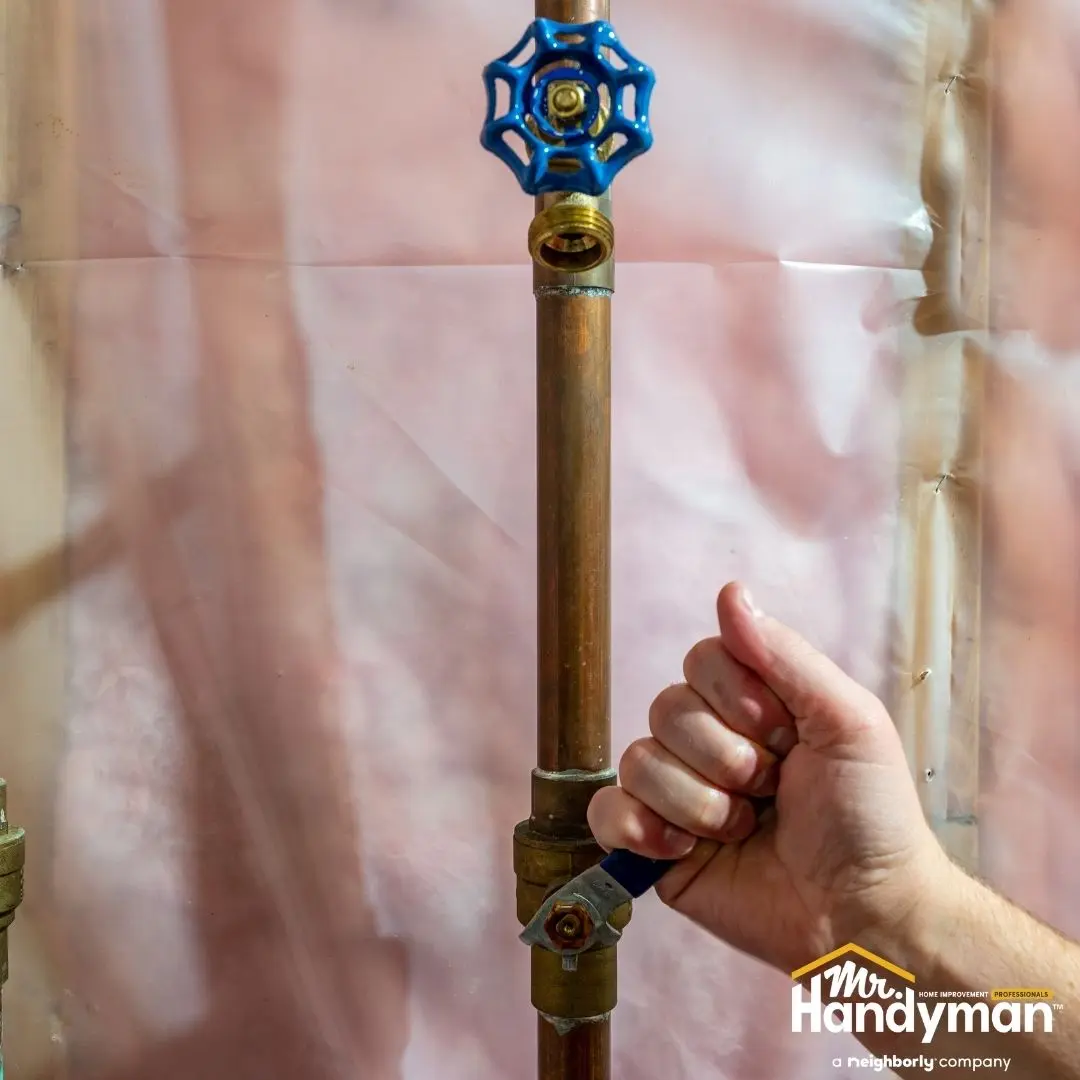
Knowing where your main water shutoff valve is located is one of the most critical emergency plumbing tips. If a pipe bursts during a freeze, shutting off the water immediately can prevent extensive flooding.
Before winter cold snaps occur, homeowners should:
- Locate the main water shutoff valve
- Ensure it turns smoothly
- Label it clearly for quick identification
In emergency situations, every minute matters. Quick shutoff can significantly reduce water damage to floors, walls, and crawl spaces.
Protecting Pipes During an Active Freeze
When freezing temperatures are ongoing, temporary protective measures can reduce the likelihood of pipe failure. These steps are especially useful overnight when temperatures are lowest.
Effective emergency actions include:
- Allowing faucets to drip slightly to keep water moving
- Opening cabinet doors under sinks to circulate warm air
- Increasing indoor thermostat settings slightly
- Closing crawl space vents if appropriate
These measures help maintain pipe temperatures above freezing and reduce pressure buildup inside supply lines.
Outdoor Faucets and Hose Bib Emergencies
Outdoor faucets are often the first plumbing components to fail during a freeze. If hoses are still connected or internal shutoff valves are not closed, water trapped inside can freeze and crack the fixture.
If freezing temperatures are imminent:
- Disconnect all hoses immediately
- Drain outdoor faucets
- Cover faucets with insulated covers
- Shut off interior supply valves if available
If an outdoor faucet begins leaking during a freeze, it may indicate internal damage that requires prompt home repair once temperatures rise.
Why Crawl Spaces Are a Major Risk Area
Crawl spaces are a common source of winter plumbing emergencies in the Lowcountry. Cold air entering through vents can chill pipes quickly, especially during windy conditions.
During a freeze, homeowners should:
- Inspect crawl space access points for drafts
- Ensure pipes are insulated
- Check for standing water that increases heat loss
Emergency attention to crawl space conditions helps prevent both freezing and long-term moisture damage.
When to Call for Professional Help
Some plumbing emergencies require immediate professional intervention. If a pipe has burst, water damage is spreading, or freezing affects multiple fixtures, professional assistance is essential.
Professional help is especially important when:
- Leaks occur inside walls or ceilings
- Water cannot be shut off completely
- Multiple pipes are affected
- Structural or electrical components are exposed to water
Quick response reduces damage and speeds up recovery after freezing temperatures pass.
Why Preparation Matters More Than Panic
Emergency plumbing situations are stressful, but preparation makes them manageable. Understanding Emergency Plumbing Tips for Sudden Freezing Temperatures in Charleston allows homeowners to respond calmly and effectively when cold weather strikes.
Sudden freezes may be rare, but they are not unpredictable. Taking basic precautions, knowing how to respond, and acting quickly protects your home from unnecessary damage and costly repairs.
Immediate Actions That Can Prevent Major Plumbing Damage
When freezing temperatures hit unexpectedly, the actions taken in the first few hours often determine the severity of the damage. For Charleston-area homeowners, plumbing emergencies during cold snaps escalate quickly because systems are not designed for sustained cold exposure. Understanding what to do right away is a critical part of Emergency Plumbing Tips for Sudden Freezing Temperatures in Charleston.
These immediate actions focus on reducing pressure inside pipes, maintaining heat around vulnerable areas, and preventing small issues from turning into catastrophic failures.
Keep Water Moving Through Vulnerable Pipes
One of the most effective emergency steps during a freeze is keeping water flowing through pipes that are most at risk. Moving water is far less likely to freeze than water that remains stagnant.
During freezing temperatures, homeowners should:
- Allow faucets on exterior walls to drip slowly
- Prioritize fixtures connected to crawl space or garage plumbing
- Run both hot and cold lines slightly when possible
The goal is not to waste water, but to prevent pressure buildup behind forming ice. This simple step can prevent pipe bursts during overnight freezes.
Increase Indoor Heat Strategically
Raising the thermostat slightly during a freeze can make a meaningful difference, especially overnight. Even a few degrees of additional warmth helps maintain pipe temperatures above freezing.
Strategic heating includes:
- Keeping the home at a consistent temperature
- Avoiding thermostat setbacks at night
- Using space heaters safely in problem areas
- Allowing warm air to circulate freely
Cabinets under sinks should be opened so warm air can reach pipes located against exterior walls. This is particularly important in kitchens and bathrooms where plumbing often runs near colder surfaces.
Secure Crawl Spaces During Freezing Events
Crawl spaces are one of the most common sources of winter plumbing emergencies in coastal South Carolina. Cold air entering through vents or gaps can chill pipes rapidly, even if the rest of the home remains warm.
During a freeze, homeowners should:
- Close crawl space vents if the design allows
- Check access doors for drafts
- Ensure insulation remains in place
- Remove standing water that increases heat loss
Homes in areas such as Mount Pleasant and Goose Creek often experience crawl space-related pipe freezing because of wind exposure and elevated foundations.
What to Do If a Pipe Bursts
Despite best efforts, pipes can still burst during sudden freezes. Knowing exactly what to do in that moment can significantly reduce damage.
If a pipe bursts:
- Shut off the main water supply immediately
- Turn off electricity to affected areas if water is present
- Open faucets to drain remaining water
- Move belongings away from the leak
Quick action limits water spread and reduces the risk of secondary damage such as mold growth, electrical hazards, and structural deterioration.
Temporary Leak Control Measures
In emergency situations, temporary measures may be necessary until professional repairs can be made. While these are not permanent fixes, they can help control water flow and minimize damage.
Temporary options include:
- Wrapping small leaks with plumber’s tape or clamps
- Using towels or buckets to manage dripping
- Redirecting water away from walls and flooring
These steps are meant to buy time, not replace proper home repair. Once temperatures rise, permanent repairs should be scheduled promptly.
Monitor Plumbing After Temperatures Rise
Plumbing emergencies do not always end when freezing temperatures pass. Pipes that froze but did not burst immediately may begin leaking as they thaw and water pressure returns.
After a freeze, homeowners should:
- Inspect exposed pipes for cracks or moisture
- Check ceilings, walls, and floors for water stains
- Monitor water pressure and flow
- Listen for unusual sounds in the plumbing system
Early detection after a freeze prevents hidden damage from worsening over time.
Why Speed Matters During Plumbing Emergencies
The faster a homeowner responds to freezing-related plumbing issues, the less damage occurs. Water spreads quickly, especially in crawl spaces and behind walls, where problems may go unnoticed.
Prompt action reduces:
- Repair costs
- Structural damage
- Mold and mildew risk
- Time without water service
These emergency plumbing tips are designed to give homeowners control during stressful situations rather than leaving them reacting after damage has already occurred.
Preparation Turns Emergencies Into Manageable Events
While sudden freezes are disruptive, they do not have to result in major plumbing failures. Knowing how to respond immediately allows homeowners to protect their property effectively.
Understanding Emergency Plumbing Tips for Sudden Freezing Temperatures in Charleston means being ready to act decisively. These immediate steps work together to stabilize plumbing systems, reduce damage, and create a safer situation until professional help is available.
How to Recover Safely After a Freeze and Prevent the Next Emergency
Once freezing temperatures pass, many homeowners assume the danger is over. In reality, the period immediately after a cold snap is when hidden plumbing damage often reveals itself. Understanding what to do next is just as important as knowing how to respond during the freeze itself. The final piece of Emergency Plumbing Tips for Sudden Freezing Temperatures in Charleston focuses on safe recovery, damage prevention, and long-term readiness for the next cold event.
Homes in coastal South Carolina are especially prone to delayed plumbing problems because pipes may freeze partially without bursting right away. As ice thaws and pressure returns, small cracks can begin leaking behind walls, under floors, or in crawl spaces. Acting quickly after a freeze helps homeowners avoid long-term water damage and costly repairs.
Inspect Your Home Carefully After Temperatures Rise
A thorough post-freeze inspection is essential, even if everything appears normal at first glance. Many leaks start slowly and worsen over time, particularly in humid environments where moisture spreads quickly.
After a freeze, homeowners should check:
- Exposed pipes in crawl spaces, garages, and utility rooms
- Ceilings and walls for discoloration or bubbling paint
- Cabinets under sinks for moisture or damp odors
- Outdoor faucets for dripping or reduced water pressure
In neighborhoods throughout North Charleston and Hanahan, plumbing systems often run through unconditioned spaces where post-freeze leaks can go unnoticed for days. Early detection prevents minor issues from escalating into major home repair projects.
Restore Water Service Gradually
If water was shut off during a freeze, it should be restored slowly. Opening the main valve too quickly can cause pressure surges that worsen existing cracks or damage fittings.
A safer approach includes:
- Opening the main shutoff valve slowly
- Turning on faucets one at a time
- Checking for leaks as pressure increases
- Listening for unusual sounds in the plumbing system
This controlled process reduces stress on pipes and allows homeowners to catch problems early.
Address Any Damage Immediately
Even small leaks require prompt attention after a freeze. Delaying repairs increases the risk of mold growth, wood rot, and structural deterioration, especially in warm, humid climates.
Common post-freeze repairs include:
- Replacing cracked pipe sections
- Repairing damaged fittings or valves
- Fixing leaking outdoor faucets
- Replacing insulation damaged by moisture
Homeowners working with Mr. Handyman of Charleston and Summerville often find that addressing damage quickly reduces overall repair costs and prevents secondary issues from developing.
Why Temporary Fixes Are Not Enough
During emergencies, temporary repairs help control damage, but they should never be considered permanent solutions. Tape, clamps, and sealants may stop a leak briefly, but they do not restore pipe integrity.
Relying on temporary fixes increases the risk of:
- Repeat leaks during the next cold snap
- Sudden pipe failure under pressure
- Hidden water damage behind walls
Permanent repairs ensure that plumbing systems are ready for future freezes and provide peace of mind during winter weather.
Preparing Now for the Next Sudden Freeze

One of the most valuable lessons from a plumbing emergency is understanding where your home is vulnerable. Preparing in advance turns future cold snaps into manageable events rather than stressful emergencies.
Long-term preparation steps include:
- Insulating exposed pipes in crawl spaces and garages
- Sealing air leaks around plumbing penetrations
- Installing insulated covers on outdoor faucets
- Testing shutoff valves before winter
Homes in areas like Johns Island and Ladson often benefit significantly from these preventative measures due to elevated foundations and wind exposure.
The Role of Routine Home Maintenance
Emergency plumbing situations rarely occur in well-maintained systems. Routine home maintenance plays a critical role in preventing winter plumbing failures.
Preventative maintenance supports:
- Early identification of weak points
- Improved insulation and airflow control
- Reliable shutoff valve operation
- Reduced likelihood of emergency repairs
Scheduling inspections before winter helps homeowners address small issues on their timeline instead of reacting to unexpected failures during freezing weather.
Commercial Properties Need Freeze Recovery Plans Too
Commercial maintenance deserves special consideration after freezing temperatures. Businesses often have larger plumbing systems, extended operating hours, and higher water usage, increasing the impact of freeze-related damage.
Post-freeze priorities for commercial properties include:
- Inspecting restrooms and supply lines
- Checking exterior plumbing and service connections
- Monitoring water heaters and pressure levels
- Addressing leaks before reopening to customers
Prompt attention protects property, minimizes downtime, and helps businesses resume normal operations safely.
Why Local Experience Matters After a Freeze
Recovering from a freeze requires understanding how local homes are built and where problems are most likely to appear. Advice designed for colder climates does not always translate to coastal South Carolina conditions.
Local experience provides insight into:
- Crawl space vulnerabilities
- Exterior wall plumbing risks
- Common outdoor faucet failures
- Moisture-related damage patterns
This regional knowledge helps homeowners focus on realistic risks rather than overcorrecting with unnecessary solutions.
Turning a Plumbing Emergency Into a Learning Opportunity
While plumbing emergencies are disruptive, they also offer valuable insight into how your home performs under stress. Each cold snap reveals areas where improvements can be made to reduce future risk.
Applying what you learn after a freeze allows you to:
- Strengthen vulnerable plumbing areas
- Improve overall home resilience
- Reduce emergency repair costs
- Increase confidence during winter weather
Understanding Emergency Plumbing Tips for Sudden Freezing Temperatures in Charleston does not end when the temperature rises. True preparedness comes from recovery, repair, and prevention working together.
With prompt post-freeze inspections, proper repairs, and proactive home maintenance, homeowners can protect their plumbing systems and avoid repeat emergencies. Sudden freezes may be part of winter in the Lowcountry, but with the right approach, they do not have to result in lasting damage or ongoing stress.
When freezing temperatures arrive unexpectedly, quick action matters. Call for fast assistance or request service online anytime.