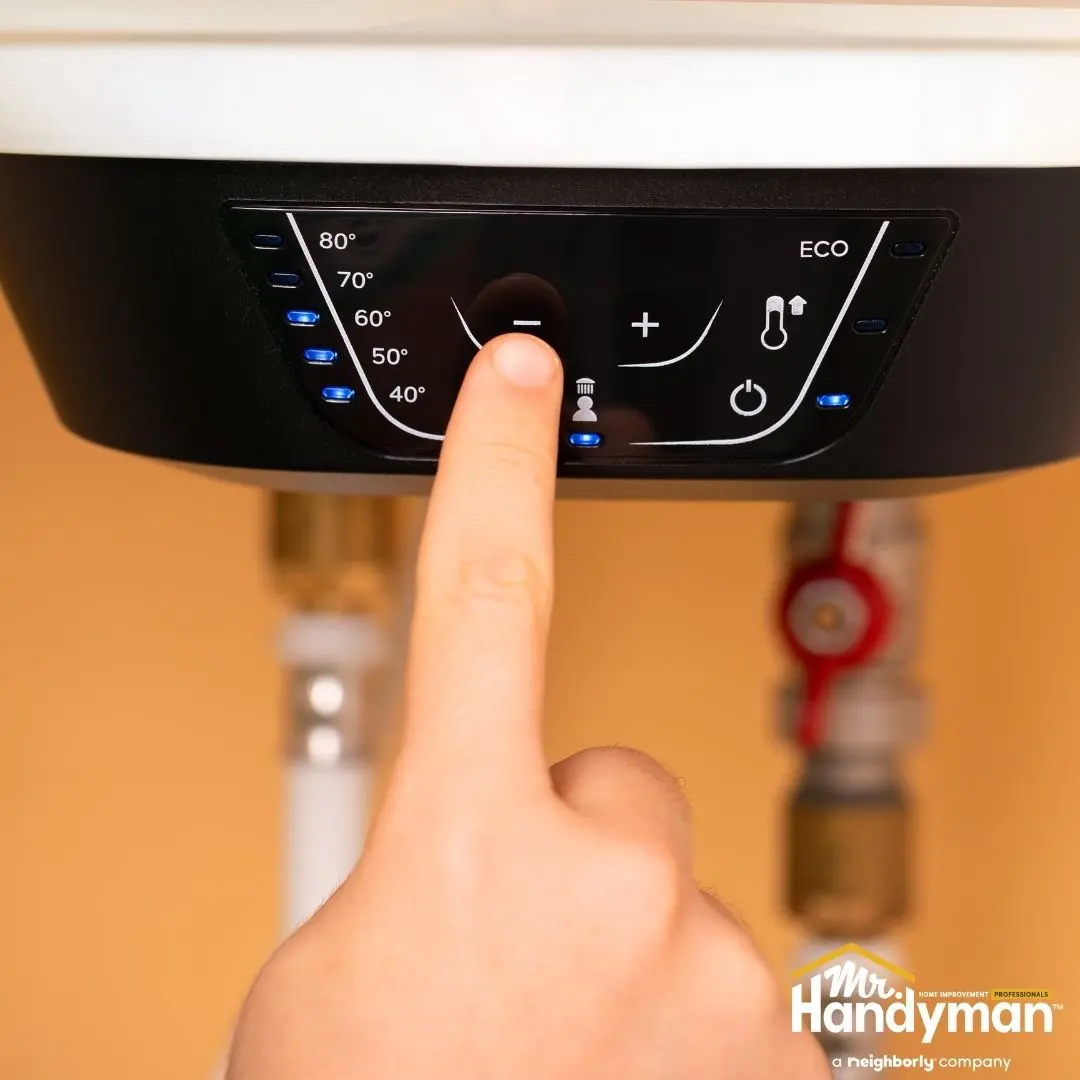
Cold weather in coastal South Carolina may be short-lived, but it can still place noticeable strain on your home’s water heater. Many homeowners are surprised to learn that even mild winters can expose performance issues, especially when incoming water temperatures drop and daily hot water demand increases. Understanding the Signs Your Water Heater Is Struggling During Cold Weather in Charleston helps homeowners address problems early, avoid unexpected breakdowns, and protect their overall plumbing system.
In the Lowcountry, water heaters are often expected to perform consistently year-round. When winter arrives, even briefly, the system must work harder to heat colder groundwater. This added strain can reveal underlying issues that may have gone unnoticed during warmer months. Homeowners working with Mr. Handyman of Charleston and Summerville frequently discover that winter is when water heater weaknesses become impossible to ignore.
Why Cold Weather Affects Water Heater Performance
Water heaters do not operate in isolation. Their performance is influenced by water temperature, usage patterns, and the condition of internal components. During winter, groundwater temperatures drop, meaning water enters the heater colder than usual. Even a small decrease in incoming temperature forces the system to use more energy and operate longer to reach the desired output.
This is especially noticeable in homes throughout Charleston and Summerville, where plumbing systems are designed for warm climates rather than sustained cold conditions. When winter cold snaps occur, water heaters that are already aging or inefficient begin to show signs of stress.
Hot Water Runs Out Faster Than Usual
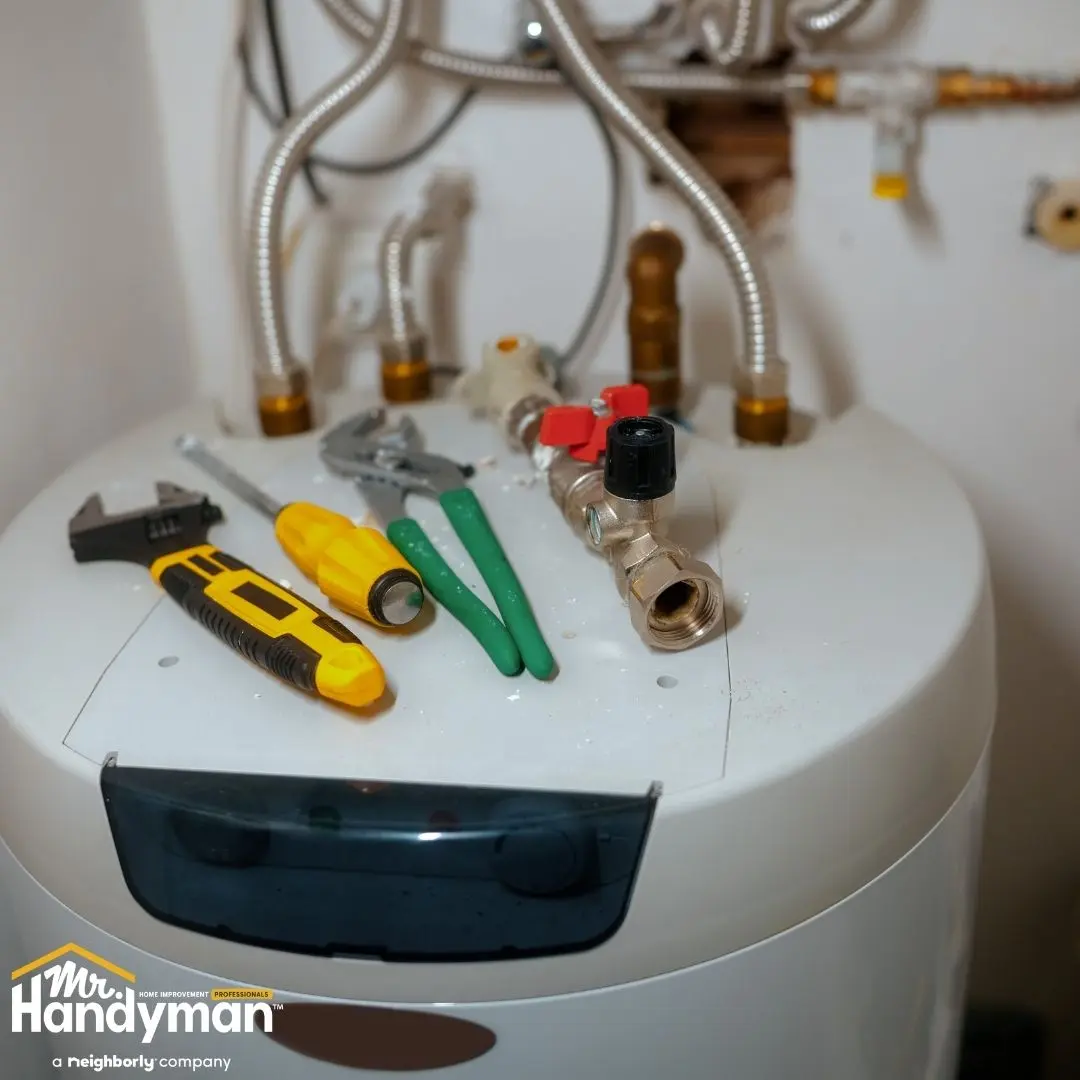
One of the earliest signs a water heater is struggling during cold weather is a reduced supply of hot water. Homeowners may notice that showers turn cold more quickly or that multiple fixtures cannot be used at the same time without losing heat.
This happens because colder inlet water lowers the effective capacity of the tank. The heater must work harder to raise the water temperature, and recovery times slow down. While this issue may seem minor, it often indicates that the unit is operating near its limits.
Contributing factors include:
- Sediment buildup reducing available tank capacity
- Aging heating elements or burners
- Inadequate tank size for household demand
- Declining insulation efficiency
If hot water shortages appear suddenly during cold weather, it is often a sign that maintenance or repairs are needed.
Inconsistent Water Temperature
Fluctuating water temperature is another common indicator of cold weather water heater stress. Water may alternate between hot and lukewarm without changes in usage. This inconsistency often becomes more noticeable during winter when the system cycles more frequently.
Possible causes include:
- Faulty thermostats
- Sediment interfering with heating efficiency
- Worn heating elements in electric units
- Burners struggling to maintain output in gas models
Inconsistent temperatures are not just inconvenient. They signal that the water heater is struggling to regulate output under increased demand, a situation that often worsens over time if left unaddressed.
Unusual Noises Coming From the Tank
Water heaters are generally quiet appliances. When cold weather arrives, unusual noises such as popping, rumbling, or banging often become more noticeable. These sounds are commonly caused by sediment buildup at the bottom of the tank.
As the heater works harder during winter, trapped sediment heats unevenly. Water trapped beneath sediment flashes into steam, creating noise and reducing heating efficiency. This problem is particularly common in older units that have not been flushed regularly as part of routine home maintenance.
Ignoring these sounds allows sediment to accumulate further, increasing strain on the tank and shortening its lifespan.
Higher Energy Bills Without Increased Usage
An unexplained increase in energy costs during winter can indicate water heater inefficiency. While some seasonal variation is expected, sharp increases often signal that the heater is using more energy to compensate for declining performance.
Common reasons include:
- Reduced efficiency due to sediment buildup
- Failing components requiring longer run times
- Heat loss from poorly insulated tanks or pipes
- Increased runtime caused by colder inlet water
Monitoring utility bills during winter provides valuable insight into water heater health and helps homeowners identify issues early.
Visible Leaks or Moisture Around the Unit
Cold weather places additional pressure on water heater tanks and connections. Small leaks that were previously insignificant may worsen as the system cycles more frequently.
Warning signs include:
- Moisture around the base of the unit
- Corrosion on fittings or valves
- Drips from the temperature and pressure relief valve
- Rust-colored water near connections
Even minor leaks require attention. In humid coastal environments, moisture problems escalate quickly and contribute to corrosion, mold growth, and surrounding structural damage.
Slow Hot Water Recovery Times
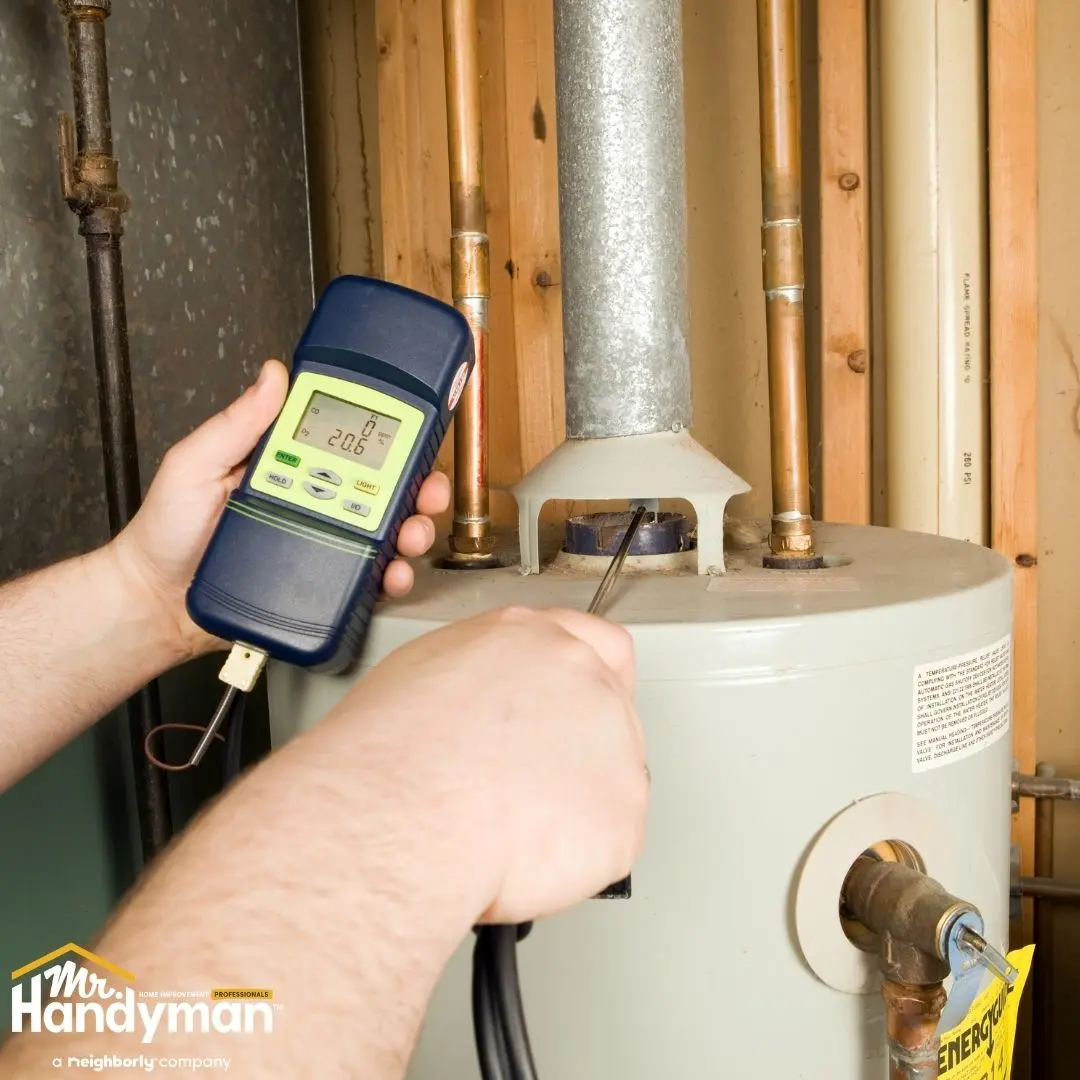
During winter, homeowners may notice that it takes longer for hot water to return after heavy use. This is especially common in the morning when multiple showers or appliances run back-to-back.
Slower recovery times indicate that the water heater is struggling to keep up with demand. While colder inlet water plays a role, excessive delays often point to declining system efficiency or component wear.
Why Early Detection Matters
Recognizing the signs your water heater is struggling during cold weather allows homeowners to act before minor issues become major failures. Water heater breakdowns often result in emergency repairs, water damage, and unexpected expenses.
Preventative attention during winter supports:
- Improved system efficiency
- Reduced risk of sudden failure
- Lower long-term repair costs
- More consistent hot water availability
Cold weather may be brief in Charleston, but its impact on water heaters is real. Understanding these warning signs helps homeowners make informed decisions about maintenance and repairs before problems escalate.
How Cold Weather Reveals Hidden Water Heater Problems
Cold weather has a way of exposing issues that stay hidden during warmer months. For many homeowners, winter is when water heaters begin to show signs of decline that were previously easy to overlook. Understanding Signs Your Water Heater Is Struggling During Cold Weather in Charleston requires recognizing how seasonal conditions place extra demand on the system and magnify existing weaknesses.
When temperatures drop, incoming water is colder, usage patterns shift, and water heaters run longer cycles. These changes stress internal components, especially in units that have not received regular home maintenance. What feels like a sudden problem is often the result of gradual wear that winter conditions finally bring to the surface.
Sediment Buildup Becomes a Bigger Issue in Winter
Sediment accumulation is one of the most common causes of water heater underperformance, particularly in coastal South Carolina. Minerals naturally present in the local water supply settle at the bottom of the tank over time. During warmer months, this buildup may not noticeably affect performance.
In winter, sediment becomes far more problematic. As the water heater works harder to raise colder water to the desired temperature, sediment acts as a barrier between the heating element and the water. This reduces efficiency, increases energy usage, and causes uneven heating.
Homeowners often notice:
- Louder popping or rumbling sounds
- Reduced hot water capacity
- Longer heating cycles
- Increased wear on internal components
Sediment-related issues are especially common in older homes throughout Mount Pleasant and North Charleston, where water heaters may have gone years without flushing or inspection.
Thermostat and Control Issues in Colder Conditions
Water heater thermostats regulate temperature by cycling the heating elements or burners on and off. During winter, these controls operate more frequently as the system works to maintain consistent output.
A thermostat that is slightly out of calibration may not cause noticeable issues in warm weather. Once winter arrives, inconsistent cycling becomes more apparent. Homeowners may experience water that is too hot one moment and lukewarm the next, even with minimal usage changes.
Common thermostat-related symptoms include:
- Wide temperature swings
- Difficulty maintaining set temperatures
- Increased energy consumption
- Short cycling that strains components
These issues often worsen as winter progresses and should be addressed promptly to avoid further damage.
Pressure Changes and Tank Stress
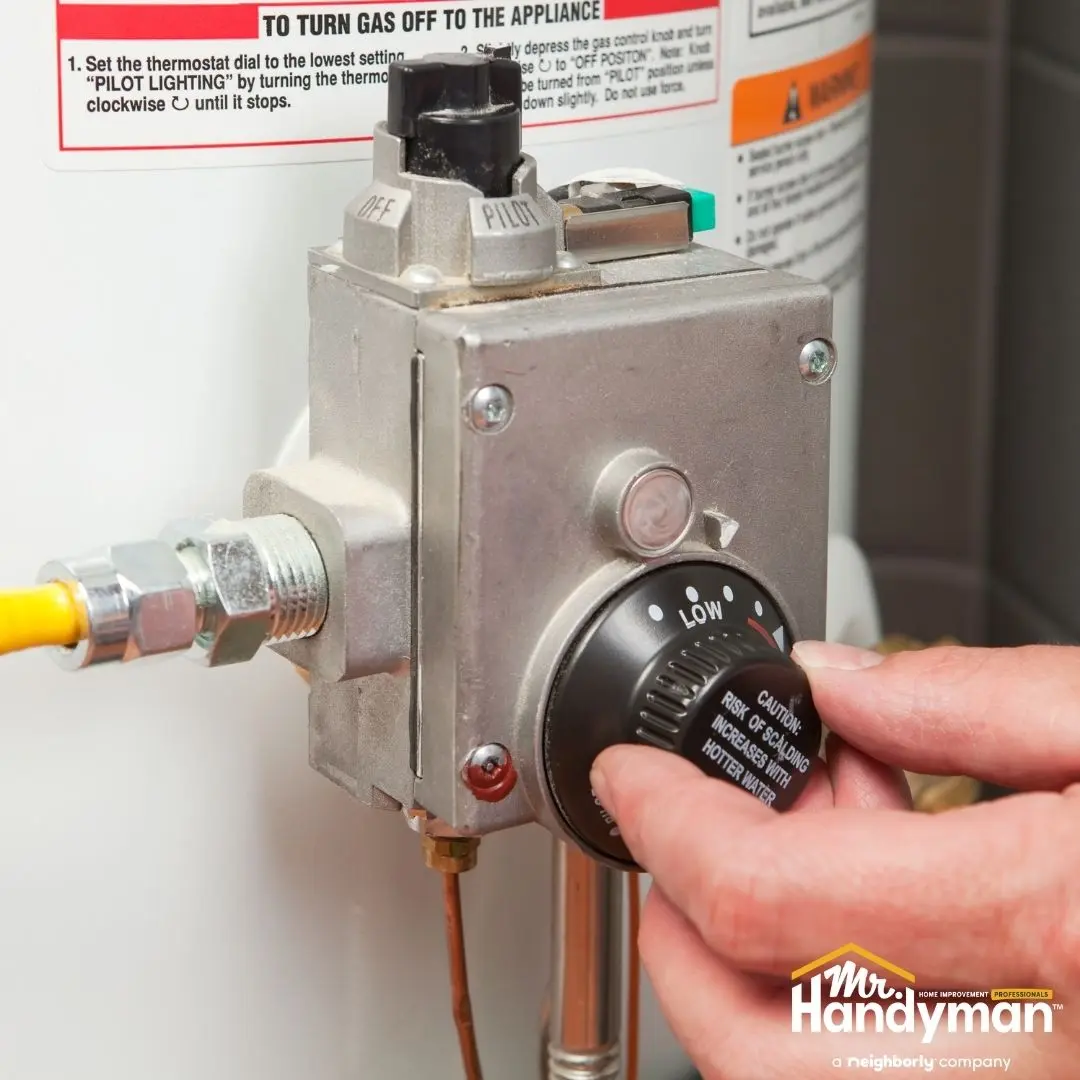
Cold weather affects water pressure inside plumbing systems. As water heats and cools more frequently during winter, pressure fluctuations place additional stress on the water heater tank and its fittings.
The temperature and pressure relief valve plays a critical safety role, releasing excess pressure when needed. During winter, this valve may activate more often, especially if sediment buildup or restricted flow increases internal pressure.
Warning signs of pressure-related problems include:
- Drips or discharge from the relief valve
- Moisture around fittings or connections
- Unusual noises during heating cycles
Ignoring these signs increases the risk of leaks or tank failure, particularly in aging units.
Electrical and Gas Component Wear
Both electric and gas water heaters experience additional component wear during cold weather. Electric units rely on heating elements that must work longer to compensate for colder inlet water. Gas units depend on burners and ventilation systems that may struggle to maintain efficiency during extended run times.
In winter, homeowners may notice:
- Circuit breakers tripping more frequently
- Pilot lights that struggle to stay lit
- Delayed ignition in gas models
- Increased runtime without improved output
These symptoms suggest that key components are nearing the end of their functional lifespan. Without attention, these issues often lead to complete system failure at the worst possible time.
Water Heater Age Matters More in Winter
The age of a water heater becomes especially relevant during cold weather. Most residential water heaters are designed to last between eight and twelve years with proper home maintenance. As units age, their ability to handle seasonal stress declines.
Older systems are more likely to experience:
- Corrosion inside the tank
- Reduced insulation effectiveness
- Inefficient heating cycles
- Failing valves and connections
Homes in communities like Goose Creek and Ladson often contain water heaters that are approaching or exceeding their expected lifespan. Winter conditions frequently reveal that replacement or significant repair is needed.
Impact on Daily Home Use
A struggling water heater affects more than just showers. During winter, hot water demand often increases due to longer showers, laundry needs, and household routines. When the system cannot keep up, daily activities become inconvenient and inefficient.
Homeowners may notice:
- Difficulty running multiple fixtures at once
- Delays between hot water uses
- Increased frustration during peak usage times
These disruptions are often early indicators that the system is no longer operating as intended.
Why Ignoring the Signs Leads to Bigger Problems
Ignoring the signs your water heater is struggling during cold weather can lead to sudden breakdowns, water damage, and emergency repairs. Small performance issues rarely resolve on their own. Instead, they place additional strain on the system until a component fails.
In coastal environments, water heater failures can also contribute to secondary damage. Leaks and moisture problems escalate quickly due to humidity, increasing the risk of mold growth and structural deterioration.
Addressing performance issues early allows homeowners to plan repairs, schedule maintenance, and avoid the disruption of unexpected system failure.
Winter Is the Best Time to Evaluate Water Heater Health
Cold weather provides valuable insight into how well a water heater performs under stress. Paying attention to changes during this season helps homeowners make informed decisions about maintenance, repairs, or replacement.
Understanding Signs Your Water Heater Is Struggling During Cold Weather in Charleston equips homeowners with the knowledge needed to protect their plumbing system and maintain reliable hot water throughout the winter months.
When to Take Action and How to Prevent Cold Weather Water Heater Failures
Recognizing the warning signs is only part of protecting your home. The next step is knowing when to take action and how to prevent cold weather from pushing a struggling water heater into complete failure. Understanding Signs Your Water Heater Is Struggling During Cold Weather in Charleston allows homeowners to respond early, avoid emergencies, and extend the life of an essential home system.
In the Lowcountry, winter-related water heater problems rarely resolve on their own. Because cold weather increases workload and exposes inefficiencies, delaying repairs often leads to sudden breakdowns during peak usage periods. Proactive home maintenance is the most reliable way to prevent this outcome.
When Performance Issues Should Not Be Ignored
Some water heater symptoms indicate routine wear, while others signal that immediate attention is needed. During cold weather, even minor issues deserve closer evaluation.
You should take action promptly if you notice:
- Repeated loss of hot water during normal use
- Visible leaks or corrosion around the unit
- Persistent temperature fluctuations
- Unusual noises that do not subside
- A noticeable increase in energy bills
These signs suggest the system is under strain and may be nearing failure. In homes across Johns Island and Hanahan, homeowners often discover that cold weather turns small inefficiencies into major disruptions if left unaddressed.
The Importance of Winter Water Heater Maintenance
Preventative maintenance plays a key role in reducing cold weather water heater problems. Many winter issues stem from neglect rather than unavoidable wear.
Effective maintenance tasks include:
- Flushing sediment from tank-style water heaters
- Inspecting heating elements or burners
- Checking thermostats for accuracy
- Testing temperature and pressure relief valves
- Inspecting connections for corrosion or leaks
Routine home maintenance helps restore efficiency and reduces stress on the system during colder months. For homeowners, this often means fewer surprises and more consistent hot water throughout the winter.
How Cold Weather Accelerates Aging Systems
Cold weather does not create water heater problems, but it accelerates existing ones. Aging tanks, worn components, and reduced insulation efficiency become more noticeable when the system is pushed harder than usual.
Older water heaters may struggle with:
- Slower recovery times
- Increased energy consumption
- Uneven heating cycles
- Greater susceptibility to leaks
In communities like Moncks Corner, where homes often have long-standing plumbing systems, winter is frequently the season when replacement becomes unavoidable. Evaluating the age and condition of the unit helps homeowners plan upgrades before emergencies occur.
Deciding Between Repair and Replacement
Cold weather performance issues often prompt homeowners to question whether repair or replacement is the better option. While repairs can address many problems, there are situations where replacement offers better long-term value.
Replacement may be the smarter choice when:
- The unit is approaching or exceeding its expected lifespan
- Repairs are frequent or increasingly costly
- Energy efficiency has declined significantly
- The tank shows signs of internal corrosion
Making this decision during winter allows homeowners to address issues proactively rather than reacting to sudden failure during high-demand periods.
Preventing Cold Weather Stress Through Simple Habits
In addition to professional maintenance, daily habits play a role in protecting water heaters during cold weather.
Helpful winter habits include:
- Spacing out hot water usage during peak times
- Avoiding excessive thermostat adjustments
- Monitoring for early signs of leaks or noise
- Keeping surrounding areas clean and dry
These habits reduce unnecessary strain on the system and support consistent performance during colder months.
How Plumbing Conditions Affect Water Heater Performance
Water heaters are closely tied to the overall health of the plumbing system. Cold weather plumbing issues such as pressure fluctuations, sediment movement, and pipe insulation gaps can all impact heater performance.
Preventative plumbing measures that support water heater efficiency include:
- Insulating hot water pipes to reduce heat loss
- Maintaining consistent water pressure
- Addressing slow drains or sediment buildup
- Inspecting shutoff valves and supply lines
Integrated home maintenance ensures that the water heater does not carry the burden of system-wide inefficiencies alone.
Why Local Experience Matters for Winter Water Heater Care
Cold weather water heater performance varies by region. Advice designed for northern climates often does not translate well to coastal South Carolina. Local professionals understand how mild winters, humidity, and groundwater temperatures affect system behavior.
Professionals familiar with the Charleston area know:
- How winter water temperatures affect recovery times
- Which plumbing layouts are most vulnerable
- When seasonal demand increases stress on systems
- How to balance efficiency with realistic usage patterns
This regional understanding allows homeowners to address real risks without overcorrecting or investing in unnecessary upgrades.
Planning Ahead Reduces Winter Disruptions
The most effective way to avoid water heater problems during cold weather is planning ahead. Evaluating system performance before winter and responding quickly to early warning signs prevents last-minute repairs and cold showers.
A proactive winter plan includes:
- Scheduling water heater inspections before peak cold periods
- Completing recommended repairs promptly
- Monitoring system performance throughout the season
- Preparing for increased demand during holidays and travel
For homeowners working with Mr. Handyman of Charleston and Summerville, winter preparation is part of responsible home care. Addressing water heater issues early protects comfort, efficiency, and peace of mind.
Protecting Your Home’s Hot Water Supply All Winter
Understanding the Signs Your Water Heater Is Struggling During Cold Weather in Charleston gives homeowners the advantage of early intervention. Cold weather may be brief in the Lowcountry, but its impact on water heaters is significant, especially for aging or poorly maintained systems.
By recognizing warning signs, investing in routine home maintenance, and responding proactively, homeowners can avoid unexpected failures and ensure reliable hot water throughout the winter season. With thoughtful preparation and local expertise, cold weather becomes a manageable challenge rather than a disruptive surprise.
If your hot water isn’t reliable during colder weather, don’t wait. Call to have a local handyman inspect your water heater.
