Winter in the Lowcountry looks very different from winter in colder parts of the country, but that does not mean plumbing systems are immune to seasonal stress. In coastal South Carolina, fluctuating temperatures, occasional hard freezes, heavy rainfall, and high humidity create a unique set of challenges for residential plumbing. Understanding the Top Winter Plumbing Problems and How to Prevent Them is essential for homeowners who want to avoid unexpected repairs, water damage, and costly emergency calls during the colder months.
For homeowners working with Mr. Handyman of Charleston and Summerville, winter preparation is not about deep snow or prolonged subzero weather. Instead, it focuses on short cold snaps, aging infrastructure, and homes that were often not designed with severe cold protection in mind. These factors combine to make winter plumbing issues surprisingly common across the region, including in areas like Charleston and Summerville.
Understanding why these problems occur is the first step toward effective prevention. Many winter plumbing failures are not caused by extreme conditions but by small vulnerabilities that go unnoticed until temperatures dip just low enough to expose them.
Why Winter Plumbing Issues Are Different in Coastal South Carolina
Homes in the Charleston area experience winter conditions that are inconsistent. One week may bring mild, humid weather, while the next includes overnight freezes that drop below 32 degrees. This inconsistency places stress on plumbing systems that are rarely winterized to the same extent as homes farther north.
Several regional factors contribute to winter plumbing problems:
- Pipes are often installed in crawl spaces or exterior walls with minimal insulation.
- Outdoor plumbing fixtures are frequently left exposed year-round.
- Sudden temperature drops catch homeowners off guard, limiting preparation time.
- High groundwater levels increase the risk of drainage and sewer complications.
Because these issues are tied closely to climate and construction style, winter home maintenance in this region requires a targeted approach rather than generic cold-weather advice.
Frozen Pipes During Short Cold Snaps
Frozen pipes are one of the most well-known winter plumbing problems, even in areas where freezes are rare. In the Lowcountry, the danger lies in how quickly temperatures can fall overnight. Pipes that function perfectly at 40 degrees can freeze when temperatures drop into the 20s for just a few hours.
Pipes most at risk include those located:
- In crawl spaces with poor airflow control
- Along exterior walls
- In garages or unheated utility rooms
- Serving outdoor faucets and irrigation systems
When water freezes inside a pipe, it expands. This expansion places pressure on the pipe walls, increasing the likelihood of cracks or bursts once temperatures rise and water flow resumes. The resulting leaks can cause extensive water damage before they are discovered.
How to Prevent Frozen Pipes
Preventing frozen pipes in this region is less about extreme insulation and more about addressing known weak points.
Effective prevention strategies include:
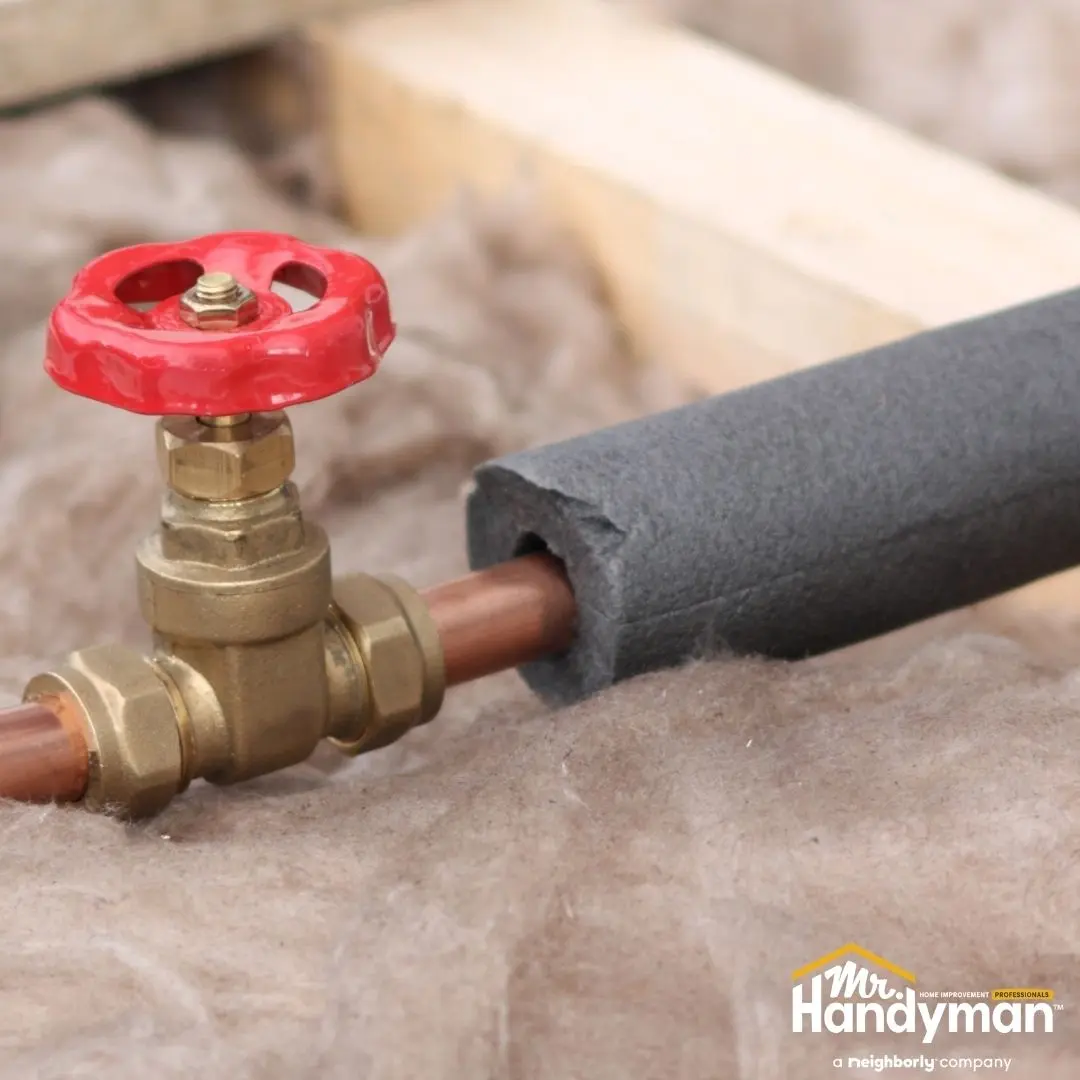
- Insulating exposed pipes in crawl spaces and garages
- Sealing air leaks around foundation vents and wall penetrations
- Disconnecting and draining garden hoses before winter
- Allowing faucets to drip slightly during freezing nights to keep water moving
These measures are especially important for older homes and properties with minimal modern upgrades. Routine home repair inspections before winter can identify areas that need attention before temperatures drop.
Burst Pipes and Hidden Water Damage
Burst pipes are often the result of freezing, but in many cases, the damage does not become visible immediately. A small crack caused by freezing may only leak once water pressure returns to normal, sometimes days later. This delay makes burst pipes particularly dangerous because water can seep into walls, flooring, and crawl spaces unnoticed.
In humid coastal environments, even minor leaks can escalate quickly. Moisture trapped inside walls encourages mold growth and wood rot, compounding repair costs and creating long-term structural issues.
Why Burst Pipes Are Often Missed
Homeowners may not realize a pipe has burst because:
- Leaks occur behind walls or under floors
- Water damage appears gradually
- Pressure loss is minimal at first
- Moisture accumulates in crawl spaces rather than living areas
This makes early prevention and seasonal inspections a critical part of winter home maintenance.
Outdoor Faucet and Hose Bib Failures
Outdoor plumbing fixtures are among the most vulnerable components during winter. Many homes in the region use standard hose bibs rather than frost-free models. When temperatures dip below freezing, any water left inside these fixtures can freeze and expand, damaging internal components.
A cracked hose bib may not leak immediately. Once warmer weather returns and the faucet is used again, water may begin leaking inside the wall where the fixture connects to interior plumbing.
Preventative Steps for Outdoor Plumbing
To protect outdoor faucets:
- Shut off the interior supply line if available
- Drain remaining water from the faucet
- Install insulated faucet covers before freezing nights
- Avoid leaving hoses connected during winter
These simple steps significantly reduce the risk of hidden leaks that often lead to major home repair needs in early spring.
Slow or Blocked Drains During Winter
While frozen drains are less common in this climate, winter can still worsen existing drainage issues. Grease buildup, soap residue, and debris move more slowly in cooler temperatures, increasing the likelihood of partial blockages.
Additionally, heavy winter rains common in the Charleston area can overwhelm aging drainage systems, especially in homes with older sewer lines or compromised venting.
Preventative drain maintenance before winter helps ensure plumbing systems continue functioning efficiently through seasonal weather changes.
Water Heater Stress and Winter Performance Issues
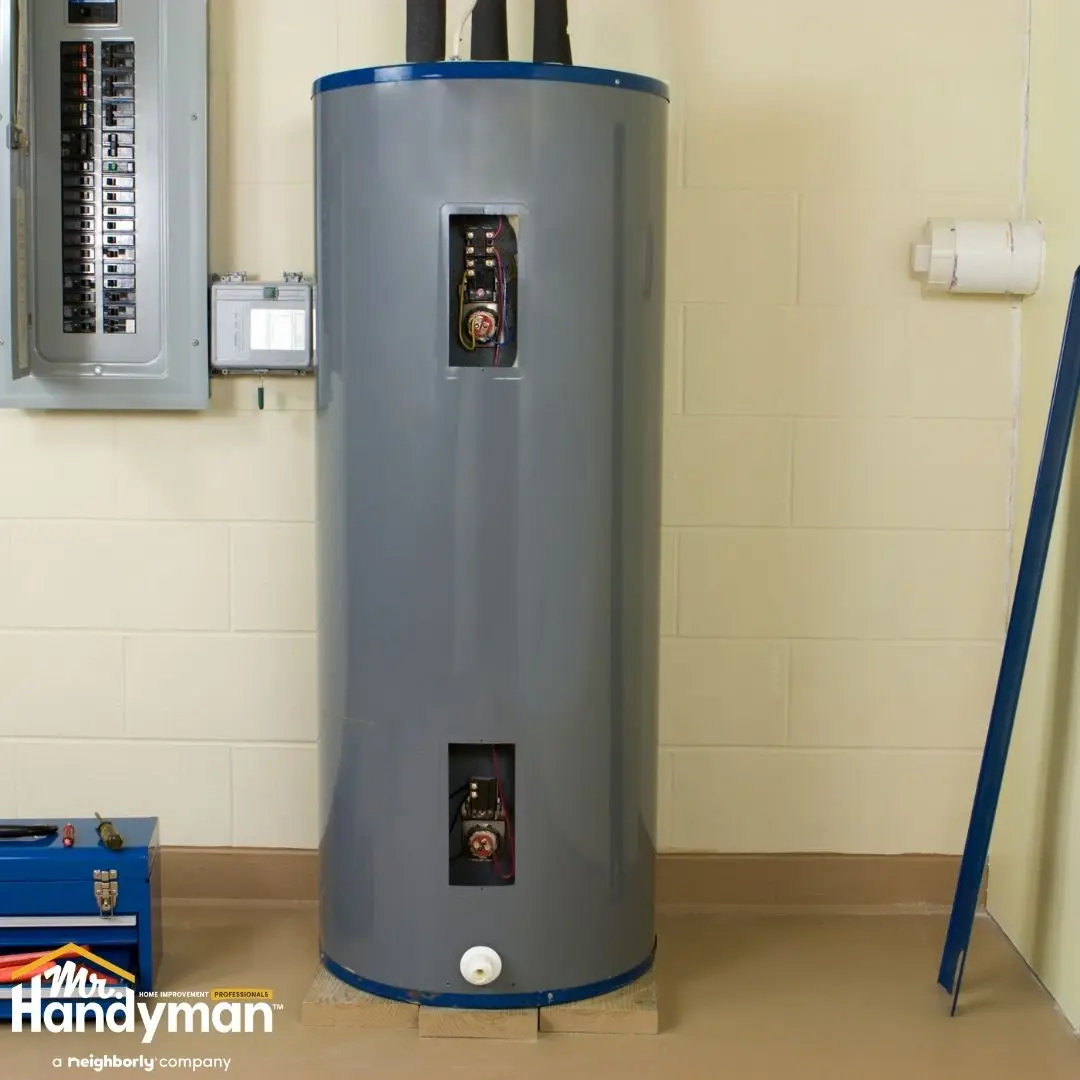
Water heaters work harder during winter months, even in mild coastal climates. Colder incoming water temperatures require additional energy to reach set temperatures, placing strain on components that may already be aging or partially worn. For homeowners across the Lowcountry, water heater problems are a frequent but often overlooked part of the Top Winter Plumbing Problems and How to Prevent Them.
In winter, small inefficiencies become noticeable. Hot water runs out faster, recovery times slow down, and minor sediment issues escalate into performance problems. These challenges affect both tank-style and tankless water heaters, though the causes differ slightly between systems.
Common Winter Water Heater Problems
Several issues tend to surface during colder months:
- Inconsistent water temperature due to cold inlet water
- Sediment buildup reducing heating efficiency
- Overworked heating elements or burners
- Increased pressure inside aging tanks
In areas like Mount Pleasant and North Charleston, many homes rely on water heaters that were installed years ago. Winter often exposes weaknesses that were manageable during warmer months but become problematic when demand increases.
Preventing Winter Water Heater Failures
Preventative care plays a significant role in extending water heater lifespan and improving winter performance.
Recommended steps include:
- Flushing tank-style water heaters to remove sediment buildup
- Checking temperature and pressure relief valves
- Inspecting visible connections for signs of corrosion or leaks
- Ensuring adequate clearance and ventilation around the unit
Routine home maintenance before winter helps identify potential issues early. Addressing these concerns reduces the likelihood of sudden hot water loss and costly emergency plumbing repairs during colder weather.
Increased Risk of Sewer Line and Drainage Problems
Winter plumbing concerns extend beyond supply lines. Drainage systems and sewer lines also face seasonal challenges, particularly in coastal regions with high water tables and older infrastructure. Heavy winter rains combined with cooler temperatures can exacerbate existing weaknesses in underground pipes.
Tree roots, which remain active year-round in South Carolina, can infiltrate small cracks in sewer lines. During winter, increased soil moisture makes these intrusions more impactful, leading to slow drains, backups, or unpleasant odors inside the home.
Warning Signs of Winter Drain Issues
Homeowners should remain alert for signs that indicate drainage problems may be developing:
- Gurgling sounds from sinks or toilets
- Slow drainage throughout the home
- Sewage odors near drains or outside cleanouts
- Water pooling in yards after heavy rain
These symptoms often worsen during winter due to saturated soil and reduced evaporation. Ignoring early signs can result in significant home repair needs if a sewer line fails or backs up.
Preventative Drain and Sewer Maintenance
Preventing winter drainage problems focuses on proactive inspection and maintenance rather than reactive fixes.
Effective measures include:
- Scheduling professional drain inspections before winter
- Avoiding grease and food waste disposal in kitchen sinks
- Clearing yard debris that may obstruct outdoor cleanouts
- Monitoring areas where previous drainage issues occurred
For homes in Goose Creek and surrounding communities, preventive attention to drainage systems is especially important due to variable soil conditions and frequent rainfall.
Toilet and Fixture Failures During Colder Weather
Plumbing fixtures, including toilets, faucets, and shutoff valves, also experience winter-related stress. Temperature fluctuations can cause seals and gaskets to contract, increasing the risk of leaks. Older fixtures are particularly susceptible, as rubber components naturally degrade over time.
Running toilets become more common during winter due to worn flappers or fill valves that fail to seal properly under increased water pressure. Even small leaks waste significant amounts of water and place unnecessary strain on plumbing systems.
Why Fixture Leaks Escalate in Winter
Several factors contribute to fixture issues during colder months:
- Increased indoor water usage
- Slight changes in water pressure
- Expansion and contraction of materials
- Aging components reaching failure thresholds
These issues are rarely catastrophic on their own, but when combined with other winter plumbing problems, they can contribute to higher utility bills and hidden water damage.
Preventative Fixture Maintenance
Preventing fixture failures involves regular inspection and timely replacement of worn parts.
Homeowners should:
- Check toilets for continuous running or weak flushes
- Inspect faucet bases and supply lines for moisture
- Replace worn washers, flappers, and seals proactively
- Ensure shutoff valves operate smoothly without leaking
Routine home maintenance helps avoid the accumulation of small plumbing issues that often surface simultaneously during winter.
Crawl Space Moisture and Pipe Exposure
Many homes in the Charleston region are built with crawl spaces rather than basements. While this design offers advantages in flood-prone areas, it introduces unique winter plumbing concerns. Crawl spaces often contain exposed plumbing that is vulnerable to temperature changes and moisture accumulation.
During winter, cold air entering through vents can chill pipes, increasing the risk of freezing. At the same time, damp conditions promote corrosion and weaken pipe supports, particularly in older homes.
How Crawl Space Conditions Affect Plumbing
Uncontrolled crawl space environments can lead to:
- Frozen or sweating pipes
- Mold growth near plumbing components
- Deterioration of pipe insulation
- Structural damage from prolonged moisture exposure
These problems often go unnoticed because crawl spaces are rarely inspected unless an issue becomes severe.
Preventative Crawl Space Strategies
Preventing winter plumbing problems related to crawl spaces requires a combination of insulation, moisture control, and routine inspection.
Key strategies include:
- Insulating exposed plumbing lines
- Ensuring crawl space vents function properly
- Addressing standing water or drainage issues promptly
- Scheduling seasonal inspections as part of overall home maintenance
Professionals from Mr. Handyman of Charleston and Summerville often find that addressing crawl space vulnerabilities significantly reduces winter plumbing emergencies.
Why Proactive Winter Plumbing Care Matters
The common thread across the Top Winter Plumbing Problems and How to Prevent Them is prevention. Most winter plumbing failures are not sudden or unavoidable. They develop over time and become noticeable when seasonal conditions place additional stress on existing weaknesses.
Taking a proactive approach protects not only plumbing systems but also the surrounding structure of the home. Water damage, mold growth, and foundation issues often begin with minor plumbing failures that could have been prevented through routine inspection and timely repairs.
Winter may be relatively mild in coastal South Carolina, but the region’s unique climate makes plumbing systems vulnerable in ways that homeowners often underestimate. Understanding these risks and addressing them early sets the stage for a safer, more reliable home throughout the season and beyond.
Preventing Emergency Plumbing Repairs Before They Start
The final piece of understanding the Top Winter Plumbing Problems and How to Prevent Them is recognizing how small issues turn into emergencies when seasonal stress is added. In coastal South Carolina, winter plumbing failures rarely come from extreme cold alone. They usually result from delayed maintenance, overlooked warning signs, or systems that were never designed to handle even short freezes.
Emergency plumbing repairs are disruptive, expensive, and often preventable. A proactive approach focused on inspection, preparation, and timely repairs can dramatically reduce winter-related plumbing failures and protect both residential and commercial properties.
How Minor Plumbing Issues Become Winter Emergencies
During warmer months, plumbing systems often operate close to their tolerance limits without showing obvious symptoms. Winter exposes these weak points by increasing demand and introducing temperature fluctuations.
Common examples include:
- Hairline cracks in pipes expanding during freezing nights
- Loose fittings leaking under increased pressure
- Aging shutoff valves failing when finally used
- Slow drains backing up after heavy winter rainfall
In communities like Johns Island and Hanahan, older homes are especially vulnerable because plumbing systems may not have been updated to modern standards. Without preventative attention, small winter issues quickly escalate into urgent home repair situations.
Seasonal Plumbing Inspections as Preventative Maintenance
One of the most effective ways to prevent winter plumbing emergencies is through seasonal inspections. These inspections focus on identifying vulnerabilities before cold weather places additional stress on the system.
A thorough winter plumbing inspection typically includes:
- Evaluating exposed pipes for insulation gaps
- Checking water pressure and shutoff valve function
- Inspecting water heaters for leaks or sediment issues
- Examining crawl spaces for moisture or pipe exposure
Seasonal inspections are particularly valuable in areas such as Moncks Corner, where temperature swings and soil conditions can affect both supply lines and drainage systems. Preventative home maintenance helps homeowners plan repairs on their schedule rather than responding to emergencies.
Protecting Plumbing During Extended Absences
Winter travel is common, even in mild climates. Leaving a home unattended for extended periods increases the risk of undetected plumbing failures. A burst pipe or leaking fixture can cause extensive damage if no one is present to notice the problem.
Before leaving a property during winter, homeowners should take additional precautions.
Recommended steps include:
- Turning off the main water supply if appropriate
- Setting thermostats to maintain consistent indoor temperatures
- Draining outdoor plumbing fixtures
- Asking a trusted neighbor or property manager to check the home
These measures are especially important for coastal and barrier island homes, including those in Isle of Palms, where humidity and salt air can accelerate corrosion if leaks go unnoticed.
Commercial Properties Face Added Winter Plumbing Risks
While residential homes experience most winter plumbing issues, commercial maintenance demands additional attention. Businesses often have larger plumbing systems, higher water usage, and longer operating hours, all of which increase winter stress on pipes and fixtures.
Common commercial winter plumbing concerns include:
- Restroom fixtures used continuously throughout the day
- Water heaters operating near maximum capacity
- Exterior plumbing exposed to overnight freezes
- Drainage systems overwhelmed by winter rainfall
Preventative commercial maintenance reduces downtime, protects customer areas, and helps business owners avoid costly disruptions during peak operating hours. Even in a mild winter climate, commercial plumbing systems benefit from seasonal planning and routine inspections.
The Role of Preventative Repairs in Long-Term Home Care
Preventing winter plumbing problems is not limited to emergency avoidance. It plays a crucial role in preserving the long-term health of a home. Water damage, mold growth, and structural deterioration often trace back to plumbing issues that began during colder months.
Preventative repairs provide several long-term benefits:
- Reduced likelihood of hidden water damage
- Improved system efficiency year-round
- Lower overall repair costs
- Extended lifespan of plumbing components
Homeowners in growing areas like Ladson often find that proactive plumbing maintenance supports broader home improvement goals by protecting existing infrastructure.
Why Local Experience Matters for Winter Plumbing
Understanding the regional climate is critical when addressing winter plumbing concerns. Advice designed for northern climates does not always apply to the Lowcountry. Short freezes, high humidity, and coastal conditions require localized knowledge and tailored solutions.
Professionals familiar with the area understand:
- Which pipes are most likely to freeze in local construction styles
- How crawl space conditions affect plumbing performance
- When seasonal weather patterns create the highest risk
- How to balance insulation, ventilation, and moisture control
This localized approach helps homeowners address real risks rather than overcorrecting with unnecessary or ineffective measures.
Planning Ahead for a Stress-Free Winter
The best defense against winter plumbing problems is preparation. Addressing vulnerabilities early allows homeowners and business owners to avoid last-minute repairs when temperatures drop unexpectedly.
A winter readiness plan should include:
- Scheduling plumbing inspections before cold weather arrives
- Completing recommended home maintenance repairs promptly
- Monitoring plumbing performance throughout the season
- Responding quickly to early warning signs
For those working with Mr. Handyman of Charleston and Summerville, winter preparation is part of a broader commitment to reliable home repair and maintenance. With the right preventative approach, winter does not have to bring plumbing surprises.
Understanding the Top Winter Plumbing Problems and How to Prevent Them empowers homeowners to take control of seasonal risks. Even in a mild coastal climate, thoughtful preparation, routine maintenance, and timely repairs make all the difference in protecting plumbing systems, preserving property value, and maintaining peace of mind throughout the winter season.
Winter plumbing issues can escalate quickly if ignored. Call Mr. Handyman of Charleston and Summerville at or schedule service.