Sep 23 2026
Transform your Charleston or Summerville home with easy upgrades from Mr. Handyman. Serving the Lowcountry with interior, exterior, and fixture improvements that make a lasting impression.
Learn more
Transform your Charleston or Summerville home with easy upgrades from Mr. Handyman. Serving the Lowcountry with interior, exterior, and fixture improvements that make a lasting impression.
Learn more
There is a specific plumbing pattern that Charleston, Summerville, Mount Pleasant, North Charleston, Goose Creek, and Johns Island homeowners encounter each summer. The household plumbing conditions the Lowcountry's year
Learn more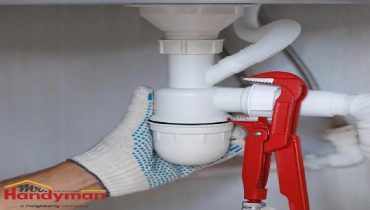
The older homes defining much of the Charleston and Summerville region's most character-rich residential landscape tell their plumbing story through the material choices their construction decades made, the Charleston Water System's soft surface water those systems have received through every year of service, and the Lowcountry's year-round subtropical warmth and humidity that outdoor and building envelope-adjacent plumbing has navigated through the accumulated decades since installation.
Learn more
The outdoor entertaining culture that Charleston, Summerville, Mount Pleasant, North Charleston, Goose Creek, Johns Island, and the surrounding Lowcountry communities sustain through the active warm season reflects the specifically Southern outdoor hospitality tradition the South Carolina coast creates as the year-round social backdrop those communities enjoy.
Learn more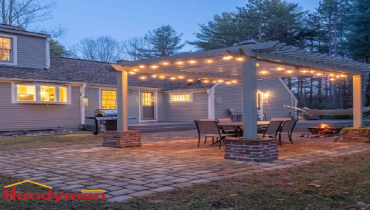
The plumbing system in a Charleston or Summerville home operates almost entirely out of sight.
Learn more
There is a specific frustration that Charleston, Summerville, Mount Pleasant, North Charleston, Goose Creek, and Johns Island homeowners recognize from summer to summer.
Learn more